Partilhar os desenhos dos seus produtos com um fornecedor de moldagem por injeção é inevitável — ele precisa deles para orçamentar o projeto e fabricar os moldes. Contudo, sem um acordo de confidencialidade (NDA1), os seus desenhos proprietários, os dados do ferramental e a sua vantagem competitiva ficam expostos. Em mais de 20 anos de fabrico na ZetarMold, vimos diretamente como o NDA certo protege compradores e fornecedores. Este guia aborda tudo o que engenheiros e gestores de compras precisam de saber sobre NDA na moldagem por injeção: o que incluir, quando assinar, armadilhas comuns e como fazer cumprir os acordos com fornecedores estrangeiros.
- Um NDA é essencial antes de partilhar ficheiros CAD ou projetos de moldes com qualquer fornecedor
- Um NDA sólido abrange os projetos, os dados dos moldes, os parâmetros do processo, os preços e a propriedade intelectual de terceiros
- Assine o NDA antes de solicitar um orçamento, nunca depois de já ter partilhado ficheiros
- A execução no estrangeiro exige cláusulas de jurisdição e disposições sobre a lei aplicável
- Os NDAs mútuos geram confiança e protegem ambas as partes em parcerias de fabrico de longo prazo
O que é um NDA na moldação por injeção e por que motivo é importante?
Um acordo de confidencialidade (NDA) é um contrato juridicamente vinculativo que estabelece a confidencialidade entre duas partes. Na moldagem por injeção, os riscos são particularmente elevados. Ao contratar um fornecedor, entrega-lhe ficheiros CAD, geometrias de peças, seleções de materiais, projetos de moldes e, por vezes, anos de investigação e desenvolvimento de engenharia. Sem um NDA, o fornecedor não tem obrigação legal de manter essas informações confidenciais. O NDA define que informações estão protegidas, como podem ser utilizadas, quem pode aceder-lhes e o que acontece em caso de violação. Para equipas de compras que avaliam vários fornecedores, os NDA criam uma base de confiança que permite partilhar pormenores técnicos suficientes para obter orçamentos exatos sem colocar a propriedade intelectual em risco.
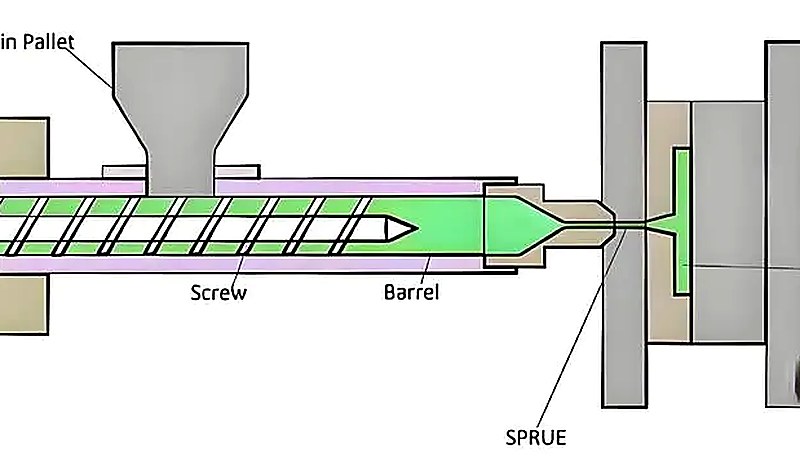
O que deve abranger o seu NDA para moldação por injeção?
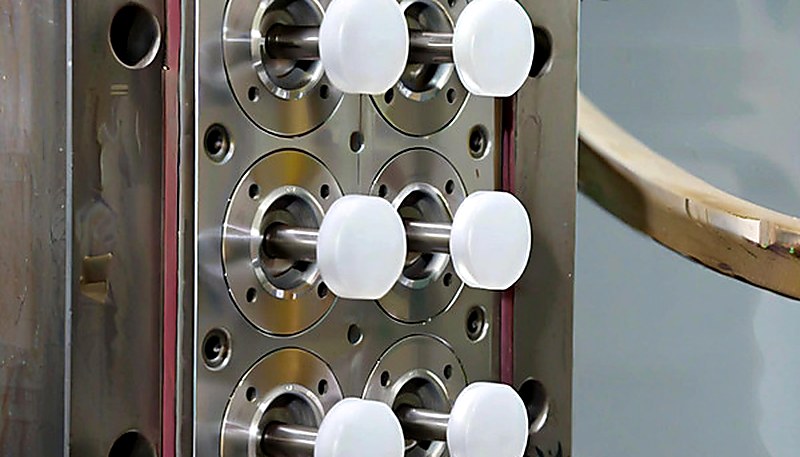
Um NDA abrangente cobre desenhos, dados do ferramental, parâmetros de processo e especificações de tolerância CNC. Comece por cinco categorias essenciais: (1) desenhos do produto — ficheiros CAD, modelos 3D e documentação da intenção do projeto; (2) dados do molde e do ferramental — disposições das cavidades, canais de refrigeração e posições dos pinos ejetores; (3) parâmetros de processo — temperaturas e pressões de injeção e formulações dos materiais; (4) informações comerciais — preços, volumes e identidades dos clientes; (5) PI2 de terceiros — desenhos licenciados que o fornecedor também deve proteger.
Um NDA bem redigido aborda os tipos específicos de propriedade intelectual envolvidos nas ferramentas e na produção, começando por estas cinco categorias críticas: (1) Projetos de produtos — ficheiros CAD, modelos 3D, desenhos 2D e qualquer documentação da intenção do projeto que revele a geometria e as tolerâncias do produto. (2) Dados de moldes e ferramentas — projetos de bases de molde, disposições das cavidades, configurações dos canais de arrefecimento e posicionamento dos pinos extratores que representam um investimento significativo em engenharia. (3) Parâmetros do processo — temperaturas e pressões de injeção, tempos de ciclo e formulações de materiais que resultam frequentemente de anos de otimização. (4) Informações comerciais — estruturas de preços, volumes de produção e identidades de clientes que os concorrentes poderiam explorar. (5) IP de terceiros — projetos ou componentes licenciados a terceiros que o fornecedor também tem de proteger nos mesmos termos.
Quando deve assinar um NDA com o seu fornecedor de moldes?
O momento certo para assinar é antes de partilhar quaisquer ficheiros técnicos com o fornecedor — idealmente antes do primeiro pedido de cotação3. Muitos compradores partilham desenhos preliminares para obter primeiro estimativas de preço e só depois formalizam o NDA, mas isso deixa a sua PI desprotegida. Siga esta sequência: selecione os fornecedores com base nas capacidades, envie o seu NDA para análise, assine-o e só então partilhe o pacote técnico para cotação.
Na ZetarMold, assinamos regularmente NDA propostos pelos clientes e também disponibilizamos o nosso próprio modelo de NDA mútuo.
Dispomos de 30+ gestores de projeto que falam inglês e conduzem este processo sem dificuldades, e as nossas certificações ISO 9001, ISO 13485, ISO 14001 e ISO 45001 demonstram o nosso compromisso com o tratamento sistemático da informação. Se um fornecedor resistir a assinar um NDA ou lhe pedir para utilizar apenas o modelo dele sem negociação, isso é um sinal de alerta.
De que forma os NDA protegem os dados das ferramentas e os projetos dos moldes?
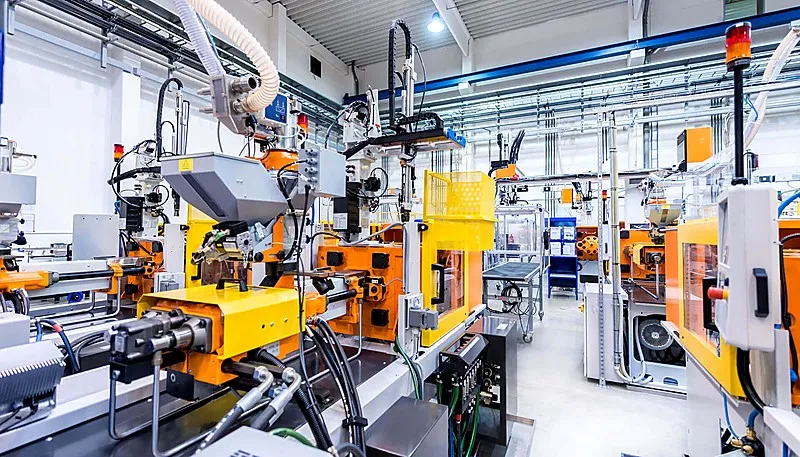
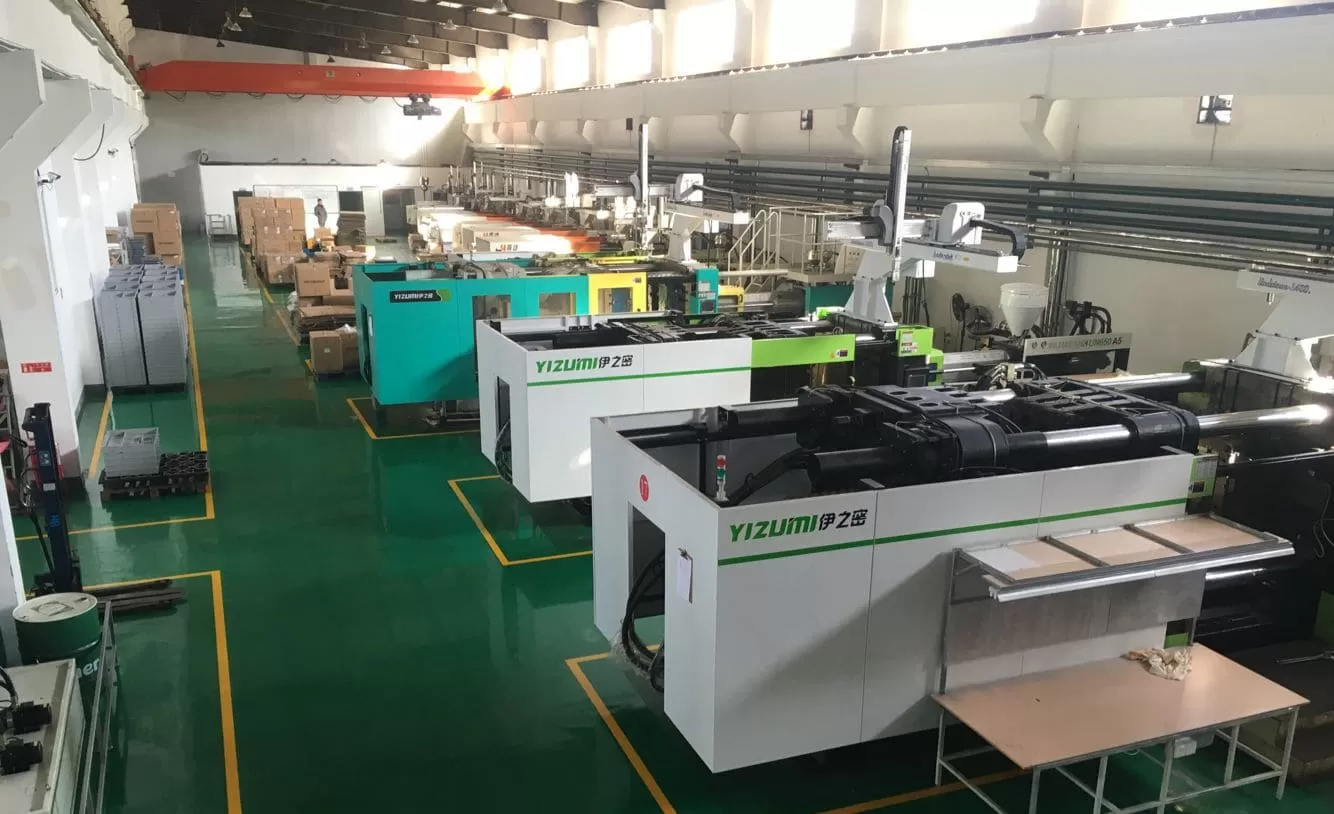
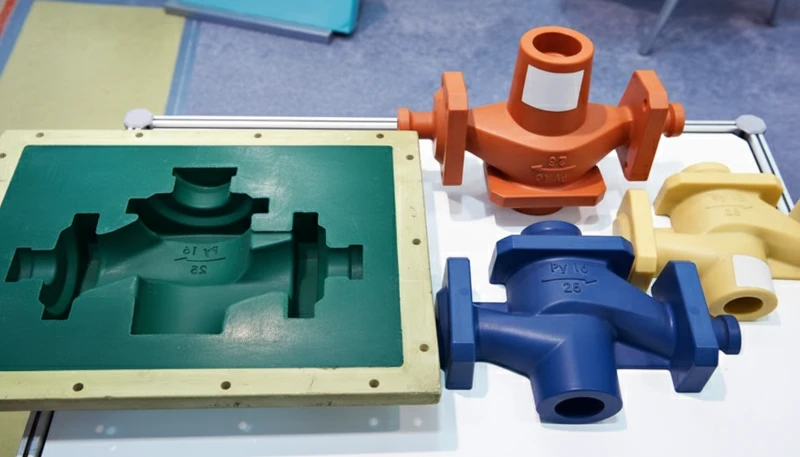
Os dados do ferramental são frequentemente o ativo mais valioso — e mais vulnerável — de um projeto de moldagem por injeção. Um único molde de injeção pode custar desde $5,000 para um protótipo simples até mais de $100,000 para um molde de produção complexo com elevadores, corrediças e várias cavidades. O próprio projeto do molde incorpora a geometria do produto, as tolerâncias, as posições dos pontos de injeção, as estratégias de refrigeração e os parâmetros específicos do material. Um NDA protege estes dados ao estabelecer consequências legais claras caso o fornecedor partilhe ou reutilize os projetos dos moldes sem autorização. Na nossa fábrica de Xangai, operamos 47 máquinas de moldagem por injeção de 90T a 1850T e dispomos de uma unidade interna que produz mais de 100 conjuntos de moldes por mês.
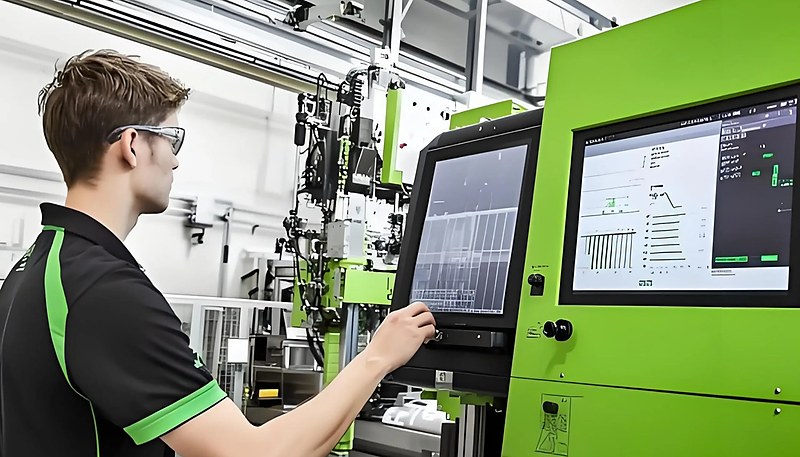
Os nossos 8 engenheiros séniores trabalham diariamente com dados de ferramentas dos clientes, e os nossos sistemas internos aplicam controlos de acesso — apenas a equipa atribuída ao projeto pode consultar ficheiros CAD dos clientes, projetos de protótipos e apresentações de peças dos moldes. Esta é a disciplina operacional que deve procurar em qualquer fornecedor que trate os seus dados confidenciais. Quer esteja a desenvolver um novo protótipo de produto de consumo ou a fabricar peças de produção, as mesmas proteções do NDA aplicam-se a todas as fases do ciclo de vida das suas ferramentas.
Quais são os erros comuns nos NDAs de fornecedores?
Depois de analisarmos centenas de NDA de compradores e fornecedores, estes são os erros que observamos com maior frequência. Primeiro, utilizar um modelo genérico de NDA sem o adaptar ao fabrico. Um NDA do setor do software não abrangerá a propriedade dos moldes, os dados dos moldes nem as necessidades de confidencialidade específicas da moldação por injeção. Segundo, definir a informação confidencial de forma demasiado restrita. Se o NDA proteger apenas projetos patenteados, deixa expostos os seus segredos comerciais não patenteados, parâmetros de processo e conhecimentos técnicos. Terceiro, ignorar as cláusulas de propriedade dos moldes. Quando o fornecedor fabrica o molde, quem é proprietário do projeto? Sem uma redação explícita, surgem litígios quando pretende transferir o molde para outro fornecedor. Quarto, omitir as disposições relativas ao prazo e à cessação. Durante quanto tempo se mantém a confidencialidade após o fim da relação comercial?
No caso de ferramentas, a resposta deve ser pelo menos 5 a 10 anos, porque os projetos de moldes têm uma longa vida útil. Em quinto lugar, não especificar a lei aplicável e a jurisdição. Se for uma empresa dos EUA ou da UE a trabalhar com um fornecedor chinês, o NDA tem de definir quais os tribunais competentes e quais as leis aplicáveis.
Como pode fazer cumprir um NDA junto de um fornecedor estrangeiro?
A exequibilidade é a questão que todos os compradores colocam e merece uma resposta honesta. Fazer cumprir um NDA internacionalmente é mais complexo do que a nível nacional, mas está longe de ser impossível — e o próprio NDA continua a ser a sua ferramenta preventiva mais forte. Seguem-se medidas práticas para reforçar a exequibilidade. Inclua uma cláusula de lei aplicável que especifique uma jurisdição aceite por ambas as partes. Muitos acordos entre fornecedores dos EUA e da China utilizam a lei de Nova Iorque ou a lei chinesa com arbitragem num local neutro, como o Hong Kong International Arbitration Centre (HKIAC). Registe a sua IP no país do fornecedor. Se tiver patentes ou designs registados na China, a sua posição jurídica é muito mais forte. Efetue auditorias periódicas — o seu NDA deve incluir o direito de auditar as práticas de tratamento de dados do fornecedor.
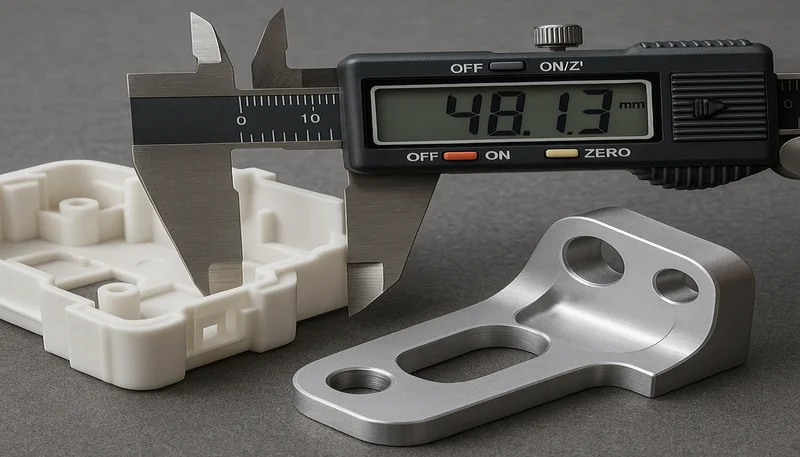
Os fornecedores reputados recebem bem esta abordagem, pois demonstra o seu profissionalismo. Utilize a gestão de direitos digitais nos ficheiros partilhados: aplique marcas de água aos ficheiros CAD, utilize arquivos protegidos por palavra-passe e registe quem acede a quê. Inclua as especificações de tolerância e maquinação no âmbito dos dados protegidos — os parâmetros CNC e os dados de tolerâncias apertadas são segredos comerciais valiosos. Limite a partilha de informações ao estritamente necessário para a orçamentação e a produção. Por fim, escolha fornecedores com um historial comprovado.
O seu NDA deve incluir os seguintes mecanismos de execução. Lei aplicável — especifique a jurisdição que determina o sistema jurídico responsável pela resolução de litígios. Arbitragem — a HKIAC ou a ICC, com uma sede neutra, é mais rápida internacionalmente do que um processo judicial. Registo da PI — registe as patentes no país do fornecedor; os sistemas de primeiro requerente favorecem o registo antecipado. Direitos de auditoria — inclua o direito de inspecionar as práticas de tratamento de dados para dissuasão proativa e verificação da conformidade. DRM digital — aplique marcas de água nos ficheiros e acompanhe o acesso para criar um rasto de provas em caso de violação. Cláusula de sobrevivência — um prazo de 5 a 10 anos após a cessação garante que os projetos dos moldes continuam protegidos, pois mantêm valor durante anos.
O que torna sólido um NDA para parcerias de moldagem por injeção?
Os acordos de confidencialidade mais sólidos no fabrico são acordos mútuos em que ambas as partes têm interesses em jogo. Um NDA mútuo protege as suas conceções e também os processos exclusivos e os segredos comerciais do fornecedor. Esta abordagem equilibrada cria a base para uma parceria a longo prazo, em vez de uma relação conflituosa.
Os elementos essenciais de um NDA sólido para moldação por injeção incluem: definições claras do que constitui informação confidencial, exclusões específicas (informação já pública, desenvolvida de forma independente ou recebida de terceiros), requisitos de dever de diligência (como a parte recetora deve proteger a informação), divulgações permitidas (quem pode aceder aos dados na organização do fornecedor), obrigações de devolução ou destruição no termo do acordo, cláusulas de reparação que especifiquem indemnizações ou medidas cautelares por incumprimento e uma cláusula de vigência que assegure que as obrigações de confidencialidade se mantêm após a relação comercial. Para projetos com intenção de compra, inclua também uma cláusula sobre a propriedade do molde e os direitos de transferência.
Quando investe na seleção de um fornecedor de moldagem por injeção, o NDA deve esclarecer que os moldes pagos por si continuam a ser sua propriedade e podem ser transferidos para outro fornecedor mediante pedido.
Na ZetarMold, a assinatura de NDA com os clientes faz parte do processo normal de integração. Com 20+ anos de experiência em moldação por injeção e ferramentas, instalações internas de fabrico de moldes e 30+ gestores de projeto que falam inglês, compreendemos que proteger os seus projetos não é apenas uma obrigação jurídica — é a base de uma parceria de fabrico duradoura.
"Deve ser assinado um acordo de confidencialidade antes de partilhar quaisquer ficheiros CAD ou especificações técnicas com um fornecedor."True
Correto. Partilhar projetos antes de existir um NDA deixa a sua propriedade intelectual legalmente desprotegida, mesmo que o fornecedor atue de boa-fé.
"Um modelo genérico de NDA para o setor do software é suficiente para proteger os dados das ferramentas de moldação por injeção."False
Falso. Os acordos de confidencialidade para o fabrico têm de abordar a propriedade dos moldes, os dados dos moldes, os parâmetros do processo e o manuseamento dos ativos físicos que os modelos genéricos ignoram.
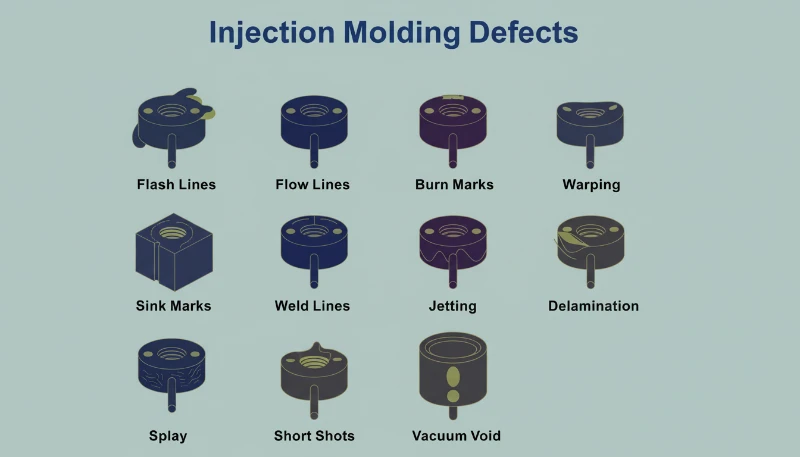
Na prática, a diferença entre um modelo de NDA e um NDA específico para o fabrico resume-se à especificidade. Um NDA de software pode mencionar código-fonte e algoritmos, mas não definirá quem é o proprietário do molde físico após o fim da produção, como devem ser armazenados os dados do molde ou o que acontece se o fornecedor utilizar o projeto da cavidade do seu molde para outro cliente. Também não abrangerá parâmetros de processo, como temperaturas e pressões de injeção, que evitam defeitos comuns como marcas de queimadura, rebarba e enchimentos incompletos — dados que representam anos de otimização do fabrico e são, por si só, um segredo comercial.
"Os NDA mútuos criam relações mais fortes com os fornecedores do que os acordos unilaterais."True
Correto. Quando ambas as partes têm obrigações de confidencialidade, cria-se uma confiança equilibrada e demonstra-se uma perspetiva de parceria a longo prazo.
"Os acordos de confidencialidade com fornecedores estrangeiros não são executáveis e, por isso, não vale a pena assiná-los."False
Falso. Embora a aplicação internacional enfrente desafios, os NDAs estabelecem direitos legais, desencorajam a utilização indevida e proporcionam meios de recurso através de cláusulas de arbitragem e disposições sobre a legislação aplicável.
Perguntas mais frequentes
Qual é a Diferença entre um NDA Unilateral e Mútuo para Moldação por Injeção?
Um NDA unilateral protege as informações confidenciais de apenas uma das partes—normalmente os designs e os dados do comprador—enquanto um NDA mútuo cria obrigações de confidencialidade para ambas as partes. Na moldação por injeção, os NDA mútuos são fortemente preferíveis porque o fornecedor também contribui para a relação com processos próprios, técnicas de fabrico de ferramentas e conhecimentos de produção. Um acordo mútuo cria uma confiança equilibrada, demonstra profissionalismo de ambas as partes e é considerado prática corrente em qualquer parceria de fabrico a longo prazo. Evita também a perceção de que o comprador impõe condições unilaterais, o que pode prejudicar a relação de trabalho antes mesmo de esta começar.
Posso utilizar o mesmo NDA para todos os fornecedores de moldação por injeção?
Pode utilizar um modelo de NDA sólido e bem redigido como ponto de partida, mas cada relação com um fornecedor pode exigir ajustes específicos. Os diferentes fornecedores trabalham com materiais, processos e categorias de produtos distintos, que podem envolver considerações específicas de propriedade intelectual. Reveja e personalize o seu NDA para cada parceria, prestando especial atenção às cláusulas de propriedade dos moldes, às disposições sobre jurisdição e legislação aplicável e às categorias específicas de propriedade intelectual relevantes para o seu projeto. Um modelo poupa tempo, mas a sua reutilização cega e sem adaptação pode deixar lacunas críticas na sua proteção.
O que acontece se um fornecedor violar um NDA?
Se um fornecedor violar um NDA, pode recorrer a medidas legais, incluindo indemnizações pecuniárias, providências cautelares para impedir novas divulgações e arbitragem, consoante a cláusula de lei aplicável. A eficácia prática da aplicação depende da precisão com que o NDA foi redigido, do registo da sua propriedade intelectual no país do fornecedor e das provas da violação que conseguir recolher. É essencial trabalhar com assessoria jurídica experiente em litígios de fabrico internacionais. Contudo, a prevenção através de uma seleção cuidadosa dos fornecedores, da compartimentação da informação e de salvaguardas operacionais é sempre mais eficaz e menos dispendiosa do que um litígio posterior à violação.
Devo registar os meus projetos na China antes de trabalhar com um fornecedor chinês?
Sim. Se os seus projetos forem patenteáveis ou registáveis, o registo na China antes de os partilhar reforça significativamente a sua posição jurídica. A China aplica um sistema de primeiro requerente a patentes e desenhos industriais, o que significa que a primeira parte a efetuar o registo detém os direitos, independentemente de quem criou originalmente o projeto. Por isso, o registo antecipado é fundamental. Registe as suas patentes e desenhos industriais junto da Administração Nacional da Propriedade Intelectual da China (CNIPA) antes de partilhar quaisquer ficheiros com potenciais fornecedores. Este passo, combinado com o seu NDA, cria uma dupla camada de proteção para a sua propriedade intelectual.
Quanto tempo devem durar as obrigações de confidencialidade num NDA de moldação por injeção?
Nos projetos de moldação por injeção, as obrigações de confidencialidade devem vigorar durante pelo menos 5 a 10 anos após o fim da relação comercial. Os projetos de moldes têm uma vida útil longa — os moldes de produção podem realizar centenas de milhares de ciclos ao longo de uma década ou mais. Os segredos comerciais e os dados de processo proprietários podem manter o seu valor indefinidamente. O seu NDA deve incluir uma cláusula de sobrevivência que prolongue explicitamente as proteções de confidencialidade muito para além do período de colaboração ativa. Algumas empresas aplicam prazos indefinidos aos segredos comerciais e prazos fixos às informações comerciais gerais.
A assinatura de um NDA garante a segurança dos meus projetos?
Um NDA é um instrumento jurídico de dissuasão e execução, não uma garantia de segurança. Aumenta significativamente os recursos jurídicos disponíveis em caso de violação e cria um forte desincentivo à utilização indevida. No entanto, a melhor proteção combina um NDA bem redigido com uma seleção cuidadosa do fornecedor, o registo da propriedade intelectual nas jurisdições relevantes, a compartimentação da informação (partilhe apenas o necessário) e salvaguardas operacionais, como controlos de acesso, marcas de água nos ficheiros e registo de atividades. Encare o NDA como uma camada de uma estratégia multicamada de proteção dos seus designs.
Quem deve assinar o NDA do lado do fornecedor?
O NDA deve ser assinado por um representante autorizado da empresa fornecedora com poderes legais para a vincular — normalmente um administrador, responsável jurídico ou executivo sénior com poderes de assinatura. O acordo deve também indicar explicitamente que as obrigações de confidencialidade abrangem todos os funcionários, subcontratados e agentes que possam aceder às suas informações confidenciais durante o projeto. Confirme sempre os poderes do signatário, solicitando uma carta de autorização societária ou consultando os documentos de registo da empresa, sobretudo ao trabalhar pela primeira vez com fornecedores novos ou desconhecidos.
A proteção dos seus desenhos começa com o parceiro certo. Na ZetarMold, assinamos NDA como prática habitual, apoiamo-los com sistemas de qualidade certificados pela ISO e tratamos a sua propriedade intelectual com o mesmo cuidado que dedicamos à nossa. Com mais de 20 anos de experiência, uma unidade interna de fabrico de moldes e uma equipa de mais de 120 colaboradores de produção apoiados por 8 engenheiros seniores, temos a infraestrutura e a disciplina necessárias para conquistar a sua confiança. Pronto para discutir o seu projeto de moldagem por injeção ao abrigo de um NDA mútuo? Peça um orçamento gratuito e deixe a nossa equipa mostrar-lhe como é, na prática, uma proteção profissional da PI.
NDA: um acordo de confidencialidade é um contrato juridicamente vinculativo que estabelece a confidencialidade entre partes que partilham informações comerciais ou técnicas sensíveis. ↩
PI: propriedade intelectual refere-se a criações do intelecto, como invenções e desenhos, que podem ser protegidas por patentes ou segredos comerciais. ↩
Pedido de cotação: documento formal enviado a fornecedores para solicitar preços e informações sobre as suas capacidades para um projeto específico. ↩