- DOEは、複数の射出成形パラメータを同時にテストする体系的な方法です。
- 全因子DOEはすべての因子の組み合わせをテストします。タグチDOEはより少ない実験回数で迅速な結果を得ます。
- DOEの主要因子には、溶融温度、射出圧力、保圧圧力、冷却時間が含まれます。
- DOEは、試行錯誤の反復を数十回から8〜16回の制御された実験に減らします。
- 適切なDOE文書は、PPAPおよびIQ/OQ/PQプロセス検証要件をサポートします。
射出成形におけるDOE(実験計画法)とは何ですか?
射出成形におけるDOE(実験計画法)の機能、制約、トレードオフを説明します。射出成形の選択肢を比較する読者に向け、射出成形金型1、樹脂2の材料挙動、業者評価、品質管理の判断が、設計を再現可能な量産へ移せるかどうかにどう関係するかを示します。
より広い文脈については、このテーマをサプライヤー調達ガイドと比較してください。
実験計画法(射出成形3)は、試行ごとに一変数だけ変えるのではなく、複数の射出成形条件を同時に試験する統計手法です。金型温度、保圧、冷却時間を3日かけて調整し、結局出発点へ戻った経験があるなら、その繰り返しを止めるのがDOEです。
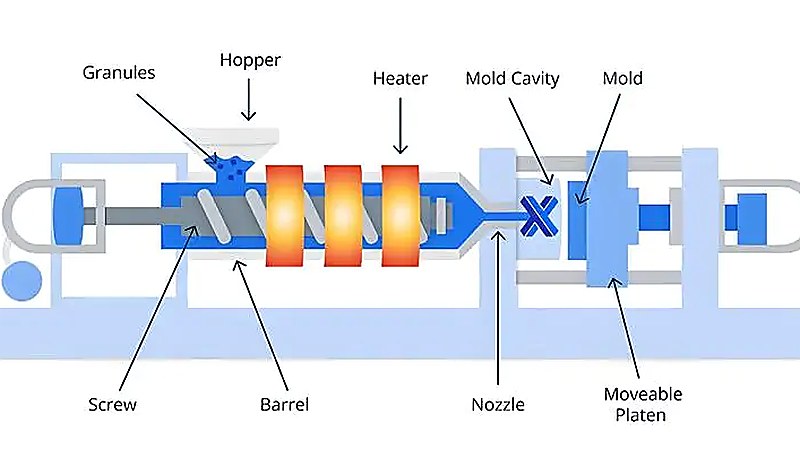
射出成形におけるDOEは、どの機械設定の組合せが最短サイクルで最高品質をもたらすか、という具体的な問いに答えます。推測する代わりに、実験運転の構造化マトリクスを設定し、結果を測定して、何が重要かをデータで判断します。
その見返りは確かなものです。適切に実行されたDOEにより、認定時間を数週間から数日に短縮し、検証中の不良品を減らし、品質チームに引き渡せる確固たるプロセスウィンドウを得ることができます。自動車部品や医療部品では、DOEの結果は射出成形プロセス文書の必須部分となることがよくあります。
なぜ射出成形プロセス最適化にDOEが重要なのですか?
この節では、DOEが射出成形工程の最適化に重要な理由と、コスト、品質、納期、調達リスクへの影響を説明します。射出成形には、溶融温度、金型温度、射出速度、保圧力、保圧時間、冷却時間という少なくとも6つの相互作用する条件があります。一つを変えると他も予想外に変化します。一因子ずつ最適化すると相互作用を見逃し、そこに本当の問題が潜みます。
よくある状況を考えてみましょう。ヒケを解消するために保圧を上げたところ、冷却時間を調整しなかったため、今度は成形品が金型に張り付くようになりました。DOEであれば両方の因子を同時に試験し、一連の実験だけでこのトレードオフを明らかにできます。得られるデータは、単一の設定値ではなく、プロセスマップを提供します。
DOEでは、OFATでは得られない、どのパラメーターが最も重要かを定量化した順位も得られます。主効果プロットと交互作用プロットにより、たとえば溶融温度が寸法変動の45%を占め、冷却時間が12%を占めることが分かります。これは、エンジニアリングチームと顧客が実際の対策に活用できる情報です。
射出成形で使用される主なDOE手法は何ですか?
射出成形用途の95%は、3種類のDOE手法で対応できます。各手法では詳細度と所要時間のトレードオフが異なり、適切な選択は、検討する因子数と利用可能な時間によって決まります。
| DOE手法 | 最適 | 実行回数(4因子の場合) | 複雑さ |
|---|---|---|---|
| 全因子実験 | 徹底的な最適化、<5要因 | 16~32回の実行 | 高い |
| タグチ法(L8, L16) | 多くの因子を迅速にスクリーニング | 8~16回の実行 | ミディアム |
| 一部実施要因計画 | 詳細と速度のバランス | 8~16回の実行 | ミディアム-ハイ |
全因子DOE
完全実施要因計画では、各因子の各水準について、すべての組み合わせを試験します。2水準の因子が4つなら2⁴ = 16回、3水準なら3⁴ = 81回の実験が必要です。すべての交互作用を把握できるため、完全実施要因計画は最も信頼性の高い手法ですが、因子が5つを超えると実用的ではなくなります。最終最適化段階で、主要パラメータをすでに3–4個に絞り込んでいる場合に使用してください。
タグチメソッドDOE
タグチ計画は直交表を使用し、全組み合わせの一部をテストしながら主効果を捉えます。L8直交表では、2水準で最大7因子をわずか8回の実験で扱えます。L16直交表では、2水準で最大15因子を16回の実験で扱えます。トレードオフ:いくつかの交互作用情報が失われます。タグチDOEは、多くの候補因子があり、重要な因子を迅速に見つける必要があるスクリーニング段階に最適です。
一部実施要因計画DOE
一部実施要因計画は中間的な手法です。全因子マトリックスの注意深く選択されたサブセットをテストし、最も重要な交互作用を保持しながら、実際にはほとんど重要でない高次の交互作用をスキップします。2⁴計画の半実施では、16回の代わりに8回の実験で済みますが、2因子間交互作用を推定できます。これはほとんどの射出成形DOEで主力となる手法です。
射出成形のためのDOEはどのように設定しますか?
適切な準備をせずにDOEを実施することは、実施しないよりも悪い結果を招きます。科学的に見える数値が得られても、誤った結論へ導かれるからです。以下に、実務で有効な手順を段階的に示します。
ステップ1:応答変数の定義
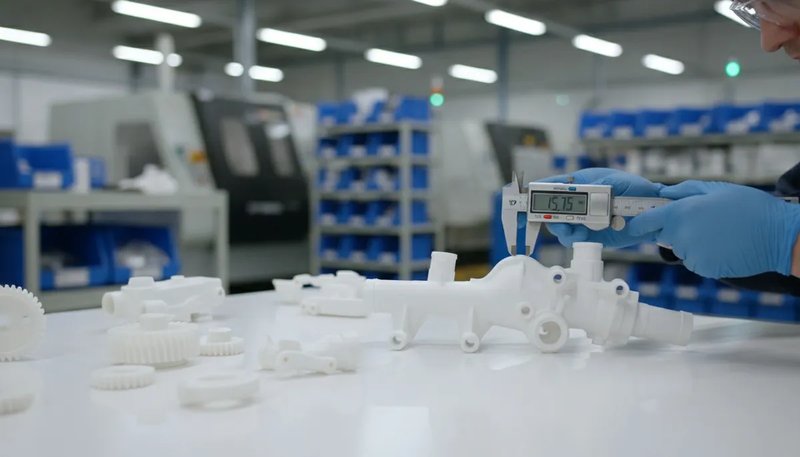
何を測定するのか、具体的に定めてください。「品質向上」は応答変数ではありません。「X軸方向の収縮を±0.05mmで測定する」は応答変数です。射出成形で一般的な応答変数には、部品重量、寸法偏差、反り、ヒケ深さ、サイクルタイムがあります。主要応答を一つ、副次応答を多くても二つ選びます。
ステップ2: 因子と水準を選択する
技術的知見に基づき、応答に影響する可能性が最も高い要因を3~6個選びます。各要因について、現実的な範囲を示す2水準(低・高)を設定します。範囲が広すぎると成形不良が発生し、狭すぎると効果を確認できません。目安として、現在の量産設定値の±10~15%を範囲に設定してください。
ステップ3: DOE配列を選択し、実験を実行する
因子数と水準数を適切な直交表または要因計画に合わせます。可能であれば実行順序をランダム化します―これにより機械のドリフトによる結果の偏りを防ぎます。各実行を細心の注意を払って記録します:実際の機械設定、環境条件、金型温度、およびすべての観察事項。
ステップ4:結果の分析
主効果(各因子が応答へ及ぼす影響)と交互作用効果(因子の組合せが及ぼす影響)をプロットします。射出成形の分散分析(Analysis of Variance)を使い、通常p < 0.05を基準として統計的に有意な因子を特定します。結果から、最適化すべき因子と安全に無視できる因子が分かります。
DOEでテストすべき射出成形の主要パラメータは何ですか?
DOEでテストすべき主要な射出成形パラメータは、このセクションで説明する主要なカテゴリまたはオプションです。すべてのパラメータがDOEに属するわけではありません。選択する因子は、機械上で実際に制御可能であり、応答変数と物理的に妥当な関係を持つものであるべきです。以下は、公開された研究および当社の生産データにおいて有意となる頻度でランク付けされた、最も一般的な6つの因子です。
| パラメータ | 一般的な範囲 | 影響対象 | 通常、有意ですか? |
|---|---|---|---|
| 溶融温度 | 公称値±15°C | 粘度、充填パターン、そり | はい(ランク1〜2) |
| 射出圧力 | 公称値±15{TP3T} | 充填完全性、バリ、寸法 | はい(ランク1~3) |
| 保圧圧力 | 公称値から±20% | 収縮、シンクマーク、重量 | はい(ランク1〜2) |
| 冷却時間 | 公称値±30{TP3T} | そり、サイクルタイム、寸法 | 頻繁に |
| 金型温度 | 公称値から±10°C | 表面仕上げ、結晶化度、そり | 頻繁に |
| 射出速度 | 公称値から±20% | ジェッティング、溶接線、充填パターン | 場合による |
ZetarMoldでの経験では、ほとんどの部品において寸法変動の大部分は溶融温度と保圧圧力によるものです。冷却時間は3番目に一般的な重要な因子であり、特に肉厚が不均一な部品で顕著です。射出速度は、薄肉部品やPC、ガラス充填ナイロンなどの加工窓が狭い材料で最も重要です。
ZetarMoldの8名のシニアエンジニアは、それぞれ10年以上の射出成形経験を有しています。顧客検証のためにDOEを実施する際は、通常90T~1850Tの成形機を使用し、量産条件を正確に再現します。400種類以上の材料データベースには既知の初期パラメータが収録されており、DOEの設定時間を40~60%短縮します。
DOEはプロセスバリデーション(IQ/OQ/PQ)をどのようにサポートするか?
DOEは、金型設計の自由度、再現性の高い工程管理、材料選定を統合できるため、工程バリデーション(IQ/OQ/PQ)を強力に支援します。自動車または医療分野の顧客に部品を供給する場合、工程バリデーションは必須です。射出成形の枠組みでは、工程が安定し、十分な工程能力を備えていることを証明する必要があります。そしてDOEは、OQ(Operational Qualification)を実効性のあるものにする手法です。
IQ(設置適格性評価)では、機械が正しく設置され、仕様を満たしていることを確認します。OQでは、プロセスがその操作ウィンドウ全体で許容可能な部品を生産できることを実証する必要があります。ここでDOEが真価を発揮します。実験行列を実行し、最適設定を確立し、プロセス限界を文書化します。DOEの出力は、単に一度うまくいった設定を見つけたというだけでなく、プロセスを理解していることの証拠となります。
PQ(稼働性能適格性評価)では、DOEで最適化した条件で生産ロットを流し、長期安定性を確認します。DOEが適切なら工程ウィンドウと各パラメータの感度が既知なので、PQは初回で合格するはずです。DOEがないと、PQは結果を予測できない高額な試行の連続になりがちです。
「Taguchi L8直交表を使用すれば、わずか8回の実験で最大7因子をスクリーニングできます。」True
田口L8直交配列は、8回の実験で7つの2水準因子をテストします。これは、本格的な最適化研究に着手する前に、重要な因子を特定するための最も効率的なスクリーニング設計の一つです。
「DOEによって射出成形工程のばらつきをすべて排除できる。」False
DOEは、変動を引き起こす因子を特定し、その影響を定量化しますが、材料や機械に内在する変動性そのものを排除することはできません。DOEは、変動を許容範囲内に制御することを支援しますが、完全に除去するものではありません。
射出成形DOEにはどのようなソフトウェアツールが使用されますか?
このセクションは、射出成形DOEに使用されるソフトウェアツールと、それがコスト、品質、タイミング、または調達リスクに与える影響についてです。単純なタグチDOEはExcelで分析できますが、専用ソフトウェアは時間を節約し、ミスを減らします。Minitabは製造業界の標準であり、DOE計画、ANOVA、出版品質のプロット作成を扱います。JMP(SAS製)はインタラクティブな可視化機能で自動車・航空宇宙業界で人気です。予算を重視するチームには、RやPython(statsmodels、pyDOE2)が無料のDOE機能を提供しますが、学習曲線は急峻です。
MoldflowやMoldex3Dなどのシミュレーションソフトウェアでも、仮想的にDOEと同様のデータを生成できます。シミュレーターでパラメータマトリクスを設定すれば、実材料や成形機の稼働時間を消費せずに予測結果を得られます。仮想DOEは、実機DOEを行う前に因子範囲を絞り込むうえで非常に有効ですが、実際の材料ロット差、金型摩耗、周囲環境の変動をシミュレーションで完全には再現できないため、実機検証の全面的な代替にはなりません。
射出成形における一般的なDOEミスとは何ですか?
この節では、射出成形DOEでよくある失敗を分類して説明します。数百件の射出成形金型設計プロジェクトで数十回のDOEを実施すると、同じ失敗が繰り返し現れます。損害の大きい順に上位5件を示します。
失敗例1:因子が多すぎる
エンジニアは考えられる全てのパラメータを含めたいと考えがちです。10因子のDOEでは、2水準の完全実施要因計画で1,024回の運転が必要です。分数計画であっても、6〜7因子を超えると分析が雑音に埋もれ、結果の解釈が困難になります。まずスクリーニングDOE(タグチL8またはプラケット・バーマン)を使用し、その後実際に重要な3〜4因子に焦点を絞った最適化DOEを実施してください。
ミス2:機械のウォームアップとドリフトの無視
射出成形機は瞬時に安定するわけではありません。シリンダーと金型が熱平衡に達する前にDOE運転を開始すると、最初の数回の運転は外れ値となり、分析全体を歪めてしまいます。実験計画を開始する前に、常に10〜15ショットのウォームアップ運転を行い、シリンダー温度、金型温度、製品重量が安定していることを確認してください。
ミス3:ランダム化された運転順序の未実施
DOEマトリックスを標準順序で実施すると、因子水準が系統的に変化するため、因子効果と時間依存のドリフトが交絡します。実験中に成形機が徐々に昇温した場合、標準順序では、そのドリフトがたまたま上昇している因子の効果として評価されます。これを防ぐ最も簡単な方法が無作為化です。
"DOEの結果は金型固有のものであり、異なる金型間でそのまま転用すべきではない。"True
金型形状、ゲート位置、冷却チャネルの配置、ランナーシステムは、いずれも各パラメータの相互作用に影響します。正確な工程条件を確立するには金型ごとに固有のDOEが必要ですが、方法論と因子の選定は再利用できます。
「成形機の温度制御が良好であれば、ランダム化は省略できる。」False
温度を精密に制御していても、材料ロットのばらつき、油圧ドリフト、周囲湿度の変化によって系統的な偏りが生じることがあります。ランダム化には費用がかからず、時間に依存するすべての交絡因子から結果を保護できます。
射出成形のDOE結果はどのように読み取りますか?
DOEレポートは、解釈できなければ役に立ちません。ここでは、主要な出力が何を意味し、それに基づいてどのように対応すべきかを説明します。
主効果プロット
これは、各因子の各水準における応答の平均を示します。線の傾きが急であれば、その因子の影響が強いことを意味します。線が平坦であれば、影響はありません。傾きが最も急な因子を探してください。それらが工程を調整するレバーです。傾きの符号は方向を示し、正の傾きは因子を増やすと応答が増加することを意味します。
交互作用プロット
2本の線が平行なら、交互作用はありません。2本の線が交差または発散するなら、交互作用があります。交互作用とは、ある因子の効果が別の因子の水準に依存することを意味します。射出成形では、溶融温度 × 保圧圧力と冷却時間 × 金型温度が、最も一般的な有意な交互作用です。交互作用を無視すると、誤ったパラメーターを最適化することになります。
分散分析表
ANOVA表は統計的な根拠を示します。各因子のp値から、その効果が統計的に有意かどうかを判断できます(標準的なしきい値はp < 0.05)。R²値は、モデルが全変動のどの程度を説明しているかを示します。R²が0.85を超えていれば、DOEで重要因子の大部分を捉えられています。0.60未満なら、何らかの因子を見落としています。
DOEを実行すべき場合と、試行錯誤が許容される場合は?
このセクションでは、DOEを実施すべき場合と試行錯誤で対応できる場合、ならびにそれが費用、品質、納期、調達リスクに与える影響を解説します。成形上のすべての問題にDOEが必要なわけではありません。よく知られた材料を使用する単一キャビティ金型で、部品形状が単純な場合、経験豊富な成形技術者なら正式なDOEを行わずに30分で成形機を調整できます。リスクが低く、プロセスウィンドウが広い場合は、試行錯誤(より正確には技術的判断)で問題ありません。
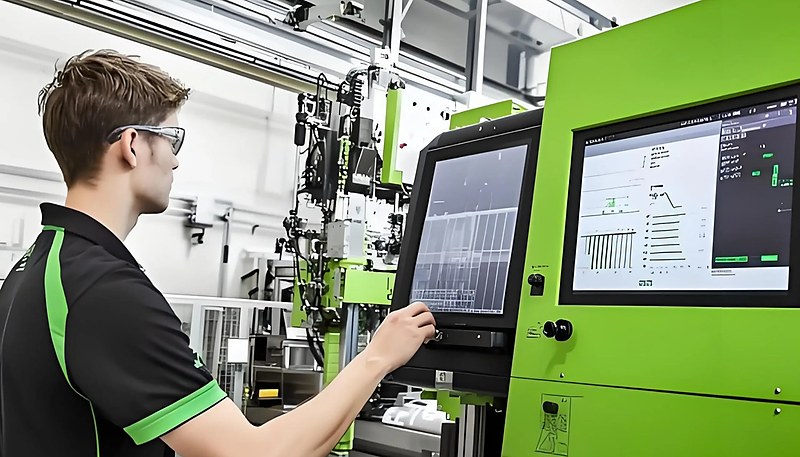
次のいずれかの条件に該当する場合、DOEが必要になります。厳しい公差(±0.05mm以下)、キャビティ間のバランスが重要な多数個取り金型、正式な工程バリデーションが必要な医療部品または自動車部品、新材料または不慣れな金型設計、あるいは従来のトラブルシューティングで解消しなかった継続的な不良です。この場合、DOEのコスト(通常、成形機の稼働時間と技術作業に1–2日)は、バリデーション不合格、生産スクラップ、顧客からの求償にかかるコストを大幅に下回ります。
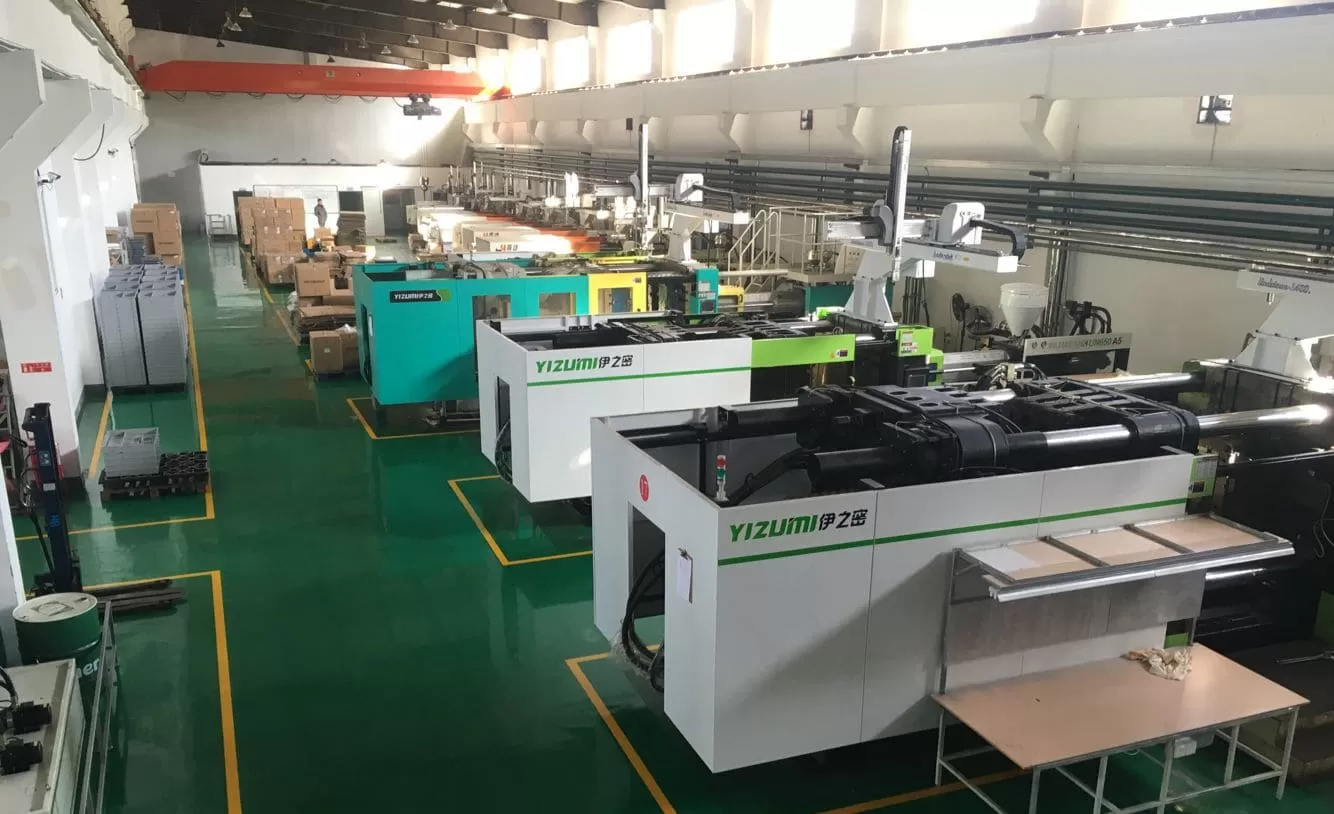
ZetarMoldでは、すべての自動車用および医療用金型について、標準的な工程適格性評価の一環としてDOEを実施しています。上海工場には47台の射出成形機があるため、生産計画を妨げることなくDOE試験専用の成形機を確保できます。セットアップから結果分析までの標準的なDOEサイクルは1~2営業日です。
「適切な因子を選んで設計した8ランのタグチ直交表は、計画の不十分な32ランの完全実施要因計画を上回ることがあります。」True
実験計画では、実施回数より設計の質が重要です。適切な因子に絞ったタグチ配列は、無関係な因子を含む大規模で焦点の定まらない完全実施要因計画より、明確で実行可能な結果をもたらします。
「DOEが必要なのは、医療用および自動車用の射出成形だけである。」False
医療業界と自動車業界では、工程バリデーションの一環としてDOEが正式に求められますが、厳しい公差の部品、多個取り金型、または品質問題が継続する部品を製造する成形メーカーであれば、DOEの恩恵を受けられます。民生用電子機器、コネクター、精密光学部品は、規制上の要請がなくてもDOEが価値をもたらす例です。
DOEは実際にどのように機能するか?ガラス充填ナイロンブラケットのケーススタディ
このセクションでは、ガラス繊維強化ナイロン製ブラケットの事例を通じて、実務でのES DOEの進め方と、コスト、品質、納期、調達リスクへの影響を説明します。当社の製造現場での実例を紹介します。ある顧客は、重要穴径の公差が±0.03mmであるPA66-GF30製ブラケットを必要としていました。初回試作では穴径のばらつきが±0.08mmとなり、公差の約3倍に達しました。サンプルの40%が寸法検査で不合格となっていました。
4因子を各2水準とするTaguchi L8 DOEを設定しました。因子は、溶融温度(270°C/290°C)、保圧圧力(60/80 MPa)、保圧時間(3s/5s)、冷却時間(15s/20s)です。応答変数は、CMMで測定した穴径としました。8回の実験を行い、各回で15個の成形品を測定し、すべてを午後の半日で完了しました。
結果:ばらつきへの寄与率は、樹脂温度が52%、保圧力が28%、冷却時間が12%でした。保圧時間には統計的有意差が認められませんでした(p = 0.34)。最適条件である樹脂温度290°C、保圧力75 MPa、冷却時間18秒を適用した結果、直径のばらつきは±0.025 mmまで低減しました。初回合格率は60%から97%へ向上しました。DOEの総コストは、成形機稼働1日分と技術解析2時間分でした。
よくある質問
射出成形のDOEに必要な最小実験回数は?
4~7因子のスクリーニングDOEでは、タグチL8直交表に必要な試行は合計わずか8回であり、最も効率的な実験計画の一つです。2水準の3~4因子を完全に最適化する場合、2水準完全要因計画では8~16回の試行が必要です。重要なのは、目的に合った計画を選ぶことです。スクリーニング調査では少ない試行で影響の大きい因子を特定し、最適化調査では試行回数を増やす代わりに、詳細な交互作用データと量産用の精密な工程ウィンドウを得ます。
DOEは多数個取り金型の充填バランス調整に使用できるか?
はい。多数個取り金型のバランス調整は、射出成形の生産現場において最も有用なDOE活用例の一つです。キャビティ間の寸法ばらつきを応答変数に設定し、射出速度、保圧、金型温度などの因子を試験することで、アンバランスを体系的に最小化できます。この構造化された実験手法は、全キャビティで一貫した品質を実現するうえで不可欠です。特に8個取り、16個取り、32個取りの量産金型では、わずかな寸法の不均衡でも、大量かつ長期の生産を通じて大きな歩留まり損失につながります。
一般的な射出成形DOEにはどの程度の期間が必要か?
8–16回の実験を行う一般的なDOEでは、成形機の稼働に4–8時間、初期設定に1–2時間、実験後のデータ解析と報告書作成に2–4時間を要します。当社施設のDOEの大半は、開始から終了まで1営業日以内に完了します。主なボトルネックは通常、実験そのものではなく測定工程です。各実験で得られた部品のCMM測定や光学検査は、実際の成形工程より長くかかる場合があります。特に、厳しい公差を持ち、慎重な固定を要する重要測定点が複数ある部品で顕著です。
DOEと科学的成形法の違いは何ですか?
科学的成形は、充填、保圧、冷却に至る射出成形工程全体をデータに基づいて理解し、管理する、より広範な製造思想です。DOEは科学的成形で用いられる主要な統計手法の一つですが、この方法論にはキャビティ圧力の監視、デカップルド成形戦略、追跡可能な記録を伴う体系的な工程文書化も含まれます。実務上、科学的成形は工程管理の全体的なアプローチを定め、DOEは科学的成形の判断に必要な定量データを得るための具体的な実験枠組みを提供します。
新規の射出成形プロジェクトすべてにDOEを使用すべきですか?
必ずしも必要ではありません。公差が広い単純な部品で、チームが何度も加工した実績のある材料を使用する場合、経験豊富な成形技術者は正式なDOEを実施しなくても効率的に条件を設定できます。DOEは、重要寸法に厳しい公差が求められる部品、新規または不慣れな材料、キャビティバランスが重要な多数個取り金型、あるいは自動車・医療分野の顧客向けに正式な工程バリデーションが必要な部品に適用してください。適切に実施したDOEの投資効果は、部品の複雑さ、品質要件、金型寿命全体の総生産量が増すほど大きくなります。
DOEの結果で決定係数(R²)が低い場合、何を意味しますか?
0.60未満の低い決定係数(R-squared)は、モデルが応答変数の総変動の大部分を説明できていないことを意味し、有用な診断シグナルとなります。一般的な原因には、検討に含めなかった重要因子の欠落、測定可能な効果が現れないほど狭い因子範囲、検査工程における過大な測定ノイズ、実験間で変動する金型温度などの未管理変数があります。対策は、欠落因子を系統的に追加するか因子範囲を広げ、実験を再実施することです。
シミュレーションは射出成形の実物DOEを代替できますか?
MoldflowやMoldex3Dなどのシミュレーションソフトウェアでは、実機試験前に仮想DOEを実行して因子範囲を絞り込み、重要となる可能性が高いパラメータを特定できるため、必要な実試験回数を大幅に削減できます。ただし、シミュレーションでは材料ロットの実際のばらつき、成形機校正のドリフト、金型の摩耗パターン、周囲の湿度・温度条件を考慮しきれないため、実機DOEを完全に代替することはできません。推奨されるベストプラクティスは、仮想DOEをスクリーニング手段として使用した後、対象を絞った実機検証を行い、シミュレーションの予測を確認することです。
結論
DOEは、射出成形を試行錯誤に頼る技能から、データ駆動型の工学分野へと変えます。8回の実験による簡易的なTaguchiスクリーニングでも、32回の完全実施要因最適化でも、この方法論により、勘では決して得られないもの、すなわち、どのパラメータが重要か、それらがどう相互作用するか、最適な工程条件幅がどのようなものかを示す定量的根拠が得られます。
自動車部品や医療部品では、DOEは任意ではなく、工程バリデーション資料の一部です。一般産業部品でも、試作時の反復回数削減、初回合格率の向上、安定して再現できる工程の文書化という点で、投資効果は明確です。パラメータを一度に1つずつ変更して金型条件を決めているなら、時間と費用を無駄にしています。
次の射出成形プロジェクトでDOEの実施支援が必要ですか?当社のエンジニアリングチームにご連絡ください。当社チームは、400+の材料にわたる科学的成形と工程最適化で20+年の経験を有しています。DOEを設定し、実験を行い、完全に文書化した工程適格性評価パッケージを納品します。