- El DOE es un método estructurado para probar múltiples parámetros de moldeo por inyección simultáneamente.
- Un DOE factorial completo prueba cada combinación de factores; un DOE Taguchi utiliza menos corridas para obtener resultados más rápidos.
- Los factores clave del DOE incluyen la temperatura de fusión, la presión de inyección, la presión de empaque y el tiempo de enfriamiento.
- El DOE reduce las iteraciones de prueba y error de docenas de corridas a 8-16 experimentos controlados.
- Una documentación adecuada del DOE respalda los requisitos de validación de procesos PPAP e IQ/OQ/PQ.
¿Qué es DOE (Diseño de Experimentos) en el Moldeo por Inyección?
El DOE (diseño de experimentos) en moldeo por inyección se define por la función, las restricciones y las contrapartidas explicadas en esta sección. Para quienes comparan opciones, este artículo relaciona el molde de inyección1, el comportamiento del material plástico2, la evaluación del proveedor y las decisiones de control de calidad que determinan si un proyecto puede pasar del diseño a una producción repetible.
Para obtener un contexto más amplio, compare este tema con la guía de selección de proveedores.
El diseño de experimentos (moldeo por inyección3) es un método estadístico que permite probar varios parámetros de moldeo a la vez, en lugar de cambiar una variable por ensayo. Si alguna vez ha pasado tres días ajustando la temperatura del molde, después la presión de compactación y luego el tiempo de enfriamiento para acabar donde empezó, el DOE es la herramienta que rompe ese ciclo.
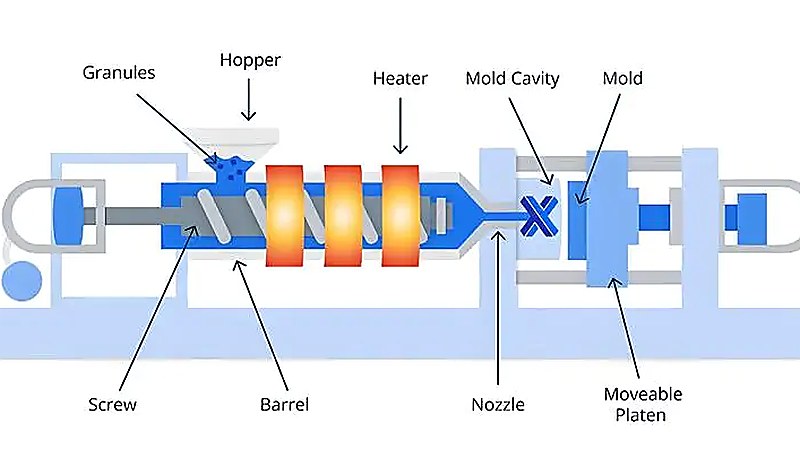
En el moldeo por inyección, el DOE responde a una pregunta concreta: ¿qué combinación de ajustes de máquina proporciona la mejor calidad de pieza con el ciclo más corto? En lugar de adivinar, se prepara una matriz estructurada de ensayos, se miden los resultados y se deja que los datos indiquen qué importa y qué no.
La recompensa es real. Un DOE bien ejecutado puede reducir tu tiempo de calificación de semanas a días, reducir el desperdicio durante la validación y darte una ventana de proceso defendible que puedas entregar a tu equipo de calidad. Para piezas automotrices y médicas, los resultados del DOE suelen ser una parte requerida de la documentación de tu proceso de moldeo por inyección.
¿Por qué es importante el DOE para la optimización del proceso de moldeo por inyección?
Esta sección explica por qué el DOE importa para optimizar el proceso de moldeo por inyección y su impacto en el coste, la calidad, los plazos o el riesgo de abastecimiento. Hay al menos seis parámetros que interactúan y afectan a la calidad: temperaturas de fusión y del molde, velocidad de inyección, presión y tiempo de compactación, y tiempo de enfriamiento. Al cambiar uno, los demás varían de maneras no siempre evidentes. Si los optimiza uno a uno, pierde las interacciones, que es donde residen los problemas reales.
Considere una situación habitual: aumenta la presión de compactación para corregir una marca de hundimiento, pero la pieza ahora se adhiere al molde porque no ajustó el tiempo de enfriamiento. Un DOE habría probado ambos factores juntos y mostrado la compensación en una sola serie de pruebas. Los datos le proporcionan un mapa del proceso, no solo un único punto de ajuste.
El DOE también proporciona algo que el OFAT nunca ofrecerá: una clasificación cuantificada de los parámetros más importantes. Se obtienen gráficos de efectos principales y de interacciones que indican, por ejemplo, que la temperatura de fusión representa el 45% de la variación dimensional, mientras que el tiempo de enfriamiento representa el 12%. Es información práctica para su equipo de ingeniería y su cliente.
¿Cuáles son los principales métodos de DOE utilizados en el moldeo por inyección?
Tres enfoques DOE cubren el 95% de las aplicaciones de moldeo por inyección. Cada uno equilibra de forma distinta el nivel de detalle y la rapidez, y la elección correcta depende del número de factores que se estudien y del tiempo disponible.
| Método DOE | Lo mejor para | Número de Corridas (4 factores) | Complejidad |
|---|---|---|---|
| Factorial Completo | Optimización exhaustiva, <5 factores | 16–32 corridas | Alta |
| Taguchi (L8, L16) | Cribado de muchos factores rápidamente | 8–16 corridas | Medio |
| Factorial Fraccional | Equilibrando detalle y velocidad | 8–16 corridas | Medio-Alto |
DOE Factorial Completo
Un diseño factorial completo prueba todas las combinaciones de cada factor en cada nivel. Para 4 factores con 2 niveles, son 2⁴ = 16 ejecuciones. Para 3 niveles, son 3⁴ = 81 ejecuciones. El factorial completo es el patrón de referencia porque captura todas las interacciones, pero deja de ser práctico por encima de 5 factores. Utilícelo cuando se encuentre en la etapa final de optimización y ya haya reducido el análisis a 3–4 parámetros clave.
DOE Taguchi
Los diseños Taguchi utilizan arreglos ortogonales para probar una fracción de las combinaciones completas y aún así capturar los efectos principales. Un arreglo L8 maneja hasta 7 factores en 2 niveles con solo 8 corridas. Un arreglo L16 maneja hasta 15 factores en 2 niveles en 16 corridas. La desventaja: pierdes algo de información sobre interacciones. El DOE Taguchi es ideal para la fase de cribado cuando tienes muchos factores candidatos y necesitas encontrar los importantes rápidamente.
DOE Factorial Fraccional
El factorial fraccional es el punto intermedio. Pruebas un subconjunto cuidadosamente elegido de la matriz factorial completa, preservando las interacciones más importantes mientras omites las de orden superior que rara vez importan en la práctica. Una media fracción de un diseño 2⁴ te da 8 corridas en lugar de 16, pero aún puedes estimar interacciones de dos factores. Este es el método de caballo de batalla para la mayoría de los DOE de moldeo por inyección.
¿Cómo se Configura un DOE para Moldeo por Inyección?
Realizar un DOE sin una preparación adecuada es peor que no realizarlo: obtendrá cifras que parecen científicas, pero conducen a conclusiones erróneas. Este es el proceso paso a paso que funciona en la práctica.
Paso 1: Definir la Variable de Respuesta
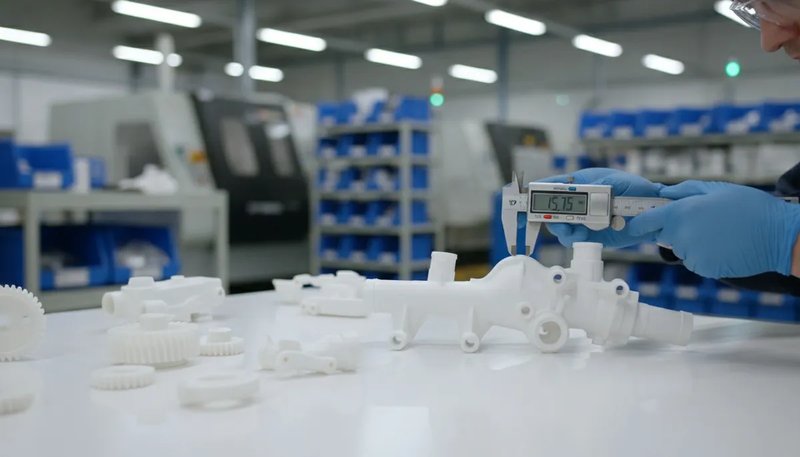
¿Qué está midiendo? Sea específico. “Mejor calidad” no es una variable de respuesta. “Contracción en el eje X medida a ±0.05mm” sí lo es. Las variables de respuesta habituales en el moldeo por inyección incluyen el peso de la pieza, la desviación dimensional, el alabeo, la profundidad de los rechupes y el tiempo de ciclo. Elija una respuesta principal y, como máximo, dos secundarias.
Paso 2: Seleccionar Factores y Niveles
Basándose en sus conocimientos de ingeniería, elija entre 3 y 6 factores que tengan más probabilidades de afectar a la respuesta. Para cada factor, establezca dos niveles (bajo y alto) que representen un intervalo realista. No utilice un intervalo demasiado amplio: provocará defectos de procesamiento. Tampoco uno demasiado estrecho: no observará ningún efecto. Una buena regla general es utilizar como intervalo ±10–15% del valor de consigna de producción actual.
Paso 3: Elegir el Arreglo DOE y Ejecutar los Experimentos
Ajuste el número de factores y niveles al arreglo ortogonal o diseño factorial apropiado. Aleatorice el orden de las corridas si es posible; esto evita que la deriva de la máquina sesgue sus resultados. Registre cada corrida meticulosamente: ajustes reales de la máquina, condiciones ambientales, temperatura del molde y cualquier observación.
Paso 4: Analizar los Resultados
Represente los efectos principales (cómo afecta cada factor a la respuesta) y los efectos de interacción (cómo afectan las combinaciones). Utilice el análisis de varianza en moldeo por inyección para determinar qué factores son estadísticamente significativos, normalmente con p < 0,05. El resultado indica qué factores optimizar y cuáles pueden ignorarse sin riesgo.
¿Cuáles son los Parámetros Clave del Moldeo por Inyección a Probar en un DOE?
Los parámetros clave de moldeo por inyección a probar en un DOE son las categorías principales u opciones explicadas en esta sección. No todos los parámetros pertenecen a un DOE. Los factores que elijas deben ser aquellos que realmente puedas controlar en la máquina y que tengan una relación física plausible con tu variable de respuesta. Aquí están los seis factores más comunes, clasificados por la frecuencia con la que aparecen como significativos en estudios publicados y en nuestros propios datos de producción.
| Parámetro | Rango típico | Afecta a | ¿Usualmente Significativo? |
|---|---|---|---|
| Temperatura de fusión | ±15°C del valor nominal | Viscosidad, patrón de llenado, alabeo | Sí (clasificar 1–2) |
| Presión de inyección | ±15% del valor nominal | Completitud de llenado, rebaba, dimensiones | Sí (clasificar 1–3) |
| Presión de Empaquetado | ±20% del valor nominal | Contracción, marcas de hundimiento, peso | Sí (clasificar 1–2) |
| Tiempo de enfriamiento | ±30% del valor nominal | Alabeo, tiempo de ciclo, dimensiones | A menudo |
| Temperatura del molde | ±10°C del valor nominal | Acabado superficial, cristalinidad, alabeo | A menudo |
| Velocidad de inyección | ±20% del valor nominal | Chorro, líneas de unión, patrón de llenado | A veces |
En nuestra experiencia en ZetarMold, la temperatura de fusión y la presión de empaque representan la mayor parte de la variación dimensional en la mayoría de las piezas. El tiempo de enfriamiento es el tercer factor significativo más común, especialmente para piezas con espesor de pared desigual. La velocidad de inyección es más importante para piezas de pared delgada o materiales con ventanas de procesamiento estrechas como el PC o el nylon con fibra de vidrio.
Los 8 ingenieros sénior de ZetarMold tienen cada uno más de 10+ años de experiencia. Al ejecutar DOE para validación, usamos máquinas de 90T–1850T para reproducir exactamente las condiciones productivas. Nuestra base de más de 400+ materiales contiene parámetros iniciales conocidos que aceleran la configuración DOE un 40–60%.
¿Cómo respalda el DOE la Validación de Procesos (IQ/OQ/PQ)?
El DOE ofrece un sólido respaldo para la validación de procesos (iq/oq/pq) porque combina libertad de utillaje, control repetible del proceso y selección de materiales. Si suministra piezas a clientes de automoción o del sector médico, la validación del proceso no es opcional. El marco del moldeo por inyección exige demostrar que el proceso es estable y capaz, y el DOE es la herramienta que hace que la OQ (Operational Qualification) funcione realmente.
Durante la CQ (Calificación de Instalación), se verifica que la máquina esté instalada correctamente y cumpla las especificaciones. Durante la OQ, es necesario demostrar que el proceso produce piezas aceptables en toda su ventana operativa. Aquí es donde el DOE brilla: se ejecuta la matriz experimental, se establecen los ajustes óptimos y se documentan los límites del proceso. La salida del DOE se convierte en la evidencia de que se comprende el proceso, no solo de que se encontraron ajustes que funcionaron una vez.
Durante la PQ (cualificación del rendimiento), se ejecutan lotes de producción con los ajustes optimizados mediante DOE para confirmar la estabilidad a largo plazo. Si ha realizado correctamente el DOE, la PQ debería superarse en el primer intento, porque ya conoce la ventana del proceso y la sensibilidad de cada parámetro. Sin DOE, la PQ suele convertirse en una costosa serie de pruebas con resultados impredecibles.
"Una matriz Taguchi L8 permite analizar hasta 7 factores en solo 8 ejecuciones experimentales."True
El arreglo ortogonal Taguchi L8 prueba 7 factores de dos niveles en 8 corridas, lo que lo convierte en uno de los diseños de cribado más eficientes para identificar qué factores importan antes de comprometerse con un estudio de optimización completo.
"El DOE elimina toda la variación del proceso en el moldeo por inyección."False
El DOE identifica qué factores causan variación y cuantifica su impacto, pero no puede eliminar la variabilidad inherente del material o de la máquina. Ayuda a controlar la variación dentro de límites aceptables, no a eliminarla por completo.
¿Qué herramientas de software se utilizan para el DOE de moldeo por inyección?
Esta sección trata sobre las herramientas de software utilizadas para el DOE de moldeo por inyección y su impacto en el costo, la calidad, el tiempo o el riesgo de abastecimiento. Se puede analizar un DOE Taguchi simple en Excel, pero el software especializado ahorra tiempo y reduce errores. Minitab es el estándar de la industria en manufactura: maneja el diseño DOE, ANOVA y genera gráficos de calidad para publicación. JMP (de SAS) es popular en automoción y aeroespacial por su visualización interactiva. Para equipos con presupuesto limitado, R y Python (statsmodels, pyDOE2) ofrecen capacidades DOE gratuitas con curvas de aprendizaje más pronunciadas.
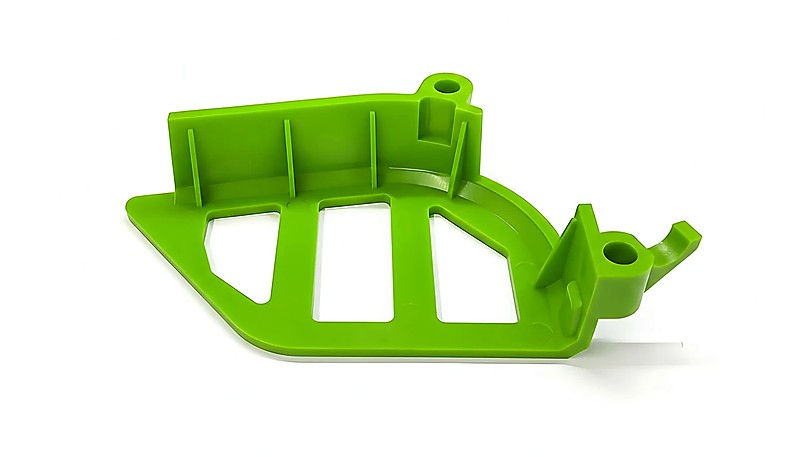
Los programas de simulación Moldflow y Moldex3D también pueden generar virtualmente datos similares a un DOE. Se configura una matriz de parámetros en el simulador y se obtienen resultados previstos sin consumir material real ni tiempo de máquina. El DOE virtual es excelente para acotar los rangos de los factores antes de ejecutar un DOE físico, pero nunca debe sustituir por completo la validación física, ya que las simulaciones no reflejan las variaciones reales entre lotes de material, el desgaste del molde ni las condiciones ambientales.
¿Cuáles son los errores comunes del DOE en el moldeo por inyección?
Esta sección explica las categorías principales de errores comunes de DOE en moldeo por inyección. Tras realizar decenas de DOE en cientos de proyectos de diseño de moldes, los mismos errores se repiten. Estos son los cinco principales, ordenados según el daño que causan.
Error 1: Demasiados Factores
A los ingenieros les encanta incluir todos los parámetros que se les ocurren. Un DOE de 10 factores requiere 1.024 corridas a 2 niveles en un factorial completo. Incluso con diseños fraccionales, más de 6–7 factores hacen que el análisis sea ruidoso y los resultados difíciles de interpretar. Utilice primero un DOE de cribado (Taguchi L8 o Plackett-Burman), luego centre su DOE de optimización en los 3–4 factores que realmente importan.
Error 2: Ignorar el calentamiento y la deriva de la máquina
Las máquinas de moldeo por inyección no son instantáneamente estables. Si se inician las corridas del DOE antes de que el cilindro y el molde alcancen el equilibrio térmico, las primeras corridas serán valores atípicos que sesgarán todo el análisis. Siempre ejecute de 10 a 15 disparos de calentamiento y verifique que la temperatura del cilindro, la temperatura del molde y el peso de la pieza sean estables antes de comenzar la matriz experimental.
Error 3: No Aleatorizar el Orden de las Corridas
Ejecutar la matriz del DOE en orden estándar significa que los niveles de los factores cambian sistemáticamente, lo que confunde los efectos de los factores con cualquier deriva dependiente del tiempo. Si la máquina se calienta lentamente durante el experimento, el orden estándor atribuirá esa deriva a cualquier factor que esté aumentando. La aleatorización es la defensa más simple contra esto.
"Los resultados del DOE son específicos de cada molde y no deben transferirse directamente entre moldes diferentes."True
La geometría del molde, la ubicación de la compuerta, el diseño de los canales de enfriamiento y el sistema de distribuidores afectan cómo interactúan los parámetros. Cada molde requiere su propio DOE para establecer parámetros de proceso precisos, aunque la metodología y la selección de factores pueden reutilizarse.
"Puede omitir la aleatorización si su máquina tiene un buen control de temperatura."False
Incluso con un control preciso de la temperatura, la variación del lote de material, la deriva hidráulica y los cambios de humedad ambiental pueden introducir un sesgo sistemático. La aleatorización no cuesta nada pero protege contra todos los factores de confusión dependientes del tiempo.
¿Cómo se leen los resultados del DOE para moldeo por inyección?
Un informe DOE no sirve si no sabe interpretarlo. Estos son los resultados clave y cómo actuar sobre ellos.
Gráfico de Efectos Principales
Esto muestra la respuesta media en cada nivel de cada factor. Una línea con mucha pendiente significa que ese factor tiene un efecto importante. Una línea plana significa que no influye. Busque los factores con las pendientes más pronunciadas: esas son sus palancas del proceso. El signo de la pendiente indica la dirección: una pendiente positiva significa que aumentar el factor incrementa la respuesta.
Gráfico de Interacción
Dos líneas paralelas = ausencia de interacción. Dos líneas que se cruzan o divergen = interacción. Las interacciones indican que el efecto de un factor depende del nivel de otro. En el moldeo por inyección, temperatura del fundido × presión de compactación y tiempo de enfriamiento × temperatura del molde son las interacciones significativas más frecuentes. Si ignora las interacciones, optimizará el parámetro equivocado.
Tabla ANOVA
La tabla ANOVA proporciona la evidencia estadística. El valor p de cada factor indica si su efecto es estadísticamente significativo (p < 0.05 es el umbral estándar). El valor R² indica qué proporción de la variación total explica el modelo. Un R² superior a 0.85 significa que su DOE captó la mayoría de los factores importantes. Un valor inferior a 0.60 significa que falta algo.
¿Cuándo se debe ejecutar un DOE frente a cuándo es aceptable el método de prueba y error?
Esta sección trata sobre cuándo ejecutar un DOE y cuándo resulta aceptable el método de prueba y error, así como su efecto en el coste, la calidad, los plazos o el riesgo de aprovisionamiento. No todos los problemas de moldeo requieren un DOE. Si trabaja con un molde de una sola cavidad, un material bien conocido y una geometría de pieza sencilla, un ingeniero de procesos experimentado puede ajustar la máquina en 30 minutos sin un DOE formal. La prueba y error —o, más exactamente, el criterio técnico— es admisible cuando el riesgo es bajo y la ventana de proceso es amplia.
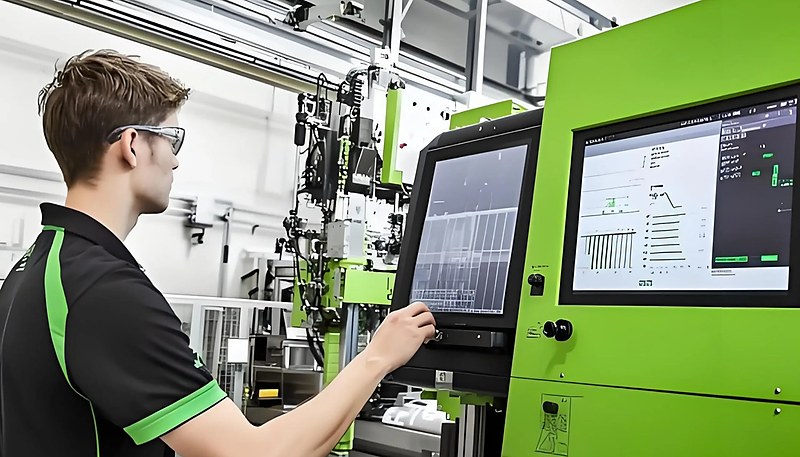
DOE se vuelve necesario cuando alguna de estas condiciones aplica: tolerancias estrechas (±0.05mm o menos), moldes de múltiples cavidades donde importa el equilibrio entre cavidades, piezas médicas o automotrices que requieren validación de proceso formal, materiales nuevos o diseños de molde desconocidos, o defectos persistentes que resistieron soluciones anteriores. En estos casos, el costo de un DOE (típicamente 1–2 días de tiempo de máquina y esfuerzo de ingeniería) es mucho menor que el costo de una validación fallida, chatarra de producción o cargos por parte del cliente.
En ZetarMold, ejecutamos DOE como parte de nuestra calificación de proceso estándar para todos los moldes automotrices y médicos. Con 47 máquinas de moldeo por inyección en nuestra instalación de Shanghái, podemos dedicar una máquina a corridas de DOE sin interrumpir los programas de producción. Nuestro ciclo típico de DOE—desde la configuración hasta el análisis de resultados—toma 1–2 días laborables.
"Una matriz Taguchi bien diseñada de 8 ensayos con los factores adecuados puede superar a un factorial completo de 32 ensayos mal planificado."True
La calidad del diseño experimental importa más que la cantidad de corridas. Un arreglo Taguchi enfocado que prueba los parámetros correctos entrega resultados más claros y accionables que un factorial completo grande pero disperso que incluye factores irrelevantes.
"El DOE solo es necesario para el moldeo por inyección médico y de automoción."False
Si bien las industrias médica y automotriz requieren formalmente DOE como parte de la validación de procesos, cualquier moldeador que produzca piezas de tolerancias estrechas, moldes de múltiples cavidades o piezas con problemas persistentes de calidad se beneficia de DOE. La electrónica de consumo, los conectores y la óptica de precisión son ejemplos donde DOE agrega valor sin presión regulatoria.
¿Cómo Funciona el DOE en la Práctica? Un Estudio de Caso de un Soporte de Nylon Relleno con Vidrio
Esta sección trata sobre ¿cómo funciona en la práctica? un caso práctico de un soporte de nylon reforzado con fibra de vidrio y su impacto en el coste, la calidad, los plazos o el riesgo de abastecimiento. Este es un ejemplo real de nuestra planta de producción. Un cliente necesitaba un soporte de PA66-GF30 con una tolerancia crítica de ±0.03mm en el diámetro de un orificio. El muestreo inicial mostró una variación del diámetro de ±0.08mm, casi tres veces la tolerancia. El 40% de las muestras no superaba la inspección dimensional.
Configuramos un DOE Taguchi L8 con cuatro factores en dos niveles: temperatura de fusión (270°C/290°C), presión de empaque (60/80 MPa), tiempo de empaque (3s/5s) y tiempo de enfriamiento (15s/20s). La variable de respuesta fue el diámetro del agujero medido en una MMC. Ocho corridas, cada una produciendo 15 piezas medidas, completadas en una tarde.
Resultados: la temperatura de fusión representó el 52% de la variación, la presión de empaquetado el 28% y el tiempo de enfriamiento el 12%. El tiempo de empaquetado no fue estadísticamente significativo (p = 0,34). Los ajustes óptimos—290 °C de fusión, 75 MPa de empaquetado, 18 s de enfriamiento—redujeron la variación del diámetro a ±0,025 mm. El rendimiento a primera pasada pasó del 60% al 97%. Coste total del DOE: un día de tiempo de máquina y dos horas de análisis de ingeniería.
Preguntas frecuentes
¿Cuál es el número mínimo de corridas de DOE necesarias para moldeo por inyección?
Para un DOE de cribado con 4–7 factores, un arreglo Taguchi L8 requiere solo 8 corridas en total, lo que lo convierte en uno de los diseños experimentales más eficientes disponibles. Para la optimización completa con 3–4 factores en dos niveles, un factorial completo de 2 niveles necesita 8–16 corridas. La clave es elegir el diseño correcto para su objetivo: los estudios de cribado usan menos corridas para identificar qué factores importan más, mientras que los estudios de optimización usan más corridas pero proporcionan datos detallados de interacción y una ventana de proceso precisa para la producción.
¿Se puede usar DOE para el equilibrio de moldes de múltiples cavidades?
Sí, el equilibrio de moldes de múltiples cavidades es una de las aplicaciones de DOE más valiosas en entornos de producción de moldeo por inyección. Puedes establecer la variación dimensional entre cavidades como la variable de respuesta y probar factores como velocidad de inyección, presión de empaque y temperatura del molde para minimizar sistemáticamente el desequilibrio. Este enfoque experimental estructurado es crítico para lograr calidad consistente en todas las cavidades, especialmente en moldes de producción de 8, 16 o 32 cavidades donde incluso pequeños desequilibrios dimensionales crean pérdidas significativas de rendimiento en grandes volúmenes de producción y corridas largas.
¿Cuánto dura un DOE típico de moldeo por inyección?
Un DOE típico con 8–16 corridas experimentales toma 4–8 horas de tiempo de máquina, más 1–2 horas para la configuración inicial y 2–4 horas para el análisis de datos y generación de reportes después de las corridas. La mayoría de los DOE en nuestras instalaciones se completan dentro de un día laboral de principio a fin. El principal cuello de botella generalmente no son las corridas en sí, sino el paso de medición — la inspección MMC u óptica de las piezas de cada corrida puede tomar más tiempo que el proceso de moldeo real, especialmente para piezas de tolerancias estrechas con múltiples puntos de medición críticos que requieren un cuidadoso posicionamiento.
¿Cuál es la diferencia entre DOE y el moldeo científico?
El moldeo científico es una filosofía de fabricación más amplia que utiliza métodos basados en datos para comprender y controlar todo el proceso de moldeo por inyección, desde el llenado hasta el empaquetado y el enfriamiento. El DOE es una de las principales herramientas estadísticas dentro del moldeo científico, pero la metodología también incluye monitorización de presión en cavidad, estrategias de moldeo desacoplado y documentación sistemática del proceso con registros trazables. En la práctica, el moldeo científico define el enfoque general para el control del proceso, mientras que el DOE proporciona el marco experimental específico para generar los datos cuantitativos en los que se basan las decisiones del moldeo científico.
¿Debo usar DOE para cada nuevo proyecto de moldeo por inyección?
No necesariamente. Para piezas simples con tolerancias amplias y materiales familiares que tu equipo ha procesado muchas veces antes, los ingenieros de procesos experimentados pueden establecer parámetros eficientemente sin un estudio DOE formal. Reserva DOE para piezas de tolerancias estrechas con dimensiones críticas, materiales nuevos o desconocidos, moldes de múltiples cavidades donde el equilibrio entre cavidades es crítico, o componentes que requieren validación de proceso formal para clientes automotrices o médicos. El retorno de la inversión de un DOE ejecutado correctamente aumenta significativamente con la complejidad de la pieza, los requisitos de calidad y el volumen total de producción durante la vida útil del molde.
¿Qué sucede si mis resultados de DOE tienen un valor de R-cuadrado bajo?
Un valor R-cuadrado bajo, inferior a 0.60, indica que el modelo no explica la mayor parte de la variación total de la variable de respuesta y constituye una señal diagnóstica útil. Las causas habituales son haber omitido un factor importante, definir intervalos demasiado estrechos para producir efectos medibles, un ruido de medición excesivo en la inspección o una variable no controlada, como fluctuaciones de temperatura del molde entre ensayos. La solución es añadir sistemáticamente el factor ausente o ampliar los intervalos y repetir el experimento.
¿Puede la simulación reemplazar el DOE físico en el moldeo por inyección?
Los programas de simulación como Moldflow o Moldex3D pueden ejecutar DOEs virtuales para acotar los intervalos de los factores e identificar parámetros probablemente significativos antes de los ensayos físicos, lo que reduce considerablemente el número de pruebas reales necesarias. Sin embargo, la simulación no puede sustituir por completo al DOE físico porque no tiene en cuenta las variaciones reales entre lotes de material, la deriva de calibración de la máquina, los patrones de desgaste del molde ni las condiciones ambientales de humedad y temperatura. La práctica recomendada consiste en utilizar el DOE virtual como herramienta de cribado, seguido de pruebas físicas de validación específicas que confirmen las predicciones de la simulación.
Conclusión
DOE transforma el moldeo por inyección de un oficio de prueba y error en una disciplina de ingeniería basada en datos. Tanto si realiza un cribado rápido de Taguchi con 8 ensayos como una optimización factorial completa con 32, la metodología aporta algo que la intuición nunca ofrece: pruebas cuantificadas de qué parámetros importan, cómo interactúan y cuál es la ventana de proceso óptima.
Para piezas de automoción y médicas, DOE no es opcional: forma parte de su paquete de validación del proceso. Pero incluso para piezas comerciales, el ROI es convincente: menos iteraciones durante el muestreo, mayor rendimiento a la primera y un proceso documentado que puede reproducirse de forma constante. Si todavía ajusta los moldes cambiando un parámetro cada vez, está desperdiciando tiempo y dinero.
¿Necesita ayuda para ejecutar un DOE en su próximo proyecto de moldeo por inyección? Póngase en contacto con nuestro equipo de ingeniería: cuenta con 20+ años de experiencia en moldeo científico y optimización de procesos con 400+ materiales. Configuraremos el DOE, realizaremos los experimentos y entregaremos un paquete de cualificación del proceso totalmente documentado.
molde de inyección: Herramienta de precisión que define la geometría de la pieza, el comportamiento de enfriamiento, la expulsión, la entrada, el acabado superficial y la repetibilidad. ↩
plástico: Familia de materiales cuyo flujo, contracción, resistencia, resistencia térmica, calidad estética, tiempo de ciclo y rendimiento a largo plazo condicionan las decisiones de moldeo. ↩
moldeo por inyección: Proceso de producción que funde plástico, lo inyecta en la cavidad de un molde, enfría la pieza y repite el ciclo para una fabricación en serie estable. ↩