Cuando se abastece de piezas moldeadas por inyección en el extranjero, la certificación de materiales marca la diferencia entre un producto fiable y una pesadilla de responsabilidades. Sin embargo, muchos compradores la tratan como mero papeleo: firman el CoC, lo archivan y siguen adelante. Ese enfoque acaba pasándole factura, normalmente cuando un lote falla sobre el terreno y descubre que el PC que especificó era en realidad una mezcla reciclada sin trazabilidad. Esta guía explica exactamente qué certificaciones de materiales debe verificar, cómo leer la documentación del proveedor y a qué señales de alarma debe prestar atención, todo ello desde la perspectiva de una fábrica que ha estado a ambos lados de la mesa de auditoría durante 20+ años.
- La certificación de materiales verifica que la resina utilizada se ajusta a su especificación, no solo sobre el papel, sino también en la pieza final.
- ISO 9001 e ISO 13485 son sistemas de calidad básicos; por sí solos, no garantizan la conformidad de los materiales.
- El Certificado de Análisis (CoA) y el Certificado de Conformidad (CoC) son sus principales documentos de trazabilidad.
- Los marcos normativos como RoHS, REACH, UL y FDA abordan riesgos de los materiales diferentes; verifique los que sean pertinentes para su producto.
- Un proveedor que no puede presentar informes de ensayo ni rastrear la resina hasta el nivel de lote es un riesgo, no un socio.
¿Qué es la certificación de materiales en el moldeo por inyección?
La certificación de materiales es la prueba documentada de que la resina de sus piezas se ajusta a su especificación. Es una cadena de pruebas que va desde el fabricante de la resina hasta la pieza moldeada.
Para obtener una visión más amplia del diseño de moldes de inyección, nuestra guía principal aborda la estructura del utillaje, el control térmico y las disyuntivas de fabricación.
En la práctica, esto significa que su proveedor debe poder presentar un Certificado de Análisis (CoA) por cada lote de resina que procese en sus máquinas. El CoA enumera los resultados de los ensayos —índice de fluidez, resistencia a la tracción, densidad y contenido de humedad— y los vincula al número de lote del fabricante de la resina. Sin esa trazabilidad, está confiando en que se introdujeron los gránulos correctos en la tolva, lo cual no es una estrategia en la que nadie deba basar la garantía de su producto.
Existe una distinción importante entre la certificación y la cualificación de materiales. La certificación confirma que un lote específico cumple una norma conocida. La cualificación es el proceso previo de demostrar que un grado concreto de resina funciona para su aplicación mediante la realización de pruebas, la comprobación de dimensiones y la validación del rendimiento. Ambas son importantes, pero la certificación es lo que mantiene constante su producción a lo largo del tiempo.
¿Por qué es importante la certificación de materiales para los compradores?
La certificación de materiales es importante porque el coste de equivocarse es asimétrico. Si el material es correcto, no sucede nada: las piezas funcionan y todo el mundo está satisfecho. Si el material es incorrecto, se producen fallos sobre el terreno, reclamaciones de garantía, sanciones reglamentarias y, en el peor de los casos, incidentes de seguridad. La ventaja de una buena certificación es invisible; la desventaja de carecer de ella puede ser catastrófica.
Hemos visto casos en los que un proveedor cambió a una resina más barata a mitad de una tirada de producción para reducir costes: el mismo color y una fluidez similar, pero una resistencia al impacto completamente diferente. Las piezas parecían idénticas. Superaron la inspección visual. Fallaron sobre el terreno a baja temperatura y se agrietaron con cargas que el material original soportaba con facilidad. El CoC indicaba “PC/ABS”, pero la resina real era una mezcla genérica de policarbonato sin modificador de impacto. Sin ensayos independientes del material, el comprador nunca lo habría sabido.
Además de proteger la integridad del producto, la certificación de materiales también es un requisito normativo en muchos sectores. Los productos sanitarios necesitan la trazabilidad de ISO 13485. Las piezas de automoción deben cumplir la documentación de materiales de IATF 16949. Los productos electrónicos de consumo requieren declaraciones conforme a la Directiva RoHS1 y al Reglamento REACH2. Si vende en el mercado de la UE, el proceso de marcado CE exige que pueda demostrar la conformidad de los materiales de cada componente de su producto.
La cuestión práctica es la siguiente: la certificación de materiales protege su marca, a sus usuarios finales y su balance. No es una carga burocrática, sino gestión de riesgos. Y los proveedores que se resisten a facilitarla le están diciendo algo importante sobre cómo gestionan sus operaciones.
"La conformidad con RoHS exige una declaración completa de materiales que enumere cada sustancia y su concentración."True
Una conformidad adecuada con RoHS implica que el proveedor facilite una Declaración Completa de Materiales (FMD) que enumere todas las sustancias y concentraciones, no solo una carta genérica que afirme la conformidad.
"Un Certificado de Conformidad (CoC) del moldeador constituye una prueba suficiente de la conformidad de los materiales."False
Un CoC es una declaración del propio moldeador. Sin el correspondiente Certificado de Análisis (CoA) del fabricante de la resina que lo vincule al lote específico utilizado, el CoC carece de respaldo verificable.
¿Qué certificaciones debe verificar?
Las certificaciones principales que debe verificar son ISO 9001, ISO 13485, RoHS, REACH, UL 94, FDA e IATF 16949, según su sector.
No todas las certificaciones se aplican a todos los productos. La carcasa de un producto sanitario tiene requisitos diferentes de los de la carcasa de un producto electrónico de consumo. No obstante, hay varias certificaciones y normas que aparecen repetidamente en distintos sectores, y entender qué cubre cada una le ayuda a formular las preguntas adecuadas durante la evaluación del proveedor.
| Certification/Standard | Scope | What to Verify |
|---|---|---|
| ISO 9001 | Quality management system | Current certificate, scope covers injection molding |
| ISO 13485 | Medical device quality system | Scope includes your device classification |
| ISO 14001 | Environmental management | Active certificate, relevant to ESG requirements |
| RoHS | Hazardous substance restrictions | Full material declaration per component |
| REACH | Chemical registration (EU) | SVHC declarations, no restricted substances above thresholds |
| UL 94 | Flammability testing | Correct rating (V-0, V-1, V-2, HB) for your application |
| FDA compliance | Food/contact safety | Resin has FDA food-contact letter or 21 CFR compliance |
| IATF 16949 | Automotive quality system | PPAP documentation, material traceability per lot |
Algunas observaciones basadas en la experiencia. La norma ISO 9001:20153 es un requisito básico imprescindible: si un proveedor no dispone de ella, descártelo. Pero no confunda un certificado de sistema de gestión de la calidad con la conformidad de los materiales. ISO 9001 indica que el proveedor dispone de procesos; no indica que esos procesos hayan producido el material correcto para su pieza. Del mismo modo, la conformidad con RoHS no es una cuestión de sí o no. Necesita la declaración completa de materiales (FMD), que enumera cada sustancia y su concentración, no solo una carta que diga “cumplimos”.
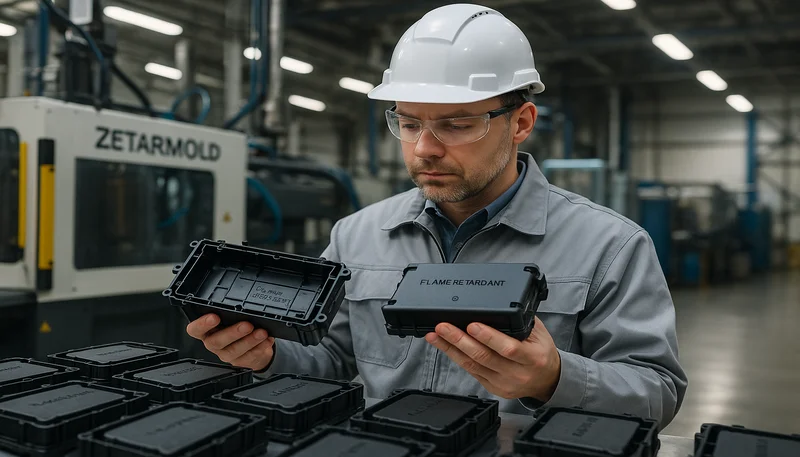
En cuanto a la inflamabilidad, las clasificaciones UL 94 son específicas de cada aplicación. Hemos visto a compradores especificar V-0 cuando en realidad necesitaban 5VA, o aceptar HB cuando su producto requería como mínimo V-2. La diferencia de coste entre una resina V-0 y una V-2 puede ser del 15-30%, precisamente por eso un proveedor centrado en los costes podría rebajar la clasificación discretamente. Verifique siempre la tarjeta amarilla de UL correspondiente al grado específico de resina, no solo la afirmación general del proveedor.
¿Cómo demuestran los proveedores la conformidad de los materiales?
Los tres documentos que utilizan los proveedores son el Certificado de Análisis, el Certificado de Conformidad y los informes de ensayo independientes.
Certificado de Análisis (CoA) — Este es el documento más importante. Emitido por el fabricante de la resina, no por el moldeador, el CoA proporciona datos de ensayo de un lote de producción específico. Incluye mediciones como el índice de fluidez (MFR), la resistencia a la tracción, el módulo de flexión, la resistencia al impacto (Izod o Charpy), la densidad y el contenido de humedad. Lo fundamental que debe comprobar es que el número de lote del CoA coincida con el número de lote de los sacos o recipientes de resina que recibió su proveedor. Si su proveedor no puede demostrar esta coincidencia, el CoA es solo papel.
Certificado de Conformidad (CoC) — El CoC es una declaración del moldeador que confirma que las piezas se fabricaron utilizando el material especificado y en las condiciones especificadas. Hace referencia al CoA, pero no repite los datos de ensayo. Considérelo la declaración del moldeador de que realmente utilizó la resina que había afirmado que utilizaría. Un CoC sin el CoA correspondiente no tiene ningún valor.
Informes de Ensayo Independientes — Son resultados de laboratorios externos, generalmente acreditados conforme a ISO 17025. Proporcionan una verificación independiente de las propiedades del material. Para aplicaciones críticas —médicas, de automoción y aeroespaciales— siempre debe exigir ensayos independientes, al menos mediante muestreo. Los datos internos del proveedor son útiles para el control del proceso, pero no son pruebas que pueda mostrar a un organismo regulador o a un tribunal.
| Document | Issued By | Contains | Limitation |
|---|---|---|---|
| CoA (Certificate of Analysis) | Resin manufacturer | Lot-specific test data (MFR, tensile, density) | Only covers the resin as shipped |
| CoC (Certificate of Conformity) | Injection molder | Attestation that specified material was used | Self-declaration with no independent data |
| Independent Test Report | ISO 17025 lab | Third-party verification of properties | Snapshot in time, does not cover every lot |
Hay otro aspecto que conviene conocer: el CoA del fabricante de la resina analiza los gránulos sin procesar, pero el moldeo por inyección modifica el material. El calor de cizallamiento, el tiempo de residencia, la absorción de humedad y el contenido de triturado afectan a las propiedades de la pieza final. Para aplicaciones exigentes, la verdadera prueba consiste en analizar la pieza moldeada, no solo la resina entrante. DSC (calorimetría diferencial de barrido) y FTIR (espectroscopia infrarroja por transformada de Fourier) son métodos habituales para verificar que la pieza moldeada contiene el material que indica la documentación.
¿Qué señales de alarma indican un problema de calidad de los materiales de un proveedor?
Después de dos décadas trabajando con proveedores y compradores de moldeo por inyección, las señales de alarma son constantes. Se manifiestan más en cómo habla un proveedor sobre la certificación de materiales que en lo que afirma en su sitio web.
Señal de alarma 1: CoC imprecisos o genéricos. Si el Certificado de Conformidad indica “PA66” sin especificar el grado (por ejemplo, PA66 GF30, PA66 FR V-0), el proveedor no está realizando el seguimiento del material al nivel que usted necesita. Un CoC adecuado hace referencia a grados y números de lote específicos.
Señal de alarma 2: Ausencia de trazabilidad por lotes. Pregunte a su proveedor: “¿Puede rastrear esta pieza hasta el lote de resina con el que se fabricó?” Si para responder tiene que rebuscar en hojas de cálculo o tarda más de unos minutos, su sistema de trazabilidad no es lo bastante sólido. En un sistema adecuado, se escanea el código de barras de una pieza y se ven el lote de resina, el CoA, los parámetros de la máquina y el operario, todos vinculados.
Señal de alarma 3: Reticencia a permitir ensayos externos. Si un proveedor se opone cuando pide enviar muestras a un laboratorio independiente, es una señal de advertencia. Los proveedores legítimos aceptan de buen grado la verificación porque los diferencia de los competidores que escatiman en calidad.
"Los ensayos independientes de piezas moldeadas realizados por terceros son más fiables que los ensayos internos por sí solos."True
Los resultados de un laboratorio independiente acreditado conforme a ISO 17025 proporcionan una verificación imparcial. Los ensayos internos son útiles para el control del proceso, pero no pueden servir como prueba independiente con fines normativos o legales.
"La certificación ISO 9001 garantiza que se utilizó el material correcto en la producción."False
ISO 9001 certifica que el sistema de gestión de la calidad existe y se aplica; no verifica la conformidad de materiales específicos en lotes individuales. Sigue necesitando la documentación CoA y CoC.
Señal de alarma 4: Exceso de triturado sin comunicar. El triturado (bebederos y canales reprocesados) es normal en el moldeo por inyección, pero modifica las propiedades del material. La mayoría de las especificaciones permiten un 15-25% de triturado. Si un proveedor no puede indicarle su porcentaje de triturado o añade más de lo acordado, las propiedades del material para las que usted diseñó dejan de ser válidas.
Señal de alarma 5: Certificados obsoletos. Compruebe las fechas de los certificados ISO, los registros UL y los informes de ensayo. Hemos visto a proveedores presentar certificados que habían caducado dos años antes o informes de ensayo de un grado de resina que se había dejado de fabricar. La certificación no es un hecho puntual, sino que requiere un mantenimiento continuo.
¿Cómo auditar el proceso de certificación de materiales de un proveedor?
Auditar la certificación de materiales no consiste en marcar casillas en un formulario. Consiste en verificar que el proveedor dispone de sistemas para garantizar que cada lote de material cumple las especificaciones y que esos sistemas funcionan realmente bajo la presión de la producción, no solo durante la auditoría.
Empiece por la inspección del material entrante. Recorra la zona de recepción y pida que le enseñen cómo se comprueba la resina cuando llega. Un proveedor con procesos de certificación adecuados verificará el grado de la resina con respecto al pedido de compra, comprobará el número de lote y confirmará que los datos del CoA se ajustan a las especificaciones antes de que el material entre en la planta de producción. Si la resina pasa directamente del camión al almacén sin ninguna verificación, eso le indica que la certificación de materiales es una formalidad, no un proceso.
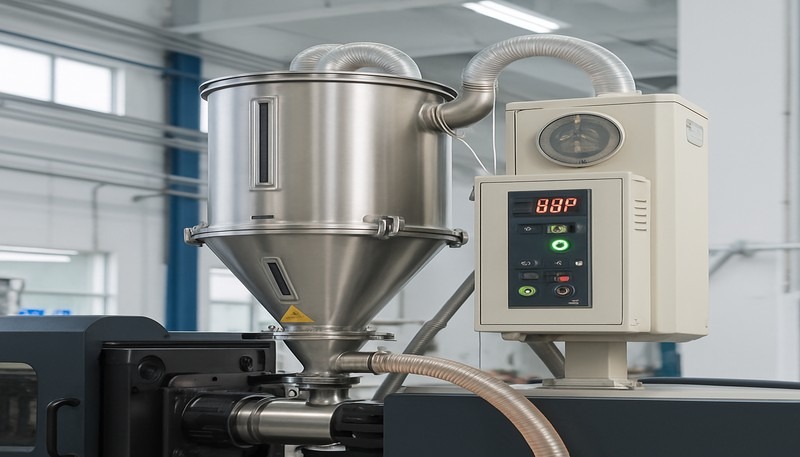
A continuación, examine las condiciones de almacenamiento de los materiales. Muchas resinas de ingeniería son higroscópicas: absorben humedad del aire, lo que provoca su degradación durante el procesamiento. PA6, PA66, PET y PBT son especialmente sensibles. Un proveedor que deja abiertos los sacos de resina u omite el secado previo está comprometiendo las propiedades del material, independientemente de lo que indique el CoA. Pida ver el equipo de secado y los registros de los parámetros de secado.
Después, revise el sistema de trazabilidad. Elija un número de pieza y pida al proveedor que demuestre, en tiempo real, cómo rastrearía una reclamación sobre el terreno hasta el lote de resina. Cronometre el proceso. Si tarda más de diez minutos, el sistema no tiene calidad de producción. Los buenos proveedores pueden hacerlo en menos de dos minutos porque han vinculado su MES (Manufacturing Execution System) o ERP a los registros de lotes de materiales.
"Los ensayos DSC y FTIR pueden verificar el material real de una pieza moldeada."True
La calorimetría diferencial de barrido (DSC) identifica la cristalinidad y los puntos de fusión del polímero, mientras que FTIR proporciona una huella molecular. Juntos pueden confirmar si una pieza moldeada contiene el material indicado en la documentación.
"La certificación de materiales solo es necesaria para aplicaciones médicas y de automoción."False
Aunque los sectores médico y de automoción tienen los requisitos más estrictos, la certificación de materiales es importante en la electrónica de consumo, los productos eléctricos, los productos en contacto con alimentos y cualquier aplicación en la que la seguridad del producto dependa de que las propiedades del material sean correctas.
Preguntas frecuentes
¿Cuál es el documento de certificación de materiales más importante que se debe solicitar a un proveedor de moldeo por inyección?
El Certificado de Análisis (CoA) del fabricante de la resina es el documento más importante para la certificación de materiales en el moldeo por inyección. Proporciona datos de ensayo específicos del lote, incluidos el índice de fluidez, la resistencia a la tracción, la densidad y el contenido de humedad, que vinculan directamente el material utilizado con los registros de calidad del fabricante de la resina. Combine siempre el CoA con el Certificado de Conformidad (CoC) de su moldeador para cerrar el circuito de trazabilidad. Para aplicaciones críticas, como piezas médicas o de automoción, solicite también una verificación de laboratorio independiente mediante análisis DSC o FTIR para confirmar que la pieza moldeada se ajusta al material certificado.
¿Cómo puedo verificar que mi proveedor utilizó realmente el material especificado?
Solicite el CoA del lote específico utilizado en su tirada de producción y coteje el número de lote con los registros de entrada de materiales del proveedor. Para aplicaciones críticas, envíe una muestra de la pieza moldeada a un laboratorio acreditado conforme a ISO 17025 para realizar un análisis DSC o FTIR. Estos métodos confirman de forma independiente la identidad y el grado del polímero comparando los picos de cristalinidad o las huellas moleculares con muestras de referencia conocidas. Este enfoque en dos pasos le proporciona pruebas tanto documentales como analíticas de que se utilizó el material correcto en su lote de producción.
¿La certificación ISO 9001 garantiza la conformidad de los materiales?
No, ISO 9001 no garantiza la conformidad de los materiales. ISO 9001 certifica que existe un sistema de gestión de la calidad y que se mantiene de forma constante, pero no verifica que un lote específico de material cumpla las especificaciones de su producto. La conformidad de los materiales requiere documentación específica además del certificado QMS: un Certificado de Análisis del fabricante de la resina, un Certificado de Conformidad del moldeador y, cuando sea necesario, informes de ensayo independientes de un laboratorio acreditado conforme a ISO 17025. En conjunto, estos documentos confirman el grado y el lote de resina utilizados en su tirada de producción.
¿Cuál es la diferencia entre la conformidad con RoHS y con REACH?
RoHS restringe sustancias peligrosas específicas, como plomo, mercurio, cadmio, cromo hexavalente y determinados retardantes de llama, en equipos eléctricos y electrónicos a límites de concentración definidos. REACH es un reglamento más amplio de la UE que exige el registro y la evaluación de todas las sustancias químicas fabricadas o importadas en la UE, con especial atención a las sustancias extremadamente preocupantes. Ambos reglamentos pueden aplicarse simultáneamente a su producto moldeado por inyección, pero abordan riesgos diferentes y exigen documentación de conformidad distinta. Una declaración completa de materiales suele cubrir ambos requisitos en un único documento.
¿Qué cantidad de triturado es aceptable en el moldeo por inyección?
La mayoría de las especificaciones del sector permiten un contenido de triturado del 15 al 25 por ciento, pero el límite exacto depende del grado de resina y de los requisitos de su aplicación. Cada ciclo de reprocesamiento degrada las cadenas de polímeros, lo que reduce propiedades mecánicas como la resistencia a la tracción y al impacto. En el caso de resinas de ingeniería como PC, PA66 o PBT, incluso un 15 por ciento de triturado puede producir cambios cuantificables en las propiedades. Su proveedor debe documentar el porcentaje de triturado por lote y no superar nunca el límite acordado sin la aprobación por escrito de su equipo de ingeniería. Para piezas médicas y de automoción, los límites de triturado suelen ser más restrictivos.
¿Qué debo hacer si mi proveedor no puede proporcionar trazabilidad de los materiales?
Se trata de una señal de alarma grave que requiere atención inmediata. Sin trazabilidad de los materiales, no puede verificar la conformidad, realizar retiradas selectivas ni defenderse frente a reclamaciones de garantía. Empiece por solicitar al proveedor que implante un sistema de seguimiento de lotes en un plazo de 30 a 60 días. Mientras tanto, contrate a un laboratorio ISO 17025 para que analice de forma independiente muestras de la producción actual. Si el proveedor no puede o no quiere establecer la trazabilidad, empiece a cualificar a un proveedor alternativo que ya disponga de procesos sólidos de seguimiento de materiales. El coste de cambiar de proveedor es casi siempre inferior al coste de un fallo sobre el terreno relacionado con los materiales.
Elegir un proveedor de moldeo por inyección con procesos rigurosos de certificación de materiales no consiste solo en cumplir la normativa, sino en proteger su producto, a sus clientes y su reputación. En ZetarMold, hemos desarrollado nuestros sistemas de trazabilidad de materiales durante 20+ años porque sabemos que la resina de la tolva determina la calidad de la pieza de la caja. Tanto si necesita documentación de calidad médica conforme a ISO 13485, declaraciones RoHS para productos electrónicos de consumo o ensayos de inflamabilidad UL para componentes eléctricos, nuestros 8 ingenieros sénior y 10+ especialistas de control de calidad garantizan que cada CoA se coteje, cada lote se rastree y cada pieza cumpla las especificaciones.
Póngase en contacto con nuestro equipo para hablar sobre sus requisitos de certificación de materiales o solicite un presupuesto gratuito para ver cómo una gestión certificada de los materiales se traduce en piezas fiables.
Por último, pregunte por su proceso de sustitución de materiales. ¿Qué ocurre cuando la resina especificada está agotada? ¿Se lo notifican y obtienen su aprobación para una alternativa, o realizan una sustitución y se lo comunican después? La respuesta a esta pregunta revela más sobre la cultura de certificación de un proveedor que cualquier certificado colgado en la pared.
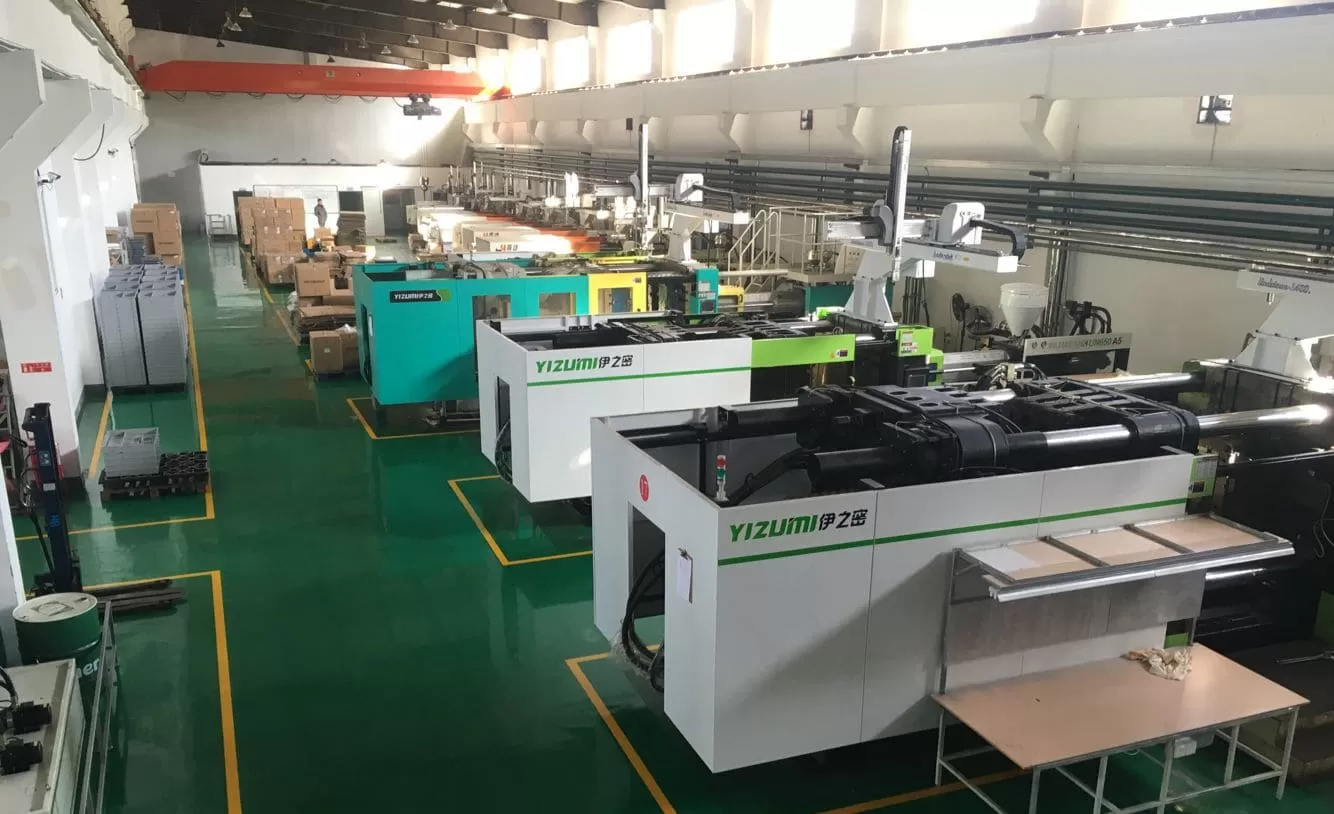
En nuestra fábrica de Shanghái, la certificación de materiales no es algo secundario, sino que está integrada en cada etapa de producción. Trabajamos con sistemas ISO 9001, ISO 13485, ISO 14001 e ISO 45001 y utilizamos 47 máquinas de moldeo por inyección en un intervalo de 90T a 1850T. Gracias a nuestra experiencia con 400+ materiales, hemos aprendido que la única forma de mantener la uniformidad es verificar cada lote de resina durante la inspección de entrada y vincularlo directamente a la orden de producción. Cada CoA se coteja con el lote y cada lote se vincula a la tirada de la máquina. Esa trazabilidad es lo que permite a nuestros 10+ especialistas de control de calidad detectar los problemas de materiales antes de que se conviertan en problemas sobre el terreno para usted.
Directiva RoHS: la Directiva RoHS hace referencia a la Directiva 2011/65/EU sobre restricciones a la utilización de determinadas sustancias peligrosas en aparatos eléctricos y electrónicos ↩
Reglamento REACH: el Reglamento REACH hace referencia al Reglamento (EC) No 1907/2006 relativo al registro, la evaluación, la autorización y la restricción de las sustancias y mezclas químicas ↩
ISO 9001:2015: ISO 9001:2015 hace referencia a los sistemas de gestión de la calidad — Requisitos ↩