Каковы характеристики акрила?
Акрил (PMMA) — прозрачный термопластик, ценимый за оптическую прозрачность, атмосферостойкость и жесткость. При сравнении поставщиков наше руководство по поиску поставщика литья под давлением охватывает подготовку RFQ и квалификацию.
Более широкий обзор проектирования пресс-форм приведен в нашем основном руководстве по конструкции оснастки, терморегулированию и компромиссам технологичности.
- Акрил пропускает 92% света и вдвое легче стекла
- Акрил обладает хорошей ударопрочностью и стойкостью к UV
- Точное регулирование температуры (230-260°C) критически важно для прозрачных деталей
- Акрил требует бережного обращения из-за чувствительности к царапинам
«Акрил (PMMA) — один из самых прозрачных доступных термопластов, но при его выборе необходимо учитывать как преимущества, так и технологические ограничения».True
Выбор материала при литье под давлением1 никогда не сводится лишь к выбору наиболее прозрачной или дешевой смолы. Необходимо понимать, как материал течет, усаживается и ведет себя в производственных условиях.
"Акрил всегда является лучшим выбором для любой прозрачной пластмассовой детали."False
Поликарбонат превосходит акрил по ударной прочности (в 10-20 раз). При применении при высоких температурах выше 105°C акрил деформируется. Выбор материала зависит от конкретных требований к нагрузке, температуре и прозрачности.
Акрил — официально полиметилметакрилат (PMMA) — аморфный термопластик со стеклоподобной прозрачностью, атмосферостойкостью и жесткостью. Он пропускает до 92% видимого света, весит вдвое меньше стекла и поддается обработке, полировке и литью под давлением в сложные формы. Но инженеры часто недооценивают узкий диапазон температуры расплава, чувствительность к влаге и внутренние напряжения при ускоренном охлаждении. За 20+ лет работы с 400+ материалами мы убедились: акрил вознаграждает продуманный процесс и не прощает упрощений.
"Ранняя проверка DFM сокращает доработки пресс-формы и непредвиденные проблемы в производстве."True
Толщину стенок, рёбра, впуски, уклоны, выталкивание, охлаждение и выбор материала дешевле корректировать до начала обработки стали.
"Если одна отлитая деталь один раз выглядит приемлемо, процесс автоматически готов к серийному производству."False
Готовность к производству требует воспроизводимых циклов, документированного контроля, стабильных параметров материала и четких критериев приемки.
В статье рассмотрены важные для производства механические, тепловые и оптические свойства, сравнение акрила с поликарбонатом и стеклом, а также конструкция пресс-формы2 и параметры процесса, определяющие, будут ли акриловые детали прозрачными и стабильными по размерам или мутными, напряженными и бракованными.
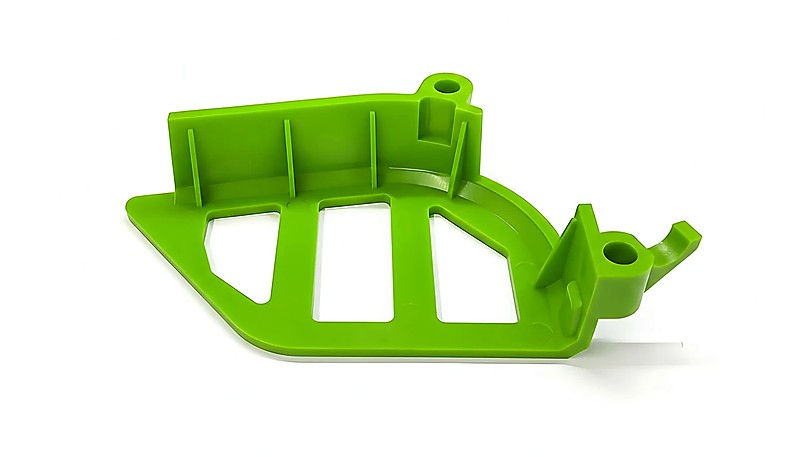
Каковы физические и механические свойства PMMA?
В этом разделе рассматриваются основные физические и механические свойства pmma. PMMA — аморфный термопласт плотностью 1.18 g/cm3, с температурой стеклования (Tg) около 105°C и прочностью при растяжении 65-75 MPa. В отличие от полукристаллических пластиков, он не имеет чёткой температуры плавления — выше Tg материал постепенно размягчается, что расширяет технологическое окно формования, но при температурах выше 80-90°C размерная стабильность быстро снижается. В таблице ниже ключевые свойства PMMA сопоставлены с двумя распространёнными альтернативами: поликарбонатом (PC) и полистиролом общего назначения (GPPS).
| Недвижимость | PMMA (акрил) | PC (поликарбонат) | GPPS (полистирол) |
|---|---|---|---|
| Плотность (g/cm3) | 1.18 | 1.20 | 1.05 |
| Прочность при растяжении (MPa) | 65–75 | 60–70 | 35–55 |
| Светопропускание (%) | 92 | 88–90 | 88–90 |
| Ударная вязкость (с надрезом по Izod, J/m) | 17–25 | 600–850 | 15–25 |
| Температура стеклования (°C) | 105 | 147 | 95–100 |
| Водопоглощение (24h, %) | 0.3–0.4 | 0.15–0.2 | 0.03–0.05 |
| Усадка в форме (%) | 0.2–0.8 | 0.5–0.7 | 0.4–0.7 |
При сравнении показателей выделяются три факта. Во-первых, акрил лидирует по оптической прозрачности: светопропускание 92% немного выше, чем у PC и GPPS. Во-вторых, PC превосходит остальные материалы по ударопрочности с коэффициентом 25–35x, поэтому PC используют в защитных очках, а акрил — в витринах. В-третьих, водопоглощение PMMA выше, чем у PC или GPPS, поэтому перед переработкой полимер необходимо предварительно сушить, обычно при 80–90°C в течение 3–4 часов, чтобы избежать серебристых разводов и пузырьков в прозрачных деталях.
На нашем заводе в Шанхае работают 47 термопластавтоматов усилием от 90T до 1850T, на которых мы перерабатываем акрил для деталей самой разной геометрии — от тонкостенных световодов до толстых оптических линз. Главное — правильно настроить сушку, температуру расплава и охлаждение пресс-формы до первого впрыска.
Как акрил соотносится с поликарбонатом и стеклом?
При выборе между акрилом, поликарбонатом и стеклом для прозрачного компонента решение определяется тремя вопросами: какая ударная стойкость требуется? При какой температуре будет эксплуатироваться деталь? Насколько стойкость к царапинам важна по сравнению с полируемостью?
Акрил и поликарбонат: сравнение
Поликарбонат выбирают, когда приоритетом является ударопрочность. PC выдерживает в 10–20 раз большую энергию удара, чем PMMA, и сохраняет ударную вязкость до -40°C. Однако у PC есть недостатки: без стабилизации он быстрее желтеет под воздействием UV, стоит на 20–40% дороже за килограмм, и для него сложнее обеспечить такой же уровень оптической прозрачности — светопропускание PC обычно не превышает 88–90% против 92% у акрила. Если деталь должна выдерживать падения (защитное оборудование, противоударные щиты, иллюминаторы самолётов), выбирайте PC. Если деталь статична и должна оставаться кристально прозрачной (витрины, светильники, линзы), лучше выбрать акрил.
Акрил и стекло: сравнение
Стекло по-прежнему превосходит акрил по твёрдости и стойкости к царапинам: твёрдость 6+ по Mohs против 2–3 у акрила. Стекло также выдерживает более высокие температуры без деформации. Однако акрил обладает важными для производства практическими преимуществами: его масса примерно вдвое меньше массы стекла (1.18 против 2.5 g/cm3), его можно обрабатывать и сверлить без растрескивания, а литьё под давлением позволяет получать сложные формы, невозможные или чрезмерно дорогие в стекле. При сериях свыше нескольких сотен единиц акриловые детали, изготовленные литьём под давлением, обычно стоят на 40–60% дешевле аналогичных стеклянных компонентов.
"Акрил можно отполировать, чтобы восстановить оптическую прозрачность после появления царапин на поверхности."True
В отличие от стекла, требующего шлифовки и повторной полировки, царапины на акриле удаляются последовательными более мелкими абразивами и финальной пламенной или химической полировкой. Это реальное преимущество для витрин и вывесок.
"Акрил химически устойчив ко всем распространенным растворителям."False
Акрил разрушается под воздействием спиртов, кетонов (ацетона), сложных эфиров и ароматических углеводородов. Он хорошо устойчив к разбавленным кислотам и щелочам, но выбор растворителя важен при любой очистке или сборке.
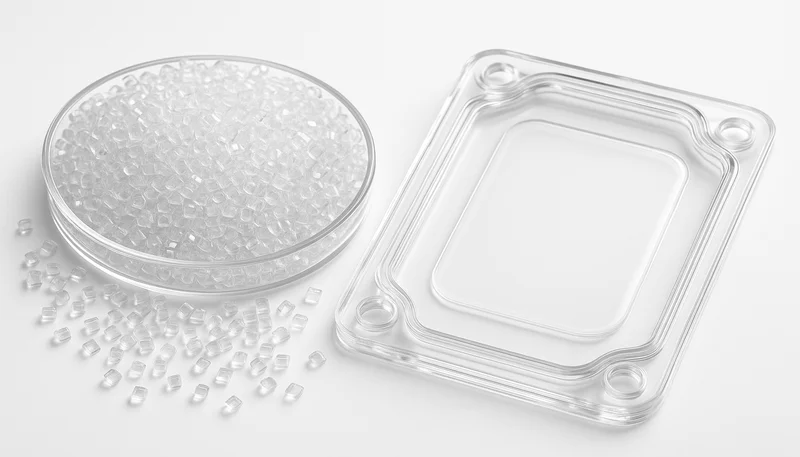
Каковы ключевые параметры процесса литья акрила под давлением?
Переработка PMMA несложна, но не прощает ошибок. Материал имеет узкое технологическое окно, а диапазон между «идеально прозрачным» и «подгоревшим или мутным» состоянием меньше, чем у большинства конструкционных полимеров. Ниже приведены наиболее важные параметры, определённые на основе нашего опыта сотен производственных циклов с акрилом:
Требования к сушке
PMMA поглощает 0.3–0.4% влаги за 24 часа при комнатных условиях. Без сушки появляются серебристые разводы, пузыри и снижается прозрачность прозрачных деталей. Стандартный режим — 80–90°C в течение 3–4 часов в бункерной сушилке с осушением при целевой точке росы ниже -20°C и конечной влажности менее 0.1%. В наших производственных запусках хорошо высушенный PMMA давал кристально прозрачные линзы, тогда как сокращение рекомендуемого цикла даже на 30 минут приводило к видимым серебристым разводам на оптических деталях.
Температура расплава и пресс-формы
Рекомендуемый диапазон температуры расплава составляет 230–260°C в зависимости от конкретной марки. Ниже 230°C возникают риски недолива, высоких внутренних напряжений и плохого воспроизведения поверхности. Выше 260°C полимер начинает разлагаться: появляются пожелтение, газовые прижоги и снижение механических свойств. Температура пресс-формы должна составлять 60–80°C. Более высокая температура формы улучшает качество поверхности и снижает остаточные напряжения, что критично для оптических деталей, но увеличивает время цикла.
На нашем заводе в Шанхае эксплуатируются 47 термопластавтоматов с усилием смыкания от 90T до 1850T. Для акриловых деталей, включая оптические и дисплейные компоненты, мы обычно выбираем машины диапазона 90–500T и применяем многозонное регулирование температуры, чтобы поддерживать стабильность ±2°C по всему температурному профилю цилиндра.
Скорость и давление впрыска
По сравнению с такими материалами, как PP или PE, акрил имеет относительно высокую вязкость расплава. Поэтому требуются повышенное давление впрыска, обычно 800–1500 bar, и скорость от средней до высокой, чтобы заполнить форму до застывания материала. Однако чрезмерная скорость вызывает струйное течение и дефекты поверхности. Для толстых оптических деталей наилучший результат обычно дает профилированная скорость: медленное начало с последующим ускорением. Критически важно давление выдержки — поддерживайте 60–80% пикового давления впрыска в течение 3–8 секунд в зависимости от толщины стенки, чтобы компенсировать объемную усадку и предотвратить утяжины.
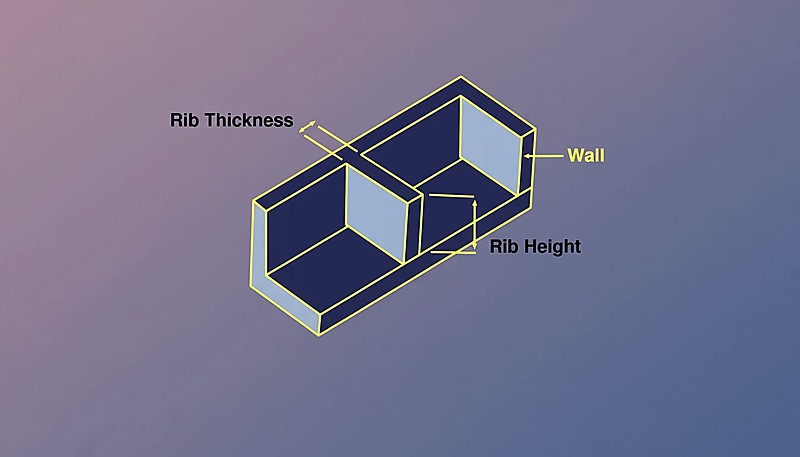
Какие особенности конструкции литника и пресс-формы следует учитывать для акрила?
Поскольку акриловые детали часто прозрачны, положение и конструкция литника напрямую влияют на внешний вид3. Для плоских дисплейных деталей применяют краевые и веерные литники: они равномерно распределяют поток и уменьшают видимые следы. Для небольших линз подходят точечные или туннельные литники с автоматическим отделением. Не размещайте литники на лицевых поверхностях: побеление от напряжений вокруг литника на прозрачной детали не скрыть.
Для полированных полостей рекомендуется уклон 1–2° с каждой стороны. Для извлечения следует использовать выталкиватели большой площади или съёмные плиты вместо штифтов малого диаметра, способных вызвать растрескивание под напряжением или белые следы на поверхности детали. Каналы охлаждения необходимо располагать так, чтобы температура по всей полости была равномерной: неравномерное охлаждение создаёт внутренние напряжения, проявляющиеся как двулучепреломление (оптическое искажение) при контроле в поляризованном свете.
"Равномерное охлаждение формы необходимо для получения прозрачных акриловых деталей с низкими внутренними напряжениями."True
Градиенты температуры по полости вызывают разную усадку и фиксируют остаточные напряжения. Для оптических применений мы проверяем равномерность охлаждения тепловизором до одобрения производства.
"При использовании вентилируемого цилиндра литьевой машины предварительную сушку можно не проводить."False
Вентилируемые цилиндры способны удалить часть поверхностной влаги, но не могут снизить влажность PMMA до 0.02%, необходимой для прозрачных деталей. Для литья оптических изделий из акрила предварительная сушка в осушающей сушилке обязательна.
Где обычно применяется акрил при литье под давлением?
Литье акрила под давлением применяется в отраслях, где основными требованиями являются оптическая прозрачность, качество поверхности и гибкость проектирования. Ниже перечислены области применения, с которыми мы чаще всего сталкиваемся в производстве:
Освещение и оптика: световоды, линзы, световые трубки и рассеиватели для LED-систем. Светопропускание PMMA 92% делает его стандартом для задних фонарей автомобилей, подсветки дисплеев и диагностических окон.
Потребительская электроника: прозрачные крышки, окна дисплеев, подложки сенсорных панелей и защитные линзы. Полируемость и УФ-стойкость акрила сохраняют прозрачность годами.
Медицинские изделия: кюретки, соединители трубок, компоненты для жидкостей и корпуса диагностики. PMMA биосовместим (доступны марки USP Class VI) и выдерживает стерилизацию этиленоксидом и гамма-излучением.
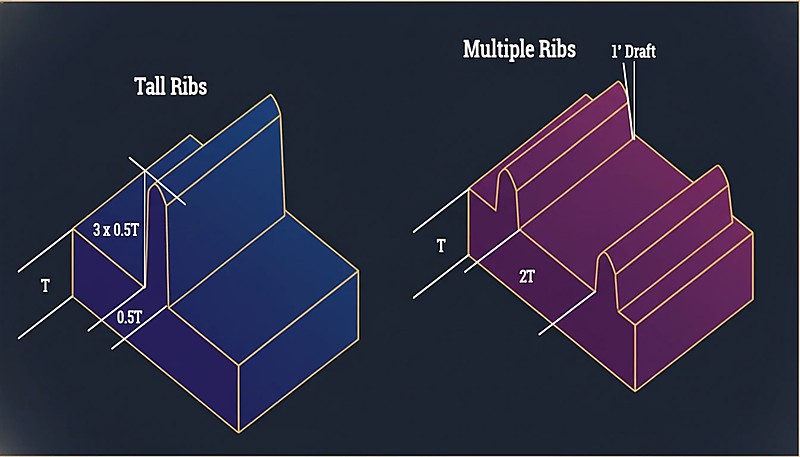
Торговые дисплеи: магазинная оснастка, стойки, держатели брошюр и витрины. Литой акрил выглядит как стекло, но дает прочность и ценовые преимущества пластика в серии.
Автомобили: отделка салона, крышки приборов и фонарей, декоративные панели. Акрил с подбором цвета по Pantone, RAL или образцу стандартен для брендированных деталей салона.
Имея 20+ лет опыта и переработав 400+ материалов, мы выпускаем акриловые компоненты с точным подбором цвета по Pantone, RAL или образцам заказчика, обеспечивая стабильное воспроизведение фирменных цветов во всех производственных партиях.
Каковы ограничения и недостатки акрила?
Идеальных материалов не существует, и акрил не исключение. Инженеры, выбирающие PMMA без понимания его ограничений, сталкиваются с отказами в эксплуатации и жалобами клиентов. Необходимо учитывать следующие компромиссы:
Низкая ударная прочность: при ударной вязкости Изода с надрезом 17–25 J/m PMMA хрупок относительно PC (600–850 J/m). От резкого удара он трескается, а не деформируется, поэтому не подходит для шлемов, защитных экранов и деталей с испытанием падением выше 1 метра на твердую поверхность.
Низкая стойкость к царапинам: при твердости 2–3 по Моосу акрил легко царапается. Часто используемым поверхностям нужно твердое покрытие, повышающее стоимость и способное желтеть, либо более твердый материал — стекло или упрочненный PC.
Ограниченная теплостойкость: при температуре стеклования 105°C акрил под нагрузкой размягчается и деформируется выше 80–90°C. Для длительной работы выше 80°C — моторный отсек, автоклав, горячий розлив — PMMA не подходит; предпочтительнее PC, PEEK или PPSU.
Химическая чувствительность: PMMA разрушают спирты, кетоны (ацетон, MEK), эфиры, ароматические и хлорированные углеводороды. Он устойчив к разбавленным кислотам и щелочам, но растворители при очистке, окраске и сборке вызывают растрескивание или растворение поверхности. Для контакта с жидкостью всегда проверяйте совместимость.
"Акрил можно перерабатывать стандартными методами повторной переработки термопластов."True
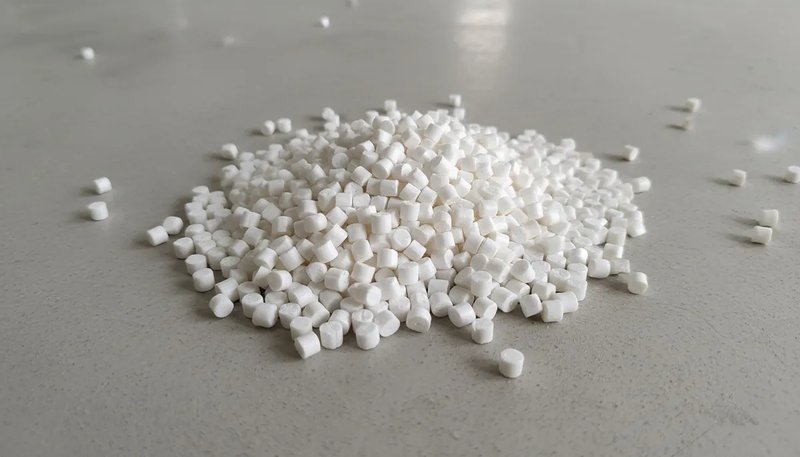
PMMA можно измельчать, повторно расплавлять и перерабатывать. Вторичный акрил (rPMMA) используется в неоптических применениях, хотя вторичные марки обычно имеют немного меньшую прозрачность по сравнению с первичным материалом.
"Акрил значительно желтеет после 1–2 лет эксплуатации вне помещений."False
Современные марки PMMA с UV-стабилизаторами сохраняют прозрачность более 10 лет при эксплуатации на открытом воздухе. В действительности акрил — один из наиболее UV-стойких прозрачных пластиков; он значительно превосходит PC, который без UV-стабилизаторов заметно желтеет уже через 2–3 года.
Когда следует выбирать акрил для проекта литья под давлением?
Выбирайте акрил, когда прежде всего требуется оптическая прозрачность, а рабочая температура остается ниже 80°C. Он подходит для световодов, линз, крышек дисплеев и декоративных компонентов, где качество поверхности и точность цветопередачи важнее ударной прочности. Если нужны прозрачность и ударопрочность, рассмотрите PC. Если нужны прозрачность и термостойкость, рассмотрите стеклонаполненный PC или смеси PC/PMMA.
Имея 20+ лет опыта, 47 термопластавтоматов (90T–1850T), собственное производство пресс-форм и сертификацию ISO 9001 / ISO 13485 / ISO 14001 / ISO 45001, ZetarMold предоставляет полный комплекс услуг по литью акрила под давлением — от DFM и изготовления оснастки до производства и контроля. Запросите коммерческое предложение, чтобы обсудить требования вашего проекта.
Какие вопросы об акриловом материале задают чаще всего?
Часто задаваемые вопросы
Каковы основные характеристики акрилового материала?
Акрил пропускает 92% видимого света, немного превосходя поликарбонат с 88-90%. Он вдвое легче стекла и при серийном производстве стоит на 40-60% дешевле сопоставимых стеклянных компонентов. Однако он легче царапается, чем стекло — твердость по Mohs 2-3 против 6+, — и обладает значительно меньшей ударной прочностью, чем поликарбонат: 17-25 J/m против 600-850 J/m. Выбирайте акрил для неподвижных применений, требующих оптической прозрачности, PC — для деталей с критическими ударными нагрузками, а стекло — для применений с критической стойкостью к царапинам или высокой температурой, где важна термостабильность.
Чем акрил отличается от стекла и других пластмасс?
Основные недостатки акрила: низкая ударная прочность — при резком ударе он трескается, а не деформируется; слабая стойкость к царапинам — твёрдость 2-3 по Mohs требует защиты поверхности или твёрдого покрытия для деталей, которых часто касаются; ограниченная теплостойкость — при Tg 105°C детали под нагрузкой размягчаются выше 80-90°C; химическая чувствительность — материал разрушают спирты, кетоны, включая ацетон, сложные эфиры и ароматические углеводороды. Если нужна более высокая ударная прочность или теплостойкость, обычно лучше подходят поликарбонат или смеси PC/PMMA, несмотря на немного меньшую оптическую прозрачность и более высокую стоимость материала.
Каковы недостатки акрилового пластика?
Основные недостатки акрила: низкая ударная прочность (при резком ударе он трескается, а не деформируется), слабая стойкость к царапинам (твёрдость по Моосу 2-3 требует защиты поверхности или твёрдого покрытия для деталей, с которыми часто контактируют), ограниченная термостойкость (при Tg 105°C детали под нагрузкой размягчаются выше 80-90°C) и химическая чувствительность (разрушается под действием спиртов, кетонов, таких как ацетон, сложных эфиров и ароматических углеводородов). Для изделий, требующих повышенной ударной прочности или термостойкости, обычно лучше подходят поликарбонат или смеси PC/PMMA, несмотря на несколько меньшую оптическую прозрачность.
Какая температура нужна для литья акрила под давлением?
Для оптимального результата акрил требует температуры расплава 230-260°C и температуры пресс-формы 60-80°C. Смолу необходимо предварительно сушить при 80-90°C в течение 3-4 часов в осушительном сушильном аппарате до содержания влаги менее 0.02%. Переработка ниже 230°C вызывает недолив и высокие внутренние напряжения в готовых деталях, а температура выше 260°C — пожелтение и деструкцию материала. Из-за высокой вязкости расплава PMMA типичное давление впрыска составляет 800-1500 bar. Более высокая температура пресс-формы (70-80°C) улучшает качество поверхности и снижает остаточные напряжения в деталях оптического качества.
Подлежит ли акрил переработке?
Да, акрил (PMMA) перерабатывается стандартными методами повторной переработки термопластов и имеет код 7. Его можно измельчить, переплавить и сформовать заново. Вторичный акрил (rPMMA) доступен для неоптических применений, хотя обычно немного менее прозрачен и может отличаться по цвету от первичного. В экологичных проектах отходы литья PMMA можно измельчать и использовать в некритичных компонентах, сокращая отходы и общую стоимость массового производства.
литье под давлением: производственный процесс, в котором полимер плавят, под давлением впрыскивают в полость формы, охлаждают, отверждают и извлекают деталь, повторяя цикл для серийного выпуска. ↩
пресс-форма: прецизионная стальная оснастка, задающая геометрию детали, положение литника, каналы охлаждения, способ извлечения и качество поверхности каждого изделия. ↩
качество: производственная дисциплина, объединяющая DFM, валидацию формы, технологические окна, планы контроля и корректирующие действия в воспроизводимый результат. ↩