アクリル材料の特性は何ですか?
アクリル(PMMA)は、光学的透明性、耐候性、剛性に優れた透明な熱可塑性樹脂です。サプライヤーを比較検討されている場合は、当社の 射出成形サプライヤー調達ガイド では、RFQの準備と適格性評価を扱います。
より広い観点から 射出成形金型設計、当社のピラーガイドでは、金型構造、熱制御、製造性のトレードオフを解説しています。
- アクリルは92%の光透過率とガラスの半分の重量を提供します
- アクリルは優れた耐衝撃性と耐紫外線性を提供します
- 透明な部品を得るには、精密な温度制御(230〜260°C)が重要です
- アクリルは傷つきやすいため注意深い取り扱いが必要です
"アクリル(PMMA)は、利用可能な熱可塑性樹脂の中で最も透明性の高い材料の一つですが、選定に当たっては、その長所と加工上の限界の両方を理解する必要があります。"True
射出成形1における材料選定は、透明度が最も高い樹脂や最も安価な樹脂を選ぶだけではありません。生産条件下でどのように流動し、収縮し、挙動するかを把握する必要があります。
"透明プラスチック部品には、常にアクリルが最適です。"False
ポリカーボネートはアクリルよりも耐衝撃性(10~20倍高い)で優れています。105℃を超える高温環境ではアクリルは変形します。材料の選択は、具体的な負荷、温度、透明度の要件によって決まります。
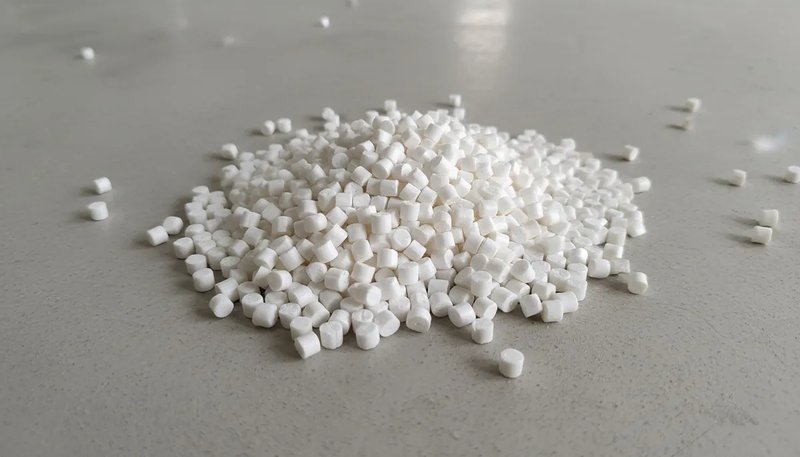
アクリル — 正式名称はポリメタクリル酸メチル (PMMA) — は、ガラスのような透明性、耐候性、剛性が評価される非晶性熱可塑性樹脂です。可視光を最大92%透過し、重量はガラスの半分で、機械加工、研磨、または 射出成形 複雑な形状に成形できます。しかし、こうした代表的な数値の背後には、技術者が見落としやすい加工上の現実があります。すなわち、狭い溶融温度範囲、水分への感受性、冷却を急いだ場合に内部応力が発生しやすい性質です。400種類以上の材料を扱ってきた20年以上の射出成形経験から、アクリルは慎重なプロセス設計には応える一方、近道をすると問題が生じることを当社は実際に確認しています。
「早期のDFMレビューにより、金型の手直しと生産時の想定外を減らせます。」True
肉厚、リブ、ゲート、ドラフト、エジェクション、冷却、材料選択は、鋼材が切削される前に調整する方がコストがかかりません。
「成形品が一度良好に見えれば、その工程は自動的に量産可能と判断できる。」False
生産準備には、再現可能なサイクル、文書化された検査、安定した材料条件、明確な受入基準が必要です。
本記事では、量産で重要となる機械的特性、熱的特性、光学特性を取り上げ、アクリルをポリカーボネートおよびガラスと比較し、さらに 射出成形金型2 アクリル部品が透明で寸法安定性に優れた仕上がりになるか、それとも白濁や応力が生じて不良廃棄となるかを左右する設計および加工条件です。
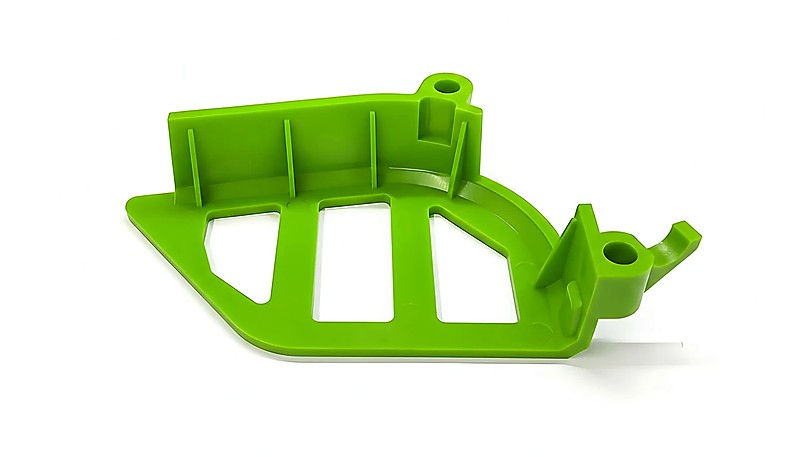
PMMAの物理的および機械的特性は何ですか?
PMMAの物理的および機械的特性は、このセクションで説明される主要なカテゴリまたはオプションです。PMMAは非晶性熱可塑性樹脂で、密度は1.18 g/cm3、ガラス転移温度(Tg)は約105°C、引張強度は65〜75 MPaです。半結晶性プラスチックとは異なり、明確な融点はなく、Tgを超えると徐々に軟化します。これにより加工者は広い成形ウィンドウを得られますが、80〜90°Cを超えると寸法安定性が急速に低下することを意味します。以下の表は、PMMAと2つの一般的な代替材料であるポリカーボネート(PC)および汎用ポリスチレン(GPPS)の主要特性を比較しています。
| プロパティ | PMMA(アクリル) | PC(ポリカーボネート) | GPPS(ポリスチレン) |
|---|---|---|---|
| 密度(g/cm3) | 1.18 | 1.20 | 1.05 |
| 引張強度(MPa) | 65–75 | 60–70 | 35–55 |
| 光透過率(%) | 92 | 88–90 | 88–90 |
| 衝撃強度(ノッチ付きアイゾッド、J/m) | 17–25 | 600–850 | 15–25 |
| ガラス転移温度(°C) | 105 | 147 | 95–100 |
| 吸水率(24時間、%) | 0.3–0.4 | 0.15–0.2 | 0.03–0.05 |
| 成形収縮率(%) | 0.2–0.8 | 0.5–0.7 | 0.4–0.7 |
数値を見ると、3つの点が際立ちます。第一に、アクリルは光学透明度で優位です――92%の光透過率はPCとGPPSの両方を上回ります。第二に、PCは耐衝撃性で25~35倍の優位性があり、安全ゴーグルにPCが、ディスプレイケースにアクリルが使われる理由です。第三に、PMMAはPCやGPPSよりも吸湿性が高く、透明部品のスプレーマークや気泡を避けるためには、加工前に樹脂を予備乾燥(通常80~90℃で3~4時間)する必要があります。
当社の上海工場では、90トンから1850トンまでの47台の射出成形機を稼働しており、薄肉の光導波路から厚肉の光学レンズまで、多様な形状のアクリル部品を加工しています。重要なのは、最初のショットを打つ前に、乾燥、溶融温度、金型冷却を適切に設定することです。
アクリルはポリカーボネートやガラスと比較してどうですか?
透明部材にアクリル、ポリカーボネート、ガラスのいずれかを選ぶ場合、判断は次の3つの質問に集約されます:どれだけの耐衝撃性が必要か?部品は使用中どの温度にさらされるか?耐傷性と研磨性のどちらがより重要か?
アクリル vs ポリカーボネート
耐衝撃性を最優先する場合は、ポリカーボネートが第一候補です。PCはPMMAの10~20倍の衝撃エネルギーに耐え、-40°Cでも靭性を維持します。ただし、PCには欠点もあります。安定剤を添加しない限りUV暴露で黄変しやすく、1キログラム当たりの価格が20~40%高いうえ、同等の光学的透明性を得るのが困難です。光線透過率はアクリルの92%に対し、PCは通常88~90%程度が上限です。落下に耐える必要がある部品(安全装備、防暴盾、航空機の窓)にはPCを選んでください。静置され、透き通る透明感が必要な部品(展示ケース、照明器具、レンズ)には、アクリルの方が適しています。
アクリル対ガラス
硬度と耐擦傷性では、依然としてガラスが優れています。モース硬度は6以上で、アクリルの2–3を上回ります。また、ガラスは高温でも変形しにくい材料です。一方、アクリルには製造上重要な実用的利点があります。重量はガラスの約半分(1.18対2.5 g/cm3)で、割れずに切削や穴あけができ、ガラスでは製造不可能または極めて高価になる複雑形状も射出成形できます。数百個を超える生産では、射出成形アクリル部品のコストは通常、同等のガラス部品より40–60%低くなります。
"アクリルは、表面に傷が付いた後でも研磨によって光学的透明性を回復できる。"True
ガラス(研磨と再研磨が必要)とは異なり、アクリルの傷は、より細かい研磨剤と最終的な火炎または化学研磨で除去できます。これはディスプレイや標識アプリケーションにおける真の利点です。
「アクリルは一般的なすべての溶剤に対して耐薬品性がある。」False
アクリルはアルコール、ケトン(アセトン)、エステル、芳香族炭化水素によって侵されます。希薄な酸や塩基には耐性がありますが、洗浄や組立工程では溶剤の選択が重要です。
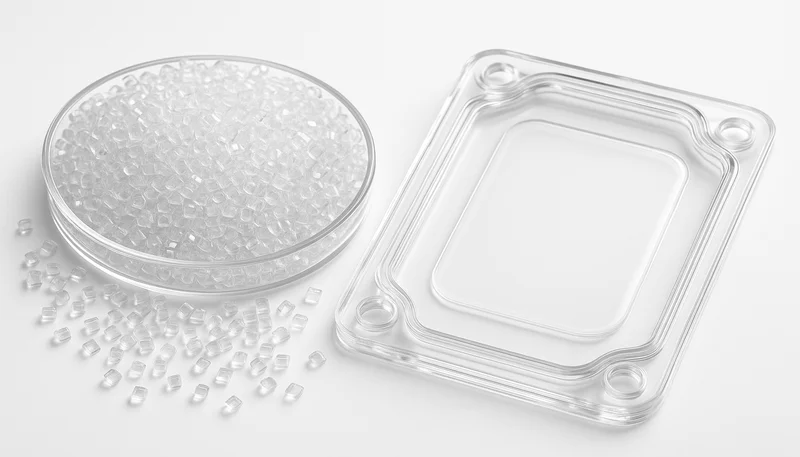
アクリルの射出成形における主要な加工パラメータは何ですか?
PMMAの加工は難しいわけではありませんが、許容誤差が小さい材料です。この材料は加工ウィンドウが狭く、「完全に透明」と「焼けまたは曇り」の間のマージンは、ほとんどのエンジニアリング樹脂よりも小さくなっています。以下は、数百回に及ぶアクリル生産実績に基づく、最も重要なパラメータです:
乾燥条件
PMMAは室温条件下24時間で0.3–0.4%の水分を吸収します。乾燥を省略すると、透明部品に銀条痕(スプレー)、気泡、透明度低下が生じます。標準プロトコルは、除湿ホッパードライヤーで80–90°C、3–4時間、露点-20°C以下、最終水分含有量0.1%以下を目標とします。当社の生産ロットでは、十分に乾燥されたPMMAが水晶のように透明なレンズを生み出すのに対し、推奨サイクルからわずか30分でも省略すると光学部品に目に見えるスプレーが生じることを確認しています。
溶融樹脂温度と金型温度
推奨溶融温度範囲は230~260℃で、グレードによって異なります。230℃を下回るとショートショット、高い内部応力、表面再現性の低下のリスクがあります。260℃を超えると樹脂は劣化し始め――黄変、ガスバーン、機械的特性の低下が見られます。金型温度は60~80℃に設定してください。金型温度を高くすると表面仕上げが向上し残留応力が低減されます(光学部品では重要)が、サイクルタイムは長くなります。
当社の上海工場では、90Tから1850Tまでの47台の射出成形機を稼働しています。アクリル部品では、光学およびディスプレイ部品に通常90–500T範囲の機械を選択し、バレルプロファイル全体で±2°Cの一貫性を維持するためのマルチゾーン温度制御を使用しています。
射出速度と射出圧力
アクリルは、PPやPEなどの材料と比べて溶融粘度が比較的高くなります。そのため、材料が固化する前に金型へ充填するには、より高い射出圧力(通常800–1500 bar)と中速から高速の射出速度が必要です。ただし、射出速度が速すぎると、ジェッティングや表面不良が発生します。肉厚の光学部品では、速度を段階的に変える設定(低速で開始し、その後加速する)によって、通常は最良の結果が得られます。保圧は極めて重要です。体積収縮を補償してヒケを防ぐため、最大射出圧力の60–80%を3–8秒間(肉厚に応じて)維持してください。
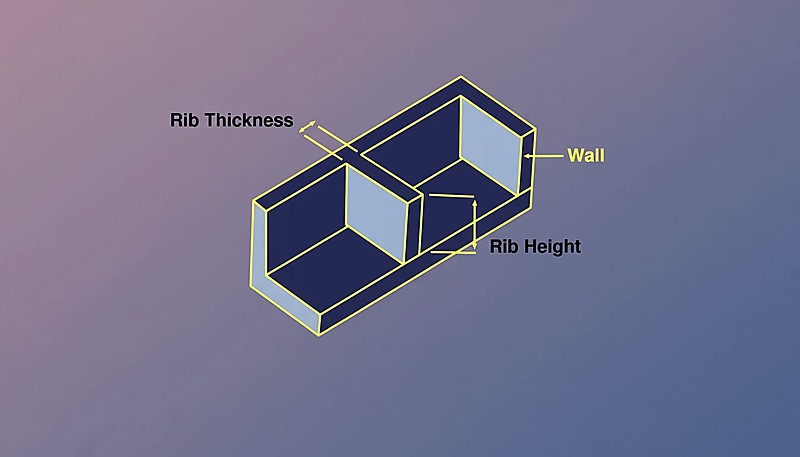
アクリルにはどのようなゲートおよび金型設計上の考慮事項がありますか?
アクリル部品は透明であることが多いため、ゲートの位置と設計は外観上の 品質3。平板状の表示部品には、樹脂を均等に流し、目立つゲート痕を最小限に抑えられるサイドゲートやファンゲートが一般的です。小型光学レンズでは、自動ゲート切断が可能なピンポイントゲートやサブマリンゲートが適する場合があります。外観面へのゲート配置は避けてください。透明部品では、ゲート周辺の応力白化を隠すことができません。
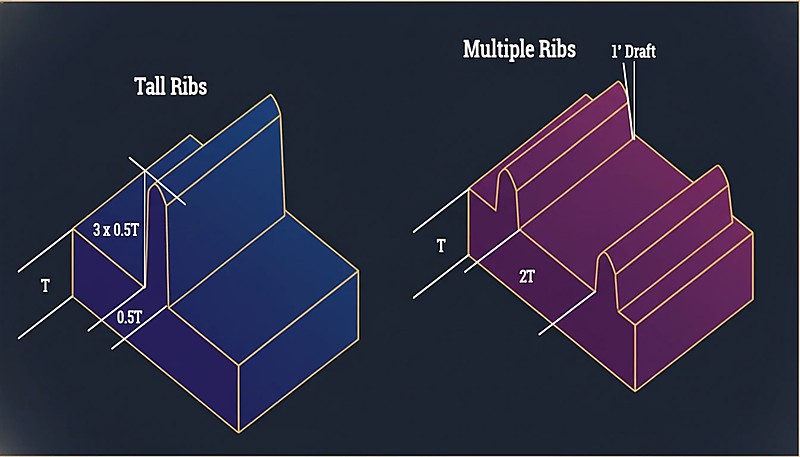
研磨キャビティには、片側1–2°の抜き勾配を推奨します。離型には小径ピンではなく、大面積のエジェクタピンまたはストリッパープレートを使用してください。小径ピンは部品表面に応力亀裂や白化痕を生じさせる可能性があります。冷却チャネルは、キャビティ全体の温度が均一になるよう配置する必要があります。冷却が不均一だと内部応力が生じ、偏光検査で複屈折(光学歪み)として現れます。
"内部応力の少ない透明アクリル部品を得るには、金型を均一に冷却することが不可欠です。"True
キャビティ内の温度勾配は収縮差を生じさせ、残留応力を内部に固定します。光学用途では、生産承認前にサーモグラフィーを用いて冷却の均一性を確認します。
"射出成形機にベント式バレルを使用すれば、予備乾燥を省略できます。"False
ベント式シリンダーは表面水分の一部を除去できますが、透明部品に必要な含水率0.02%までPMMAを乾燥させることはできません。光学品質のアクリル成形では、除湿乾燥機による予備乾燥が必須です。
射出成形におけるアクリルの一般的な用途は何ですか?
アクリル射出成形は、光学的透明性、表面仕上げ、設計自由度が主要要件となる業界で利用されています。生産現場で最も多く見られる用途は次のとおりです。
照明および光学:LED照明システム用の導光板、レンズ、ライトパイプ、ディフューザー。PMMAは光線透過率が92%であるため、自動車のテールランプレンズ、ディスプレイのバックライト導光板、医療診断用窓の標準的な選択肢です。
家電製品:透明カバー、ディスプレイ窓、タッチパネル基板、保護レンズ。アクリルは研磨性とUV安定性に優れ、画面や窓の透明性を長年にわたり維持します。
医療機器:キュレット、チューブコネクタ、流体取扱部品、診断装置ハウジング。PMMAは生体適合性を備え(USP Class VIグレードも選択可能)、エチレンオキサイドやガンマ線照射などの一般的な滅菌方法に耐えられます。
店頭販促ディスプレイ:小売店舗用什器、商品スタンド、パンフレットホルダー、ディスプレイケース。射出成形アクリルはガラスのような外観を備えながら、量産ではプラスチックならではの耐久性とコスト上の利点を提供します。
自動車: 内装トリム、メーターカバー、ランプカバー、装飾パネル。ブランド向け内装部品では、Pantone、RAL、または顧客サンプルに合わせて調色したアクリルが標準的に使用されます。
20+年の経験と400+種類の材料加工実績を活かし、Pantone、RAL、または顧客支給サンプルを使用したカラーマッチングアクリル部品に対応し、生産ロットを通じてブランドカラーを一貫して再現します。
アクリルの制約と短所は何ですか?
完全な材料はなく、アクリルも例外ではありません。制約を理解せずPMMAを選ぶと市場不良や苦情につながります。検討すべきトレードオフは次のとおりです。
低い耐衝撃性: ノッチ付きアイゾット衝撃強度が17~25 J/mのPMMAは、PC(600~850 J/m)と比べて脆い材料です。鋭い衝撃を受けると変形せずに亀裂が入ります。そのため、ヘルメット、安全シールド、または硬い表面への1 meter超の落下試験を受ける部品など、安全性が重視される用途には適しません。
耐傷性が低い:モース硬度が2–3のアクリルは傷が付きやすい材料です。表面に頻繁に触れる用途(携帯機器、卓上用品)では、ハードコート(コストが増加し、黄変する場合があります)を施すか、ガラスや硬化PCなど、より硬い材料を検討する必要があります。
耐熱性が限定的:ガラス転移温度が105°Cであるため、アクリル部品は荷重下では80–90°Cを超えると軟化・変形し始めます。部品が80°Cを超える温度に継続的にさらされる場合(自動車のエンジンルーム、オートクレーブ滅菌、ホット充填包装)、PMMAは適切な選択ではありません。PC、PEEK、またはPPSUの方が適しています。
薬品感受性:PMMAは、アルコール、ケトン類(アセトン、MEK)、エステル類、芳香族炭化水素、および塩素化炭化水素によって侵されます。希酸や希アルカリには耐性がありますが、洗浄、塗装、組立で一般に使用される溶剤によって、表面にクレージングが生じたり、表面が溶解したりする場合があります。液体と接触する用途にアクリルを指定する前に、必ず化学的適合性を確認してください。
"アクリルは、標準的な熱可塑性樹脂の再処理方法でリサイクルできます。"True
PMMAは粉砕、再溶融、再加工が可能です。再生アクリル(rPMMA)は非光学用途に使用されますが、再生グレードは通常、バージン材と比べて透明性がわずかに低下します。
"アクリルは屋外曝露後1~2年で著しく黄変する。"False
UV安定剤を配合した最新のPMMAグレードは、屋外でも10年以上透明性を維持します。実際、アクリルは透明プラスチックの中でも特にUV安定性に優れており、UV安定剤を使用しない場合に2~3年で顕著に黄変するPCよりも大幅に優れています。
射出成形プロジェクトでアクリルを選ぶべきなのはどのような場合ですか?
光学的透明性を最優先し、使用温度が80°C未満の部品にはアクリルを選びます。靭性よりも表面仕上げと色再現性が重視されるライトガイド、レンズ、ディスプレイカバー、装飾部品に適した材料です。透明性と耐衝撃性が必要ならPC、透明性と耐熱性が必要ならガラス繊維強化PCまたはPC/PMMAブレンドを検討してください。
20年以上の経験、47台の射出成形機(90T–1850T)、社内金型製造設備、ISO 9001 / ISO 13485 / ISO 14001 / ISO 45001認証を有するZetarMoldは、DFMと金型製作から量産、検査まで、アクリル射出成形の一貫サービスを提供しています。プロジェクト要件については、見積もりをご依頼ください。
アクリル材料に関するよくある質問とは?
よくある質問
アクリル材料の主な特性とは?
アクリルの可視光線透過率は92%で、88-90%のポリカーボネートをわずかに上回ります。重量はガラスの半分で、量産時のコストは同等のガラス部品より40-60%低くなります。ただし、ガラスより傷が付きやすく(モース硬度2-3対6+)、耐衝撃性はポリカーボネートより大幅に低い(17-25 J/m対600-850 J/m)という欠点があります。光学的透明性が必要な固定用途にはアクリル、耐衝撃性が重要な部品にはPC、耐傷付き性が重要な用途、または熱安定性が求められる高温用途にはガラスを選択してください。
アクリルはガラスや他のプラスチックと比べてどのような違いがありますか?
アクリルの主な短所は、耐衝撃性が低いこと(鋭い衝撃を受けると変形せずに割れる)、耐傷付き性が低いこと(モース硬度が2-3であるため、手で扱う部品には表面保護またはハードコートが必要)、耐熱性が限定的であること(Tgが105°Cのため、荷重下では80-90°Cを超えると軟化する)、および薬品に敏感であること(アルコール、アセトンなどのケトン、エステル、芳香族炭化水素に侵される)です。より高い耐衝撃性や耐熱性が必要な用途では、光学的透明度がわずかに低く材料費が高くなるものの、一般にポリカーボネートまたはPC/PMMAブレンドの方が適しています。
アクリル樹脂の欠点は何ですか?
アクリルの主な欠点は、耐衝撃性が低いこと(鋭い衝撃を受けると変形せずに割れる)、耐擦傷性が低いこと(モース硬度2-3のため、手で扱う部品には表面保護またはハードコートが必要)、耐熱性が限定的であること(Tgが105°Cのため、荷重下では80-90°Cを超えると軟化する)、および薬品に弱いこと(アルコール、アセトンなどのケトン、エステル、芳香族炭化水素に侵される)です。より高い耐衝撃性または耐熱性が必要な用途では、光学的透明性がわずかに劣るものの、一般にポリカーボネートまたはPC/PMMAブレンドの方が適しています。
アクリルの射出成形にはどの温度が必要ですか?
アクリル樹脂は最適な結果を得るために、溶融温度230-260℃、金型温度60-80℃が必要です。樹脂は除湿乾燥機で80-90℃、3-4時間の予備乾燥を行い、水分含有量を0.02%以下にする必要があります。230℃以下の加工ではショートショットが発生し、完成品に高い内部応力が生じます。一方、260℃以上の温度では黄変や材料劣化を引き起こします。PMMAの高い溶融粘度のため、800-1500バールの射出圧力が一般的です。高い金型温度(70-80℃)は表面仕上げを向上させ、光学品質部品の残留応力を低減します。
アクリルはリサイクル可能ですか?
はい、アクリル(PMMA)は標準的な熱可塑性樹脂の再処理方法でリサイクル可能であり、リサイクルコード7を持ちます。粉砕、再溶融、再成形して新製品にすることができます。リサイクルアクリル(rPMMA)は非光学用途で市販されていますが、通常、透明度がわずかに低下し、新材と比較してわずかな色のばらつきがある場合があります。持続可能性に焦点を当てたプロジェクトでは、射出成形からのPMMA生産スクラップを粉砕して非重要部品で再利用することができ、量産環境での材料廃棄物と総製造コストの両方を削減します。