Что такое следы течения и почему они важны?
В этом разделе подробно объясняется, что такое следы течения, почему они важны и как влияют на стоимость, качество, сроки и риски снабжения. Тем, кто сравнивает варианты литья под давлением1, статья поможет увидеть связь между пресс-формой2, поведением пластика3, оценкой поставщиков и решениями по контролю качества, от которых зависит переход проекта от разработки к стабильному серийному производству.
Для более широкого понимания темы сравните её с проектированием пресс-форм и руководством по поиску поставщиков.
Следы течения — это видимые дефекты поверхности деталей, изготовленных литьем под давлением, которые выглядят как волнистые линии, рябь или полосы немного отличающегося цвета либо блеска. Они возникают, когда движущийся фронт расплава неравномерно охлаждается у стенки пресс-формы, образуя сморщенный или складчатый поверхностный слой, который фиксируется на готовой детали. На нашем производстве следы течения входят в тройку наиболее частых косметических дефектов, приводящих к браку деталей, особенно потребительских изделий, для которых внешний вид поверхности критически важен.
- Следы течения обычно возникают из-за нестабильного потока расплава, низкой температуры, медленной скорости впрыска или плохой балансировки литников.
- Начните устранение неполадок с технологических окон, прежде чем менять сталь; тесты температуры и скорости проводятся быстрее, чем изменения оснастки.
- Для декоративных деталей подтвердите исправление с помощью образцовых панелей, осмотра при освещении и задокументированных настроек испытания перед утверждением производства.
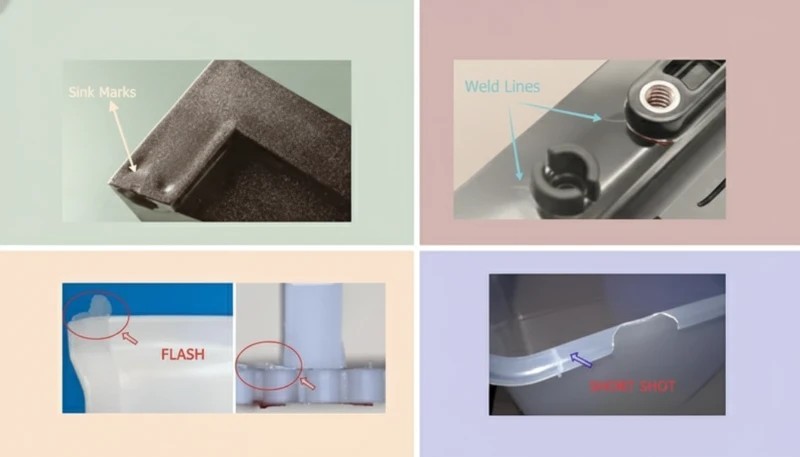
Хотя следы течения редко влияют на структурную целостность детали, они делают продукты незавершенными и непрофессиональными. Для панелей салона автомобиля, корпусов потребительской электроники и корпусов медицинских устройств даже незначительные следы течения могут привести к браку, что задерживает сроки производства и увеличивает затраты. Понимание первопричины — взаимодействия между скоростью фронта расплава, температурой и поверхностью формы — это первый шаг к устранению этого дефекта. Хорошая новость: в большинстве случаев следы течения можно полностью устранить путем корректировки параметров процесса без каких-либо изменений формы.
Как температура расплава влияет на образование следов течения?
Температура расплава — наиболее влиятельный параметр процесса для линий течения. При слишком низкой температуре расплава поверхностный слой пластика преждевременно затвердевает у стенки формы, образуя следы торможения и морщины, когда ещё текучая сердцевина проталкивает затвердевший слой вперёд. Мы установили, что повышение температуры расплава на 10–20°C устраняет линии течения примерно в 50% случаев без каких-либо других изменений.
| Материал | Стандартная температура расплава (°C) | Рекомендуемая температура для уменьшения следов течения (°C) | Максимальная безопасная температура (°C) |
|---|---|---|---|
| ABS | 220–240 | 240–260 | 270 |
| ПК | 280–300 | 300–320 | 330 |
| PP | 200–230 | 230–250 | 270 |
| ПММА | 220–240 | 240–260 | 270 |
| PA6 | 240–260 | 260–280 | 290 |
| POM | 190–210 | 200–215 | 220 |
Мы всегда повышаем температуру с шагом 5 °C и на каждом уровне оцениваем 10 впрысков. Слишком высокая температура может вызвать деструкцию материала, пожелтение или усиление утяжин из-за снижения вязкости расплава на стадии выдержки под давлением.
"«Температура расплава — важнейший параметр процесса для контроля следов течения при литье под давлением»."True
Из всех регулируемых параметров процесса температура расплава наиболее непосредственно влияет на образование следов течения. Более высокая температура расплава снижает вязкость, задерживает затвердевание поверхностного слоя и повышает однородность фронта расплава — всё это непосредственно предотвращает преждевременное охлаждение, вызывающее следы течения.
"“Снижение температуры расплава помогает уменьшить следы течения за счёт замедления потока пластика.”"False
Более низкая температура расплава фактически усиливает следы течения. Более холодный расплав быстрее затвердевает у стенки формы, образуя более толстую корку, которая сминается и волочится вперед под давлением потока сердцевины. Повышение температуры расплава дольше сохраняет пластик текучим, обеспечивая формирование гладкой и равномерной корки.
Как температура пресс-формы влияет на качество поверхности?
В этом разделе рассказывается о том, как температура формы влияет на качество поверхности и ее воздействие на стоимость, качество, сроки или риски снабжения. Температура формы работает в тандеме с температурой расплава, контролируя скорость образования пластиковой кожицы. Более высокая температура формы замедляет скорость охлаждения на границе расплав-форма, давая пластиковой поверхности время для гладкого формирования, а не образования складок. По нашему опыту, сочетание повышения температуры расплава с повышением температуры формы дает наилучшие результаты.
| Материал | Стандартная температура пресс-формы (°C) | Рекомендуется для уменьшения следов течения (°C) | Влияние на время цикла |
|---|---|---|---|
| ABS | 40–60 | 60–80 | +5–10% |
| ПК | 80–100 | 100–120 | +8–15% |
| PP | 20–50 | 50–70 | +5–8% |
| ПММА | 50–70 | 70–90 | +10–15% |
| PA6 | 60–80 | — Увеличьте давление на 3–5 бар. Сделайте 20 выстрелов для оценки стабильности. | +5–10% |
Компромисс заключается во времени цикла. Каждое повышение температуры формы на 10°C увеличивает фазу охлаждения примерно на 3–5%. При крупносерийном производстве мы балансируем качество поверхности и производительность, находя минимальную температуру формы, устраняющую следы течения; часто достаточно значения на 10–15°C выше стандартной настройки.
Какой профиль скорости впрыска лучше всего предотвращает следы течения?
В этом разделе рассказывается о том, какой профиль скорости впрыска лучше всего подходит для предотвращения следов течения и его влиянии на стоимость, качество, сроки или риски снабжения. Скорость впрыска определяет, насколько быстро фронт расплава продвигается по полости. Для следов течения, как правило, лучше более высокая скорость — быстро движущийся фронт расплава имеет меньше времени для охлаждения и образования складок до заполнения полости. Однако профиль скорости важнее общей скорости.
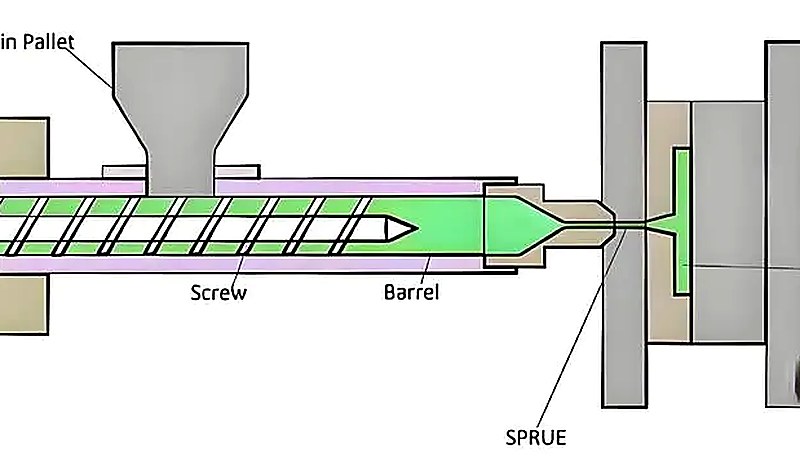
Для устранения следов течения мы используем многоступенчатые профили скорости впрыска:
Этап 1 (заполнение 0–10 %): средняя скорость (40–60 %) для формирования устойчивого фронта расплава после прохождения литника.
Этап 2 (заполнение 10–80 %): высокая скорость (80–100 %) для быстрого заполнения основной части полости и поддержания высокой температуры фронта расплава.
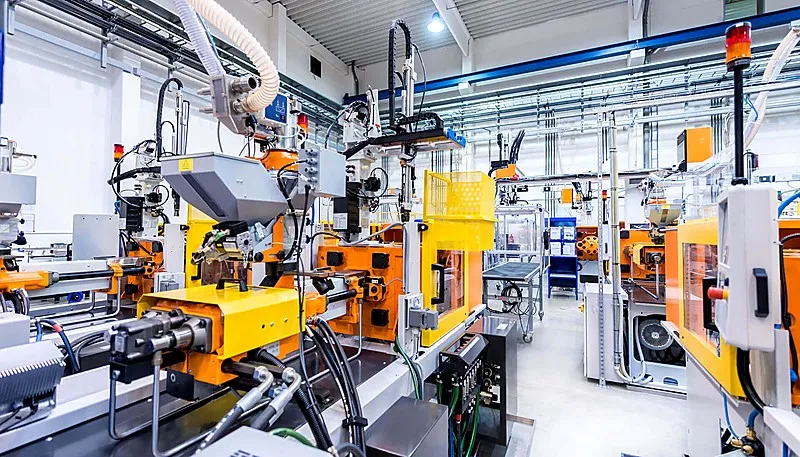
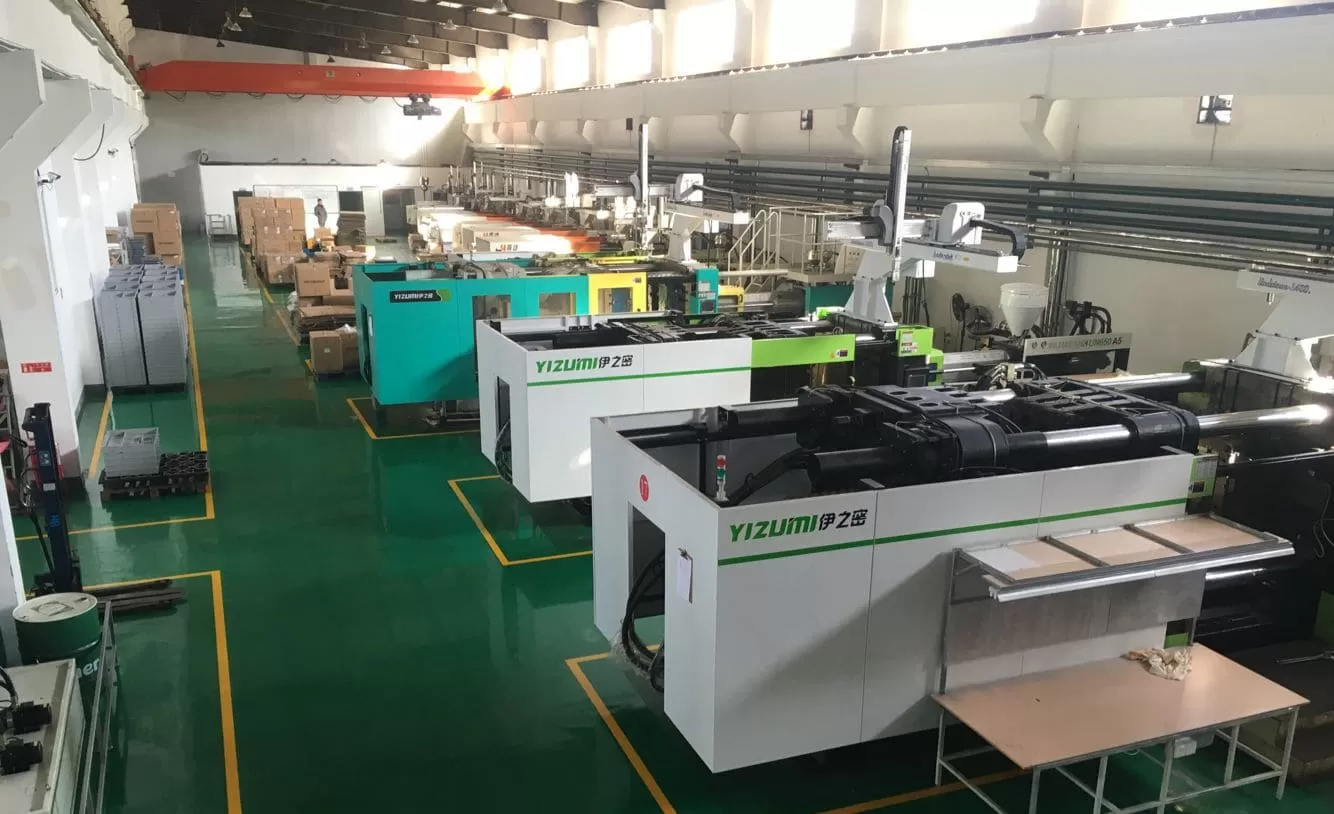
На нашем заводе в Шанхае работают 47 машин для литья под давлением от 90 до 1850 тонн. При появлении следов течения наша технологическая команда обычно проверяет температуру расплава, температуру формы, скорость впрыска и балансировку литников в таком порядке, прежде чем рекомендовать изменения оснастки.
Этап 3 (заполнение 80–98 %): пониженная скорость (50–70 %) для предотвращения переуплотнения и образования облоя в конце заполнения.
Переключение V/P: переход к выдержке под давлением при заполнении на 95–98 %.
Ключевой вывод: следы течения чаще появляются там, где фронт расплава замедляется — в тонких сечениях, при изменении отношения длины потока к толщине и вдали от литника. Профилирование скорости для постоянной скорости фронта в этих зонах эффективнее равномерно высокой скорости.
Когда следует изменить конструкцию литника вместо параметров процесса?
Этот раздел посвящён изменению конструкции литника вместо процесса и его влиянию на стоимость, качество, сроки или риски снабжения. Корректировки процесса имеют пределы. Если вы повысили температуру расплава до максимума материала, увеличили скорость впрыска до появления облоя и подняли температуру формы до неприемлемого цикла — а следы течения остаются — проблема в конструкции формы. Мы оцениваем, что 20–30% случаев следов течения требуют модификаций литника или литниковой системы для постоянного исправления.
Признаки того, что проблема заключается в конструкции литника:Следы течения сосредоточены вблизи литника (литник слишком мал, что вызывает чрезмерный сдвиг)
Следы течения появляются в конкретном месте перехода толщины стенки (расположение впуска заставляет поток сначала проходить через тонкий участок)
Следы потока исчезают при экстремальных настройках процесса, но возвращаются в нормальном рабочем окне
В нескольких гнёздах следы течения появляются в одном и том же месте (причина в конструкции, а не в изменении процесса)
Эффективные изменения литника:Увеличьте ширину или глубину литника на 20–50%
Изменение с точечного литника на периферийный или веерный
Перенесите впуск в самый толстый участок стенки
Добавьте литниковую систему, подающую расплав при более равномерной температуре
"“Увеличение поперечного сечения литника на 20–50% — наиболее эффективное единичное изменение пресс-формы для уменьшения следов течения.”"True
Более крупный литник позволяет расплаву поступать в полость при меньшем сдвиге и более равномерной температуре, уменьшая турбулентность и вызванное сдвигом охлаждение, которые создают следы потока у литника. Он также снижает необходимое давление заполнения и расширяет технологическое окно для оптимизации.
"“Оптимизация процесса всегда позволяет устранить следы течения без изменения конструкции пресс-формы.”"False
Хотя корректировка процесса устраняет 70–80% случаев появления следов течения, принципиальные недостатки конструкции формы — например, слишком малые литники, неудачное расположение литника или чрезмерное отношение длины потока к толщине — вызывают следы, которые нельзя полностью устранить никакой настройкой процесса. В таких случаях для постоянного решения необходимо изменить конструкцию литника или литниковой системы.
Как давление выдержки и противодавление влияют на следы потока?
В этом разделе рассказывается о том, как давление подпитки и противодавление влияют на следы течения и их воздействие на стоимость, качество, сроки или риски снабжения. Хотя температура расплава и скорость впрыска привлекают основное внимание, давление подпитки и противодавление являются важными вторичными факторами, влияющими на выраженность следов течения.
Давление выдержки (подпитки): после заполнения полости давление выдержки прижимает расплав к стенке формы на начальной стадии охлаждения. Достаточное давление выдержки (обычно 40–60 % давления впрыска) плотно прижимает поверхность расплава к форме и сглаживает зарождающиеся следы течения. При недостаточном давлении поверхность отходит от формы, поэтому следы течения становятся заметнее.
Противодавление: создаваемое при наборе дозы противодавление повышает однородность расплава благодаря лучшему перемешиванию и более равномерной температуре всей дозы. Обычно мы задаём противодавление 5–15 бар (70–220 psi). Более высокое противодавление делает расплав однороднее и уменьшает перепады температуры во фронте течения, способствующие появлению следов.
Практический совет из нашего цеха: если следы течения появляются периодически — одни впрыски хорошие, другие со следами, — причина часто в нестабильной температуре расплава из-за низкого противодавления. Повышение противодавления на 3–5 bar обычно стабилизирует качество поверхности от впрыска к впрыску.
Каков полный контрольный список корректировок для устранения следов течения?
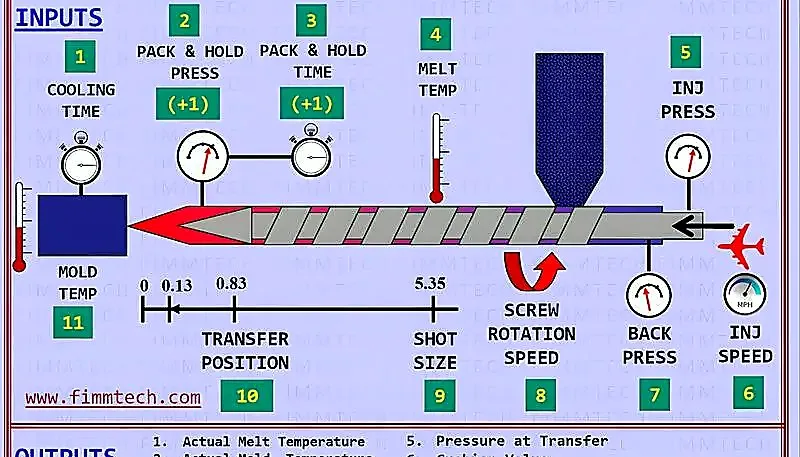
Полный контрольный список корректировок для устранения следов течения определяется функцией, ограничениями и компромиссами, объясненными в этом разделе. Мы обобщили наш заводской опыт в стандартизированный контрольный список, которому следуют наши техники в каждом случае устранения неполадок со следами течения. Этот системный подход исключает случайные изменения параметров и эффективно выявляет первопричину.
Проверьте сушку материала — измерьте содержание влаги влагомером. Целевое значение: ниже указанного в спецификации материала (обычно 0,02–0,04 %).
Повысьте температуру расплава — увеличьте её на 10 °C и оцените 10 впрысков. Если результат улучшился, добавьте ещё 5 °C. Не превышайте предельно допустимую температуру материала.
Повысьте температуру формы — увеличьте её на 10 °C и оцените 10 впрысков. Если качество поверхности улучшилось, примите связанное с этим увеличение времени цикла.
Увеличьте скорость впрыска — повысьте её на 15–20 %. Следите за появлением облоя по линии разъёма. Если облой возникнет раньше, чем исчезнут следы течения, увеличение скорости не решит проблему.
Увеличьте давление выдержки — повысьте его на 5–10 %. Продлите выдержку на 1–2 секунды. Проверьте изменение размеров деталей.
Увеличьте противодавление — повысьте его на 3–5 бар. Выполните 20 впрысков, чтобы оценить стабильность.
Часто задаваемые вопросы
Можно ли удалить следы течения после формования?
Следы течения иногда можно скрыть после формования, но их не следует рассматривать как обычную проблему постобработки. Покраска, тампопечать, легкая полировка или изменение текстуры могут снизить визуальное воздействие на потребительские детали с низким риском, но эти шаги увеличивают стоимость и могут скрыть нестабильность процесса. Для повторяемого производства сначала устраните проблемы с температурой расплава, температурой формы, скоростью впрыска, балансировкой литников и условиями вентиляции. Постобработка должна быть лишь временной мерой сдерживания, пока технологическое окно процесса литья не будет скорректировано и задокументировано.
Указывают ли следы течения на структурную проблему детали?
Следы течения обычно являются косметическим дефектом, а не автоматическим сигналом структурного отказа. Они показывают, что фронт расплава охлаждался неравномерно или замедлялся во время заполнения, что влияет на глянец поверхности, цвет и внешний вид. Однако то же нестабильное технологическое окно также может создавать скрытые риски, такие как плохое подпитывание, слабость линии слияния или вариации размеров. Для декоративных корпусов основная проблема — внешний вид. Для несущих или регулируемых деталей подтвердите исправление проверкой размеров, механическими испытаниями и образцами первой статьи перед утверждением производства. Храните запись испытания вместе с утверждённой технологической картой.
Почему следы течения появляются только в определенных гнездах многогнездной формы?
Когда следы течения появляются только на определённых гнездовых формах, первопричиной обычно является дисбаланс литниковой системы или литника. Одни гнездовые формы получают более горячий и быстрый расплав, а другие — более холодный расплав после большего пути течения, более высоких потерь давления или неравномерного ограничения литника. Различия в контурах охлаждения могут усугубить дисбаланс. Проверьте картину заполнения, давление в гнездовой форме (если доступно), размеры литника, баланс литниковой системы и температуру поверхности формы для каждой гнездовой формы. Не решайте это только глобальным повышением температуры; сбалансируйте форму и проверьте все гнездовые формы в одинаковых условиях испытания.
Насколько обычно нужно повысить температуру, чтобы устранить следы течения?
Типичная первая корректировка — повышение температуры расплава на 10–20 градусов Цельсия, затем проведение контролируемого короткого испытания и осмотр той же поверхности при постоянном освещении. Если следы течения улучшаются, уточняйте меньшими шагами по 5 градусов, пока поверхность не стабилизируется без образования облоя, следов прожига, сдвига цвета или деградации материала. Температура формы также может потребовать повышения на 10–15 градусов для глянцевых или тонкостенных деталей. Всегда записывайте окончательный технологический окно, а не полагайтесь на один успешный образец.
Может ли текстурированная поверхность формы скрыть следы течения?
Текстурированная поверхность формы может сделать лёгкие следы течения менее заметными, но не устраняет причину процесса. Текстура рассеивает отражённый свет, поэтому вариации глянца труднее увидеть, особенно на матовых потребительских поверхностях. Риск заключается в том, что тот же нестабильный фронт расплава всё ещё может создавать цветовые полосы, слабость линии слияния или несоответствие между гнездовыми формами. Используйте текстуру как дизайнерский выбор только после стабилизации процесса литья. Для высокоглянцевых, прозрачных, окрашенных или видимых потребителем деталей всё равно требуется исправление процесса.
Какой самый быстрый способ диагностировать первопричину следов течения?
Самый быстрый метод диагностики — контролируемый однофакторный эксперимент. Начните с повышения температуры расплава и проверьте, исчезает ли след. Если улучшение ограничено, увеличьте температуру формы в области дефекта, затем скорректируйте профиль скорости впрыска и давление подпитки. Во время испытания сохраняйте постоянными объём впрыска, время охлаждения, партию материала и освещение при осмотре. Записывайте каждую настройку и сравнивайте изделия рядом. Если затронута только одна гнездовая форма, проверьте размер литника, баланс литниковой системы, вентиляцию и локальное охлаждение, прежде чем менять весь процесс.
Резюме: Как можно навсегда устранить следы течения?
Следы течения при литье под давлением возникают из-за преждевременного охлаждения фронта расплава у стенки формы — и устранение проблемы следует четкой иерархии. Начните с температуры расплава (+10–20°C), что решает примерно половину всех случаев. Добавьте повышение температуры формы (+10–15°C) и оптимизацию скорости впрыска для еще 30%. Для оставшихся 20%, где настройки процесса не могут устранить следы, модификации конструкции литника и литниковой системы обеспечивают постоянное решение. На нашем заводе следование этому системному подходу снизило брак, связанный со следами течения, до менее 0,5% по всем продуктовым линейкам. Ключевой принцип: поддерживайте фронт расплава горячим и движущимся равномерно, и следы течения просто не образуются.
Нужен расчёт стоимости для вашего проекта литья под давлением? ZetarMold может рассмотреть ваш DFM, материал, оснастку и производственные требования перед расчётом.
Получите конкурентное ценовое предложение, рекомендации DFM и производственный график от инженерной команды ZetarMold.
Запросить бесплатное предложение →
Литьё под давлением: производственный процесс, при котором пластик расплавляют, впрыскивают в полость формы, охлаждают полученную деталь и повторяют цикл для стабильного серийного выпуска. ↩
Пресс-форма: прецизионный инструмент, определяющий геометрию детали, режим охлаждения, извлечение, литниковую систему, качество поверхности и повторяемость. ↩
Пластик: семейство материалов, текучесть, усадка, прочность, термостойкость, внешний вид, время цикла и долговечность которых определяют решения при литье. ↩