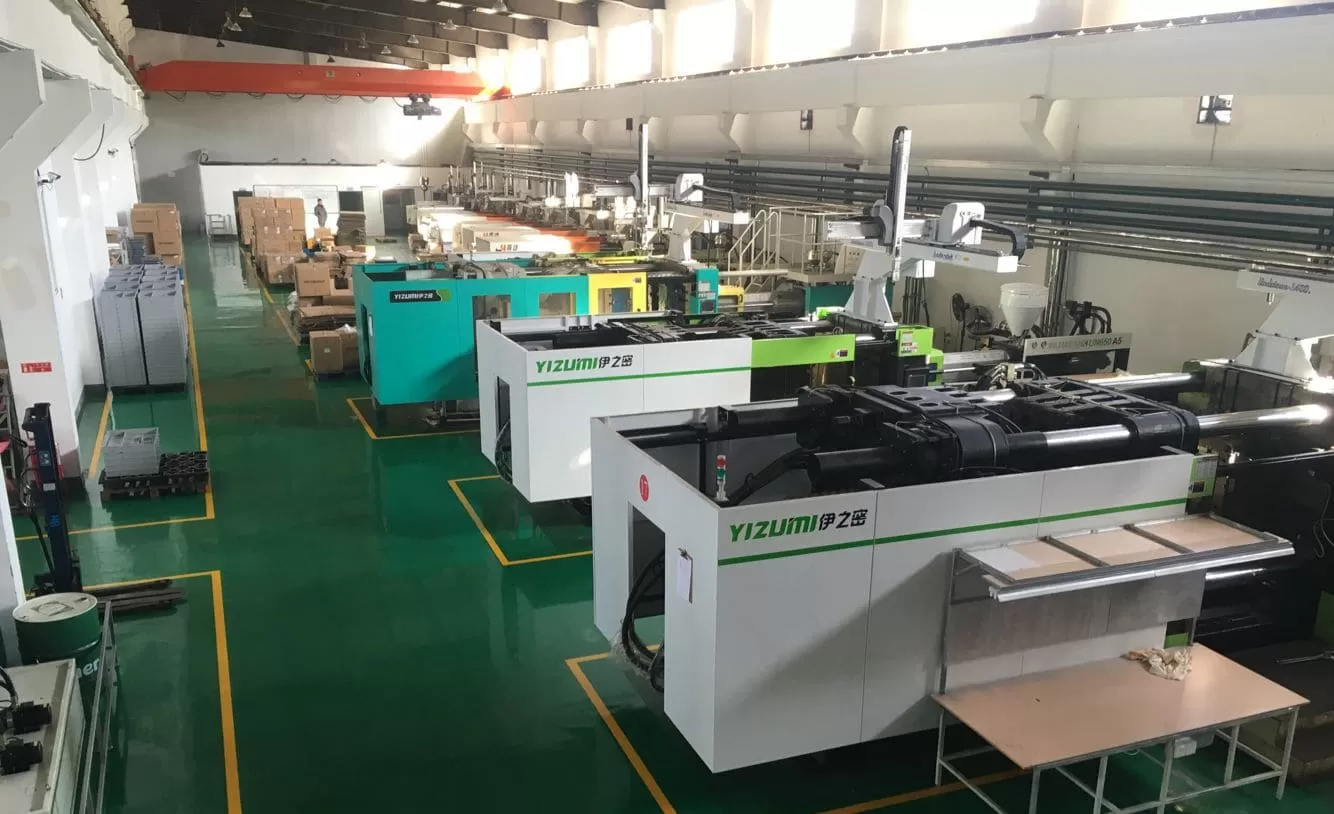
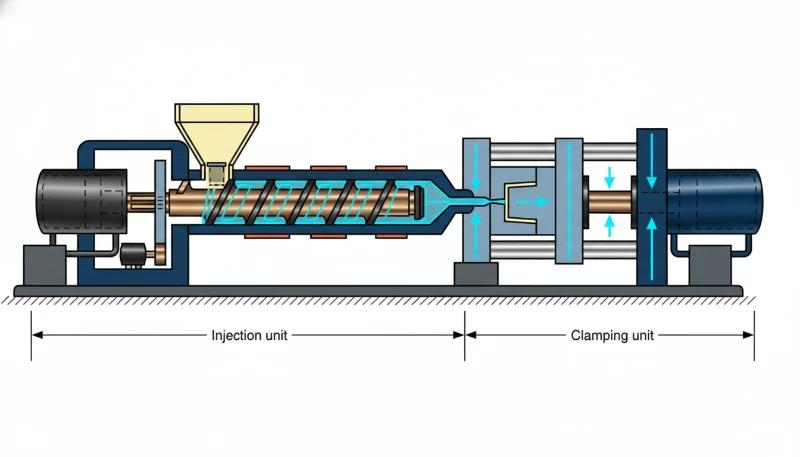
Правильная настройка параметров литья под давлением1 отделяет прибыльное производство от дорогостоящего брака. За 20 лет устранения дефектов — от коробления автомобильных деталей до утяжин в электронике — я убедился, что результат определяют пять параметров: температура, давление, скорость, время и охлаждение. Это не просто цифры на дисплее машины, а средства управления качеством, длительностью цикла и себестоимостью. При выборе поставщиков воспользуйтесь нашим руководством по поиску поставщика3 с практическими критериями оценки.
- Регулирование температуры влияет на течение материала, кристаллизацию и качество поверхности; типичный диапазон — от 180°C для PP до 280°C для PC
- Давление впрыска определяет заполнение полости и плотность детали; для большинства термопластов оно обычно составляет 800-1500 bar
- Параметры скорости управляют нагревом от сдвига и ориентацией молекул; обычно скорость впрыска составляет 50-200 mm/s
- Давление и время выдержки предотвращают усадку и утяжины — обычно 60-80% от давления впрыска в течение 3-15 seconds
- Время охлаждения напрямую влияет на цикл и качество детали — рассчитывайте его как квадрат толщины стенки, умноженный на температуропроводность материала
Каковы ключевые параметры процесса литья под давлением?
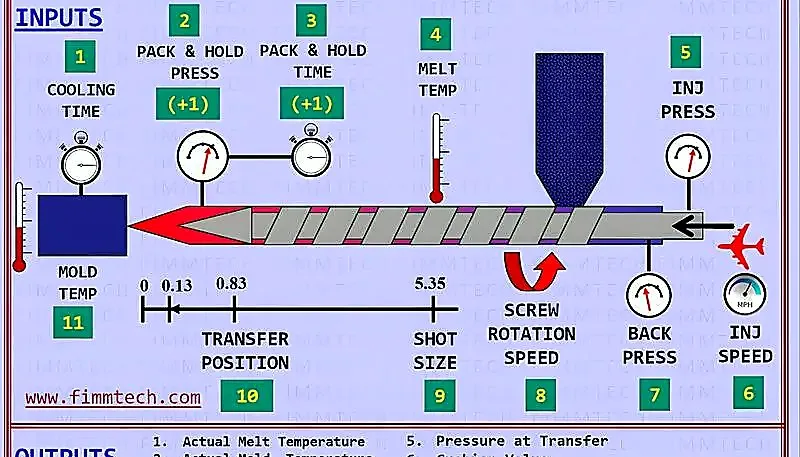
Ключевые параметры литья под давлением — основные категории, рассмотренные в этом разделе. Пять критических параметров: температура, давление, скорость, время и охлаждение; каждый управляет отдельными аспектами качества детали и эффективности производства. Температура влияет на вязкость и течение материала. Давление определяет заполнение полости и плотность детали. Скорость управляет сдвиговым нагревом и ориентацией молекул. Время задаёт затвердевание материала. Охлаждение определяет цикл и стабильность размеров.
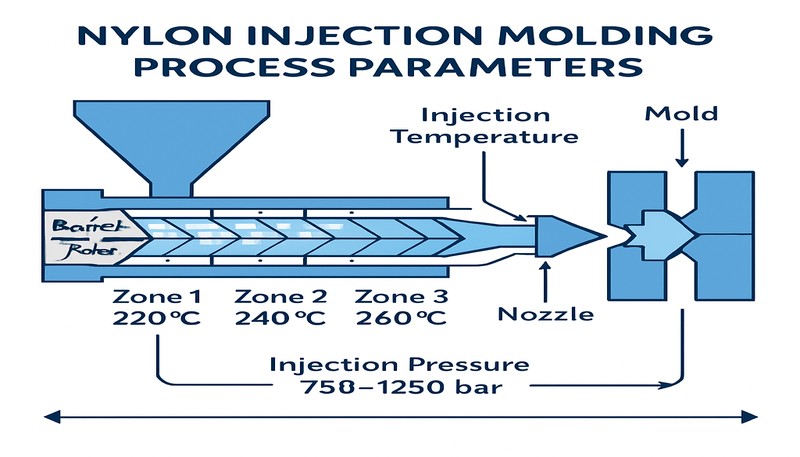
Температурные параметры охватывают зоны цилиндра — обычно 4–5, температуру сопла и пресс-формы. Для АБС я обычно задаю от 220 °C в зоне подачи до 240 °C у сопла и 60–80 °C для формы. Это обеспечивает хорошее течение расплава без разрушения материала.
Параметры давления действуют последовательно: давление впрыска заполняет полость (800-1500 bar), давление выдержки поддерживает плотность детали (60-80% давления впрыска), а противодавление регулирует однородность расплава (3-15 bar). К скоростным параметрам относятся скорость впрыска (50-200 mm/s), скорость вращения шнека (50-150 RPM) и скорость выталкивания. Временные параметры включают время впрыска, выдержки и охлаждения, а также общее время цикла.
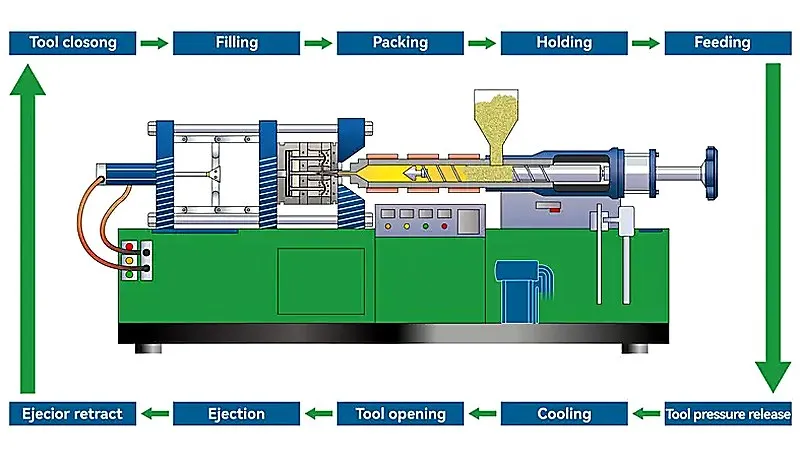
Как температура влияет на качество литья под давлением?
Температура напрямую определяет вязкость, длину течения, поверхность и молекулярную структуру литьевой детали. Повышение температуры снижает вязкость, увеличивает путь потока и улучшает заполнение, но перегрев вызывает деструкцию, облой и плохую поверхность. Понижение повышает вязкость и может вызвать недолив и высокое давление.
Температурный профиль цилиндра обычно повышается от задних зон к передним. Для полипропилена я задаю 180°C в зоне подачи, 200°C в зоне сжатия, 210°C в зоне дозирования и 220°C на сопле. Такое последовательное нагревание обеспечивает правильную пластификацию без перегрева. Разница температур между зонами должна составлять 10-20°C, чтобы предотвратить деградацию материала.
Температура формы влияет на кристаллизацию полукристаллических пластмасс, таких как нейлон и полипропилен. Более высокая температура формы (80-120°C для нейлона) способствует повышению степени кристалличности, улучшая химическую стойкость и стабильность размеров, но увеличивая время цикла. Более низкая температура формы (40-60°C) сокращает время цикла, но может вызвать коробление и ухудшение качества поверхности. В моей практике повышение температуры формы с 60°C до 100°C при изготовлении деталей из нейлона увеличивало время цикла на 20%.
"Повышение температуры цилиндра на 10°C обычно снижает требуемое давление впрыска на 50-100 bar для большинства термопластов."True
Эта зависимость сохраняется, поскольку более высокая температура снижает вязкость расплава, облегчая течение материала по литниковой системе и заполнение полости пресс-формы. При оптимизации параметров процесса для таких материалов, как ABS, PC и нейлон, я неизменно наблюдал это снижение давления на 50-100 bar.
"Более высокая скорость впрыска всегда улучшает качество деталей, уменьшая следы течения и линии задержки потока."False
Хотя во многих случаях более высокая скорость впрыска улучшает качество поверхности, чрезмерная скорость вызывает сильный сдвиговый нагрев, молекулярную ориентацию, ведущую к короблению, и рост давления впрыска. Оптимальная скорость впрыска зависит от геометрии детали, толщины стенок и свойств материала. Я наблюдал увеличение коробления на 30%, когда скорость впрыска тонкостенных деталей из PC превышала 250 mm/s.
Какую роль играет давление впрыска в качестве детали?
Давление впрыска определяет полноту заполнения полости, плотность детали и точность размеров, проталкивая расплавленный пластик через каналы и литники во все элементы полости. Недостаточное давление вызывает недоливы, утяжины и низкую плотность детали. Избыточное давление приводит к облою, высоким остаточным напряжениям и затруднённому выталкиванию.
Для большинства термопластов типичное давление впрыска составляет 800-1500 bar, но для тонкостенных изделий может потребоваться 1800+ bar. Требуемое давление я рассчитываю по длине потока, толщине стенки и вязкости материала. При длине потока 200mm через стенку 2mm из ABS ожидайте давление впрыска 1000-1200 bar при стандартных температурах переработки.
Давление выдержки поддерживает качество детали после заполнения полости, компенсируя усадку материала при охлаждении. Установите давление выдержки на уровне 60-80% давления впрыска: слишком низкое значение вызывает утяжины и отклонения размеров, а слишком высокое расходует энергию и может привести к облоям. Время выдержки должно составлять 3-15 секунд в зависимости от толщины стенки и теплофизических свойств материала. Для толстых участков (>5mm) увеличьте время выдержки до 10-15 секунд.
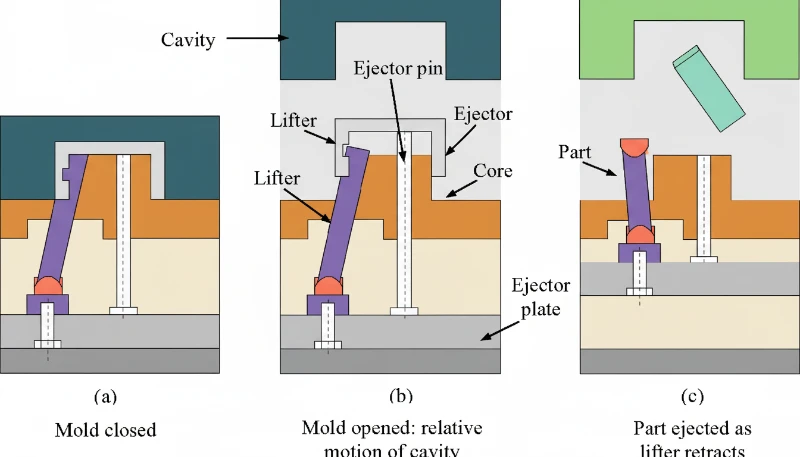
Как параметры скорости и времени влияют на конечное изделие?
Параметры скорости и времени управляют течением материала, ориентацией молекул и затвердеванием детали, напрямую влияя на качество поверхности, механические свойства и стабильность размеров. Скорость впрыска определяет нагрев от сдвига и продвижение фронта расплава по полости. Частота вращения шнека влияет на однородность расплава и распределение красителя. Временные параметры управляют фазовым переходом материала из жидкого состояния в твёрдое, определяя длительность каждого этапа и момент перехода. Для правильной настройки этих параметров необходимо понимать взаимосвязь реологии материала, геометрии детали и охлаждающей способности пресс-формы.
Скорость впрыска обычно составляет 50-200 mm/s, но оптимальное значение зависит от геометрии детали и чувствительности материала. Быстрый впрыск (150-200 mm/s) улучшает качество поверхности и уменьшает следы течения, но усиливает сдвиговый нагрев и ориентацию молекул. Медленный впрыск (50-100 mm/s) снижает напряжения, но может вызвать следы течения и перепады температуры. Я использую многоступенчатые профили: быстрое заполнение 90% объема полости, затем низкая скорость на последних 10% для минимизации напряжений.
Скорость вращения шнека влияет на качество расплава и время цикла. Стандартная скорость 50-150 RPM обеспечивает хорошее смешивание без чрезмерного нагрева сдвигом. Скорость выше 200 RPM вызывает деградацию термочувствительных материалов, таких как PVC и POM, что приводит к изменению цвета и снижению механических свойств. Скорость ниже 50 RPM может ухудшить однородность расплава, вызывая цветовые полосы или нестабильное качество деталей. Противодавление 3-15 bar улучшает смешивание; для вторичных материалов или изделий с критичными требованиями к равномерности цвета применяйте более высокие значения (10-15 bar). Обычно я начинаю с противодавления 8-10 bar и корректирую его по результатам контроля температуры расплава и визуального осмотра пробных отливок.
Почему температура пресс-формы критически важна для кристаллических пластмасс?
Температура пресс-формы управляет кинетикой кристаллизации полукристаллических пластмасс, таких как нейлон, полипропилен и POM, напрямую влияя на механические свойства, химическую стойкость и стабильность размеров. Более высокая температура пресс-формы способствует образованию кристаллов, повышая прочность и химическую стойкость, но увеличивая время цикла. Более низкая температура ограничивает кристаллизацию, снижая свойства, но ускоряя производство.
Для nylon 66 я обычно устанавливаю температуру пресс-формы 80-120°C в зависимости от требований к детали. Для высокоэффективных применений, требующих максимальной прочности и химической стойкости, необходима температура пресс-формы 100-120°C, обеспечивающая кристалличность 40-50%. Для потребительских товаров, где стоимость важнее характеристик, можно использовать 60-80°C, принимая более низкую кристалличность 20-30% ради сокращения цикла.
Свойства полипропилена существенно меняются в зависимости от температуры пресс-формы. При температуре пресс-формы 40°C следует ожидать кристалличность 30-40% и хорошую ударную вязкость. При 80°C кристалличность возрастает до 50-60%, жесткость повышается, но ударная прочность снижается. Главное — согласовать температуру пресс-формы с требованиями применения: автомобильным деталям подкапотного пространства нужна высокая кристалличность, а гибкой упаковке — более низкая. Однажды при испытаниях корпуса шестерни из PP повышение температуры пресс-формы с 50°C до 85°C увеличило прочность на разрыв на 18%, но почти удвоило время цикла. Каждый инженер-технолог должен тщательно оценивать этот компромисс между механическими свойствами и производительностью. Для POM действует похожая закономерность: температура пресс-формы 80-100°C повышает сопротивление ползучести шестерен и механических компонентов.
Как устранять распространенные дефекты, связанные с параметрами процесса?
Дефекты, связанные с параметрами процесса, возникают по закономерным схемам, которые опытные специалисты по литью распознают сразу. Недолив указывает на недостаточное давление или температуру, препятствующие полному заполнению полости. Облой свидетельствует о чрезмерном давлении или износе оснастки, из-за которого материал выходит через линию разъёма пресс-формы. Утяжины возникают вследствие недостаточного давления выдержки или слишком короткого времени выдержки при охлаждении. Коробление вызывают неравномерное охлаждение, чрезмерная ориентация молекул или неправильное расположение литника, создающее неодинаковую усадку. Понимание того, какой параметр вызывает каждый тип дефекта, — первый шаг к системному устранению неисправностей. Я всегда начинаю с проверки параметра, который проще всего скорректировать, и лишь затем перехожу к более сложным причинам: такой диагностический подход экономит часы проб и ошибок в производственном цехе.
При недоливе сначала повышайте давление впрыска с шагом 50-100 bar до полного заполнения полости. Если при достижении предельного для машины давления свыше 1500 bar улучшения нет, повышайте температуру цилиндра с шагом 10°C, чтобы снизить вязкость расплава. Проверьте преждевременное затвердевание впуска, увеличив время выдержки под давлением: иногда впуск перекрывается до полного заполнения полости. Убедитесь также в достаточной вентиляции, поскольку запертый воздух препятствует полному заполнению даже при высоком давлении. В одном проекте автомобильного разъема мы установили, что постоянный недолив был вызван засорением вентиляционного канала, ограничивавшим выход воздуха при высокоскоростном заполнении.
Устранение облоя требует последовательного снижения давления и проверки формы. Снижайте давление впрыска шагами по 50 bar до исчезновения облоя, затем оптимизируйте давление выдержки. Проверьте линию разъема: изношенные или поврежденные поверхности формы вызывают облой даже при низком давлении. Убедитесь, что усилие смыкания соответствует расчету по проецируемой площади детали и давлению в полости.
Устранение утяжин основано на оптимизации давления и времени выдержки. Увеличьте давление выдержки до 70-80% давления впрыска. Продлите выдержку до затвердевания литника — обычно до 3-15 секунд в зависимости от его размера и материала. Для толстых участков рассмотрите последовательное управление клапанными литниками или литьё с газом, чтобы поддерживать давление на протяжении всего охлаждения.
"Коробление деталей, изготовленных литьём под давлением, в первую очередь обусловлено различием усадки толстых и тонких участков, а не свойствами материала."True
Неравномерная усадка создает внутренние напряжения, вызывающие коробление при охлаждении и затвердевании деталей. Толстые участки охлаждаются медленнее и усаживаются сильнее тонких, создавая концентрации напряжений. Поэтому равномерная толщина стенок критически важна: мне удавалось снизить коробление на 60%, просто поддерживая постоянную толщину стенок 2-3mm в сложных корпусах.
"Для хорошего смешивания цвета при литье под давлением всегда необходимо противодавление выше 20 bar."False
Хотя противодавление улучшает смешивание, чрезмерные значения (>20 bar) вызывают ненужный нагрев при сдвиге, увеличение времени цикла и возможную деградацию материала. В большинстве случаев отличное смешивание цвета достигается при противодавлении 5-15 bar. По моему опыту, 8-12 bar обеспечивает оптимальное смешивание большинства материалов без негативных последствий чрезмерного сдвига.
В ZetarMold более чем 20-летний опыт литья под давлением на 47 машинах усилием от 90T до 1850T научил нас, что оптимизация параметров процесса — одновременно наука и искусство. Работая с более чем 400 материалами, мы создали базы параметров, сокращающие время наладки на 70% и обеспечивающие успешный первый впрыск более чем в 85% случаев. Наши инженеры-технологи применяют статистическое управление процессом, поддерживая стабильность параметров в пределах ±2% на протяжении серийного выпуска.
Готовы оптимизировать параметры процесса литья под давлением? Руководство ZetarMold по выбору материалов содержит подробные рекомендации по параметрам для более чем 400 материалов. Наши инженеры-технологи помогут установить устойчивые диапазоны параметров, обеспечивающие стабильное качество при минимальном времени цикла. Обратитесь к нам за бесплатным аудитом параметров текущих процессов литья.
Часто задаваемые вопросы
Каков оптимальный диапазон температур литья ABS под давлением?
Температура литья ABS обычно составляет 220-250°C в цилиндре при температуре формы 60-80°C. Для большинства стандартных применений рекомендуем начинать с 230°C в цилиндре и 70°C в форме. Повышение до 240-250°C улучшает текучесть и качество поверхности, но увеличивает риск термической деструкции. Снижение до 220-230°C сокращает цикл, но может вызвать недолив тонкостенных деталей. Температуру сопла следует задавать на 5-10°C выше передней зоны цилиндра, чтобы предотвратить преждевременное затвердевание. Всегда контролируйте фактическую температуру расплава пирометром; оптимальный диапазон обработки ABS — 235-245°C.
Как рассчитать правильное давление выдержки при литье под давлением?
Рассчитайте давление выдержки как 60-80% давления впрыска, необходимого для полного заполнения полости. Начните с базового значения 70%, затем корректируйте его по качеству детали. Для толстых участков (>4mm) используйте 75-80%, чтобы предотвратить утяжины. Для тонких стенок (<2mm) значение 60-65% предотвращает облой при сохранении плотности. Контролируйте массу детали—её стабильность указывает на правильное давление выдержки. При наличии возможности я использую датчики давления в полости, устанавливая целевой диапазон 400-600 bar на фазе выдержки. Слишком низкое давление выдержки вызывает утяжины и отклонения размеров. Слишком высокое расходует энергию и может вызвать облой или затруднить выталкивание.
Что вызывает вспышку при литье под давлением и как это исправить?
Вспышка возникает, когда давление впрыска превышает усилие смыкания формы или когда поверхности разъёма формы изношены или повреждены. Рассчитайте необходимое усилие смыкания, используя площадь проекции детали, умноженную на давление в полости — обычно 3-5 тонн на квадратный дюйм проекционной площади. Уменьшайте давление впрыска с шагом 50-100 бар, пока вспышка не исчезнет. Проверьте состояние формы — изношенные линии разъёма, повреждённые вентиляционные каналы или недостаточное обслуживание формы вызывают вспышку при нормальных давлениях. Убедитесь в правильной центровке формы и достаточном растяжении стяжных колонн. Иногда вспышка указывает на недостаточную вентиляцию, что требует снижения давления или добавления вентиляционных каналов. Вязкость материала влияет на склонность к вспышке — материалы с более высоким индексом текучести расплава вспыхивают легче.
В чём разница между давлением впрыска и давлением дожима?
Давление впрыска полностью заполняет полость формы, обычно 800-1500 бар в зависимости от геометрии детали и материала. Давление дожима поддерживает плотность детали во время охлаждения, обычно 60-80% от давления впрыска. Давление впрыска действует во время фазы заполнения (1-3 секунды), а давление дожима — во время отверждения (3-15 секунд). Высокое давление впрыска обеспечивает полное заполнение и хорошую отделку поверхности. Правильное давление дожима предотвращает утяжины и размерную усадку. Переход от давления впрыска к давлению дожима происходит при заполнении полости на 95-98%. Современные машины используют обратную связь по давлению в полости для автоматической оптимизации этой точки переключения.
Как скорость вращения шнека влияет на качество расплава пластика?
Скорость шнека регулирует интенсивность смешивания и время пребывания, напрямую влияя на однородность и температуру расплава. Стандартная скорость 50-150 RPM обеспечивает хорошее смешивание без чрезмерного нагрева сдвигом. Более высокая скорость (>200 RPM) вызывает деградацию термочувствительных материалов, таких как PVC или POM. Более низкая скорость (<50 RPM) может привести к плохому смешиванию цвета или колебаниям температуры. Я регулирую скорость шнека с учётом чувствительности материала и требований к смешиванию. Для термочувствительных материалов нужна меньшая скорость (50-100 RPM). Переработанным материалам и цветовым концентратам полезна более высокая скорость (100-150 RPM). Контролируйте температуру расплава: чрезмерная скорость шнека повышает её на 10-20°C из-за нагрева сдвигом.
Какое идеальное время охлаждения для деталей, отлитых под давлением?
Время охлаждения зависит от квадрата толщины стенки и температуропроводности материала. Используйте формулу: время охлаждения = (толщина стенки)² × коэффициент материала. Для АБС с толщиной стенки 3 мм ожидайте время охлаждения 15-25 секунд. Полипропилен охлаждается быстрее (коэффициент материала 0,8), а ПК медленнее (коэффициент материала 1,3). Температура формы влияет на время охлаждения — каждое повышение на 10°C добавляет 15-20% к времени цикла. Эффективная конструкция каналов охлаждения сокращает время на 30-40%. Я проверяю достаточность охлаждения, измеряя температуру извлечения детали — для большинства термопластов она должна быть ниже 60°C, чтобы предотвратить коробление. Оптимизируйте время охлаждения путём систематического сокращения до тех пор, пока качество детали не ухудшится.
Как вы устанавливаете противодавление для литья под давлением?
Установите противодавление в диапазоне 3-15 бар в зависимости от требований к смешиванию материала и качеству. Начните с 5-8 бар для большинства применений, затем отрегулируйте на основе качества расплава. Более высокое противодавление (10-15 бар) улучшает смешивание цвета и однородность расплава, но увеличивает время цикла и сдвиговый нагрев. Более низкое противодавление (3-5 бар) сокращает время цикла, но может вызвать полосы цвета или плохое смешивание. Термочувствительные материалы, такие как ПВХ, требуют минимального противодавления (3-5 бар). Вторичные материалы или применения с мастербатчем выигрывают от более высоких значений (10-12 бар). Контролируйте температуру расплава — чрезмерное противодавление повышает температуру из-за сдвигового нагрева. Регулируйте постепенно с шагом 2-3 бар.
Что происходит, если температура формы слишком низкая?
Низкая температура формы вызывает плохое качество поверхности, неполное заполнение полости, высокие остаточные напряжения и нестабильность размеров. Поверхностные дефекты включают следы течения, линии спая и тусклую отделку. Детали могут коробиться при эксплуатации из-за релаксации напряжений. Полукристаллические пластмассы, такие как нейлон, демонстрируют снижение механических свойств из-за ограниченной кристаллизации. Я наблюдал снижение прочности нейлоновых деталей на 20-30% при температуре формы 40°C по сравнению с 80°C. Низкая температура формы также повышает требуемое давление впрыска на 100-200 bar. Однако время охлаждения сокращается, улучшая цикл. Критически важен баланс: используйте минимальную температуру, обеспечивающую приемлемое качество детали. Типичные минимумы: ABS 50°C, нейлон 60°C, полипропилен 40°C.
литьё под давлением: производственный процесс, при котором пластик плавят, впрыскивают в полость формы, охлаждают деталь и повторяют цикл для стабильного серийного выпуска. ↩
пресс-форма: прецизионный инструмент, определяющий геометрию детали, охлаждение, извлечение, литниковую систему, качество поверхности и повторяемость. ↩
руководство по поиску поставщика: помогает оценить производственных партнёров по возможностям изготовления оснастки, управлению процессом, знанию материалов, контролю качества и надёжности. ↩