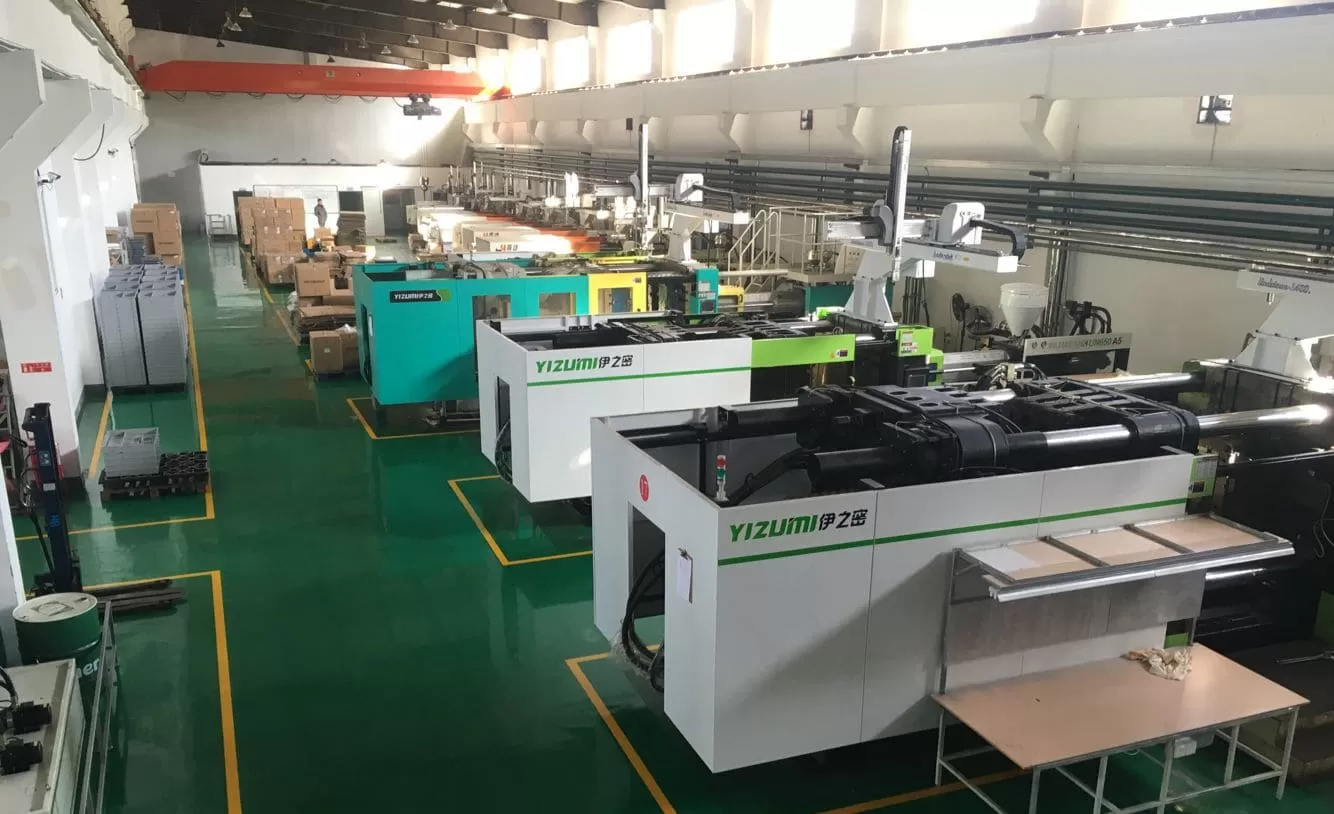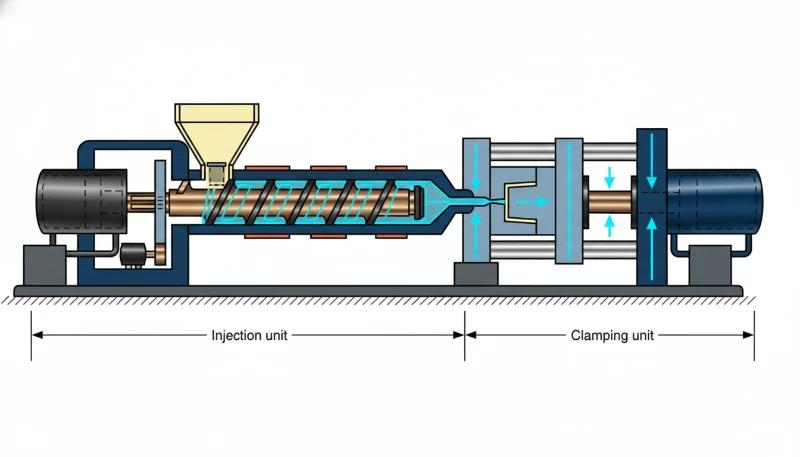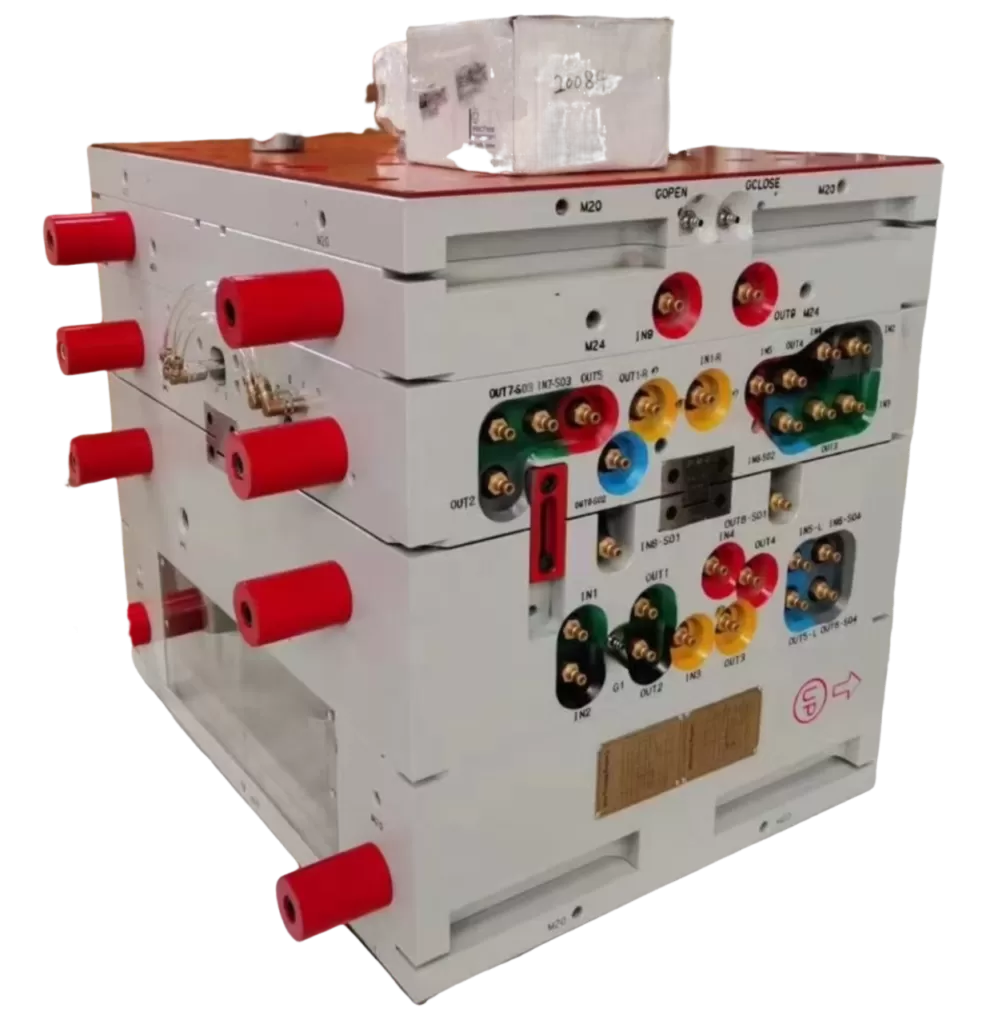
Impostare correttamente i parametri dello stampaggio a iniezione1 fa la differenza tra una produzione redditizia e scarti costosi. Dopo 20 anni di risoluzione di problemi, dalle deformazioni dei componenti automobilistici ai risucchi nell’elettronica di consumo, ho imparato che il successo dipende da cinque parametri: temperatura, pressione, velocità, tempi e raffreddamento. Non sono semplici numeri sul display, ma leve che controllano qualità, ciclo e redditività. Per valutare i fornitori, consulta la nostra guida all’approvvigionamento3.
- Il controllo della temperatura influisce sul flusso del materiale, sulla cristallizzazione e sulla finitura superficiale; gli intervalli tipici vanno da 180°C per il PP a 280°C per il PC
- La pressione di iniezione determina il riempimento della cavità e la densità del pezzo; per la maggior parte dei termoplastici è solitamente di 800-1500 bar
- I parametri di velocità controllano riscaldamento da taglio e orientamento molecolare—sono comuni velocità d'iniezione di 50-200 mm/s
- Pressione e tempo di mantenimento prevengono ritiro e risucchi — generalmente il 60-80% della pressione di iniezione per 3-15 secondi
- Il tempo di raffreddamento influisce direttamente sul tempo di ciclo e sulla qualità del pezzo: calcolarlo moltiplicando il quadrato dello spessore della parete per la diffusività termica del materiale
Quali sono i principali parametri del processo di stampaggio a iniezione?
I principali parametri del processo di stampaggio a iniezione sono le categorie o opzioni illustrate in questa sezione. I cinque parametri critici sono temperatura, pressione, velocità, temporizzazione e raffreddamento, ognuno dei quali controlla aspetti specifici della qualità del pezzo e dell’efficienza produttiva. La temperatura influisce sulla viscosità e sul comportamento di flusso del materiale. La pressione determina il riempimento della cavità e la densità del pezzo. La velocità controlla il riscaldamento da taglio e l’orientamento molecolare. La temporizzazione gestisce la solidificazione del materiale. Il raffreddamento governa il tempo ciclo e la stabilità dimensionale.
I parametri di temperatura comprendono le zone del cilindro, in genere 4-5, la temperatura dell’ugello e quella dello stampo a iniezione. Per l’ABS imposto normalmente il cilindro da 220°C nella zona di alimentazione a 240°C presso l’ugello, con lo stampo a 60-80°C. Questi valori garantiscono un flusso corretto del fuso evitando la degradazione.
I parametri di pressione operano in sequenza: la pressione di iniezione riempie la cavità (800-1500 bar), la pressione di mantenimento conserva la densità del pezzo (60-80% della pressione di iniezione) e la contropressione controlla l’omogeneità del fuso (3-15 bar). I parametri di velocità comprendono la velocità di iniezione (50-200 mm/s), la velocità di rotazione della vite (50-150 RPM) e la velocità di espulsione. I parametri temporali includono il tempo di iniezione, il tempo di mantenimento, il tempo di raffreddamento e il tempo di ciclo totale.
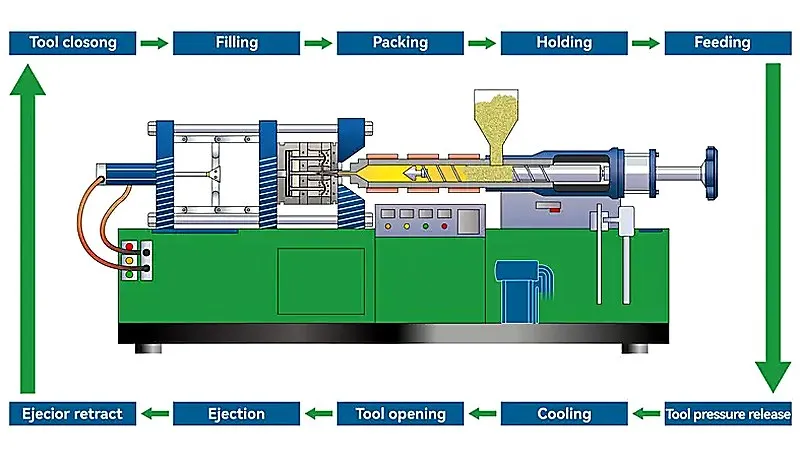
In che modo la temperatura influisce sulla qualità dello stampaggio a iniezione?
La temperatura controlla viscosità, lunghezza di flusso, finitura e struttura molecolare. Temperature alte riducono la viscosità e migliorano il riempimento, ma l’eccesso causa degrado, bava e superficie scadente. Temperature basse aumentano viscosità, stampate incomplete e pressione.
I profili di temperatura del cilindro aumentano tipicamente dalla zona posteriore a quella anteriore. Per il polipropilene, imposto 180°C nella zona di alimentazione, 200°C nella zona di compressione, 210°C nella zona di dosaggio e 220°C all’ugello. Questo riscaldamento progressivo garantisce una plastificazione corretta senza surriscaldamento. La differenza tra le zone deve essere di 10-20°C per evitare il degrado del materiale.
La temperatura dello stampo influenza la cristallizzazione delle plastiche semicristalline, come poliammide e polipropilene. Temperature più elevate (80-120°C per la poliammide) favoriscono la cristallinità, migliorando resistenza chimica e stabilità dimensionale ma aumentando il tempo ciclo. Temperature inferiori (40-60°C) riducono il tempo ciclo, ma possono causare deformazioni e finitura superficiale scadente. Ho osservato aumenti del tempo ciclo del 20% elevando la temperatura stampo da 60°C a 100°C per pezzi in poliammide.
"L'aumento della temperatura del cilindro di 10°C riduce generalmente di 50-100 bar la pressione di iniezione richiesta per la maggior parte dei termoplastici."True
Questa relazione è valida perché temperature più elevate riducono la viscosità del fuso, facilitandone il flusso nel sistema di canali e nella cavità dello stampo. Nell'ottimizzazione dei parametri di processo per materiali come ABS, PC e nylon, ho osservato costantemente questa riduzione di pressione di 50-100 bar.
"Velocità di iniezione maggiori migliorano sempre la qualità del pezzo riducendo segni di flusso e linee di esitazione."False
Sebbene un'iniezione più rapida possa spesso migliorare la finitura superficiale, una velocità eccessiva causa problemi quali elevato riscaldamento da taglio, orientamento molecolare con conseguente deformazione e aumento della pressione di iniezione. La velocità ottimale dipende da geometria del pezzo, spessore delle pareti e proprietà del materiale. Ho osservato un aumento della deformazione del 30% quando la velocità superava 250 mm/s in pezzi in PC a parete sottile.
Qual è il ruolo della pressione di iniezione nella qualità dei componenti?
La pressione di iniezione determina il completo riempimento della cavità, la densità del pezzo e la precisione dimensionale, spingendo la plastica fusa attraverso canali e punti di iniezione fino a ogni dettaglio della cavità. Una pressione insufficiente causa riempimenti incompleti, risucchi e bassa densità. Una pressione eccessiva provoca bave, elevate tensioni residue e difficoltà di espulsione.
Per la maggior parte dei termoplastici, le pressioni di iniezione tipiche variano da 800-1500 bar, mentre le applicazioni a parete sottile possono richiedere 1800+ bar. Calcolo la pressione necessaria in base alla lunghezza del flusso, allo spessore della parete e alla viscosità del materiale. Con una lunghezza di flusso di 200mm attraverso una parete di 2mm in ABS, la pressione di iniezione prevista è di 1000-1200 bar alle temperature di processo standard.
La pressione di mantenimento preserva la qualità del pezzo dopo il riempimento della cavità compensando il ritiro del materiale durante il raffreddamento. Impostarla al 60-80% della pressione di iniezione: un valore troppo basso causa risucchi e variazioni dimensionali, mentre uno troppo alto spreca energia e può provocare bave. Il tempo di mantenimento deve essere di 3-15 secondi, in funzione dello spessore delle pareti e delle proprietà termiche del materiale. Per sezioni spesse (>5mm), estenderlo a 10-15 secondi.
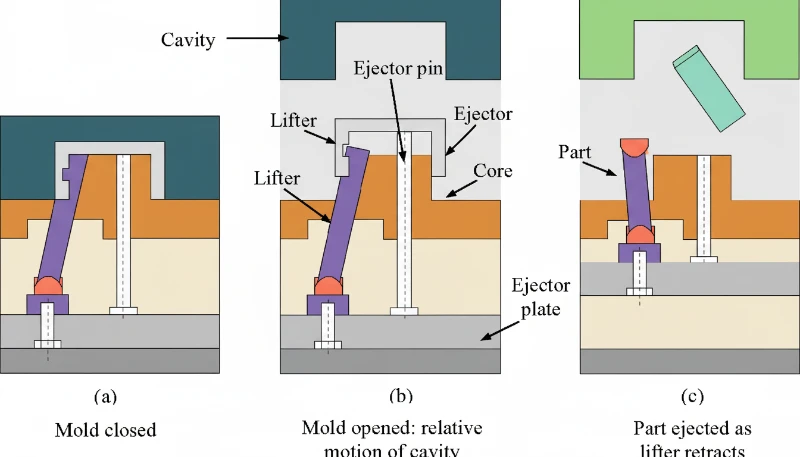
In che modo i parametri di velocità e tempo influiscono sul prodotto finale?
I parametri di velocità e temporizzazione controllano il comportamento del flusso del materiale, l’orientamento molecolare e la solidificazione del pezzo, influendo direttamente su finitura superficiale, proprietà meccaniche e stabilità dimensionale. La velocità di iniezione determina il riscaldamento per taglio e l’avanzamento del fronte di flusso nella cavità. La velocità della vite influisce sull’omogeneità del fuso e sulla dispersione del colore. I parametri temporali gestiscono le transizioni di fase del materiale dallo stato liquido a quello solido, determinando la durata di ogni fase e il momento delle transizioni. Per impostare correttamente questi parametri occorre comprendere l’interazione tra reologia del materiale, geometria del pezzo e capacità di raffreddamento dello stampo.
La velocità d’iniezione è generalmente compresa tra 50-200 mm/s, ma il valore ottimale dipende dalla geometria del componente e dalla sensibilità del materiale. Un’iniezione rapida (150-200 mm/s) migliora la finitura superficiale e riduce i segni di flusso, ma aumenta il riscaldamento per taglio e l’orientamento molecolare. Un’iniezione lenta (50-100 mm/s) riduce le tensioni, ma può causare segni di flusso e variazioni di temperatura. Utilizzo profili d’iniezione multistadio: riempimento rapido per il 90% del volume della cavità, quindi velocità ridotta per il 10% finale al fine di minimizzare le tensioni.
La velocità di rotazione della vite influisce sulla qualità del fuso e sul tempo di ciclo. Velocità standard di 50-150 RPM assicurano una buona miscelazione senza eccessivo riscaldamento da taglio. Velocità superiori a 200 RPM causano la degradazione dei materiali termosensibili, come PVC e POM, con conseguenti scolorimento e riduzione delle proprietà meccaniche. Velocità inferiori a 50 RPM possono produrre una scarsa omogeneità del fuso, provocando striature di colore o qualità non uniforme dei pezzi. Una contropressione di 3-15 bar migliora la miscelazione: utilizzate valori più elevati (10-15 bar) per materiali riciclati o applicazioni in cui l’uniformità cromatica è essenziale. In genere parto da una contropressione di 8-10 bar e la regolo in base al monitoraggio della temperatura del fuso e all’ispezione visiva delle iniezioni di prova.
Perché la temperatura dello stampo è critica per le plastiche cristalline?
La temperatura dello stampo controlla la cinetica di cristallizzazione nelle plastiche semicristalline come nylon, polipropilene e POM, influendo direttamente sulle proprietà meccaniche, sulla resistenza chimica e sulla stabilità dimensionale. Temperature dello stampo più elevate favoriscono la formazione dei cristalli, migliorando resistenza meccanica e chimica ma aumentando il tempo ciclo. Temperature inferiori limitano la cristallizzazione, riducendo le proprietà ma consentendo una produzione più rapida.
Per il nylon 66, utilizzo generalmente temperature dello stampo di 80-120°C, in funzione dei requisiti del componente. Le applicazioni ad alte prestazioni che richiedono la massima resistenza meccanica e chimica necessitano di una temperatura dello stampo di 100-120°C, ottenendo una cristallinità del 40-50%. Per i prodotti di consumo che privilegiano il costo rispetto alle prestazioni è possibile utilizzare 60-80°C, accettando una cristallinità inferiore (20-30%) in cambio di cicli più rapidi.
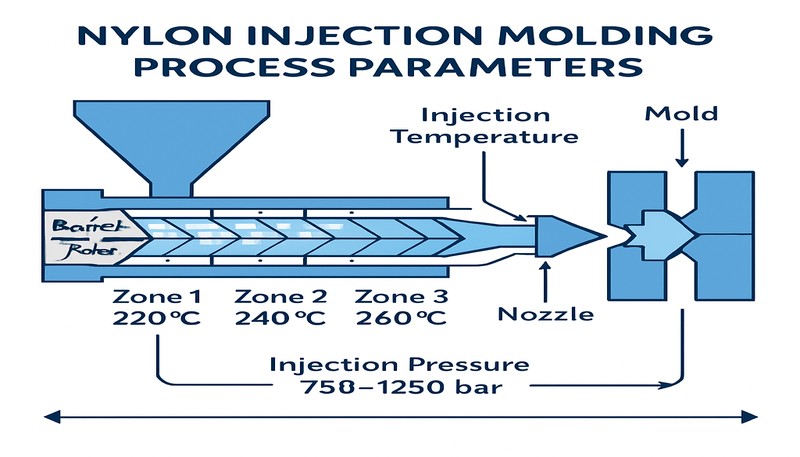
Il polipropilene mostra variazioni drastiche delle proprietà con la temperatura dello stampo. A 40°C, ci si può attendere una cristallinità del 30-40% con buona resistenza agli urti. A 80°C, la cristallinità sale al 50-60%, con maggiore rigidità ma minore resistenza agli urti. La chiave è adeguare la temperatura dello stampo ai requisiti dell’applicazione: i componenti automobilistici nel vano motore richiedono elevata cristallinità, mentre gli imballaggi flessibili ne preferiscono una inferiore. In una prova su un alloggiamento per ingranaggi in PP, l’aumento della temperatura dello stampo da 50°C a 85°C ha incrementato la resistenza a trazione del 18%, ma ha quasi raddoppiato il tempo di ciclo. Ogni tecnico di processo deve valutare attentamente questo compromesso tra prestazioni meccaniche e produttività. Il POM segue uno schema simile: temperature dello stampo di 80-100°C offrono una migliore resistenza al creep per ingranaggi e componenti meccanici.
Come diagnosticare i comuni difetti legati ai parametri?
I difetti correlati ai parametri seguono schemi prevedibili che gli stampatori esperti riconoscono immediatamente. I riempimenti incompleti indicano che una pressione o una temperatura insufficiente impedisce il completo riempimento della cavità. Le bave suggeriscono una pressione eccessiva o stampi usurati che consentono al materiale di fuoriuscire dalla linea di divisione. I risucchi derivano da una pressione di mantenimento inadeguata o da un tempo di mantenimento insufficiente durante il raffreddamento. Le deformazioni sono dovute a raffreddamento non uniforme, eccessivo orientamento molecolare o posizione errata del punto di iniezione, che genera ritiri differenziali. Comprendere quale parametro causa ogni tipo di difetto è il primo passo per una risoluzione sistematica dei problemi. Inizio sempre controllando il parametro più semplice da regolare prima di passare a cause più complesse: questo approccio diagnostico consente di risparmiare ore di tentativi ed errori in reparto.
In caso di riempimento incompleto, aumentare innanzitutto la pressione di iniezione con incrementi di 50-100 bar finché la cavità non è completamente piena. Se la pressione raggiunge i limiti della pressa oltre 1500 bar senza miglioramenti, aumentare la temperatura del cilindro a intervalli di 10°C per ridurre la viscosità del fuso. Verificare il congelamento del punto di iniezione prolungando il tempo di mantenimento: talvolta il punto si chiude prima che la cavità sia piena. Controllare anche che lo sfiato sia adeguato, perché l’aria intrappolata impedisce il riempimento completo anche ad alte pressioni. In un progetto di connettore automobilistico, abbiamo ricondotto riempimenti incompleti persistenti a un canale di sfiato ostruito che limitava la fuoriuscita dell’aria durante il riempimento ad alta velocità.
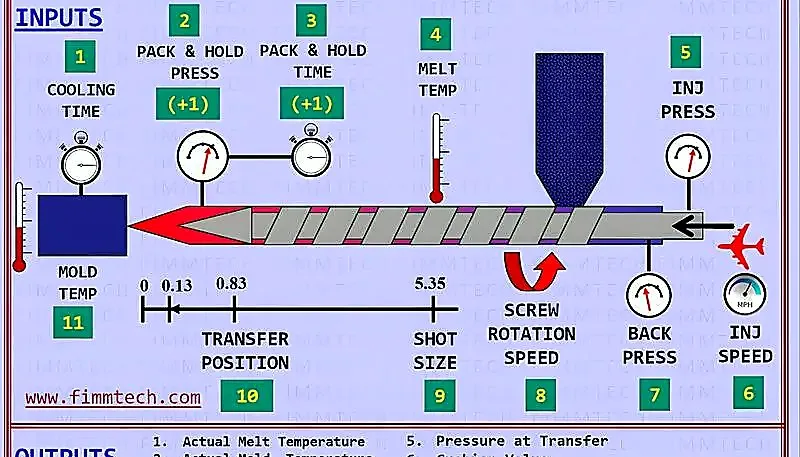
Eliminare la bava richiede riduzione sistematica della pressione e ispezione dello stampo. Ridurre di 50 bar finché scompare, poi ottimizzare il mantenimento. Controllare la linea di divisione: superfici usurate causano bava anche a bassa pressione. Verificare la forza di chiusura calcolata da area proiettata e pressione in cavità.
La correzione dei risucchi si concentra sull’ottimizzazione della pressione e del tempo di mantenimento. Aumentare la pressione al 70-80% di quella di iniezione. Prolungare il tempo finché il punto di iniezione congela, in genere 3-15 secondi in base a dimensioni e materiale. Per sezioni spesse, valutare punti valvola sequenziali o stampaggio assistito da gas per mantenere la pressione durante il raffreddamento.
"La deformazione dei componenti stampati a iniezione è causata principalmente dal ritiro differenziale tra sezioni spesse e sottili, anziché dalle proprietà del materiale."True
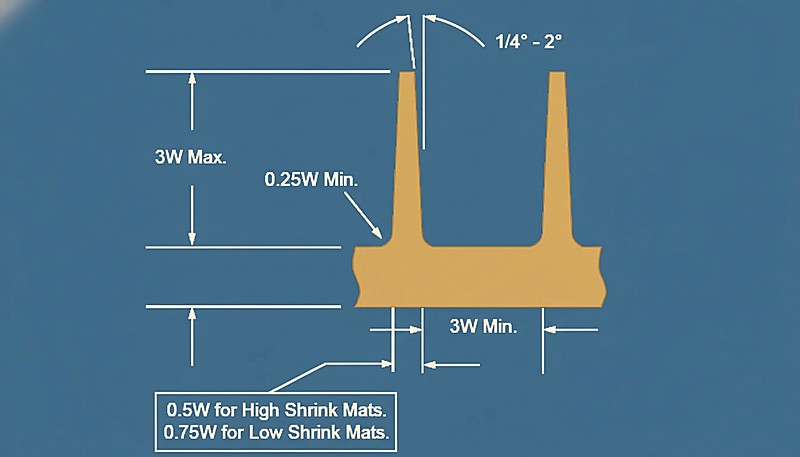
Il ritiro differenziale genera tensioni interne che deformano i pezzi durante raffreddamento e solidificazione. Le sezioni spesse si raffreddano più lentamente e si ritirano più di quelle sottili, creando concentrazioni di tensione. Per questo uno spessore uniforme è essenziale: ho ridotto la deformazione del 60% mantenendo semplicemente uno spessore costante di 2-3mm in alloggiamenti complessi.
"Per ottenere una buona miscelazione del colore nello stampaggio a iniezione sono sempre necessarie impostazioni della contropressione superiori a 20 bar."False
Sebbene la contropressione migliori la miscelazione, valori eccessivi (>20 bar) causano riscaldamento da taglio inutile, cicli più lunghi e possibile degradazione. La maggior parte delle applicazioni ottiene un'eccellente miscelazione del colore con 5-15 bar. Abbiamo riscontrato che 8-12 bar offre la miscelazione ottimale per molti materiali senza gli effetti negativi del taglio eccessivo.
In ZetarMold, oltre 20 anni di esperienza su 47 presse da 90T a 1850T mostrano che l'ottimizzazione dei parametri è scienza e pratica. Con oltre 400 materiali abbiamo creato database che riducono il setup del 70% e portano il successo al primo colpo oltre l'85%. Il controllo statistico mantiene i parametri entro ±2%.
Siete pronti a ottimizzare i parametri del vostro processo di stampaggio a iniezione? La guida all’approvvigionamento di ZetarMold fornisce raccomandazioni dettagliate sui parametri per oltre 400 materiali. I nostri ingegneri di processo possono aiutarvi a definire finestre di parametri robuste che garantiscano una qualità costante riducendo al minimo il tempo ciclo. Contattateci per un audit gratuito dei parametri di processo delle vostre attuali operazioni di stampaggio.
Domande frequenti
Qual è l’intervallo di temperatura ottimale per lo stampaggio a iniezione dell’ABS?
Le temperature dello stampaggio a iniezione dell’ABS sono tipicamente 220-250°C nel cilindro e 60-80°C nello stampo. Per applicazioni generiche consiglio di iniziare con 230°C nel cilindro e 70°C nello stampo. Temperature di 240-250°C migliorano flusso e finitura, ma aumentano il rischio di degradazione termica. Temperature di 220-230°C riducono il ciclo, ma possono causare riempimenti incompleti nei pezzi a parete sottile. L’ugello va impostato 5-10°C sopra la zona anteriore del cilindro per evitare il congelamento precoce. Monitorare sempre la temperatura reale del fuso con un pirometro: l’obiettivo è 235-245°C per risultati ottimali con ABS.
Come si calcola la corretta pressione di mantenimento per lo stampaggio a iniezione?
Calcolare la pressione di mantenimento come il 60-80% della pressione di iniezione necessaria per riempire completamente la cavità. Partire dal 70% come valore di riferimento, quindi regolare in base alla qualità del pezzo. Per le sezioni spesse (>4mm), utilizzare il 75-80% per prevenire i risucchi. Per le pareti sottili (<2mm), il 60-65% previene le bave mantenendo la densità. Monitorare il peso del pezzo: un peso costante indica una pressione di mantenimento corretta. Quando disponibili, utilizzo sensori di pressione nella cavità, con un obiettivo di 400-600 bar durante la fase di mantenimento. Una pressione di mantenimento insufficiente causa risucchi e variazioni dimensionali. Una pressione eccessiva spreca energia e può causare bave o difficoltà di espulsione.
Cosa causa il flash nello stampaggio a iniezione e come si risolve?
Il flash si verifica quando la pressione di iniezione supera la forza di chiusura dello stampo o quando le superfici di separazione dello stampo sono usurate o danneggiate. Calcolare la forza di chiusura necessaria utilizzando l’area proiettata del pezzo moltiplicata per la pressione della cavità—tipicamente 3-5 tonnellate per pollice quadrato di area proiettata. Ridurre la pressione di iniezione con incrementi di 50-100 bar finché il flash scompare. Controllare le condizioni dello stampo—linee di separazione usurate, sfoghi danneggiati o manutenzione insufficiente dello stampo causano flash a pressioni normali. Verificare il corretto allineamento dello stampo e un’adeguata estensione delle barre di collegamento. A volte il flash indica una sfogiatura insufficiente, che richiede una riduzione della pressione o canali di sfogo aggiuntivi. La viscosità del materiale influisce sulla tendenza al flash—i materiali con un indice di flusso più alto generano flash più facilmente.
Qual è la differenza tra pressione di iniezione e pressione di mantenimento?
La pressione di iniezione riempie completamente la cavità dello stampo, tipicamente 800-1500 bar a seconda della geometria del pezzo e del materiale. La pressione di mantenimento mantiene la densità del pezzo durante il raffreddamento, solitamente il 60-80% della pressione di iniezione. La pressione di iniezione opera durante la fase di riempimento (1-3 secondi), mentre la pressione di mantenimento opera durante la solidificazione (3-15 secondi). Un’elevata pressione di iniezione garantisce un riempimento completo e una buona finitura superficiale. Una corretta pressione di mantenimento previene i segni di affondamento e il ritiro dimensionale. La transizione dalla pressione di iniezione a quella di mantenimento avviene al 95-98% del riempimento della cavità. Le macchine moderne utilizzano il feedback della pressione della cavità per ottimizzare automaticamente questo punto di commutazione.
Come influisce la velocità della vite sulla qualità della fusione della plastica?
La velocità della vite controlla intensità di miscelazione e tempo di permanenza, influenzando direttamente omogeneità e temperatura del fuso. Velocità standard di 50-150 RPM offrono buona miscelazione senza eccessivo riscaldamento da taglio. Velocità >200 RPM degradano materiali termosensibili come PVC o POM; velocità <50 RPM possono causare cattiva miscelazione o variazioni termiche. Regolo la velocità in base a sensibilità e requisiti: 50-100 RPM per materiali termosensibili, 100-150 RPM per riciclati o concentrati colore. Monitorare la temperatura del fuso — una velocità eccessiva la aumenta di 10-20°C per taglio.
Qual è il tempo di raffreddamento ideale per i pezzi stampati a iniezione?
Il tempo di raffreddamento dipende dal quadrato dello spessore della parete e dalla diffusività termica del materiale. Utilizzare la formula: tempo di raffreddamento = (spessore della parete)² × fattore del materiale. Per l’ABS con uno spessore della parete di 3mm, prevedere un tempo di raffreddamento di 15-25 secondi. Il polipropilene si raffredda più velocemente (fattore del materiale 0,8), mentre il PC si raffredda più lentamente (fattore del materiale 1,3). La temperatura dello stampo influisce sul tempo di raffreddamento—ogni aumento di 10°C aggiunge il 15-20% al tempo del ciclo. Un design efficiente dei canali di raffreddamento riduce il tempo del 30-40%. Verifico un raffreddamento adeguato misurando la temperatura di espulsione del pezzo—dovrebbe essere inferiore a 60°C per la maggior parte dei termoplastici per prevenire deformazioni. Ottimizzare il tempo di raffreddamento attraverso una riduzione sistematica finché la qualità del pezzo non si degrada.
Come si imposta la contropressione per lo stampaggio a iniezione?
Impostare la contropressione tra 3-15 bar a seconda dei requisiti di miscelazione del materiale e delle esigenze di qualità. Iniziare con 5-8 bar per la maggior parte delle applicazioni, quindi regolare in base alla qualità della fusione. Una contropressione più alta (10-15 bar) migliora la miscelazione del colore e l’omogeneità della fusione ma aumenta il tempo del ciclo e il riscaldamento da taglio. Una contropressione più bassa (3-5 bar) riduce il tempo del ciclo ma può causare striature di colore o una miscelazione scadente. Materiali sensibili al calore come il PVC necessitano di una contropressione minima (3-5 bar). I materiali riciclati o le applicazioni con masterbatch beneficiano di valori più alti (10-12 bar). Monitorare la temperatura della fusione—una contropressione eccessiva aumenta la temperatura attraverso il riscaldamento da taglio. Regolare gradualmente con incrementi di 2-3 bar.
Cosa succede se la temperatura dello stampo è troppo bassa?
Una bassa temperatura dello stampo causa finitura superficiale scadente, riempimento incompleto della cavità, elevate tensioni residue e instabilità dimensionale. I difetti superficiali comprendono segni di flusso, linee di giunzione e finitura opaca. I componenti possono deformarsi durante l’uso a causa del rilassamento delle tensioni. I materiali semicristallini come il nylon presentano proprietà meccaniche ridotte per la cristallizzazione limitata. Ho riscontrato una riduzione della resistenza del 20-30% in componenti di nylon stampati con temperatura dello stampo di 40°C rispetto a 80°C. Una bassa temperatura dello stampo aumenta inoltre di 100-200 bar la pressione di iniezione richiesta. Tuttavia, il tempo di raffreddamento diminuisce, migliorando il tempo ciclo. L’equilibrio è essenziale: utilizzare la temperatura minima che consente una qualità accettabile del componente. Valori minimi tipici: ABS 50°C, nylon 60°C, polipropilene 40°C.
stampaggio a iniezione: processo produttivo che fonde la plastica, la inietta nella cavità di uno stampo, raffredda il pezzo e ripete il ciclo per una produzione stabile in grandi volumi. ↩
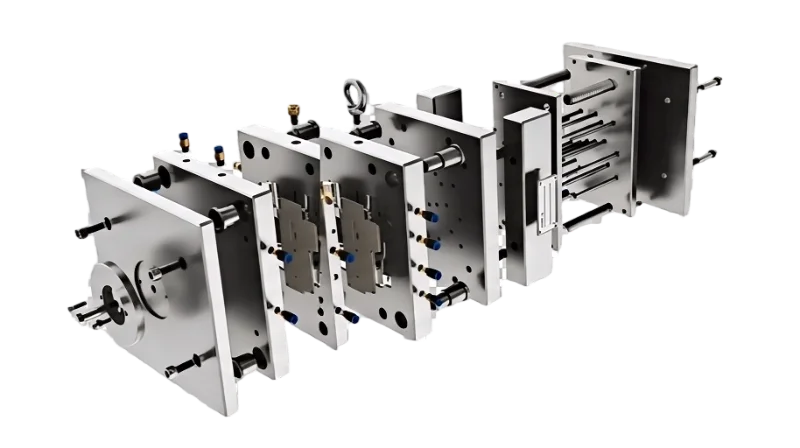
stampo a iniezione: strumento di precisione che determina geometria del pezzo, raffreddamento, espulsione, alimentazione, finitura superficiale e ripetibilità. ↩
guida all’approvvigionamento: aiuta a valutare i partner produttivi in base a capacità di attrezzaggio, controllo del processo, conoscenza dei materiali, rigore delle ispezioni e affidabilità. ↩