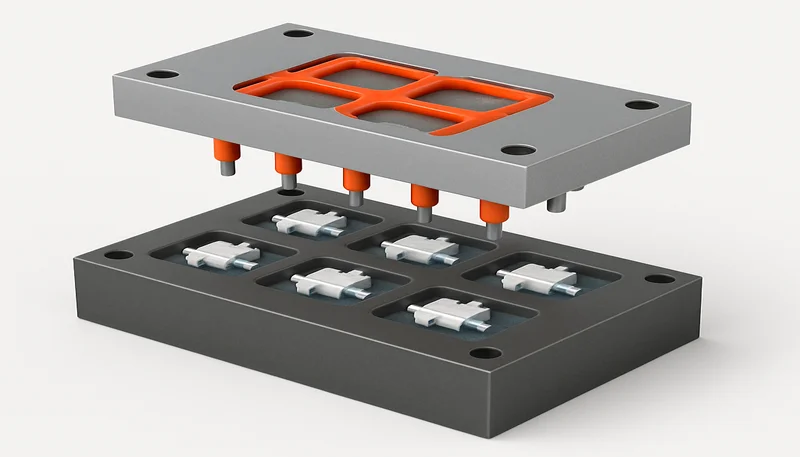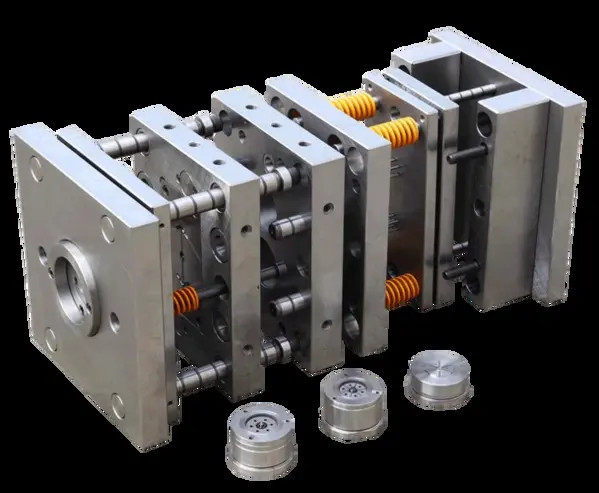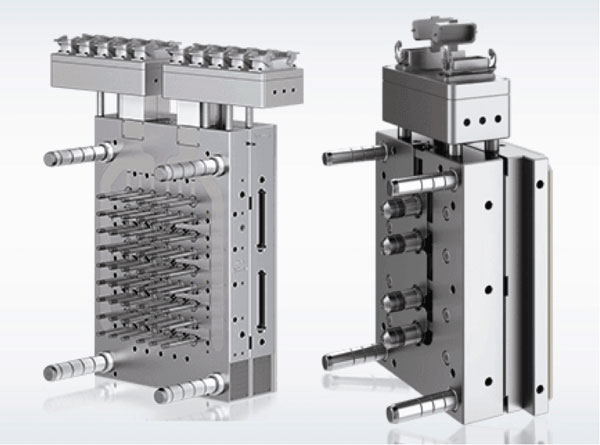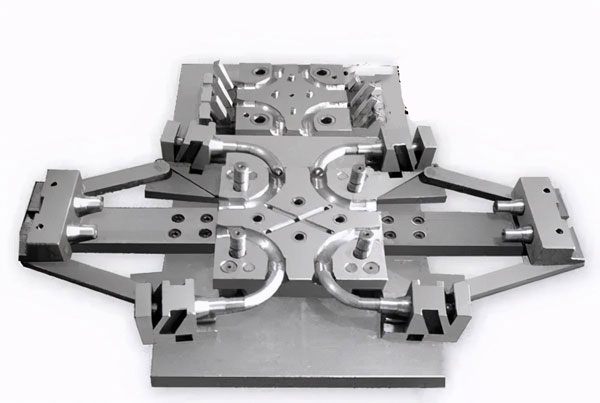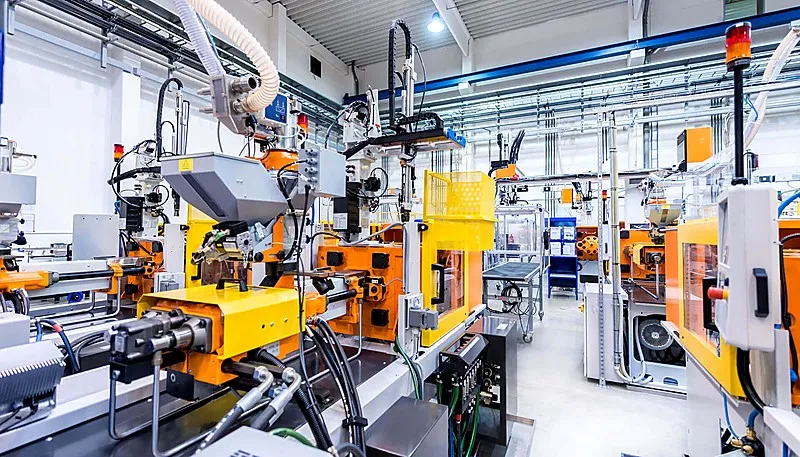
Если вы когда-либо задумывались, почему одни процессы литья под давлением чище, быстрее и дешевле других, ответ часто кроется в одном компоненте внутри пресс-формы — горячеканальной системе. В пресс-форме с горячеканальной системой нагреваемые каналы поддерживают пластик в расплавленном состоянии на пути от сопла машины до литников полостей, устраняя отходы затвердевших литников, которые образуются в холодноканальных пресс-формах при каждом цикле. При крупносерийном производстве — например, крышек, медицинских компонентов, упаковки и автомобильных клипс — одна лишь экономия материала может достигать 15–30 %, и это без учета сокращения времени цикла, снижения трудозатрат на последующую обработку и повышения стабильности качества деталей.
В этом руководстве мы разберем, что такое горячеканальная пресс-форма, чем она отличается от обычной холодноканальной системы, какие пластмассы лучше всего через нее перерабатывать и какие технические факторы отличают правильно настроенную систему от дорогостоящей проблемы.
- Горячеканальные пресс-формы исключают отходы затвердевших литников, сокращая расход материала на 15–30%
- Время цикла сокращается, поскольку литник не требует охлаждения, — часто на 10–25% по сравнению с холодноканальными пресс-формами
- Минимальный след литника улучшает внешний вид детали и сокращает последующую обрезку
- Горячеканальные системы оптимальны для многогнездных пресс-форм, конструкционных полимеров и крупносерийного производства
- Контроль температуры и балансировка потока — две технические основы надежной горячеканальной системы
- Начальная стоимость оснастки выше, но ROI обычно достигается в течение первых 50,000–100,000 циклов
Цифры говорят сами за себя. В полностью горячеканальной пресс-форме нет холодноканальной системы: каждый грамм пластика, поступивший в форму, становится частью готового изделия. Для многогнездовой формы крышек, работающей 24/7, это может означать экономию тысяч килограммов полимера ежемесячно. Технология достигла зрелости, и горячеканальные системы больше не являются нишевым премиальным решением: это стандартное оборудование большинства предприятий массового литья в мире.
Независимо от того, выбираете ли вы пресс-форму для нового изделия или хотите модернизировать существующую производственную оснастку, понимание горячеканальной технологии дает вам существенное инженерное преимущество. Чтобы проверить риски со стороны покупателя, перед утверждением оснастки сопоставьте проект с нашим руководством по поиску поставщиков.
Что такое горячеканальная форма и как она работает?
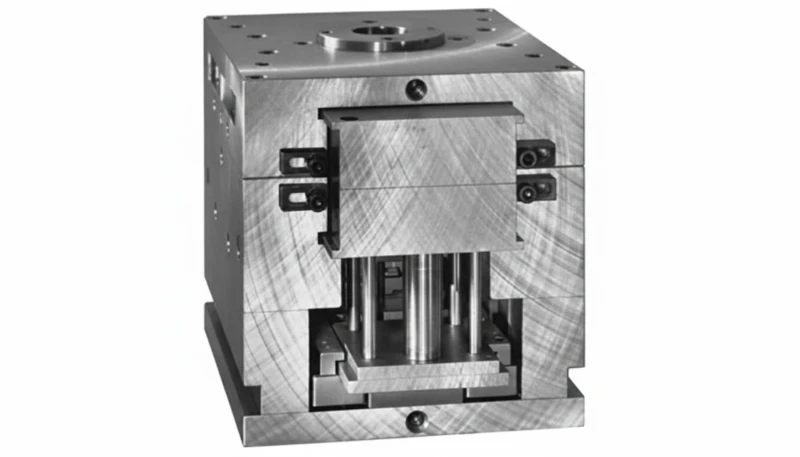
В этом разделе принцип работы пресс-формы с горячеканальной системой раскрывается через ее функции, ограничения и компромиссы. Такая пресс-форма представляет собой литьевую пресс-форму, в которой система коллектора1 с регулируемой температурой поддерживает полимерную смолу в расплавленном состоянии в литниковых каналах между соплом машины и литником каждой полости. В отличие от обычной холодноканальной пресс-формы, где литниковые каналы охлаждаются и затвердевают при каждом цикле, горячеканальная система сохраняет материал жидким, поэтому литниковые отходы не образуются. В результате пресс-форма расходует меньше материала, работает быстрее и выпускает более чистые детали непосредственно после формования.
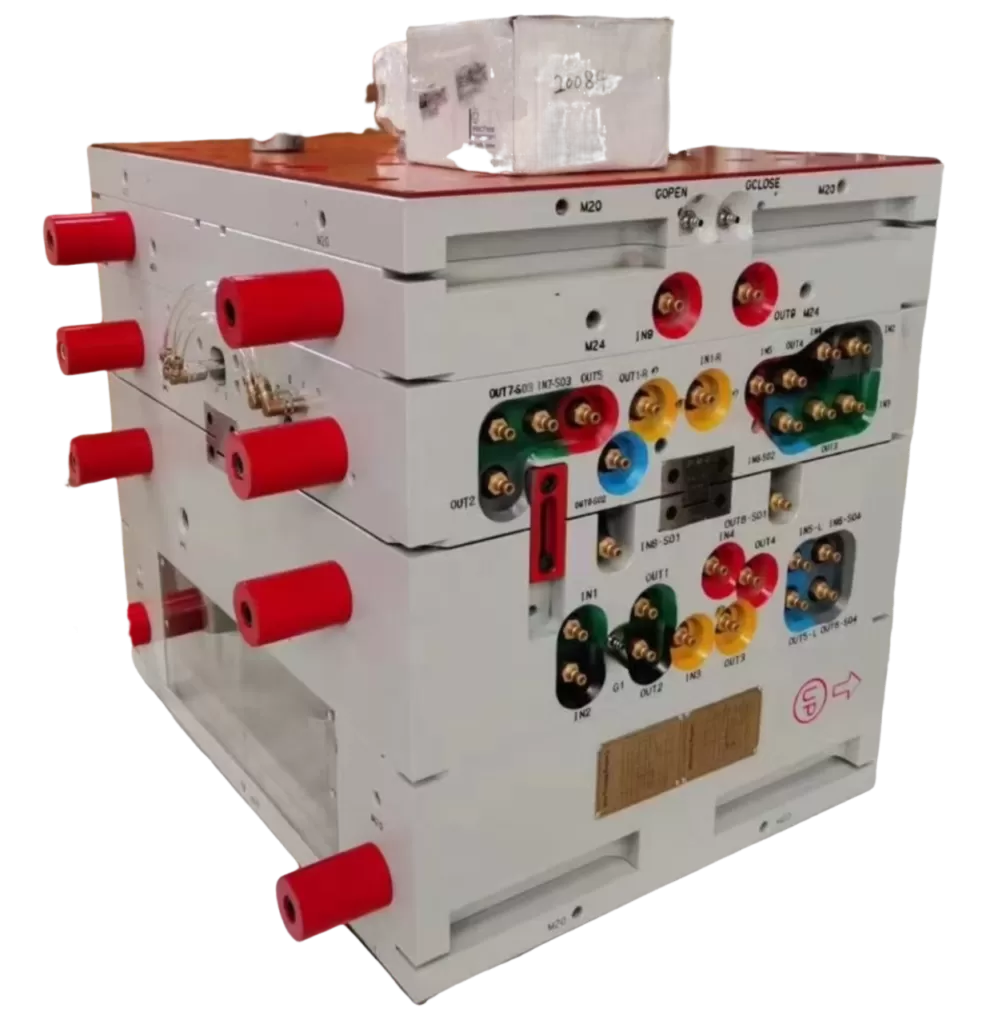
Основа системы — горячеканальный коллектор: нагреваемый блок с внутренними каналами, распределяющими расплав из одной точки впрыска к нескольким точкам подачи над каждым гнездом. Каждая точка заканчивается соплом с открытым или клапанным впуском, установленным заподлицо с поверхностью гнезда. Нагреватели — патронные, спиральные или ленточные — вокруг коллектора и сопел поддерживают точную температуру расплава, обычно в пределах ±2 °C от уставки.
Термопара, встроенная рядом с каждой зоной нагрева, передает температурные данные отдельному контроллеру, который импульсно подает питание на нагреватели для поддержания установившегося режима. Современные контроллеры независимо управляют до 128 зон, что важно для 64-гнездной формы с разной длиной потоков и требованиями к охлаждению в различных участках оснастки.
Существуют две основные категории горячеканальных систем. В конструкциях с внутренним нагревом внутри каждого литникового канала размещается нагревательный зонд торпедного типа; пластик течет через кольцевой зазор между зондом и стенкой канала. В конструкциях с внешним нагревом весь блок коллектора нагревается снаружи, а пластик течет по сверленым каналам полного сечения. Сегодня на рынке преобладают системы с внешним нагревом, поскольку они обеспечивают более равномерную температуру расплава, меньший перепад давления и более простую смену цвета.
"Горячеканальные пресс-формы полностью исключают отходы литников, экономя 15–30 процентов материала за цикл."True
Верно. В горячеканальной системе материал в каналах остается расплавленным между впрысками, поэтому затвердевший литник не образуется. Каждый грамм полимера, поступивший в форму, становится частью готового изделия, что экономит 15–30% материала в зависимости от геометрии детали и числа гнезд.
"Эксплуатация горячеканальных пресс-форм всегда дороже эксплуатации холодноканальных."False
Неверно. Хотя первоначальная стоимость горячеканальной оснастки выше на 15–40 процентов, постоянная эксплуатационная экономия за счёт сокращения расхода материала, уменьшения времени цикла и исключения операций с regrind2 обычно снижает совокупную стоимость владения для любого выпуска свыше 100,000 циклов. В крупносерийных программах повышенные первоначальные вложения окупаются за несколько недель.
Сопла горячеканальной системы с игольчатым затвором оснащены механической запорной иглой, которая открывает и закрывает литник подобно клапану. Это позволяет точно управлять моментом открытия литника — что полезно для последовательного заполнения, устранения нитевидных подтеков у таких материалов, как полиамид, или подпитки толстого участка до застывания литника. Сопла с открытым литником проще и дешевле, но для предотвращения подтекания или преждевременного застывания им требуется тепловой баланс.
Практический результат: при раскрытии пресс-формы деталь извлекается без затруднений, оставляя лишь небольшой след от впуска (часто менее 0.5 mm), а литниковые каналы остаются заполненными расплавленным пластиком и готовыми к следующему впрыску. Не нужно отделять литниковую систему, работать с дроблёнкой или отправлять обрезанный центральный литник на переработку. Для упаковочной пресс-формы, выполняющей полмиллиона циклов в год, экономия времени и материала быстро накапливается.
Монтаж такой системы непрост. Горячеканальная пресс-форма требует электрических подключений зон нагрева, проводки термопар, а иногда также гидравлических или пневматических линий для привода игольчатого затвора3. Изготовитель пресс-формы должен учитывать тепловое расширение коллектора (во время работы он увеличивается на 0,1–0,3 мм), изолировать его от основания пресс-формы и прокладывать проводку через зажимную плиту без участков защемления. Именно из-за этой сложности начальная стоимость горячеканальной оснастки обычно на 15–40 % выше стоимости сопоставимой холодноканальной пресс-формы.
Но важно учитывать следующий компромисс: более высокая стоимость оснастки — это разовые затраты. Экономия материала, сокращение времени цикла и трудозатрат дают постоянный эффект, который накапливается с каждым циклом. В крупносерийных проектах — при объемах свыше примерно 100,000 единиц — срок окупаемости обычно измеряется неделями, а не месяцами.
Понимание принципа работы системы — это основа. Теперь рассмотрим конкретные преимущества, благодаря которым горячеканальные формы стали стандартным выбором для многих серийных программ.
Каковы основные преимущества горячеканальных пресс-форм?
Как горячеканальная система сокращает отходы материала?
Главное преимущество горячеканальной пресс-формы — отсутствие отходов литников. В холодноканальной форме при каждом впрыске затвердевает литник — древовидная сеть каналов, подающая пластик от центрального литника к каждой полости. В зависимости от геометрии детали и числа полостей масса литника может составлять от 15 % до 50 % общей массы впрыска. В горячеканальной системе пластик в каналах остается расплавленным, поэтому отходов нет. Для 32-местной формы крышек, перерабатывающей PP с циклом 20 секунд, переход с холодноканальной на горячеканальную систему позволяет экономить 40–80 kg смолы в час.
Экономия сырья распространяется на весь процесс. Нет литника — нет дробленого возвратного материала, поэтому не нужны капитальные затраты на дробилки, труд на подачу и сортировку дробленки, а также отсутствует риск для качества при смешивании переработанного материала с первичным полимером. Дробленка может изменить показатель текучести расплава и цвет, внести загрязнения и тем самым повысить процент брака продаваемых деталей. В горячеканальной системе материал из машины поступает непосредственно в изделие. Без исключений.
Как горячеканальная технология сокращает время цикла?
Время цикла литья под давлением в основном определяется охлаждением: временем, необходимым для достаточного затвердевания перед выталкиванием самого толстого сечения детали, а в холодноканальной системе — и самого толстого сечения литника. Горячеканальная система полностью исключает литник из расчета охлаждения, поскольку он никогда не затвердевает. В типичной многогнездной форме холодный литник часто затвердевает последним, позже самой детали. Его исключение может сократить общий цикл на 10–25 процентов, а иногда и больше.
Как горячеканальная система повышает качество изделия?
Горячеканальные системы улучшают качество несколькими способами. Во-первых, след литника минимален. Настроенное горячее сопло оставляет след менее 1 mm, часто почти невидимый, в отличие от крупного остатка туннельного или кромочного литника холодноканальной формы. Это важно для декоративных деталей, корпусов электроники и медицинских изделий. Во-вторых, независимое регулирование температуры расплава в каналах обеспечивает равномерное заполнение всех гнезд. Это означает стабильные массу, размеры и поверхность от гнезда 1 до 64.
Почему горячеканальная система лучше подходит для автоматизации?
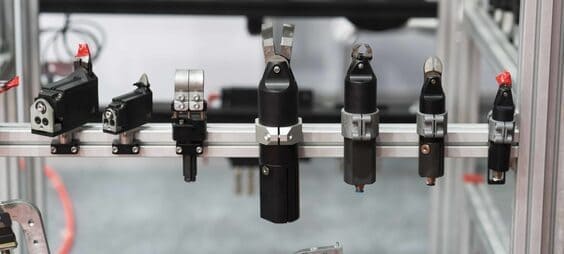
Именно при автоматизации горячеканальные пресс-формы в полной мере оправдывают себя в цехе. Поскольку отделять литник не требуется, из пресс-формы выходит только готовая деталь (или детали в многогнездной форме). Это упрощает роботизированное извлечение: одноосевой или многоосевой съёмщик может захватывать детали и укладывать их на конвейер или в приспособление без необходимости работать со спутанной литниковой системой. В холодноканальных пресс-формах автоматизация сложнее: робот должен отделять литник от деталей либо после пресс-формы необходимо установить отдельный конвейер и участок с дробилкой.
Горячеканальная или холодноканальная система: какую выбрать?
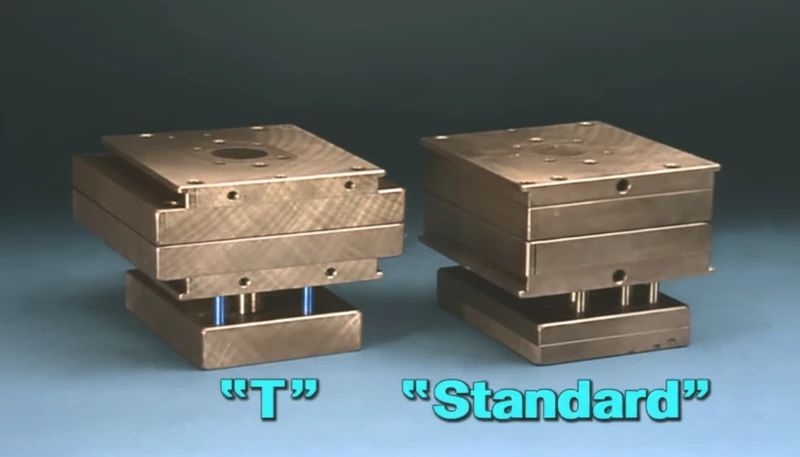
В этом разделе сравниваются горячеканальная и холодноканальная системы: какую выбрать и как выбор влияет на стоимость, качество, сроки и риски закупок. Горячеканальная система оправдана, если объём производства превышает примерно 100,000 циклов литья в год, полимер стоит более $2/kg или для каждой детали требуется декоративная поверхность без следа впуска. Холодноканальная система целесообразнее для коротких серий, прототипирования или недорогих полимеров общего назначения, когда экономия на оснастке превышает потери материала. Решение определяется тремя переменными: годовым объёмом, стоимостью материала за килограмм и сложностью детали. Ниже приведено практическое сравнение.
Холодноканальная пресс-форма проще в изготовлении и обслуживании. Нет нагревателей, термопар и контроллера — только просверленные каналы в плитах пресс-формы. Стоимость оснастки обычно ниже на 15–40 %. Однако при каждом цикле образуются отходы, которые необходимо измельчать, сортировать и перерабатывать повторно. Смена цвета занимает больше времени, поскольку приходится полностью очищать литниковую систему. Многогнездные пресс-формы с деталями разной геометрии сложнее балансировать, а литник увеличивает требуемое общее усилие смыкания.
Горячеканальная пресс-форма требует больших первоначальных затрат и сложнее в обслуживании: зоны нагрева выходят из строя, показания термопар отклоняются, сопла изнашиваются. Но эксплуатационная экономия реальна и повторяется в каждом цикле: меньше отходов, короче циклы, чище детали, проще автоматизация и выше стабильность многогнездного литья. Для производства свыше 100,000 циклов совокупная стоимость владения почти всегда оказывается в пользу горячеканальной системы. Ниже этого порога холодноканальная система может быть практичным выбором, особенно для крупных простых деталей, где масса литников составляет небольшую долю общей массы впрыска.
Какие виды пластмасс подходят для горячеканальных систем?
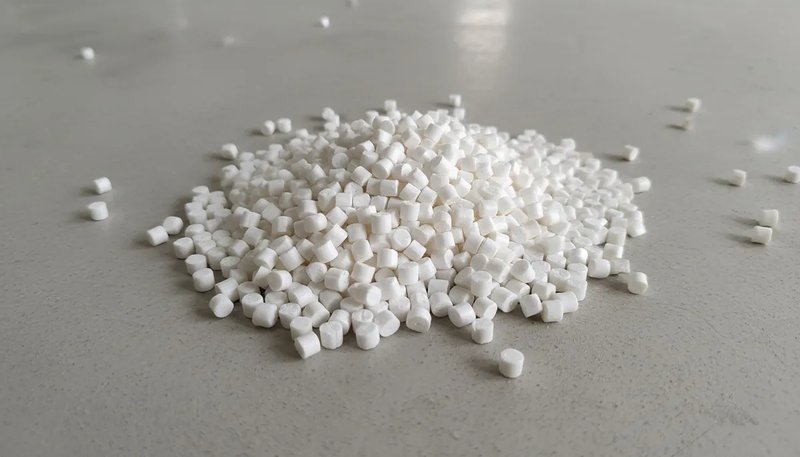
В этом разделе рассматривается совместимость различных пластмасс с горячеканальными системами и её влияние на стоимость, качество, сроки и риски снабжения. PP, PE, ABS, PC, nylon, POM, PBT, PEEK, PEI и большинство стеклонаполненных марок успешно перерабатываются в горячеканальных системах — технология охватывает значительно более 95 % коммерческих термопластов. Ключевой вопрос состоит не в том, можно ли перерабатывать конкретный полимер в горячеканальной системе, а в том, правильно ли подобрано её оборудование (тип сопла, мощность нагревателей, диапазон регулирования температуры) для данной вязкости расплава и диапазона термической стабильности. Даже абразивные стеклонаполненные и минералонаполненные компаунды перерабатываются надёжно при правильном согласовании параметров системы.
Полипропилен (PP) и полиэтилен (PE) — основные материалы для горячеканального литья. Они имеют широкие окна переработки, низкую вязкость расплава и высокую термостабильность, поэтому выдерживают небольшие колебания температуры без деградации. Эти материалы преобладают в производстве упаковки — крышек, укупорочных элементов и тонкостенных контейнеров, — где горячеканальные многогнездные пресс-формы обычно имеют 32, 64 и даже 128 гнезд при времени цикла менее 10 секунд. PS и SAN столь же технологичны и широко применяются для изделий, контактирующих с пищевыми продуктами, и прозрачных изделий.
Такие конструкционные полимеры, как ABS, PC, PA (нейлон), POM, PBT и PPO, требуют более точного контроля температуры, но полностью совместимы с горячеканальными системами. Например, для поликарбоната необходима температура наконечника сопла около 280–310 °C; он чувствителен ко времени пребывания расплава: если расплав слишком долго остаётся в коллекторе при максимальной температуре, он желтеет и теряет ударную прочность. Правильно настроенная горячеканальная система с быстродействующими регуляторами легко обеспечивает эти условия; ненадлежащая настройка приводит к браку. Нейлон (PA6, PA66) сложнее в переработке из-за узкого интервала плавления и склонности к подтеканию; для нейлонов стандартно применяют сопла с игольчатыми затворами.
Высокотемпературные полимеры — PEEK, PEI (Ultem), PPS, PSU, LCP — работают на пределе возможностей горячеканальной оснастки, но полностью пригодны для формования. Их перерабатывают при 350–400 °C, что требует специальных нагревательных элементов, высокотемпературных термопар и теплоизоляции между коллектором и основанием пресс-формы для предотвращения теплового насыщения. Результат оправдывает затраты: в аэрокосмической отрасли, медицине и электронике эти полимеры обычно применяются в дорогостоящих программах с крайне низкой допустимостью дефектов, где стабильность горячеканальной системы является обязательным требованием, а не роскошью.
"Для массовых и инженерных пластиков требуются разные технологические окна горячеканальной системы."True
Верно. PP и PE допускают более широкие диапазоны переработки, тогда как ABS, PC, PA, POM, PBT и высокотемпературные полимеры требуют более точного контроля температуры, эффективного управления сдвигом и тщательного контроля времени пребывания материала.
"При использовании горячеканальной системы испытание материала не требуется."False
Неверно. Испытания материалов и моделирование течения по-прежнему важны, поскольку время пребывания в горячеканальной системе, сдвиг в литнике и температура сопла могут влиять на стабильность цвета, риск деградации и итоговое качество детали.
PVC и другие термочувствительные материалы требуют особого внимания. При температуре выше 200 °C PVC быстро разлагается и выделяет газообразную соляную кислоту, которая вызывает коррозию компонентов пресс-формы. Переработка PVC в горячеканальной системе возможна, но требует тщательно спроектированного сопла — обычно с открытым впуском и наконечником с низким сдвигом, минимального количества застойных зон и коррозионностойких материалов коллектора — нержавеющей стали или никелированного металла. Опытные специалисты ежедневно перерабатывают PVC в горячеканальных системах, однако такое сочетание не подходит для начинающих.
Термопластичные эластомеры (TPE, TPU, SEBS) также хорошо перерабатываются в горячеканальных системах, хотя их низкая вязкость расплава и высокая эластичность могут вызывать образование нитей в зоне литника. Стандартным решением служат клапанные сопла с быстродействующими запорными иглами. Многокомпонентное литьё и литьё с наложением, при которых сначала формуется жёсткая подложка, а затем поверх неё впрыскивается мягкий TPE, получают значительные преимущества от горячеканальной технологии: она позволяет точно размещать литник во втором слое, не повреждая лицевую поверхность подложки.
Перед выбором горячеканальной пресс-формы для новой смолы настоятельно рекомендуется провести испытание материала. Большинство поставщиков горячеканальных систем предлагают моделирование течения расплава, потерь давления и времени пребывания в конкретной геометрии коллектора. Это не факультативная услуга, а разница между запуском формы за два часа и двумя неделями отладки. Моделирование выявляет возможные зоны застывания, чрезмерный нагрев от сдвига и несбалансированные пути течения еще до резки стали.
"Для конструкционных полимеров обязателен подбор горячеканальной системы с учётом конкретного материала."True
Верно. Вязкость, термостойкость, содержание наполнителя и риск деградации полимера определяют тип сопла, температуру коллектора, конструкцию литника и точность контроллера. Горячеканальная система для PP может не работать с PVC, стеклонаполненным нейлоном или PEEK.
"Одна универсальная горячеканальная система может одинаково эффективно перерабатывать любую марку пластика."False
Неверно. Конструкция коллектора, сопла, нагревателя и впуска должна соответствовать группе полимеров и производственной задаче. Для термочувствительных, абразивных и высокотемпературных материалов, а также материалов, требующих смены цвета, необходимы разные исходные параметры горячеканальной системы.
На нашем заводе в Шанхае инженеры подбирают тип сопла горячеканальной системы, компоновку коллектора и диапазон регулирования температуры под каждую смолу до изготовления формы. Мы используем 47 термопластавтоматов усилием от 90T до 1850T, имеем опыт работы с 400+ материалами и применяем процедуры проверки по ISO для оценки стабильности смолы, времени пребывания и качества литника до расчёта серийной оснастки.
Этот практический опыт учитывается в каждой изготавливаемой нами пресс-форме. При расчёте проекта с горячеканальной системой инженерный анализ включает моделирование течения расплава в конкретной геометрии коллектора, выявление возможных застойных участков и зон высоких сдвиговых нагрузок, а также подбор сечений литников для сбалансированного заполнения. Несколько часов такой работы на этапе проектирования могут сэкономить недели отладки после изготовления пресс-формы.
Знание материалов — половина успеха при горячеканальном литье. Вторая половина — техническая реализация: контроль температуры, баланс потока и управление тепловыми режимами, которые рассматриваются в следующем разделе.
Каковы ключевые технические аспекты применения горячеканальных систем?
В этом разделе рассмотрены основные категории и варианты, определяющие технически грамотное применение горячеканальных систем. Успешное проектирование литьевой пресс-формы для горячеканального производства опирается на два технических принципа: точное регулирование температуры расплава в каждой зоне коллектора и сбалансированный поток пластика от сопла машины ко всем полостям. Если нарушен хотя бы один из них, пресс-форма может продолжать работать, но возникнут недоливы, ореолы у литника, цветовые полосы или нестабильная масса деталей.
Эти два фактора взаимосвязаны. Температура расплава влияет на вязкость, а вязкость — на баланс потоков. Если одна зона сопла на 10 °C горячее остальных, проходящая через нее смола имеет меньшую вязкость, быстрее заполняет и переполняет соответствующее гнездо, тогда как гнезда от более холодных сопел остаются недолитыми. Поэтому современные контроллеры горячеканальных систем независимо управляют каждой зоной нагрева, а тепловизионный контроль коллектора при запуске является стандартной практикой на хорошо организованных литьевых предприятиях.
Насколько важен контроль температуры в горячеканальных системах?
Контроль температуры в горячеканальной системе не просто важен — это главный фактор, отличающий надёжную серийную форму от постоянного источника проблем. На всём пути от сопла машины через коллектор до наконечника литника температура расплава должна оставаться в узком диапазоне, часто ±2 °C. При перегреве полимер разлагается, вызывая изменение цвета, газообразование и потерю механических свойств. При недостаточном нагреве вязкость расплава резко возрастает, что приводит к недоливам, высокому давлению впрыска и несбалансированному заполнению гнёзд.
"Эталонным требованием для зон коллектора горячеканальной системы является контроль температуры с точностью плюс-минус 2 градуса Цельсия."True
Верно. Современные PID-регуляторы с твердотельными реле поддерживают температуру зон коллектора в диапазоне 2 градусов Цельсия. Такая точность необходима: даже небольшая разница температур между зонами меняет вязкость, вызывая неравномерное заполнение гнёзд, нестабильную массу деталей и разброс размеров в многогнездной форме.
"Точность поддержания температуры важна только при запуске пресс-формы."False
Неверно. Стабильность температуры важна на протяжении всего производства, поскольку вязкость, баланс заполнения, момент запирания литника, стабильность цвета и масса детали изменяются, когда зоны коллектора выходят за пределы аттестованного технологического окна.
Как сбалансировать поток пластика в горячеканальных формах?
Баланс потока означает, что каждая полость многогнездной пресс-формы одновременно получает одинаковый объем пластика при одинаковых давлении и температуре. В идеально сбалансированной системе все полости заполняются одновременно, уплотняются до одинаковой плотности и дают детали с идентичными размерами и массой. На практике идеальный баланс недостижим, но чем ближе к нему система, тем стабильнее производственная серия.
Есть два подхода к балансировке течения. Геометрическая балансировка использует естественно сбалансированную схему коллектора, где длина пути и диаметр канала от точки впрыска до каждого гнезда одинаковы, как спицы колеса. Это эталон, но он требует больше места и не всегда возможен при нечетном числе гнезд или компактной форме. Искусственная балансировка применяет ограничители потока — участки меньшего диаметра или регулируемые картриджи — на коротких путях, создавая потери давления и выравнивая заполнение. Оба метода работают: геометрический надежнее, искусственный гибче.
Часто задаваемые вопросы
Каково главное преимущество горячеканальной пресс-формы?
Главное преимущество — отсутствие отходов литниковой системы. Поскольку литниковые каналы между циклами впрыска остаются заполненными расплавом, затвердевшие литниковые отходы не образуются. Это позволяет экономить от 15 до 30 процентов сырья за цикл, сокращает затраты на обращение с вторичным материалом и упрощает последующую автоматизацию, поскольку из формы извлекаются только готовые детали. Отсутствие литниковых отходов также устраняет риск загрязнения вторичным материалом, способного повлиять на качество готовых деталей, что особенно важно для медицинских изделий и продукции, контактирующей с пищевыми продуктами, где чистота материала критична.
Насколько горячеканальная пресс-форма дороже холодноканальной?
Горячеканальная форма обычно стоит на 15–40 процентов дороже эквивалентной холодноканальной из-за коллектора, обогреваемых сопел, терморегуляторов и дополнительной проводки. Однако на крупносерийных программах экономия материала и сокращение цикла обычно окупают эту надбавку за первые 50,000–100,000 производственных циклов, снижая совокупную стоимость владения для большинства коммерческих применений. Точный срок окупаемости зависит от стоимости смолы, геометрии детали и годового объема, но на многогнездной серийной оснастке большинство переработчиков получают положительный ROI в течение нескольких месяцев.
Все ли термопласты можно использовать в горячеканальных системах?
Практически любой термопласт можно перерабатывать в горячеканальной системе — от PP и PE общего назначения до высокотемпературных смол PEEK и PSU. Главное — подобрать тип сопла, мощность нагревателя и диапазон регулирования температуры для конкретной смолы. Термочувствительные материалы, такие как PVC, требуют специально спроектированных сопел с минимумом застойных зон, чтобы предотвратить тепловое разложение в длительных сериях. Даже абразивные стеклонаполненные композиты и наполненные инженерные пластики хорошо работают с закаленными или твердосплавными вставками сопел, устойчивыми к износу от волокон.
В чем разница между открытыми и игольчатыми соплами горячеканальной системы?
Сопла с открытым литником управляют застыванием литника за счет теплового баланса; они проще и дешевле. В клапанных соплах механическая игла точно открывает и закрывает литник, устраняя нити расплава, обеспечивая каскадное заполнение и точнее регулируя давление выдержки. Клапанные литники стандартны для конструкционных смол и многогнездных форм, где критична стабильность качества. Запорная игла также предотвращает подтекание материалов с низкой вязкостью расплава, например полиамида. Такие системы необходимы для точного контроля следа литника и высокого качества видимой поверхности.
Как горячеканальная система сокращает время цикла?
Горячий канал исключает затвердевший литник из расчета охлаждения. Во многих холодноканальных пресс-формах литник имеет самое толстое сечение и определяет длительность цикла. Его устранение позволяет открывать форму и извлекать детали на 10–25% быстрее, поскольку охлаждение определяется только толщиной стенки детали, а не суммарной тепловой массой литника и детали. Такой прирост производительности дает больше деталей в час без дополнительных инвестиций в оборудование, непосредственно повышая пропускную способность и рентабельность серийных линий. Сокращение цикла особенно ценно для тонкостенной упаковки, где каждая сэкономленная секунда напрямую снижает себестоимость детали.
Сложнее ли обслуживать горячеканальную пресс-форму, чем холодноканальную?
Да, в горячеканальных пресс-формах больше компонентов, которые могут выйти из строя, включая нагреватели, термопары, наконечники сопел и проводку. Регулярное обслуживание включает проверку сопротивления нагревателей, калибровку термопар и очистку литниковых вставок. Однако современные горячеканальные системы надежны, и при правильном управлении большинство работ можно запланировать на периоды планового обслуживания оснастки без существенного нарушения производства. Профилактическое обслуживание каждые 50,000–100,000 циклов предотвращает непредвиденные простои и продлевает срок службы системы благодаря раннему выявлению проблем. В большинстве коммерческих производств небольшие дополнительные затраты на обслуживание значительно уступают эксплуатационным преимуществам.
Когда следует выбрать холодноканальную форму вместо горячеканальной?
Холодноканальная форма предпочтительнее для коротких серий менее 50,000 циклов, прототипирования, очень дешевых смол с минимальной экономией материала или одногнездных форм простой геометрии, где литник составляет малую долю общей массы впрыска. При любом объеме более 100,000 циклов горячеканальная система почти всегда дает меньшие совокупные затраты с учетом экономии материала и сокращения цикла. Кроме того, холодноканальные системы проще диагностировать и требуют меньше специальных технических знаний, поэтому подходят предприятиям с ограниченным опытом работы с горячими каналами.
Заключение: подходит ли пресс-форма с горячеканальной системой для вашего проекта?
Для большинства крупносерийных программ горячеканальная форма — экономически обоснованный выбор. Экономия материала 15–30 % на типичной многогнездной форме окупает вложения при сериях свыше 100,000 циклов. Сокращение цикла на 10–25 %, отсутствие переработки литников, чистый след литника и простая автоматизация дополнительно снижают совокупную стоимость.
Ограничения реальны: более высокая стоимость оснастки, более сложное обслуживание и необходимость квалифицированных наладчиков, понимающих работу регуляторов температуры и балансировку потока. Горячеканальные пресс-формы подходят не для каждого проекта. Короткие серии, прототипирование, очень дешевые смолы или одноместная оснастка с литником, незначительным по сравнению с деталью, — случаи, когда холодноканальная пресс-форма может оставаться практичным выбором.
Если проект предусматривает многогнездное производство, применение инженерных полимеров, высокие требования к внешнему виду поверхности или высокоскоростную автоматизацию, горячеканальную технологию следует серьезно рассмотреть. Первоначальные вложения выше, однако себестоимость одной детали почти всегда ниже — и с каждым производственным циклом эта разница увеличивается.
Готовы рассмотреть горячеканальное литье для следующего проекта? У ZetarMold более 20 лет опыта в литье под давлением, 47 машин усилием от 90T до 1850T и команда из 8 старших инженеров, спроектировавших и введших в эксплуатацию сотни горячеканальных пресс-форм. Нужна ли вам прецизионная 4-гнездная пресс-форма для медицинского изделия или высокоскоростная 64-гнездная оснастка для упаковки, мы поможем определить, подходит ли горячеканальная система, и изготовим пресс-форму, которая обеспечит нужный результат. Найдите поставщика горячеканальных пресс-форм — наша инженерная команда изучит конструкцию вашей детали, порекомендует оптимальную конфигурацию литниковой системы и подготовит подробное коммерческое предложение.
коллектор: Коллектор — это распределительный блок с внутренними каналами, который направляет расплавленный пластик из одной точки впрыска к нескольким выходам (сопловым каналам) горячеканальной пресс-формы. ↩
вторичный гранулят: Вторичный гранулят — это переработанный термопластичный материал, полученный измельчением литников, бракованных деталей или других технологических отходов для повторного использования в литье под давлением; обычно его смешивают с первичным сырьем в контролируемых пропорциях. ↩
игольчатый затвор: В системе с игольчатым затвором механическая запорная игла внутри горячеканального сопла открывает и закрывает отверстие литника, обеспечивая точное управление моментом открытия литника, устраняя вытягивание нитей и позволяя выполнять последовательное заполнение. ↩