 Saltar para o conteúdo

- São fortemente recomendados para moldes multicavidade com oito ou mais cavidades. Um hot runner utiliza manifoldes aquecidos para manter o polímero fundido dentro do canal, eliminando o desperdício de cold runner que normalmente precisaria ser reciclado ou descartado. Hot runners também proporcionam um controle de temperatura mais consistente em cada gate, melhorando a uniformidade do enchimento em todas as cavidades.
- Runner balancing and symmetrical cavity layouts are essential to ensure every cavity fills uniformly.
- Advanced cooling strategies—especially conformal channels—can reduce cycle time by up to 30%.
- Proper validation through short-shot analysis and cavity pressure monitoring prevents costly production defects.
- Choosing the right tooling material and surface coating extends mold life to millions of cycles.
In modern plastic manufacturing, designing multi-cavity molds is one of the most effective ways to scale production without proportionally increasing costs. A multi-cavity mold contains two or more identical cavities, allowing an moldagem por injeção machine to produce several parts in a single cycle. This approach is indispensable for industries that require millions of identical components—think bottle caps, medical syringes, electronic connectors, and automotive clips. The payoff is significant: higher throughput, lower per-part cost, and improved consistency across large production runs.
No entanto, os benefícios vêm acompanhados de uma maior complexidade de engenharia. Cada cavidade adicional introduz novas variáveis — resistência ao fluxo, distribuição térmica, temporização de ejeção — que devem ser geridas com precisão. Este guia percorre todos os aspetos críticos do projeto de moldes de injeção multicavidade, desde os princípios fundamentais e Runner Balancing1 to cooling strategies, validation methods, and cost analysis.
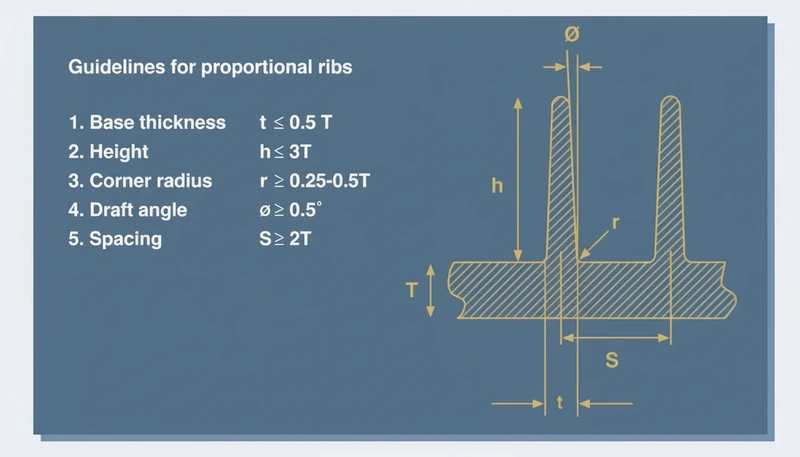
What Is a Multi-Cavity Mold and How Does It Work?
A multi-cavity mold is a specialized tool used in plastic injection manufacturing that contains multiple identical cavities within a single mold base. When the machine injects molten polymer into the mold, the material flows through a runner system and simultaneously fills every cavity, producing several finished parts in one cycle. The number of cavities can range from as few as two to over sixty-four, depending on part size, machine tonnage, and production requirements.
The core principle is simple: instead of molding one part per cycle and waiting for the next shot, you mold many. This dramatically increases effective output. For example, a machine running a 16-cavity mold with a 22-second cycle can produce over 2,500 parts per hour, compared to roughly 160 parts per hour with a single-cavity mold running a slightly shorter 18-second cycle.
There is an important distinction between multi-cavity molds and family molds. In a multi-cavity mold, every cavity produces the same part, ensuring uniform flow characteristics and quality. In a family mold, different cavities produce different parts, which complicates flow balancing because each cavity has a unique volume and geometry. For consistent, high-quality output, true multi-cavity designs are strongly preferred.
A decisão de usar um molde multicavidade deve ser motivada por uma análise cuidadosa do volume de produção anual, da complexidade da peça e da capacidade da prensa disponível. Quando os volumes de produção justificam o investimento adicional em ferramentas, o retorno do investimento é tipicamente realizado durante a primeira série de produção. Se estiver a comparar fornecedores ou a planear uma aquisição, o nosso guia de sourcing de moldagem por injeção aborda a preparação do RFQ, a qualificação de fornecedores e a avaliação de risco comercial em detalhe.
Na nossa fábrica de Xangai, a nossa equipa opera 47 máquinas de moldagem por injeção de 90T a 1850T, o que suporta ferramentas multicavidade desde séries piloto de baixo volume até moldes de produção de alto volume. Essa gama de tonelagem é importante porque o número de cavidades altera o volume de injeção, a necessidade de força de fecho e o risco de validação.
Why Should You Choose a Multi-Cavity Mold for High-Volume Production?
Esta secção trata da escolha de um molde multicavidade para produção de alto volume e do seu impacto no custo, qualidade, tempo ou risco de aprovisionamento. O principal motivador para escolher um molde multicavidade é económico: distribuir o custo fixo do tempo de máquina, energia e mão de obra por muito mais peças por ciclo reduz significativamente o custo por unidade. Embora o investimento inicial em ferramentas seja maior — frequentemente três a cinco vezes o custo de um molde de cavidade única — a poupança por peça torna-se substancial assim que os volumes de produção ultrapassam o limiar de equilíbrio, tipicamente cerca de 500.000 a 1.000.000 de peças.
Beyond cost, multi-cavity molds improve dimensional consistency. Because all parts are molded under the same machine settings, temperature, and pressure profile, the variation between parts from different cavities is typically smaller than the variation you would see between parts produced on different machines or in different runs. This is especially important in regulated industries such as medical devices and automotive, where tight tolerances are mandatory.
| Fator | Molde de cavidade única | 8-Cavity Mold | Molde de 16 cavidades |
|---|---|---|---|
| Approximate Tooling Cost | $8,000–$15,000 | $25,000–$45,000 | $45,000–$80,000 |
| Tempo de ciclo | 18 sec | 22 seg | 24 sec |
| Parts per Hour | ~200 | ~1,300 | ~2,400 |
| Cost per Part (at 1M units) | $0.12 | $0.05 | $0.035 |
| Break-Even Volume | - | ~400,000 parts | ~600,000 parts |
The table above illustrates a key insight: cycle time increases only slightly as you add cavities, while output scales almost linearly. The result is a dramatic reduction in per-part cost that accelerates return on investment for any high-volume project.
How Do You Achieve Runner Balance in Multi-Cavity Molds?
O equilíbrio do canal é indiscutivelmente o desafio de engenharia mais crítico no projeto de moldes multicavidade. Quando o plástico fundido entra no molde, deve chegar a cada cavidade ao mesmo tempo, à mesma pressão e com o mesmo perfil de temperatura. Se uma cavidade enche antes de outra, o resultado é sobre-embalagem, rebarbas, injeções curtas ou variação dimensional. A mesma lógica aplica-se a conceção de corrediças e portões, onde pequenas diferenças geométricas podem transformar-se em defeitos de produção repetíveis.
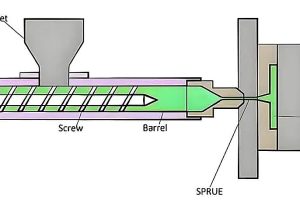
The runner system is the network of channels that carries molten polymer from the machine nozzle through the sprue and into each cavity. In a naturally balanced runner, every cavity is equidistant from the sprue, meaning the flow path length and resistance are identical. This is achieved through symmetrical layouts such as radial (cavities arranged in a circle around the sprue) or H-pattern configurations.
When natural balancing is impractical—often due to mold size constraints or part geometry—engineers use artificially balanced runners, adjusting the diameter and length of individual runner branches to equalize flow resistance. This requires precise simulation using Moldflow or similar software to model pressure drops and filling patterns before the steel is ever cut.
“A naturally balanced runner layout ensures that every cavity has an identical flow path length from the sprue.”Verdadeiro
In a naturally balanced system, cavities are arranged symmetrically—such as in an H-pattern—so the distance and resistance from the sprue to each cavity are equal, promoting simultaneous fill without artificial adjustments.
“Aumentar o diâmetro do canal de distribuição melhora sempre o equilíbrio de enchimento da cavidade num molde multicavidade.”Falso
Embora canais de distribuição maiores reduzam a queda de pressão, também aumentam o desperdício de material e podem causar excesso de compactação nas cavidades mais próximas do canal de alimentação. O equilíbrio é alcançado através de um dimensionamento preciso, não simplesmente tornando os canais de distribuição maiores.
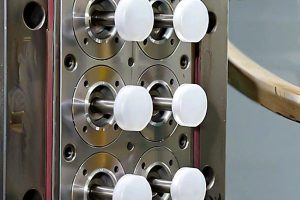
Os sistemas de canais quentes são fortemente recomendados para moldes multicavidade com oito ou mais cavidades. Um canal quente utiliza colectores aquecidos para manter o polímero fundido no interior do canal, eliminando o desperdício de canal frio que de outra forma teria de ser retriturado ou descartado. Os canais quentes também proporcionam um controlo de temperatura mais consistente em cada entrada, melhorando a uniformidade de enchimento em todas as cavidades.
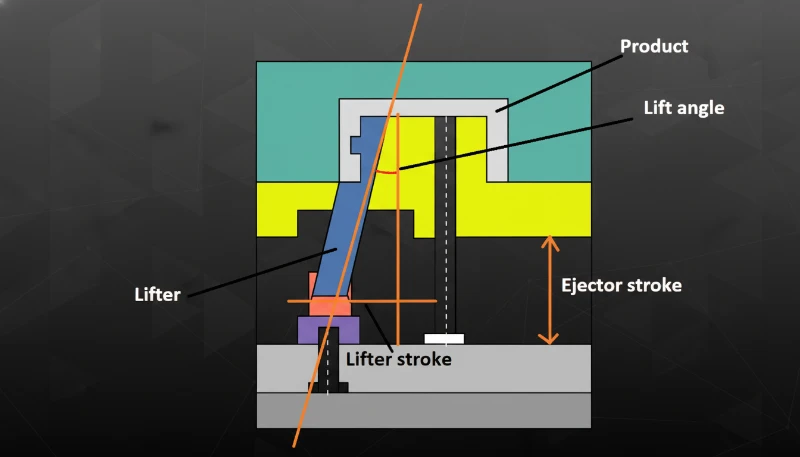
What Role Does Cooling Play in Multi-Cavity Mold Performance?
Cooling accounts for approximately 70% of the total injection molding cycle time, making it the single largest factor in determining throughput. In a multi-cavity mold, the cooling challenge is amplified because every cavity must solidify at the same rate. If one cavity cools faster than another, parts will have different shrinkage, warpage, and dimensional accuracy.
Os canais de arrefecimento tradicionais, perfurados, seguem trajetos retos e não conseguem acompanhar de perto os contornos de geometrias complexas da peça. Isto cria pontos quentes — áreas onde a remoção de calor é mais lenta — levando a um arrefecimento desigual e a defeitos na peça. Arrefecimento conformacional2 canais, possibilitados pela manufatura aditiva de metal, seguem a forma exata da superfície da cavidade e proporcionam uma extração de calor uniforme em todo o molde. Estudos demonstraram que o arrefecimento conformal pode reduzir o tempo de ciclo em 20–40% em comparação com os canais perfurados convencionais.
Um projeto de arrefecimento eficaz num molde multicavidade também requer circuitos de arrefecimento paralelos em vez de circuitos em série. Num circuito em série, o refrigerante absorve calor da primeira cavidade e chega à última cavidade a uma temperatura mais elevada, criando um gradiente térmico. Os circuitos paralelos fornecem refrigerante à mesma temperatura de entrada a todas as cavidades, garantindo um desempenho de arrefecimento uniforme em todo o molde.
O software de simulação térmica, como o Moldex3D ou o Autodesk Moldflow, permite aos engenheiros visualizar a distribuição de temperatura no molde e otimizar a colocação dos canais antes da fabricação. A colocação adequada de defletores e borbulhadores dentro de cada cavidade garante que mesmo secções de parede espessa recebam arrefecimento adequado. Para moldes com elevado número de cavidades, investir numa simulação térmica completa durante a fase de projeto pode evitar semanas de resolução de problemas durante a qualificação da produção.
"Os circuitos de arrefecimento paralelos proporcionam uma distribuição de temperatura mais uniforme em todas as cavidades em comparação com os circuitos em série."Verdadeiro
Os circuitos paralelos fornecem refrigerante à mesma temperatura de entrada a cada cavidade simultaneamente. Nos circuitos em série, o refrigerante aquece progressivamente à medida que passa pelas cavidades sucessivas, criando gradientes térmicos que causam qualidade inconsistente das peças.
“Using softer mold steel like P20 is always the best choice for multi-cavity molds because it reduces initial tooling cost.”Falso
While P20 reduces upfront cost, it wears faster under high-volume production. For molds expected to run millions of cycles, harder steels like H13 or S136 provide better long-term value by maintaining cavity dimensions and surface finish over a much longer service life.
How Do Venting and Ejection Systems Affect Part Quality?
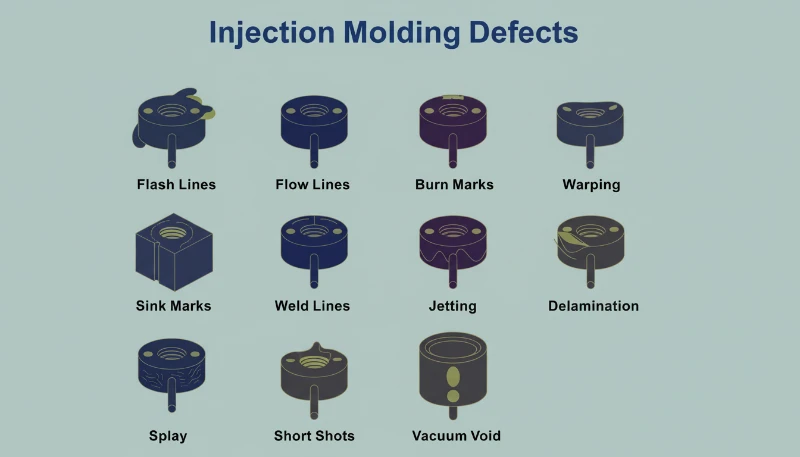
Esta secção trata de como os sistemas de ventilação e ejeção afetam a qualidade das peças e o seu impacto no custo, qualidade, tempo ou risco de aprovisionamento. Quando o plástico fundido enche uma cavidade, desloca o ar e qualquer humidade ou gases do próprio polímero. Se este gás aprisionado não conseguir escapar com rapidez suficiente, comprime-se, aquece e provoca queimaduras de diesel — pequenas manchas carbonizadas na superfície da peça conhecidas como marcas de queimadura. Em moldes multicavidade, a ventilação deve ser cuidadosamente projetada em cada cavidade porque o enchimento rápido de múltiplas cavidades simultaneamente gera um grande volume de gás deslocado num período muito curto. A ventilação deficiente é uma das causas recorrentes por trás de defeitos de moldagem por injeção em ferramentas de alta cavidade.
Vents are thin channels, typically 0.01–0.02 mm deep, ground into the parting line or insert surfaces of each cavity. They are deep enough to allow gas to escape but shallow enough to prevent molten plastic from leaking through. In complex geometries, additional venting may be provided through porous steel inserts or vent pins placed at specific locations identified by simulation.
Ejection is equally critical. In a single-cavity mold, one central ejector pin may suffice. In a multi-cavity mold, however, each cavity requires its own set of ejector pins, and all must operate in perfect synchronization. Any timing difference can cause parts to stick, deform, or fall inconsistently. Synchronized ejection plates, stripper rings, or pneumatic ejectors are commonly used to ensure every part releases cleanly and simultaneously.
When Should You Use a Hot Runner vs. Cold Runner System?
The choice between hot runner and cold runner systems has a significant impact on material waste, cycle time, and part quality in multi-cavity molds. A cold runner system is the simpler and less expensive option: molten plastic flows through unheated channels and solidifies along with the parts. The solidified runner must then be separated from the parts and either reground or discarded. For low-cavity molds (two to four cavities) running commodity materials, cold runners can be cost-effective.
Contudo, à medida que o número de cavidades aumenta, os desperdícios do canal frio tornam-se uma preocupação económica séria. Num molde de 16 cavidades, o canal frio pode representar 20–40% do peso total da injeção, o que significa que uma parte significativa de cada ciclo é material desperdiçado. Um Hot Runner System3 elimina este desperdício ao manter o polímero num estado fundido dentro de canais aquecidos, pelo que não é produzido nenhum canal solidificado.
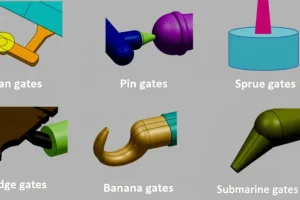
Hot runners also offer superior gate control. Valve gates can be opened and closed sequentially, allowing engineers to fine-tune the filling sequence and reduce weld-line visibility. Thermal gates provide clean separation without gate vestige, improving part aesthetics. For engineering-grade resins that are sensitive to thermal degradation, hot runners with individually controlled zones ensure each cavity receives material at the optimal temperature.
O compromisso é o custo e a complexidade de manutenção. Um sistema de canal quente adiciona $5.000–$20.000 ou mais ao custo do molde e requer manutenção periódica dos aquecedores, termopares e vedações do coletor. Para séries de produção abaixo de 100.000 peças, a poupança de material pode não justificar o investimento adicional. A tabela seguinte resume as principais diferenças:
| Caraterística | Cold Runner | Corredor quente |
|---|---|---|
| Initial Tooling Cost | Mais baixo ($2,000–$5,000) | Superior (7.000–20.000+) |
| Resíduos de materiais | Alto (o canal solidifica) | Mínimo (sem canal de distribuição solidificado) |
| Cycle Time Impact | Neutro | Ligeiramente mais rápido (sem arrefecimento do canal) |
| Qualidade do Ponto de Injeção | Pode deixar vestígios | Separação limpa e controlada |
| Manutenção | Simples | Exige manutenção de aquecedor/termopar |
| Melhor para | Baixo número de cavidades, séries curtas | Muitas cavidades, produções longas |
What Materials and Coatings Maximize Mold Longevity?
The choice of mold steel directly impacts tool life, part surface finish, and maintenance frequency. For multi-cavity molds running millions of cycles, material selection is not an area to economize. The most commonly used steels in high-production molds include P20 (pre-hardened to 30–36 HRC for moderate volume), H13 (hot-work steel hardened to 44–52 HRC for high-volume, high-temperature applications), and S136 (stainless steel with excellent polishability for optical and medical parts).
Surface coatings further extend tool life by reducing friction, preventing corrosion, and improving polymer release. Diamond-Like Carbon (DLC) coatings provide exceptional hardness and low friction, reducing wear on high-contact surfaces such as cores and slides. Titanium Nitride (TiN) and Chromium Nitride (CrN) coatings offer good corrosion resistance and are widely used in molds processing glass-filled or corrosive polymers.
Regular maintenance is essential to preserve mold performance over time. Cooling channels should be flushed and descaled periodically to maintain heat transfer efficiency. Ejector pins and guide bushings should be inspected for wear and replaced before they begin to score the mold surfaces. A well-maintained multi-cavity mold can reliably produce 5–10 million parts or more over its service life.
How Do You Validate and Balance a Multi-Cavity Mold Before Production?
Validation is the critical bridge between mold design and production readiness. Even the most carefully designed mold can exhibit unexpected behavior when it encounters real-world processing conditions. A structured validation process identifies and corrects issues before they reach full-scale manufacturing, saving time and preventing costly scrap.
The first validation step is short-shot analysis. By intentionally injecting less than the full shot volume, engineers can observe the filling pattern of each cavity. In a perfectly balanced mold, every cavity should show the same degree of partial fill. Any discrepancy indicates a flow imbalance that must be corrected through runner adjustments or gate size modifications.
A monitorização da pressão da cavidade fornece dados quantitativos sobre a uniformidade do enchimento. Sensores de pressão instalados em cada cavidade registam o perfil de enchimento em tempo real, permitindo que os engenheiros comparem pressões de pico, tempos de enchimento e comportamento de embalagem entre cavidades. Estes dados são inestimáveis para afinar parâmetros do processo e verificar que cada cavidade produz peças dentro da especificação.
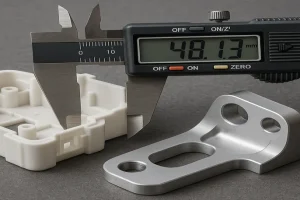
Finally, dimensional capability studies (Cp/Cpk) confirm that parts from all cavities meet the required tolerances. A minimum Cpk of 1.33 is typically required for production approval, indicating that the process is capable of producing parts well within specification limits. Parts from each cavity are measured using coordinate measuring machines (CMMs) or optical inspection systems, and the data is analyzed to identify any cavity-specific deviations that require correction.
Com mais de 20 anos de experiência em moldação por injeção e ferramentaria, os nossos engenheiros validam moldes multi-cavidade com estudos de insuficiência de material, verificações de equilíbrio de cavidades, amostragem dimensional e testes de janela de processo antes da aprovação da produção. Máquinas de 90T a 1850T dão à nossa equipa margem para adequar o molde à prensa correta, em vez de forçar um molde de alta cavidade para uma capacidade de fecho marginal.
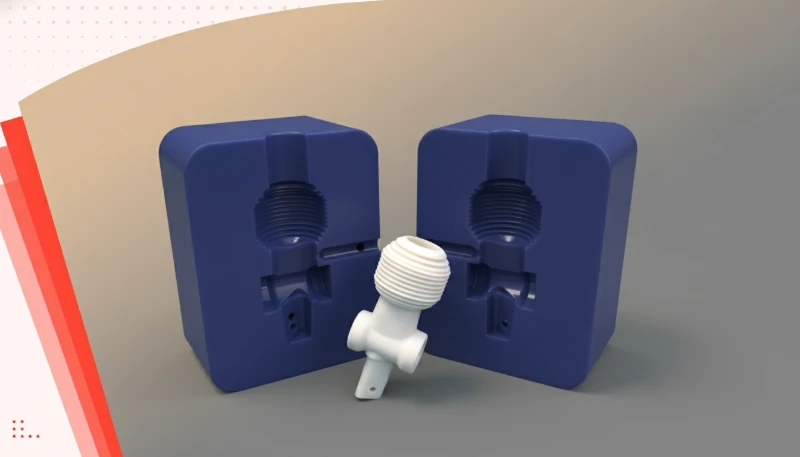
Que Perguntas os Compradores Fazem Sobre o Projeto de Moldes Multicavidade?
Perguntas mais frequentes
Qual é o Número Ideal de Cavidades para um Molde Multicavidade?
Não existe um número ideal universal de cavidades. O número certo depende do tamanho da peça, do volume anual projetado, do comportamento do fluxo do material, da tonelagem da prensa disponível e do risco de tolerância da peça. Para muitos programas de produção, 4 a 32 cavidades é o intervalo prático. Pequenas tampas, selos e conectores podem ter números mais elevados porque o tamanho da injeção e a força de fecho permanecem geríveis. Peças maiores normalmente necessitam de menos cavidades. O método seguro é comparar o custo da ferramenta, o tempo de ciclo, o risco de desperdício e a previsão de procura antes de fixar o número de cavidades.
Quanto Custa Mais um Molde Multicavidade em Comparação com um Molde de Cavidade Única?
Um molde multicavidade custa mais do que um molde de cavidade única porque a ferramenta necessita de mais cavidades, entradas, canais, circuitos de arrefecimento, componentes de ejeção e trabalho de validação. Um molde de 8 cavidades pode custar três a quatro vezes mais do que uma ferramenta de cavidade única, enquanto um molde de 16 cavidades pode custar cinco a sete vezes mais. Isso não o torna automaticamente caro por peça. Se a procura anual for elevada, o custo extra da ferramenta é distribuído por mais peças, reduzindo frequentemente o custo unitário em 50 a 70 por cento.
Pode um Molde Multi-Cavidade Produzir Peças Diferentes Simultaneamente?
Sim, um molde pode produzir peças diferentes ao mesmo tempo, mas isso geralmente é chamado de molde de família, não de um verdadeiro molde multi-cavidade. Os moldes de família são úteis quando várias peças de baixo volume são consumidas juntas numa montagem. O risco é o desequilíbrio do fluxo porque cada peça tem volume, espessura de parede e exigência de pressão diferentes. Uma cavidade pode sobre-encher enquanto outra tem insuficiência de material. Para produção de alto volume onde a consistência dimensional é importante, moldes multi-cavidade dedicados com cavidades idênticas são geralmente mais seguros e mais fáceis de validar.
Por Que o Equilíbrio do Canal é Tão Importante em Moldes Multicavidade?
O equilíbrio de canais é crítico porque cada cavidade deve encher quase ao mesmo tempo, pressão e temperatura. Se as cavidades próximas à entrada encherem primeiro, podem ficar sobrecarregadas e apresentar rebarbas. Cavidades mais distantes podem ter curto enchimento ou mostrar linhas de solda fracas. O resultado são dimensões inconsistentes e maior sucata. Um layout equilibrado de canais usa comprimento de fluxo igual, diâmetro de canal controlado e dados de simulação para manter resistência semelhante entre cavidades. Para moldes de alta cavidade, este trabalho deve ser concluído antes do corte do aço, não corrigido durante o ensaio.
Quanto Tempo Demora a Construir um Molde Multicavidade?
O prazo de entrega para um molde multicavidade geralmente varia de 6 a 16 semanas. Uma ferramenta simples de 4 cavidades com canal frio pode ser concluída em 6 a 8 semanas se a peça for simples e o comportamento do material for familiar. Uma ferramenta de 32 cavidades com canais quentes, deslizamentos, tolerâncias apertadas ou arrefecimento conformal pode levar 12 a 16 semanas. Os maiores riscos de cronograma são alterações tardias de design, graus de resina não confirmados, aprovação tardia de DFM e correções repetidas de T1. Uma revisão antecipada de fabricabilidade reduz esses atrasos e protege a data de lançamento.
Que Manutenção Requer um Molde Multicavidade?
Um molde multicavidade precisa de manutenção preventiva programada porque pequenas diferenças de desgaste entre cavidades tornam-se variação de qualidade ao longo do tempo. A manutenção normal inclui limpeza das superfícies das cavidades, limpeza dos canais de arrefecimento, verificação de ventilação, lubrificação de deslizamentos, inspeção de pinos ejetores e teste de aquecedores ou termopares de canais quentes. Muitas oficinas fazem manutenção de moldes de produção a cada 100.000 a 200.000 ciclos, com intervalos mais curtos para materiais abrasivos ou corrosivos. A chave é acompanhar a contagem de ciclos por ferramenta e registar problemas específicos por cavidade, para que uma cavidade fraca não danifique silenciosamente a qualidade da produção.
Como Escolher o Parceiro Certo de Moldagem por Injeção para Moldes Multicavidade?
Escolha um parceiro verificando se já lidaram com contagens de cavidades semelhantes, materiais, tolerâncias e requisitos de validação antes. Peça exemplos de ferramentas multicavidade, faixa de tonelagem da máquina, capacidade de design de molde interno e o método de validação que utilizam para equilíbrio de cavidades. Um fornecedor confiável deve explicar estudos de curto enchimento, amostragem dimensional por cavidade, metas de Cpk, verificações de arrefecimento e planeamento de manutenção. Não avalie apenas pelo preço cotado do molde. Uma ferramenta mais barata que não consegue manter o equilíbrio entre cavidades custará mais em sucata e tempo de inatividade.
Que Ferramentas de Simulação São Usadas no Design de Moldes Multicavidade?
As ferramentas de simulação comuns para design de moldes multicavidade incluem Autodesk Moldflow, Moldex3D e SolidWorks Plastics. Estes programas modelam pressão de enchimento, equilíbrio de canais, posição de linhas de solda, eficiência de arrefecimento, retração e empenamento antes do corte do molde. A simulação não substitui o ensaio do molde, mas evita erros óbvios, como canais desequilibrados, posicionamento inadequado de portas de entrada e pontos quentes em torno de secções grossas. Para ferramentas de alta cavidade, a simulação deve ser revista em conjunto com o layout do molde, design do circuito de arrefecimento e capacidade esperada da prensa antes da encomenda do aço.
Como Pode Otimizar a Produção com Moldes Multicavidade?
Designing multi-cavity molds is a strategic investment that pays dividends through higher output, lower per-part costs, and improved consistency. Whether you need a 4-cavity mold for mid-volume production or a 32-cavity mold for high-volume manufacturing, the engineering principles covered in this guide—runner balancing, cooling optimization, venting design, and thorough validation—are the foundation of success.
A ZetarMold traz mais de 20 anos de experiência em design e fabricação de moldes, apoiada por 47 máquinas de moldagem por injeção de 90T a 1850T. Do conceito à validação de produção, cada molde de injeção projeto é concebido para fiabilidade, equilíbrio de cavidades e eficiência de produção.
Get a free quote and DFM review for your multi-cavity mold project today. Contact ZetarMold’s engineering team to discuss your requirements and discover how optimized mold design can transform your production economics.
-
Runner Balancing: Runner Balancing refers to the process of adjusting runner dimensions so that every cavity in a multi-cavity mold fills at the same time and pressure, as defined by flow simulation standards. ↩
-
Conformal Cooling: Arrefecimento Conformal refere-se a canais de arrefecimento fabricados para seguir os contornos da cavidade do molde, tipicamente usando fabricação aditiva de metal, proporcionando extração de calor mais uniforme do que canais perfurados retos. ↩
-
Sistema de canais quentes: Projetar Moldes Multi-Cavidade: Guia Completo para Eficiência e Precisão ↩




 EN
EN  ES
ES  FR
FR  DE
DE  PT
PT  AR
AR  RU
RU  JA
JA  KO
KO  IT
IT  NL
NL  TR
TR  PL
PL 