Se você estiver adquirindo moldes na China pela primeira vez, o mais difícil não é o preço. É saber qual fornecedor pode realmente oferecer qualidade repetível após a primeira cotação brilhante.
Este guia explica, em termos práticos, como escolher um fornecedor de moldação por injeção na China. Verá o que deve verificar, o que deve perguntar, onde os compradores enfrentam problemas e como comparar fornecedores sem fazer suposições. Para um enquadramento mais abrangente, consulte o nosso guia de aprovisionamento de fornecedores de moldação por injeção.
- Escolha um fornecedor com base no controlo do processo, na competência em moldes e na disciplina de comunicação, e não apenas no orçamento mais baixo.
- Antes de efetuar uma encomenda, solicite informações sobre a gama de máquinas, a experiência com materiais, o fluxo de trabalho de projeto para fabrico, os registos de qualidade e as normas de manutenção dos moldes.
- Fornecedores chineses confiáveis apresentam certificações, relatórios de amostras e termos claros de propriedade para ferramental, desenhos e dados de produção.
- Um fornecedor sólido deve explicar os prazos de entrega, o escopo da garantia, o tratamento das revisões após a primeira injeção e como evita defeitos recorrentes.
- A ZetarMold combina 20+ anos de experiência, 47 máquinas de moldação, revisão gratuita do design e uma garantia do molde de 1 milhão de injeções.
O que torna a China a escolha certa para adquirir serviços de moldagem por injeção?
A China é a escolha certa de fornecimento quando você precisa de ampla capacidade de fabricação de moldes, eficiência de custos e coordenação industrial rápida em uma única base de fornecimento.
A maior vantagem não é apenas o menor custo de mão de obra. Um ecossistema de moldagem chinês maduro aproxima fabricantes de ferramentas, fornecedores de aço para moldes, vendedores de câmaras quentes, oficinas CNC, casas de texturas e parceiros logísticos. Isso reduz o tempo de transferência em todas as fases do molde de injeção fabricação, desde a cotação até a inspeção do primeiro artigo.
A China também proporciona aos compradores uma maior capacidade de fornecimento. Pode encontrar fábricas especializadas em bens de consumo, subcomponentes para automóveis, caixas para eletrónica, peças próximas do setor médico ou séries de produção de baixo volume. Esta especialização é importante quando a sua peça tem tolerâncias apertadas ou requisitos regulamentares — deve escolher um fornecedor que já tenha enfrentado desafios semelhantes de material e geometria.
O custo continua importante, mas os compradores experientes tratam o custo como um resultado da capacidade. Um molde barato fica caro quando a primeira amostra T11 apresenta rebarba, encolhe, deforma ou perde a tolerância. Um fornecedor chinês mais forte geralmente reduz o custo total de entrega, reduzindo o retrabalho, encurtando os ciclos de depuração e controlando todo o processo de moldagem por injeção desde o corte do aço até a amostragem da produção.
A regra prática é simples: compre da China quando o fornecedor puder comprovar estabilidade do processo, não apenas rapidez na cotação. É por isso que auditorias de fábrica, análises de amostras e projeto para manufaturabilidade importam mais do que apresentações de marketing. Se você validar esses elementos, a China se torna uma forte opção estratégica, e não uma aposta de compras.
Como avaliar a capacidade de um fornecedor chinês de moldagem por injeção?
Com base na nossa experiência com mais de 400 materiais plásticos, concluímos que os erros de seleção de materiais representam cerca de 30% das falhas na primeira amostra. A revisão de cada DFM por 8 engenheiros séniores e a dedicação de 10+ especialistas de QC à inspeção dimensional reduziram significativamente essa taxa de falhas.
A adequação das máquinas, a competência em moldes, a experiência com materiais e os registos de qualidade são os quatro aspetos a verificar ao avaliar um fornecedor chinês de moldação por injeção.
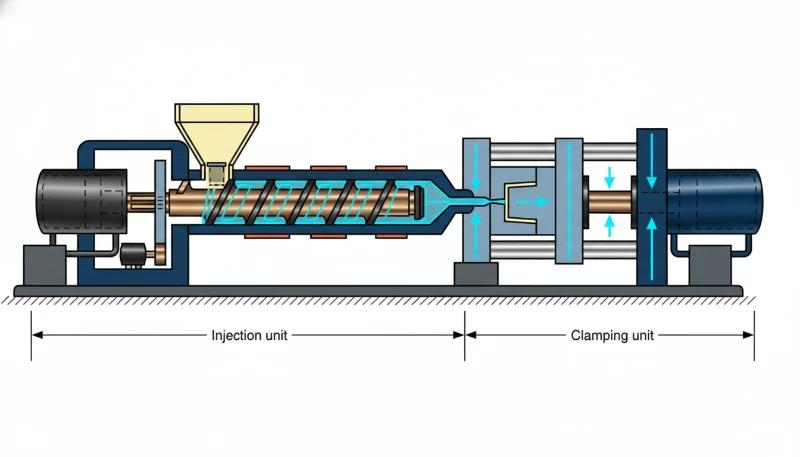
Comece pela gama de máquinas. Um fornecedor deve indicar quantas prensas opera, a gama de tonelagem e quais os produtos adequados a cada faixa. Assim saberá se a sua peça será processada na máquina correta, em vez de ser forçada para a capacidade que estiver disponível. Pergunte também pela experiência com resinas. Processar PP é muito diferente de moldar PC, PA com fibra de vidro ou resinas de engenharia com tolerâncias apertadas.
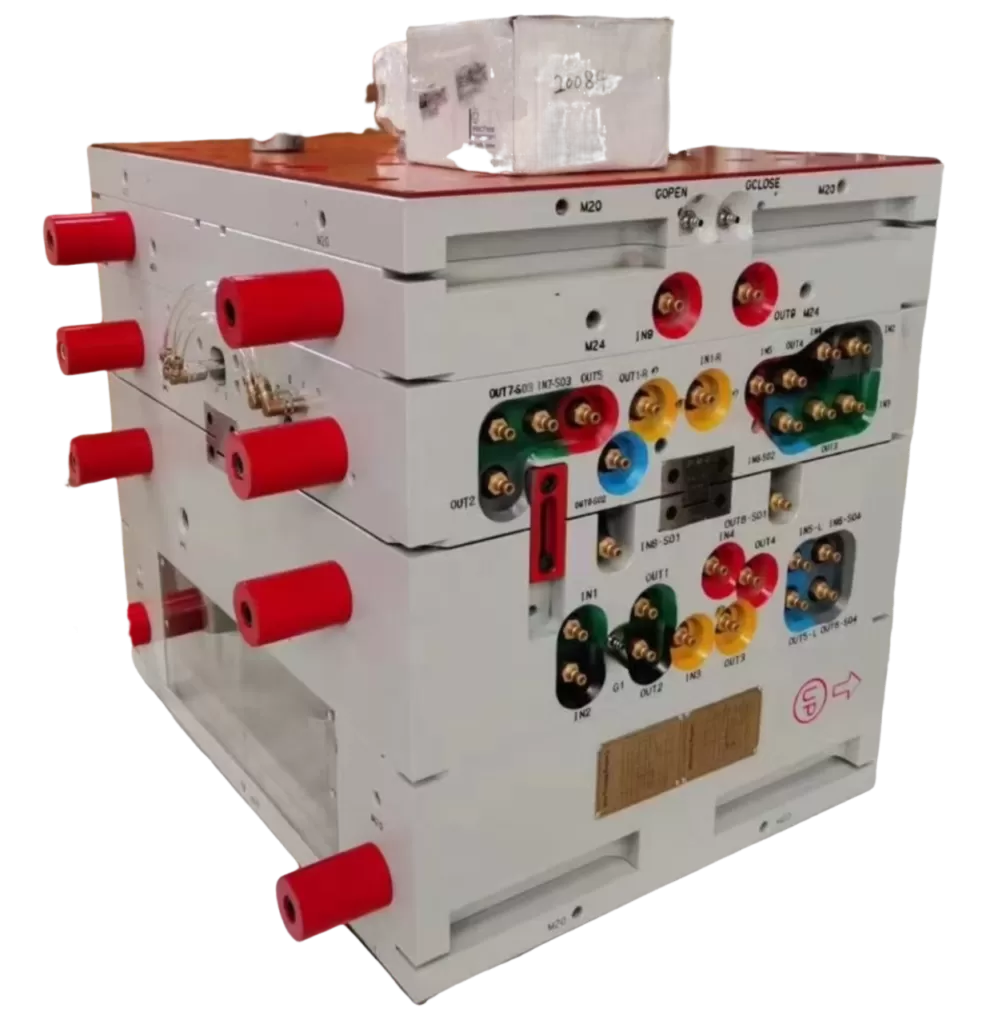
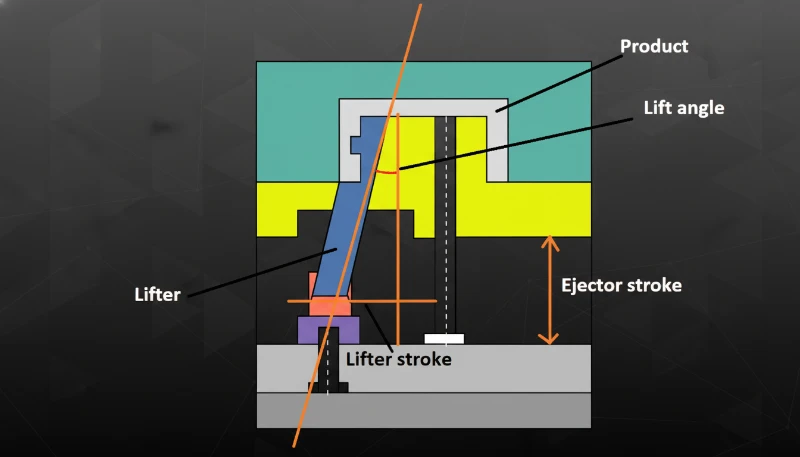
Em seguida, observe a profundidade do ferramental. Uma fábrica séria deve explicar como lida com a revisão de peças, Análise DFM2, análise de risco de fluxo de molde ou enchimento quando necessário, seleção de aço, aprovação de projeto de molde, amostragem T1, ações corretivas e planejamento de manutenção. Em nossa experiência de mais de 20 anos, os projetos que ignoram a revisão estruturada do DFM acabam exigindo em média 2 a 3 ciclos adicionais de revisão de molde, adicionando 3 a 4 semanas aos cronogramas de lançamento. Se um fornecedor não puder orientá-lo em seu fluxo de trabalho padrão, essa lacuna aparecerá mais tarde como expectativas desalinhadas e prazos perdidos.
Evidências de qualidade que você deve solicitar
O nosso sistema de qualidade certificado segundo a ISO 9001 e a ISO 13485 processa mais de 100 conjuntos de moldes por mês, com FAI documentada, inspeção durante o processo e relatórios dimensionais finais para cada projeto.
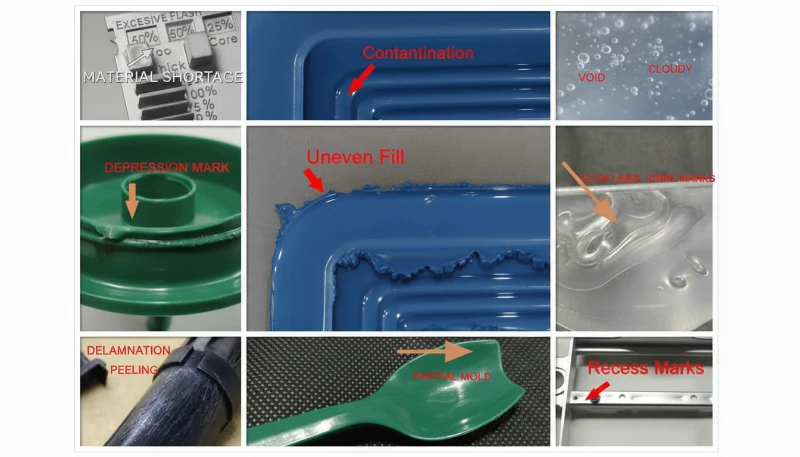
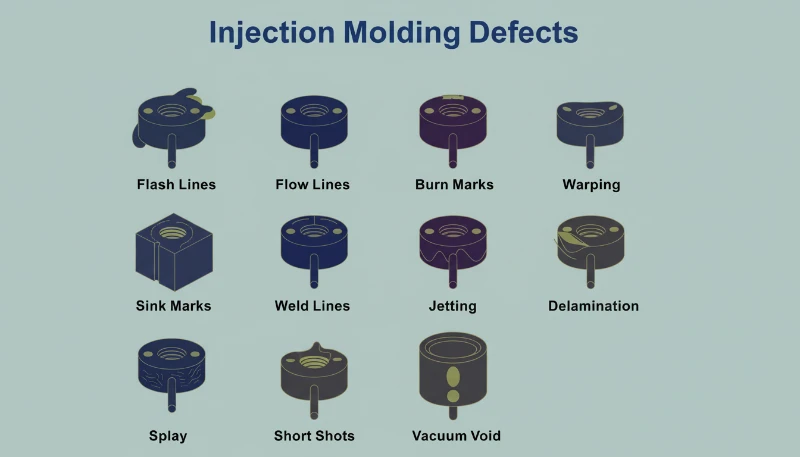
A capacidade de qualidade tem de ser visível, não apenas prometida. Peça relatórios de inspeção de amostras, registos dimensionais, controlos dos materiais recebidos e exemplos da forma como as peças não conformes são isoladas. No nosso ambiente de produção, monitorizamos o rendimento à primeira passagem em todos os programas — quando uma fábrica comunica uma qualidade à primeira passagem superior a 92% em peças moldadas por injeção, esse valor significa que o processo é estável e que as ações corretivas estão a funcionar. É importante saber como o fornecedor evita a repetição de problemas, não apenas como pede desculpa depois de surgirem defeitos. Se o produto tiver requisitos estéticos, pergunte como são controlados em produção a consistência da cor, o esbranquiçamento junto do ponto de injeção, as linhas de soldadura e os rechupes.
- Adequação da máquina: a gama de tonelagem corresponde à dimensão e ao material da sua peça
- Profundidade técnica em moldes: revisão do projeto → moldflow → seleção do aço → T1 → ação corretiva, tudo documentado
- Evidência de qualidade: relatórios de amostras, registos dimensionais, controlos dos materiais recebidos
- Comunicação: assinala os riscos antecipadamente e contesta com argumentos lógicos as especificações irrealistas
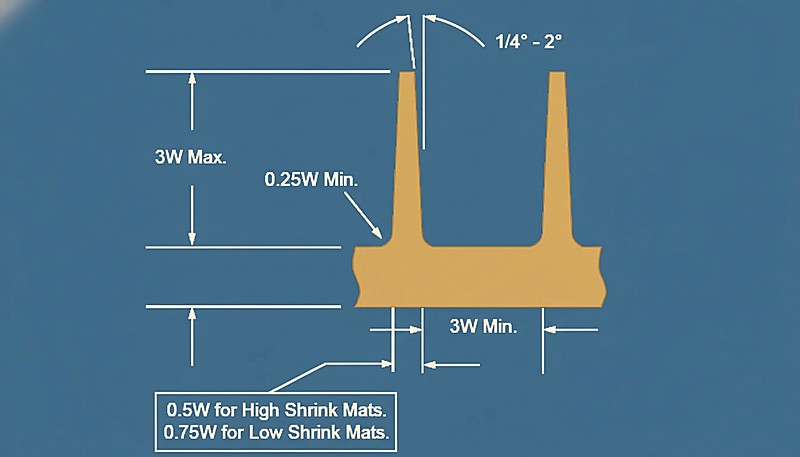
A comunicação é outra capacidade importante. Um bom fornecedor chinês aponta os riscos com antecedência, fornece desenhos com anotações e responde às perguntas técnicas com informações específicas. Um fornecedor fraco apenas diz sim. Durante a qualificação, observe se ele questiona tolerâncias irrealistas, nervuras mal dimensionadas ou ângulo de saída insuficiente. Uma fábrica que contesta com argumentos lógicos costuma ser mais segura que outra que aceita tudo e corrige os problemas depois, a um custo adicional.
Você também deve perguntar como o fornecedor lida com processos relacionados anteriores ou posteriores à produção. Se o seu projeto precisar de usinagem CNC para insertos, superfícies texturizadas após a moldagem ou suporte de montagem, a qualidade da coordenação é quase tão importante quanto a qualidade da própria moldagem. Quanto mais fluida for a passagem entre essas etapas, menos surpresas surgirão durante a produção-piloto e o lançamento.
Por fim, peça provas de programas semelhantes. A semelhança importa mais do que a experiência geral. Uma fábrica que já produziu caixas de baterias, carcaças de eletrodomésticos ou conectores de precisão conhece os pontos de falha ocultos. Não está apenas a comprar máquinas, mas o discernimento adquirido com erros e correções anteriores.
Que certificações deve ter um fornecedor de moldes fiável na China?
ISO 9001:20153 é a certificação mínima para um fornecedor confiável de moldes na China, com IATF 16949 ou ISO 13485 adicionada com base no mercado do seu produto.
Para a maioria dos projetos industriais e de consumo, a ISO 9001:2015 é o sinal mínimo de que a fábrica possui um sistema de gestão da qualidade documentado. Por si só, ela não garante peças de boa qualidade, mas demonstra que o fornecedor opera com procedimentos controlados, manutenção de registros e métodos de ação corretiva. Se uma fábrica não puder apresentar nem mesmo essa certificação básica, os compradores devem desacelerar imediatamente.
Além da ISO 9001, as certificações corretas dependem do mercado final. Programas automotivos podem exigir controles alinhados à IATF. Projetos eletrônicos podem precisar de rastreabilidade dos materiais e atenção às normas RoHS ou REACH. Peças próximas ao setor médico frequentemente exigem manuseio limpo mais rigoroso, disciplina de validação e controle de lotes. O essencial é perguntar quais normas o fornecedor segue nos documentos reais de produção, não apenas quais logotipos aparecem em uma apresentação comercial.
| Mercado do produto | Principais certificações | O que verificar |
|---|---|---|
| Automóvel | IATF 16949, PPAP | Não prova que a fábrica consegue manter as dimensões estáveis numa terça-feira à noite após uma mudança de lote de resina ou após manutenção preventiva. Os compradores devem solicitar documentação da janela de processo, retenção de amostras de referência e regras para reiniciar um molde após um período de inatividade. |
| Eletrónica | Conformidade com RoHS, REACH e UL | Rastreabilidade do material, relatórios de ensaio |
| Médico | ISO 13485, registo FDA | Protocolos de validação, controle de lotes |
| Consumo / industrial | ISO 9001:2015 | Procedimentos do SGQ, ações corretivas |
Peça também registos de calibração, certificações das resinas e práticas de controlo dos subcontratados. Muitas falhas de qualidade ocorrem fora da própria oficina de moldes, por exemplo, na texturização, revestimento, impressão ou embalagem subcontratados. Um fornecedor fiável deve saber como os processos externos são aprovados e novamente verificados antes da expedição. Isso é tão importante como o certificado afixado na parede.
O desejado é alinhamento entre certificação e comportamento. Os melhores fornecedores mostram modelos de inspeção, pontos de controle e planos de resposta que tornam o certificado confiável. Papel é barato. Execução controlada é o que protege o cronograma de lançamento.
Para produtos que necessitam de estruturas especiais, convém perguntar se o fornecedor tem experiência em moldagem por inserção ou sobremoldagem. Estes processos acrescentam riscos de adesão, controlo de rebarbas e consistência dos dispositivos de fixação, pelo que um fornecedor com experiência direta costuma identificar problemas mais cedo do que uma oficina generalista.
Outro teste útil é perguntar como o fornecedor lida com mudanças após a aprovação. Se o tipo de material mudar, um padrão estético ficar mais rigoroso ou uma dimensão crítica se tornar mais sensível, quem analisará o impacto? Fábricas com sistemas maduros conseguem explicar claramente o fluxo de revisão dos documentos, as etapas de reaprovação das amostras e a aprovação formal do cliente. Esse tipo de disciplina costuma ser a diferença entre um lançamento tranquilo e um mês de confusão evitável.
Como proteger a propriedade intelectual do seu molde ao trabalhar com uma fábrica chinesa?
Você protege a propriedade intelectual do molde definindo propriedade, acesso, direitos de transferência do ferramental e regras de tratamento de dados antes do corte de qualquer aço.
Comece com contratos que indiquem claramente quem é o proprietário do molde, do projeto da peça, dos desenhos e dos arquivos de produção após o pagamento. Não se baseie em suposições. Se não houver cláusulas de propriedade, as disputas se tornam caras e emocionais. O acordo também deve definir se a fábrica pode reutilizar recursos do projeto, se os insertos podem ser duplicados e como ocorre a transferência do ferramental caso a relação termine.
Controles operacionais importam tanto quanto a linguagem jurídica. Pergunte quem acessa os arquivos CAD, se os dados de percurso são compartimentados, como os moldes são armazenados e como visitantes são restringidos nas áreas de ferramentaria. Se o fornecedor não tiver disciplina interna, um NDA assinado tem valor limitado. Fábricas sólidas combinam documentação com controles práticos de arquivos, identificação de moldes e documentação de processos.
"“Verdadeiro: os melhores fornecedores chineses reduzem normalmente o custo total do projeto, não apenas o preço unitário.”"True
Uma fábrica competente reduz custos através de uma análise DFM mais rigorosa, menos revisões do molde, melhor controlo do processo e resposta mais rápida quando as amostras precisam de correção. Isso é frequentemente mais importante do que procurar a cotação inicial mais baixa.
"Um NDA assinado é suficiente para proteger o projeto do seu molde na China."False
Um NDA é apenas uma camada de proteção. Também precisa de cláusulas claras sobre a propriedade do molde no contrato de compra, acesso restrito aos ficheiros ao nível da fábrica e procedimentos de saída definidos para a transferência das ferramentas. Os tribunais chineses aplicam os contratos, mas o contrato tem de especificar estes termos explicitamente.
Também é preciso reduzir a exposição evitável. Compartilhe apenas os arquivos necessários para a fase atual, aplique marca d’água em desenhos confidenciais quando apropriado e confirme quais subcontratados terão contato com o projeto. Em montagens complexas, alguns compradores dividem os pacotes de ferramental entre fornecedores aprovados. Isso nem sempre é necessário, mas o princípio é válido: controle o fluxo de informações conforme o risco, não o hábito.
A melhor estratégia de proteção da propriedade intelectual é escolher um fornecedor que espere essas perguntas. Fábricas exportadoras experientes sabem que os compradores perguntarão sobre identificação do molde, armazenamento de cópias de segurança, procedimentos de transferência e retenção após o programa. Se uma fábrica ficar na defensiva assim que você mencionar a propriedade do ferramental, esse é um alerta mais forte que qualquer cotação baixa.
Também é útil documentar os passos de saída comercial antes de o projeto se tornar urgente. Confirme como o molde seria inspecionado antes da transferência, quem paga a embalagem e o frete, se os dados de amostras anteriores acompanham a ferramenta e como são encerradas as ordens de compra em aberto. Estes pormenores podem parecer aborrecidos, mas evitam posteriores jogos de pressão. No aprovisionamento, uma clareza aborrecida é muitas vezes a melhor forma de proteção.
Na nossa fábrica de Xangai, operamos 47 máquinas de moldação por injeção entre 90T e 1850T e dispomos de uma unidade interna de fabrico de moldes com capacidade para 100+ conjuntos de moldes por mês. Com 20+ anos de experiência e 30+ gestores de projeto que falam inglês, asseguramos tanto ferramentas para protótipos como produção em série ao abrigo dos sistemas ISO 9001, ISO 13485, ISO 14001 e ISO 45001.
Verdadeiro ou falso: mitos comuns sobre fornecedores chineses de moldagem por injeção?
Os mitos mais comuns são simplificações excessivas, e os compradores tomam melhores decisões quando separam a qualidade do fornecedor dos estereótipos nacionais.
"“Verdadeiro: especificações claras e aprovações rigorosas reduzem drasticamente o risco de aprovisionamento na China.”"True
Muitas falhas atribuídas ao sourcing internacional começam com desenhos incompletos, tolerâncias vagas, padrões estéticos pouco claros ou critérios de amostragem em falta. Melhores dados de entrada geralmente produzem melhor desempenho da fábrica.
"“Falso: todos os fornecedores chineses de moldagem por injeção oferecem o mesmo nível de qualidade se utilizarem máquinas semelhantes.”"False
As máquinas não funcionam sozinhas. O discernimento sobre ferramentas, as rotinas de manutenção, as janelas de processo, a disciplina de inspeção e a qualidade da comunicação criam grandes diferenças entre fábricas com equipamento aparentemente semelhante.
Esses dois pontos explicam por que compradores experientes avaliam os fornecedores com base em evidências do processo, e não em suposições sobre o país. A verdadeira questão não é se a China consegue produzir bons moldes — claramente consegue —, mas se a fábrica específica com a qual você está conversando possui a disciplina, a documentação e os hábitos de comunicação necessários para fazê-lo de modo confiável para sua classe de produto. Essa distinção é importante porque duas fábricas com a mesma lista de máquinas podem produzir resultados muito diferentes quando o controle do processo, as rotinas de inspeção e o julgamento de engenharia diferem.
Que perguntas você deve fazer antes de encomendar um molde na China?
Antes de fazer um pedido de molde, formule perguntas que revelem a disciplina do processo, o tratamento das revisões, os termos de propriedade e compromissos de entrega realistas.
Comece pelas perguntas de escopo. O que a cotação inclui: projeto do molde, análise de DFM, testes, textura, envio de amostras, embalagem e componentes sobressalentes? Quantos ciclos de amostragem estão incluídos antes de cobranças adicionais? Os compradores frequentemente comparam as cotações linha por linha sem perceber que cada fornecedor define o escopo de forma diferente.
O que deve perguntar sobre prazos e marcos?
Em seguida, faça perguntas sobre a qualidade. Que dimensões são verificadas em T1? Como são confirmadas as tolerâncias críticas? O que acontece se surgir empeno após a alteração do lote de material ou das definições da máquina?
O fornecedor pode apresentar um exemplo de ação corretiva de um projeto semelhante? Estas perguntas revelam se o fornecedor aprende de forma sistemática ou improvisa sob pressão.
Que perguntas deve fazer sobre as condições comerciais e a propriedade?
- Âmbito: o que está incluído — análise do projeto, textura, amostragem, transporte, peças sobresselentes?
- Prazo: prazos de entrega baseados em marcos, não uma única data otimista?
- Qualidade: verificações dimensionais T1, exemplos de ações corretivas e documentação da janela de processo?
- Comercial: propriedade das ferramentas, garantia, manutenção incluída e marcos de pagamento?
- Escalonamento: como o fornecedor mantém as dimensões estáveis entre turnos, lotes e reinicializações?
Se a peça ainda estiver na validação inicial, pergunte se o fornecedor pode oferecer moldagem por injeção de baixo volume antes da produção completa. Essa opção reduz o risco quando você precisa de peças-piloto para testes, retorno do mercado ou aprovação em etapas antes de investir em lotes maiores.
Antes de adjudicar uma segunda fase de produção, pergunte ao fornecedor como escala a mesma ferramenta entre turnos, operadores e lotes de material. É aqui que muitos lançamentos se desviam. Uma amostra T1 limpa prova que o molde consegue produzir peças uma vez.
Isso não comprova que a fábrica consiga manter as dimensões estáveis numa terça-feira à noite após uma mudança de lote de resina ou uma manutenção preventiva. Os compradores devem solicitar a documentação da janela de processo, a retenção de amostras de referência e as regras para reiniciar um molde após uma paragem.
Como Escolher um Fornecedor de Moldagem por Injeção na China
"Pedir um relatório DFM de amostra antes de fazer uma encomenda é uma das melhores formas de avaliar um fornecedor chinês de moldagem."True
Um verdadeiro relatório DFM mostra como a fábrica analisa a geometria da sua peça, identifica potenciais riscos de moldação e propõe soluções antes de se cortar o aço. Os fornecedores que omitem esta etapa ou apresentam apenas um orçamento genérico sem análise técnica tendem a produzir mais defeitos e a exigir mais revisões durante a amostragem.
"Todas as fábricas chinesas de moldação por injeção conseguem trabalhar com a mesma gama de materiais e tolerâncias."False
A experiência com materiais e a capacidade de cumprir tolerâncias variam significativamente entre fábricas. Uma oficina especializada em caixas para eletrónica de consumo pode ter dificuldades com suportes de nylon reforçado com fibra de vidro para o setor automóvel. Peça sempre provas de programas semelhantes com materiais e tolerâncias comparáveis, em vez de pressupor que todas as fábricas são equivalentes.
Por fim, faça uma pergunta desconfortável: que tipo de projeto não deve ser entregue à sua fábrica? A resposta revela muito. Fornecedores honestos conhecem seus limites. Se afirmarem ter a mesma competência em todos os materiais, classes de tolerância e setores, você provavelmente está ouvindo um discurso de vendas, não a realidade operacional.
Como se destaca a ZetarMold entre os fornecedores chineses de moldagem por injeção?
A ZetarMold destaca-se como fornecedor chinês, com 47 prensas, ferramental interno, análise DFM gratuita e mais de 30 gestores de projeto anglófonos.
Fundada em 2005 em Xangai, a ZetarMold tem mais de 20 anos de experiência. Opera 47 máquinas de 90T a 1850T, oferecendo flexibilidade para peças pequenas de precisão e componentes estruturais grandes. Esta gama permite adequar o processo, em vez de forçar trabalhos numa janela estreita.
A ZetarMold possui certificação ISO 9001:2015 e atende clientes em 20+ países. Ela trabalha com mais de 200 materiais plásticos e inclui análise de DFM gratuita em cada projeto, o que ajuda os clientes a identificar riscos de moldabilidade antes do início do ferramental. Para compradores que comparam fornecedores chineses, essa etapa inicial de engenharia costuma ser onde o custo de longo prazo é ganho ou perdido.
Em termos operacionais, a empresa informa uma taxa de qualidade de primeira passagem de 92% e oferece garantia de ferramental de 1 milhão de injeções. Moldes de protótipo normalmente têm prazo de 15–20 dias, o que é útil quando as equipes precisam de validação rápida antes de assumir volumes maiores de produção. Esses números não substituem uma auditoria, mas mostram um fornecedor disposto a vincular suas afirmações a um desempenho mensurável.
A ZetarMold também pode apoiar os compradores na comparação de opções de processos adjacentes, como moldação por injeção face à impressão 3D durante o desenvolvimento, ou moldação por injeção face à fundição sob pressão para diferentes famílias de componentes. Esta perspetiva mais ampla dos processos ajuda as equipas a evitar a escolha prematura de uma via de ferramentas sem compreender as contrapartidas.
A seleção tardia de fornecedores também deve considerar a forma como a fábrica assegura a continuidade do programa. Pergunte se os moldes de substituição, alterações de ferramentas família, avisos de alteração de engenharia e planeamento do inventário de fim de vida são geridos pela mesma equipa. Se cada novo requisito começar do zero, perderá demasiado tempo a explicar novamente decisões antigas. Um fornecedor que documenta as lições, mantém o histórico das ferramentas organizado e compreende a sua cadeia de aprovação torna-se geralmente mais fácil de escalar ao longo do tempo. Esta é uma razão pela qual as parcerias de sourcing de longo prazo superam compras transacionais pontuais, mesmo quando a primeira cotação não é a mais barata.
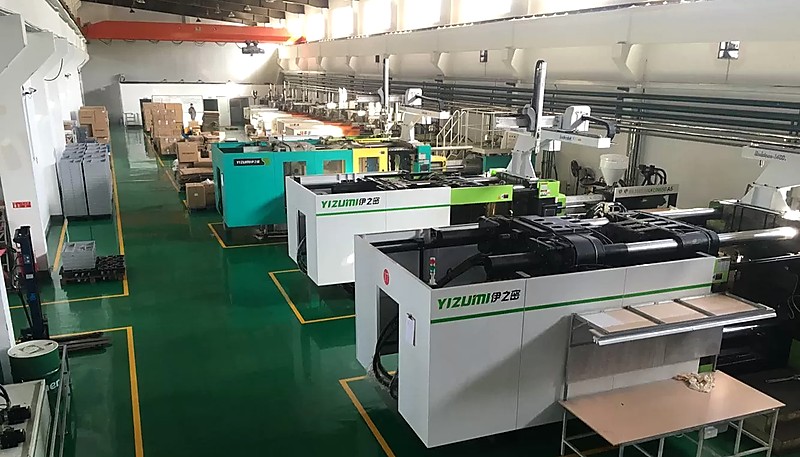
O que mais importa é a adequação. A ZetarMold é mais forte quando os clientes desejam um fornecedor capaz de passar da análise inicial do projeto para a fabricação do molde e a produção com uma única linha de engenharia. Se sua equipe valoriza feedback técnico direto, discussões reais de DFM e experiência com programas de exportação, essa abordagem integrada pode simplificar muito o sourcing.
Conclusão: Escolha um fornecedor de moldagem por injeção na China com base na disciplina de processo documentada – ajuste da máquina, profundidade DFM, registros de qualidade e termos claros de propriedade do molde – e não apenas na cotação mais baixa. O fornecedor que faz melhores perguntas antes do início da ferramentaria geralmente é aquele que oferece menos surpresas durante a produção.
Perguntas frequentes sobre como escolher um fornecedor chinês de moldagem por injeção
Quantos fornecedores devo comparar antes de escolher um?
Compare entre três e cinco fornecedores qualificados, não dez escolhidos ao acaso. Este intervalo é normalmente suficiente para revelar preços normais, prazos realistas e lacunas importantes nos processos. Com menos de três, poderá não identificar uma opção claramente melhor em termos de qualidade, capacidade ou comunicação. Mais de cinco gera saturação na comparação sem melhorar as decisões. Restrinja a seleção a fornecedores cuja gama de máquinas, experiência com materiais e especialização setorial correspondam ao seu projeto específico; depois, compare-os pela disciplina de processo e pelas provas apresentadas, não apenas pelo preço.
Qual é o primeiro documento que devo solicitar a um fornecedor de moldagem chinês?
Solicite uma visão geral das capacidades relacionadas com o seu projeto, juntamente com uma amostra de DFM ou um relatório de inspeção. Uma brochura genérica diz muito pouco sobre a forma como uma fábrica tratará a geometria, as tolerâncias ou a seleção de materiais específicas da sua peça. Uma ficha DFM real mostra como o fornecedor considera os pontos de injeção, os ângulos de saída e os potenciais defeitos antes de cortar o aço. A análise de um relatório de inspeção dimensional real permite saber se a fábrica mede as peças da forma esperada pela sua equipa de qualidade e se o padrão documental cumpre as suas necessidades de conformidade.
A oferta mais baixa de ferramentaria é geralmente a melhor opção?
Não. O orçamento de molde mais baixo só é a melhor opção quando o âmbito, a classe do aço, o número de amostragens e as condições da garantia são verdadeiramente iguais entre todos os concorrentes. Em projetos reais, o orçamento mais barato omite frequentemente o rigor do DFM, utiliza aço de qualidade inferior ou exclui revisões de amostragem que acabará por pagar posteriormente. Um molde 15 por cento mais barato que exija três rondas de retrabalho não planeado, atrase o lançamento em seis semanas e produza taxas de desperdício mais elevadas é significativamente mais caro do que um molde com âmbito adequado a um preço justo.
Como posso verificar remotamente o sistema de qualidade de um fornecedor?
Pode verificar remotamente um sistema de qualidade analisando certificados, relatórios dimensionais, registos de ações corretivas e visitas em direto à fábrica centradas nas áreas de produção e não nas salas de exposição. Solicite uma videochamada durante a qual a fábrica lhe mostre as zonas de inspeção de entrada, controlos durante o processo e embalagem final. Peça exemplos de relatórios FAI e verifique se registam os mesmos dados acompanhados pela sua equipa de qualidade. Se o fornecedor não conseguir mostrar registos reais ou se desviar de perguntas específicas, esse comportamento é mais revelador do que qualquer certificado exposto na parede.
Qual é o prazo de entrega razoável para um molde de protótipo na China?
Um prazo de execução razoável para um molde de protótipo é de 15 a 30 dias, consoante o tamanho da peça, a complexidade e o risco de revisões. As ferramentas muito simples podem ser mais rápidas, enquanto os moldes complexos multicavidade ou com movimentos laterais exigem mais tempo. Confirme sempre se o prazo indicado inclui a amostragem T1 e a revisão DFM ou se abrange apenas o corte do aço. Alguns fornecedores indicam 15 dias apenas para o aço e acrescentam depois mais uma semana para a amostragem e medição. Para moldes de produção, preveja 30 a 60 dias num projeto bem definido, com especificações claras e ciclos de aprovação rápidos.
Devo perguntar sobre a manutenção do molde antes de iniciar a produção?
Sim, sem dúvida. A manutenção afeta diretamente a consistência da produção e a vida útil da ferramenta a longo prazo, e perguntar por ela antes do início da produção revela se a fábrica trata as ferramentas como um ativo recorrente ou uma despesa descartável. Os compradores devem confirmar a frequência da limpeza, os programas de substituição de componentes, as condições de armazenamento e se o fornecedor oferece contratos de manutenção preventiva. As fábricas com 20 ou mais anos de experiência dispõem normalmente de procedimentos de manutenção normalizados que reduzem as paragens imprevistas, prolongam a vida útil dos moldes e mantêm o desvio dimensional dentro das especificações ao longo de séries de produção prolongadas.
Quando faz sentido escolher a ZetarMold?
Faz sentido escolher a ZetarMold quando precisa de um único fornecedor para apoiar a análise de DFM, o fabrico de moldes e a produção de peças moldadas, com uma comunicação orientada para a exportação. Com 47 máquinas de moldagem por injeção entre 90T e 1850T, 8 engenheiros seniores e 30 ou mais gestores de projeto de língua inglesa, a ZetarMold trata tanto dos moldes para protótipos como da produção em volume sob o mesmo teto. A unidade interna de fabrico de moldes suporta mais de 100 conjuntos de moldes por mês e o sistema de qualidade funciona ao abrigo das certificações ISO 9001, ISO 13485, ISO 14001 e ISO 45001 para aplicações médicas, automóveis e industriais.
Amostra T1: A amostra T1 refere-se à primeira amostra moldada de uma nova ferramenta, usada para verificar dimensões, qualidade cosmética e estabilidade do processo antes da produção em volume. ↩
Análise DFM: A análise DFM refere-se à análise de Design for Manufacturing, que analisa a geometria da peça, a espessura da parede, os ângulos de inclinação e a estratégia de abertura para identificar riscos de moldagem antes do investimento em ferramentas. ↩
ISO 9001:2015: ISO 9001:2015 refere-se ao padrão internacional para sistemas de gestão da qualidade, abrangendo controle de processos, documentação, melhoria contínua e satisfação do cliente. ↩