- Porównaj wtrysk tworzyw sztucznych a wytłaczanie: mechanika procesu, koszt narzędzi, tolerancje, wielkość produkcji i kompatybilność materiałów w projektowaniu części z tworzyw sztucznych.
- Oprzyrządowanie do formowania wtryskowego kosztuje 5000–100 000 USD, podczas gdy głowice do wytłaczania kosztują 500–5000 USD — różnica wynosi 10–20 razy.
- Wydajność ciągłej produkcji przez wytłaczanie wynosi 10–200 kg/godzinę; cykle formowania wtryskowego trwają 10–120 sekund na wtrysk, z przerwami pomiędzy nimi.
- Formowanie wtryskowe pozwala uzyskać tolerancje ±0.05 mm; wytłaczanie osiąga ±0.1–0.5 mm z powodu pęcznienia po wyjściu z głowicy i zmienności chłodzenia.
- Formowanie wtryskowe umożliwia wykonywanie złożonych geometrii 3D; wytłaczanie jest ograniczone do stałych przekrojów, lecz doskonale sprawdza się przy dużych długościach.
- Oba procesy wykorzystują te same materiały termoplastyczne, lecz wytłaczanie wymaga gatunków o wyższym wskaźniku szybkości płynięcia, aby zapewnić równomierne ciągnienie.
Jaka jest zasadnicza różnica między formowaniem wtryskowym a wytłaczaniem?
Podstawowa różnica polega na tym, że formowanie wtryskowe wytwarza oddzielne części 3D, a wytłaczanie1 — ciągłe profile o stałym przekroju. Procesy te zasadniczo różnią się sposobem kształtowania tworzywa: przy formowaniu wtryskowym stopione tworzywo jest wtłaczane pod ciśnieniem 500–2000 bar do zamkniętego gniazda formy, aby wytworzyć oddzielne trójwymiarowe części; wytłaczanie polega natomiast na ciągłym przepychaniu stopionego tworzywa przez otwartą głowicę pod ciśnieniem 100–400 bar w celu uzyskania profili o stałym przekroju, przycinanych na długość. Formowanie wtryskowe jest cykliczne i partiowe, a wytłaczanie — ciągłe i zależne od długości.
W ZetarMold eksploatujemy zarówno urządzenia do formowania wtryskowego, jak i wytłaczania, i regularnie pomagamy klientom określić właściwy proces. Najczęstsze pytanie brzmi: „Czy tę część można wytłaczać zamiast formować wtryskowo, aby obniżyć koszt oprzyrządowania?”. Odpowiedź zależy od tego, czy część ma stały przekrój i czy jej geometrię można przedstawić jako profil 2D przeciągnięty w przestrzeni. Jeśli tak, warto ocenić wytłaczanie. Jeśli część ma zmienny przekrój, występy, żebra lub elementy trójwymiarowe, jedyną realną opcją jest formowanie wtryskowe.
Szersze podstawy procesu przedstawia nasz kompletny przewodnik po formowaniu wtryskowym. Przy decyzjach dotyczących narzędzi, takich jak układ gniazd, chłodzenie, pochylenia i technologiczność, porównaj ten artykuł z kompletnym przewodnikiem po formach wtryskowych.
Powiązane materiały inżynierskie: działanie wtryskarki ślimakowej wpływa na przygotowanie stopu, natomiast czas produkcji metodą formowania wtryskowego decyduje, czy proces cykliczny może konkurować z ciągłym wytłaczaniem.
W ZetarMold, nasza fabryka w Szanghaju obsługuje 47 maszyn do formowania wtryskowego o sile zwarcia od 90T do 1850T. W przypadku części, które można formować wtryskowo lub ekstrudować, nasi inżynierowie analizują geometrię, przekroje ścian, ryzyko narzędziowe i oczekiwany wolumen przed rekomendacją procesu.
Jak działają wtrysk i ekstruzja?
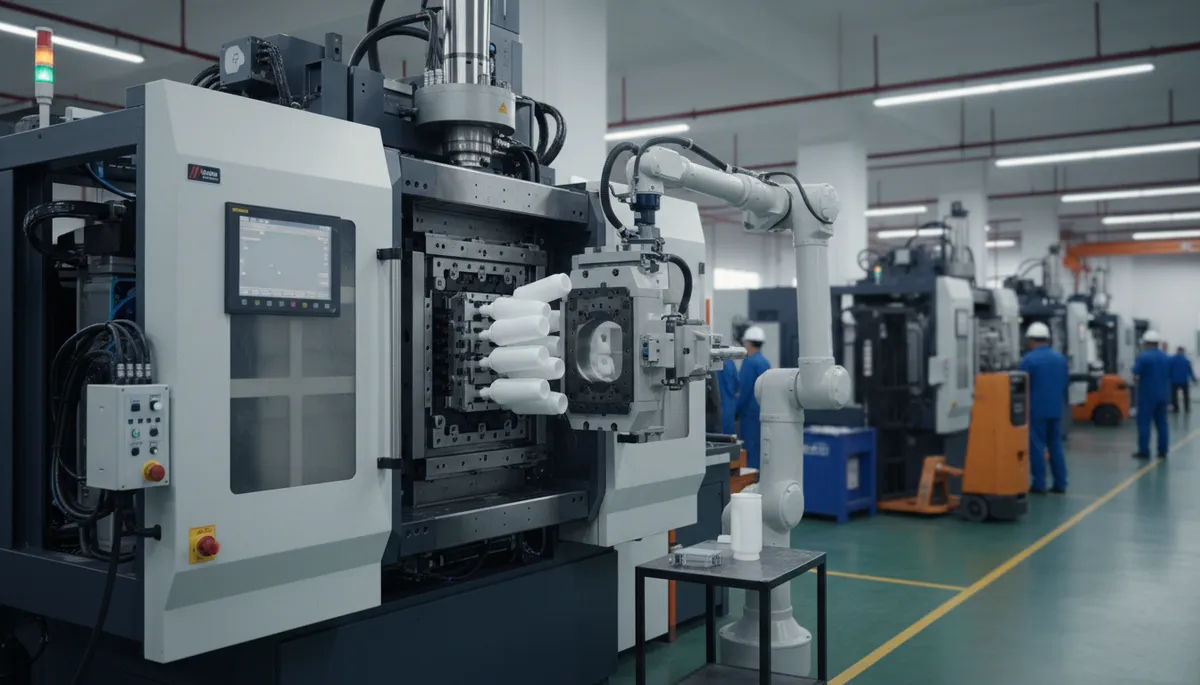
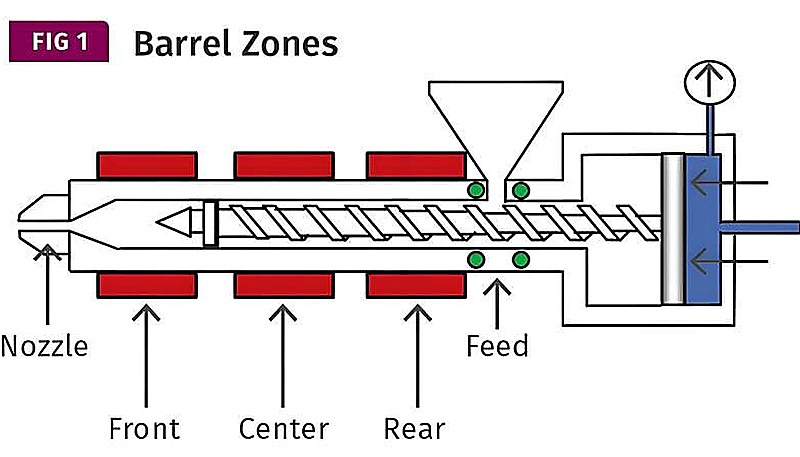
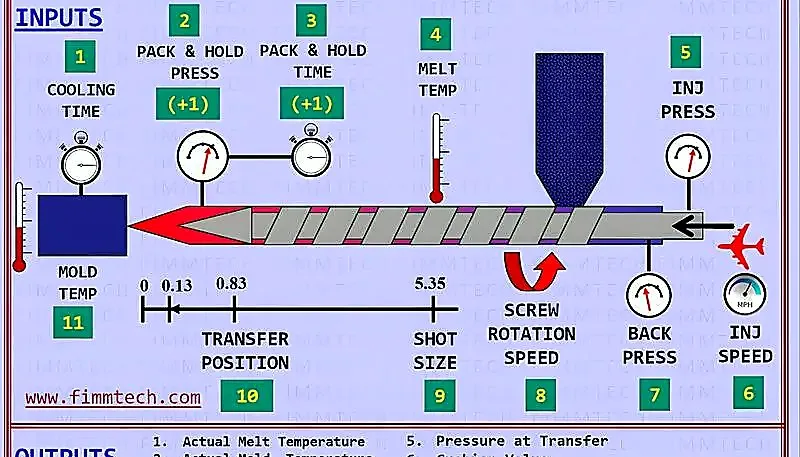
Formowanie wtryskowe jest cyklicznym procesem porcjowania materiału, a wytłaczanie — ciągłym procesem prowadzonym przez głowicę. Formowanie wtryskowe przebiega w odmierzonych cyklach, natomiast wytłaczanie działa jako linia ciągła. We wtryskarce ślimak posuwisto-zwrotny zarówno topi, jak i wtryskuje tworzywo; konstrukcja ślimaka2 decyduje o stabilności topienia i powtarzalności wtrysku. Ślimak obraca się, uplastyczniając materiał i gromadząc odmierzoną porcję stopu przed końcówką, po czym przesuwa się osiowo niczym tłok i wtryskuje ją do zamkniętej formy. Forma jest chłodzona wodą, a część zestala się przez 5–40 sekund, zanim forma się otworzy i część zostanie wypchnięta. Następnie ślimak rozpoczyna kolejny cykl uplastyczniania.
Podczas wytłaczania stale obracający się ślimak transportuje, topi i spręża tworzywo przy zamkniętym końcu cylindra, do którego przymocowana jest głowica. Głowica kształtuje ciągły strumień stopu w żądany profil przekroju. Natychmiast po wyjściu z głowicy wytłoczyna przechodzi przez kalibrator i wannę chłodzącą, które zestalają i stabilizują wymiarowo profil. Odciąg ciągnie profil z kontrolowaną prędkością, a piła lub nożyce przelotowe odcinają go na określoną długość.
Kluczowa różnica operacyjna polega na tym, że formowanie wtryskowe jest przerywane — maszyna włącza się i wyłącza przy każdym cyklu — natomiast wytłaczanie przebiega w sposób ciągły w stanie ustalonym. Wytłaczanie osiąga maksymalną wydajność po 20–45 minutach rozruchu, gdy stabilizują się temperatury cylindra i głowicy. Każde przerwanie procesu (zmiana materiału, czyszczenie głowicy, zatrzymanie linii) wymaga pełnej sekwencji ponownego uruchomienia, dlatego krótkie serie produkcyjne są mniej wydajne w przypadku wytłaczania niż formowania wtryskowego.
Jak różnią się koszty narzędzi formujących i matryc?
Matryce ekstruzyjne są tańsze, ponieważ kształtują jeden otwarty przekrój zamiast zamkniętej wnęki formy 3D. Matryce ekstruzyjne zazwyczaj kosztują mniej, ponieważ kształtują jeden ciągły przekrój zamiast zamkniętej wnęki 3D. Koszt narzędzi ekstruzyjnych jest znacznie niższy niż koszt form wtryskowych. Prosta matryca ekstruzyjna dla standardowego profilu konstrukcyjnego kosztuje {variable}. Złożona matryca koekstruzyjna z wieloma kanałami materiałowymi kosztuje {variable}. Formy wtryskowe dla porównywalnych części kosztują {variable}, ponieważ forma musi wytrzymać ciśnienia wtrysku 500–2000 bar (w porównaniu do 100–400 bar dla ekstruzji), wymaga złożonej obróbki wnęki i rdzenia oraz musi zawierać kanały chłodzące, systemy wyjmowania i geometrię bramki/rozpływu.
Czas wykonania głowicy do wytłaczania jest również krótszy: standardową głowicę profilową można zaprojektować i wykonać w ciągu 2–4 tygodni, w porównaniu z 4–12 tygodniami dla formy wtryskowej. Dzięki temu wytłaczanie jest bardziej dostępne w rozwoju produktów i przy krótszych cyklach życia produktu. Głowice do wytłaczania nie są jednak wymienne między przekrojami — każdy profil wymaga własnej dedykowanej głowicy, więc linia produktów z 10 różnymi rozmiarami profili wymaga 10 oddzielnych głowic.
Korekcja głowicy ma zasadnicze znaczenie w oprzyrządowaniu do wytłaczania. Ze względu na pęcznienie wytłoczyny (tendencję wytłaczanego materiału do rozszerzania się po wyjściu z głowicy wskutek sprężystego powrotu stopionego polimeru) otwór głowicy musi być celowo zaniżony — zwykle o 5–20% względem docelowych wymiarów profilu — aby skompensować to zjawisko. Uzyskanie prawidłowych wymiarów głowicy często wymaga 2–3 iteracji próbnych, co wydłuża realizację o 1–2 tygodnie i zwiększa koszty regulacji o 500–2000 USD. Natomiast korekty formy wtryskowej związane ze skurczem wykonuje się raz podczas kwalifikacji formy i rzadko wymagają powtarzanych iteracji.
"Koszt oprzyrządowania do wytłaczania jest 10–20× niższy niż koszt formy wtryskowej dla porównywalnych przekrojów części."True
Prosta głowica wytłaczarska do prostokątnego profilu zamkniętego kosztuje $1,000–$3,000 i może zostać wykonana w ciągu 2–3 tygodni. Forma wtryskowa do części o podobnym przekroju, lecz nawet z prostymi elementami 3D (żebrami, słupkami, otworami montażowymi), kosztuje $10,000–$30,000 i wymaga 6–10 tygodni. Ta 10–20× różnica kosztów sprawia, że wytłaczanie jest zdecydowanie preferowane w przypadku części o stałym przekroju, niezależnie od wielkości produkcji. Inwestycja w oprzyrządowanie do formowania wtryskowego jest uzasadniona dopiero wtedy, gdy wymaga tego geometria części.
„Wytłaczanie pozwala uzyskać takie same tolerancje wymiarowe części z tworzyw sztucznych jak formowanie wtryskowe.”False
Wytłaczanie osiąga tolerancje ±0.1–0.5 mm dla standardowych profili, podczas gdy formowanie wtryskowe osiąga ±0.05–0.15 mm. Zmienność wymiarowa podczas wytłaczania wynika ze zmienności pęcznienia po wyjściu z matrycy (która zależy od temperatury stopionego tworzywa, prędkości ślimaka i prędkości odciągu), skurczu podczas chłodzenia w kalibratorze oraz zmian naprężenia w zespole odciągowym. Precyzyjne wytłaczanie profili wymagających ±0.05 mm wymaga dokładnie skalibrowanych matryc kalibrujących, zbiorników wody z regulacją temperatury i serwonapędowych systemów odciągowych — co znacznie zwiększa koszt. Formowanie wtryskowe z natury zapewnia ściślejszą kontrolę wymiarów, ponieważ materiał krzepnie w stalowym gnieździe o stałych wymiarach.
Dla decyzji projektowych form wtryskowych, które uwzględniają porównanie procesu z ekstruzją, nasz zespół projektowy form wtryskowych dokumentuje uzasadnienie projektowe, gdy klient potencjalnie mógłby użyć jednego lub drugiego procesu. Zapobiega to późniejszemu kwestionowaniu i zapewnia, że inwestycja w narzędzia jest uzasadniona wymaganiami geometrii części.
Wymagania dotyczące konserwacji również znacznie się różnią. Formy wtryskowe wymagają regularnej konserwacji zapobiegawczej co 50 000–100 000 cykli, obejmującej polerowanie gniazd, smarowanie wypychaczy, kontrolę kanałów wodnych i regenerację powierzchni podziału. Głowice wytłaczarskie wymagają okresowego demontażu i czyszczenia — zwykle co 2–4 tygodnie ciągłej produkcji — w celu usunięcia zdegradowanego materiału i osadów węglowych z części kalibrującej głowicy. Roczny koszt konserwacji produkcyjnej formy wtryskowej wynosi zazwyczaj $1,000–$5,000, natomiast utrzymanie głowicy wytłaczarskiej kosztuje $200–$800 rocznie. Ta różnica w kosztach konserwacji jest kolejnym czynnikiem w ekonomicznym porównaniu całego cyklu życia.
Jaka geometria produktu pasuje do każdego procesu?
Najlepsza geometria to stały przekrój poprzeczny dla ekstruzji i zmienna geometria 3D dla formowania wtryskowego. Ekstruzja pasuje do produktów o stałym przekroju poprzecznym, podczas gdy formowanie wtryskowe pasuje do trójwymiarowych części o zmiennych cechach. Ekstruzja może wytwarzać dowolny produkt o stałym przekroju poprzecznym na całej długości: rury, przewody, pręty, kanały, kątowniki, płyty, folie, profile okienne, izolację kabli i uszczelki. Przekrój poprzeczny może być niezwykle złożony — puste profile wielokomorowe do ram okiennych mogą mieć dziesiątki wewnętrznych komór — ale ten sam przekrój poprzeczny musi być zachowany na całej długości. Wszelkie zmiany wzdłużne, w tym zwężenia, stopnie czy rozgałęzienia, są niemożliwe w standardowej ekstruzji.
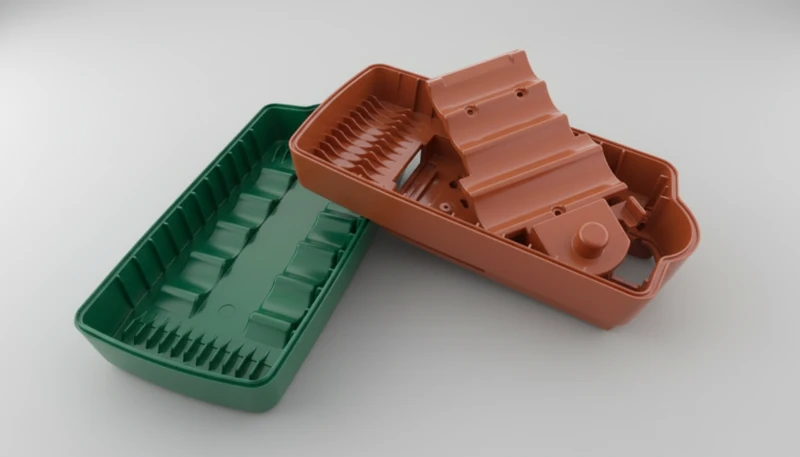
Formowanie wtryskowe umożliwia wytworzenie praktycznie dowolnej geometrii trójwymiarowej w granicach wyznaczonych przez pochylenie formy, równomierność grubości ścianek i sposób obsługi podcięć. Części mogą mieć żebra, słupki, gwinty, połączenia zatrzaskowe, zawiasy integralne, zalewane wkładki oraz zmienne przekroje we wszystkich trzech osiach. Ta swoboda geometryczna sprawia, że formowanie wtryskowe jest dominującym procesem w produkcji obudów elektroniki użytkowej, części samochodowych, wyrobów medycznych i osprzętu przemysłowego.
Kluczowe pytanie przy ocenie projektu nowej części brzmi: „Czy ta część ma taki sam przekrój w każdym punkcie wzdłuż jednej osi?”. Jeśli tak, należy rozważyć wytłaczanie. Jeżeli część ma jakiekolwiek cechy trójwymiarowe — nawet pojedynczy otwór montażowy lub występ — samo wytłaczanie nie pozwoli jej wykonać; konieczne jest formowanie wtryskowe albo dodatkowa obróbka.
Profile wytwarzane przez wytłaczanie można poddawać obróbce mechanicznej (wierceniu, cięciu, wykrawaniu), aby po wytłoczeniu dodać cechy trójwymiarowe. To podejście hybrydowe — wytłoczenie profilu, a następnie obróbka cech — jest powszechne w przypadku profili aluminiowych i ma zastosowanie również do sztywnych profili z tworzyw sztucznych. Przy małoseryjnej produkcji części o geometrii głównie pryzmatycznej i kilku odrębnych cechach może być ono bardziej ekonomiczne niż formowanie wtryskowe, jeśli liczba cech jest mała (mniej niż 5–10 operacji wtórnych).
"Wytłaczanie jest najlepszym procesem do produkcji rur, przewodów, profili i arkuszy, ponieważ umożliwia ciągłe wytwarzanie tych geometrii po niższym koszcie niż formowanie wtryskowe."True
Rury o długości 3 metrów nie można formować wtryskowo, ponieważ otwarcie formy wokół 3-metrowego elementu rurowego byłoby mechanicznie niemożliwe. Wytłaczanie pozwala produkować rury w sposób ciągły, a następnie ciąć je na wymagany wymiar, z wydajnością 10–100 kg/godz. i kosztem oprzyrządowania $500–$3,000. Równoważna forma wtryskowa do 3-metrowych odcinków rury kosztowałaby ponad $50,000 za samo oprzyrządowanie, a łączenie odcinków nadal wymagałoby spawania po formowaniu. Dla wszystkich produktów o stałym przekroju, w których dominuje długość, wytłaczanie nie ma realnej alternatywy.
"Formowanie wtryskowe jest zawsze dokładniejsze i bardziej powtarzalne niż wytłaczanie, ponieważ wykorzystuje zamkniętą formę."False
Chociaż formowanie wtryskowe pozwala uzyskać węższe tolerancje wymiarowe cech przestrzennych detalu, prawidłowo kontrolowane wytłaczanie może zapewnić doskonałą powtarzalność właściwych mu parametrów wymiarowych (kształtu przekroju i grubości ścianki). Nowoczesne linie do wytłaczania z laserowymi przyrządami pomiarowymi i regulacją średnicy w pętli zamkniętej stale utrzymują grubość ścianek rur i przewodów z dokładnością ±0.05 mm. Przewaga zamkniętej formy w procesie wtrysku dotyczy cech przestrzennych i złożonej geometrii; w przypadku prostych wymiarów przekroju długich profili wytłaczanie z pomiarem w linii jest bardzo skuteczne.
Jak różnią się materiały między wtryskiem a ekstruzją?
W obu procesach można przetwarzać wiele tych samych rodzin polimerów, lecz optymalny gatunek żywicy i docelowy wskaźnik płynięcia stopu3 są różne. Zarówno formowanie wtryskowe, jak i wytłaczanie wykorzystują te same klasy termoplastów — PE, PP, PVC, ABS, PC, nylon i polimery konstrukcyjne. Optymalny gatunek materiału zależy jednak od procesu. Wytłaczanie wykorzystuje gatunki o wyższym wskaźniku MFI, które łatwiej płyną przy niższym ciśnieniu, a formowanie wtryskowe — gatunki o niższym MFI i większej masie cząsteczkowej, które lepiej wypełniają i dociskają gniazdo pod wysokim ciśnieniem.
PVC jest szczególnie interesującym przypadkiem. PVC można wytłaczać w postaci rur, profili i izolacji kabli — to jeden z najczęściej wytłaczanych materiałów na świecie. PVC jest jednak również formowany wtryskowo na złączki, zawory i łączniki. Kluczowa różnica polega na tym, że PVC do wytłaczania zawiera więcej plastyfikatora i inne pakiety stabilizatorów niż PVC do formowania wtryskowego. Użycie niewłaściwego gatunku w danym procesie powoduje degradację, przebarwienia lub pogorszenie właściwości mechanicznych.
Polimery wysokotemperaturowe, takie jak PEEK i PPS, są przetwarzane w obu typach maszyn, lecz wytłaczanie jest częściej stosowane do produkcji prętów, płyt i półfabrykatów z PEEK przeznaczonych do późniejszej obróbki CNC. W przypadku implantów medycznych i komponentów półprzewodnikowych z PEEK formowanie wtryskowe stosuje się wtedy, gdy złożona geometria 3D uzasadnia inwestycję w oprzyrządowanie. Wybór procesu wynika z geometrii detalu, a nie ze zgodności materiałowej.
Ekonomika wielkości produkcji: kiedy wygrywa każdy z procesów?
Najbardziej opłacalny jest proces dobrany do geometrii części jeszcze przed porównaniem kosztów oprzyrządowania. Wytłaczanie jest korzystniejsze, gdy wyrób ma stały przekrój i dominuje w nim wymiar długości; formowanie wtryskowe wygrywa, gdy geometria 3D uzasadnia inwestycję w oprzyrządowanie. Ekonomiczne porównanie formowania wtryskowego i wytłaczania zależy od geometrii części, wielkości produkcji oraz charakteru wymagań wymiarowych wyrobu. W przypadku wyrobów o stałym przekroju wytłaczanie zapewnia niższy koszt oprzyrządowania i większą wydajność przy praktycznie każdej wielkości produkcji. W przypadku części trójwymiarowych o geometrii pryzmatycznej porównanie wymaga uwzględnienia większej liczby czynników.
| Czynnik | Formowanie wtryskowe | Wytłaczanie |
|---|---|---|
| Geometria części | 3D, zmienny przekrój | Tylko stały przekrój |
| Koszt oprzyrządowania | $5,000–$100,000 | $500–$5,000 |
| Czas realizacji | 4–12 tygodni | 2–4 tygodnie |
| Tempo produkcji | Wytłaczane profile silikonowe o różnych przekrojach poprzecznych | 10–200 kg/godz. w trybie ciągłym |
| Tolerancja wymiarów | ±0.05–0.2 mm | ±0.1–0.5 mm |
| Maksymalna długość części | około 1 200 mm | Bez ograniczeń |
| Odpady materiałowe | 3–25% (zimny kanał) | <1% (tylko okrawanie) |
| Elastyczność oprzyrządowania | Stała geometria | Wymiana matrycy w ciągu 2–4 godzin |
W przypadku produktów takich jak kształtki rurowe (kolana, trójniki, złączki) stosuje się formowanie wtryskowe, choć powiązana rura prosta jest wytłaczana, ponieważ trójwymiarowego kształtu złączki nie można wytłoczyć. Kompletne instalacje rurowe łączą wytłaczane rury (PE, PVC, PP) z formowanymi wtryskowo kształtkami — oba procesy uzupełniają się, zamiast konkurować.
Gdy klienci pytają o alternatywy dla wtrysku w celu redukcji kosztów, często odpowiedzią jest wtrysk małoseryjny w narzędziach aluminiowych, a nie ekstruzja, ponieważ geometria części już wymaga cech trójwymiarowych. Zastąpienie ekstruzją ma zastosowanie tylko wtedy, gdy projekt części można uprościć do stałego przekroju, co zwykle wymaga przeprojektowania części – znacznej inwestycji inżynierskiej, która może, ale nie musi być uzasadniona.
Zmiana materiału przebiega znacznie szybciej przy wytłaczaniu niż przy formowaniu wtryskowym. Wymiana głowicy na linii do wytłaczania trwa 2–4 godziny, w porównaniu z 4–8 godzinami na wymianę formy we wtryskarce. Dzięki temu wytłaczanie zapewnia większą elastyczność harmonogramu produkcji, gdy wiele geometrii profili wykorzystuje ten sam materiał i maszynę. Zmiana materiału przy tej samej konfiguracji głowicy wymaga jednak pełnego przepłukania cylindra wytłaczarki — zwykle 5–15 minut i 2–5 kg materiału — co jest porównywalne z czasem przepłukiwania we wtryskarce.
Wymagania dotyczące obróbki końcowej różnią się między tymi procesami. Części formowane wtryskowo wymagają zwykle po uformowaniu jedynie odcięcia przewężki i kontroli — bez dodatkowych operacji stabilizacji wymiarowej. Profile wytłaczane często wymagają dodatkowego wyżarzania (podgrzania do 50–80% temperatury zeszklenia i powolnego chłodzenia), aby zmniejszyć naprężenia szczątkowe po procesie ciągnienia, zwłaszcza w grubościennych profilach z polimerów krystalicznych, takich jak PA i POM. Wyżarzanie wydłuża produkcję każdej partii o 1–4 godziny.
Jakie różnice w problemach jakościowych występują między wtryskiem a ekstruzją?
Ryzyko jakości jest różne: wady formowania pochodzą z cyklicznego napełniania, a wady ekstruzji z przepływu przez matrycę. Ryzyko jakości wtrysku pochodzi z cyklicznego napełniania formy, podczas gdy ryzyko jakości ekstruzji pochodzi z ciągłego przepływu przez matrycę i kontroli ciągnika. Wady wtrysku – wklęśnięcia, linie spawania, odkształcenia, niedolewy i wypływy – powstają w cyklicznym, wysokociśnieniowym procesie napełniania i są eliminowane poprzez projekt formy i optymalizację procesu. Wady ekstruzji – pęknięcia stopu, linie matrycowe, zmienność grubości ścianki, odkształcone profile i chropowatość powierzchni – powstają w procesie ciągłego przepływu i są eliminowane poprzez geometrię matrycy, kontrolę temperatury i prędkość odciągania.
Pękanie stopu jest najpoważniejszą wadą wytłaczania i objawia się szorstką, nieregularną powierzchnią wytłoczyny. Występuje, gdy szybkość ścinania na krawędzi głowicy przekracza wartość krytyczną dla materiału, przez co stop pęka zamiast płynąć równomiernie. Rozwiązania obejmują zwiększenie temperatury głowicy (zmniejszenie lepkości), dodanie środków ułatwiających przetwarzanie (środków poślizgowych) albo przeprojektowanie kąta wejścia do głowicy w celu zmniejszenia koncentracji ścinania. Pękanie stopu nie ma bezpośredniego odpowiednika w formowaniu wtryskowym, ponieważ droga przepływu jest krótsza, a wtrysk pod wysokim ciśnieniem może przezwyciężyć miejscową lepkość.
W zastosowaniach wymagających najwyższej jakości powierzchni formowanie wtryskowe ma na ogół przewagę, ponieważ wykończenie powierzchni formy jest bezpośrednio odwzorowywane na detalu — gniazdo wypolerowane na lustro daje detal o lustrzanym wykończeniu. Jakość powierzchni wyrobu wytłaczanego ograniczają stan matrycy i proces chłodzenia po wyjściu z niej; uzyskanie jakości optycznej SPI A1 podczas wytłaczania wymaga niezwykle ścisłej kontroli procesu i nie jest standardową praktyką.
Kiedy należy łączyć formowanie wtryskowe z ekstruzją?
Podejście hybrydowe jest najlepsze, gdy długie profile wymagają formowanych złączek, zaślepek lub elementów mocujących. Użyj obu procesów, gdy produkt potrzebuje długich, stałych profili oraz formowanych złączek, zaślepek lub elementów mocujących. Wiele zespołów produktowych wykorzystuje zarówno formowanie wtryskowe, jak i ekstruzję w tym samym produkcie. Zespoły ram okiennych wykorzystują ekstrudowane profile PVC na główne elementy ramy oraz formowane wtryskowo narożniki i okucia. Zespoły listew wykończeniowych w motoryzacji wykorzystują ekstrudowane profile uszczelniające z formowanymi wtryskowo zaślepkami końcowymi. Rączki urządzeń medycznych wykorzystują ekstrudowane rurki z formowanymi wtryskowo złączkami i portami.
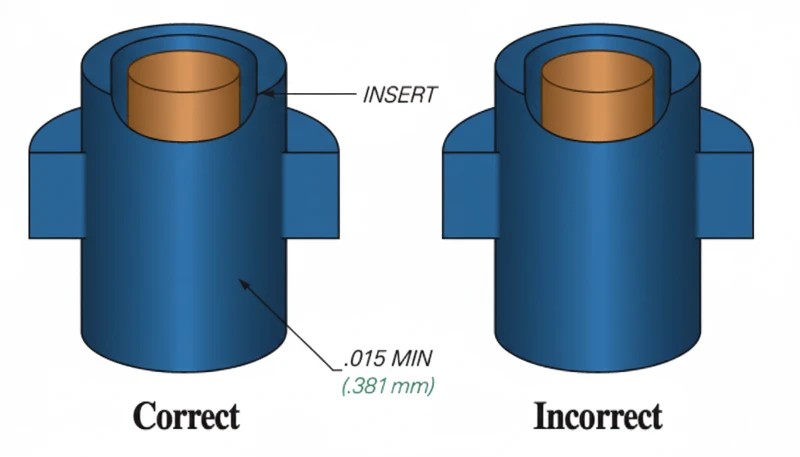
Wytłaczanie na elemencie — nakładanie mieszanki wytłaczanej na wcześniej umieszczony element ciągły, taki jak drut, lina lub podłoże — tworzy produkty kompozytowe łączące zalety konstrukcyjne rdzenia z ochronnymi lub funkcjonalnymi właściwościami wytłaczanej powłoki. Najczęstszym przykładem jest izolacja kabli. Proces ten zasadniczo różni się od formowania z wkładką (umieszczania oddzielnych wkładek w gnieździe formy wtryskowej), ale oba służą łączeniu materiałów w jednym etapie produkcji.
Zespołom rozwoju produktu wybierającym między tymi procesami zalecamy najpierw ocenić geometrię, potem wolumen, a następnie koszt oprzyrządowania. Geometria jest czynnikiem podstawowym: jeśli część ma stały przekrój, najpierw rozważ wytłaczanie. W przeciwnym razie zwykle konieczne jest formowanie wtryskowe. Analiza wolumenu i kosztów pozwala następnie ustalić, czy w planowanym cyklu życia produkcji uzasadnione jest szybkie oprzyrządowanie aluminiowe, czy pełnoprodukcyjne formy wtryskowe. Nasza analiza płynięcia tworzywa w formie pomaga zweryfikować decyzje przed wykonaniem oprzyrządowania.
Często zadawane pytania
Czy tego samego tworzywa można używać zarówno w formowaniu wtryskowym, jak i wytłaczaniu?
Tak, w obu procesach można stosować tę samą rodzinę polimerów, ale konkretny gatunek zwykle się różni. Wytłaczanie wymaga gatunków o wyższym wskaźniku szybkości płynięcia (MFI) — zwykle 2–10 g/10 min dla wytłaczania ogólnego — ponieważ tworzywo musi płynąć równomiernie przy niższym ciśnieniu (100–400 barów) przez ciągłą głowicę. Formowanie wtryskowe wykorzystuje gatunki o niższym MFI — zwykle 0,5–5 g/10 min dla części konstrukcyjnych — ponieważ większa masa cząsteczkowa zapewnia lepsze dopakowanie, mniejszy skurcz i większą wytrzymałość mechaniczną przy stosowanym wyższym ciśnieniu (500–2000 barów). Użycie gatunku do formowania wtryskowego w wytłaczaniu powoduje nadmierne ciśnienie w głowicy i może zatrzymać wytłaczarkę. Użycie gatunku do wytłaczania w formowaniu wtryskowym powoduje nadmierne wypływki i słabą kontrolę wymiarową. Dostawcy materiałów podają zalecenia dotyczące gatunków przeznaczonych do konkretnych procesów.
Dlaczego wytłaczania nie stosuje się do produkcji złożonych części z tworzyw?
Wytłaczanie nie pozwala wytwarzać złożonych części z tworzyw sztucznych, ponieważ z natury daje stały przekrój. Stopione tworzywo jest przepychane przez nieruchomy otwór głowicy, dlatego kształt przekroju produktu jest identyczny w każdym punkcie jego długości. Żadnej cechy zmieniającej się wzdłuż długości — żeber, słupków, otworów montażowych, zwężeń, stopni czy odgałęzień — nie da się wykonać wyłącznie przez wytłaczanie. Cechy te wymagają zamkniętej formy (formowania wtryskowego) albo wtórnej obróbki po wytłaczaniu. Ponadto ciągły charakter wytłaczania oznacza, że początek i koniec każdej wytłaczanej części są identyczne — nie ma możliwości uformowania zamkniętego końca, pokrywy ani kołnierza jako części tego samego przebiegu wytłaczania.
Jaka jest główna przewaga wytłaczania nad formowaniem wtryskowym?
Główną przewagą wytłaczania nad formowaniem wtryskowym jest znacznie niższy koszt oprzyrządowania połączony z możliwością uzyskania nieograniczonej długości wyrobu. Matryca do wytłaczania standardowego profilu kosztuje $500–$3,000, podczas gdy równoważna forma wtryskowa kosztuje 10–20× więcej. W przypadku rur, profili rurowych, uszczelek, kanałów i arkuszy o stałym przekroju wytłaczanie zapewnia ciągłą produkcję z wydajnością 10–200 kg/hour i minimalnym odpadem. Żadna forma wtryskowa nie wyprodukuje rury o długości 6 metrów ani ciągłej rolki materiału arkuszowego. Wytłaczanie zapewnia też krótszy czas wykonania oprzyrządowania (2–4 tygodnie) i niższe koszty uruchomienia produkcji, dlatego dobrze nadaje się do wdrażania nowych produktów o niepewnym wolumenie.
Jak wypada porównanie tolerancji w formowaniu wtryskowym i wytłaczaniu?
Formowanie wtryskowe zapewnia mniejsze tolerancje niż wytłaczanie dla cech wymiarowych wykonanych z tego samego tworzywa. Części wtryskiwane z materiałów amorficznych, takich jak ABS, mogą osiągać ±0,05 mm na małych elementach, ponieważ materiał zestala się w stalowym gnieździe o ustalonych wymiarach. W standardowych warunkach profile wytłaczane osiągają ±0,1–0,5 mm w wymiarach przekroju. Szerszy zakres tolerancji przy wytłaczaniu wynika ze zmienności pęcznienia po wyjściu z głowicy, skurczu chłodniczego w kalibratorze oraz zmienności współczynnika rozciągania4.
Nowoczesne linie ekstruzyjne z wbudowanym pomiarem laserowym i sterowaniem w pętli zamkniętej mogą osiągnąć dokładność ±0,05 mm dla określonych wymiarów, takich jak zewnętrzna średnica rury, ale wymaga to precyzyjnego sprzętu i zwiększa koszty. Dla złożonych cech części 3D, takich jak skok gwintu, wysokość kołnierza czy ugięcie zatrzasku, formowanie wtryskowe jest zawsze lepsze.
Czy formowanie wtryskowe jest bardziej przyjazne dla środowiska niż wytłaczanie?
Oba procesy mają podobny profil środowiskowy pod względem wykorzystania materiału, lecz różnią się w poszczególnych kategoriach. Wytłaczanie generuje mniej odpadów materiałowych niż wtryskiwanie z zimnymi kanałami — zwykle poniżej 1% odpadów z okrawania wobec 5–25% odpadów z układu wlewowego. System gorącokanałowy eliminuje jednak odpady z kanałów i pozwala osiągnąć efektywność materiałową zbliżoną do wytłaczania. Zużycie energii na kilogram przetworzonego tworzywa jest podobne w obu procesach (3–8 kWh/kg), choć wytłaczanie jest efektywniejsze w stanie ustalonym. Pod względem recyklingu jednorodne profile wytłaczane (rury i przewody) łatwiej poddać recyklingowi niż wielokomponentowe zespoły formowane wtryskowo. Najważniejszym czynnikiem środowiskowym w obu procesach jest wybór materiału, a nie sam proces — w obu można przetwarzać tworzywa pochodzenia biologicznego oraz zawierające surowiec wtórny.
Kiedy w nowym produkcie wybrać formowanie wtryskowe zamiast wytłaczania?
Wybierz formowanie wtryskowe zamiast wytłaczania, jeśli detal ma którąkolwiek z następujących cech: trójwymiarową geometrię z elementami zmieniającymi się wzdłuż jego długości (żebra, występy, otwory, kołnierze, zatrzaski), wąskie tolerancje wymiarowe ±0.05–0.15 mm dla wielu cech, zamkniętą lub złożoną geometrię, której nie można zdefiniować stałym przekrojem 2D, potrzebę zintegrowanych elementów mocujących, takich jak występy, gwinty i zawiasy integralne, albo wolumen produkcji wystarczająco duży, aby zamortyzować koszt oprzyrządowania $5,000–$100,000. Formowanie wtryskowe jest również preferowane, gdy jakość wykończenia powierzchni wymaga odwzorowania polerowanej powierzchni formy, gdy w jednym detalu trzeba połączyć wiele materiałów (formowanie z wkładkami, obtryskiwanie) lub gdy precyzyjna kontrola masy między kolejnymi wtryskami ma kluczowe znaczenie w zastosowaniach medycznych lub do kontaktu z żywnością.
wytłaczanie: Wytłaczanie to ciągły proces produkcyjny, w którym stopiony termoplast jest przepychany przez ukształtowany otwór głowicy, tworząc profile, rury, arkusze lub folie o stałym przekroju; wydajność mierzy się w metrach bieżących na minutę. ↩
konstrukcja ślimaka: Konstrukcja ślimaka oznacza geometrię obracającego się ślimaka wewnątrz cylindra wtryskarki lub wytłaczarki, określoną m.in. stosunkiem L/D (długości do średnicy), stopniem sprężania i geometrią zwojów, które decydują o wydajności topienia i jednorodności stopu. ↩
wskaźnik płynięcia stopu: Wskaźnik płynięcia stopu (MFI) określa łatwość płynięcia stopionego polimeru termoplastycznego jako masę polimeru przepływającą przez standardowy otwór w ciągu 10 minut przy zadanym obciążeniu i temperaturze, wyrażoną w g/10 min. ↩
współczynnik rozciągania: Współczynnik rozciągania określa stopień rozciągnięcia podczas wytłaczania jako stosunek pola otworu głowicy do pola przekroju gotowego produktu; zwykle wynosi od 1,1 do 5,0 i wpływa na orientację cząsteczek oraz kontrolę wymiarów wyrobów wytłaczanych. ↩