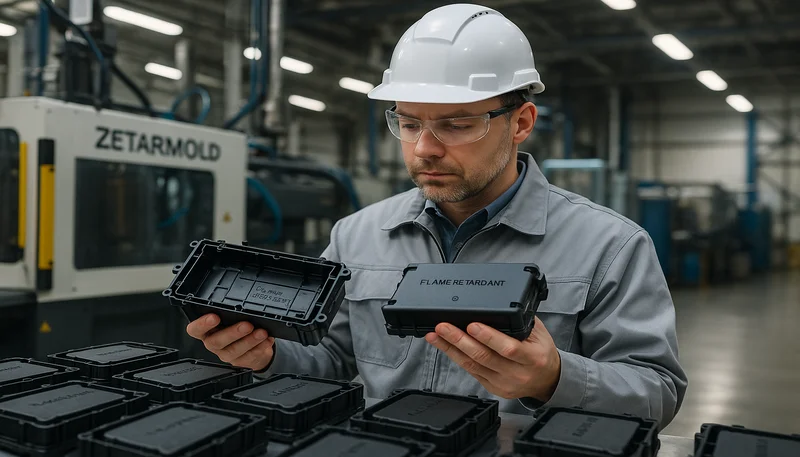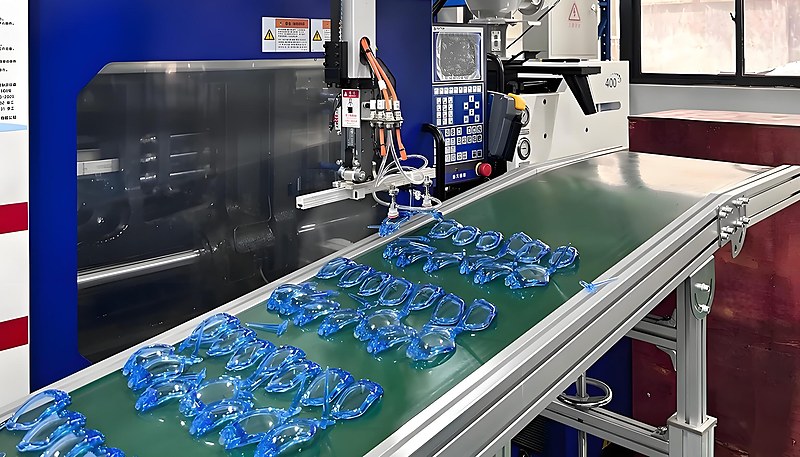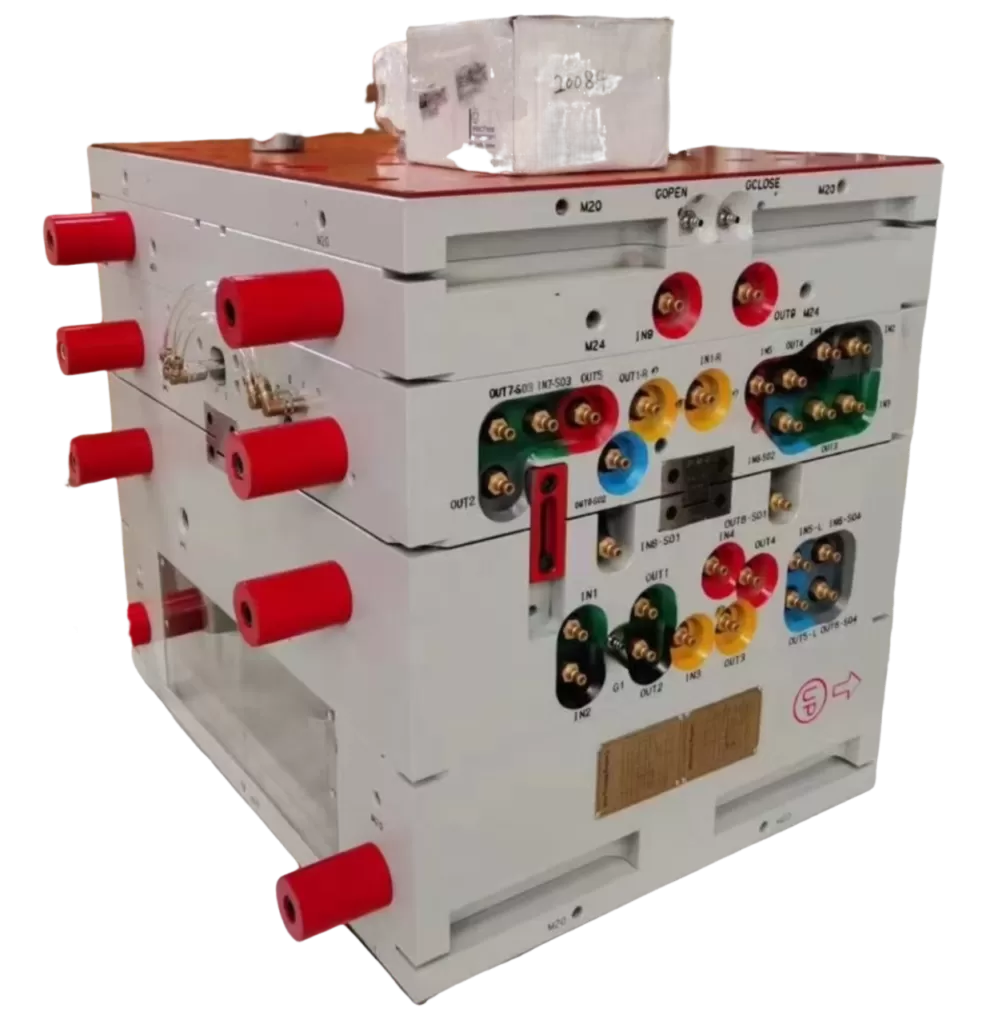
Czas wypełniania — liczba sekund potrzebna stopionemu tworzywu do całkowitego wypełnienia gniazda — jest jedną z najważniejszych zmiennych formowania wtryskowego. Prawidłowa wartość daje dokładne wymiarowo części o gładkiej powierzchni; błędna powoduje niedolewy, zapadnięcia, wypływki lub przypalenia. W hali z 47 maszynami od 90T do 1850T nawet przekroczenie o 0.3 sekundy może oznaczać tysiące wadliwych części na zmianę.
W tym przewodniku omówiono wszystkie praktyczne metody obliczania czasu wypełniania stosowane przez inżynierów — od prostego wzoru V/Q, który można obliczyć na kalkulatorze, po symulację Moldflow uwzględniającą nienewtonowskie właściwości przepływu. Wskazuję przy tym typowe pułapki i przedstawiam wnioski z dwóch dekad produkcji w zakładzie ZetarMold w Szanghaju.
- Czas napełniania = objętość gniazda podzielona przez objętościowe natężenie przepływu (tf = V/Q).
- Na czas wypełniania wpływają lepkość materiału, geometria formy i ustawienia maszyny.
- Narzędzia symulacyjne (Moldflow, Moldex3D) zapewniają dokładność plus minus 5% w przypadku złożonych form.
- Optymalizacja czasu napełniania skraca czas cyklu, ogranicza ilość braków i poprawia jakość części.
- Walidacja w warunkach rzeczywistych jest zawsze ostatnim krokiem — żadna formuła nie zastąpi próbnego wtrysku.
Czym jest czas napełniania wtryskarki?
Czas napełniania na wtryskarce to czas trwania fazy wypełniania od rozpoczęcia ruchu ślimaka do całkowitego napełnienia gniazda. Nie obejmuje fazy dopakowania ani docisku, dlatego inżynierowie wykorzystują go do ustawienia pierwszego profilu prędkości, oszacowania ciepła ścinania i porównania możliwości maszyny z objętością formy.
W warunkach produkcyjnych termin „czas wypełniania” bywa mylony z całkowitym czasem wtrysku. Nie są to pojęcia tożsame. Całkowity czas wtrysku wskazywany przez sterownik maszyny obejmuje wypełnianie i docisk, natomiast wzór V/Q odnosi się wyłącznie do fazy wypełniania. Mylenie tych dwóch wartości jest jednym z najczęstszych błędów popełnianych przez inżynierów podczas uruchamiania nowej formy.
Geometria formy wtryskowej — układ kanałów, rodzaj przewężki i rozkład grubości ścianek — określa ruch czoła stopu. Zrównoważone kanały zapewniają równomierne wypełnianie; niezrównoważone powodują uprzywilejowane ścieżki przepływu, przepakowanie jednej strony i niedolewy drugiej. Dlatego projekt formy i obliczanie czasu wypełniania są nierozłączne.
Dlaczego czas wypełniania ma znaczenie dla jakości produktu?
Czas napełniania jest istotny, ponieważ wpływa na temperaturę stopionego tworzywa, przenoszenie ciśnienia, linie łączenia, niedolewy, wypływkę i czas cyklu. Zbyt wolne napełnianie powoduje zamarznięcie czoła przepływu przed całkowitym wypełnieniem gniazda, natomiast zbyt szybkie może powodować nadmierne ścinanie materiału lub wypływkę na linii podziału.
Stosuję następującą praktyczną regułę: jeśli czas napełniania części cienkościennej (o grubości ścianki poniżej 1,5 mm) przekracza 3 sekundy, prawdopodobieństwo niedolewu wzrasta powyżej 15%. Jeśli czas napełniania części o złożonej geometrii jest krótszy niż 0,5 sekundy, prawdopodobnie powstanie wypływka na linii podziału. Dla większości konstrukcyjnych tworzyw termoplastycznych optymalny czas napełniania części o średniej złożoności wynosi 1–3 sekundy.
Oprócz wpływu na jakość detalu czas napełniania bezpośrednio oddziałuje na czas cyklu i wydajność produkcji. Skrócenie 12-sekundowego cyklu o 0,5 sekundy w pracującej całodobowo formie 16-gniazdowej oznacza około 250 000 dodatkowych detali rocznie na każdą maszynę. W hali produkcyjnej wyposażonej w 47 wtryskarek przekłada się to na ponad 11 milionów dodatkowych detali rocznie — a tym samym na istotną przewagę pod względem przychodów i kosztów.
"Czas wypełniania i czas docisku są odrębnymi fazami cyklu wtrysku."True
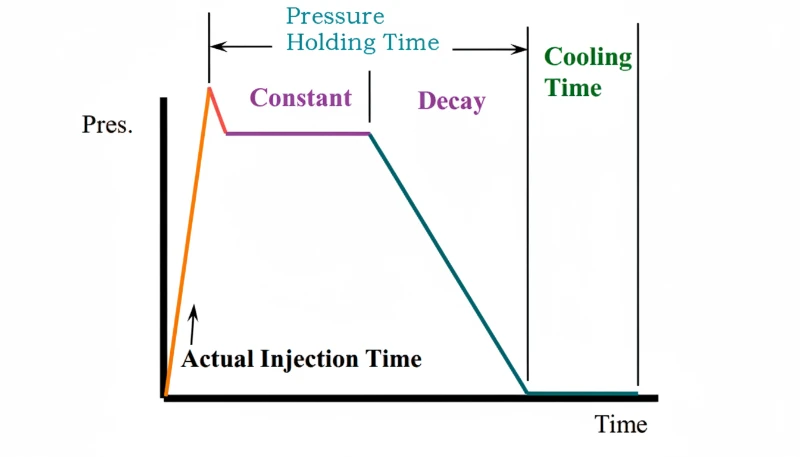
Zgadza się. Czas napełniania obejmuje wyłącznie fazę, w której gniazdo przechodzi od stanu pustego do pełnego objętościowo. Czas docisku to kolejna faza, w której wtłacza się dodatkowy materiał, aby skompensować skurcz. Większość sterowników maszyn pokazuje czas wtrysku jako sumę obu faz.
"Dłuższy czas wypełniania zawsze zapewnia lepsze wykończenie powierzchni."False
Nadmiernie długi czas wypełniania pozwala stopionemu tworzywu ostygnąć i zwiększyć lepkość, co może powodować ślady przepływu, linie łączenia i niedolewy. Optymalne wykończenie powierzchni wynika z właściwej prędkości wypełniania — nie z najniższej.
Jakie czynniki wpływają na czas wypełniania?
Główne czynniki wpływające na czas napełniania to lepkość materiału, geometria formy, prędkość wtrysku, limit ciśnienia oraz temperatura stopionego tworzywa i formy. Charakterystyka płynięcia materiału wyznacza punkt odniesienia, natomiast długość kanału doprowadzającego, wielkość wlewu, grubość ścianki i wydajność przepływowa maszyny decydują o tym, czy gniazdo zostanie napełnione przed zamarznięciem czoła płynięcia.
Lepkość materiału
Lepkość jest najważniejszym czynnikiem materiałowym. Polipropylen o małej lepkości (MFI ponad 30 g/10 min) wypełnia gniazdo mniej więcej dwa razy szybciej niż poliwęglan o dużej lepkości (MFI około 5–10 g/10 min) przy tym samym ciśnieniu. Lepkość maleje jednak wraz z temperaturą i szybkością ścinania. To rozrzedzanie ścinaniem1 sprawia, że modelowanie nienewtonowskie jest niezbędne.
Geometria formy
Długość i średnica kanału wlewowego, rozmiar przewężki, liczba gniazd oraz rozkład grubości ścianek zwiększają opór przepływu. Dłuższy kanał oznacza większy spadek ciśnienia, co zmniejsza efektywne natężenie przepływu przy wejściu do gniazda. W formach wielogniazdowych z niezrównoważonym układem kanałów czas napełniania będzie różny dla poszczególnych gniazd — problem ten trzeba rozwiązać na etapie projektowania formy, a nie na hali produkcyjnej.
Parametry maszyny
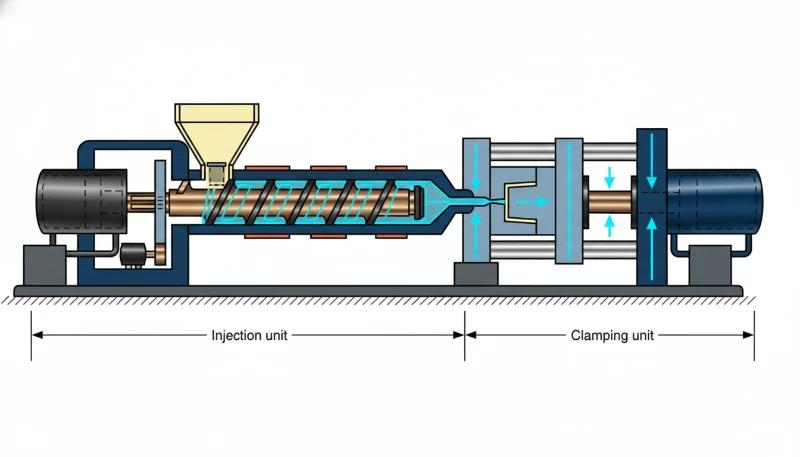
Prędkość wtrysku, graniczne ciśnienie wtrysku, średnica ślimaka i geometria końcówki dyszy określają maksymalne objętościowe natężenie przepływu Q, jakie może zapewnić maszyna. We wtryskarce 200T ze ślimakiem 40 mm pracującym z prędkością 150 mm/s wartość Q wynosi w przybliżeniu pi razy 20 do kwadratu razy 150, czyli około 188.5 cm/s. Po zastąpieniu tego ślimaka wersją 30 mm wartość Q spada do około 106 cm/s — co natychmiast wydłuża czas napełniania tego samego gniazda o około 78 procent.
Temperatura stopu i formy
Wyższa temperatura stopionego tworzywa obniża lepkość, przyspieszając wypełnianie. Wyższa temperatura formy utrzymuje ciepłą powierzchnię gniazda, opóźniając powstawanie zestalonej warstwy ograniczającej przepływ. Obie korekty wydłużają jednak czas chłodzenia i zwiększają ryzyko degradacji materiału, dlatego trzeba je optymalizować jako jeden układ — a nie regulować oddzielnie.
Jak obliczyć czas napełniania?
Istnieją cztery główne metody, z których każda stanowi kompromis między prostotą a dokładnością. W praktyce inżynierowie zaczynają od najprostszej metody, a wraz ze wzrostem wymagań projektu przechodzą do symulacji.
Metoda 1 — wzór empiryczny (tf = V / Q)
Najczęściej stosowanym szybkim oszacowaniem jest stosunek objętościowy. Objętość gniazda V (w cm) podzielona przez objętościowe natężenie przepływu maszyny Q (w cm/s) daje czas napełniania w sekundach. Natężenie przepływu oblicza się na podstawie pola przekroju ślimaka A i prędkości wtrysku ślimaka v. W postaci wzoru: Q równa się A razy v, czyli pi razy (D podzielone przez 2) do kwadratu razy v. Następnie tf równa się V podzielonemu przez Q.
Przykład obliczeniowy — obudowa z PP, ślimak o średnicy 30 mm poruszający się z prędkością 100 mm/s, objętość gniazda 200 cm. Pole przekroju ślimaka A jest równe pi razy 15 do kwadratu, czyli 706.86 mm². Natężenie przepływu Q wynosi 706.86 mm² razy 100 mm/s, co daje 70,686 mm/s, czyli około 70.69 cm/s. Podzielenie objętości gniazda 200 cm przez 70.69 cm/s daje czas napełniania wynoszący około 2.83 sekundy.
Metoda ta zakłada stałe natężenie przepływu przez cały etap napełniania, co jest tylko w przybliżeniu prawdziwe w przypadku prostych form z jedną przewężką. Pomija straty ciśnienia w kanale wlewowym, rozrzedzanie ścinaniem i narastanie zestalonej warstwy na ściankach gniazda. Mimo to dla prostych geometrii zapewnia dokładność rzędu 20 do 30 procent i pozostaje pierwszym obliczeniem wykonywanym przez każdego inżyniera procesu.
Metoda 2 — model płynu newtonowskiego
W płynach newtonowskich lepkość nie zależy od szybkości ścinania. Przy tym założeniu równanie Hagena-Poiseuille’a2 pozwala obliczyć spadek ciśnienia w kanałach o znanych wymiarach, a następnie wyznaczyć Q z dostępnego ciśnienia wtrysku. Niewiele termoplastów zachowuje się tak podczas napełniania formy; większość to pseudoplastyczne materiały rozrzedzane ścinaniem. Model newtonowski służy głównie dydaktyce i kontroli wiarygodności symulacji.
Metoda 3 — model nienewtonowski (potęgowy)
Ten model potęgowy3 opisuje zależność naprężenia ścinającego od szybkości ścinania za pomocą współczynnika konsystencji k i wskaźnika płynięcia n. Dla większości termoplastów n jest mniejsze od 1, co oznacza rozrzedzanie ścinaniem; typowy PP ma n około 0.3–0.4 w temperaturze przetwórstwa. Model lepiej szacuje Q w rzeczywistych warunkach, uwzględniając spadek lepkości przy dużym ścinaniu koło przewężki.
Aby obliczyć czas napełniania, wyznacza się spadek ciśnienia w kanałach i przewężce równaniem potęgowym, następnie oblicza Q z dostępnego ciśnienia maszyny, a na końcu stosuje tf = V/Q. Wymaga to iteracyjnego rozwiązania numerycznego, dlatego niezbędne są obliczenia komputerowe.
"Większość tworzyw termoplastycznych wykazuje rozrzedzanie ścinaniem, co oznacza, że lepkość maleje wraz ze wzrostem szybkości ścinania."True
Prawda. Zgodnie z modelem potęgowym większość tworzyw termoplastycznych ma wskaźnik płynięcia n mniejszy niż 1, dlatego lepkość efektywna spada przy wyższych szybkościach ścinania. Z tego powodu prędkość wtrysku wpływa nieliniowo na czas wypełniania, a szybszy wtrysk może wypełniać gniazda wydajniej, niż przewidywałby prosty model liniowy.
"Empiryczny wzór V/Q uwzględnia straty ciśnienia w układzie kanałów doprowadzających."False
Prosty wzór tf równa się V podzielonemu przez Q zakłada stałe natężenie przepływu i pomija spadek ciśnienia w kanałach, rozrzedzanie ścinaniem oraz narastanie warstwy zestalonego tworzywa. Jest to jedynie pierwsze przybliżenie.
Metoda 4 — Symulacja numeryczna (Moldflow lub Moldex3D)
Nowoczesne narzędzia CAE rozwiązują pełny układ równań pędu, energii i ciągłości na trójwymiarowej siatce geometrii formy, wykorzystując rzeczywiste dane reologiczne materiału, często dostarczane przez producenta tworzywa. Przebieg analizy obejmuje import modelu CAD, wygenerowanie siatki, przypisanie danych materiałowych, określenie warunków procesu, uruchomienie solvera i analizę wyników.
Dokładność symulacji czasu wypełniania mieści się zazwyczaj w granicach 3 do 8 procent względem wartości zmierzonych — to radykalna poprawa w porównaniu z marginesem 20 do 30 procent dla wzoru empirycznego. Ceną za tę dokładność jest czas konfiguracji (od 30 minut do kilku godzin) i koszt oprogramowania. W ZetarMold symulujemy każdą nową formę przed rozpoczęciem obróbki stali, ponieważ koszt przeróbki formy znacznie przewyższa koszt symulacji.
Dla powyższego przykładu obudowy z PP Moldflow przewidział czas wypełniania 2.85 sekundy — w granicach 0.7 procent od zmierzonej wartości 2.83 sekundy. Niewielka rozbieżność wynika ze ściśliwości oraz drobnych różnic między modelowaną i rzeczywistą geometrią kanałów.
"Profilowana prędkość wtrysku może skrócić czas napełniania i jednocześnie zmniejszyć liczbę wad."True
Powolny start przez przewężkę zapobiega strugowaniu, przyspieszenie w gnieździe skraca napełnianie, a zwolnienie pod koniec pozwala usunąć powietrze. Profilowany wtrysk daje krótsze napełnianie i mniej wad. Większość nowoczesnych maszyn obsługuje 5–10 stopni prędkości.
„Dodanie drugiej przewężki zawsze poprawia jakość części.”False
Druga przewężka skraca czas wypełniania, ale tworzy linię łączenia w miejscu zetknięcia się dwóch frontów płynięcia stopionego tworzywa. Jeśli linia łączenia znajdzie się na powierzchni konstrukcyjnej lub estetycznej, część może być słabsza albo mieć wadę wizualną. Położenie przewężek należy optymalizować całościowo za pomocą symulacji przewidującej lokalizację linii łączenia.
Jak wypada porównanie wszystkich metod obliczeniowych?
Stosowane metody obliczeniowe obejmują empiryczną metodę V/Q, model przepływu newtonowskiego, model potęgowy oraz symulację numeryczną. Prosta metoda V/Q jest wystarczająco szybka do wstępnych oszacowań, natomiast Moldflow lub Moldex3D zapewniają najdokładniejsze prognozy dla cienkościennych form produkcyjnych, form z wieloma punktami wtrysku oraz zastosowań wysokiego ryzyka.
| Metoda | Obliczony czas napełniania | Dokładność a wartość zmierzona | Nakład pracy związany z konfiguracją |
|---|---|---|---|
| Metoda empiryczna (V/Q) | 2.83 s | wartość bazowa | 1 minuta |
| Model newtonowski | 2.83 s | te same założenia | 10 minut |
| Model potęgowy | 2.78 s | około minus 1.8% | 30 minut |
| Symulacja Moldflow | 2.85 s | plus 0,7% | 1–2 godziny |
| Zmierzona (wtrysk próbny) | 2.80 s | rzeczywisty | 2 do 4 godzin |
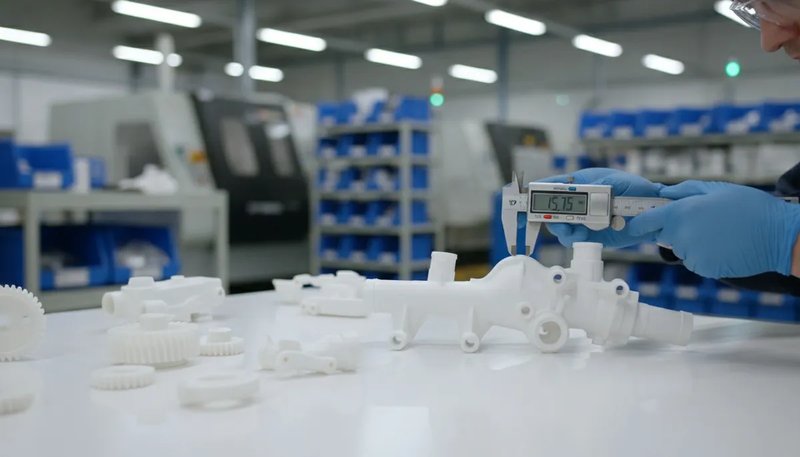
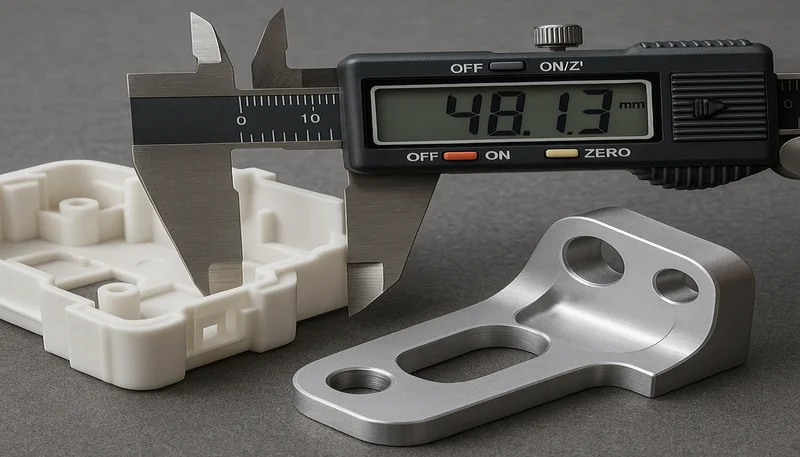
W przypadku tej stosunkowo prostej części z jedną przewężką wszystkie metody dają wyniki zgodne w granicach 2 procent. Różnice stają się znacznie większe w przypadku części z wieloma przewężkami, cienkościennych lub formowanych z wkładkami — czyli dokładnie tam, gdzie symulacja przynosi największe korzyści. W przypadku części o wąskich tolerancjach (form obrabianych CNC z tolerancją ±0.05 mm) nawet błąd czasu napełniania wynoszący 0.2 sekundy może spowodować przekroczenie tolerancji wymiarowych, dlatego większość producentów formujących części o wysokiej precyzji przed rozpoczęciem pełnej produkcji weryfikuje obliczenia za pomocą próby niepełnego wtrysku.
Jak zoptymalizować czas napełniania?
Obliczenie czasu napełniania to dopiero początek. Jego optymalizacja — skrócenie czasu cyklu przy zachowaniu lub poprawie jakości części — stanowi rzeczywistą wartość inżynierską. Oto parametry, które najczęściej regulujemy na hali produkcyjnej.
Zwiększenie prędkości wtrysku
Zwiększenie prędkości ślimaka ze 100 mm/s do 150 mm/s w naszym przykładzie skraca czas napełniania z 2.83 s do około 1.89 s. Problem polega na tym, że przy wyższych prędkościach rośnie nagrzewanie ścinające, co może podnieść temperaturę stopu ponad próg degradacji materiałów wrażliwych, takich jak POM lub gatunki uniepalnione. Po zmianach prędkości zawsze monitoruj temperaturę stopu pirometrem.
Optymalizacja konstrukcji kanałów wlewowych i przewężek
Dodanie drugiej przewężki do naszej przykładowej formy skróciło symulowany czas wypełniania z 2,85 s do 1,75 s — o 39%. Większe średnice kanałów wlewowych ograniczają spadek ciśnienia, a krótsze drogi przepływu od tulei wlewowej do przewężki zmniejszają odległość, którą musi pokonać stopione tworzywo. Zmiany te wprowadza się na etapie projektowania formy, dlatego udział inżynierów procesu w przeglądzie projektu jest niezbędny.
Zwiększenie temperatury stopu w dopuszczalnym zakresie
Podniesienie temperatury stopionego PP z 220 stopni C do 240 stopni C może zmniejszyć lepkość o 20–30 procent, proporcjonalnie skracając czas napełniania. Jednak każdy wzrost o 10 stopni wydłuża chłodzenie o około 1–2 sekundy, a nadmierna temperatura może powodować odbarwienia, powstawanie gazów lub spadek masy cząsteczkowej. Po przekroczeniu optimum wpływ na czas cyklu jest często neutralny lub negatywny.
Zastosuj profilowaną prędkość wtrysku
Zamiast pracy z jedną prędkością nowoczesne maszyny umożliwiają stosowanie wielostopniowych profili prędkości — wolnego przepływu przez przewężkę, aby zapobiec strugowemu wtryskowi tworzywa, następnie szybkiego wypełniania gniazda i ponownego zwolnienia pod koniec napełniania, aby uniknąć wypływek i umożliwić ujście powietrza. W przypadku złożonych form wtrysk z profilowaną prędkością pozwala zwykle skrócić czas napełniania o 5–15% względem wtrysku ze stałą prędkością, jednocześnie ograniczając liczbę wad.
Czego rzeczywista produkcja uczy o czasie napełniania?
Praktyka produkcyjna pokazuje, że czas wypełniania jest wartością szacunkową, którą należy zwalidować za pomocą prób niepełnego wtrysku, kontroli zrównoważenia gniazd i inspekcji detali. W naszym zakładzie w Szanghaju zaczynamy od oszacowania V/Q, potwierdzamy przebieg wypełniania, a następnie dostrajamy profile prędkości pod kątem wad, czasu cyklu i stabilności wymiarowej.
Praktyka produkcyjna pokazuje, że czas napełniania jest wartością szacunkową, którą należy zweryfikować próbami niepełnego wtrysku, kontrolą równomierności napełniania gniazd i inspekcją części. W naszym zakładzie w Szanghaju wykorzystujemy obliczenie V/Q do ustawienia początkowej prędkości wtrysku, a następnie przeprowadzamy próby niepełnego wtrysku i dostrajamy profile prędkości pod kątem wad, czasu cyklu oraz stabilności wymiarowej.
Jedna z lekcji, której przyswojenie zajęło nam lata, brzmi: najkrótszy czas napełniania rzadko jest najlepszy. W przypadku wielogniazdowej formy do złączy samochodowych stwierdziliśmy, że praca z prędkością równą 85% maksymalnej prędkości wtrysku powodowała mniej braków niż praca z pełną prędkością, ponieważ nieco wolniejsze napełnianie zapewniało odpowietrzeniom wystarczająco dużo czasu na odprowadzenie powietrza. Wydłużenie czasu napełniania o 0.3 sekundy zmniejszyło liczbę braków o 12% — oszczędność ta była znacznie większa niż nieznaczny spadek wydajności.
Jeśli zaopatrujesz się w detale formowane wtryskowo i szukasz dostawcy, który optymalizuje czas wypełniania w sposób naukowy, zamiast jedynie zwiększać prędkość maszyny, zapoznaj się z naszym przewodnikiem dotyczącym wyboru dostawcy usług formowania wtryskowego, zawierającym zasady oceny partnerów produkcyjnych.
Często zadawane pytania dotyczące czasu napełniania
Jaki jest normalny czas napełniania przy formowaniu wtryskowym?
W standardowych warunkach przetwórstwa i na typowych maszynach produkcyjnych napełnianie większości detali termoplastycznych o średniej złożoności trwa od 1 do 3 sekund. Formy do opakowań cienkościennych mogą być napełniane w czasie krótszym niż 0,5 sekundy, natomiast całkowite napełnienie dużych, grubościennych detali konstrukcyjnych może trwać od 5 do 10 sekund. Dokładny zakres zależy od objętości gniazda, lepkości materiału, grubości ścianki oraz maksymalnej wydajności przepływowej wtryskarki. Przed precyzyjnym dostrojeniem parametrów procesu dla nowego projektu formy należy zawsze porównać wyniki z podobnymi formami z własnej historii produkcji, aby ustalić realistyczny poziom odniesienia.
Jak zmierzyć rzeczywisty czas napełniania na maszynie?
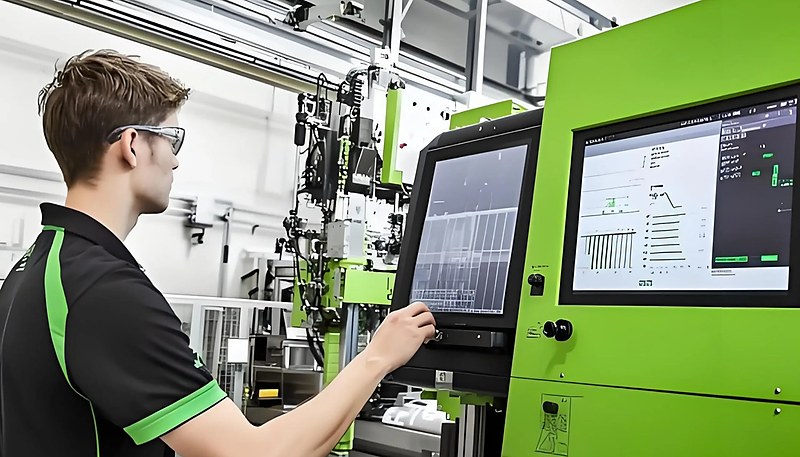
Większość nowoczesnych wtryskarek wyświetla czas napełniania bezpośrednio na ekranie sterownika, dzięki czemu można go łatwo odczytać podczas wstępnej konfiguracji i kolejnych prób optymalizacji procesu. Przejście z ciśnienia wtrysku na ciśnienie docisku można również obserwować na wykresie ciśnienia w funkcji czasu, gdzie punkt przegięcia wyraźnie wskazuje koniec fazy napełniania. W starszych maszynach bez odczytu cyfrowego pomiar stoperem od rozpoczęcia ruchu ślimaka do charakterystycznego dźwięku przełączenia ciśnienia zapewnia rozsądne przybliżenie rzeczywistego czasu napełniania w sekundach.
Czy czas napełniania zmienia się w zależności od rodzaju tworzywa?
Tak, czas wypełniania zmienia się istotnie w zależności od rodzaju tworzywa ze względu na różnice lepkości stopu i właściwości cieplnych podczas formowania. Materiały o niskiej lepkości, takie jak polipropylen o MFI powyżej 20, wypełniają gniazdo szybciej niż materiały o wysokiej lepkości, takie jak poliwęglan lub PEEK, nawet przy takim samym ustawieniu ciśnienia wtrysku na maszynie. W praktyce ważną rolę odgrywa również rozrzedzanie ścinaniem — lepkość niektórych polimerów gwałtownie maleje przy dużych szybkościach ścinania, co skutecznie przyspiesza wypełnianie gniazda względem wyniku przewidywanego przez obliczenia zakładające stałą lepkość.
Czy czas napełniania może być zbyt krótki?
Zdecydowanie tak — czas napełniania może być zbyt krótki dla konkretnego detalu i konstrukcji formy. Bardzo szybkie napełnianie powoduje nadmierne nagrzewanie ścinające, pułapki powietrzne, strumieniowanie za punktem wtrysku oraz wypływki na płaszczyźnie podziału formy. W przypadku detali przezroczystych strumieniowanie tworzy na powierzchni widoczne, robakowate wady estetyczne; w detalach konstrukcyjnych uwięzione powietrze powoduje wewnętrzne przypalenia i miejsca o obniżonej wytrzymałości mechanicznej. Optymalny czas napełniania równoważy prędkość z jakością detalu i stabilnością wymiarową — nie zawsze jest to najkrótszy czas możliwy do osiągnięcia przez maszynę.
Co się dzieje, gdy czas wypełniania jest zbyt długi?
Gdy czas napełniania jest zbyt długi, stopniowo chłodzące się tworzywo gęstnieje podczas przepływu przez gniazdo, zwiększając ryzyko niedolewów, powierzchniowych śladów płynięcia i wysokich naprężeń szczątkowych w gotowej części. Części cienkościenne są szczególnie wrażliwe na ten problem — jeśli zestalona warstwa zamknie kanał przepływu przed całkowitym napełnieniem gniazda, część będzie niepełna. Długi czas napełniania obniża także całkowitą wydajność produkcji, niepotrzebnie wydłużając fazę wtrysku w cyklu formowania.
Czy symulacja Moldflow jest opłacalna w przypadku małych form?
W przypadku prostych form jednogniazdowych o nieskomplikowanej geometrii podstawowy wzór V/Q zwykle wystarcza do wstępnej konfiguracji i pozwala całkowicie uniknąć kosztu symulacji. W przypadku form wielogniazdowych, cienkościennych lub precyzyjnych symulacja zwraca się już dzięki zapobiegnięciu jednej korekcie formy, której koszt jest zazwyczaj od 10 do 50 razy wyższy niż łączny koszt oprogramowania symulacyjnego i czasu pracy inżyniera. W praktyce każdą formę z więcej niż dwoma gniazdami lub stosunkiem długości drogi przepływu do grubości ścianki powyżej 100 należy bezwzględnie zasymulować przed rozpoczęciem obróbki narzędzia.
Jak grubość ścianki wpływa na czas wypełniania?
Cieńsze ścianki ograniczają przepływ polimeru i zwiększają opór lepki w gnieździe, wymagając wyższego ciśnienia wtrysku i często dłuższego napełniania. Stosunek długości przepływu do grubości jest kluczową miarą napełnialności — wartości powyżej 150 zwykle wymagają bardzo dużych prędkości wtrysku, aby uniknąć niedolewów. Należy utrzymywać równomierną grubość ścianek, aby zapobiec zastojom przepływu, pułapkom powietrza, widocznym liniom łączenia i nierównemu napełnianiu.
Czym różni się czas napełniania od czasu cyklu?
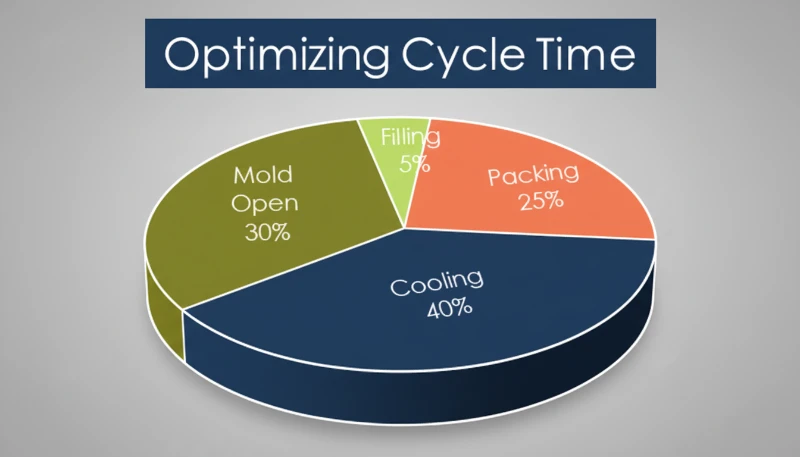
Czas wypełniania obejmuje wyłącznie fazę napełniania gniazda i zwykle wynosi od 1 do 3 sekund, zależnie od wielkości części, wybranego materiału i złożoności formy. Czas cyklu obejmuje pełną sekwencję wypełniania, docisku, chłodzenia, otwierania formy, wypychania i zamykania formy — zazwyczaj łącznie od 10 do 60 sekund dla pełnego cyklu produkcyjnego. Czas wypełniania stanowi zwykle zaledwie 5–15% całego cyklu. Samo jego skrócenie może nie zmniejszyć znacząco całkowitego czasu cyklu, jeśli głównym wąskim gardłem procesu jest chłodzenie.
Wnioski
Czas napełniania zależy jednocześnie od materiałoznawstwa, konstrukcji formy i możliwości maszyny. Najprostsze obliczenie — tf równa się V podzielonemu przez Q — stanowi użyteczny punkt wyjścia. Uwzględnienie modelowania reologicznego lub pełnej symulacji stopniowo zwiększa dokładność. Ostateczną weryfikacją pozostają jednak rzeczywiste wtryski próbne.
Optymalizacja czasu napełniania nie polega na dążeniu do najkrótszego możliwego wyniku. Chodzi o znalezienie prędkości, która zapewnia stabilne wymiarowo i estetyczne detale przy najniższym koszcie całkowitym, z uwzględnieniem czasu cyklu, poziomu braków oraz trwałości oprzyrządowania. Właśnie do takiej równowagi dąży nasz zespół inżynierski ZetarMold w każdym projekcie.
Potrzebujesz pomocy w optymalizacji formowania wtryskowego? Zespół inżynierów ZetarMold oferuje analizę DFM, symulację przepływu w formie i optymalizację procesu. Ponad 20 lat doświadczenia, 400+ materiałów i 47 maszyn (90T–1850T) pozwalają nam właściwie ustawić czas wypełniania i wszystkie pozostałe parametry. Poproś dziś o bezpłatną wycenę.
Rozrzedzanie ścinaniem: Zjawisko zmniejszania lepkości płynu wraz ze wzrostem szybkości ścinania. Większość stopionych termoplastów wykazuje je podczas formowania wtryskowego. ↩
Równanie Hagena-Poiseuille’a: Opisuje laminarny przepływ płynu newtonowskiego przez długą cylindryczną rurę, wiążąc natężenie przepływu ze spadkiem ciśnienia, promieniem rury i lepkością. ↩
Model potęgowy: Model potęgowy, czyli Ostwalda-de Waele’a, wiąże naprężenie ścinające z szybkością ścinania równaniem τ = k × γ̇ⁿ, gdzie k jest współczynnikiem konsystencji, a n wskaźnikiem płynięcia. ↩