Czym jest projektowanie podcięć w formowaniu wtryskowym?
Podcięty projekt wformowanie wtryskoweodnosi się do dowolnej cechy części z tworzywa sztucznego, która powoduje mechaniczną kolizję z prostym kierunkiem otwierania formy, uniemożliwiając wyrzucenie części bez specjalnych mechanizmów narzędziowych. Mówiąc najprościej, podcięcie to dowolny występ, wgłębienie, otwór, gwint, hak lub rowek, który nie jest równoległy do kierunku ciągnięcia formy i dlatego „blokuje” część wewnątrz wnęki lub rdzenia, gdy forma próbuje się otworzyć.
| Rodzaj podcięcia | Mechanizm | Typowa dopłata kosztowa |
|---|---|---|
| Zewnętrzne podcięcie | Suwak / kołek krzywkowy | +15–25% |
| Podcięcie wewnętrzne | Rdzeń składany / wybocznik | +20–35% |
| Przeprojektowane | Rewizja DFM | 0% dopłaty |
To rozwiązanie mechaniczne wymaga precyzyjnego inżynierii, aby zapewnić czyste odciągnięcie suwaka lub rdzenia bez uszkodzenia geometrii detalu. W ZetarMold weryfikujemy skok suwaka i kąty blokady poprzez symulację przepływu przed obróbką stali, redukując ryzyko przeróbek o ponad 60%.
To rozwiązanie mechaniczne wymaga precyzyjnego inżynierii, aby zapewnić czyste odciągnięcie suwaka lub rdzenia bez uszkodzenia geometrii detalu. W ZetarMold weryfikujemy skok suwaka i kąty blokady poprzez symulację przepływu przed obróbką stali, redukując ryzyko przeróbek o ponad 60%.
To rozwiązanie mechaniczne wymaga precyzyjnego inżynierii, aby zapewnić czyste odciągnięcie suwaka lub rdzenia bez uszkodzenia geometrii detalu. W ZetarMold weryfikujemy skok suwaka i kąty blokady poprzez symulację przepływu przed obróbką stali, redukując ryzyko przeróbek o ponad 60%.
Każda forma wtryskowa działa w dwóch podstawowych kierunkach: otwieranie formy (strona A i strona B rozdzielające się wzdłuż linii podziału) i wypychanie detalu (detal wypychany przez wypychacze). Każdy element blokujący którykolwiek z tych ruchów jest podcięciem. Typowe przykłady obejmują:
- Podcięcia zewnętrzne: Otwory boczne, wgłębienia, karabińczyki lub wystające żebra prostopadłe do kierunku rysowania
- Podcięcia wewnętrzne: Gwinty, wewnętrzne rowki, ślepe otwory pod kątem lub zatrzaski skierowane do wewnątrz
- Podcięcia linii podziału: Elementy, które obejmują obie połówki formy, ale nie przebiegają gładko wzdłuż naturalnej powierzchni podziału
W naszej fabryce co miesiąc otrzymujemy dziesiątki nowych projektów części, a problemy z podcięciami należą do najczęściej zgłaszanych podczas oceny wykonalności produkcji (DFM1). Dobrze zaprojektowane podcięcie może zwiększyć funkcjonalność — zaciski blokujące, zawiasy ruchome, rowki na pierścienie uszczelniające typu O-ring — ale przeoczone podcięcie może wstrzymać produkcję na tygodnie w związku z przeprojektowaniem formy.
„Eliminacja podcięcia podczas przeglądu DFM jest zawsze tańsza niż dodanie suwaka do formy.”True
Proste przeprojektowanie – takie jak zmiana otworu bocznego na przelotowy lub dodanie zawiasu elastycznego zamiast zewnętrznego zaczepu – nie generuje kosztów narzędziowych, ale może zaoszczędzić $3,000–$15,000 w porównaniu z dodaniem mechanizmu bocznoruchowego.
„Wszystkie podcięcia wymagają drogich suwaków bocznoruchowych do uwolnienia.”False
Wiele podcięć – szczególnie wewnętrznych – można obsłużyć za pomocą wyboczników, rdzeni składanych, a nawet prostego przeprojektowania części za ułamek kosztu suwaków. Właściwe rozwiązanie zależy od głębokości podcięcia, kierunku i geometrii części.
Jakie rodzaje podcięć występują w formowaniu wtryskowym?
Zrozumienie, z jaką kategorią podcięcia masz do czynienia, jest pierwszym krokiem do wyboru odpowiedniego rozwiązania. Z naszego przeglądu doświadczeńprojekt formy wtryskowejs, podcięcia dzielą się na trzy szerokie rodziny, z których każda wymaga innej reakcji inżynierskiej.
| Rodzaj podcięcia | Opis | Typowe przykłady | Typowe rozwiązanie |
|---|---|---|---|
| Zewnętrzne podcięcie | Element na zewnątrz części prostopadły do kierunku wyciągania | Otwory boczne, rowki zewnętrzne, zaczepy zatrzaskowe | Suwak bocznoruchowy, przeprojektowanie |
| Podcięcie wewnętrzne | Element po wewnętrznej stronie części skierowany do wewnątrz | Gwinty wewnętrzne, zaczepy zatrzaskowe skierowane do wewnątrz, ślepe rowki | Wypychacz podnoszący, rdzeń składany |
| Podcięcie linii podziału | Element rozciągający się nierównomiernie na obu połowach formy A/B | Złożone logotypy, nieregularne rozmieszczenie wypustek | Przeprojektowanie linii podziału, schodkowa powierzchnia podziałowa |
| Podcięcie miękkie | Płytkie podcięcie w materiale elastycznym, które można ściągnąć | Zaczepy PP/PE ≤2% stosunek głębokości/średnicy | Wymuszone wypychanie (ściąganie) |
Czwarta kategoria – „zerowy kąt odciągu” bez podcięcia – jest często mylona z prawdziwym podcięciem. Jeśli ściana jest idealnie pionowa (0° odciągu), nie jest to podcięcie, ale spowoduje opory przy wypraszaniu i ślady kosmetyczne. Zawsze zalecamy minimalny kąt odciągu 1° na wszystkich ścianach pionowych oraz 2–3° na powierzchniach teksturowanych.
W jaki sposób suwaki i podnośniki obsługują podcięcia?
Suwaki boczne i podnośniki to dwa najczęstsze mechaniczne rozwiązania dla podcięć w produkcyjnych formach wtryskowych. Zrozumienie działania każdego z nich pomaga inżynierom wybrać najbardziej opłacalne podejście dla danej geometrii.
To rozwiązanie mechaniczne wymaga precyzyjnego inżynierii, aby zapewnić czyste odsunięcie suwaka lub rdzenia bez uszkodzenia geometrii detalu. W naszej fabryce weryfikujemy skoki suwaków i kąty blokady poprzez symulację przepływu w formie, zanim zostanie wykonane cięcie stali, redukując ryzyko przeróbek o ponad 60%.
To rozwiązanie mechaniczne wymaga precyzyjnego inżynierium, aby zapewnić, że suwak lub rdzeń odsunie się czysto, bez uszkodzenia geometrii detalu. W naszej fabryce weryfikujemy odległości ruchu suwaka i kąty blokowania poprzez symulację przepływu w formie, zanim zostanie wykonana jakakolwiek obróbka stali, redukując ryzyko przeróbek o ponad 60%. zapewniając, że każdy komponent formowany spełnia zatwierdzoną specyfikację. Nasz zespół inżynieryjny potwierdza, że każda cecha geometryczna i powierzchnia funkcjonalna spełnia specyfikacje klienta przed ostateczną dostawą, zapewniając zero defektów w gotowym komponencie formowanym wtryskowo.
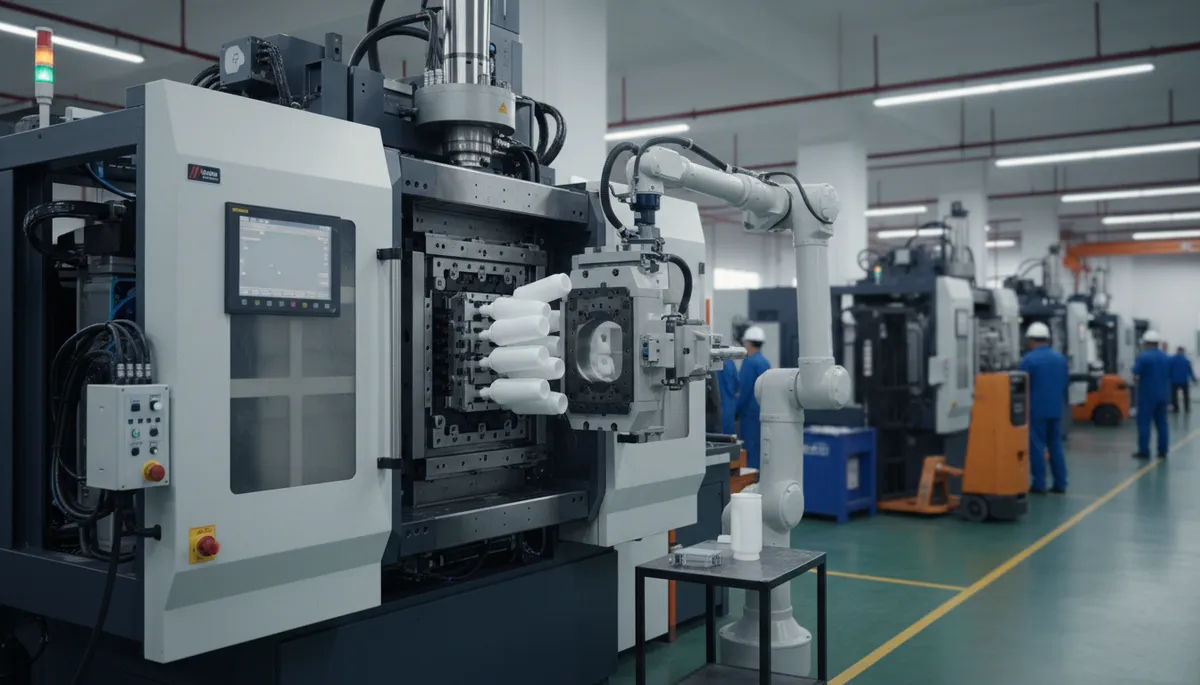
Suwaki boczne (zwane także rdzeniami bocznymi lub sworzniami krzywkowymi) to elementy formy, które poruszają się prostopadle do głównego kierunku ciągnięcia, napędzane przez ustawione pod kątem sworznie krzywkowe lub siłowniki hydrauliczne.Gdy forma się otwiera, suwak cofa się na boki, usuwając zewnętrzne podcięcie przed wysunięciem części. Kluczowe dane techniczne:
- Kąt sworznia krzywkowego: Zazwyczaj 15–25°; kąty powyżej 30° niosą ryzyko sił bocznych uszkadzających formę
- Ruch suwaka: Musi przekraczać głębokość podcięcia o co najmniej 1–2 mm, aby zapewnić pełne oczyszczenie
- Materiał: Utwardzona stal narzędziowa (H13 lub P20) dla trwałości
- Dopłata kosztowa: $2 000–$8 000 za dodaną jednostkę suwaka do podstawowego kosztu formy
| Cecha | Wersja standardowa | Najlepsze praktyki |
|---|---|---|
| Kąt zanurzenia | 0.5°–1° | 1°–3° na stronę |
| Grubość ścianki | 1–4 mm | Jednolite ±0,1 mm |
| Głębokość podcięcia | ≤3 mm | Projektowanie w celu wyeliminowania |
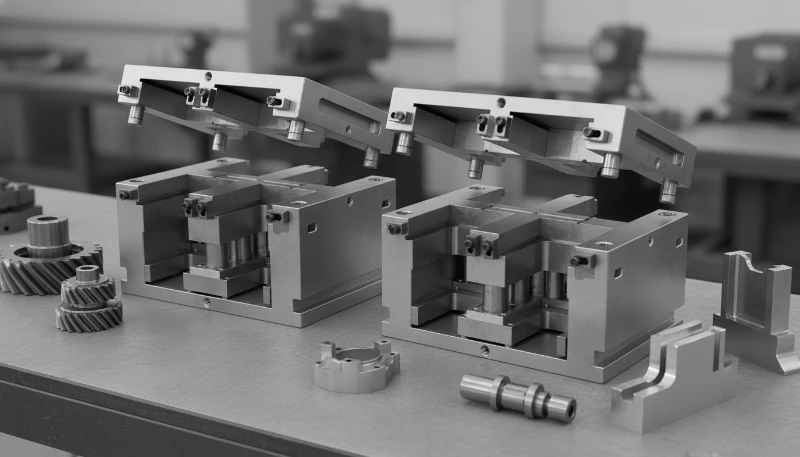
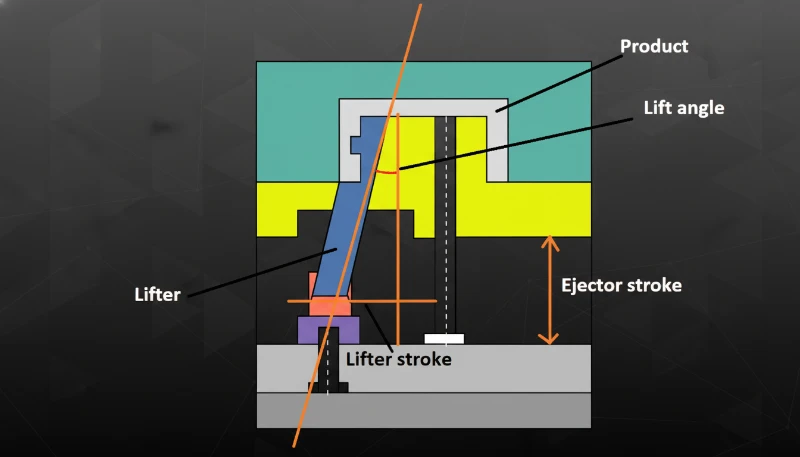
złodziej(zwany także wewnętrznymslajdy2lub wypychacze kątowe) służą do wykonywania podcięć wewnętrznych. W przeciwieństwie do slajdów, które poruszają się przed wyrzutem, podnośniki poruszają się pod kątem podczas samego skoku wyrzutu - zwykle pod kątem 5–15 ° od osi wyrzutu. Popychając część do góry, jednocześnie przesuwają się do wewnątrz, odłączając się od wewnętrznych żeber, pasowań zatrzaskowych lub rowków. Często używamy podnośników do wewnętrznych zatrzasków w obudowach elektroniki użytkowej, gdzie dodanie zewnętrznego suwaka niepotrzebnie zwiększyłoby rozmiar formy.
Rdzenie składane to specjalistyczne mechanizmy dla okrągłych wewnętrznych podcięć, takich jak gwinty butelek lub uszczelnienia nakrętek. Zapadają się do wewnątrz po wtrysku, uwalniając spiralną cechę podcięcia. To najdroższa opcja – $10 000–$30 000 za pojedynczy rdzeń – i jest zazwyczaj zarezerwowana dla aplikacji wielkoseryjnych, gdzie koszt na detal uzasadnia inwestycję.
W jaki sposób projekt podcięcia wpływa na koszt i złożoność formy?
Wpływ na koszty jest najbardziej bezpośrednim powodem, dla którego inżynierowie powinni zwracać uwagę na podcięcia podczas projektowania. W naszym procesie wyceny obecność lub brak podcięć jest jedną z największych zmiennych wpływających na cenę narzędzi – czasem bardziej znaczącą niż rozmiar części lub wybór materiału.
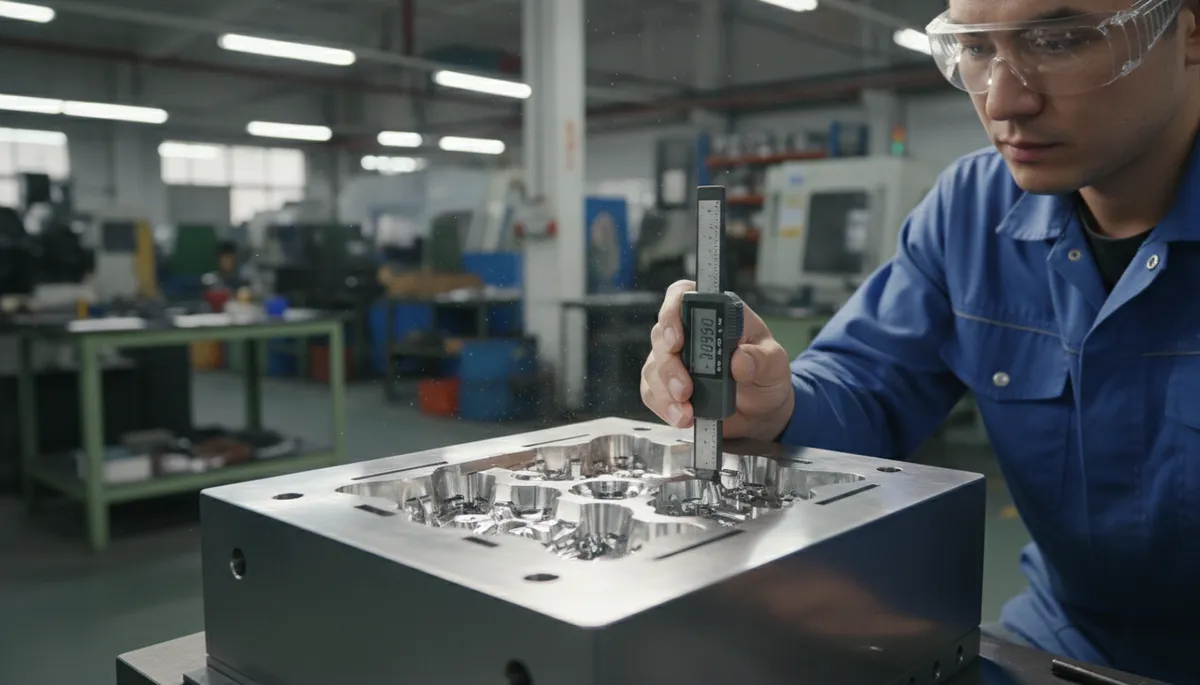
| Typ formy | Koszt bazowy | Koszt z 1 suwakiem | Koszt z 4 suwakami |
|---|---|---|---|
| Prosta forma jednogniazdowa | $8,000–$15,000 | $12,000–$20,000 | $20,000–$35,000 |
| Średnia forma rodzinna | $20,000–$40,000 | $25,000–$50,000 | $38,000–$70,000 |
| Forma produkcyjna z wieloma gniazdami | $50,000–$100,000 | $60,000–$120,000 | $80,000–$160,000 |
Poza początkowym kosztem narzędzia, mechanizmy podcięcia dodają bieżących kosztów konserwacji. Suwaki i podnośniki są elementami zużywalnymi – sworznie krzywkowe i płyty zużyciowe wymagają inspekcji co 100 000–500 000 cykli w zależności od ścieralności materiału. W naszej fabryce budżetujemy około $200–$500 na suwak rocznie tylko na materiały konserwacyjne. Pomnóż to przez formę z sześcioma lub ośmioma suwakami, a prawdziwy koszt uniknięcia podcięć staje się jasny w pięcioletnim okresie życia formy.
Czas cyklu to kolejny ukryty koszt. Każdy dodatkowy mechanizm suwakowy może dodać 0,5–2 sekundy doczas cyklu formowania3ze względu na mechaniczne opóźnienie wymagane do całkowitego wycofania slajdów przed wyrzuceniem. Przy 10 sekundach na cykl w formie o dużej wnęce, 1-sekundowy wzrost przekłada się na 10% zmniejszenie wydajności.
| Element podcięcia | Zalecane rozwiązanie | Wpływ na koszty |
|---|---|---|
| Podcięcie zewnętrznej strony | Suwak / działanie krzywki | +15–25% |
| Podcięcie wewnętrzne | Rdzeń składany / wybocznik | +20–35% |
| Podcięcie otworu przelotowego | Przeprojektowanie / bramka boczna | Profesjonalna wtryskarka w zakładzie produkcyjnym |
Jakie są typowe błędy w projektowaniu podcięć?
Po przeanalizowaniu tysięcy projektów części pod kątem możliwości produkcji, widzimy, że te same błędy podcięć powtarzają się. Wykrycie ich wcześnie – przed wykonaniem formy – jest najbardziej opłacalnym podejściem.
Zrozumienie interakcji między geometrią podcięcia a mechanicznymi komponentami formy pozwala naszemu zespołowi inżynieryjnemu optymalizować zarówno projekt części, jak i koszt narzędzi jednocześnie, często osiągając redukcję całkowitej złożoności formy o 15–25% dla złożonych zespołów. To podejście zapewnia dokładność wymiarową w granicach ±0,05 mm na całym skoku wypraski. Nasz zespół inżynieryjny weryfikuje geometrię każdego suwaka na podstawie danych o skurczu części przed zatwierdzeniem narzędzi. Standardowy protokół weryfikacji naszej fabryki obejmuje próbne wtryski przy trzech różnych ciśnieniach docisku. Odpowiednie odpowietrzenie w sąsiedztwie strefy podcięcia dodatkowo zmniejsza ryzyko wypływu podczas produkcji.
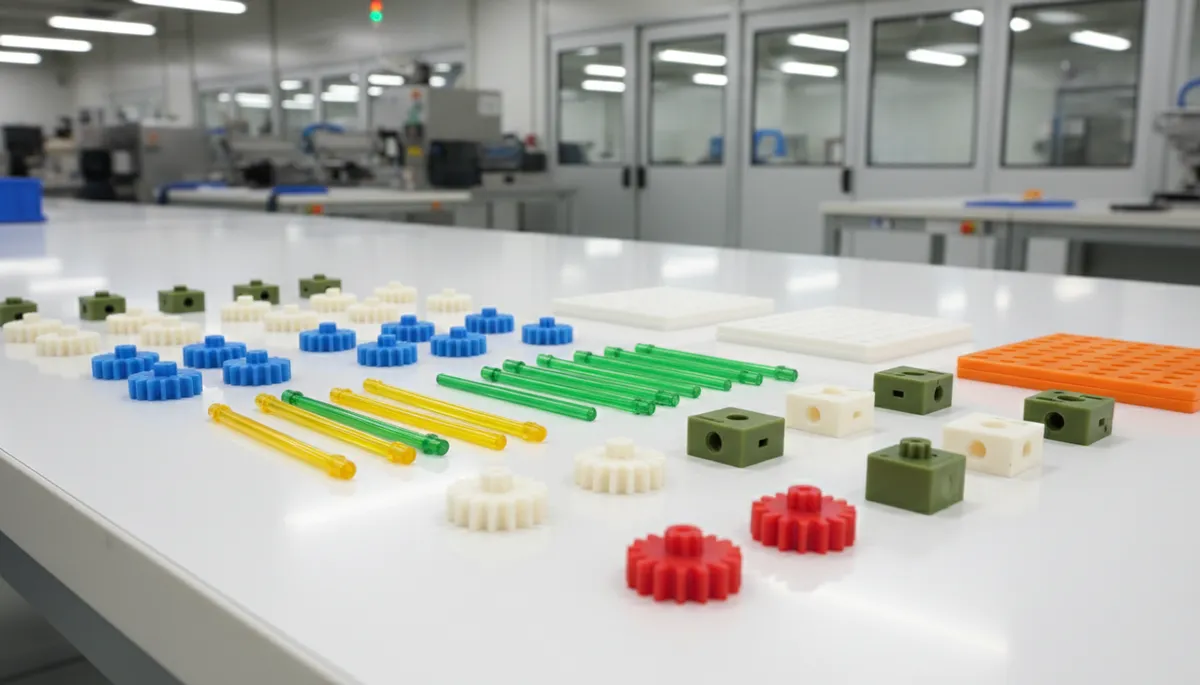
Błąd 1: Boczne otwory bez uwzględnienia kierunku wyciągania. Otwór o średnicy 5 mm na ścianie bocznej obudowy wydaje się prosty, ale jeśli jest prostopadły do kierunku wyciągania formy, wymaga bocznego suwaka. Naprawa jest często trywialna – obróć element o 90°, aby był zgodny z kierunkiem wyciągania, lub przekształć go w ślepe wgłębienie, jeśli pozwala na to funkcja.
Błąd 2: Zatrzaski zaprojektowane zbyt głęboko. Często widzimy zatrzaski o głębokości zazębienia 3–5 mm na sztywnych materiałach (ABS, PC, nylon wypełniony szkłem). Nie można ich wyciągnąć z formy i wymagają suwaków. Zmniejszenie głębokości do 0,5–1 mm i użycie bardziej miękkich materiałów (PP, TPE) często pozwala na wymuszone wyprasowanie bez mechanizmów narzędziowych.
Błąd 3: Ignorowanie położenia linii neutralnej. Kiedy projektant umieszczalinia podziału4w złym miejscu elementy, które powinny być proste, stają się podcięciami. Przesunięcie linii podziału o kilka milimetrów — lub użycie schodkowej powierzchni podziału — może rozwiązać pozornie złożony problem podcięcia bez użycia dodatkowego narzędzia.
Błąd 4: Zerowy kąt odciągu na teksturowanych powierzchniach. Teksturowane ściany boczne z kątem 0° nie są technicznie podcięciami, ale zachowują się jak one – tekstura blokuje się w formie podczas wypraski, powodując kosmetyczne ślady ciągnięcia i uszkodzenia formy. Teksturowane powierzchnie wymagają minimalnego kąta odciągu 3° (często 5° dla głębokich tekstur, takich jak skóra), i musi to być uwzględnione w oryginalnej geometrii przed DFM, a nie dodane jako późniejsza myśl.
„Przegląd DFM przed projektowaniem formy może wykryć 90%+ unikanych błędów podcięć.”True
W naszej fabryce systematyczny przegląd DFM z wykorzystaniem symulacji napełniania formy i analizy kierunku wyciągania wychwytuje zdecydowaną większość możliwych do uniknięcia podcięć, zanim zostanie przecięta jakakolwiek stal. Poprawa geometrii na etapie CAD kosztuje godziny pracy inżynierskiej; poprawa po wykonaniu narzędzi może kosztować $5 000–$50 000 i tygodnie opóźnienia.
„Dodanie większej liczby suwaków do formy rozwiązuje problemy z podcięciami bez znaczących kompromisów.”False
Każdy suwak zwiększa koszt narzędzi o 15–40%, czas cyklu o 0,5–2 sekundy oraz koszt utrzymania o 200–500 USD/rok. Formy z wieloma suwakami mają również dłuższe terminy realizacji i większe ryzyko awarii mechanicznych. Eliminacja podcięcia jest zawsze lepsza niż dodawanie suwaka.
Jak można zminimalizować lub wyeliminować podcięcia w projekcie?
Najlepsze podcięcie to takie, które nie istnieje. Przed zdecydowaniem się na mechanizm suwaka lub podnośnika doświadczeni inżynierowie DFM badają wszystkie opcje przeprojektowania. Oto systematyczny proces, którego używamy w naszej fabryce, aby minimalizować podcięcia:
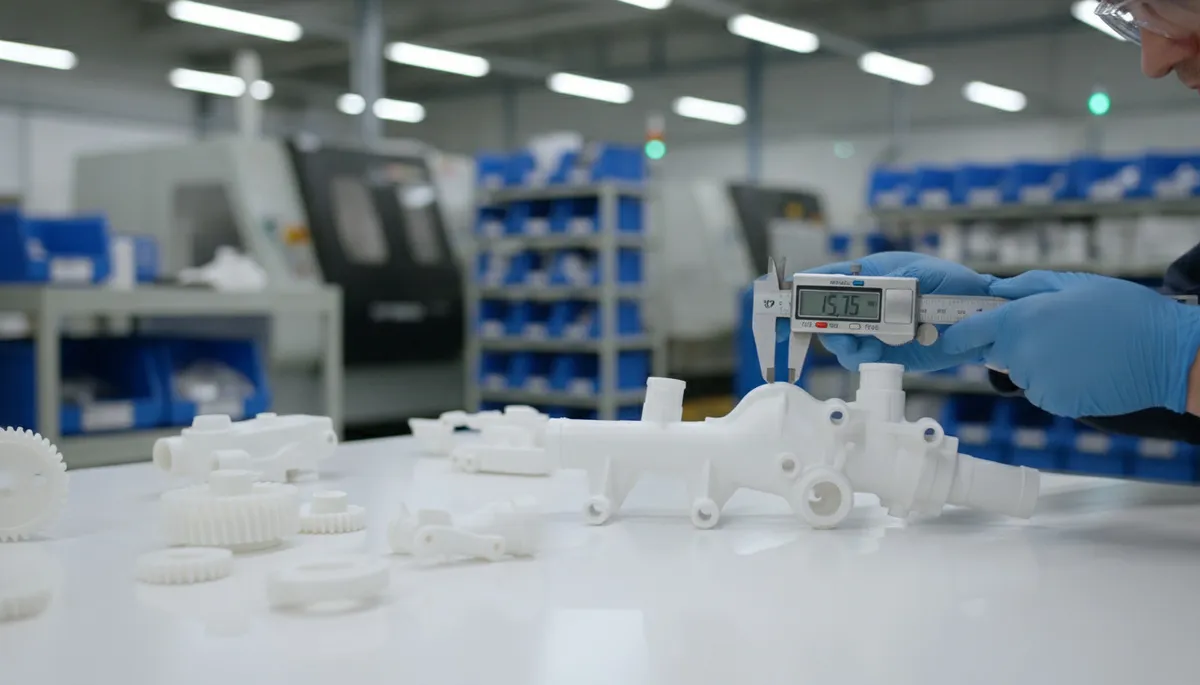
Krok 1: Najpierw zdefiniuj kierunek rozdzielenia. Przed modelowaniem jakichkolwiek elementów ustal kierunek wyciągania formy na podstawie największej płaskiej powierzchni części i najgłębszych elementów. Wszystkie decyzje projektowe wynikają z tego kierunku. Elementy równoległe do kierunku wyciągania nigdy nie powodują podcięć.
Krok 2: Sprawdź każdą cechę względem kierunku wyciągania.
| Czynnik projektowy | Wytyczna | Cel |
|---|---|---|
| Kąt zanurzenia | 1–3° | Czyste wyprasowanie |
| Grubość ścianki | 1.5–3.5 mm | Jednolite chłodzenie |
Użyj narzędzia do analizy odciągu w oprogramowaniu CAD, aby podświetlić powierzchnie z ujemnym lub zerowym odciągiem względem kierunku wyciągania.
| Współczynnik procesu | Wytyczna | Cel |
|---|---|---|
| Rozmiar przewężki | 0.5–3 mm | Czyste wyprasowanie |
| Długość kanału wlewowego | 50–200 mm | Jednolite chłodzenie |
Nowoczesne narzędzia, takie jak SolidWorks, NX i CATIA, posiadają jednoklikową analizę wersji roboczej, która koloruje powierzchnie na czerwono (podcięcie), żółto (zerowy kąt odciągu) i zielono (dodatni kąt odciągu).
Krok 3: Zastosuj strategie przeprojektowania:
- Obróć elementy: Zmień orientację otworów lub szczelin, aby dopasować je do kierunku ciągnięcia (otwory przelotowe zamiast bocznych)
- Dodaj wycięcia reliefowe: Otwórz tylną część zatrzasku, aby rdzeń formy mógł zostać wyciągnięty
- Użyj otworów przelotowych: Zastąp ślepe kieszenie boczne elementami przelotowymi, które można utworzyć za pomocą kołków ustawionych zgodnie z kierunkiem ciągnięcia
- Przesuń linię podziału: Przesunięcie linii podziału do krawędzi elementu może przekształcić podcięcie w prosty szczegół powierzchni podziału
- Wymuszone wyrzucenie: W przypadku miękkich materiałów (PP, PE, TPE) z małymi, płytkimi podcięciami (wcisk ≤2%) należy pozwolić części na zgięcie podczas usuwania izolacji – eliminuje to wszelkie koszty narzędzi
Krok 4: Jeśli podcięcie jest nieuniknione, zoptymalizuj mechanizm.Jeśli nie można przeprojektować zatrzasku, gwintu lub rowka funkcjonalnego, wybierz najprostszy mechanizm: podnośnik > suwak > składany rdzeń, według kosztu i złożoności.
Jeśli to możliwe, umieszczaj podcięcia tak, aby wszystkie znajdowały się po tej samej stronie części, minimalizując liczbę wymaganych suwaków.
Jakie są najlepsze zastosowania dla zaprojektowanych elementów podcięcia?
Choć w tym artykule dużo mówimy o eliminowaniu podcięć, istnieje wiele zastosowań, w których zaprojektowane cechy podcięć dodają prawdziwą wartość i są warte inwestycji w narzędzia.
Wiedza o tym, kiedy podcięcie warto zachować, oddziela dobrą produkcję przyjazną dla wytwarzania (DFM) od nadmiernego uproszczenia, które kompromisuje funkcję produktu.
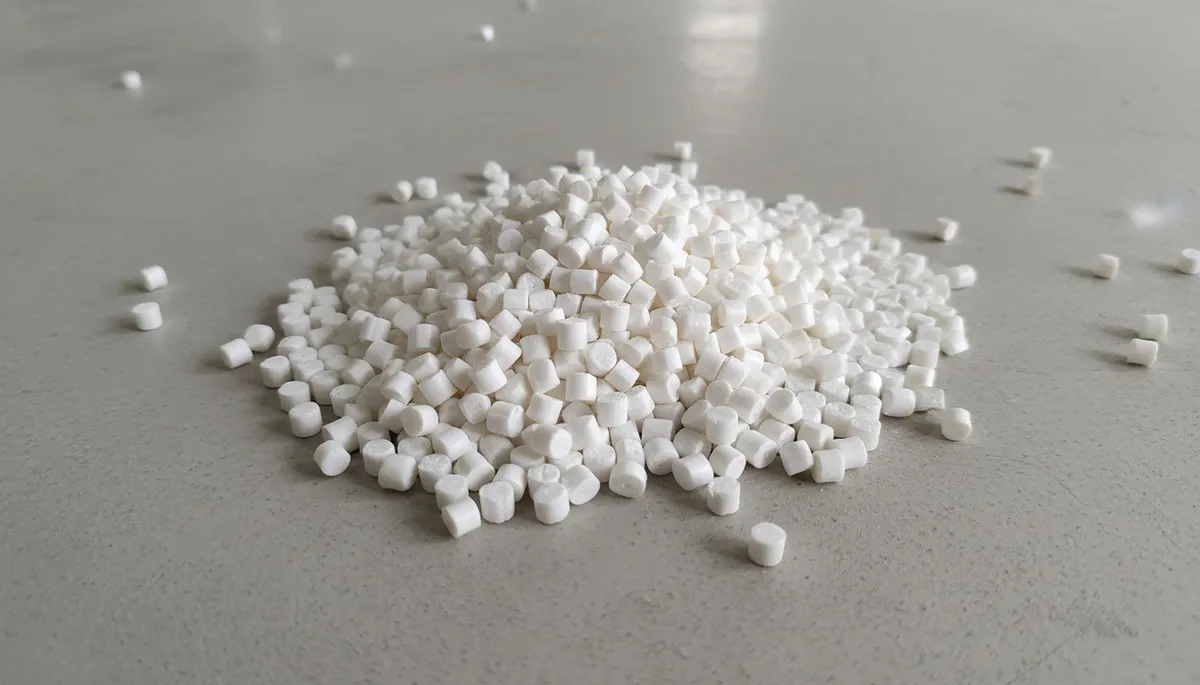
Zespoły zatrzaskowe: W elektronice użytkowej, urządzeniach medycznych i panelach samochodowych często stosuje się zaczepy zatrzaskowe, które do realizacji funkcji blokowania wymagają celowo zaprojektowanego podcięcia. Są to uzasadnione podcięcia — korzyści (montaż bez narzędzi, mniejsza liczba części) usprawiedliwiają zastosowanie odpowiedniego mechanizmu formy. Optymalizujemy geometrię zatrzasków tak, aby głębokość podcięcia ograniczyć do funkcjonalnego minimum: zwykle 0,5–2 mm głębokości zazębienia, przy kącie zatrzasku 30–45°, co zapewnia niezawodne blokowanie bez nadmiernej siły wypychania.
Zamknięcia gwintowane: Nakrętki do butelek, obudowy filtrów i złączki rurowe wymagają gwintów wewnętrznych lub zewnętrznych — jednych z najbardziej złożonych podcięć do formowania. W przypadku gwintów zewnętrznych standardem jest rdzeń składany lub mechanizm wykręcający. Przy drobnych gwintach na małych częściach zastosowanie gwintów zrywanych w PP lub PE może całkowicie wyeliminować ten mechanizm.
Rowki uszczelniające z podcięciem: Rowki pod O-ringi, kanały uszczelek i uszczelnienia labiryntowe w elementach medycznych oraz układach transportu płynów często stanowią uzasadnione podcięcia.
Te cechy zapewniają funkcję uszczelniającą, której nie można osiągnąć w żaden inny sposób.
Zazwyczaj używamy suwaka bocznego do formowania tych rowków, zapewniając dokładność wymiarową ±0,05mm dla niezawodnej wydajności uszczelnienia.
Zaczepy blokujące w zespołach samochodowych: Panele drzwi, elementy wykończenia konsoli środkowej i obramowania zestawów wskaźników wykorzystują zaprojektowane zaczepy blokujące, które wchodzą w strukturę nadwozia. Są to zewnętrzne podcięcia na boku zaczepu, obsługiwane przez suwaki i stanowiące integralną część kolejności montażu pojazdu. Koszt oprzyrządowania jest uzasadniony wyeliminowaniem elementów złącznych w milionach egzemplarzy. Położenie linii podziału ustala się ostatecznie dopiero po ocenie jej wpływu na spójność kątów pochylenia, ryzyko powstawania wypływek oraz widoczność linii podziału formy na zewnętrznej powierzchni gotowej części. Siły układu wypychania sprawdza się za pomocą analizy płynięcia tworzywa, aby potwierdzić, że obciążenia wypychaczy pozostają poniżej granicznych naprężeń części i nie powodują śladów na powierzchni podczas skoku wypychania.
Wniosek: Podcięcia w projekcie nie muszą przekreślać jego wykonalności. Odpowiednie rdzenie boczne, wypychacze skośne lub rdzenie składane pozwalają wytwarzać złożone geometrie na dużą skalę.
Jakie są często zadawane pytania dotyczące formowania wtryskowego z podcięciami?
Jaka jest maksymalna głębokość podcięcia, którą można usunąć z formy bez suwaka?
Dla materiałów elastycznych (PP, PE, TPE) ogólna zasada jest taka, że głębokość podcięcia nie powinna przekraczać 2–5% zewnętrznej średnicy lub szerokości detalu w miejscu podcięcia. Dla zakrętki o średnicy 50mm oznacza to maksymalnie 1–2,5mm głębokości podcięcia do ściągania. Materiały sztywne (ABS, PC, nylon) zazwyczaj nie mogą być ściągane bez uszkodzenia detalu lub formy, więc prawie zawsze wymagają mechanicznego rozwiązania.
Ile kosztuje dodanie suwaka bocznego do formy?
Z naszego doświadczenia wynika, że standardowy mechanizm wysuwu bocznego dodaje {$2,000}–{$8,000} do kosztu formy na każdy wysuw, w zależności od rozmiaru, złożoności oraz tego, czy zastosowano napęd hydrauliczny czy za pomocą sworznia krzywkowego. Wysuw hydrauliczny dla dużego panelu samochodowego może kosztować {$10,000}–{$20,000} za sztukę. Te kwoty dotyczą tylko mechanizmu — dodaj 10–15{%} na wymagane modyfikacje strukturalne podstawy formy.
Czy drukowanie 3D może być wykorzystane do prototypowania części z podcięciami przed przystąpieniem do tworzenia narzędzi?
Tak—drukowanie 3D jest doskonałe do weryfikacji funkcji podcięcia przed cięciem stali.
| Czynnik projektowy | Rozważenie | Wpływ |
|---|---|---|
| Kąt zanurzenia | 1–3° na stronę | Czyste wyprasowanie |
| Grubość ścianki | 1.5–3.5 mm | Jednolite chłodzenie |
| Położenie przewężki | Z dala od widocznych powierzchni | Minimalizuje ślad |
Rutynowo drukujemy 3D części w technologii SLA lub MJF, aby zweryfikować zazębienie zatrzasków, funkcję gwintów oraz luz montażowy. Należy jednak pamiętać, że wydrukowane 3D części mają inne właściwości materiałowe niż części wtryskiwane, więc siła zatrzasku i elastyczność mogą się znacząco różnić. Zawsze prototypuj w rzeczywistym materiale produkcyjnym (nawet jeśli wtryskiwanym w małych ilościach) przed finalizacją geometrii zatrzasku.
Jaki jest minimalny kąt odciągu wymagany podczas projektowania dla wtryskiwania tworzyw sztucznych?
Minimalny kąt odciągu zależy od wykończenia powierzchni: 0,5–1° dla powierzchni polerowanych (SPI A1–A2), 1–2° dla standardowych powierzchni obrobionych mechanicznie, 2–3° dla lekkich tekstur (VDI 12–18) oraz 3–5° dla tekstur średnich i grubych (VDI 27–45). Ściany bez odciągu są technicznie możliwe do formowania, ale spowodują ślady ciągnięcia podczas wyprężania i znacząco zwiększą zużycie formy.
Określamy 1° jako nasze absolutne minimum dla każdej części produkcyjnej, niezależnie od wykończenia powierzchni.
Jak liftery różnią się od slideów w kontekście mechanizmu formy?
Wysuwy poruszają się prostopadle do kierunku otwierania formy i uruchamiają się podczas otwierania formy — cofają się przed rozpoczęciem wyprężania. Podnośniki poruszają się pod kątem do kierunku otwierania (zwykle 5–15°) i uruchamiają się podczas samego skoku wyprężania. Podnośniki są napędzane przez płytę wyprężającą, więc nie wymagają oddzielnego mechanizmu napędowego.
To sprawia, że są one znacznie tańsze niż suwaki ($500–$2,000 za podnośnik vs. $2,000–$8,000 za suwak) i bardziej kompaktowe.
Kompromis polega na tym, że podnośniki są ograniczone do wewnętrznych podcięć i mniejszych głębokości podcięć niż te, które mogą obsłużyć suwaki.
Czy można wtryskiwać części z podcięciami na wszystkich czterech stronach?
Tak, ale wymaga to czterech oddzielnych mechanizmów wysuwu (lub kombinacji wysuwów i podnośników), co znacząco zwiększa koszt i złożoność formy. Budowaliśmy formy z wysuwami ze wszystkich czterech stron dla wsporników i zespołów obudów samochodowych. Kluczowym wyzwaniem inżynieryjnym jest zapewnienie pełnego cofnięcia wszystkich czterech wysuwów przed wyprężeniem — każdy dodaje opóźnienie mechaniczne do cyklu. W takich przypadkach preferowane są wysuwy hydrauliczne ze względu na precyzyjną kontrolę i powtarzalność. Dla bardzo złożonych geometrii podcięć wielokierunkowych, dwukrotne wtryskiwanie lub wtryskiwanie z wkładką mogą stanowić bardziej opłacalną alternatywę.
Co to jest podsumowanie formowania wtryskowego z podcięciami?

Projektowanie podcięć w formowaniu wtryskowym to jedna z najbardziej znaczących decyzji, jakie podejmuje inżynier produktu.
Każdy podcięcie, które pozostaje w projekcie na etapie cięcia formy, zwiększa koszt narzędzi, czas cyklu i obciążenie związane z konserwacją.
W naszej fabryce traktujemy przegląd podcięć w ramach DFM jako obowiązkowy krok dla każdego nowego projektu – a nie jako usługę opcjonalną.
Widzieliśmy, jak {$500} czasu inżynierskiego zaoszczędziło klientom {$25,000} na modyfikacjach narzędzi.
Drzewo decyzyjne jest proste: najpierw spróbuj wyeliminować podcięcie poprzez przeprojektowanie geometrii; jeśli to niemożliwe, wybierz najprostszy mechanizm (wymuszone wyrzucanie → podnośnik → suwak → rdzeń składany); a jeśli podcięcie jest zamierzone i funkcjonalne, zaprojektuj je z minimalną wymaganą głębokością i kątem luzu.
Stosując te zasady konsekwentnie, Twoje projekty form wtryskowych będą bardziej nadające się do produkcji, tańsze i bardziej niezawodne w produkcji.
W naszej fabryce oferujemy pełną analizę DFM z wykrywaniem podcięć jako część naszego standardowego procesu wyceny.
Niezależnie od tego, czy projektujesz swój pierwszy detal formowany wtryskowo, czy optymalizujesz istniejące narzędzie, nasz zespół inżynierski może zidentyfikować każde podcięcie w Twoim modelu CAD i zalecić najbardziej opłacalne rozwiązanie, zanim zostanie wydany choćby jeden dolar na narzędzia.
-
Projektowanie pod kątem wytwarzalności (DFM) to systematyczny proces inżynierski polegający na analizie projektu produktu w celu zapewnienia, że można go wytwarzać wydajnie, ekonomicznie i zgodnie ze specyfikacją — poprzez wykrycie takich problemów jak podcięcia, niewystarczające kąty pochylenia lub niewłaściwa grubość ścianek jeszcze przed rozpoczęciem wykonywania oprzyrządowania. ↩
-
Skok wypychania to odległość i ruch płyty wypychaczy podczas uwalniania części — zwykle 20–80 mm, zależnie od głębokości części — w trakcie którego wypychacze skośne przemieszczają się pod kątem, odłączając się od podcięć wewnętrznych i jednocześnie wypychając część z formy. ↩
-
Czas cyklu we wtryskiwaniu to całkowity czas od jednego wtrysku do następnego, obejmujący fazy wtrysku, docisku, chłodzenia, otwierania formy, wypychania i zamykania; mechanizmy suwakowe wydłużają fazy otwierania i wypychania o czas jałowy. ↩
-
Linia podziału to granica na formowanej części, w której stykają się dwie połowy formy (gniazdo po stronie A i rdzeń po stronie B); jej położenie określa, które powierzchnie są kształtowane przez każdą połowę formy, i bezpośrednio decyduje o miejscu występowania podcięć. ↩