- Inspekcja pierwszego wyrobu (FAI) weryfikuje, czy pierwsze części z nowej formy wtryskowej spełniają wszystkie wymagania wymiarowe, materiałowe i funkcjonalne przed rozpoczęciem produkcji masowej.
- Kompletna kontrola FAI obejmuje 100% cech na pierwszych 3–5 części, włączając grubość ścianki, wymiary wlotu, krytyczne tolerancje (zwykle ±0.05–0.1 mm dla części precyzyjnych) oraz certyfikację materiału.
- FAI jest obowiązkowe w branżach lotniczych (AS9102), automotive (PPAP) oraz medycznych (ISO 13485) i jest mocno zalecane dla każdej produkcji przekraczającej 5,000 części.
- Ominięcie FAI ryzykuje odkrycie defektów po wyprodukowaniu 10,000+ części, przekształcając kontrolę $500 w problem odpadów $50,000+.
- W ZetarMold, wyniki FAI są dokumentowane w strukturalnym raporcie i zatwierdzane przez klienta przed przekazaniem formy do produkcji.
Czym jest inspekcja pierwszego wyrobu w formowaniu wtryskowym?
1 (FAI) to uporządkowany i udokumentowany proces weryfikacji potwierdzający, że pierwsze części wyprodukowane w nowej lub istotnie zmodyfikowanej formie wtryskowej spełniają wszystkie wymagania dotyczące wymiarów, tolerancji, materiału i funkcji określone na rysunku technicznym. FAI nie jest ogólną kontrolą jakości; to systematyczny pomiar cecha po cesze, obejmujący 100% właściwości z rysunku na minimalnej próbce 3–5 części z pierwszej serii. W ZetarMold traktujemy FAI jako ostatnią bramkę między kwalifikacją formy a produkcją seryjną.
Proces wywodzi się z produkcji lotniczej zgodnej z 2, lecz obecnie jest standardem w branży motoryzacyjnej (4 poziom 3), urządzeń medycznych (ISO 13485) i elektroniki precyzyjnej. Od każdego producenta dostarczającego elementy z tworzyw sztucznych do regulowanych łańcuchów dostaw oczekuje się sporządzenia udokumentowanego raportu kontroli pierwszej sztuki (FAIR). Bez niego klienci nie mają obiektywnego dowodu, że forma rzeczywiście wytwarza produkt zgodny z rysunkiem.
Dlaczego FAI ma znaczenie dla części formowanych wtryskowo?
Formowanie wtryskowe wprowadza kilka źródeł zmienności wymiarowej, które pojawiają się tylko gdy stal faktycznie przetwarza plastik: rozkład ciśnienia w gnieździe, jednorodność chłodzenia, czas zamknięcia wlotu oraz skurcz materiału. Nominalne wartości skurczu publikowane w kartach materiałów są średnie, nie gwarantowane. Część zaprojektowana dla ABS z nominalnym skurczem 0.5% może faktycznie skurczyć się 0.45–0.65% w zależności od grubości ścianki, temperatury stopu i ciśnienia docisku. FAI wychwytuje te odchyły przed tym, gdy staną się problemem produkcyjnym.
W naszej fabryce widzieliśmy przypadki, gdzie forma przeszła próbę T1 (pierwsza próba) wizualną bez problemów, ale pomiar wymiarowy FAI wykazał, że krytyczne ramię zatrzaskowe było 0.15 mm poniżej wymiaru – w tolerancji stalowej formy, ale nie spełniało wymagań montażowych. Wykrycie tego podczas FAI kosztowało dwa dni korekty formy. Wykrycie po 50,000 części byłoby katastrofalne.
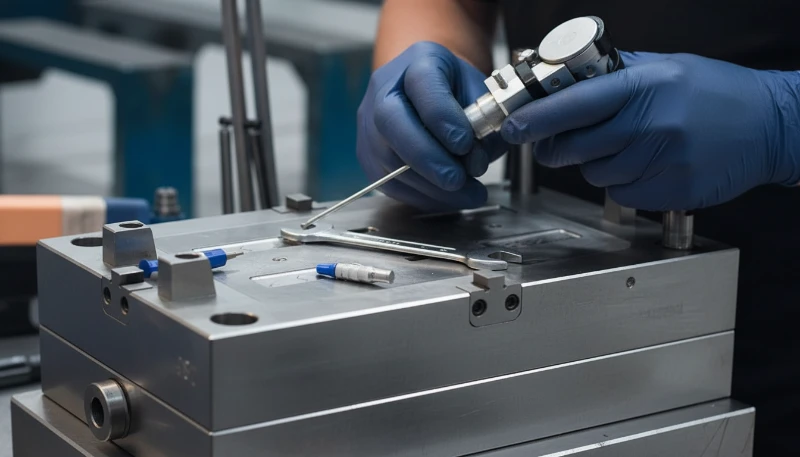
Co zawiera raport kontroli pierwszych wyrobów?
Kompletny raport kontroli pierwszych wyrobów (FAIR) dokumentuje każdą charakterystykę wskazaną na rysunku części. Struktura odpowiada AS9102 Sekcji 4, nawet dla zastosowań nie-lotniczych, ponieważ jest najbardziej rygorystyczną dostępną branżową strukturą. Raport musi być zatwierdzony przez kwalifikowanego inżyniera jakości i archiwizowany przez cały czas programu części.
| Sekcja FAIR | Co jest dokumentowane | Typowy kryterium akceptacji |
|---|---|---|
| Numer części i rewizja | Numer rysunku, poziom rewizji, data obowiązywania | 100% zgodność z rysunkiem dostarczonym przez klienta |
| Certyfikacja materiału | Numer partii materiału, CoC dostawcy, dane testów materiału | Spełnia specyfikację materiałową UL, ASTM lub klienta |
| Balonowanie wymiarów | Każdy wymiar na rysunku przypisany numer balonu | Wszystkie cechy sprawdzone; 0 otwartych odstępstw |
| Pomiary cech krytycznych | Dane CMM lub suwmiarki dla wszystkich wymiarów krytycznych | Cpk ≥ 1.33 dla cech krytycznych |
| Inspekcja wzrokowa / kosmetyczna | Powierzchnia wykończenia, kolor, linie złączeń, ślady wgnieceń | Spełnia plan pobierania próbek AQL 0.65 Level II |
| Test funkcjonalny | Zacisk, współpraca gwintu, sprawdzenie dopasowania montażu | 100% pozytywny wynik na wszystkich próbkach pierwszej sztuki |
| Rejestr parametrów procesu | Szybkość wtrysku, temperatura płynięcia, czas chłodzenia, ciśnienie pakowania | Parametry archiwizowane dla przyszłych odniesień |
| Podpis klienta | FAI zatwierdzony przez przedstawiciela jakości klienta | Pisemna zgoda przed wydaniem do produkcji |
Sekcja numerowania wymiarów w dymkach jest najbardziej pracochłonną częścią raportu FAIR. Każde oznaczenie tolerancji na rysunku — wymiary liniowe, promienie, średnice otworów i symbole 5 — otrzymuje unikatowy numer dymka. Następnie każdą oznaczoną cechę mierzy się na każdej części próbnej, a wartość rzeczywistą zapisuje obok wartości nominalnej i tolerancji. Zespół jakości ZetarMold rejestruje zwykle 60–150 pozycji na część o średnim stopniu złożoności.
„FAI wymaga pomiaru 100% cech określonych na rysunku, a nie tylko wymiarów krytycznych.”True
Pełna kontrola FAI zgodna z AS9102 i PPAP wymaga sprawdzenia i udokumentowania każdego wymiaru, każdej tolerancji i każdej specyfikacji na rysunku. Kontrola wybiórcza — obejmująca tylko cechy krytyczne dla działania — nie stanowi ważnej FAI. W praktyce oznacza to oznaczenie numerowanymi odnośnikami każdego wymagania na rysunku i zapisanie rzeczywistych wartości pomiarowych dla każdego z nich.
„Zatwierdzenie próby T1 jest równoważne z kontrolą pierwszej sztuki.”False
Zatwierdzenie T1 i FAI służą różnym celom. T1 (pierwsza próba formy stalowej) zwykle potwierdza, że forma otwiera się, wypełnia i wypycha część bez problemów mechanicznych; może też obejmować podstawową kontrolę wizualną. FAI to formalna, udokumentowana weryfikacja wymiarowa i materiałowa każdej cechy. Forma może przejść T1, lecz nie spełnić wymagań FAI z powodu odchyłek wymiarowych niewidocznych gołym okiem — na przykład grubości ścianki przekraczającej tolerancję o 0.12 mm.
Jak krok po kroku przeprowadza się inspekcję pierwszego wyrobu?
FAI przebiega według określonej sekwencji, która zapewnia zakończenie wszystkich czynności weryfikacyjnych przed zapisaniem jakichkolwiek danych. Skróty proceduralne — takie jak pomiar części przed ich całkowitym schłodzeniem do temperatury otoczenia lub pomiar tylko jednej z trzech części próbnych — unieważniają kontrolę i zazwyczaj prowadzą do odrzucenia FAIR przez klienta.
Krok 1 to kondycjonowanie detalu. Detale formowane wtryskowo muszą być kondycjonowane w temperaturze 23°C ±2°C przez co najmniej 4 godziny (zgodnie z ASTM D618) przed pomiarem. Wyniki pomiaru detali bezpośrednio po formowaniu będą inne ze względu na ciepło resztkowe i relaksację naprężeń. Krok 2 to przegląd rysunku: inżynier jakości oznacza każdą wartość wymiarową odnośnikiem i przypisuje jej unikalny identyfikator. Krok 3 to programowanie CMM lub przygotowanie przyrządu pomiarowego. Krok 4 to pomiar wszystkich trzech do pięciu detali próbnych i zapis rzeczywistych wartości. Krok 5 to archiwizacja danych materiałowych i procesowych.
Krok 6 obejmuje analizę Cpk dla cech krytycznych. Dla każdego wymiaru o tolerancji krytycznej dla funkcji obliczamy wskaźnik zdolności procesu (Cpk). Przyjęte minimum to Cpk ≥ 1,33, co odpowiada procesowi przebiegającemu w odległości co najmniej 4 sigma od najbliższej granicy tolerancji. Cechy poniżej tego progu wymagają przeróbki formy przed zatwierdzeniem FAI. Krok 7 obejmuje przekazanie dokumentacji klientowi i uzyskanie jego akceptacji. Kompletny pakiet FAIR jest przesyłany klientowi; przed rozpoczęciem produkcji wymagana jest pisemna zgoda.
„Przed pomiarem FAI detale muszą być kondycjonowane w temperaturze 23°C przez co najmniej 4 godziny”.True
Norma ASTM D618 określa, że przed pomiarem wymiarów części z tworzyw termoplastycznych muszą być kondycjonowane przez co najmniej 4 godziny w temperaturze 23°C ±2°C i przy wilgotności względnej 50% ±5%. Ma to kluczowe znaczenie, ponieważ po wypchnięciu części formowane wtryskowo nadal się kurczą i odkształcają wskutek odprężania naprężeń szczątkowych oraz rozpraszania pochłoniętego ciepła. Pomiar gorących części daje systematycznie zawyżone wyniki, które nie odpowiadają ich wymiarom końcowym.
„Kontrolę pierwszej sztuki (FAI) wystarczy przeprowadzić tylko raz w całym okresie eksploatacji formy.”False
FAI należy powtórzyć po każdej zdefiniowanej zmianie: modyfikacji stali formy, zastosowaniu nowej partii materiału od innego dostawcy, zmianie zakładu produkcyjnego lub maszyny, zmianie konstrukcyjnej albo przerwie w produkcji przekraczającej okres określony przez klienta (zwykle 12 miesięcy). Wynika to z faktu, że każda z tych zmian może wpłynąć na wymiary lub właściwości części. Jednorazowe zatwierdzenie FAI nie obejmuje części wytwarzanych w istotnie odmiennych warunkach.
Które wymiary są najważniejsze do zmierzenia w częściach formowanych wtryskowo?
Zmienne procesu wtryskiwania wpływają bezpośrednio na cztery kategorie wymiarów najbardziej narażonych na odchylenia od wartości nominalnych. Znajomość cech obarczonych największym ryzykiem pomaga inżynierom jakości ustalać priorytety wykorzystania CMM i wskazywać potencjalne problemy podczas przeglądu DFM.
Grubość ścianki jest najważniejszym wymiarem, ponieważ decyduje zarówno o właściwościach konstrukcyjnych, jak i równomierności chłodzenia. Docelowa tolerancja jednolitych przekrojów ścianek wynosi zazwyczaj ±0.1 mm dla cech niekrytycznych i ±0.05 mm dla powierzchni pasowanych o znaczeniu krytycznym. Położenie i wymiary przewężki wpływają na przebieg wypełniania, położenie linii łączenia i wygląd powierzchni. Średnica i głębokość bossów decydują o długości zazębienia gwintu i trwałości połączenia wciskowego. Długość ramienia zatrzasku i geometria jego końcówki określają siłę montażu i siłę utrzymania — nawet odchylenie wysokości końcówki zatrzasku o 0.1 mm może zwiększyć siłę wciskania o 30–50%.

Płaskość i paczenie są szczególnie problematyczne w przypadku dużych, cienkościennych części. Panel o wymiarach 200 mm × 150 mm i nominalnej grubości ścianki 2 mm może odkształcić się o 0,5–2,0 mm, jeśli chłodzenie jest nierównomierne lub ciśnienie docisku nie zostało zoptymalizowane. Pomiary płaskości FAI wykonuje się na granitowej płycie pomiarowej za pomocą czujników zegarowych w określonej siatce punktów — zwykle co 25 mm. Symulacja analizy płynięcia tworzywa może przewidzieć paczenie przed obróbką stali, ale to FAI stanowi ostateczne potwierdzenie.
Jakie narzędzia są używane do pomiaru części podczas FAI?
3 (CMM) stanowi złoty standard weryfikacji wymiarowej FAI. Maszyna CMM sonduje powierzchnię części w zaprogramowanych punktach i raportuje rzeczywiste współrzędne względem nominalnych danych CAD. Nowoczesne maszyny CMM osiągają w kontrolowanych warunkach niepewność pomiaru ±0,002 mm. Dla produkcyjnego FAI program CMM tworzy się na podstawie modelu CAD 3D, a następnie sprawdza względem rysunku z ponumerowanymi dymkami, aby potwierdzić uwzględnienie każdej cechy.
Nie wszystkie cechy wymagają pomiaru na CMM. Sprawdziany do gwintów (przechodni/nieprzechodni) weryfikują zazębienie standardowych gwintów szybciej niż CMM. Systemy wizyjne mierzą cechy profilu 2D — średnice otworów, promienie krawędzi i szerokości rowków — z dokładnością poniżej mikrometra przy dużej wydajności. Suwmiarki cyfrowe i mikrometry są dopuszczalne dla cech niekrytycznych (tolerancja ≥ ±0,1 mm), jeżeli są wzorcowane zgodnie ze standardami identyfikowalnymi z NIST. Komparatory optyczne rzutują sylwetkę części, umożliwiając szybką kontrolę złożonych konturów 2D.
W naszym zakładzie używamy maszyny CMM Zeiss Contura z sondą o rozdzielczości 0,001 mm do wszystkich pomiarów FAI cech krytycznych. W programach wtryskiwania małoseryjnego, w których pełny program CMM może być ekonomicznie nieuzasadniony, łączymy skalibrowane narzędzia ręczne ze skanerem 3D światła strukturalnego, aby uzyskać mapy odchyleń całej powierzchni względem nominalnego modelu CAD.
Jak długo trwa inspekcja pierwszego wyrobu?
Czas trwania FAI zależy od złożoności części (liczby cech na rysunku), dostępnego wyposażenia pomiarowego i wymagań klienta dotyczących raportowania. W przypadku prostej formy dwugniazdowej z 25–40 oznaczeniami kontrolnymi na rysunku od kondycjonowania części do złożenia kompletnego FAIR upływa zazwyczaj 1–2 dni. Złożony, 8-gniazdowy element wyrobu medycznego z ponad 120 oznaczeniami, tolerancjami GD&T i wymaganiami dotyczącymi identyfikowalności materiału może wymagać 5–7 dni roboczych.
Najwięcej czasu zajmuje opracowanie programu CMM (4–16 godzin w przypadku nowego programu) oraz przygotowanie wymaganych przez klienta raportów z analizą statystyczną (obliczenia Cpk dla 20–30 cech krytycznych). Klienci, którzy dostarczają modele CAD i rysunek z wcześniej ponumerowanymi cechami, znacznie skracają czas realizacji FAI. Gdy klient przekazuje wyłącznie rysunek 2D w formacie PDF, nasz zespół musi najpierw zamodelować geometrię nominalną, zanim będzie można rozpocząć programowanie CMM.
W ZetarMold uwzględniamy czas FAI w harmonogramie każdego projektu już na etapie kwalifikacji formy. Klienci, którzy traktują FAI jako kwestię dodatkową — zlecając je dopiero wtedy, gdy spodziewali się wysyłki części — powodują opóźnienia. Nasze standardowe zobowiązanie terminowe: próbki T1 w ciągu 4 tygodni od zatwierdzenia formy; raport FAI w ciągu 5 dni roboczych od kondycjonowania części T1; zwolnienie produkcji w ciągu 3 dni roboczych od zatwierdzenia FAIR przez klienta.
Co się dzieje, jeśli część nie przejdzie inspekcji pierwszego wyrobu?
Niezaliczenie FAI oznacza, że co najmniej jedna zmierzona cecha pierwszych sztuk próbnych wykracza poza tolerancję określoną na rysunku. Sposób postępowania zależy od charakteru i wielkości odchylenia. Niewielkie odchylenia (w granicach 20% pasma tolerancji poza wartością nominalną) można skorygować przez regulację procesu — zmianę ciśnienia docisku, czasu chłodzenia lub temperatury stopionego tworzywa — bez ingerencji w stal formy. Są one dokumentowane jako niezgodności procesowe NCR, a następnie ponownie mierzone na nowym zestawie kondycjonowanych części.
Odchyłki wymiarowe przekraczające możliwości korekty procesu wymagają modyfikacji stali formy. Usunięcie stali (dalsza obróbka ubytkowa) jest stosunkowo proste, natomiast dodanie stali (napawanie lub wymiana wkładki) jest droższe i bardziej czasochłonne. W obu przypadkach przeprowadza się częściową ponowną FAI: ponownie mierzy się tylko zmienione cechy oraz wymiary, na które modyfikacja mogła mieć wpływ. Pełna ponowna FAI jest wymagana, jeżeli modyfikacja obejmowała znaczne usunięcie stali wpływające na wiele obszarów gniazda.
Niektórzy klienci dopuszczają zatwierdzenie odstępstwa (nazywane także koncesją lub zwolnieniem) w przypadku cech nieznacznie wykraczających poza tolerancję, jeśli można wykazać, że nie wpływa to na funkcję ani montaż. Wymaga to zatwierdzenia przez dział inżynieryjny klienta oraz określenia terminu przeglądu. Odstępstwa nigdy nie mają charakteru stałego; formę należy skorygować przed kolejną zmianą oprzyrządowania lub podczas najbliższego zaplanowanego przeglądu. W naszym zakładzie wszystkie otwarte odstępstwa rejestrujemy w systemie ERP i oznaczamy do realizacji przy każdym przeglądzie serwisowym formy.
Najczęściej zadawane pytania dotyczące kontroli pierwszych wyrobów w formowaniu wtryskowym
Czy FAI jest wymagane dla każdej nowej formy wtryskowej, czy tylko dla regulowanych branż?
FAI jest obowiązkowa w łańcuchach dostaw dla przemysłu lotniczego (AS9102), motoryzacyjnego (PPAP) i wyrobów medycznych (ISO 13485 / FDA 21 CFR Part 820). Każdy producent eksploatujący formy wtryskowe do precyzyjnych zespołów powinien jednak przeprowadzać FAI niezależnie od branży, ponieważ koszt wykrycia niezgodności wymiarowej na etapie produkcji seryjnej znacznie przewyższa koszt ustrukturyzowanej kontroli pierwszej sztuki. W ZetarMold zalecamy FAI dla każdego programu produkcyjnego z tolerancjami mniejszymi niż ±0.15 mm oraz każdego zespołu z interfejsami pasowania krytycznymi dla funkcji, niezależnie od sektora działalności klienta.
Ile części jest zazwyczaj sprawdzanych podczas FAI?
Standardowe minimum to 3–5 części z właściwej formy produkcyjnej, wykonanych przy parametrach procesu docelowych dla produkcji. W przypadku form wielogniazdowych próbki należy pobrać z każdego gniazda, a nie tylko jedną część reprezentatywną. Jeżeli forma ma 4 gniazda, prawidłowa kontrola FAI obejmuje pomiar części ze wszystkich czterech gniazd i zapis danych osobno dla każdego z nich. Zmienność między gniazdami jest częstym rodzajem niezgodności we wtryskiwaniu; wyłącznie FAI pozwala potwierdzić, że wszystkie gniazda jednocześnie mieszczą się w tolerancji. Niektórzy klienci określają większą liczebność próby (10–30 części) na potrzeby statystycznych obliczeń zdolności procesu.
Jaka jest różnica między FAI a PPAP?
FAI (First Article Inspection — kontrola pierwszej sztuki) jest działaniem pomiarowym i weryfikacyjnym: potwierdza, że określona część z określonej formy jest zgodna z rysunkiem. PPAP (Production Part Approval Process — proces zatwierdzania części do produkcji) jest szerszym pakietem dokumentacji wymaganym przez klientów z branży motoryzacyjnej. Dane FAI stanowią jeden z 18 wymaganych elementów tego pakietu, obok dokumentacji konstrukcyjnej, schematów przepływu procesu, planów kontroli, analiz MSA i analizy zdolności produkcyjnej. PPAP na poziomie 3 (najczęściej stosowanym) wymaga przedłożenia klientowi wszystkich 18 elementów i uzyskania ich zatwierdzenia. FAI jest konieczne, lecz niewystarczające do PPAP; PPAP obejmuje FAI w ramach szerszego systemu zarządzania jakością.
Czy FAI może być wykonane przez formierza, czy musi być wykonane przez niezależne laboratorium?
W większości zastosowań komercyjnych i przemysłowych FAI przeprowadza własny zespół jakości firmy formierskiej, korzystając ze skalibrowanego sprzętu pomiarowego z identyfikowalnością względem NIST. Klient sprawdza i zatwierdza FAIR. W zastosowaniach lotniczych, kosmicznych i obronnych niektórzy klienci wymagają, aby FAI odbywała się w obecności ich przedstawiciela ds. jakości lub niezależnej jednostki kontrolnej. W przypadku wyrobów medycznych podlegających nadzorowi FDA może być wymagana analiza systemu pomiarowego (badania MSA / Gage R&R), aby przed uznaniem danych FAI za ważne wykazać, że sam proces pomiarowy firmy formierskiej jest wystarczająco zdolny.
Co zrobić, jeśli otrzymany FAIR ma niektóre cechy oznaczone jako „actual dimension not reported”?
Każda cecha wyszczególniona na rysunku i ujęta w planie kontroli z numerowanymi oznaczeniami musi zostać zmierzona i udokumentowana. Pozycje “Nie zgłoszono” oznaczają niekompletne FAI i są niedopuszczalne do formalnego zatwierdzenia. Typowe przyczyny braku pomiarów obejmują: cechy trudno dostępne dla standardowych narzędzi pomiarowych (wymagające przyrządów lub specjalistycznych sond), cechy nieumyślnie pominięte podczas numerowania rysunku albo cechy wymagające badań niszczących (przekroje do pomiaru wewnętrznej grubości ścianki). W każdym przypadku producent części formowanych musi dostarczyć dane pomiarowe, wystąpić do klienta o odstępstwo albo zastosować alternatywne metody pomiaru. Nie należy akceptować żadnego FAIR z pustymi polami lub wpisami “N/A”, chyba że zostały formalnie zatwierdzone.
Jak kurczenie się materiału wpływa na wyniki FAI w procesie formowania wtryskowego?
Skurcz materiału jest główną przyczyną różnic między wymiarami części formowanej wtryskowo a wymiarami gniazda formy oraz istotnym źródłem niezgodności podczas FAI. Większość termoplastów konstrukcyjnych kurczy się o 0.3–2.0% podczas chłodzenia od temperatury stopionego tworzywa do temperatury otoczenia. Gniazdo formy celowo wykonuje się z naddatkiem odpowiadającym przewidywanemu współczynnikowi skurczu, lecz rzeczywisty skurcz zależy od grubości ścianki, temperatury stopionego tworzywa, ciśnienia docisku, szybkości chłodzenia i partii materiału. FAI wykrywa przypadki, w których rzeczywisty skurcz odbiega od założenia projektowego. Gdy FAI wskazuje systematyczne przesunięcie wymiarowe we wszystkich mierzonych cechach, przyczyną źródłową jest niemal zawsze błędny współczynnik skurczu, korygowany przez modyfikację stali formy.
Kontrola pierwszej sztuki: Kontrola pierwszej sztuki (FAI) to formalny proces walidacji, który przed rozpoczęciem produkcji masowej sprawdza, czy pierwsza część lub zespół z nowego albo zmodyfikowanego procesu produkcyjnego spełnia wszystkie wymagania projektu technicznego. ↩
AS9102: AS9102 to norma branży lotniczej określająca wymagania dotyczące raportów kontroli pierwszej sztuki, w tym procedury dokumentowania, weryfikacji wymiarowej i certyfikacji materiałów. ↩
Współrzędnościowa maszyna pomiarowa: Współrzędnościowa maszyna pomiarowa (CMM) to precyzyjne urządzenie metrologiczne mierzące fizyczne cechy geometryczne części poprzez sondowanie jej powierzchni czujnikiem stykowym lub bezstykowym, zwykle z dokładnością do ±0,001 mm. ↩
PPAP: PPAP (proces zatwierdzania części do produkcji) to standard branży motoryzacyjnej wymagający od dostawców wykazania na podstawie udokumentowanych dowodów, w tym danych FAI, że ich proces produkcyjny może stale wytwarzać części spełniające wszystkie specyfikacje klienta. ↩
GD&T: GD&T (wymiarowanie i tolerowanie geometryczne) to system zapisu inżynierskiego stosowany na rysunkach technicznych do określania dopuszczalnych odchyłek kształtu, rozmiaru, orientacji i położenia cech części, zapewniający uniwersalny język produkcji precyzyjnej. ↩