Wat is spuitgieten bij hoge temperatuur?
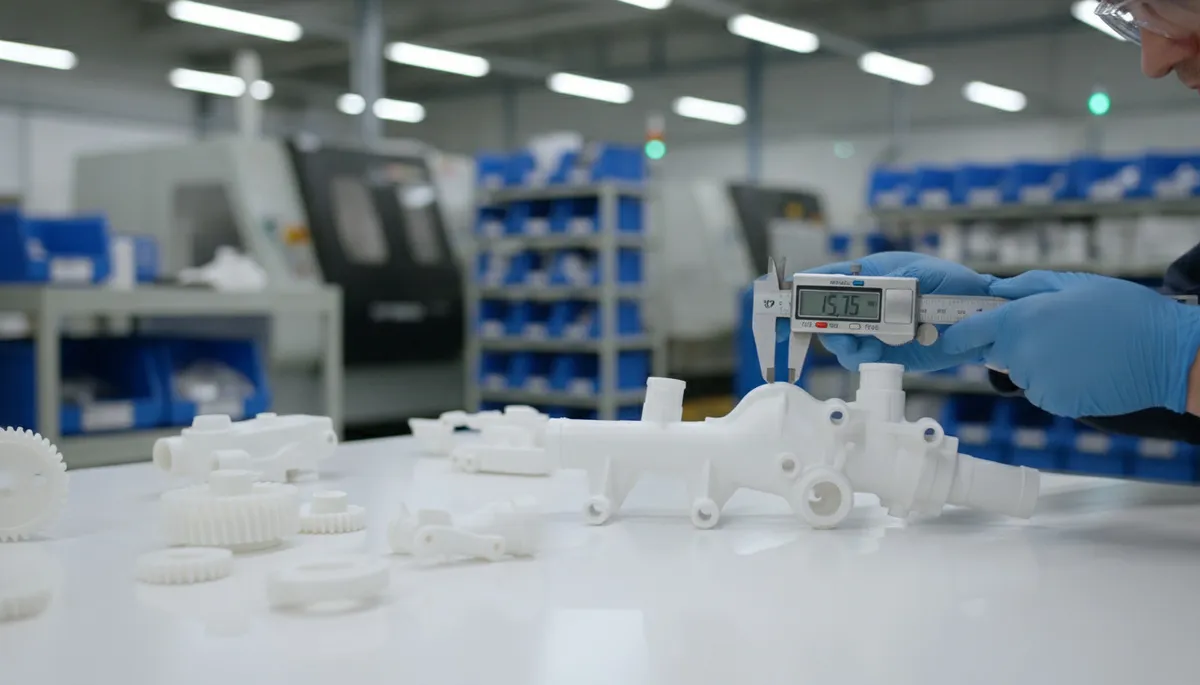
Het vormen van hogetemperatuurpolymeren is een gespecialiseerd productieproces dat hoge smelttemperaturen — doorgaans boven 300°C — gebruikt om hoogwaardige technische thermoplasten1 te verwerken. In onze fabriek gebruiken we speciale hogetemperatuurmachines voor materialen zoals PEEK, PPS en PEI, die eenvoudigweg niet op standaardapparatuur kunnen worden verwerkt.
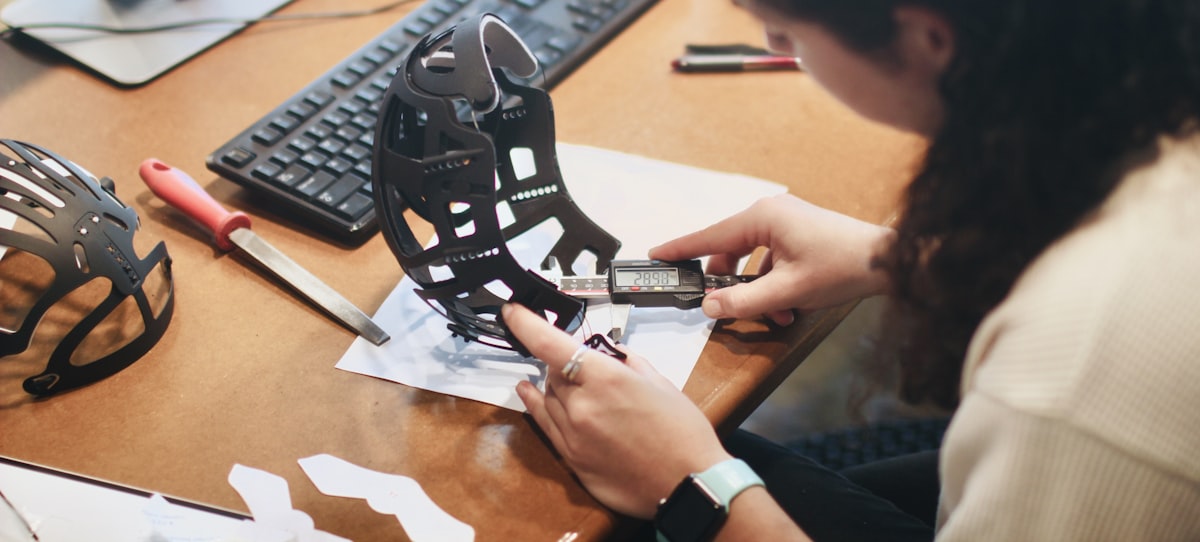
Standaard spuitgieten werkt voor gangbare kunststoffen zoals ABS, PP en PE doorgaans met smelttemperaturen van 180–280°C. Bij hogetemperatuurspuitgieten ligt dit bereik veel hoger en zijn speciale cilinderverwarmers, hittebestendige afdichtingen, geharde schroeven en matrijstemperatuurregelaars nodig die matrijsoppervlakken op 150–200°C kunnen houden. Het resultaat is toegang tot materialen die in veel toepassingen beter presteren dan metalen, bij een fractie van het gewicht.
Welke materialen vereisen verwerking bij hoge temperatuur?
Verscheidene families van technische en hoogwaardige polymeren vereisen verwerkingstemperaturen boven 300°C. We werken regelmatig met deze materialen, die elk eigen verwerkingseisen en prestatiekenmerken hebben.
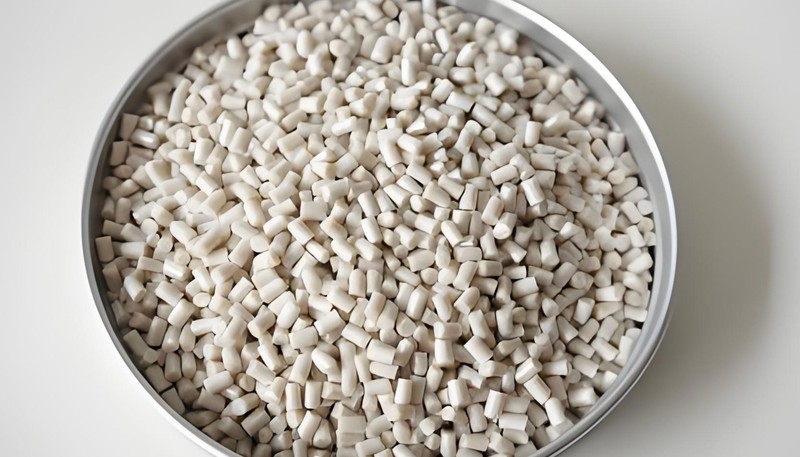
| Materiaal | Smelttemperatuur (°C) | Matrijstemperatuur (°C) | Max. gebruikstemperatuur (°C) | Essentiële eigenschappen |
|---|---|---|---|---|
| PEEK | 370–400 | 160–200 | 260 | Uitzonderlijke chemische bestendigheid, hoge sterkte |
| PPS | 300–340 | 130–150 | 220 | Vlamvertragend, maatvast |
| PEI (Ultem) | 340–400 | 140–175 | 170 | Transparant, hoge stijfheid, voldoet aan FST |
| LCP | 280–350 | 70–150 | 240 | Geschikt voor ultradunne wanden, lage viscositeit |
| PAI (Torlon) | 350–380 | 200–230 | 275 | Hoogste sterkte van alle thermoplasten |
| PPSU | 360–390 | 150–190 | 190 | Stoomsteriliseerbaar, slagvast |
PEEK is in onze fabriek het meest gevraagde hogetemperatuurmateriaal. Wij hebben vastgesteld dat correct drogen (150°C gedurende 3–4 uur tot minder dan 0.02% vocht) en een nauwkeurig cilindertemperatuurprofiel cruciaal zijn voor de productie van PEEK-onderdelen zonder defecten.
“Elke standaardspuitgietmachine kan hogetemperatuurmaterialen zoals PEEK en PEI verwerken.”False
Standaardmachines bereiken doorgaans maximaal een cilindertemperatuur van 300°C en een matrijstemperatuur van 100°C. PEEK vereist een smelttemperatuur van 370–400°C en een matrijstemperatuur van 160–200°C, waarvoor gespecialiseerde cilinders, verwarmingselementen en matrijsregelaars voor hoge temperaturen nodig zijn die standaardmachines niet hebben.
“dit gespecialiseerde proces vereist gespecialiseerde apparatuur, waaronder cilinderverwarmers met hoog vermogen en matrijstemperatuurregelaars met heet water of olie onder druk.”True
Voor de verwerking van materialen boven 300 °C zijn cilinderverwarmingselementen met een nominale temperatuur van minstens 400 °C, hittebestendige afdichtingen, geharde bimetaalschroeven en matrijstemperatuurunits (vaak op oliebasis) nodig die het matrijsoppervlak op 150–200 °C kunnen houden voor een goede kristallisatie en oppervlaktekwaliteit.
Wat zijn de belangrijkste voordelen van hogetemperatuurspuitgieten?
Het belangrijkste voordeel is toegang tot materialen die metaalachtige prestaties leveren bij 40–70% minder gewicht. Volgens onze ervaring met klanten in de lucht- en ruimtevaart en automobielindustrie maakt het spuitgieten van hogetemperatuurpolymeren ontwerpen mogelijk die met standaardkunststoffen simpelweg niet haalbaar zijn.
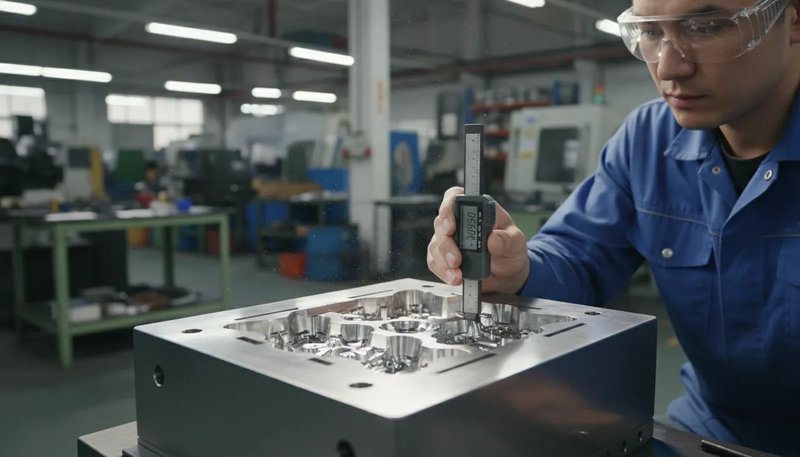
- Uitstekende hittebestendigheid: onderdelen zijn bestand tegen continue bedrijfstemperaturen van 150–275°C, tegenover 80–120°C voor standaardkunststoffen.
- Chemische bestendigheid: PEEK en PPS zijn bestand tegen agressieve chemicaliën, waaronder vliegtuigbrandstof, autovloeistoffen en sterilisatiemiddelen.
- Mechanische sterkte: een treksterkte van 90–200 MPa, waarbij sommige glasgevulde kwaliteiten meer dan 200 MPa halen en daarmee aluminium evenaren.
- Gewichtsbesparing: een relatieve dichtheid van 1.3–1.7 tegenover 2.7 voor aluminium en 7.8 voor staal maakt een gewichtsbesparing van 40–70% mogelijk.
- Vlamvertraging: veel hogetemperatuurpolymeren behalen zonder additieven de classificatie UL 94 V-0.
- Maatvastheid: dankzij een lage thermische uitzettingscoëfficiënt behouden onderdelen nauwe toleranties over een breed temperatuurbereik.
Welke sectoren profiteren het meest van hogetemperatuurgieten?
Hogetemperatuurspuitgieten bedient industrieën waarin componenten onder extreme thermische, chemische of mechanische belasting moeten presteren. We hebben klanten in al deze sectoren van hogetemperatuurvormdelen voorzien.
| Industrie | Typische toepassingen | Algemene materialen | Temperatuurbereik |
|---|---|---|---|
| Ruimtevaart | Beugels, luchtkanalen, interieurpanelen | PEEK, PEI, PPS | Tot 260 °C |
| Auto-industrie | Componenten onder de motorkap, turbosensoren | PPS, PA46, PEEK | Tot 220°C |
| Medisch | Chirurgische instrumenten, implantaatonderdelen | PEEK, PPSU | Stoomsterilisatie (134 °C) |
| Elektronica | Connectoren, SMT-sockets, isolatoren | LCP, PPS, PEI | Reflowsolderen (piek van 260 °C) |
| Olie en gas | Afdichtingen, klepzittingen, steunringen | PEEK, PAI | Tot 275°C + chemicaliën |
Alleen al in de elektronica-industrie heeft de overgang naar loodvrij solderen (piektemperaturen bij reflow van 260°C) geleid tot massale toepassing van LCP en PPS voor SMT-connectoren—onderdelen die standaardnylon of PBT niet kunnen weerstaan.
Welke apparatuuraanpassingen zijn nodig voor verwerking bij hoge temperatuur?
Voor de verwerking van hogetemperatuurmaterialen zijn ingrijpende aanpassingen nodig; alleen de cilindertemperatuur2 verhogen volstaat niet. We hebben fors geïnvesteerd in gespecialiseerde apparatuur en de verschillen met standaardvormen zijn aanzienlijk.
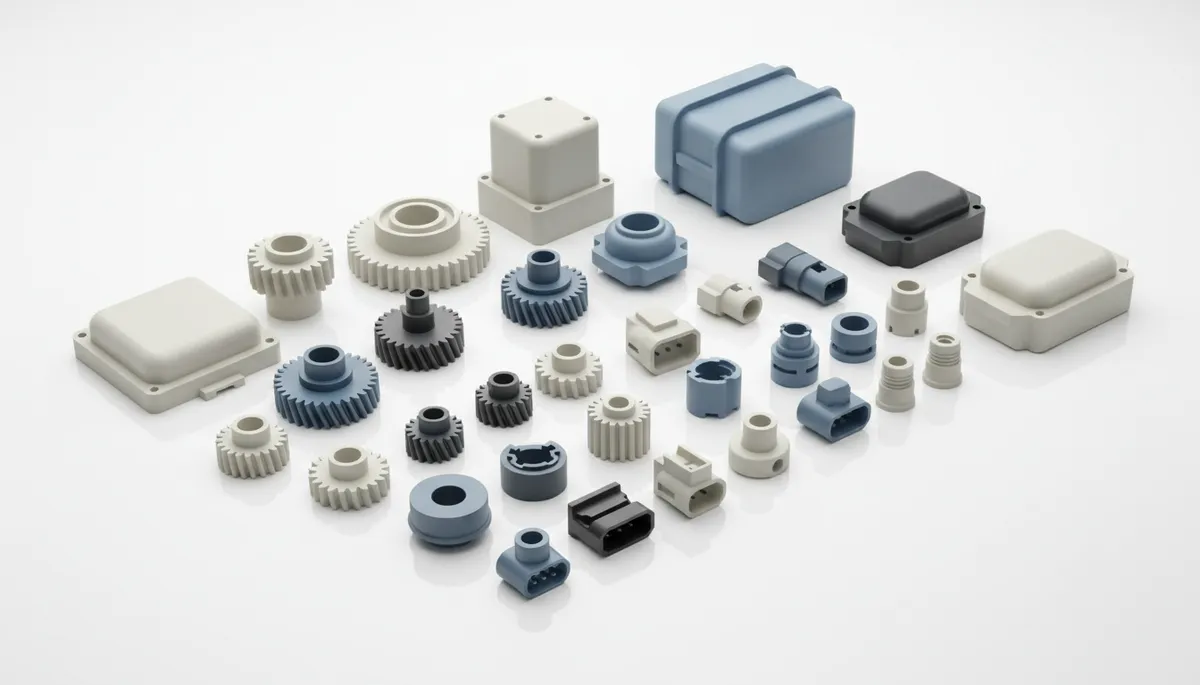
- Cilinder en schroef: bimetaalcilinders met Inconel- of Hastelloy-voering, geschikt voor 420°C en hoger. Schroeven met een lagere compressieverhouding (2.0:1 tot 2.5:1) beperken de opwarming door afschuiving.
- Verwarmingsbanden: keramische of mica-verwarmingsbanden die 450°C aankunnen, met nauwkeurige zoneregeling (±2°C).
- Matrijstemperatuurregeling: systemen met water onder druk (tot 180°C) of oliegevulde units (tot 350°C) om hoge matrijstemperaturen te handhaven.
- Hotrunnersystemen: gespecialiseerde hotrunners met hogetemperatuurverwarming en slijtvaste spuitmondpunten.
- Droogapparatuur: adsorptiedrogers die 200°C en hoger aankunnen voor materialen zoals PEEK, waaruit vocht intensief moet worden verwijderd.
De kapitaalinvestering voor een vormcel voor hoge temperaturen ligt doorgaans 30–50% hoger dan voor een standaardcel. Voor de juiste toepassingen rechtvaardigen de prestatievoordelen echter de kosten.
“Bij hogetemperatuurspuitgieten wordt alleen de cilindertemperatuur verhoogd; andere machineaanpassingen zijn niet nodig.”False
Voor de verwerking van hogetemperatuurpolymeren zijn uitgebreide machine-upgrades nodig: bimetaalcilinders, speciale schroeven, verwarmingsbanden met hoog vermogen, onder druk staande matrijstemperatuurregelaars, hogetemperatuur-hotrunner-systemen en industriële adsorptiedrogers. Alleen de cilindertemperatuur van een standaardmachine verhogen, beschadigt afdichtingen en levert defecte onderdelen op.
“Een hoge matrijstemperatuur (150–200°C) is essentieel voor de juiste kristallisatie van halfkristallijne hogetemperatuurpolymeren zoals PEEK.”True
PEEK is een semi-kristallijn polymeer dat matrijstemperaturen van 160–200 °C vereist om een optimale kristalliniteit (30–35%) te bereiken. Een te lage matrijstemperatuur levert amorf PEEK op met aanzienlijk verminderde chemische bestendigheid, slijtage-eigenschappen en mechanische sterkte bij verhoogde temperaturen.
Wat zijn veelvoorkomende uitdagingen en hoe overwint u ze?
Spuitgieten bij hoge temperatuur brengt verschillende unieke uitdagingen met zich mee die we door jarenlange ervaring met deze veeleisende materialen hebben leren beheersen.
| Uitdaging | Hoofdoorzaak | Oplossing |
|---|---|---|
| Materiaaldegradatie | Te lange verblijftijd bij hoge temperatuur | Minimaliseer de cyclustijd en gebruik een cilinder met de juiste maat (verhouding van shotvolume tot cilindervolume 40–70%) |
| Slechte kristalliniteit (PEEK/PPS) | Matrijstemperatuur te laag | Houd de matrijs op 160–200 °C voor PEEK en 130–150 °C voor PPS |
| Bevriezen van het aanspuitpunt | Groot temperatuurverschil tussen smelt en matrijs | Voordelen van hoge temperatuur spuitgieten | ZetarMold |
| Vervorming | Ongelijkmatige koeling, verschillen in kristallisatie | Conforme koeling, gelijkmatige wanddikte |
| Braamvorming | Lage viscositeit bij hoge temperatuur | Nauwkeurige berekening van de sluitkracht, nauwe matrijstoleranties |
| Oppervlaktedefecten | Vocht, koude proppen | Streng droogprotocol, voldoende spoelen |
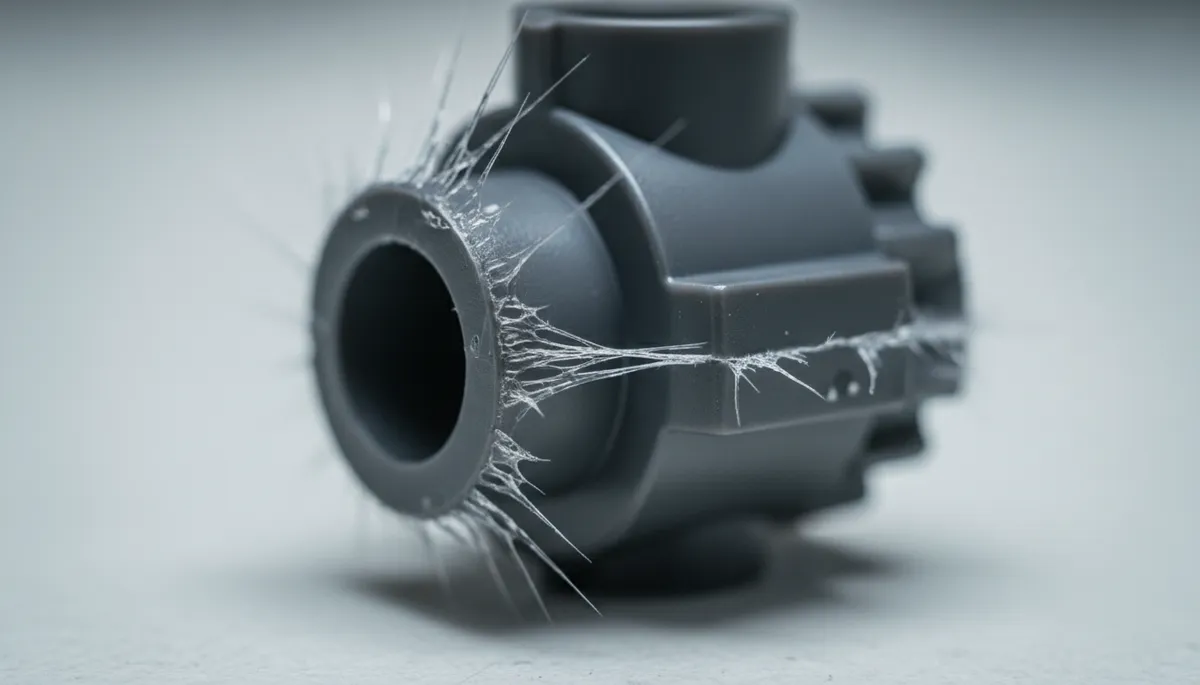
Een cruciale les die we hebben geleerd: laat PEEK nooit langer dan 5 minuten zonder cycleren bij verwerkingstemperatuur in de cilinder staan. Het materiaal degradeert dan, verkleurt van amber naar donkerbruin en verliest aanzienlijk aan mechanische eigenschappen.
Hoe verhoudt vormen bij hoge temperatuur zich tot metaalbewerking voor dezelfde toepassingen?
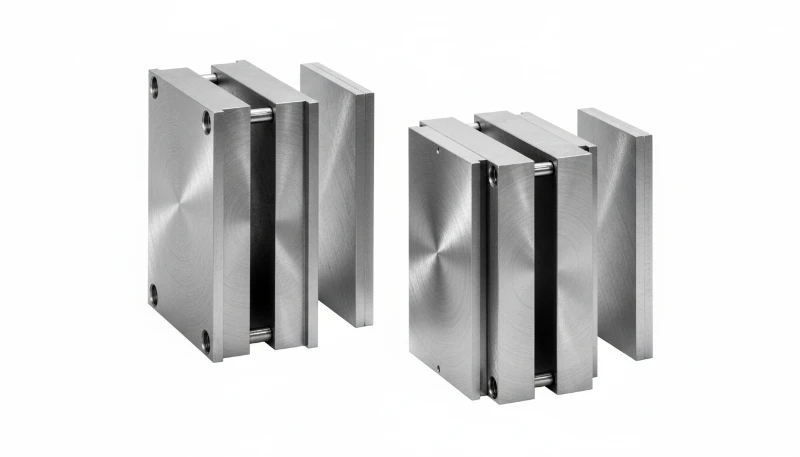
Voor veel toepassingen vervangen hogetemperatuurspuitgietonderdelen rechtstreeks verspaande metalen componenten. We helpen klanten regelmatig bij deze overgang en de voordelen zijn overtuigend wanneer de toepassing geschikt is.
Bij hogere productievolumes verschuift de economische afweging verder in het voordeel van polymeervormen. Onder 500 onderdelen wint CNC-verspaning van aluminium vaak op totale kosten omdat de investering in gereedschap minimaal is. Tussen 500 en 2.000 onderdelen hangt het break-evenpunt af van de complexiteit: eenvoudige geometrieën bevoordelen verspaning, terwijl complexe vormen met interne kenmerken vormprocessen bevoordelen. Boven 2.000 onderdelen levert spuitgieten vrijwel altijd lagere kosten per eenheid op, zelfs rekening houdend met de investering van $15.000–$40.000 die kenmerkend is voor hogetemperatuurgereedschap.
Oppervlakteafwerking is een ander belangrijk onderscheid. Bewerkte metalen onderdelen bereiken zonder nabewerking Ra 0,8–1,6 μm, terwijl gevormde PEEK-onderdelen rechtstreeks uit de matrijs doorgaans Ra 0,4–1,2 μm halen, in veel gevallen zelfs gladder dan bewerkt aluminium. We benutten dit voordeel voor componenten van medische hulpmiddelen en behuizingen van optische sensoren waarbij de oppervlaktekwaliteit de productprestaties rechtstreeks beïnvloedt.
| Invloedsfactor | PEEK spuitgieten | CNC-bewerking van aluminium |
|---|---|---|
| Gewicht | 1.3 g/cm³ | 2.7 g/cm³ (52% zwaarder) |
| Kosten per onderdeel (10.000 stuks) | $2–$15 | $15–$100 |
| Cyclustijd | 30–90 seconden | 5–30 minuten |
| Chemische weerstand | Uitstekend (de meeste oplosmiddelen) | Slecht (corrodeert in zuren) |
| Elektrische isolatie | Uitstekend | Geen (geleidend) |
| Maximale gebruikstemperatuur | 260°C | 150°C (sterkte neemt af) |
Bij een recent project voor een lucht- en ruimtevaartklant zijn CNC-gefreesde aluminium beugels vervangen door PEEK met 30% koolstofvezelvulling. Het resultaat: 48% gewichtsbesparing, 60% kostenbesparing bij serieproductie en betere trillingsdemping—bovendien corroderen de onderdelen niet in een zoutsproeiomgeving.
Een ander aspect dat fabrikanten vaak over het hoofd zien, is het recyclebaarheids- en duurzaamheidsprofiel van hoogwaardige polymeren. In tegenstelling tot thermoharders, die niet opnieuw kunnen worden gesmolten, kunnen thermoplastische polymeren zoals PEEK, PPS en PEI meerdere keren worden vermalen en herverwerkt met minimale achteruitgang van de eigenschappen. In onze fabriek winnen we tot 25% van het aanspuit- en gietkanaalmateriaal uit productieseries bij hoge temperatuur terug en hergebruiken we dit, waardoor het grondstofafval en de effectieve kosten per onderdeel afnemen. Deze gesloten kringloop sluit ook aan bij de groeiende vraag van OEM’s in de auto- en luchtvaartindustrie naar leveranciers die meetbare duurzaamheidspraktijken in hun productieactiviteiten aantonen.
FAQ
Wat is het meest voorkomende hoge temperatuur spuitgietmateriaal?
PEEK (Polyether Ether Ketone) is het meest gebruikte hoge-temperatuur spuitgietmateriaal, verwerkt bij 370–400°C. Het biedt een uitzonderlijke combinatie van mechanische sterkte (100 MPa treksterkte), chemische bestendigheid en een continue bedrijfstemperatuur tot 260°C.
Hoeveel kost hoge temperatuur spuitgieten in vergelijking met standaard spuitgieten?
Hoge-temperatuur vormgeving kost doorgaans 3–10× meer per onderdeel dan standaard vormgeving vanwege dure grondstoffen ($50–$150/kg vs. $2–$5/kg), langere cyclustijden (hogere matrijs temperaturen = langere koeling) en gespecialiseerde apparatuurvereisten. Voor metaalvervangende toepassingen is het echter vaak goedkoper dan CNC-bewerking bij grote volumes.
Kunnen standaard spuitgietmallen gebruikt worden voor hoge temperatuur materialen?
Over het algemeen niet. Matrijzen voor hoge-temperatuurmaterialen vereisen gehard gereedschapsstaal (H13 of S7), hoge-temperatuur O-ringen en gespecialiseerde koel-/verwarmingskanalen. Standaard P20-staalmatrijzen kunnen zachter worden of vervormen bij de verhoogde matrijstemperaturen (150–200°C) die nodig zijn voor een goede verwerking.
Welke droogcondities zijn vereist voor PEEK?
PEEK moet worden gedroogd bij 150°C gedurende 3–4 uur in een droogmiddeldroger om een vochtgehalte onder 0.02% te bereiken. Onvoldoende drogen veroorzaakt sproeimarkeringen, luchtbellen en verslechterde mechanische eigenschappen. We gebruiken inline vochtanalysatoren om de droogte te verifiëren vóór verwerking.
Is hoge temperatuur spuitgieten geschikt voor medische apparaten?
Ja. PEEK en PPSU worden veel gebruikt in medische apparaten omdat ze bestand zijn tegen stoomsterilisatie (134°C), biocompatibel zijn (ISO 10993) en radiolucentie bieden voor beeldvormingscompatibiliteit. PEEK wordt ook gebruikt in spinale implantaten en tandheelkundige frames.
Wat is de minimale bestelhoeveelheid voor hoge temperatuur gevormde onderdelen?
Vanwege de hoge gereedschapskosten (€15.000–€80.000 voor PEEK-gekwalificeerde matrijzen) en dure materialen, beginnen de minimale economische orderhoeveelheden doorgaans bij 500–1.000 onderdelen. Voor lagere volumes kan CNC-bewerking van PEEK-voorraadvormen kosteneffectiever zijn.
Samenvatting
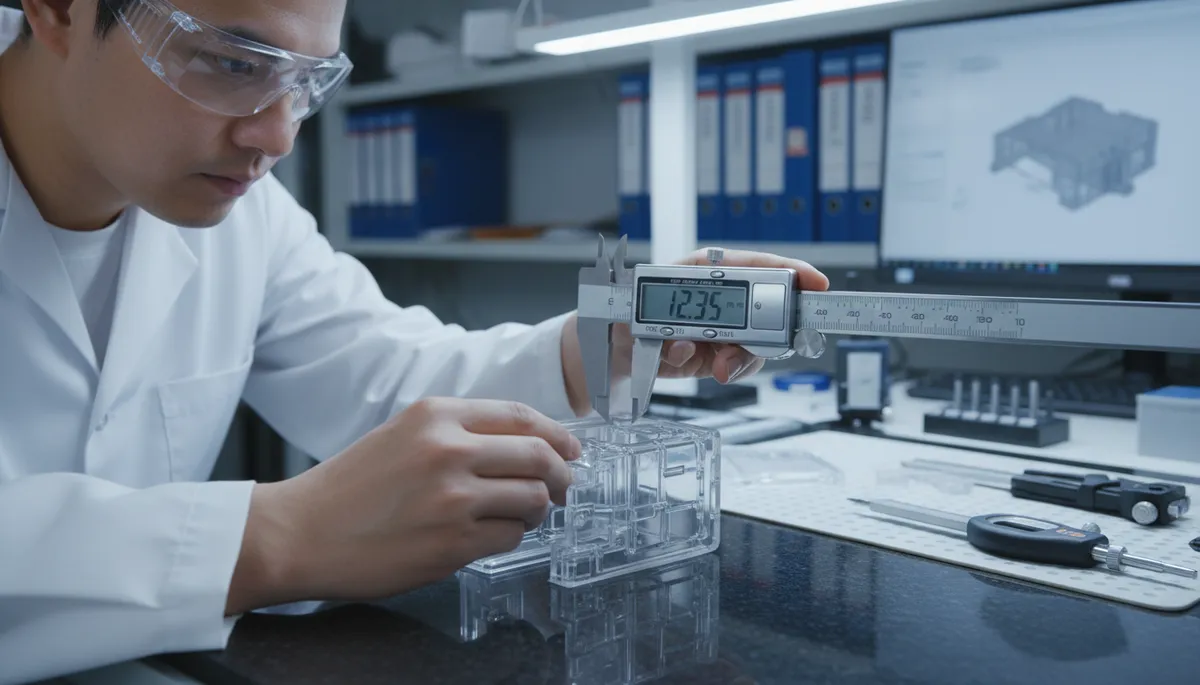
Hogetemperatuurspuitgieten maakt materialen mogelijk die prestaties als van metaal leveren, maar bij serieproductie aanzienlijk minder wegen en kosten. De voordelen — hittebestendigheid tot 275°C, uitzonderlijke chemische stabiliteit en een mechanische sterkte die aluminium evenaart — maken het onmisbaar voor lucht- en ruimtevaart, auto’s, medische toepassingen en elektronica. Hoewel gespecialiseerde apparatuur en expertise nodig zijn, maken de prestatievoordelen en het potentieel om metaal te vervangen hogetemperatuurspuitgieten tot een van de waardevolste mogelijkheden in de moderne kunststofproductie. In onze fabriek is dit een van de snelst groeiende diensten geworden, nu steeds meer sectoren ontdekken dat hoogwaardige polymeren3 metalen kunnen overtreffen op manieren die ze niet hadden verwacht. Bekijk onze complete gids over spuitgieten voor een volledig overzicht. Bekijk onze complete gids over spuitgieten voor een volledig overzicht.
-
Thermoplasten zijn polymeren die zacht worden wanneer ze boven hun glasovergangstemperatuur (amorf) of smeltpunt (semikristallijn) worden verwarmd en bij afkoeling stollen. In tegenstelling tot thermoharders kunnen ze meerdere keren worden verwerkt. Hoogwaardige thermoplasten zoals PEEK en PEI werken bij aanzienlijk hogere temperaturen dan standaardkwaliteiten. ↩
-
De cilindertemperatuur bij spuitgieten is het temperatuurprofiel langs de plastificeercilinder, doorgaans verdeeld over 3–5 verwarmingszones van de invoeropening tot de spuitmond. Nauwkeurige regeling per zone is cruciaal voor hogetemperatuurmaterialen: ze voorkomt degradatie en waarborgt tegelijkertijd volledige smelting. ↩
-
Hoogwaardige polymeren, ook wel geavanceerde technische kunststoffen genoemd, zijn een familie thermoplasten met een uitzonderlijke thermische stabiliteit, chemische bestendigheid en mechanische sterkte. Tot deze categorie behoren PEEK, PEI, PPS, LCP, PAI en PPSU; ze vereisen allemaal verwerkingstemperaturen boven 280°C. ↩
Ontvang concurrerende prijzen, DFM-feedback en een productieplanning van het engineeringteam van ZetarMold.