Che cos’è lo stampaggio a iniezione ad alta temperatura?
lo stampaggio di polimeri ad alta temperatura è un processo di produzione specializzato che utilizza temperature di fusione elevate, in genere superiori a 300°C, per lavorare materiali termoplastici tecnici ad alte prestazioni1. Nella nostra fabbrica utilizziamo macchine ad alta temperatura dedicate per materiali come PEEK, PPS e PEI che semplicemente non possono essere lavorati su apparecchiature standard.
Lo stampaggio a iniezione standard opera tipicamente a temperature del fuso di 180–280°C per plastiche di largo consumo come ABS, PP e PE. Lo stampaggio ad alta temperatura supera ampiamente questo intervallo e richiede riscaldatori del cilindro specializzati, guarnizioni resistenti al calore, viti temprate e termoregolatori dello stampo capaci di mantenere le superfici a 150–200°C. Il vantaggio è l’accesso a materiali che in molte applicazioni superano i metalli, con una frazione del loro peso.
Quali materiali richiedono una lavorazione ad alta temperatura?
Diverse famiglie di polimeri tecnici e ad alte prestazioni richiedono temperature di lavorazione superiori a 300°C. Lavoriamo regolarmente con questi materiali, ciascuno caratterizzato da requisiti di processo e prestazioni specifici.
| Materiale | Temperatura del fuso (°C) | Temperatura dello stampo (°C) | Temperatura massima di esercizio (°C) | Proprietà chiave |
|---|---|---|---|---|
| SETTIMANA | 370–400 | 160–200 | 260 | Eccezionale resistenza chimica, elevata robustezza |
| PPS | 300–340 | 130–150 | 220 | Ritardante di fiamma, stabilità dimensionale |
| PEI (Ultem) | 340–400 | 140–175 | 170 | Trasparente, elevata rigidità, conformità FST |
| LCP | 280–350 | 70–150 | 240 | Capacità per pareti ultrasottili, bassa viscosità |
| Materiale PAI (Torlon) | 350–380 | 200–230 | 275 | La massima resistenza tra tutti i termoplastici |
| PPSU | 360–390 | 150–190 | 190 | Sterilizzabile a vapore, resistente agli urti |
Il PEEK è il materiale per alte temperature più richiesto nella nostra officina. Abbiamo riscontrato che una corretta essiccazione (150°C per 3–4 ore fino a un’umidità inferiore allo 0,02%) e un profilo preciso della temperatura del cilindro sono essenziali per produrre componenti in PEEK privi di difetti.
“Qualsiasi pressa a iniezione standard può lavorare materiali ad alta temperatura come PEEK e PEI.”False
Le macchine standard in genere raggiungono al massimo una temperatura del cilindro di 300°C e dello stampo di 100°C. Il PEEK richiede una temperatura del fuso di 370–400°C e dello stampo di 160–200°C, quindi servono cilindri, riscaldatori e termoregolatori ad alta temperatura specializzati, assenti sulle macchine standard.
«Questo processo specializzato richiede apparecchiature dedicate, tra cui riscaldatori del cilindro ad alta capacità e termoregolatori pressurizzati dello stampo ad acqua calda o olio.»True
La lavorazione di materiali oltre 300°C richiede riscaldatori del cilindro dimensionati per 400°C+, guarnizioni resistenti al calore, viti bimetalliche temprate e unità di termoregolazione dello stampo (spesso a olio) in grado di mantenere le superfici dello stampo a 150–200°C per assicurare cristallizzazione e qualità superficiale corrette.
Quali sono i principali vantaggi dello stampaggio a iniezione ad alta temperatura?
Il vantaggio principale è l’accesso a materiali che offrono prestazioni simili a quelle dei metalli con un peso inferiore del 40–70%. Nella nostra esperienza con clienti dei settori aerospaziale e automobilistico, lo stampaggio di polimeri ad alta temperatura consente progetti semplicemente impossibili con le plastiche standard.
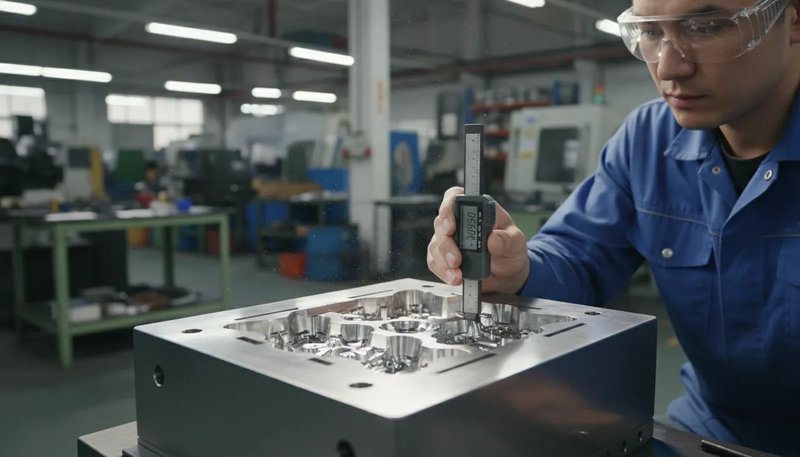
- Resistenza al calore superiore: le parti resistono a temperature operative continue di 150–275°C, rispetto agli 80–120°C delle plastiche standard.
- Resistenza chimica: PEEK e PPS resistono alle sostanze chimiche aggressive tra cui carburante per aerei, fluidi automobilistici e agenti di sterilizzazione.
- Resistenza meccanica: resistenza alla trazione di 90–200 MPa, con alcuni gradi riempiti di vetro che superano i 200 MPa, rivaleggiando con l’alluminio.
- Riduzione del peso: gravità specifica di 1,3–1,7 rispetto a 2,7 per l’alluminio e 7,8 per l’acciaio, consentendo un risparmio di peso del 40–70%.
- Ritardo di fiamma: molti polimeri ad alta temperatura raggiungono la classificazione UL 94 V-0 senza additivi.
- Stabilità dimensionale: il basso coefficiente di dilatazione termica fa sì che le parti mantengano tolleranze strette in ampi intervalli di temperature.
Quali settori traggono i maggiori vantaggi dallo stampaggio ad alta temperatura?
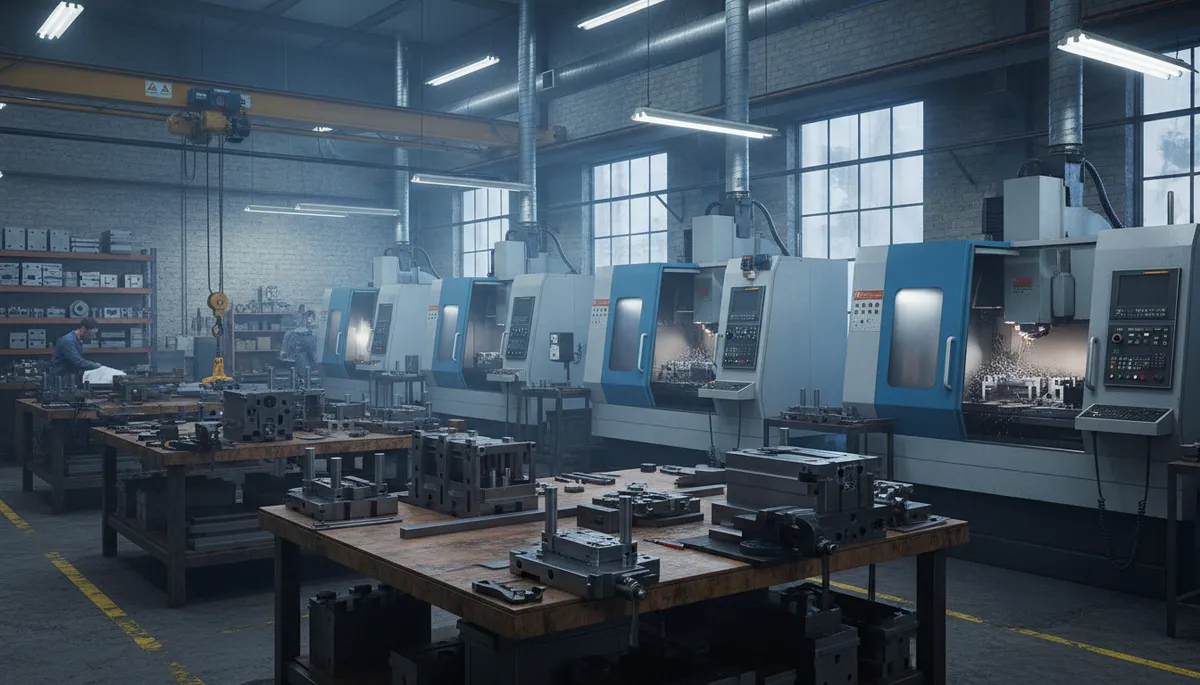
Lo stampaggio a iniezione ad alta temperatura serve i settori in cui i componenti devono funzionare sotto sollecitazioni termiche, chimiche o meccaniche estreme. Abbiamo fornito pezzi stampati ad alta temperatura a clienti di tutti questi settori.
| Industria | Applicazioni tipiche | Materiali comuni | Intervallo di temperatura |
|---|---|---|---|
| Aerospaziale | Staffe, condotti, pannelli interni | PEEK, PEI, PPS | Fino a 260°C |
| Settore automobilistico | Componenti sotto il cofano, sensori del turbocompressore | PPS, PA46, PEEK | Fino a 220 °C |
| Medico | Strumenti chirurgici, componenti per impianti | PEEK, PPSU | Sterilizzazione a vapore (134°C) |
| Elettronica | Connettori, zoccoli SMT, isolatori | LCP, PPS, PEI | Saldatura a rifusione (picco di 260°C) |
| Petrolio e gas | Guarnizioni, sedi valvola, anelli antiestrusione | PEEK, PAI | Fino a 275 °C e sostanze chimiche |
Nel solo settore elettronico, il passaggio alla saldatura senza piombo (con temperature di picco di rifusione di 260°C) ha determinato un’enorme diffusione di LCP e PPS per i connettori SMT, componenti ai quali il nylon standard o il PBT non possono resistere.
Quali modifiche alle attrezzature servono per la lavorazione ad alta temperatura?
L’utilizzo di materiali ad alta temperatura richiede modifiche significative oltre al semplice aumento della temperatura del cilindro2. Abbiamo investito molto in attrezzature specializzate e le differenze rispetto allo stampaggio standard sono sostanziali.
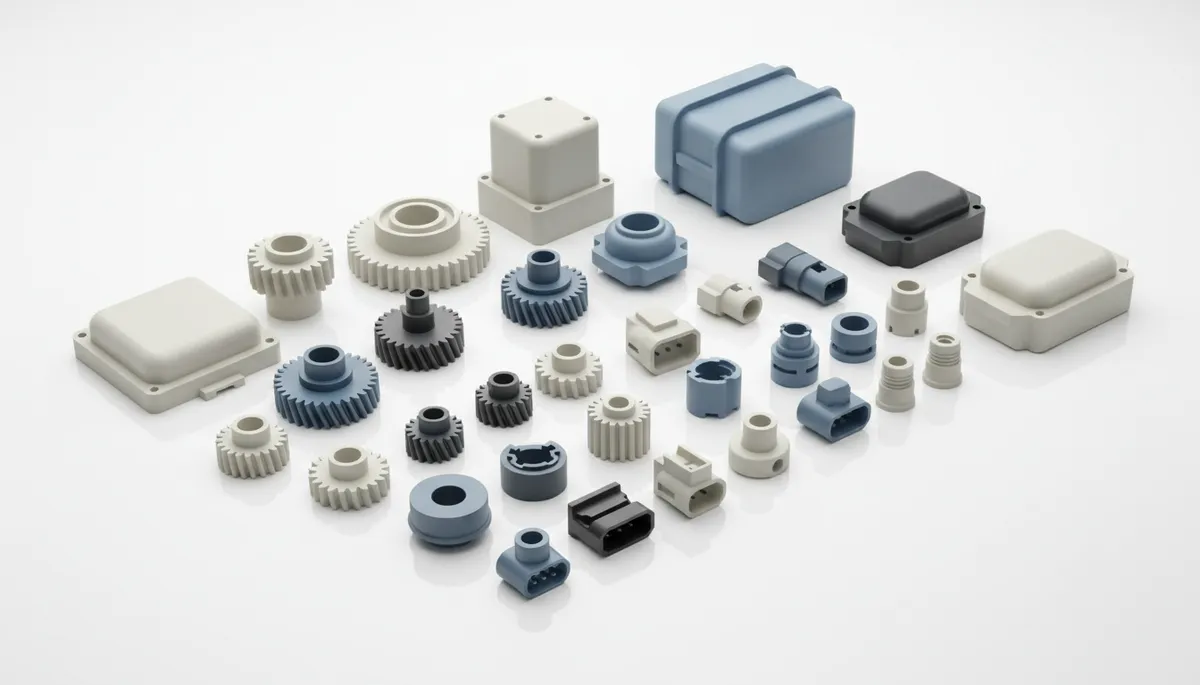
- Cilindro e vite: cilindri bimetallici con rivestimenti in Inconel o Hastelloy classificati per 420°C+. Viti con rapporti di compressione inferiori (da 2,0:1 a 2,5:1) per ridurre al minimo il riscaldamento a taglio.
- Fasce riscaldanti: fasce riscaldanti in ceramica o mica in grado di raggiungere 450°C con controllo preciso della zona (±2°C).
- Controllo della temperatura dello stampo: sistemi ad acqua pressurizzata (fino a 180°C) o unità a base di olio (fino a 350°C) per mantenere elevate temperature dello stampo.
- Sistemi a canale caldo: canali caldi specializzati con riscaldatori ad alta temperatura e punte degli ugelli resistenti all’usura.
- Attrezzatura per l’essiccazione: essiccatori con capacità di 200°C+ per materiali come il PEEK che richiedono una rimozione aggressiva dell’umidità.
L’investimento di capitale per una cella di stampaggio ad alta temperatura è generalmente superiore del 30–50% rispetto a una cella standard. Per le applicazioni giuste, i vantaggi prestazionali giustificano il costo.
“Lo stampaggio a iniezione ad alta temperatura richiede soltanto di aumentare la temperatura del cilindro; non sono necessarie altre modifiche alla macchina.”False
La lavorazione di polimeri ad alta temperatura richiede aggiornamenti completi delle apparecchiature: cilindri bimetallici, viti speciali, fasce riscaldanti ad alta capacità, termoregolatori pressurizzati per lo stampo, canali caldi ad alta temperatura ed essiccatori industriali ad adsorbimento. Aumentare semplicemente la temperatura del cilindro su una macchina standard danneggia le tenute e produce pezzi difettosi.
“Un'elevata temperatura dello stampo (150–200 °C) è essenziale per la corretta cristallizzazione dei polimeri semicristallini ad alta temperatura come il PEEK.”True
Il PEEK è un polimero semicristallino che richiede temperature dello stampo di 160–200°C per ottenere una cristallinità ottimale (30–35%). Una temperatura dello stampo insufficiente produce PEEK amorfo con resistenza chimica, proprietà di usura e resistenza meccanica ad alte temperature notevolmente ridotte.
Quali sono le difficoltà comuni e come si superano?
Lo stampaggio a iniezione ad alta temperatura presenta diverse sfide specifiche che abbiamo imparato a gestire in anni di esperienza con questi materiali esigenti.
| Sfida | Causa principale | Soluzione |
|---|---|---|
| Degradazione del materiale | Tempo di permanenza eccessivo ad alta temperatura | Ridurre al minimo il tempo di ciclo e usare un cilindro correttamente dimensionato (rapporto volume stampata/cilindro del 40–70%) |
| Scarsa cristallinità (PEEK/PPS) | Temperatura dello stampo troppo bassa | Mantenere lo stampo a 160–200°C per il PEEK e a 130–150°C per il PPS |
| Congelamento del punto di iniezione | Grande differenza di temperatura tra materiale fuso e stampo | Utilizzare canali caldi, attacchi più grandi e attacchi a valvola sequenziali |
| Curvatura | Vantaggi dello Stampaggio a Iniezione a Alta Temperatura | ZetarMold | Raffreddamento conformale, spessore uniforme delle pareti |
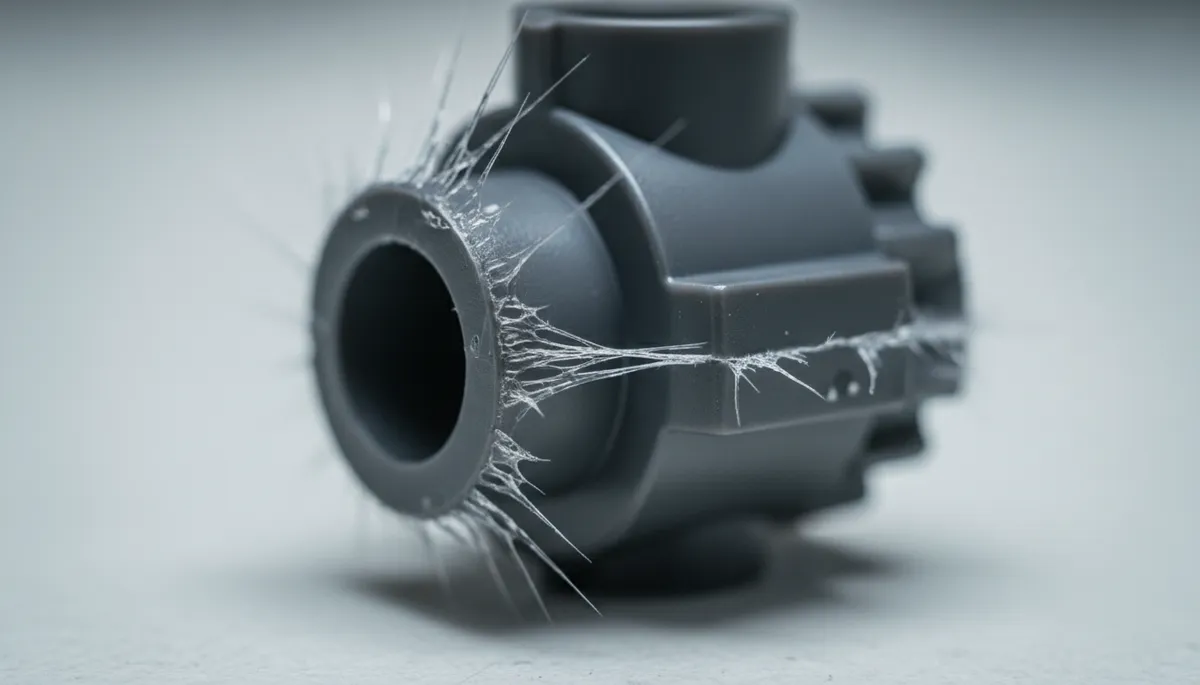
| Bava | Bassa viscosità ad alta temperatura | Calcolo preciso della forza di chiusura, tolleranze strette dello stampo |
| Difetti superficiali | Umidità, materozzoli freddi | Protocollo di essiccazione rigoroso, spurgo adeguato |
Una lezione fondamentale che abbiamo appreso: non lasciate mai il PEEK nel cilindro alla temperatura di lavorazione per più di 5 minuti senza eseguire cicli. Il materiale si degrada, passando dall’ambra al marrone scuro, con una perdita significativa delle proprietà meccaniche.
Come si confrontano lo stampaggio ad alta temperatura e la lavorazione dei metalli nelle stesse applicazioni?
In molte applicazioni, i pezzi stampati a iniezione ad alta temperatura sostituiscono direttamente componenti metallici lavorati. Aiutiamo spesso i clienti in questa transizione e, quando l’applicazione è adatta, i vantaggi sono convincenti.
A volumi produttivi maggiori, l’economia si sposta ulteriormente a favore dello stampaggio dei polimeri. Per quantità inferiori a 500 pezzi, la lavorazione CNC dell’alluminio spesso prevale nel costo totale perché l’investimento in attrezzaggio è minimo. Tra 500 e 2,000 pezzi, il punto di pareggio dipende dalla complessità del pezzo: le geometrie semplici favoriscono la lavorazione, mentre le forme complesse con elementi interni favoriscono lo stampaggio. Oltre 2,000 pezzi, lo stampaggio a iniezione offre quasi sempre un costo unitario inferiore, anche considerando l’investimento di $15,000–$40,000 nello stampo tipico degli attrezzaggi ad alta temperatura.
La finitura superficiale costituisce un altro elemento di differenziazione fondamentale. I componenti metallici lavorati raggiungono Ra 0,8–1,6 μm senza operazioni secondarie, mentre i componenti in PEEK stampati producono generalmente Ra 0,4–1,2 μm direttamente dallo stampo, risultando in molti casi persino più lisci dell’alluminio lavorato. Sfruttiamo questo vantaggio per componenti di dispositivi medicali e alloggiamenti di sensori ottici, dove la qualità superficiale incide direttamente sulle prestazioni del prodotto.
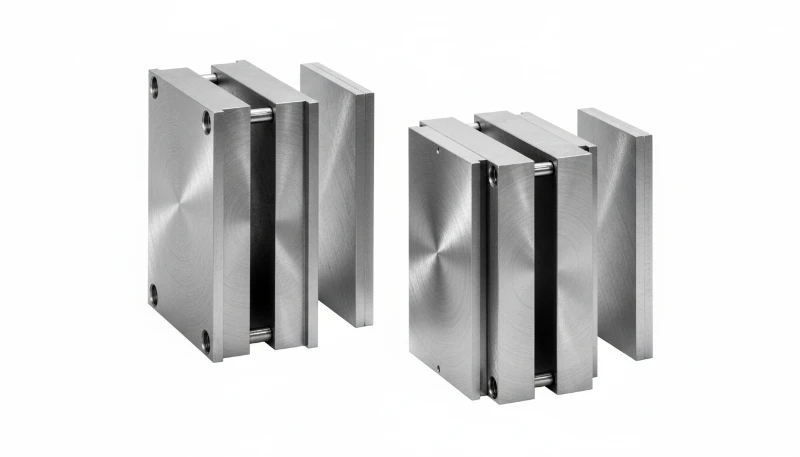
| Fattore | Stampaggio a iniezione di PEEK | Lavorazione CNC dell'alluminio |
|---|---|---|
| Peso | 1.3 g/cm³ | Densità: 2,7 g/cm³ (52% più pesante) |
| Costo per pezzo (10,000 unità) | $2–$15 | $15–$100 |
| Tempo di ciclo | 30–90 secondi | 5–30 minuti |
| Resistenza chimica | Eccellente (con la maggior parte dei solventi) | Scarsa (si corrode negli acidi) |
| Isolamento elettrico | Eccellente | Nessuna (conduttivo) |
| Temperatura massima di esercizio | 260°C | 150°C (la resistenza diminuisce) |
Un recente progetto per un cliente aerospaziale ha sostituito staffe in alluminio lavorate a CNC con PEEK caricato con il 30% di fibra di carbonio. Il risultato: riduzione del peso del 48%, riduzione dei costi del 60% nella produzione in serie e migliore smorzamento delle vibrazioni, oltre all’assenza di corrosione dei pezzi in ambiente di nebbia salina.
Un altro aspetto spesso trascurato dai produttori è il profilo di riciclabilità e sostenibilità dei polimeri ad alte prestazioni. A differenza dei materiali termoindurenti, che non possono essere rifusi, i polimeri termoplastici come PEEK, PPS e PEI possono essere rimacinati e rilavorati più volte con una degradazione minima delle proprietà. Nel nostro stabilimento recuperiamo e riutilizziamo fino al 25% del materiale di canali e materozze delle produzioni ad alta temperatura, riducendo gli scarti di materia prima e il costo effettivo per componente. Questo approccio a ciclo chiuso risponde inoltre alla crescente domanda degli OEM automobilistici e aerospaziali di fornitori in grado di dimostrare pratiche di sostenibilità misurabili nelle proprie attività produttive.
FAQ
Qual è il materiale più comune per lo stampaggio a iniezione ad alta temperatura?
Il PEEK (Polietere etere chetone) è il materiale per stampaggio a iniezione ad alta temperatura più utilizzato, lavorato a 370–400°C. Offre una combinazione eccezionale di resistenza meccanica (100 MPa di trazione), resistenza chimica e temperatura di esercizio continua fino a 260°C.
Quanto costa lo stampaggio a iniezione ad alta temperatura rispetto allo stampaggio standard?
La formatura ad alta temperatura costa tipicamente 3–10 volte di più per pezzo rispetto alla formatura standard a causa dei costosi materiali grezzi ($50–$150/kg contro $2–$5/kg), dei tempi di ciclo più lunghi (temperature dello stampo più elevate = raffreddamento più prolungato) e dei requisiti di attrezzature specializzate. Tuttavia, per le applicazioni di sostituzione dei metalli, è spesso più economica della lavorazione CNC su larga scala.
È possibile utilizzare stampi per iniezione standard per materiali ad alta temperatura?
Generalmente no. Gli stampi per materiali ad alta temperatura richiedono acciai per utensili temprati (H13 o S7), guarnizioni O-ring ad alta temperatura e canali di raffreddamento/riscaldamento specializzati. Gli stampi standard in acciaio P20 potrebbero rammollirsi o deformarsi alle elevate temperature di stampaggio (150–200°C) necessarie per una corretta lavorazione.
Quali condizioni di essiccazione sono richieste per il PEEK?
Il PEEK deve essere essiccato a 150°C per 3-4 ore in un essiccatore a disidratante per ottenere un contenuto di umidità inferiore a 0,02%. Un’essiccazione inadeguata provoca striature, bolle e un degrado delle proprietà meccaniche. Utilizziamo analizzatori di umidità in linea per verificare la secchezza prima della lavorazione.
L’iniezione ad alta temperatura è adatta per i dispositivi medici?
Sì. Il PEEK e il PPSU sono ampiamente utilizzati nei dispositivi medici perché resistono alla sterilizzazione a vapore (134°C), sono biocompatibili (ISO 10993) e offrono radiotrasparenza per la compatibilità con le immagini. Il PEEK è anche impiegato negli impianti spinali e nelle strutture dentali.
Qual è la quantità minima d’ordine per i componenti stampati ad alta temperatura?
A causa degli elevati costi di attrezzaggio (15.000–80.000 € per stampi certificati PEEK) e dei materiali costosi, le quantità minime economicamente sostenibili partono tipicamente da 500–1.000 pezzi. Per volumi inferiori, la lavorazione CNC di semilavorati in PEEK può risultare più conveniente.
Sintesi
Lo stampaggio a iniezione ad alta temperatura apre le porte a materiali che offrono prestazioni simili a quelle del metallo con un peso e un costo significativamente ridotti in termini di volume. I vantaggi (resistenza al calore fino a 275°C, stabilità chimica eccezionale e resistenza meccanica pari a quella dell’alluminio) lo rendono indispensabile per applicazioni aerospaziali, automobilistiche, mediche ed elettroniche. Sebbene richieda attrezzature e competenze specializzate, i vantaggi prestazionali e il potenziale di sostituzione dei metalli rendono lo stampaggio a iniezione ad alta temperatura una delle funzionalità più preziose nella moderna produzione di materie plastiche. Nella nostra fabbrica, è diventata una delle nostre aree di servizio in più rapida crescita poiché sempre più industrie scoprono che i polimeri3 ad alte prestazioni possono sovraperformare i metalli in modi che non si sarebbero mai aspettati. Consulta la nostra Guida completa allo stampaggio a iniezione per una panoramica completa. Consulta la nostra Guida completa allo stampaggio a iniezione per una panoramica completa.
-
I materiali termoplastici sono polimeri che si ammorbidiscono quando riscaldati al di sopra della temperatura di transizione vetrosa (amorfi) o del punto di fusione (semicristallini) e solidificano durante il raffreddamento. Possono essere riprocessati più volte, a differenza dei termoindurenti. I materiali termoplastici ad alte prestazioni come PEEK e PEI funzionano a temperature significativamente più elevate rispetto ai gradi di base. ↩
-
La temperatura del cilindro nello stampaggio a iniezione si riferisce al profilo di temperatura lungo il cilindro di plastificazione, generalmente suddiviso in 3-5 zone di riscaldamento dalla gola di alimentazione all’ugello. Il controllo preciso zona per zona è fondamentale per i materiali ad alta temperatura per prevenire il degrado garantendo al tempo stesso la fusione completa. ↩
-
I polimeri ad alte prestazioni (chiamati anche tecnopolimeri avanzati) sono una famiglia di materiali termoplastici caratterizzati da eccezionale stabilità termica, resistenza chimica e resistenza meccanica. La categoria comprende PEEK, PEI, PPS, LCP, PAI e PPSU, che richiedono tutti temperature di lavorazione superiori a 280°C. ↩
Richiedi prezzi competitivi, feedback DFM e tempistiche di produzione al team tecnico di ZetarMold.