- <50.000 parti/anno
- Con un canale caldo correttamente progettato è possibile ridurre il tempo di ciclo del 15–40%, a seconda della geometria del pezzo e del materiale.
- L’attrezzatura a canale caldo aumenta generalmente del 20–35% il costo totale dello stampo, ma ad alti volumi offre un ritorno sull’investimento in 3–6 mesi.
- I sistemi con punto di iniezione singolo sono adatti ai pezzi semplici; per stampi multicavità o riempimenti di grandi superfici sono necessari collettori multipunto.
- Gli ingegneri ZetarMold scelgono tra canale caldo e canale freddo in base alla soglia del volume annuo, alla sensibilità del materiale e ai requisiti estetici del pezzo.
Da anni utilizzi stampi a canale freddo, con materozza e canali non riscaldati che solidificano a ogni ciclo. Funzionano. Ma quando i volumi superano 100,000 cicli l’anno, i conti iniziano a pesare: il 30-40% del peso della dose di plastica1 diventa scarto dei canali, i cicli sono più lunghi del necessario e parte del tempo di produzione dello stampaggio a iniezione viene assorbita dalla gestione dei canali.
Per un contesto più ampio, confronta questo argomento con lo stampaggio a iniezione2, la progettazione degli stampi a iniezione e la guida alla selezione dei fornitori.
Per chi confronta le opzioni di stampaggio a iniezione, questo articolo collega lo stampo a iniezione3, il comportamento del materiale plastico, la valutazione del fornitore e le decisioni di controllo qualità che determinano se un progetto può passare dalla progettazione alla produzione ripetibile.
Qualcuno nel vostro team suggerisce i canali caldi. La prima reazione riguarda il costo iniziale dello stampo. Ecco cosa dico a ogni ingegnere che mi presenta la stessa esitazione: la domanda sul costo è quella sbagliata. La domanda giusta è: con il vostro volume, dopo quanti mesi il canale caldo si ripaga? Per la maggior parte degli scenari di produzione ad alto volume, la risposta onesta è meno di sei mesi.
"“Con volumi produttivi superiori a 100,000 pezzi/anno, il punto di pareggio del ROI di un canale caldo si raggiunge in genere in meno di 6 mesi.”"True
I risparmi combinati derivanti dall'eliminazione degli scarti di materiale, con un aumento dell'utilizzo dal 60-70% al 95-98%, e dalla riduzione del tempo ciclo del 15-40% compensano generalmente il sovrapprezzo dell'attrezzatura di $15,000-$80,000+ entro 3-6 mesi per volumi superiori a 200,000 pezzi/anno. A volumi inferiori (<50,000 pezzi/anno), raramente il calcolo risulta conveniente entro 24 mesi.
"“I costi degli stampi a canale caldo li rendono inaccessibili per la maggior parte dei progetti di stampaggio a iniezione.”"False
Un semplice canale caldo a 4 punti termici aggiunge $18,000-$35,000 al costo dello stampo, circa il 20-35% in più rispetto a uno stampo analogo a canale freddo. Nei programmi ad alto volume, questo sovrapprezzo viene recuperato in pochi mesi grazie al risparmio di materiale e tempo ciclo. Il vero ostacolo è il basso volume (<50k pezzi/anno), non il costo assoluto.
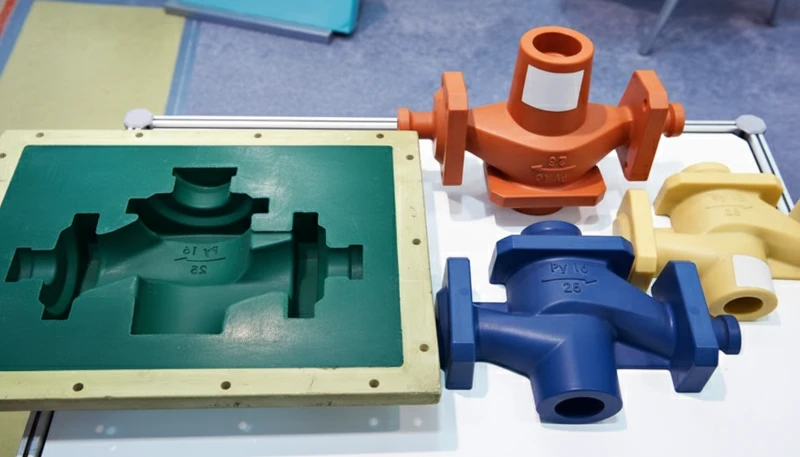
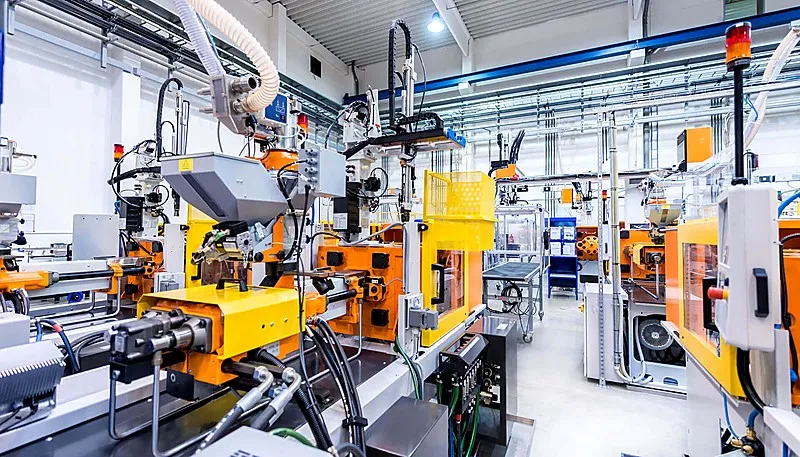
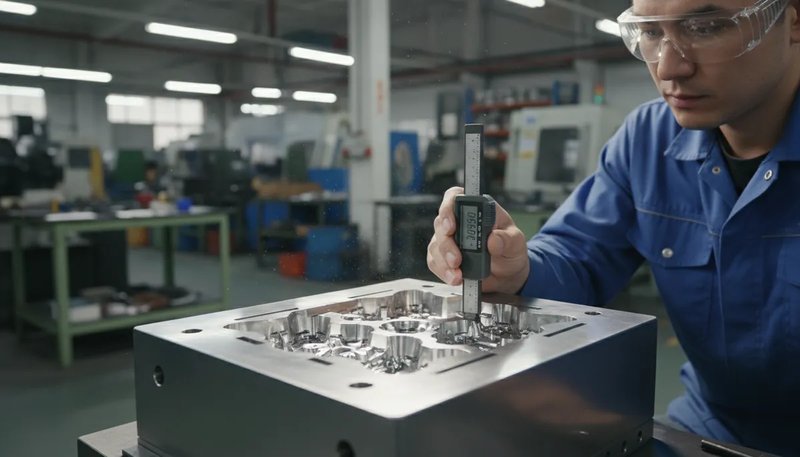
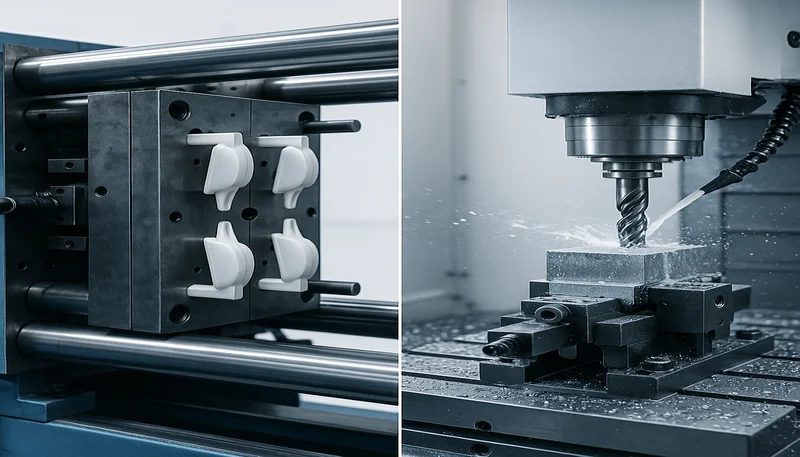
La prima immagine mostra la produzione reale delle operazioni di stampaggio a iniezione, evidenziando la capacità di produrre simultaneamente parti multicolore. Ciò rappresenta un vantaggio chiave dei sistemi a canale caldo: la possibilità di produrre in modo efficiente assiemi complessi e multicomponente in singoli cicli di stampaggio. La seconda immagine fornisce dettagli tecnici sulla progettazione meccanica dello stampo, mostrando in particolare come sollevatori e sistemi di espulsione siano integrati nell’attrezzatura per consentire un’estrazione affidabile del pezzo.
| Area decisionale | Cosa verificare |
|---|---|
| proprietà della resina | Verificate come la progettazione dello stampo influisce sul sistema a canale caldo: guida completa a tipi, costi e ROI. |
| Materiale | Verificare il comportamento della resina, il ritiro, il calore e i rischi estetici. |
| Qualità | Richiedere prove dell'ispezione prima di approvare la produzione. |
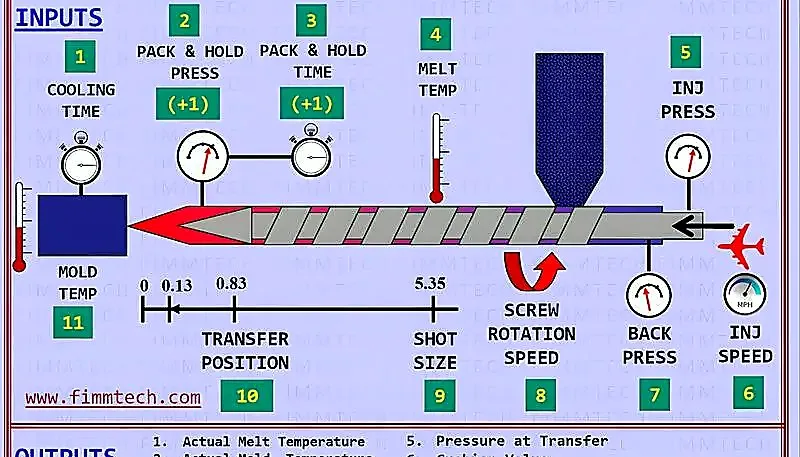
La tecnologia a canale caldo rende possibili queste capacità tramite collettori riscaldati che mantengono temperatura e pressione del fuso costanti in ogni punto di iniezione. Questo controllo termico, abbinato a componenti meccanici di precisione come i sollevatori, garantisce che gli stampi con molte cavità possano funzionare in modo affidabile ai volumi produttivi che giustificano l’investimento iniziale nell’attrezzaggio.
Che cos’è un sistema a canale caldo per stampi a iniezione?
Un sistema a canale caldo per stampi a iniezione è definito dalle funzioni, dai vincoli e dai compromessi illustrati in questa sezione. È un collettore riscaldato che distribuisce la plastica fusa dall’ugello a più punti di iniezione, riducendo in genere il tempo ciclo del 15-40% ed eliminando del tutto gli scarti dei canali freddi. È un gruppo riscaldato integrato nello stampo che mantiene fusi i canali per tutto il ciclo produttivo, eliminando la materozza fredda altrimenti espulsa a ogni ciclo. La scelta dei canali deve inoltre essere compatibile con la finestra di dosaggio, la capacità di plastificazione e la stabilità di processo della pressa a iniezione a vite usata in produzione.
Dal punto di vista della progettazione, la scelta del canale caldo determina opzioni di posizione, equilibrio del riempimento, prestazioni del ciclo e manutenzione a lungo termine. Queste decisioni vanno fissate in fase di progetto, perché cambiare il sistema dopo il completamento è costoso.
Quali sono i compromessi di attrezzaggio tra canale caldo e canale freddo e quando scegliere l’uno o l’altro?
"“I canali caldi mantengono il fuso alla temperatura di lavorazione tra una stampata e l'altra: nessuna solidificazione, nessuno spreco.”"True
Le resistenze elettriche a cartuccia integrate nel collettore mantengono il fuso a 200–320°C lungo l'intero sistema di canali. L'isolamento termico tramite intercapedini d'aria e punti di supporto in titanio impedisce la dispersione di calore verso le piastre raffreddate dello stampo (20–80°C). Il risultato: nessuna solidificazione della materozza a ogni ciclo e disponibilità continua del fuso al punto di iniezione.
"“I canali caldi possono essere lasciati indefinitamente alla piena temperatura di processo durante gli arresti della macchina senza alcun rischio.”"False
Le soste prolungate alla piena temperatura di processo causano degradazione del materiale — variazione cromatica, punti neri e perdita di proprietà meccaniche — nelle resine termosensibili. Prassi standard: ridurre i setpoint a una “temperatura di mantenimento” inferiore di 30–50°C rispetto alla temperatura di processo durante soste >10–30 minuti. Il protocollo deve essere documentato nella scheda di setup dello stampo.
I canali caldi superano quelli freddi sotto tre aspetti misurabili: il tempo ciclo diminuisce del 15–40%, l’utilizzo del materiale sale dal 60–70% al 95–98% e lo scarto dei canali si azzera. I canali freddi restano però la scelta corretta quando il volume annuo è inferiore a 50,000 pezzi o quando il vincolo principale è il budget iniziale per l’attrezzatura. Il compromesso è reale e dipende dal volume; non si tratta di un miglioramento unilaterale.
| Metrico | Corridore caldo | Canale freddo |
|---|---|---|
| Utilizzo del materiale | 95–98% | 60–70% |
| Impatto sul tempo ciclo | 15–40% più breve | Valore di riferimento |
| Sovrapprezzo dell'attrezzaggio | +20–35% rispetto al canale freddo | Valore di riferimento |
| Scarto del canale per ciclo | Valore zero | Percentuale: 20–40% del peso della stampata |
| Estetica del punto di iniezione | Vestigio pulito e minimo (con otturatore a valvola) | Segno del punto di iniezione + residuo della materozza |
| Caduta di pressione nel canale | Inferiore (canali corti e caldi) | Maggiore (canali lunghi che si solidificano) |
| Complessità della manutenzione | Moderato (riscaldatori, controllori) | Basso |
| Ideale per (volume annuo) | >100,000 parts/year | <50,000 pezzi/anno |
Una quarta categoria degna di menzione è il hot runner con riscaldamento esterno — talvolta chiamato hot sprue bush — dove l’elemento di riscaldamento circonda l’esterno del canale anziché essere incorporato nel manifold. Questi sono più semplici ed economici ma meno uniformi termicamente, e oggi sono largamente sostituiti da manifold con riscaldamento interno nelle moderne attrezzature. Si incontrano ancora sistemi con riscaldamento esterno negli inventari di stampi più vecchi, particolarmente in stabilimenti che hanno utilizzato lo stesso design di attrezzatura per 15–20 anni.
Aggiungendo l’eliminazione della movimentazione dei canali e delle operazioni di rimacinazione, l’efficienza complessiva del ciclo migliora ulteriormente. Nella produzione in grandi volumi per il settore automobilistico o dei beni di consumo, questi secondi si sommano generando significativi incrementi della capacità annuale.
Scarti dei canali freddi: ogni ciclo produce 5-30g di scarto dei canali per cavità
Risparmio di materiale: il canale caldo elimina il 100% degli scarti dei canali in corrispondenza del punto di iniezione
Penalizzazione del materiale rimacinato: il riutilizzo del rimacinato riduce la resistenza all’urto del 10-15%
Sul piano qualitativo, i canali caldi forniscono una temperatura del fuso più costante al punto di iniezione, riducendo tensioni residue e difetti delle linee di saldatura e migliorando la costanza dimensionale negli stampi multicavità. I canali caldi a valvola, in cui uno spillo chiude fisicamente il punto, producono una traccia pulita e piatta che spesso non richiede rifilatura. È un reale vantaggio estetico per superfici esterne visibili. I canali freddi, anche con punti sottomarini o a banana, lasciano sempre una traccia che può richiedere controllo o rifilatura.
| Fattore | Canale freddo | Corridore caldo |
|---|---|---|
| Scarto di materiale per iniezione | Canale da 5-30g per cavità | 0g (nessuno scarto dei canali) |
| Impatto sul tempo ciclo | +2-8 secondi per il raffreddamento del canale | Nessun raffreddamento supplementare necessario |
| Costo dell’attrezzatura | Investimento iniziale inferiore | Sovrapprezzo: $15K-80K+ |
| ROI con oltre 200K pezzi/anno | N/A | Periodo di ammortamento tipico di 3-6 mesi |
Dove vincono i canali freddi: per volumi inferiori a 50.000 pezzi/anno, il sovrapprezzo del canale caldo raramente si giustifica. Per materiali molto sensibili al taglio o che degradano rapidamente in un canale riscaldato, come alcuni PVC e TPU, i canali freddi sono più sicuri.
Per prototipi e stampi ponte, dove la flessibilità conta più dell’efficienza, un semplice stampo a canale freddo è più rapido da costruire e più facile da modificare. La decisione ingegneristica consiste nell’adattare il sistema di alimentazione alle effettive esigenze produttive, non nello scegliere automaticamente il sistema che sembra più avanzato.
Un altro fattore da considerare: gli stampi a canale caldo richiedono un’unità esterna di controllo della temperatura, un investimento aggiuntivo di 3.000–15.000 dollari e un’ulteriore apparecchiatura da manutenere, calibrare e immagazzinare. Per uno stabilimento con oltre 20 stampi a canale caldo, la standardizzazione dei controllori e l’inventario dei ricambi diventano decisioni a livello di impianto. Gli stampi a canale freddo non presentano tali dipendenze, un reale vantaggio operativo nelle officine più piccole o per produzioni poco frequenti.
"“I sistemi a canale caldo eliminano completamente gli scarti dei canali, portando l'utilizzo del materiale al 95–98%.”"True
Poiché tra i cicli la plastica fusa rimane nel collettore riscaldato e nei canali degli ugelli, nessun canale solidifica, nessun materiale viene espulso come scarto e le operazioni di rimacinazione vengono eliminate. Il materiale che altrimenti sarebbe scartato o rilavorato rimane nel flusso produttivo a ogni ciclo.
"“I canali caldi riducono sempre il tempo ciclo, indipendentemente dalla geometria del componente o dalla configurazione dello stampo.”"False
La riduzione del tempo ciclo dipende dal fatto che il canale freddo determinasse in precedenza la fase di raffreddamento. Per i pezzi a parete sottile in cui il fattore limitante è il pezzo stesso, il passaggio a un canale caldo può offrire guadagni minimi. L'intervallo di miglioramento del 15–40% si applica ai casi in cui massa e spessore del canale contribuivano in modo significativo al fabbisogno totale di raffreddamento.
Quali sono i tipi di sistemi a canale caldo: configurazioni a punto singolo, multipunto e con otturatore?
Tipi di sistemi a canale caldo: le configurazioni a punto singolo, multipunto e con otturatore sono le principali categorie illustrate in questa sezione. I sistemi a canale caldo si dividono in tre famiglie: punto singolo, con un ugello e una cavità; collettore multipunto, con più ugelli, cavità o punti di iniezione; e otturatore, in cui un perno meccanico chiude il punto di iniezione. Ciascuna soluzione è adatta a specifiche geometrie, volumi e requisiti estetici. La scelta corretta dipende dal progetto del componente quanto dal volume produttivo.
I sistemi a canale caldo a punto singolo utilizzano un ugello riscaldato che alimenta direttamente uno stampo a cavità singola. Sono la configurazione a canale caldo più semplice e meno costosa: l’ugello sostituisce la materozza e il canale freddo, ma alimenta una sola cavità. Sono ideali per pezzi grandi a cavità singola, come pannelli automobilistici, alloggiamenti medicali o componenti industriali, quando è praticabile un punto di iniezione centrale. Il sovrapprezzo dell’attrezzatura rispetto a uno stampo a cavità singola con canale freddo è in genere del 15–25%, con una minore complessità del termoregolatore poiché occorre gestire soltanto una o due zone riscaldanti.
Sistemi di collettori multipunto
I sistemi a collettore multipunto sono il pilastro della produzione ad alto volume. Un blocco collettore centrale distribuisce il fuso dall’ugello della macchina a 4, 8, 16 o 32 ugelli singoli, ciascuno dei quali alimenta una cavità di uno stampo multicavità. Il collettore deve bilanciare il flusso del fuso affinché pressione e temperatura di riempimento siano identiche in ogni punto di iniezione: collettori sbilanciati causano variazioni di peso tra le cavità, riempimenti incompleti in alcune e bave in altre. Il bilanciamento si ottiene mediante una disposizione geometricamente equilibrata dei canali (a H o a spina di pesce), sezioni dei canali corrispondenti e posizionamento controllato dei riscaldatori.
ZetarMold utilizza simulazioni di analisi del flusso per convalidare il bilanciamento del collettore prima di lavorare l’acciaio di ogni stampo a canale caldo con più punti di iniezione.
Sistemi con punto a valvola
Le configurazioni con otturatore a spillo integrano in ciascun ugello uno spillo azionato pneumaticamente o idraulicamente che chiude fisicamente il punto di iniezione al termine delle fasi di iniezione e mantenimento. I vantaggi sono rilevanti: il segno residuo del punto di iniezione è praticamente nullo (un segno circolare piatto del diametro dello spillo), l’azionamento sequenziale degli otturatori consente di riempire componenti di grandi dimensioni attraverso più punti di iniezione in sequenza, eliminando le linee di saldatura, e la chiusura meccanica del punto di iniezione permette di lavorare materiali che tendono a colare o a formare fili nei punti di iniezione aperti dei sistemi a canale caldo.
Il sovrapprezzo per un otturatore a valvola è del 25–40% rispetto a un punto di iniezione termico con canale caldo ed è giustificato per superfici con requisiti estetici critici o quando occorre eliminare le linee di giunzione.
| Tipo | Cavità | Segno del punto di iniezione | Sovrapprezzo |
|---|---|---|---|
| A punto singolo | 1 | Residuo piccolo | Sovrapprezzo del +15–25% rispetto al canale freddo |
| Collettore multipunto | 4–96 | Piccolo residuo per ciascun punto di iniezione | Costo: +25–40% rispetto al canale freddo |
| Punto di iniezione a otturatore | 1–32+ | Segno piatto del perno (Classe A) | +25–40% rispetto a un punto di iniezione termico |
| Esterno (materozza calda) | 1 | Residuo della materozza | Bassa (progetto preesistente) |
Una quarta categoria degna di nota è il canale caldo riscaldato esternamente — talvolta chiamato bussola di colata calda — in cui l’elemento riscaldante circonda l’esterno del canale anziché essere integrato nel collettore. Questi sistemi sono più semplici ed economici, ma meno uniformi dal punto di vista termico, e nelle attrezzature moderne sono stati in gran parte sostituiti dai collettori riscaldati internamente. I sistemi riscaldati esternamente si incontrano ancora negli inventari di stampi più vecchi, soprattutto negli stabilimenti che utilizzano lo stesso progetto di stampo da 15–20 anni.
"“I canali caldi con otturatore a valvola producono un segno del punto di iniezione quasi invisibile, risultando la scelta preferita per le superfici estetiche di Classe A.”"True
Il perno di azionamento chiude a filo della superficie del punto di iniezione, lasciando solo un piccolo segno circolare pari al suo diametro. È meccanicamente superiore ai punti termici, nei quali il congelamento del fuso può lasciare un piccolo peduncolo o residuo da rifilare o lucidare.
"“Un collettore a canale caldo multipunto garantisce automaticamente il riempimento bilanciato di tutte le cavità senza alcun intervento di progettazione.”"False
Il bilanciamento del collettore richiede una progettazione deliberata: disposizione geometrica bilanciata dei canali, diametri corrispondenti, posizionamento controllato delle zone di riscaldamento e convalida mediante simulazione del flusso. Un collettore sbilanciato causa variazioni di riempimento tra cavità superiori al 10–15% del peso di iniezione, generando incoerenze dimensionali e scarti nell'intero gruppo di cavità.
Quali sono le applicazioni dei canali caldi negli stampi multicavità: dove si trova il vero ROI?
Le applicazioni dei canali caldi negli stampi multicavità, dove risiede il vero ROI, costituiscono le principali categorie o opzioni illustrate in questa sezione. In ZetarMold, il nostro team ha progettato e costruito oltre 800 stampi a canale caldo per i settori medicale, automobilistico e dell’elettronica di consumo. Dai nostri dati di produzione: stampi a canale caldo a 8 cavità correttamente bilanciati raggiungono costantemente una variazione del peso della stampata tra le cavità pari a ≤±0.8%; un risultato che richiede geometria del collettore convalidata, zone di riscaldamento uniformi e dati delle prove T0/T1. Gli ingegneri che omettono la fase di simulazione impiegano generalmente 2–4 settimane per risolvere gli squilibri di riempimento durante l’avvio della produzione. Eseguiamo l’analisi del flusso nello stampo all’inizio di ogni progetto a canale caldo proprio per eliminare questo costo di avviamento.
Il calcolo del ROI degli stampi multicavità
Gli stampi multicavità a canale caldo costano generalmente 1,2–1,5 volte l’investimento di uno stampo comparabile a cavità singola e canale freddo, ma quando il volume giustifica la spesa per l’attrezzatura producono pezzi a una frazione del costo unitario. È nell’effetto combinato del maggior numero di cavità, dell’assenza di scarti dei canali e del tempo di ciclo più breve che la convenienza dei canali caldi emerge pienamente.
Esperienza di fabbrica: nel nostro stabilimento di Shanghai, ZetarMold gestisce 47 macchine per stampaggio a iniezione da 90T a 1850T e dispone di un reparto interno di costruzione stampi supportato da 8 ingegneri senior. I nostri ingegneri usano i dati delle prove T0/T1 per convalidare bilanciamento del collettore, comportamento delle zone riscaldanti e prestazioni reali in pressa prima che l'acquirente investa in uno stampo a canale caldo con molte cavità.
Si consideri uno scenario pratico: si sta stampando un piccolo alloggiamento per elettronica di consumo. Uno stampo a canale freddo con 4 cavità potrebbe avere un tempo ciclo di 28 secondi, con il 35% del peso della stampata destinato ai canali. Il materiale dei canali deve essere scartato (costo) oppure rimacinato e miscelato nuovamente con resina vergine (costo + rischio qualitativo).
Lo stesso pezzo, in uno stampo a canale caldo con 8 cavità correttamente bilanciato, potrebbe funzionare con un ciclo di 20 secondi e zero scarto dei canali. Il calcolo: la produzione oraria sale da circa 514 pezzi (4 cavità × 3,600s ÷ 28s) a 1,440 pezzi (8 cavità × 3,600s ÷ 20s) — quasi 3× la produttività — eliminando al contempo la gestione dei canali e il costo del rimacinato. È qui che il calcolo del ROI diventa semplice.
Quali settori ne beneficiano maggiormente?
| Industria | Numero tipico di cavità | Volume annuo |
|---|---|---|
| Dispositivi medici monouso | 16–32 | 2–50 milioni/anno |
| Imballaggio (chiusure) | 32–96 | Oltre 50 milioni/anno |
| Rivestimenti automobilistici | 4–8 | Volume: 500k–5M/anno |
| Elettronica di consumo | 4–16 | 500k–20M/anno |
I settori che traggono maggior vantaggio dagli stampi multicavità a canale caldo includono i dispositivi medici monouso (siringhe, tappi, connettori) con 16–32 cavità, gli imballaggi (chiusure, contenitori a parete sottile) con 32–96 cavità, i componenti di finitura automobilistica con 4–8 cavità e l’elettronica di consumo con 4–16 cavità. In ogni caso, i volumi di produzione annuali — in genere da 500,000 a decine di milioni di pezzi all’anno — giustificano l’investimento nell’attrezzatura e generano un ROI positivo entro 3–9 mesi ai volumi di produzione e ai costi dei materiali tipici.
Un aspetto che molti ingegneri trascurano: gli stampi multicavita a canale caldo richiedono un maggiore investimento iniziale nell’ingegnerizzazione del processo. Ottenere un riempimento bilanciato, temperature uniformi dei punti di iniezione e parametri di iniezione corrispondenti in 8 o 16 cavita richiede piu tempo di configurazione rispetto a uno stampo analogo a canale freddo. ZetarMold investe nella simulazione del flusso nello stampo e in campioni di convalida del processo (prove T0 e T1) proprio per anticipare questo impegno ingegneristico e ridurre al minimo i problemi di avvio della produzione.
Un aspetto che molti ingegneri trascurano: gli stampi multicavità a canale caldo richiedono un maggiore investimento iniziale nell’ingegneria di processo. Nel nostro stabilimento di Shanghai ho constatato direttamente che ottenere un riempimento bilanciato, temperature uniformi dei punti di iniezione e parametri di iniezione coerenti su 8 o 16 cavità richiede più tempo di configurazione rispetto a uno stampo analogo a canale freddo. ZetarMold investe nella simulazione del flusso nello stampo e in campioni di convalida del processo (prove T0 e T1) proprio per anticipare questo impegno ingegneristico e ridurre al minimo i problemi di avvio della produzione.
Che cosa valutare prima di investire in uno stampo a canale caldo?
"“Uno stampo a canale caldo a 8 cavità può produrre quasi 3× pezzi all'ora rispetto a uno stampo a canale freddo a 4 cavità.”"True
Un canale freddo a 4 cavità con un tempo di ciclo di 28s produce ~514 pezzi/ora. Un canale caldo a 8 cavità con un tempo di ciclo di 20s produce ~1,440 pezzi/ora, ossia una produttività 2.8 volte superiore. La combinazione del raddoppio delle cavità e della riduzione del tempo di ciclo genera un vantaggio economico radicale che, con elevati volumi produttivi, giustifica in pochi mesi il sovrapprezzo dello stampo.
"“La progettazione del processo a canale caldo non è più complessa dell'impostazione di uno stampo standard a canale freddo.”"False
Gli stampi multicavità a canale caldo richiedono un'ingegnerizzazione di processo notevolmente maggiore: ottenere un riempimento bilanciato ≤±1% tra 8–16 cavità, gestire 20–24 zone di temperatura indipendenti e convalidare l'aspetto del punto di iniezione richiede prove T0/T1 strutturate. ZetarMold anticipa questo lavoro mediante la simulazione del flusso nello stampo, ma le scorciatoie in questa fase sono la causa principale dei costosi ritardi nell'avvio della produzione.
Prima di investire in uno stampo a canale caldo, valutare tre valori: il volume di produzione annuo, con una soglia di pareggio generalmente pari a 100,000–200,000 componenti/anno; il sovrapprezzo totale dello stampo, pari a $15,000–$90,000 in funzione del numero di ugelli e degli otturatori a spillo; e il risparmio annuo complessivo derivante dall’eliminazione degli scarti di materiale e dalla riduzione del tempo ciclo. Se il periodo di ammortamento supera 12 mesi e il prodotto ha un ciclo di vita breve, lo stampo a canale freddo è la scelta finanziariamente più corretta.
Il sovrapprezzo di un canale caldo comprende: costo del collettore (5.000–25.000 dollari), costo dell’ugello per ciascuna discesa (800–2.500 dollari per ugello), costo dell’attuatore del punto d’iniezione a valvola, se applicabile (500–1.500 dollari per punto), regolatore di temperatura (3.000–15.000 dollari per unità multizona) e progettazione supplementare dello stampo per integrare il collettore (3.000–10.000 dollari).
Per un semplice canale caldo a 4 punti con ugelli termici, il sovrapprezzo totale è generalmente di $18,000–$35,000. Per un sistema a 16 punti con otturatori a valvola, il sovrapprezzo rispetto a un progetto equivalente a canale freddo è di $45,000–$90,000.
| Parametro | Canale freddo (4 cavità) | Canale caldo (8 cavità) |
|---|---|---|
| Cavità | 4 | 8 |
| Tempo di ciclo | 28 s | 20 s |
| Parti all'ora | 514 | 1,440 |
| Utilizzo del materiale | 65% | 97% |
| Risparmio annuo sui costi del materiale* | — | ~$18,000 |
| Valore annuo della capacità aggiuntiva* | — | ~$45,000 |
| Sovrapprezzo dello stampo a canale caldo | — | $35,000 |
| Punto di pareggio stimato del ROI | — | Circa 6 mesi |
I valori sopra indicati utilizzano un costo del materiale di 3,50 dollari/kg e presuppongono 6.000 ore di produzione l’anno, una stima realistica per un’attività su tre turni. I valori effettivi varieranno, ma il modello di calcolo resta lo stesso.
Calcolate il risparmio di materiale eliminando gli scarti, il valore della capacità grazie al miglioramento di tempo di ciclo e cavitazione, quindi dividete il sovrapprezzo dell’attrezzatura per il beneficio annuo combinato. Se il pareggio è inferiore a 12 mesi e il prodotto dura più anni, il canale caldo è quasi sempre giustificato.
In che modo il controllo della temperatura del canale caldo influisce sulla qualità del pezzo?
Il controllo preciso della temperatura in ogni zona del canale caldo previene il degrado del materiale e assicura un riempimento uniforme. Variazioni di temperatura anche di soli 5 gradi possono causare striature cromatiche, riempimenti incompleti o incoerenze dimensionali tra le cavità. I sistemi moderni utilizzano regolatori PID con retroazione a termocoppia per ogni zona.
Se state valutando se un sistema a canale caldo sia la scelta corretta per il vostro stampo, contattate il nostro team di progettazione di stampi a canale caldo per una revisione delle specifiche del sistema.
Quali fonti supportano queste linee guida sui canali caldi?
Questa sezione presenta le fonti a sostegno delle linee guida sui canali caldi e del loro impatto su costi, qualità, tempi o rischio di approvvigionamento. Beaumont, J. P., Runner and Gating Design Handbook, 3rd ed., Hanser, 2019. Parametri di riferimento per tempo ciclo e utilizzo del materiale nei canali caldi.
Rosato, D. V. & Rosato, M. G., Injection Molding Handbook, 3rd ed., Kluwer Academic, 2000. Tassi di scarto dei canali freddi e quadro di calcolo del ROI dei canali caldi.
Dati di simulazione Moldflow/Autodesk: convalida del bilanciamento del collettore, squilibrio di riempimento pari a ±10–15% nei sistemi non bilanciati (riferimento tecnico interno, 2023).
Husky Injection Molding Systems, Hot Runner Systems Technical Reference, 2022. Intervalli di sostituzione delle punte degli ugelli: 500k–1M cicli; sostituzione dei riscaldatori: 2–5 anni.
ScienceDirect: “Energy and material savings in hot runner injection molding,” Journal of Materials Processing Technology, Vol. 209, 2009. Riduzione del tempo ciclo del 15–40%, utilizzo del materiale del 95–98%.
Quali domande pongono gli acquirenti sui sistemi a canale caldo?
Questa sezione tratta le domande degli acquirenti sui sistemi a canale caldo e il loro impatto su costi, qualità, tempi o rischi di approvvigionamento. Gli acquirenti che valutano questi sistemi chiedono costantemente informazioni su volume di pareggio, complessità della manutenzione, compatibilità dei materiali, precisione della temperatura e fattibilità dell’adeguamento: cinque aree decisionali che determinano se l’investimento in un canale caldo si ripagherà o diventerà una soluzione costosa e poco performante. Le risposte seguenti affrontano ogni aspetto con dati di produzione, non con materiale commerciale.
Domande frequenti
A quale volume di produzione un sistema a canali caldi diventa conveniente?
Un sistema a canale caldo diventa generalmente conveniente quando il volume annuo è abbastanza elevato da consentire ai risparmi sugli scarti dei canali, al ciclo più breve e al maggior numero di cavità di compensare l’investimento aggiuntivo nell’attrezzatura. Come soglia pratica, gli acquirenti dovrebbero avviare una seria modellazione del ROI oltre 100,000 componenti all’anno e aspettarsi un ritorno più solido oltre 200,000 componenti all’anno. Il punto di pareggio esatto dipende dal costo della resina, dal peso del componente, dal numero di cavità, dalla riduzione del tempo ciclo e dai costi di manutenzione. Per tecnopolimeri costosi o produzioni multicavità, il solo risparmio di materiale può giustificare il sistema più rapidamente di quanto suggerisca un semplice confronto del prezzo dell’attrezzatura.
Quanto è difficile la manutenzione dei canali caldi in produzione?
La manutenzione dei canali caldi è gestibile se pianificata dalla progettazione dello stampo, ma richiede più disciplina rispetto a un canale freddo. Il team deve monitorare cartucce riscaldanti, termocoppie, punte degli ugelli, guarnizioni del collettore, otturatori e taratura del regolatore di temperatura. Gli interventi comuni comprendono sostituzione delle punte dopo produzioni prolungate, diagnosi dei riscaldatori e pulizia dei residui di resina dalle zone soggette a degradazione. Il rischio principale non è il lavoro in sé, ma scegliere un fornitore incapace di fornire schemi elettrici chiari, elenchi ricambi e assistenza diagnostica dopo l’avvio della produzione.
Quali materiali sono rischiosi per i sistemi a canale caldo?
I materiali con finestre di processo ristrette o elevata sensibilità termica richiedono un’attenta valutazione del canale caldo prima dell’avvio della costruzione dello stampo. Il PVC, alcuni gradi di POM, i compound ritardanti di fiamma e i materiali che carbonizzano durante lunghi tempi di permanenza possono generare degradazione, punti neri, odori o riempimento instabile se il collettore presenta zone morte. Anche i materiali ad alto contenuto di fibra di vetro possono usurare le punte degli ugelli e le aree di iniezione più rapidamente delle resine non caricate. La scelta più sicura consiste nel valutare la temperatura del fuso, il tempo di permanenza, la sensibilità al taglio, il contenuto di carica e la procedura di spurgo prima di selezionare punti di iniezione termici, ugelli a otturazione, configurazione del collettore e materiali degli ugelli.
Quanto deve essere preciso il controllo della temperatura dei canali caldi?
Dopo la stabilizzazione del processo, la maggior parte dei sistemi a canale caldo deve mantenere ciascuna zona di temperatura entro circa più o meno 1–2 gradi Celsius, con un controllo più rigoroso per le resine tecniche termosensibili. Una deriva di 5–10 gradi Celsius può modificare la viscosità abbastanza da causare riempimenti incompleti, bave, aloni in corrispondenza del punto di iniezione, filamenti, variazioni cromatiche o punti neri. Un buon controllo della temperatura non dipende solo dal regolatore, ma anche dalla disposizione dei riscaldatori, dal contatto delle termocoppie, dall’isolamento del collettore, dalla geometria del punto di iniezione e dalla convalida durante le prove T0 e T1 sulla pressa di produzione prevista.
È possibile adattare uno stampo a corridore freddo con un sistema a corridore caldo?
Talvolta uno stampo a canale freddo può essere convertito, ma raramente basta sostituire una piastra. Lo stampo deve avere spessore sufficiente delle piastre, spazio per il collettore, posizioni compatibili dei punti di iniezione, canaline adeguate per il cablaggio e un raffreddamento che non interferisca con la disposizione del canale caldo. Se mancano queste condizioni, la conversione può richiedere nuove piastre, modifiche alla base dello stampo o una riprogettazione importante dal costo prossimo a quello di uno stampo nuovo. Prima di approvare questa soluzione, gli acquirenti devono confrontare costo della conversione, fermo macchina, volume di produzione previsto e vita residua dello stampo.
plastica: famiglia di materiali il cui flusso, ritiro, resistenza, resistenza termica, qualità estetica, tempo ciclo e prestazioni a lungo termine orientano le decisioni di stampaggio. ↩
stampaggio a iniezione: processo produttivo che fonde la plastica, la inietta nella cavità dello stampo, raffredda il pezzo e ripete il ciclo per una produzione in serie stabile. ↩
stampo a iniezione: utensile di precisione che definisce geometria del pezzo, raffreddamento, espulsione, punti di iniezione, finitura superficiale e ripetibilità. ↩