La velocità di iniezione, cioè la velocità con cui la vite spinge la plastica fusa nella cavità dello stampo, è uno dei parametri più influenti di una pressa per stampaggio a iniezione. Se è corretta, si ottengono pezzi lucidi e dimensionalmente stabili, ciclo dopo ciclo. Se è errata, si continuerà a lottare con bave, riempimenti incompleti, risucchi e deformazioni. Nel nostro stabilimento di Shanghai abbiamo dedicato oltre 20 anni alla messa a punto dei profili di velocità su presse da 90T a 1850T; questa guida riassume ciò che conta davvero.
- La velocità di iniezione controlla direttamente la portata del fuso, la pressione nella cavità e la qualità del componente
- I profili di velocità multistadio sono più efficaci del riempimento a velocità singola per la maggior parte delle parti
- I pezzi a parete sottile richiedono velocità maggiori; quelli a parete spessa necessitano di curve lento-veloce-lento
- La regolazione della velocità può risolvere bave, riempimenti incompleti, getti liberi e bruciature
- La viscosità del materiale e il progetto del punto di iniezione determinano l'intervallo di velocità iniziale
Che cos’è la velocità di iniezione nello stampaggio a iniezione?
La velocità di iniezione è la velocità della vite che riempie di plastica fusa la cavità dello stampo. Viene solitamente espressa in mm/s o cm3/s e rappresenta il primo parametro di regolazione dopo aver stabilizzato le temperature del fuso e dello stampo e la forza di chiusura. Se state confrontando fornitori o pianificando gli acquisti, la nostra guida alla selezione dei fornitori di stampaggio a iniezione tratta la preparazione delle richieste di offerta e le verifiche sui fornitori.
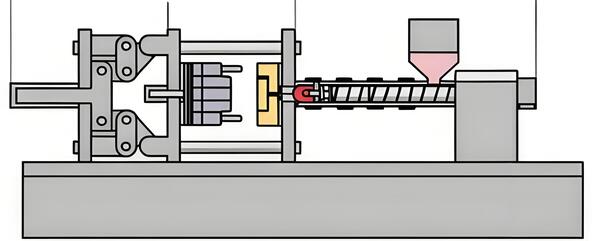
La velocità di iniezione è la velocità con cui la vite spinge il polimero fuso nella cavità dello stampo, misurata in mm/s o cm/s. Determina la rapidità con cui la cavità si riempie prima che il materiale inizi a solidificarsi. Su una macchina idraulica, la velocità di iniezione è controllata dalla portata dell’olio idraulico al cilindro di iniezione. Su una macchina completamente elettrica, un motore servo aziona la vite e la velocità è impostata direttamente come parametro digitale.
Il rapporto tra velocità e qualità del pezzo non è lineare. Sotto una determinata soglia, il fuso si raffredda eccessivamente durante il riempimento, creando linee di saldatura deboli, segni di flusso e densità non uniforme. Sopra un’altra soglia, il fuso entra nella cavità in modo turbolento, intrappolando aria, provocando getti e generando un calore di taglio eccessivo che può degradare il polimero. Il punto ottimale — diverso per ogni stampo e materiale — è quello in cui il fronte del fuso avanza in modo costante, riempie uniformemente e completa la compattazione.
In pratica, la velocità di iniezione interagisce con la pressione di iniezione, la temperatura del fuso e la temperatura dello stampo. Non è possibile ottimizzare la velocità isolatamente. Tuttavia, la velocità è generalmente il primo parametro da regolare dopo aver impostato le temperature del cilindro e la forza di chiusura, perché i suoi effetti sull’aspetto superficiale e sulla costanza dimensionale sono immediati ed evidenti.
Nel nostro stabilimento di Shanghai utilizziamo 47 presse a iniezione da 90T a 1850T. In migliaia di cicli produttivi abbiamo riscontrato che la velocità di iniezione è il singolo parametro più determinante da impostare correttamente durante la configurazione iniziale del processo, più della pressione di mantenimento o del tempo di raffreddamento per la maggior parte dei pezzi.
Perché la velocità di iniezione è importante per la qualità dei pezzi?
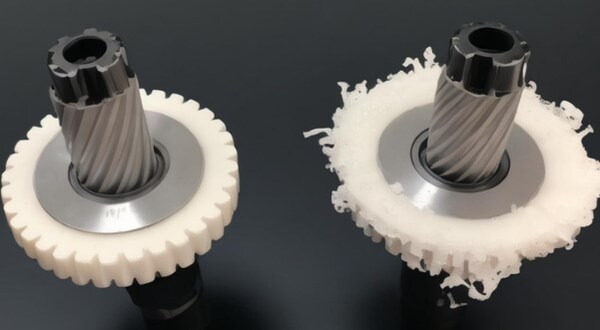
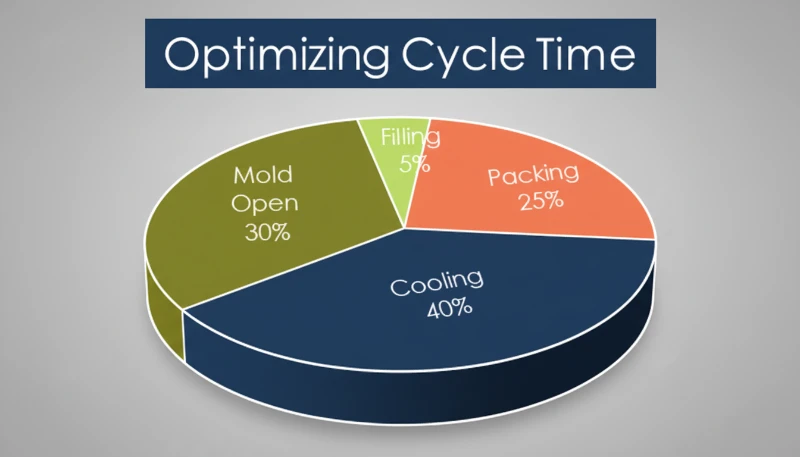
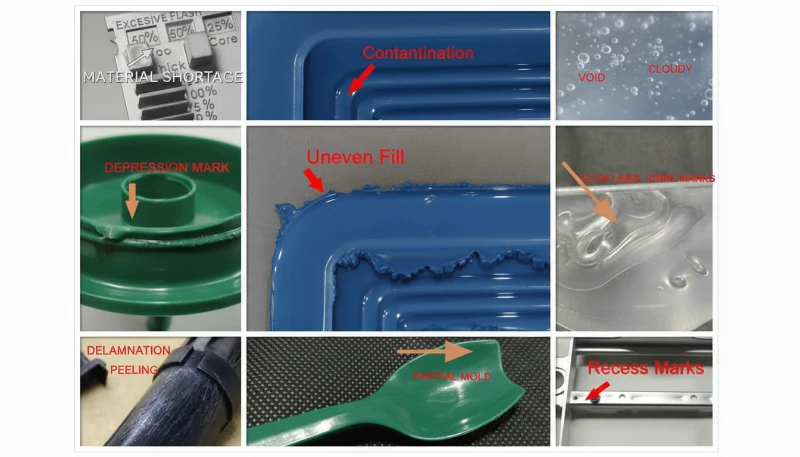
La velocità di iniezione è un controllo primario per la qualità del pezzo stampato. Governa la velocità del fronte di fusione, la pressione in cavità e l’uniformità del raffreddamento. Quando il fuso entra troppo lentamente, il polimero si raffredda prima che la cavità sia piena, causando colate fredde, linee di saldatura deboli, densità irregolare e compattazione incompleta. Quando entra troppo velocemente, il processo può creare getti, intrappolamento d’aria, bavè, bruciature e calore di taglio eccessivo.
Quando il fuso entra troppo velocemente, si verifica una serie diversa di problemi: jetting, in cui il fuso attraversa il punto di iniezione come un getto d’acqua ad alta pressione invece di avanzare con un fronte uniforme; sacche d’aria dovute al flusso turbolento, che causano bruciature e vuoti; bava sulla linea di divisione per l’improvviso picco di pressione; e difetti superficiali come striature argentate dovute a umidità o gas.
La velocità ideale mantiene costante l’avanzamento del fronte del fuso durante l’intero riempimento. Poiché l’area della sezione trasversale della cavità cambia lungo il percorso di flusso, anche la velocità della vite deve variare: è proprio questo il motivo per cui esiste il profilo multistadio1. Ogni fase del riempimento richiede una velocità diversa per mantenere costante l’avanzamento del fronte del fuso.
"I pezzi a parete sottile richiedono generalmente velocità di iniezione superiori rispetto ai pezzi a parete spessa."True
Le pareti sottili si solidificano in pochi millisecondi. Il fuso deve riempire l'intera cavità prima che il canale di flusso si congeli, richiedendo velocità di iniezione maggiori, spesso pari o superiori a 200 mm/s per spessori inferiori a 0,5 mm.
"La velocità di iniezione e la pressione di iniezione sono parametri completamente indipendenti."False
Sebbene le impostazioni della macchina siano separate, l'aumento della velocità di iniezione incrementa tipicamente la pressione in cavità per la maggiore portata volumetrica e l'aumento del riscaldamento da taglio.
Quali fattori influiscono sulla velocità di iniezione?
I principali fattori che influenzano la velocità di iniezione sono la viscosità del materiale, lo spessore della parete, il design dell’ingresso, la lunghezza del flusso e le capacità della macchina. Materiali a bassa viscosità come PP e PA possono riempire a velocità moderate, mentre PC, PMMA e materiali caricati con vetro richiedono un controllo più stretto per evitare danni da taglio. Le pareti sottili richiedono un riempimento più rapido prima del congelamento, mentre le pareti più spesse solitamente richiedono un profilo lento-veloce-lento.
Lo spessore della parete svolge un ruolo decisivo. I pezzi a parete sottile sotto 1 mm richiedono un’elevata velocità per completare il riempimento prima del congelamento. I pezzi a parete spessa oltre 3 mm beneficiano di un profilo lento-veloce-lento per ridurre al minimo risucchi e vuoti, mantenendo al contempo tempi ciclo ragionevoli. Anche il tipo e le dimensioni del punto di iniezione sono importanti: un punto di iniezione capillare genera un elevato taglio all’ingresso, quindi la velocità attraverso il punto deve essere controllata, mentre un grande punto di iniezione laterale può tollerare velocità maggiori.
La lunghezza del flusso è un altro fattore fondamentale. Percorsi lunghi richiedono maggiore velocità per mantenere la temperatura del fuso. Se il polimero si raffredda durante il riempimento, si ottengono pezzi incompleti. Come regola generale, per ogni 100 mm di lunghezza del flusso si deve prevedere un aumento della velocità di 10–20 mm/s per compensare la perdita di calore. Anche la temperatura dello stampo influisce: uno stampo più caldo consente velocità inferiori perché il fuso resta fluido più a lungo.
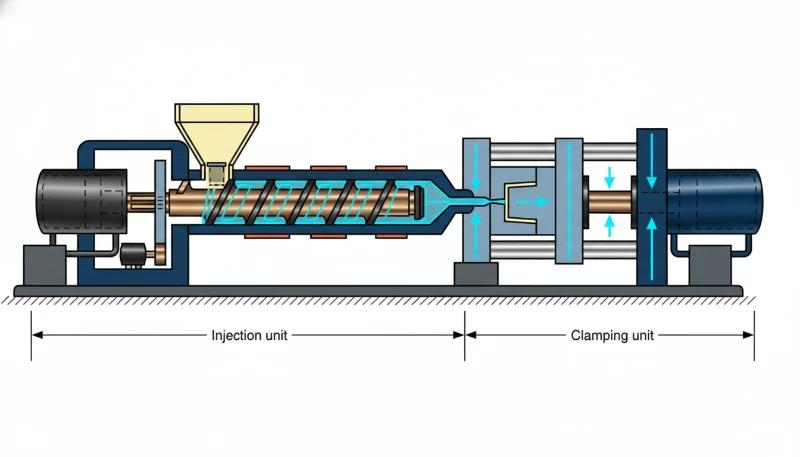
Infine, le capacità della macchina stabiliscono il limite superiore. La velocità massima di iniezione dipende dalla portata idraulica della macchina o dal regime del servomotore. Una macchina con velocità massima nominale di 300 mm/s può garantire un controllo stabile soltanto tra 20 e 250 mm/s. Comprendere congiuntamente questi fattori è essenziale per scegliere la definizione della velocità di iniezione2 corretta per l’applicazione specifica.
Come si controlla la velocità di iniezione?
Si controlla la velocità di iniezione programmando il flusso della valvola idraulica, la velocità servo a ciclo chiuso o il movimento servo-elettrico della vite. Il controllo della valvola proporzionale regola il flusso d’olio al cilindro di iniezione, mentre i sistemi servo misurano in tempo reale la posizione e la velocità effettive della vite. Per pezzi di precisione, il controllo a ciclo chiuso offre una ripetibilità molto migliore rispetto alle impostazioni di velocità a ciclo aperto.
Il servocontrollo ad anello chiuso utilizza un encoder ad alta risoluzione sulla vite per misurare in tempo reale la posizione e la velocità effettive. Il controllore regola il servomotore o la valvola proporzionale affinché corrisponda al valore impostato. Ciò garantisce una precisione della velocità di più o meno 0.1% ed è essenziale per lo stampaggio di precisione, soprattutto per componenti medicali, ottici ed elettronici, nei quali la costanza tra un’iniezione e l’altra incide direttamente sulla qualità del componente.
L’azionamento diretto servo-elettrico elimina completamente l’idraulica. Una vite a ricircolo di sfere azionata da un servomotore muove l’unità di iniezione. Il controllo della velocità è intrinsecamente digitale, con tempi di risposta inferiori a 10 ms. Queste macchine offrono la velocità più costante tra una stampata e l’altra e le transizioni di velocità più pulite tra le fasi.
A livello di processo, la maggior parte dei moderni controllori consente di programmare da 5 a 10 fasi di velocita. Ogni fase specifica una posizione della vite e una velocita obiettivo. La macchina passa automaticamente da una fase all’altra mentre la vite avanza, consentendo di rallentare in corrispondenza del punto di iniezione, accelerare nella cavita e rallentare nuovamente al termine del riempimento, il tutto in un’unica iniezione.
Su tutte le nostre 47 macchine, da 90 T a 1.850 T, utilizziamo il controllo della velocità ad anello chiuso. La differenza tra il controllo ad anello aperto e quello ad anello chiuso è più evidente sui pezzi con tolleranze ristrette: abbiamo osservato una riduzione della variazione dimensionale dal 40 al 60% semplicemente passando a un profilo della velocità di iniezione ad anello chiuso.
Che cos’è il profilo di velocità di iniezione multistadio?
Il profilo multistadio consiste nel modificare la velocità di iniezione in punti specifici della fase di riempimento. Anziché azionare la vite a velocità costante, si programma una curva di velocità che si adatta a ciò che accade nello stampo. Un tipico profilo a 5 stadi suddivide il riempimento in fasi distinte, ciascuna con un proprio obiettivo di velocità.
La fase 1 consiste nel riempimento del canale ad alta velocità, in genere dall’80 al 100 percento del massimo. Il canale non ha requisiti estetici o strutturali, quindi si privilegia la velocità per ridurre al minimo la perdita di calore. La fase 2 è l’ingresso attraverso il punto di iniezione a bassa velocità, che scende al 20–40 percento mentre il materiale fuso attraversa il punto di iniezione. Ciò evita il getto libero, riduce la sollecitazione di taglio e previene l’alone in corrispondenza del punto di iniezione. Per i punti di iniezione puntiformi su pezzi estetici, questa fase è critica.
La fase 3 è il riempimento rapido della cavità, con un nuovo aumento al 60–90 percento una volta che il fuso ha superato il punto di iniezione e si sta distribuendo nella cavità. Questa fase riempie in genere il 70–85 percento del volume del pezzo. La fase 4 è la transizione a velocità media, ridotta al 30–50 percento mentre la cavità si avvicina al riempimento completo, per creare una transizione uniforme alla fase di compattazione ed evitare la sovracompressione vicino al punto di iniezione.
La fase 5 conclude il riempimento a bassa velocità, ridotta al 10–20% per l’ultima porzione. In questo modo si evitano le bave, si consente all’aria intrappolata di uscire dagli sfiati e si ottiene un passaggio regolare alla pressione di mantenimento. Le percentuali esatte della velocità e i punti di commutazione della posizione dipendono dallo stampo e dal materiale. La ricerca del profilo ottimale rientra nella metodologia di stampaggio scientifico3: si eseguono riempimenti parziali a velocità diverse, si misura lo schema di riempimento e si procede per iterazioni.
"Rallentare la velocità di iniezione in prossimità del gate può contribuire a ridurre jetting e aloni del gate."True
Ridurre la velocità in corrispondenza del punto d'iniezione minimizza le tensioni di taglio e impedisce al fuso di attraversare l'apertura in modo turbolento. È una delle correzioni dei difetti basate sulla velocità più efficaci.
"Una sola velocità d’iniezione costante durante l’intera fase di riempimento produce i risultati migliori."False
Il profilo di velocità multistadio offre prestazioni costantemente superiori al riempimento a velocità singola. Una velocità costante provoca effetto getto al punto di iniezione, bava a fine riempimento o entrambi, a seconda della velocità scelta.
Quali problemi può risolvere la regolazione della velocità?
La velocità di iniezione è spesso il primo parametro da regolare durante la risoluzione dei difetti. La bava è uno dei problemi più comuni: quando il fuso trabocca dalla linea di divisione, di solito la cavità è stata sovraccaricata al termine del riempimento. La soluzione consiste nel ridurre la velocità nella fase finale, consentendo alla macchina di passare gradualmente alla pressione di mantenimento senza picchi di pressione.
I riempimenti incompleti si verificano quando il pezzo non si riempie del tutto perché il fuso solidifica prima di raggiungere l’estremità della cavità. La soluzione è aumentare la velocità durante il riempimento, mantenendo il fuso più caldo e fluido più a lungo. Il jetting produce linee vermiformi sulla superficie vicino al punto di iniezione quando il fuso attraversa il punto in un getto stretto anziché allargarsi a ventaglio. Rallentare all’ingresso consente al fuso di creare un fronte di flusso corretto.
Le bruciature appaiono come striature scure o aree carbonizzate, solitamente vicino alla fine del riempimento o in tasche cieche, e sono causate da aria compressa e surriscaldata. La soluzione consiste nel rallentare la velocità a fine riempimento per lasciare all’aria il tempo di fuoriuscire dagli sfiati prima che la cavità si sigilli. I risucchi sono depressioni localizzate sulla superficie del pezzo sopra sezioni spesse o nervature; sebbene siano principalmente un problema di compattazione, una maggiore velocità di iniezione aiuta facendo arrivare materiale più caldo alle sezioni spesse.
Le linee di flusso sono increspature o ondulazioni visibili sulla superficie, causate da una velocità irregolare del fronte di fusione. La soluzione consiste nel regolare il profilo di velocità per mantenerla costante, in genere aumentandola quando il percorso si allarga. Comprendere le curve di viscosità del materiale aiuta a prevedere le velocità che producono il flusso più pulito per ciascun polimero.
Come si ottimizza la velocità di iniezione per materiali diversi?
L’ottimizzazione della velocità specifica del materiale è il processo di adattamento di ogni fase di velocità alla viscosità del polimero, allo spessore della parete e alla sensibilità al calore. Ogni polimero ha una curva di viscosità che determina come reagisce alla velocità e allo sforzo di taglio. La tabella seguente fornisce intervalli di partenza per i materiali comuni; successivamente affinare i valori con studi sul corto riempimento e dati sulla pressione in cavità durante la configurazione del processo.
| Materiale | Intervallo di velocità tipico | Considerazione chiave |
|---|---|---|
| PP (polipropilene) | 50-150 mm/s | Bassa viscosità; riempimento rapido, taglio moderato |
| PE (polietilene) | 50-120 mm/s | Simile al PP; attenzione alla deformazione delle pareti sottili |
| PA6/PA66 (nylon) | 60-180 mm/s | Richiede un riempimento rapido per evitare la solidificazione prematura |
| ABS | 40-120 mm/s | Viscosità media; la velocità influisce sull'uniformità della brillantezza |
| PC (policarbonato) | 30-100 mm/s | Viscosità elevata; sensibile al taglio; evitare picchi al punto di iniezione |
| PMMA (acrilico) | 30-80 mm/s | Viscosità molto elevata; la trasparenza ottica richiede un flusso stabile |
| POM (acetale) | 50-150 mm/s | Cristallizzazione rapida; richiede un riempimento veloce |
| PBT | 60-140 mm/s | Cristallino; la velocità influisce sulla cristallinità e sul ritiro |
| Caricato con fibra di vetro (PA+GF) | 80-200 mm/s | Serve alta velocità; controllare l’orientamento delle fibre |
| TPU | 30-80 mm/s | Bassa tolleranza al taglio; velocità ridotte evitano il degrado |
Per i materiali caricati con fibra di vetro, velocità di iniezione più elevate aiutano a preservare la lunghezza delle fibre e a migliorare le proprietà meccaniche. Tuttavia, una velocità eccessiva provoca la rottura delle fibre in corrispondenza del punto di iniezione, riducendo l’effetto di rinforzo. Il valore ottimale è tipicamente compreso tra 100 e 150 mm/s per il nylon caricato con il 30 percento di fibra di vetro. Per materiali termosensibili come PC e POM, l’approccio multistadio è particolarmente importante: un improvviso picco di velocità al punto di iniezione può generare calore da taglio sufficiente a degradare il polimero.
Quali sono le migliori pratiche per impostare la velocità di iniezione?
Sulla base di due decenni di esperienza produttiva, queste sono le regole che seguiamo. Primo, iniziare con un approccio di stampaggio disaccoppiato: riempire la cavità al 95–99% del volume mediante il controllo della velocità, quindi passare al controllo della pressione tramite la pressione di mantenimento. Non tentare di riempire e compattare contemporaneamente. Secondo, utilizzare sempre un profilo di velocità multistadio. Anche per i pezzi semplici, adottare almeno un profilo a 3 stadi. Il miglioramento della costanza giustifica il tempo di configurazione.
Terzo, usate l’analisi dei riempimenti parziali per individuare il profilo. Impostate la macchina in modo da riempire soltanto una parte della cavità, quindi aumentate gradualmente la percentuale di riempimento osservando lo schema di flusso. Quarto, monitorate la pressione nella cavità, non soltanto la velocità della vite. All’interno dello stampo a iniezione contano la pressione del fuso e la velocità di flusso: i sensori di pressione in cavità forniscono il quadro reale.
Quinto, documentate i profili di velocità. Ogni stampo deve avere una curva di velocità documentata tra i propri parametri di processo. Quando si trasferisce uno stampo su una macchina diversa, occorre regolare le velocità in base alle caratteristiche di risposta della nuova macchina. Sesto, ripetete la convalida dopo ogni cambio di lotto del materiale: lotti diversi dello stesso grado possono avere viscosità leggermente differenti e una regolazione della velocità dal 5 al 10 percento è spesso sufficiente per compensare.
Come Scegliere la Velocità di Iniezione Giusta
Domande frequenti
Qual è una buona velocità di iniezione per lo stampaggio a iniezione?
Una buona velocità di iniezione dipende dal materiale e dalla geometria del pezzo. Per la maggior parte dei termoplastici, le velocità di iniezione variano da 50 a 200 mm/s in base alla viscosità e allo spessore della parete. I pezzi a parete sottile sotto 1 mm richiedono tipicamente velocità superiori a 150 mm/s per riempirsi completamente prima del congelamento, mentre i pezzi a parete spessa oltre 3 mm funzionano meglio a 30-80 mm/s. Partire dal 50-70% della velocità massima della macchina e regolare in base ai risultati dell’analisi di corto riempimento durante la configurazione iniziale del processo.
Come influisce la velocità di iniezione sulla qualità del pezzo?
La velocità di iniezione controlla direttamente la portata del fuso, la trasmissione della pressione in cavità e il modo in cui il pezzo solidifica in ogni singolo ciclo di stampaggio. Una velocità troppo lenta causa pezzi incompleti, linee di saldatura deboli e riempimento incompleto perché il fuso si raffredda prima di raggiungere la fine della cavità. Una velocità troppo veloce causa sfiati, jetting, segni di bruciatura e aria intrappolata a causa del riscaldamento eccessivo per attrito e del gas compresso. La velocità ottimale mantiene costante la velocità del fronte di fuso durante tutto il riempimento, producendo uno spessore uniforme delle pareti e un’integrità strutturale consistente in tutto il pezzo.
Cos’è la profilatura multi-fase della velocità di iniezione?
La profilatura multi-stadio cambia la velocità di iniezione in specifiche posizioni della vite durante il riempimento, invece di utilizzare una velocità costante per l’intero colpo. Un tipico profilo a cinque stadi inizia con un riempimento veloce dei canali di alimentazione all’80-100% della velocità massima, rallenta al gate per prevenire lo “jetting”, accelera per il riempimento della cavità al 60-90%, e termina con una fase lenta di fine riempimento per prevenire sfiati. Questo approccio riduce costantemente difetti come sfiati, segni di bruciatura e linee di saldatura controllando il comportamento di ingresso del fuso.
Come si misura la velocità di iniezione?
La velocità di iniezione è misurata con precisione come velocità di spostamento della vite durante la fase di riempimento, tipicamente espressa in millimetri al secondo o centimetri cubi al secondo. Le macchine moderne con controllo servo ad anello chiuso utilizzano encoder ad alta risoluzione per monitorare in tempo reale la posizione e la velocità effettive della vite, raggiungendo una precisione entro l’1% del valore impostato. La maggior parte dei controllori di macchina visualizza sia la velocità istantanea che la velocità media di riempimento, permettendo agli operatori di verificare che ogni fase di un profilo multi-fase venga eseguita correttamente durante le produzioni.
Qual è la differenza tra velocità e pressione di iniezione?
La velocità di iniezione è la rapidità con cui la vite avanza durante la fase di riempimento, mentre la pressione di iniezione è la forza che spinge il fuso nella cavità. La velocità controlla la fase di riempimento, e la pressione prende il sopravvento durante le fasi di compattazione e mantenimento che seguono. Nello stampaggio disaccoppiato, si separano deliberatamente queste due fasi per un migliore controllo del processo e una ripetibilità colpo dopo colpo. Impostare una velocità troppo alta aumenta le richieste di pressione e può causare sfiati, mentre impostarla troppo bassa significa che la cavità potrebbe non riempirsi prima che il materiale solidifichi.
La velocità di iniezione può correggere i difetti da bavè?
Sì, il bavè è uno dei difetti più comuni risolti regolando la velocità di iniezione negli ambienti produttivi. Il bavè si verifica quando il fuso trabocca dalla linea di divisione dello stampo a causa di pressione o velocità eccessiva alla fine del riempimento. Ridurre la velocità di iniezione durante la fase finale di riempimento permette allo stampo di sigillare correttamente prima che la pressione diventi troppo alta. La profilatura multi-fase con una fase finale lenta al 10-20% della velocità massima è l’azione correttiva standard per prevenire il bavè nelle operazioni di stampaggio di precisione.
Quale velocità di iniezione dovrei usare per l’ABS?
Per l’ABS, iniziare con una velocità di riempimento di 80-150 mm/s e regolare in base alla geometria del pezzo e ai requisiti di spessore della parete. L’ABS ha una viscosità moderata e risponde bene alla profilatura multi-fase con un riempimento iniziale veloce seguito da una fase finale più lenta. Osservare i segni di lucentezza sulla superficie del pezzo, che indicano transizioni di velocità troppo brusche. Se si notano avvallamenti nelle sezioni più spesse, provare prima ad aumentare la pressione di compattazione piuttosto che cambiare la velocità di iniezione, poiché l’ABS è meno sensibile alle variazioni di velocità rispetto al PC.
Profilo multistadio: pratica che consiste nel variare la velocità di iniezione in corrispondenza di determinate posizioni della vite durante la fase di riempimento; è una tecnica centrale nelle metodologie di stampaggio scientifico e disaccoppiato. ↩
Definizione della velocità di iniezione: velocità di avanzamento della vite durante la fase di riempimento, misurata in mm/s o cm3/s; determina direttamente la rapidità con cui il polimero fuso riempie la cavità dello stampo. ↩
Metodologia di stampaggio scientifico: approccio sistematico allo sviluppo del processo di stampaggio a iniezione basato su sperimentazione guidata dai dati, monitoraggio della pressione in cavità e principi dello stampaggio disaccoppiato. ↩