¿Qué es el moldeo por inyección a alta temperatura?
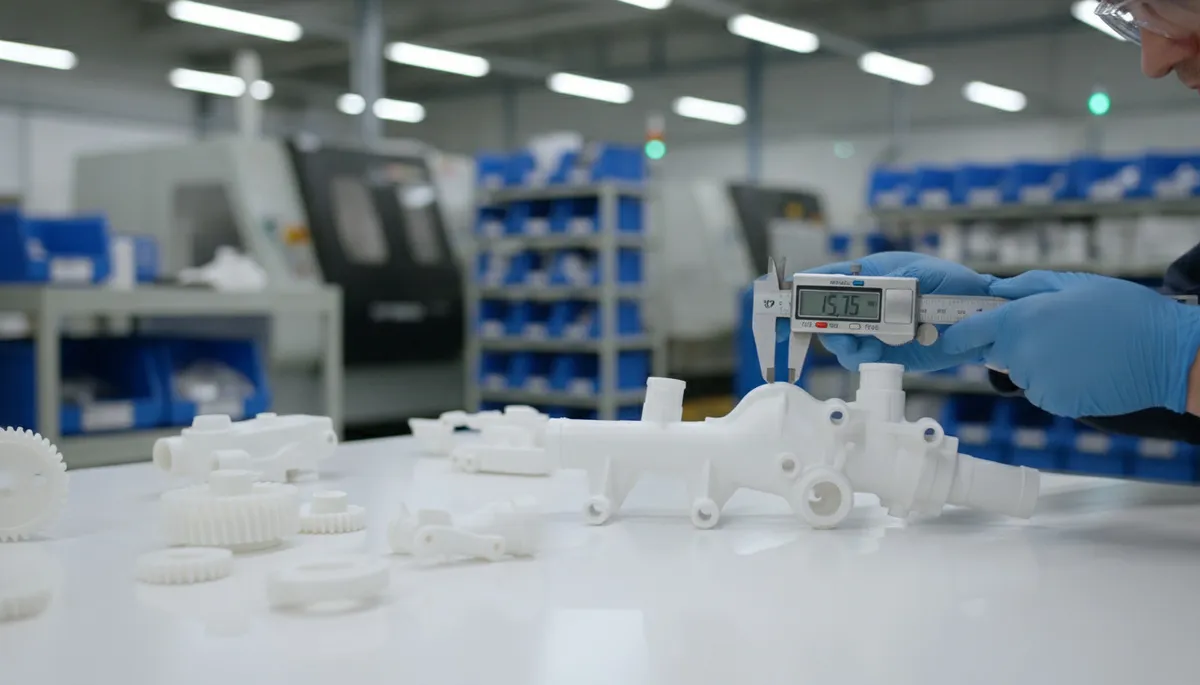
El moldeo de polímeros a alta temperatura es un proceso de fabricación especializado que utiliza temperaturas de fusión elevadas —normalmente superiores a 300 °C— para procesar termoplásticos técnicos de alto rendimiento1. En nuestra fábrica empleamos máquinas específicas de alta temperatura para materiales como PEEK, PPS y PEI, que sencillamente no pueden procesarse en equipos estándar.
El moldeo por inyección convencional suele trabajar con temperaturas de fusión de 180–280°C para plásticos de uso general como ABS, PP y PE. El moldeo a alta temperatura supera ampliamente este intervalo y requiere calentadores de cilindro especializados, juntas resistentes al calor, husillos endurecidos y controladores de temperatura del molde capaces de mantener las superficies del molde a 150–200°C. La ventaja es el acceso a materiales que superan a los metales en muchas aplicaciones con una fracción de su peso.
¿Qué materiales requieren procesamiento a alta temperatura?
Varias familias de polímeros de ingeniería y alto rendimiento requieren temperaturas de procesamiento superiores a 300°C. Trabajamos habitualmente con estos materiales, cada uno con requisitos de procesamiento y características de rendimiento específicos.
| Tipo de material | Temperatura de fusión (°C) | Temperatura del molde (°C) | Temperatura máxima de servicio (°C) | Propiedades clave |
|---|---|---|---|---|
| PEEK | 370–400 | 160–200 | 260 | Resistencia química excepcional, alta resistencia mecánica |
| PPS | 300–340 | 130–150 | 220 | Retardante de llama, estabilidad dimensional |
| PEI (Ultem) | 340–400 | 140–175 | 170 | Transparente, alta rigidez, cumplimiento de FST |
| LCP | 280–350 | 70–150 | 240 | Capacidad para paredes ultrafinas, baja viscosidad |
| PAI (Torlon) | 350–380 | 200–230 | 275 | La mayor resistencia de todos los termoplásticos |
| PPSU | 360–390 | 150–190 | 190 | Esterilizable por vapor, resistente al impacto |
PEEK es el material para altas temperaturas más solicitado en nuestra planta. Hemos comprobado que un secado adecuado (150°C durante 3–4 horas hasta menos del 0.02% de humedad) y un perfil preciso de temperatura del cilindro son fundamentales para fabricar piezas de PEEK sin defectos.
“Cualquier máquina estándar de moldeo por inyección puede procesar materiales de alta temperatura como PEEK y PEI.”False
Las máquinas estándar suelen alcanzar como máximo una temperatura de cilindro de 300°C y una temperatura de molde de 100°C. El PEEK requiere una temperatura de masa fundida de 370–400°C y una temperatura de molde de 160–200°C, por lo que exige cilindros, calentadores y controladores de molde de alta temperatura especializados que las máquinas estándar no tienen.
“Este proceso especializado requiere equipos especializados, como calefactores de cilindro de alta capacidad y controladores presurizados de temperatura del molde mediante agua caliente o aceite.”True
Procesar materiales por encima de 300°C exige calentadores de cilindro para 400°C+, sellos térmicos, husillos bimetálicos endurecidos y unidades de temperatura del molde, a menudo de aceite, capaces de mantener 150–200°C para cristalización y calidad superficial.
¿Cuáles son las principales ventajas del moldeo por inyección a alta temperatura?
La principal ventaja es el acceso a materiales que ofrecen un rendimiento similar al del metal con un 40–70% menos de peso. Según nuestra experiencia con clientes de los sectores aeroespacial y de automoción, el moldeo de polímeros de alta temperatura permite diseños que sencillamente no son posibles con plásticos estándar.
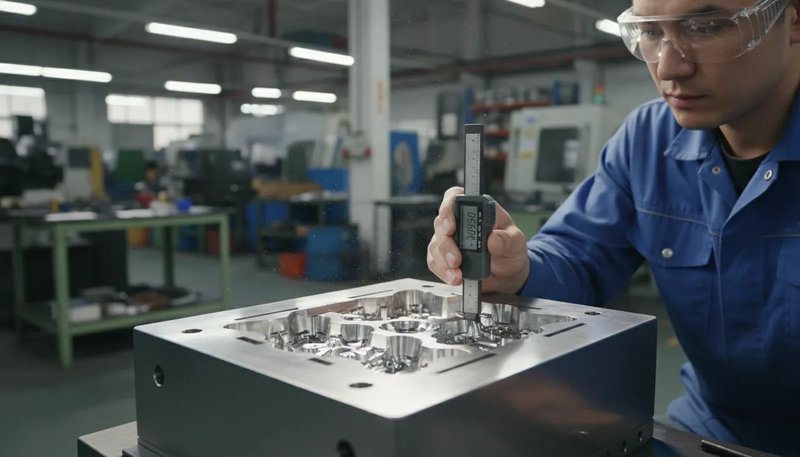
- Resistencia térmica superior: las piezas soportan temperaturas continuas de servicio de 150–275 °C, frente a 80–120 °C en los plásticos estándar.
- Resistencia química: el PEEK y el PPS resisten sustancias agresivas, como combustible de aviación, fluidos de automoción y agentes esterilizantes.
- Resistencia mecánica: resistencia a la tracción de 90–200 MPa; algunos grados reforzados con fibra de vidrio superan los 200 MPa y rivalizan con el aluminio.
- Reducción de peso: densidad relativa de 1,3–1,7, frente a 2,7 para el aluminio y 7,8 para el acero, lo que permite ahorrar entre un 40 y un 70 % de peso.
- Retardancia de llama: muchos polímeros de alta temperatura alcanzan la clasificación UL 94 V-0 sin aditivos.
- Estabilidad dimensional: un coeficiente bajo de expansión térmica permite mantener tolerancias estrechas en amplios intervalos de temperatura.
¿Qué sectores se benefician más del moldeo a alta temperatura?
El moldeo por inyección a alta temperatura abastece a sectores cuyos componentes deben funcionar bajo esfuerzos térmicos, químicos o mecánicos extremos. Hemos suministrado piezas moldeadas a alta temperatura a clientes de todos estos sectores.
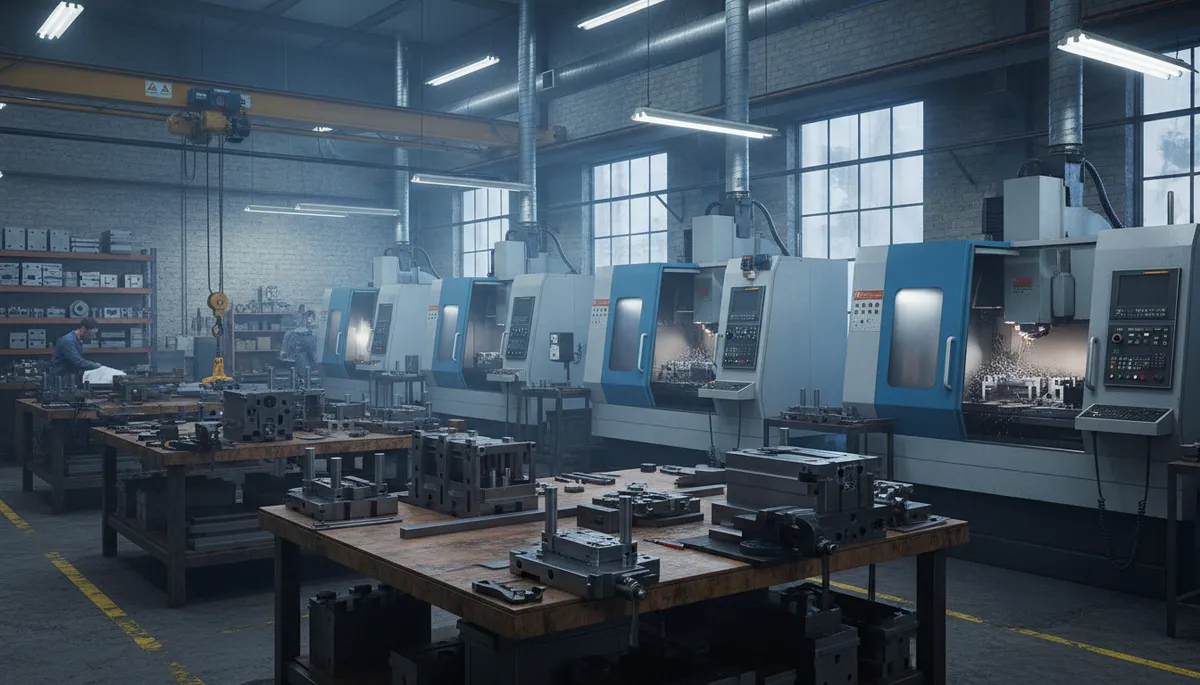
| Industria | Aplicaciones típicas | Materiales comunes | Intervalo de temperatura |
|---|---|---|---|
| Aeroespacial | Soportes, conductos y paneles interiores | PEEK, PEI, PPS | Hasta 260°C |
| Automoción | Componentes bajo el capó, sensores de turbo | PPS, PA46, PEEK | Hasta 220°C |
| Médico | Instrumentos quirúrgicos, componentes de implantes | PEEK, PPSU | Esterilización por vapor (134°C) |
| Electrónica | Conectores, zócalos SMT, aislantes | LCP, PPS, PEI | Soldadura por reflujo (pico de 260°C) |
| Petróleo y gas | Sellos, asientos de válvulas, anillos de respaldo | PEEK, PAI | Hasta 275°C + productos químicos |
Solo en la industria electrónica, la transición a la soldadura sin plomo (temperaturas máximas de reflujo de 260°C) impulsó la adopción masiva de LCP y PPS para conectores SMT, piezas que el nailon estándar o el PBT no pueden soportar.
¿Qué modificaciones de los equipos se necesitan para el procesamiento a alta temperatura?
Procesar materiales de alta temperatura exige modificaciones importantes, no basta con aumentar la temperatura del cilindro2. Hemos invertido mucho en equipos especializados y las diferencias frente al moldeo estándar son considerables.
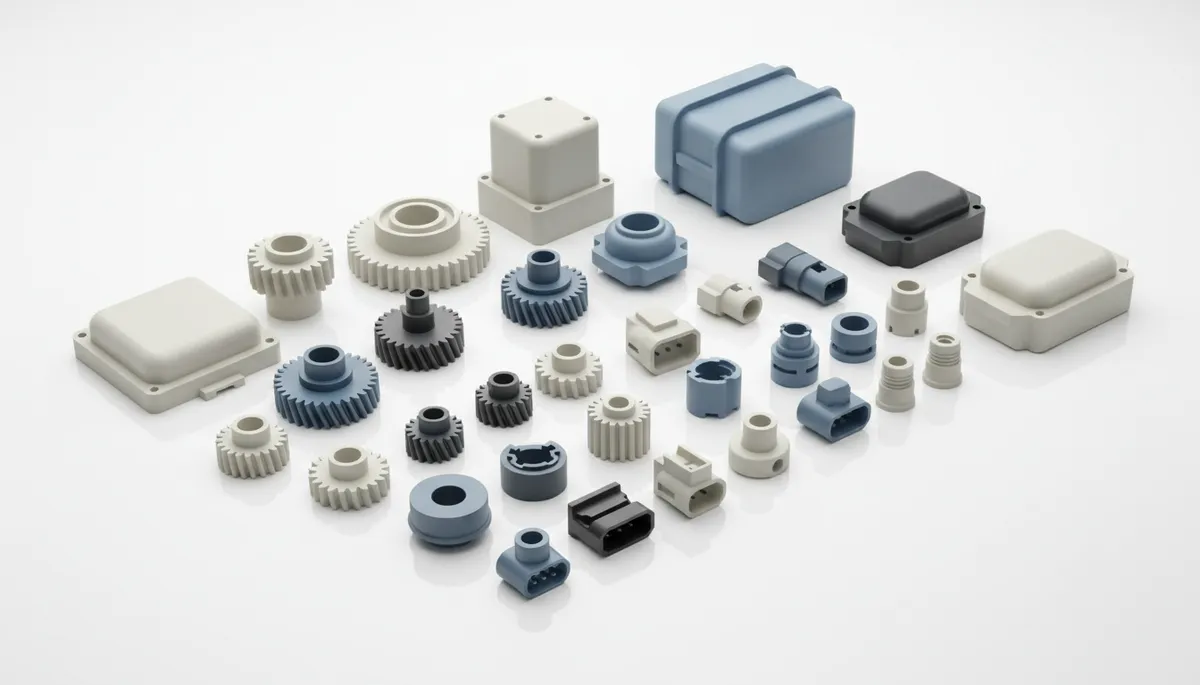
- Cilindro y tornillo: cilindros bimetálicos con revestimientos de Inconel o Hastelloy aptos para más de 420 °C. Tornillos con relaciones de compresión más bajas (de 2,0:1 a 2,5:1) para minimizar el calentamiento por cizallamiento.
- Bandas calefactoras: bandas cerámicas o de mica capaces de alcanzar 450 °C, con un control preciso por zonas (±2 °C).
- Control de temperatura del molde: sistemas de agua presurizada (hasta 180 °C) o unidades de aceite (hasta 350 °C) para mantener temperaturas elevadas en el molde.
- Sistemas de canal caliente: canales especializados con calentadores de alta temperatura y puntas de boquilla resistentes al desgaste.
- Equipos de secado: secadores desecantes capaces de superar los 200 °C para materiales como el PEEK, que requieren una eliminación intensiva de la humedad.
La inversión de capital para una célula de moldeo a alta temperatura suele ser un 30–50% superior a la de una célula estándar. Sin embargo, para las aplicaciones adecuadas, las ventajas de rendimiento justifican el coste.
«El moldeo por inyección a alta temperatura solo aumenta la temperatura del cilindro; no se necesitan otras modificaciones de la máquina».False
El procesamiento de polímeros de alta temperatura exige mejoras integrales del equipo: cilindros bimetálicos, husillos especializados, bandas calefactoras de alta capacidad, controladores presurizados de temperatura del molde, canales calientes de alta temperatura y secadores desecantes industriales. Limitarse a aumentar la temperatura del cilindro en una máquina estándar dañará las juntas y producirá piezas defectuosas.
«Una temperatura alta del molde (150–200°C) es esencial para la cristalización correcta de polímeros semicristalinos de alta temperatura como el PEEK».True
El PEEK es un polímero semicristalino que requiere temperaturas de molde de 160–200°C para alcanzar una cristalinidad óptima (30–35%). Una temperatura de molde insuficiente produce PEEK amorfo con una resistencia química, propiedades de desgaste y resistencia mecánica significativamente reducidas a temperaturas elevadas.
¿Cuáles son los retos habituales y cómo se superan?
El moldeo por inyección a alta temperatura presenta varios retos únicos que hemos aprendido a gestionar tras años de experiencia con estos materiales exigentes.
| Desafío | Causa raíz | Solución |
|---|---|---|
| Degradación del material | Tiempo de residencia excesivo a alta temperatura | Minimice el tiempo de ciclo y utilice un cilindro del tamaño correcto (relación entre volumen de inyección y cilindro del 40–70 %) |
| Cristalinidad deficiente (PEEK/PPS) | Temperatura del molde demasiado baja | Mantenga el molde a 160–200°C para PEEK y 130–150°C para PPS |
| Congelación de la compuerta | Gran diferencia de temperatura entre la masa fundida y el molde | Utilizar canales calientes, entradas más grandes y entradas de válvula secuenciales |
| Alabeo | Enfriamiento desigual, diferencias de cristalización | Refrigeración conformal, espesor de pared uniforme |
| Rebaba | Beneficios de la Moldura por Inyección a Alta Temperatura | ZetarMold | Cálculo preciso de la fuerza de cierre, tolerancias estrictas del molde |
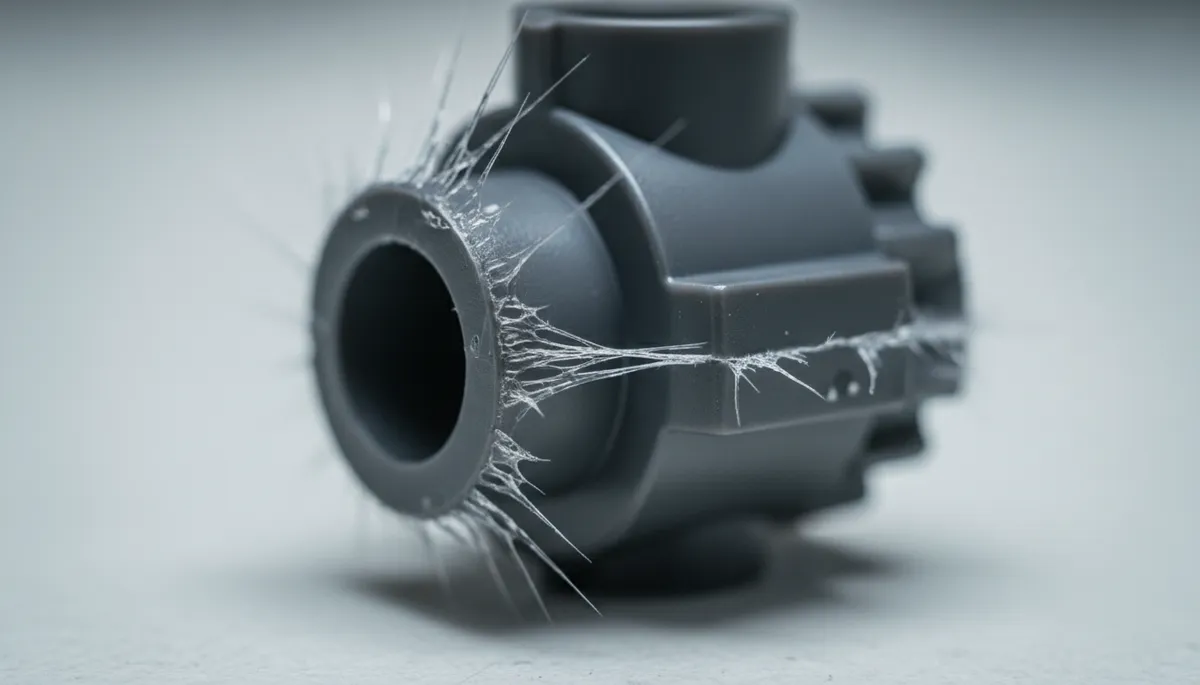
| Defectos superficiales | Humedad, tapones fríos | Protocolo de secado riguroso, purga adecuada |
Una lección fundamental que hemos aprendido: nunca deje el PEEK en el cilindro a la temperatura de procesamiento durante más de 5 minutos sin ciclar. El material se degradará, pasando de ámbar a marrón oscuro, con una pérdida considerable de propiedades mecánicas.
¿Cómo se compara el moldeo a alta temperatura con el mecanizado de metales para las mismas aplicaciones?
En muchas aplicaciones, las piezas moldeadas por inyección a alta temperatura sustituyen directamente a componentes metálicos mecanizados. Ayudamos con frecuencia a los clientes a realizar esta transición, y las ventajas son convincentes cuando la aplicación es adecuada.
La economía se inclina aún más a favor del moldeo de polímeros con volúmenes de producción elevados. Por debajo de 500 piezas, el mecanizado CNC de aluminio suele ganar en coste total porque la inversión en utillaje es mínima. Entre 500 y 2,000 piezas, el punto de equilibrio depende de la complejidad de la pieza: las geometrías sencillas favorecen el mecanizado, mientras que las formas complejas con características internas favorecen el moldeo. Por encima de 2,000 piezas, el moldeo por inyección casi siempre ofrece un coste por unidad inferior, incluso teniendo en cuenta la inversión de $15,000–$40,000 en moldes que suele requerir el utillaje para altas temperaturas.
El acabado superficial presenta otra diferencia clave. Las piezas metálicas mecanizadas logran Ra 0.8–1.6 μm sin operaciones secundarias, mientras que las piezas de PEEK moldeadas suelen obtener Ra 0.4–1.2 μm directamente del molde, incluso más lisas que el aluminio mecanizado en muchos casos. Aprovechamos esta ventaja en componentes de dispositivos médicos y carcasas de sensores ópticos donde la calidad superficial afecta directamente al rendimiento.
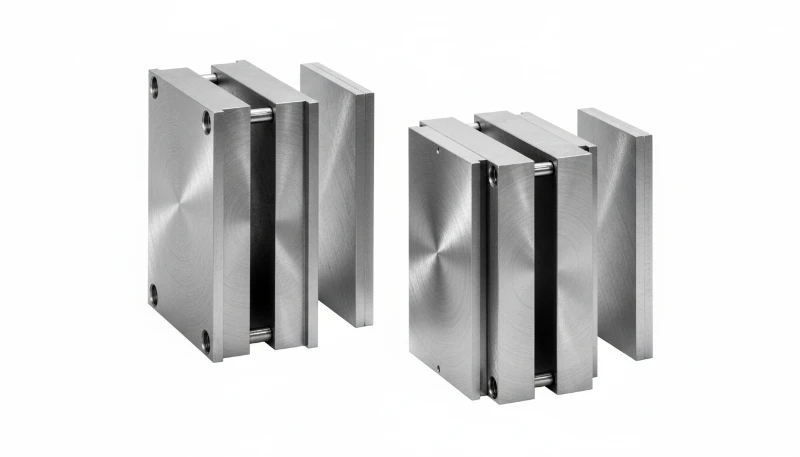
| Factor | Moldeo por inyección de PEEK | Mecanizado CNC de aluminio |
|---|---|---|
| Peso | 1.3 g/cm³ | 2.7 g/cm³ (52% más pesado) |
| Coste por pieza (10,000 unidades) | $2–$15 | $15–$100 |
| Duración del ciclo | 30–90 segundos | 5–30 minutos |
| Resistencia química | Excelente (para la mayoría de los disolventes) | Deficiente (se corroe en ácidos) |
| Aislamiento eléctrico | Excelente | Ninguna (conductivo) |
| Temperatura máxima de servicio | 260°C | 150°C (disminuye la resistencia) |
Un proyecto reciente para un cliente aeroespacial sustituyó soportes de aluminio mecanizados por CNC por PEEK reforzado con un 30% de fibra de carbono. El resultado: reducción de peso del 48%, reducción de costes del 60% a escala y mejor amortiguación de vibraciones; además, las piezas no se corroen en el entorno de niebla salina.
Otra consideración que los fabricantes suelen pasar por alto es el perfil de reciclabilidad y sostenibilidad de los polímeros de alto rendimiento. A diferencia de los materiales termoestables, que no pueden volver a fundirse, los polímeros termoplásticos como PEEK, PPS y PEI pueden triturarse y reprocesarse varias veces con una degradación mínima de sus propiedades. En nuestras instalaciones recuperamos y reutilizamos hasta un 25% del material de canales y bebederos de las series de producción a alta temperatura, lo que reduce el desperdicio de materia prima y el coste efectivo por pieza. Este enfoque de circuito cerrado también responde a la creciente demanda de los OEM de automoción y aeroespaciales de proveedores que demuestren prácticas de sostenibilidad cuantificables en sus operaciones de fabricación.
PREGUNTAS FRECUENTES
¿Cuál es el material de moldeo por inyección a alta temperatura más común?
PEEK (Poliéter Éter Cetona) es el material de moldeo por inyección de alta temperatura más utilizado, procesado a 370–400°C. Ofrece una combinación excepcional de resistencia mecánica (100 MPa de tracción), resistencia química y temperatura de servicio continuo de hasta 260°C.
¿Cuánto cuesta el moldeo por inyección a alta temperatura en comparación con el moldeo estándar?
El moldeo a alta temperatura suele costar entre 3 y 10 veces más por pieza que el moldeo estándar debido a materias primas costosas ($50–$150/kg frente a $2–$5/kg), tiempos de ciclo más largos (temperaturas de molde más altas = enfriamiento más prolongado) y requisitos de equipos especializados. Sin embargo, para aplicaciones de sustitución de metales, a menudo resulta más económico que el mecanizado CNC en volumen.
¿Se pueden utilizar moldes de inyección estándar para materiales de alta temperatura?
Generalmente no. Los moldes para materiales de alta temperatura requieren aceros para herramientas endurecidos (H13 o S7), juntas tóricas de alta temperatura y canales especializados de enfriamiento/calentamiento. Los moldes estándar de acero P20 pueden ablandarse o deformarse a las temperaturas elevadas del molde (150–200°C) necesarias para un procesamiento adecuado.
¿Qué condiciones de secado se requieren para el PEEK?
El PEEK debe secarse a 150°C durante 3-4 horas en un secador desecante para lograr un contenido de humedad inferior a 0.02%. Un secado inadecuado provoca marcas de salpicadura, burbujas y degradación de las propiedades mecánicas. Utilizamos analizadores de humedad en línea para verificar la sequedad antes del procesamiento.
¿Es adecuado el moldeo por inyección a alta temperatura para dispositivos médicos?
Sí. El PEEK y el PPSU se utilizan ampliamente en dispositivos médicos porque resisten la esterilización por vapor (134°C), son biocompatibles (ISO 10993) y ofrecen radiotransparencia para compatibilidad con imágenes. El PEEK también se utiliza en implantes espinales y estructuras dentales.
¿Cuál es la cantidad mínima de pedido para piezas moldeadas de alta temperatura?
Debido a los altos costos de herramientas ($15,000–$80,000 para moldes clasificados para PEEK) y los materiales costosos, las cantidades mínimas de pedido económicas suelen comenzar en 500–1,000 piezas. Para volúmenes más bajos, el mecanizado CNC de formas estándar de PEEK puede ser más rentable.
Resumen
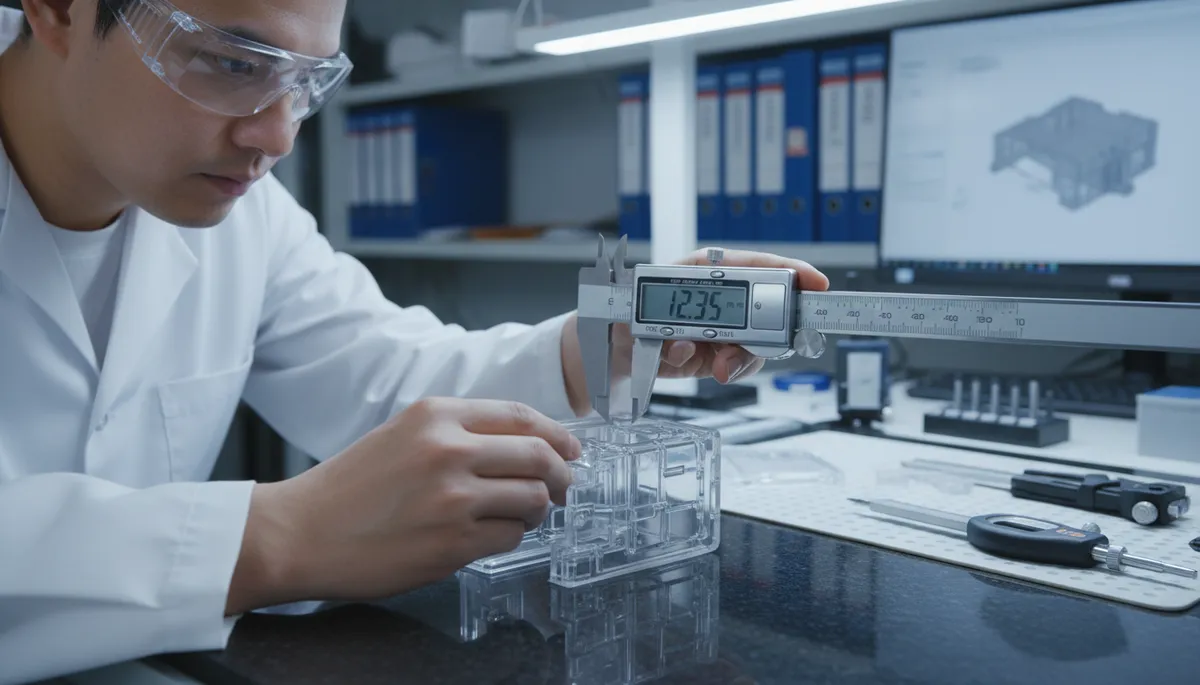
El moldeo por inyección a alta temperatura permite utilizar materiales con prestaciones similares a las de los metales, pero con un peso y un coste en volumen mucho menores. Sus ventajas —resistencia térmica de hasta 275 °C, excepcional estabilidad química y resistencia mecánica comparable a la del aluminio— lo hacen indispensable en aplicaciones aeroespaciales, automotrices, médicas y electrónicas. Aunque requiere equipos y conocimientos especializados, sus prestaciones y su capacidad para sustituir metales lo convierten en una de las competencias más valiosas de la fabricación moderna de plásticos. En nuestra fábrica es una de las áreas de servicio que más crece, pues cada vez más sectores descubren que los polímeros de alto rendimiento3 pueden superar a los metales de formas inesperadas. Consulte nuestra Guía completa del moldeo por inyección para obtener una visión general. Consulte nuestra Guía completa del moldeo por inyección para obtener una visión general.
-
Los termoplásticos son polímeros que se ablandan al calentarse por encima de su temperatura de transición vítrea (amorfos) o de su punto de fusión (semicristalinos) y se solidifican al enfriarse. A diferencia de los termoestables, pueden reprocesarse varias veces. Los termoplásticos de alto rendimiento, como PEEK y PEI, funcionan a temperaturas considerablemente superiores a las de los materiales de uso general. ↩
-
La temperatura del cilindro en el moldeo por inyección es el perfil térmico a lo largo del cilindro de plastificación, normalmente dividido en 3–5 zonas de calentamiento desde la garganta de alimentación hasta la boquilla. En materiales de alta temperatura, el control preciso de cada zona es esencial para evitar la degradación y asegurar una fusión completa. ↩
-
Los polímeros de alto rendimiento, también llamados plásticos técnicos avanzados, son una familia de termoplásticos caracterizados por su excepcional estabilidad térmica, resistencia química y resistencia mecánica. Incluyen PEEK, PEI, PPS, LCP, PAI y PPSU, todos ellos con temperaturas de procesamiento superiores a 280 °C. ↩
Obtenga precios competitivos, comentarios de DFM y un calendario de producción del equipo de ingeniería de ZetarMold.