 Overslaan naar inhoud

5. Kal Plastics (Langley, British Columbia)
– Major hubs include Ontario (automotive), Quebec (aerospace and packaging), Alberta (energy sector), and British Columbia (electronics and consumer goods).
– Canadian molders specialize in high-precision sectors like automotive, medical devices, and aerospace with strict ISO 13485 and IATF 16949 certifications.
– Partnering with a China-based mold maker like Zetar can cut tooling costs by 30–50% while maintaining North American quality standards.
– Key evaluation criteria include certifications, material expertise, production capacity, lead times, and geographic proximity to your supply chain.
What Makes Canada a Strong Hub for Injection Molding?
Canada is one of North America’s most established injection molding markets, with the plastics sector employing over 93,000 workers across roughly 3,200 facilities. The industry contributes approximately CAD $35 billion to the national economy, making it the sixth-largest manufacturing sector in the country.

In our experience working with Canadian OEMs and distributors, we’ve seen firsthand how the country’s proximity to the U.S. market, strong regulatory frameworks, and skilled workforce make it a compelling choice for sourcing injection molded parts. About 85% of Canadian plastics exports go to the United States, which means Canadian molders are well-versed in meeting U.S. standards and specifications.
The Canadian injection molding landscape spans several provinces, each with distinct strengths:
| Province | Key Industries Served | Notable Strengths |
|---|---|---|
| Ontario | Automotive, consumer goods | Largest concentration of molders; proximity to Detroit auto hub |
| Quebec | Aerospace, packaging, medical | Strong aerospace supply chain; bilingual workforce |
| Alberta | Energy, oil & gas equipment | Specialized in high-temperature and chemical-resistant parts |
| British Columbia | Electronics, consumer products | Pacific Rim trade access; tech-driven innovation |
| Manitoba | Agriculture, transportation | Cost-competitive manufacturing base |
“Canada’s injection molding industry is small and primarily serves its domestic market.”Vals
Canada exports over 45% of its plastics products and 67% of its injection molds internationally. The industry generates CAD $35 billion annually and is deeply integrated into North American and global supply chains.
“Ontario is the largest injection molding hub in Canada due to its proximity to the U.S. automotive corridor.”Echt
Ontario accounts for roughly 50% of Canada’s plastics manufacturing activity. Its location near Detroit and the broader Great Lakes automotive corridor makes it ideal for just-in-time delivery to major automakers.
Who Are the Leading Injection Molding Companies in Canada?
The top injection molding companies in Canada range from large multinational operations to specialized boutique manufacturers. Based on our industry research and experience partnering with Canadian firms, here are some of the most notable players:
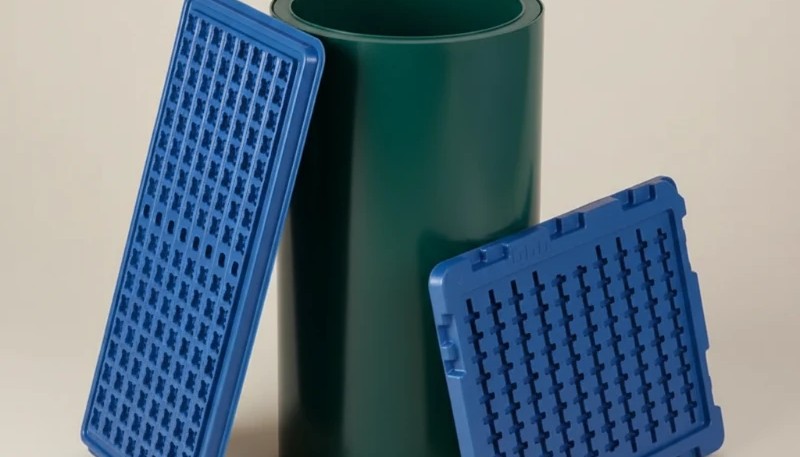
1. Husky Injection Molding Systems (Bolton, Ontario)
Husky is Canada’s largest and most internationally recognized injection molding equipment manufacturer. Founded in 1953, the company specializes in PET preform systems, closures, and medical packaging. With over 4,000 employees worldwide, Husky serves customers in more than 100 countries.
2. Stackteck Systems Ltd. (Brampton, Ontario)
Stackteck is a global leader in high-cavitation mold design and manufacturing. They specialize in stack molds, multi-material molds, and thin-wall packaging molds. We’ve seen their molds run at impressively tight cycle times—some PET preform molds achieve sub-3-second cycles.
3. ABC Group Inc. (Toronto, Ontario)
ABC Group is a tier-one automotive supplier specializing in blow molding and injection molding for vehicle components. Their expertise covers air intake systems, fluid handling, and exterior trim parts for major OEMs like Ford, GM, and Toyota.
4. Axiom Group Inc. (Aurora, Ontario)
Axiom specializes in custom plastic injection molding with a focus on automotive, consumer electronics, and industrial applications. They offer full-service capabilities from design assistance to high-volume production.
5. Kal Plastics (Langley, British Columbia)
Verpakking (10–15%)
6. Dyna-Mig (Barrie, Ontario)
Dyna-Mig focuses on precision injection molding for automotive and industrial markets. Their capabilities include insert molding, automated assembly, and ultrasonic welding.
7. Baytech Plastics (Midland, Ontario)
Baytech is a mid-size custom molder with machines ranging from 40 to 1,000 tons. They specialize in automotive, consumer goods, and industrial products with full tool design and maintenance services.
8. Jatco Inc. (Markham, Ontario)
Jatco focuses on precision plastic components and assemblies for electronics and telecommunication industries. Their cleanroom capabilities make them suitable for sensitive applications.
9. National Rubber Technologies (Toronto, Ontario)
While primarily a rubber molder, NRT also offers thermoplastic injection molding. They specialize in recycled rubber and plastic products, making them a leader in sustainable manufacturing.
10. Proto Plastics (Mississauga, Ontario)
Proto Plastics is a family-owned custom injection molder specializing in short-run and prototype production. They serve medical, automotive, and consumer markets with quick turnaround times.
What Services Do Canadian Injection Molding Companies Typically Offer?
Canadian injection molding companies offer a comprehensive range of services that go well beyond basic part production. In our 20+ years of experience in the molding industry, we’ve found that the best Canadian firms differentiate themselves through value-added capabilities.
Core services typically include:
- Spuitgieten op maat – Production runs from prototype quantities to millions of parts annually
- Overspuiten – Multi-material parts combining rigid and flexible plastics for improved grip and aesthetics
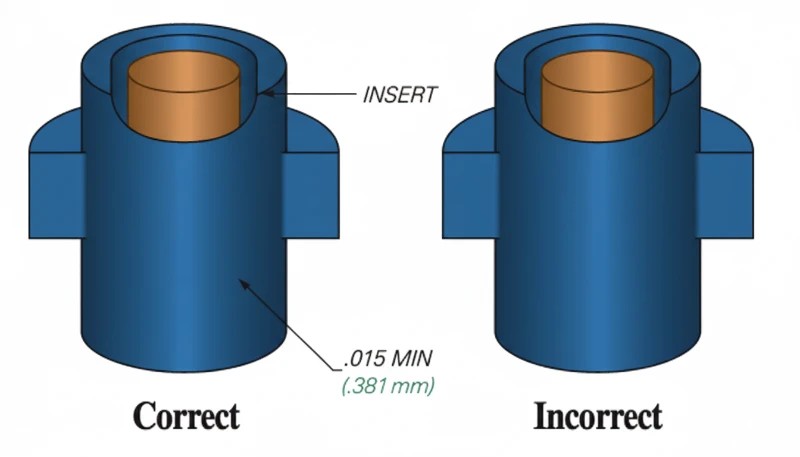
- Inleggieten – Encapsulating metal inserts, electrical contacts, or threaded fasteners within plastic parts
- Mold design and manufacturing – In-house tooling capabilities including mold flow analysis and DFM review
- Secondary operations – Assembly, pad printing, hot stamping, ultrasonic welding, and packaging
- Quality management – ISO 9001, ISO 13485 (medical), and IATF 16949 (automotive) certified processes
| Service Category | Typical Capabilities | Industries Served |
|---|---|---|
| Prototyping | 3D printing, CNC machining, soft tooling | All industries |
| Production Molding | 50–4,000+ ton presses; multi-cavity molds | Automotive, consumer, industrial |
| Medical Molding | ISO 13485; Class 7/8 cleanroom; validation | Medical devices, diagnostics |
| Automotive Molding | IATF 16949; JIT delivery; PPAP documentation | Automotive OEM and tier suppliers |
| Multi-shot Molding | 2K/3K molding; sequential injection | Consumer electronics, automotive |
What Industries Do Canadian Injection Molding Companies Serve?
Canadian injection molding companies serve virtually every major manufacturing sector. The diversity of end-use applications is one of the industry’s greatest strengths, and in our work with Canadian buyers, we’ve supplied molds for everything from automotive dashboards to medical syringes.
The primary industries include:
Automotive (35–40% of industry revenue)
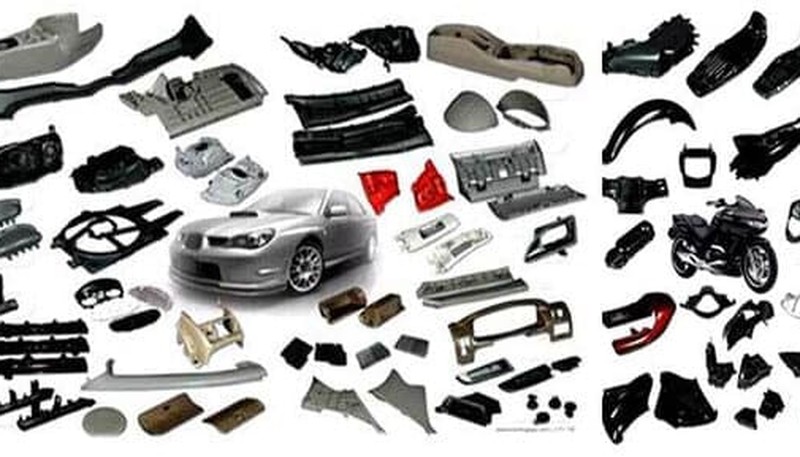
Ontario’s automotive corridor is the backbone of Canadian injection molding. Parts include interior trim, under-hood components, lighting housings, and structural brackets. Canadian automotive molders typically hold IATF 16949 certification and deliver on just-in-time schedules.
Medical Devices (15–20%)
Canada’s medical device sector demands injection molded components meeting stringent ISO 13485 and FDA requirements. Common parts include surgical instrument handles, diagnostic cartridges, and drug delivery devices.
Consumer Goods (15–20%)
From kitchen appliances to toys and sporting goods, consumer products require high-volume molding with cosmetic surface finishes. Canadian molders offer in-mold labeling, texture finishing, and color matching.
Packaging (10–15%)
35–50%
Aerospace & Defense (5–10%)
Quebec’s aerospace cluster drives demand for high-performance injection molded parts using engineering resins like PEEK, PEI (Ultem), and PPS.
“All Canadian injection molding companies focus only on automotive parts.”Vals
While automotive is the largest single sector (35–40% of revenue), Canadian molders serve diverse industries including medical devices, consumer goods, packaging, aerospace, and electronics. Many companies deliberately diversify across multiple sectors.
“Quebec is Canada’s primary hub for aerospace injection molding.”Echt
Quebec hosts Canada’s largest aerospace cluster, including major companies like Bombardier and CAE. This creates strong demand for precision injection molded components made from high-performance engineering resins.
How Do You Choose the Right Injection Molding Company in Canada?
Choosing the right injection molding partner in Canada requires evaluating several critical factors. We’ve helped hundreds of clients navigate this decision, and in our experience, the companies that rush this process often end up switching suppliers mid-project—which costs time and money.
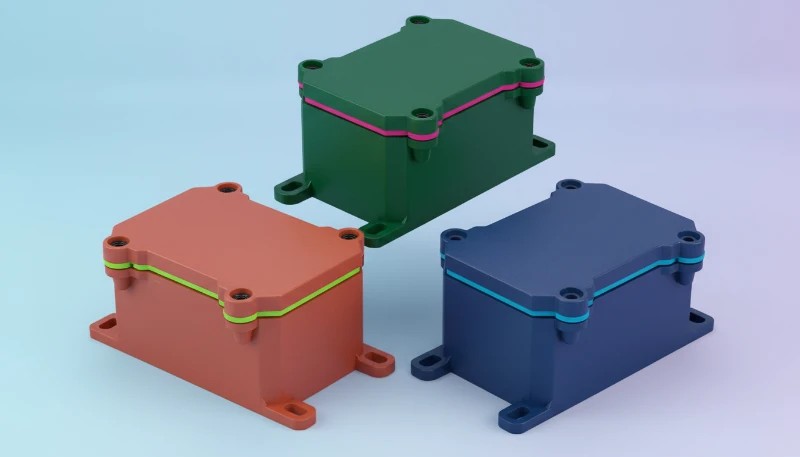
Here’s a systematic evaluation framework:
1. Certifications and Quality Systems
Verify that the molder holds certifications relevant to your industry. For automotive, look for IATF 16949. For medical, ISO 13485 is essential. At minimum, any serious molder should have ISO 9001.
2. Technical Capabilities
Match the company’s press tonnage range, cleanroom availability, and secondary operations to your part requirements. A company running 50-ton machines won’t serve you well for large automotive bumper fascias requiring 2,000+ tons.
3. Material Expertise
Different molders specialize in different materials. If your part requires high-performance resins like PEEK or liquid silicone rubber (LSR), ensure the molder has documented experience with those materials.
4. Production Volume Alignment
Some molders excel at high-volume automotive production (millions of parts per year), while others specialize in low-volume medical or aerospace runs (thousands per year). Match your volume needs to their sweet spot.
5. Geographic Proximity
For just-in-time delivery requirements, proximity matters. If your assembly plant is in Ontario, working with an Ontario-based molder reduces shipping costs and enables faster response times.
| Evaluation Criterion | What to Look For | Red Flags |
|---|---|---|
| Certifications | ISO 9001, IATF 16949, ISO 13485 | No quality certification at all |
| Ervaring | 10+ years; proven track record in your sector | No case studies or references |
| Uitrusting | Modern machines; preventive maintenance program | All equipment older than 15 years |
| Tooling | In-house mold design; mold flow analysis | Outsources all tooling with no oversight |
| Communication | Dedicated project manager; regular updates | Slow response times; no single point of contact |
What Are the Costs of Injection Molding in Canada Compared to Other Regions?
Injection molding costs in Canada are generally competitive within North America but higher than Asian manufacturing hubs like China. Understanding the cost breakdown helps you make informed sourcing decisions.

In our factory, we regularly benchmark our pricing against Canadian quotes our clients receive. Here’s what we typically see:
| Cost Component | Canada (CAD) | China (USD equivalent) | Savings with China Tooling |
|---|---|---|---|
| Simple mold (single cavity) | $15,000–$30,000 | $5,000–$15,000 | 30–50% |
| Complex multi-cavity mold | $50,000–$150,000 | $25,000–$80,000 | 35–50% |
| Wat is de gemiddelde levertijd voor spuitgieten in Canada? | $60–$90/hr | $25–$45/hr | 40–55% |
| Part price (medium complexity) | $0.50–$2.00 | $0.20–$0.80 | 40–60% |
| Engineering/DFM review | $2,000–$5,000 | Often included | 100% |
When Canada makes sense:
- Just-in-time delivery to North American assembly plants
- Regulatory requirements mandating domestic production (defense, government contracts)
- Rapid prototyping with frequent design iterations
- Small production runs where shipping costs outweigh per-part savings
When China sourcing makes sense:
- High-volume production (100,000+ parts annually)
- Tooling-intensive projects where mold costs dominate
- Cost-sensitive consumer products
- Projects with longer lead time flexibility (8–12 weeks for tooling)
At Zetar, we offer a hybrid approach: we build high-quality molds in China at significant cost savings, then either produce parts in our facility or ship the mold to your preferred North American molder for local production. This gives you the best of both worlds—lower tooling costs with local production flexibility.
What Certifications and Standards Matter for Canadian Injection Molding?
Certifications are non-negotiable in Canadian injection molding, especially for regulated industries. In our experience, we’ve seen projects delayed by months because a molder couldn’t provide the required documentation or didn’t hold the right certifications.
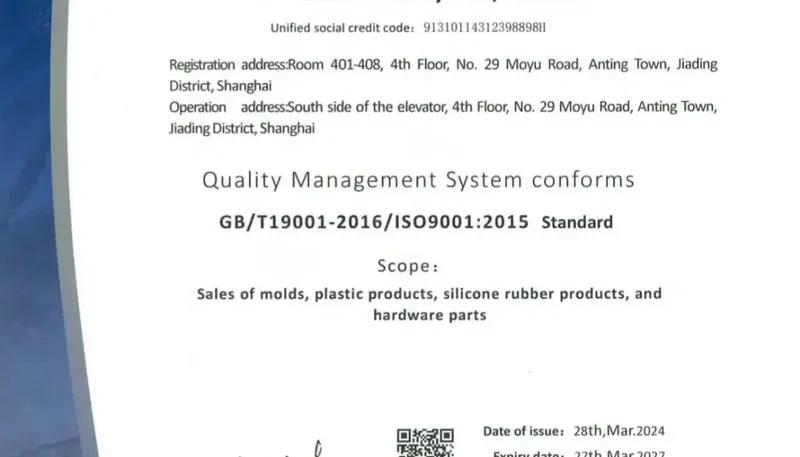
The key certifications include:
ISO 9001:2015 – The baseline quality management system. Any reputable injection molder should hold this certification. It ensures consistent processes, documented procedures, and continuous improvement.
IATF 16949:2016 – Required for automotive supply chain participation. This standard builds on ISO 9001 with additional requirements for defect prevention1, variation reduction, and waste elimination specific to automotive manufacturing.
ISO 13485:2016 – Mandatory for medical device injection molding. It covers design controls, risk management, traceability, and validation requirements specific to medical products.
CSA Standards – The Canadian Standards Association publishes standards relevant to plastics, including material specifications and testing methods. Many Canadian molders maintain CSA certification for products sold domestically.
UL Certification – For electrical and electronic enclosures, UL certification ensures the plastic material and finished part meet fire safety and electrical safety requirements.
How Can You Combine Canadian and International Sourcing for Best Results?
The smartest sourcing strategy for many companies isn’t choosing between Canadian and international suppliers—it’s leveraging both strategically. We’ve helped numerous clients implement dual-sourcing strategies that optimize cost, quality, and delivery.
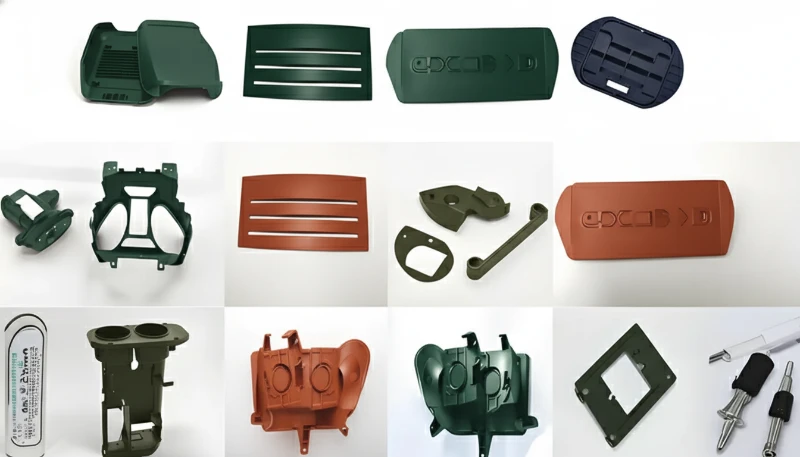
Here’s a proven approach we recommend based on our factory experience:
Phase 1: Tooling in China
Have your injection molds built in China where tooling costs are 30–50% lower. At Zetar, we use the same steel grades (P20, H13, S136) and design standards as North American mold makers. Every mold undergoes analyse van de matrijsstroming2 and trial runs before shipping.
Phase 2: Validation and Initial Production
Run initial production and validation (T1, T2 samples; PPAP documentation) at the Chinese facility. This allows for rapid mold modifications without international shipping delays.
Phase 3: Local Production (Optional)
Ship the validated mold to your Canadian molder for local production. The mold arrives production-ready with all documentation, so your local partner can start running parts immediately.
This hybrid model works exceptionally well for automotive programs where PPAP3 is required before shipping molds to the production facility.
FAQ
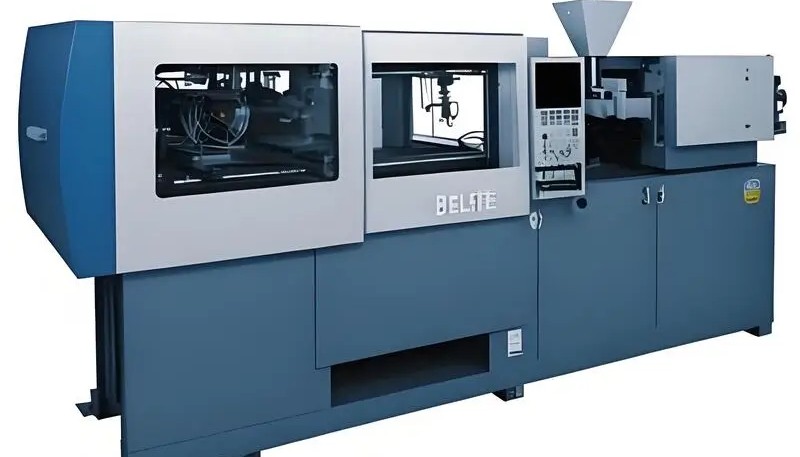
How many injection molding companies are there in Canada?
Canada has approximately 3,200 plastics processing facilities, with a significant portion engaged in injection molding. The largest concentration is in Ontario, followed by Quebec and British Columbia. The industry employs over 93,000 workers nationally.
What is the average lead time for injection molding in Canada?
Top Injection Molding Companies in Canada | Gids 2026
Can I have my mold made in China and used in Canada?
Yes, this is a common and cost-effective strategy. Molds built to international standards (DME, HASCO) are fully compatible with Canadian injection molding machines. At Zetar, we build molds specifically designed for use in North American facilities, ensuring compatibility with local machine specifications and cooling connections.
What materials are most commonly used by Canadian injection molders?
The most common injection molding materials used in Canada include polypropylene (PP), ABS, polycarbonate (PC), nylon (PA6/PA66), and polyethylene (PE). For medical and aerospace applications, high-performance resins like PEEK4, PEI (Ultem), and liquid silicone rubber (LSR) are increasingly common.
Do Canadian injection molding companies offer design assistance?
Most established Canadian molders offer design for manufacturability (DFM) reviews as part of their service. This includes recommendations on wall thickness, draft angles, gate locations, and material selection to optimize part quality and reduce production costs.
What is the minimum order quantity (MOQ) for Canadian injection molders?
MOQs vary widely. Prototype specialists may accept runs as small as 50–100 parts using soft tooling. Production molders typically require minimum runs of 1,000–5,000 parts per order to justify machine setup time, though this depends on part size and complexity.
How does CUSMA (USMCA) affect injection molding sourcing in Canada?
The Canada-United States-Mexico Agreement allows duty-free trade of qualifying plastics products between the three countries. Parts molded in Canada from qualifying materials can enter the U.S. market without tariffs, making Canada an attractive near-shoring option for U.S. companies concerned about Asian supply chain disruptions.
Samenvatting
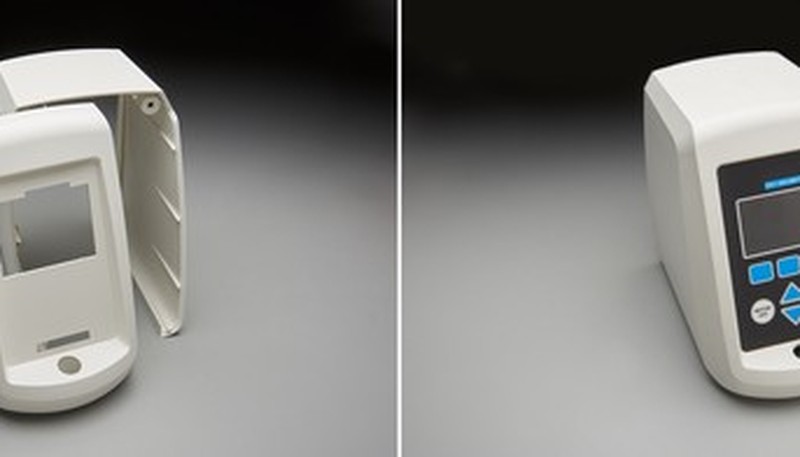
Canada offers a mature, well-regulated injection molding industry with particular strengths in automotive, medical, and aerospace sectors. The top injection molding companies in Canada combine advanced manufacturing capabilities with stringent quality certifications to serve both domestic and export markets.
However, for cost-conscious projects—especially those involving complex tooling—combining Chinese mold making with Canadian production can deliver significant savings without sacrificing quality. At Zetar, with over 20 years of mold-making experience and expertise across 10+ injection molding processes, we specialize in building production-ready molds that work seamlessly with North American molding operations.
Ready to explore how Zetar can support your Canadian injection molding project? Whether you need a complete mold built to North American standards or a full turnkey production solution, contact our team for a free consultation and quote.
-
Defect prevention in injection molding refers to systematic approaches—including process monitoring, statistical process control (SPC), and design of experiments (DOE)—used to identify and eliminate root causes of part defects before they occur in production. ↩
-
Mold flow analysis is a computer simulation technique using software like Moldflow or Moldex3D to predict how molten plastic will fill a mold cavity, helping engineers optimize gate locations, wall thickness, and cooling channel layouts before cutting steel. ↩
-
PPAP (Production Part Approval Process) is a standardized procedure in the automotive industry that documents and validates that a supplier’s manufacturing process can consistently produce parts meeting all engineering specifications and quality requirements. ↩
-
PEEK (Polyether Ether Ketone) is a semi-crystalline thermoplastic with exceptional mechanical strength, chemical resistance, and thermal stability up to 250°C, widely used in aerospace, medical implants, and high-performance industrial applications. ↩





 NL
NL  EN
EN  ES
ES  FR
FR  DE
DE  PT
PT  AR
AR  RU
RU  JA
JA  KO
KO  IT
IT  TR
TR  PL
PL 