Overslaan naar inhoud
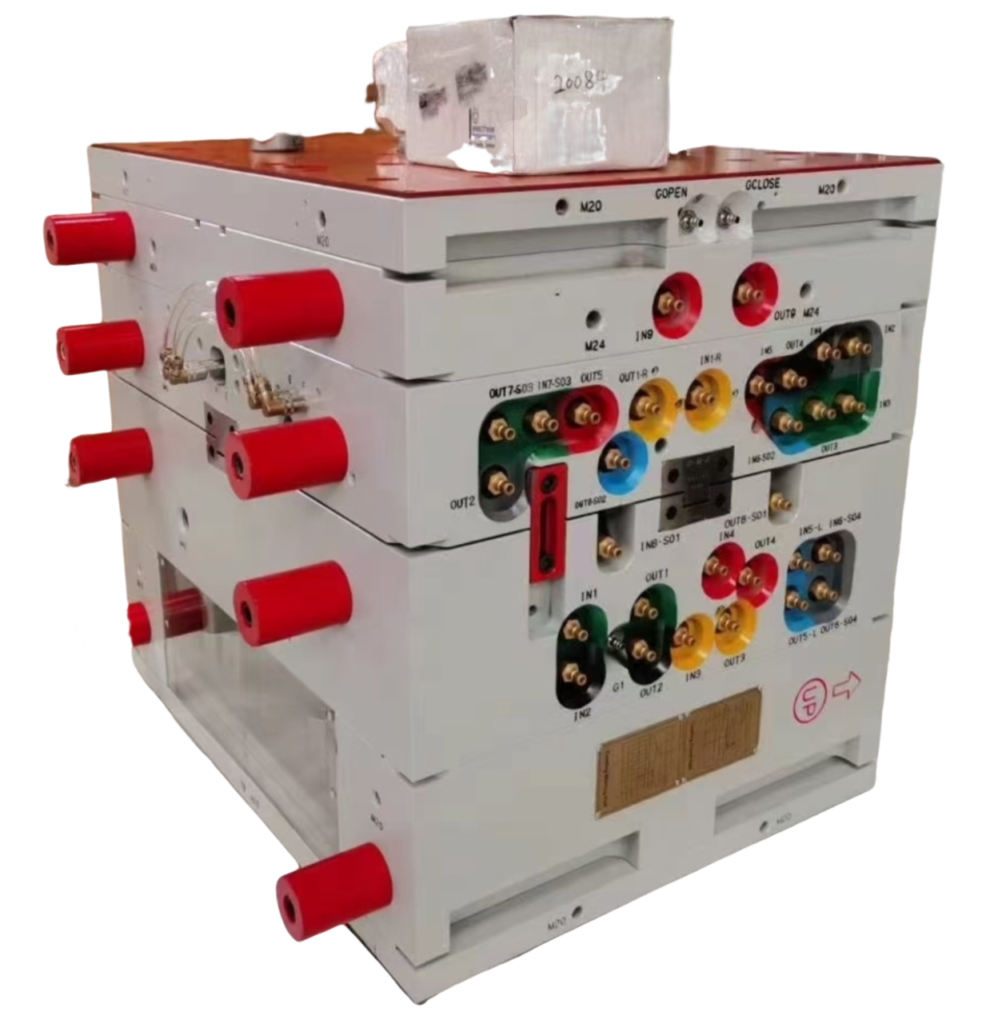
Uw inkoopteam heeft zojuist drie spuitgietleveranciers in China op de shortlist gezet. Eén vroeg €8.000 voor gereedschap, een ander €22.000, en de derde heeft nog niet eens gevraagd om uw CAD-bestanden te zien. Hoe bepaalt u welke daadwerkelijk zal leveren — en welke u zes maanden vertraging zal kosten?
Na twee decennia mallen te hebben laten maken in Shanghai, heb ik gezien dat kopers steeds dezelfde fouten maken: jagen op de laagste offerte, fabrieksaudits overslaan en de glanzende website van een handelsbedrijf verwarren met daadwerkelijke productiecapaciteit. Dit is het raamwerk dat ik zou gebruiken als ik in uw schoenen stond.
- Beoordeel leveranciers op apparatuur, kwaliteitssystemen, certificeringen, communicatie en matrijsbouwcapaciteit
- Interne matrijsbouw verkort de levertijd van gereedschap met 20–40%
- ISO 9001 is de basislijn; ISO 13485 of IATF 16949 voor medisch en automotive
- Offertes die meer dan 30–50% onder het marktgemiddelde liggen, betekenen meestal verborgen concessies
- Engelstalige projectmanagers verminderen revisiecycli met ongeveer een derde
Waar moet u op letten bij het kiezen van een Chinese spuitgietleverancier?
Een betrouwbare Chinese spuitgieten leverancier is er een die zes kritieke controles doorstaat. Machinecapaciteit, kwaliteitscontrole, certificeringen, communicatie, interne gereedschapsbouw en prijstransparantie — mis er één en u betaalt er later voor.
““Een leverancier die een offerte voor spuitgietgereedschap maakt zonder uw 3D-bestanden te bekijken, is een rode vlag.””Echt
Nauwkeurige gereedschapsoffertes vereisen ten minste STL- of STEP-bestanden om de complexiteit van het onderdeel, ondermaatse kenmerken en de holte-indeling te beoordelen. Een prijs zonder technische beoordeling is ofwel generiek ofwel opzettelijk laag om de order binnen te halen.
““De laagste gereedschapsofferte van een Chinese leverancier is niet altijd de beste deal.””Vals
Offertes die 30–50% onder het marktgemiddelde liggen, betekenen meestal concessies in matrijsstaalkwaliteit, minder testcycli of overgeslagen stroomanalyses. De goedkoopste offerte leidt vaak tot het duurste resultaat op lange termijn.
De meeste kopers richten zich bijna volledig op de eenheidsprijs. Dat is begrijpelijk — uw baas wil kostenbesparingen zien. Maar prijs is het laatste waarop u zou moeten vergelijken. Waarom? Omdat een lage offerte van een leverancier zonder goede kwaliteitscontrole of de juiste apparatuur betekent dat u maanden bezig bent met herwerking, vertragingen in de verzending en kwaliteitsgeschillen die elke cent die u bespaarde tenietdoen. Voor een gestructureerd kader, zie onze spuitgiet sourcing guide.
Dit is de evaluatievolgorde die ik aanbeveel:
Apparatuurmatch — Hebben ze machines in het juiste tonnagebereik voor uw onderdeel?
Kwaliteitsproces — Kunnen ze u een gedocumenteerde IQC-naar-OQC-werkstroom tonen?
Certifications - ISO 90011 minimum, plus branche-specifieke certificeringen indien van toepassing
Communication — Kunt u rechtstreeks met ingenieurs praten, of alleen met verkoop?
Matrijsfabricage — Bouwen ze mallen in-house of besteden ze dit uit?
Prijzen — Is de offerte gespecificeerd, of slechts een totaalbedrag?
Als een leverancier voldoet aan punten 1–5, dan is prijsvergelijking zinvol. Zo niet, dan is de goedkoopste offerte meestal de duurste beslissing die u zult nemen.
Hoe Verifieert U de Echte Productiecapaciteiten van een Fabriek?
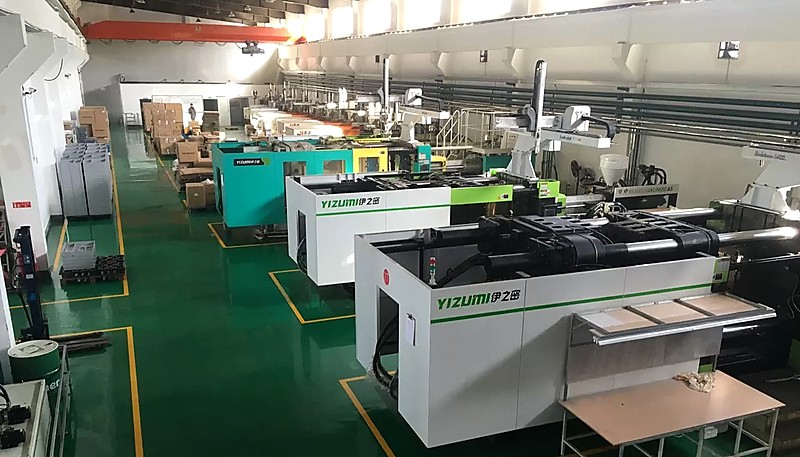
De werkelijke productiecapaciteit van een fabriek wordt geverifieerd door de machinelijst met tonnage, merk en jaar. Elke leverancier die deze lijst niet binnen 24 uur kan produceren, is ofwel ongeorganiseerd of verbergt iets — een faciliteit met 45+ machines van 90T tot 1850T dekt 95% aan commerciële kunststofonderdelen.
““ISO 9001-certificering is de minimale kwaliteitsnorm die elke productieleverancier zou moeten hebben.””Echt
ISO 9001 stelt basisvereisten voor kwaliteitsmanagement vast, waaronder gedocumenteerde processen, procedures voor corrigerende maatregelen en managementbeoordeling. Leveranciers zonder deze certificering missen zelfs de fundamentele kwaliteitsinfrastructuur.
““Handelsbedrijven en directe fabrieken produceren identieke kwaliteit omdat ze dezelfde machines gebruiken.””Vals
Handelsbedrijven voegen een communicatie- en marge-laag toe tussen koper en fabriek. Ze kunnen geen controle uitoefenen over productieplanningen, realtime DFM-feedback geven of garanderen welke specifieke machines en operators voor uw project worden gebruikt.
Het tonnagebereik vertelt u meer dan het totale aantal machines. Een fabriek met 100 kleine machines maar niets boven 200T kan uw laptophuis niet spuitgieten. Omgekeerd zal een fabriek met alleen grote machines moeite hebben met precisie micro-onderdelen. Wat u wilt is breedte: een voldoende bereik om uw huidige project en wat daarna komt aan te kunnen.
Stop niet bij de machinelijst. Stel deze vervolgvragen:
Klemkrachtverdeling — Hoeveel machines per tonnagecategorie? Als uw onderdeel 500T nodig heeft en ze hebben maar één machine in dat bereik, loopt u capaciteitsrisico.
Hulpmaterieel — Hebben ze drogers, transportbanden, robotarmen en temperatuurregelaars voor heetkanaalsystemen?
Materiaalbehandeling — Kunnen ze hygroscopische materialen (nylon, PC, TPU) goed drogen en opslaan?
Productieplanning — Hoeveel ploegen? Wat is hun huidige benuttingsgraad?
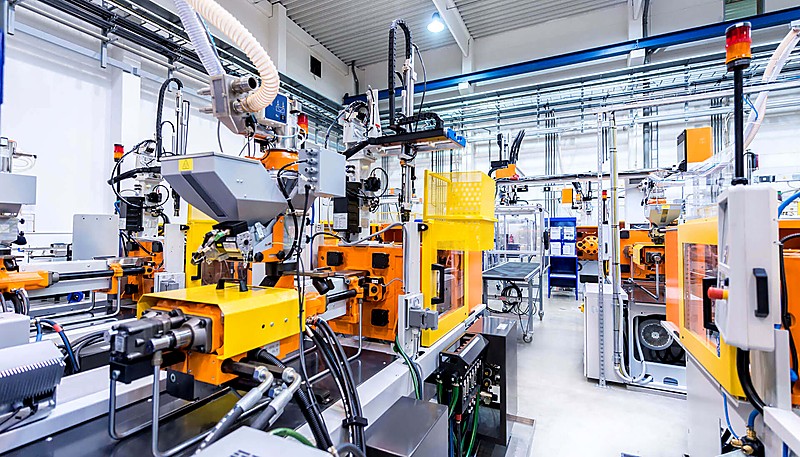
Een fabriek die drie ploegendiensten draait met 85% benutting is gezonder dan één die één ploegendienst draait met 40% benutting. Hoge benutting betekent consistent werk, ervaren operators en stabiele kwaliteit. Lage benutting kan betekenen dat ze wanhopig zijn naar orders — wat soms leidt tot agressieve prijzen maar onbetrouwbare levering.
Waarom is interne matrijsfabricage belangrijk voor uw project?
Intern spuitgietvorm bespaart 20–40% op de levertijd van gereedschap omdat ingenieurs en productie onder één dak zijn.
Ik heb gezien dat klanten zes weken verloren bij een enkele matrijsrevisie omdat hun spuitgieter en matrijsmaker in verschillende provincies zaten — de spuitgieter in Dongguan, de gereedschapswinkel tweehonderd kilometer verderop. Elk dimensieprobleem betekende de matrijs inpakken, verzenden, wachten op reparaties, terugsturen en opnieuw monsters draaien. Met interne gereedschapsbouw krimpt die cyclus van weken naar dagen. In onze Shanghai-faciliteit werken onze matrijsingenieurs letterlijk op dezelfde verdieping als de productiemachines, daarom leveren we consequent meer dan 100 matrijssets per maand.
Het verschil komt het duidelijkst naar voren tijdens deze kritieke momenten:
T1 tot en met T3 steekproef — Interne teams itereren sneller omdat feedback geen bedrijfsgrenzen oversteekt
Ontwerpwijzigingen tijdens het project — Engineering wijzigingsorders nemen dagen in plaats van weken
Onderhoud van schimmels — Preventief onderhoud gebeurt volgens planning, niet wanneer de externe leverancier capaciteit heeft
Probleemoplossende defecten — De persoon die de matrijs heeft gebouwd is direct beschikbaar om de hoofdoorzaak te diagnosticeren
Vraag uw potentiële leverancier ronduit: "Snijdt u staal in eigen huis?" Als het antwoord niet duidelijk ja is, vervolg dan met "Wie bouwt uw mallen, en hoe ver zijn zij van uw productievloer?" Een leverancier die deze vraag ontwijkt, besteedt vrijwel zeker uit — en de afstand tussen mallenwerkplaats en spuitgietvloer is recht evenredig met uw risico op levertijd.
Welke kwaliteitssystemen moet uw leverancier hebben?
Een gekwalificeerde spuitgietleverancier wordt gedefinieerd door een minimaal 6-stappen kwaliteitscontroleproces. IQC, steekproef tijdens het proces, procesinspectie, verpakkingsinspectie, FQC en OQC — alles minder betekent dat defecten bij uw ontvangstdok worden ontdekt in plaats van bij het hunne.
Kwaliteitscontrole gaat niet alleen over het vinden van slechte onderdelen — het gaat over het voorkomen ervan. De beste leveranciers investeren in preventie in elke fase:
| QC-fase | Wat het opvangt | Typisch Gereedschap |
|---|---|---|
| IQC (Inkomend) | Verkeerd materiaal, vochtgehalte, contaminatie | Vochtanalysator, materiaalcertificaatbeoordeling |
| Steekproef tijdens proces | Dimensionale drift, visuele defecten, kortschieten | CMM, schuifmaten, visuele inspectie |
| Procesinspectie | Parameterafwijking, cyclus tijdwijzigingen | Machinemonitoring, proceslogboeken |
| Verpakkingsinspectie | Krasjes, contaminatie, onjuiste etikettering | Visuele controle, verpakkingsspecificatievergelijking |
| FQC (Eind) | Algehele dimensionale conformiteit, cosmetische kwaliteit | CMM, go/no-go meetinstrumenten |
| OQC (Uitgaand) | Verzendschade, documentatievolledigheid | Eindtelling, verificatie van de paklijst |
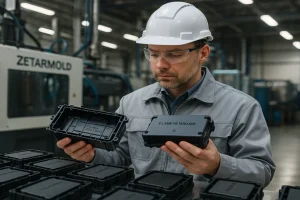
Een praktische test: vraag uw leverancier om een steekproefinspectierapport van een recent project. Als het een één-pagina checklist met vinkjes is, is dat een rode vlag. Een serieus QC-rapport bevat dimensionale data met toleranties, Cpk-waarden, materiaalbatch-nummers en foto's van grenssituaties.
In onze fabriek in Shanghai hebben we 47 spuitgietmachines van 90T tot 1850T, ondersteund door een interne matrijsproductiefaciliteit die meer dan 100 matrijssets per maand levert. Deze geïntegreerde opzet betekent dat u gereedschap en productie onder één dak krijgt — geen tussenpersoon, geen communicatiehiaten tussen matrijsmaker en spuitgieter.
In onze eigen werkplaats beoordelen onze 8 senior engineers — elk met 10+ jaar spuitgietervaring — elk eerste-artikel inspectierapport voor productiegoedkeuring. Die engineeringsbeoordelingslaag is iets waar ik kopers altijd over vertel te vragen: wie tekent af op kwaliteit, en wat is hun ervaringsniveau? Een QC-team dat rapporteert aan een 23-jarige junior manager is fundamenteel anders dan één dat wordt begeleid door engineers die duizenden mallen hebben gedebugd over twee decennia.
Welke certificeringen zijn niet-onderhandelbaar?
ISO 9001 is het absolute minimum voor elke productieleverancier. ISO 134852 is verplicht voor medische hulpmiddelen, en IATF 16949 voor automotive. Een leverancier zonder ISO 9001 is geen productiepartner — het is een gok.
Hier leest u hoe u over certificeringen kunt denken op basis van uw branche:
Consumentenproducten — ISO 9001 is voldoende voor de meeste toepassingen. Als u in de EU verkoopt, vraag dan ook naar RoHS- en REACH-conformiteit.
Medische apparaten — ISO 13485 is niet onderhandelbaar. Accepteer geen “we zijn ermee bezig” of “ons moederbedrijf is gecertificeerd.” De faciliteit die uw onderdelen spuitgiet moet zijn eigen certificaat hebben.
Automotive — IATF 16949 (de automotive-versie van ISO 9001) is standaard. De meeste OEM's vereisen PPAP-documentatie en volledige materiaaldata-rapportage via de IMDS3 platform van gecertificeerde leveranciers.
Voedselcontact — Zoek naar FDA-conforme materiaalbehandeling en bij voorkeur cleanroom-capaciteit.
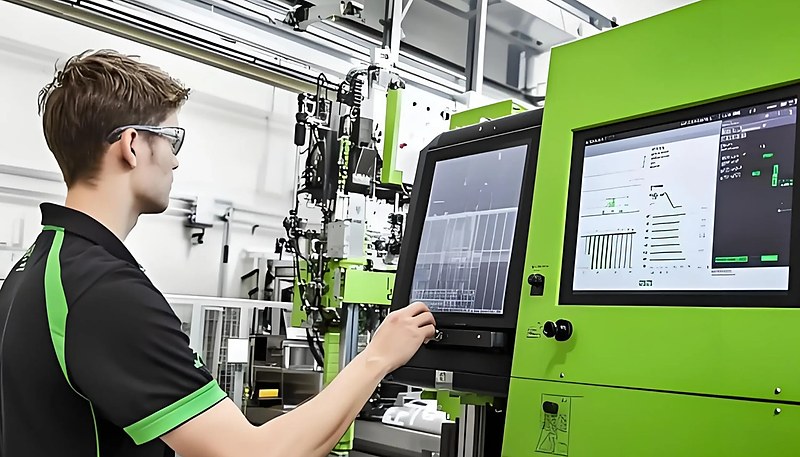
Vraag om de daadwerkelijke certificaten te zien, niet alleen logo's op een website. Verifieer de reikwijdte — sommige leveranciers hebben ISO 9001 voor hun handelsactiviteiten, niet voor hun productiefaciliteit. Het geregistreerde adres op het certificaat moet overeenkomen met de fabriek die u bezoekt of auditeert.
Controleer ook de geldigheid van het certificaat en de datum van de laatste audit. Een certificaat dat vijf jaar geleden is uitgegeven zonder tussentijdse audits is in feite verlopen. Legitieme certificeringsinstanties voeren jaarlijks toezichtsaudits uit, en de leverancier moet deze verslagen kunnen overleggen.
Hoe belangrijk is Engelstalige communicatie?
Engelse communicatie maakt het verschil tussen 2 revisiecycli en 5. Inkoopfeedback, tolerantiebesprekingen en ontwerpintentie overleven vertaallagen niet goed — als je contact alleen over prijs kan praten maar niet kan uitleggen waarom een wanddikte de cyclustijd beïnvloedt, heb je een kostbare communicatiekloof.
De werkelijke kost van slechte communicatie wordt niet gemeten in vertaalfouten — het wordt gemeten in assumpties. Wanneer een engineer in China niet duidelijk kan uitleggen 'deze ribdikte veroorzaakt sink marks op het cosmetische oppervlak', kan hij gewoon een beslissing nemen en verdergaan. Dat is hoe je eindigt met 10.000 delen die de tekening volgen maar je cosmetische inspectie falen.
Hier is hoe effectieve Engelse communicatie in praktijk eruit ziet:
DFM-feedback — Je leverancier signaleert proactief productieproblemen met specifieke aanbevelingen, niet alleen 'we kunnen het maken'
Technische besprekingen — Ingenieurs kunnen in het Engels spuitpoortlocatie, laslijnpositie en koelkanalontwerp bespreken
Probleemoplossing — Als er iets misgaat (en dat zal gebeuren), krijg je een oorzaakanalyse in helder Engels, geen vage verontschuldiging
Projectupdates — Regelmatige voortgangsrapporten met foto's, niet alleen 'alles verloopt volgens plan'-e-mails
Test dit vroeg: stuur een technische vraag — iets als 'Wat is de maximale vloeilengteverhouding die u zou aanbevelen voor een PC-wand van 2 mm?' De kwaliteit van het antwoord zegt meer dan welke capaciteitenbrochure ook.
Ik heb dit vroeg in mijn carrière op de harde manier geleerd. Een Europese klant stuurde ons een tekening met een ambiguë tolerantie op een kritieke boordiameter. Onze Engelstalige engineer vond dit tijdens de DFM-review, stuurde een gemarkeerde screenshot terug met drie opties en een aanbeveling, en de klant vertelde ons later dat die enkele e-mail een $40,000 herwerking voorkwam. Dat soort technische communicatie in Engels is wat een leverancier van een partner onderscheidt. Nu hebben we 30+ vloeiend Engelstalige medewerkers — niet alleen verkopers, maar engineers en projectmanagers die gate design, shrinkage compensation en mold flow resultaten in detail kunnen bespreken.
Hoe beoordeelt u levertijd en prijsstelling realistisch?
Gereedschapsbouw in China duurt typisch 25–45 dagen. Offertes die 30–50% onder het marktgemiddelde liggen, zijn bijna altijd gecompromitteerd in staalkwaliteit, testcycli of oppervlakteafwerking — als drie leveranciers €20.000±€3.000 quoteren en één €8.000, dan is die €8.000 een ander product, geen koopje.
Inzicht in wat de gereedschapskosten drijft, helpt je bij het evalueren van offertes:
| Cost Driver | Laagwaardige aanpak | Professionele aanpak |
|---|---|---|
| Mold steel | P20 (standaard) | Gepast aan cyclusdoel: P20/H13/718H |
| Analyse van de vormstroom | Overgeslagen of basis | Volledige spuitgietanalyse 3 voor het verspanen van staal |
| Surface finish | SPI B-2 of lager | Afgestemd op onderdeelvereisten (A-1 tot D-3) |
| Testcycli | 1–2 sampling rondes | 3–5 rondes met dimensionale rapporten |
| Mold life guarantee | Niet vermeld | Schriftelijke garantie (doorgaans 100K–1M+ schoten) |
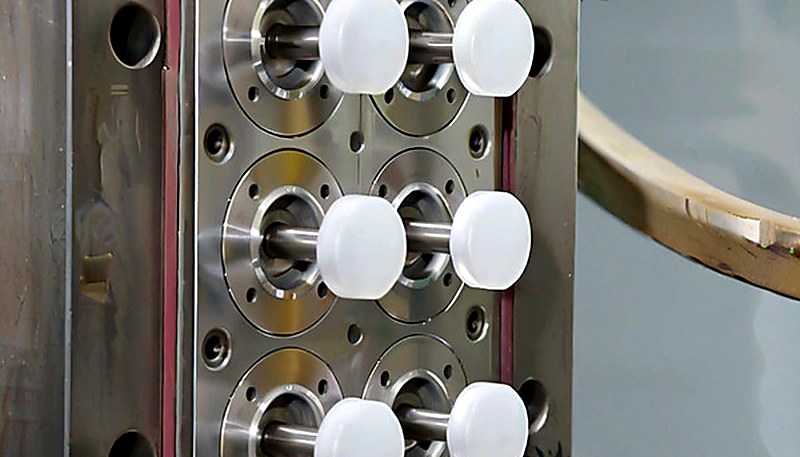
Vraag voor productieprijzen om een gedetailleerde kostenopbouw: materiaalkosten per onderdeel, uurtarief machine, arbeid, overhead en verpakking. In onze fabriek geven we voor elke productieorder gespecificeerde offertes omdat transparantie langetermijnpartnerschappen opbouwt — niet alleen eenmalige transacties. Een leverancier die niet specificeert, verbergt ergens marge — meestal in materiaalsubstitutie. Als ze ABS quoteren maar gerecycled hermaal gebruiken, presteert je onderdeel anders dan gespecificeerd, en dat merk je pas als veldfouten binnenkomen.
Lead time werkt hetzelfde. Een leverancier die 15-dagen tooling promoot wanneer de industrienorm 30 dagen is, snijdt corners of liegt. Vraag naar specifics: hoeveel T1 samples? Hoeveel revisie rondes zijn inbegrepen? Wat is het escalatieproces als dimensies buiten spec zijn?
Welke rode vlaggen zouden u moeten doen weglopen?
De grootste rode vlag is een leverancier die een offerte voor gereedschap maakt zonder je 3D-bestanden te bekijken. Loop direct weg als ze een fabrieksaudit weigeren of geen materiaaltraceerbaarheid kunnen leveren — deze drie problemen zijn verantwoordelijk voor ongeveer 80% van de mislukte sourcingprojecten in China.
Na honderden koper-leverancierrelaties te hebben gezien, zijn hier de rode vlaggen die ik als ononderhandelbare dealbrekers beschouw:
Quoten zonder je files te reviewen — Elke legitieme leverancier heeft minimaal STL- of STEP-files nodig om nauwkeurig te quoteren. Een prijs zonder technische review is ofwel generiek (zinloos) of bewust laag (lokprijs).
Weigering van fabrieksaudits — Of het een persoonlijk bezoek is of een videocall walkthrough, als een leverancier je hun faciliteit niet wil tonen, hebben ze waarschijnlijk geen waardige om te tonen.
Geen materiaalcertificaten — Als ze geen lot-specifieke materiaalcertificaten kunnen leveren van SABIC, DuPont, Covestro, of gelijkwaardige leveranciers, kun je niet verifiëren wat echt in je delen zit.
Niet bereid referenties te verstrekken — Elke gevestigde leverancier heeft klanten die voor hen willen getuigen. 'Vertrouwelijkheid' is soms legitiem, maar een volledige weigering is dat niet.
Betalingsvoorwaarden die alle risico's op jou verleggen — 100% vooruitbetaling voordat enig werk begint, betekent dat ze niets te verliezen hebben. Standaardvoorwaarden zijn 30–50% aanbetaling met saldo bij T1-goedkeuring of verzending.
Een extra punt om te checken: hoe lang is de leverancier onder hetzelfde eigendom in bedrijf? Een fabriek die recent van eigenaar is gewisseld, kan de apparatuurlijst van de vorige eigenaar op hun website hebben maar minder capaciteit nu. Vraag naar de bedrijfslicentie en verifieer de vestigingsdatum.
Snelle regel: als een leverancier je uitrustingscontrole, kwaliteitsaudit, certificeringsverificatie en communicatietest doorstaat, vergelijk je dan de prijzen onder gekwalificeerde kandidaten. De laagste gekwalificeerde prijs wint — niet de laagste prijs in het algemeen.
Een extra praktische tip: vraag naar de personeelsdiepte in de productie. Onze 120+ productiemedewerkers werken drie ploegen over 45 machines, wat betekent dat we leveringsschema's kunnen behouden zelfs wanneer verschillende projecten tegelijk pieken. Een fabriek met 10 machines en 15 werknemers zal prioriteit geven aan wie het hardste schreeuwt wanneer de capaciteit beperkt is — en dat is meestal niet de nieuwe klant.
Wat vragen kopers vaak over Chinese spuitgietleveranciers?
Hier zijn de vragen die we meestal horen van kopers die Chinese spuitgietleveranciers evalueren.
Veelgestelde vragen
Hoeveel kost spuitgietgereedschap in China?
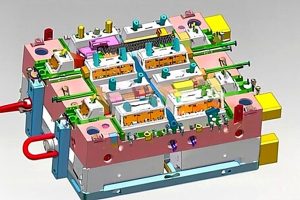
Injectiegietgereedschap in China kost doorgaans €3.000 tot €50.000+, afhankelijk van de complexiteit van het onderdeel, het aantal holtes en de staalkwaliteit. Een enkelholte aluminium prototypegietvorm begint rond €3.000; een meerholte productiegietvorm in gehard staal kost €15.000–€50.000+. De uiteindelijke prijs hangt af van het aantal holtes, de eisen voor oppervlakteafwerking (SPI A-1 spiegelglans kost aanzienlijk meer dan SPI B-2), zijactiemechanismen en de verwachte levensduur van de gietvorm. Vraag altijd een gespecificeerde offerte voor gereedschap die de staalkosten, bewerkingsuren, EDM-werkzaamheden en oppervlaktebehandeling apart uitrekent.
Wat is de Typische Doorlooptijd voor Spuitgieten in China?
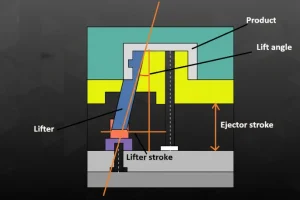
Standaard gietgereedschap duurt 25–45 dagen; productieseries voegen 15–30 dagen toe, afhankelijk van de bestelhoeveelheid. Spoedgereedschap (15–20 dagen) is beschikbaar bij sommige leveranciers, maar vermindert doorgaans de testcycli en verhoogt het risico op defecten aanzienlijk. Voor complexe gietvormen met zijkeren, lifters of ontdraaiingsmechanismen, reken op 35–60 dagen voor gereedschap. T1-monsters nemen meestal 3–5 dagen in beslag na voltooiing van de gietvorm, en de meeste projecten vereisen 2–3 monsternemingsronden voor definitieve productiegoedkeuring. Houd altijd een extra buffer van twee weken in uw tijdlijn voor eerste gereedschapsprojecten.
Moet Ik de Fabriek Bezoeken Voor het Plaatsen van een Bestelling?
Ja, een fabrieksbezoek — zelfs een videorondleiding — wordt sterk aanbevolen voor eerste bestellingen. Het stelt u in staat het aantal machines, de netheid, de organisatie en of de faciliteit overeenkomt met de marketingmaterialen van de leverancier te verifiëren. Tijdens een bezoek controleert u de naambordjes van de machines op merk en bouwjaar, bekijkt u de uitrusting van de gereedschapskamer, beoordeelt u voorbeeldinspectierapporten en praat u rechtstreeks met de kwaliteitsingenieurs. Als u niet persoonlijk kunt bezoeken, plant u een live videogesprek waarbij de leverancier met de camera door de productievloer loopt — niet een vooraf opgenomen marketingvideo.
Hoe weet ik of een leverancier een handelsmaatschappij is?
Handelsmaatschappijen kunnen doorgaans geen gedetailleerde technische vragen beantwoorden, tonen u de productievloer niet en geven ongewoon snel een offerte. Vraag om een videogesprek rechtstreeks vanaf de fabrieksvloer — als ze weigeren, zijn ze waarschijnlijk een tussenpersoon. Andere indicatoren zijn: het bedrijfsadres is een commercieel kantoorgebouw in plaats van een industriezone, ze verkopen producten in zeer verschillende categorieën en ze kunnen geen machinelijst met specifieke tonnages en merken verstrekken. Directe fabrieken hebben consistente uitrusting, interne ingenieurs en specialiseren zich meestal in één of twee fabricageprocessen.
Welke Betalingsvoorwaarden Zijn Standaard voor Chinees Spuitgieten?
Standaard betalingsvoorwaarden zijn 30–50% aanbetaling met het restant verschuldigd bij goedkeuring van T1-monsters of voor verzending. Vermijd leveranciers die 100% vooruitbetaling eisen — het ontneemt hun de prikkel om kwaliteitsonderdelen op tijd te leveren. Voor grotere orders boven €20.000 zijn betalingen op basis van mijlpalen (bijv. 30% aanbetaling, 40% bij T1-goedkeuring, 30% voor verzending) steeds gebruikelijker en beschermen beide partijen. Overschrijving (T/T) is de meest geaccepteerde betalingsmethode internationaal. Sommige gevestigde leveranciers accepteren L/C (Letter of Credit) voor orders boven €50.000, wat extra bescherming voor de koper biedt.
Kan een Chinese Leverancier FDA-conform Medisch Spuitgieten Behandelen?
Ja, als de leverancier ISO 13485-certificering heeft, cleanroomfaciliteiten beheert en volledige materiaaltraceerbaarheid kan bieden met lot-specifieke certificaten. Niet elke Chinese spuitgieter voldoet aan deze eisen, dus verifieer certificeringen voordat u zich verbindt aan productie. Vraag om de reikwijdte van het ISO 13485-certificaat te zien — deze moet de specifieke productieprocessen voor uw onderdelen dekken. De leverancier moet ook gevalideerde reinigings- en verpakkingsprocedures, batchrecorddocumentatie en de mogelijkheid hebben om elke productiepartij terug te traceren naar ruwmateriaalcertificaten van leveranciers zoals SABIC, DuPont of Covestro.
Wat is de Minimale Bestelhoeveelheid voor Spuitgieten?
Minimale bestelhoeveelheden in China variëren doorgaans van 500 tot 10.000 stuks, afhankelijk van de grootte van het onderdeel en het materiaal. Sommige leveranciers die gespecialiseerd zijn in lage volumes spuitgieten accepteren series vanaf 100 stuks. De MOQ wordt bepaald door de minimale materiaalaankoophoeveelheid, de machine-insteltijd en de economie van de productieserie. Voor prototype- of overgangsproductie kunt u overwegen leveranciers te zoeken met speciale cellen voor lage volumes — zij gebruiken kleinere machines met snellere omschakeltijden. Meerholte gietvormen verlagen natuurlijk de kosten per onderdeel bij hogere volumes, maar verhogen de investering in gereedschap proportioneel.
Hoe Bescherm Ik Mijn Intellectuele Eigendom bij Fabricage in China?
Dien een China-specifiek octrooi of utility model in voordat u ontwerpen deelt, gebruik NDA's met Chinese taalversies en werk samen met leveranciers met bewezen exporttrackrecords. Een leverancier die sinds 2005 exporteert met ISO-certificeringen vormt statistisch gezien een lager IP-risico dan een nieuwe, niet-gecertificeerde leverancier. Praktische stappen zijn: deel nooit volledige CAD-bestanden tijdens de offertefase — bied STEP- of IGES-bestanden aan zonder interne kenmerken; registreer uw handelsmerken in China (first-to-file-systeem); en neem IP-beschermingsclausules op in uw productiecontract die schadevergoedingen specificeren voor ongeautoriseerd gebruik.
Klaar om een Chinese spuitgietleverancier te evalueren die aan alle voorwaarden voldoet? Neem contact op met ZetarMold — wij bekijken uw 3D-bestanden, geven binnen 48 uur een gedetailleerde DFM-analyse en leiden u rond in onze 45-machine, ISO-gecertificeerde fabriek in Shanghai.
-
ISO 9001: verwijst naar iSO 9001 Kwaliteitsmanagementsystemen — de internationale standaard voor kwaliteitsborging in de fabricage-industrieën. ↩
-
ISO 13485: verwijst naar iSO 13485 specificeert eisen voor een kwaliteitsmanagementsysteem waarbij een organisatie het vermogen aantoont om medische hulpmiddelen te leveren. ↩
-
IMDS: verwijst naar iMDS (International Material Data System) — de wereldwijde standaard voor materiaalgegevensrapportage in automotive toeleveringsketens. ↩



 EN
EN  ES
ES  FR
FR  DE
DE  PT
PT  AR
AR  RU
RU  JA
JA  KO
KO  IT
IT  NL
NL  TR
TR  PL
PL