Ваша закупочная команда только что включила в шорт-лист трех поставщиков литья под давлением в Китае. Один запросил $8,000 за оснастку, другой — $22,000, а третий даже не попросил посмотреть ваши CAD-файлы. Как определить, кто действительно выполнит работу, а кто обернется шестью месяцами задержек?
После двух десятилетий работы с пресс-формами в Шанхае я видел, как покупатели совершают одни и те же ошибки: гонятся за самой низкой ценой, пропускают аудиты заводов и принимают гладкий сайт торговой компании за реальные производственные возможности. Вот структура, которую я бы использовал на вашем месте.
- Оценивайте поставщиков по оборудованию, системам качества, сертификациям, коммуникациям и возможностям изготовления пресс-форм
- Собственное изготовление пресс-форм сокращает сроки изготовления оснастки на 20–40%
- ISO 9001 — это базовый уровень; ISO 13485 или IATF 16949 — для медицинской и автомобильной отраслей
- Цены более чем на 30–50% ниже среднерыночных обычно означают скрытые компромиссы
- Англоговорящие менеджеры проектов сокращают циклы доработок примерно на треть
На что следует обратить внимание при выборе китайского поставщика литья под давлением?
Надежный китайский injection molding поставщик проходит шесть критически важных проверок: возможности оборудования, контроль качества, сертификация, коммуникация, собственное инструментальное производство и прозрачность ценообразования. Если упустить хотя бы один пункт, впоследствии это приведёт к дополнительным затратам.
"“Предложение поставщика на литьевую оснастку без изучения ваших 3D-файлов — тревожный признак.”"True
Точные расценки на оснастку требуют как минимум файлов STL или STEP для оценки сложности детали, элементов с поднутрениями и компоновки полостей. Цена без технического анализа либо обобщенная, либо намеренно занижена, чтобы получить заказ.
"“Самое низкое ценовое предложение на оснастку от любого китайского поставщика — это всегда самая выгодная сделка.”"False
Предложения на 30–50% ниже среднерыночных обычно подразумевают компромиссы в марке стали для пресс-форм, меньшее количество тестовых циклов или пропуск анализа течения расплава. Самый дешёвый вариант часто приводит к самым дорогим долгосрочным последствиям.
Большинство покупателей почти полностью сосредоточены на цене за единицу продукции. Это понятно: руководство ожидает экономии. Но цену следует сравнивать в последнюю очередь. Почему? Низкое предложение поставщика без надлежащего контроля качества или подходящего оборудования обернется месяцами доработок, задержек поставок и споров о качестве, которые сведут на нет всю экономию. Структурированный подход представлен в нашем руководстве по литью под давлением руководство по поиску поставщика.
Вот порядок оценки, который я рекомендую:
Equipment match — Есть ли у них машины с подходящим для вашей детали диапазоном усилия смыкания?
Quality process — Могут ли они показать документированный рабочий процесс от IQC до OQC?
Сертификаты — ISO 90011 минимум, плюс отраслевые сертификаты, если применимо
Коммуникация — Можете ли вы общаться напрямую с инженерами или только с отделом продаж?
Mold-making — Изготавливают ли они пресс-формы собственными силами или передают работу подрядчикам?
Pricing — Смета детализирована или дана общей суммой?
Если поставщик проходит проверку по пунктам 1–5, тогда сравнение цен имеет смысл. Если нет, самое дешёвое предложение обычно становится самым дорогим решением, которое вы примете.
Как проверить реальные производственные возможности завода?
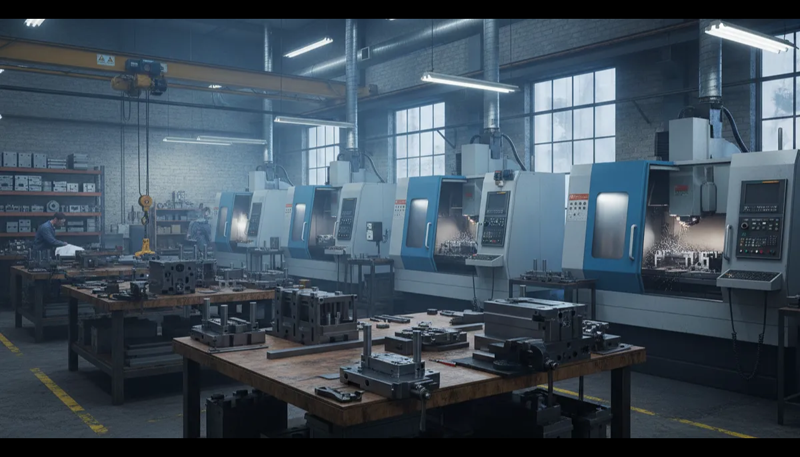
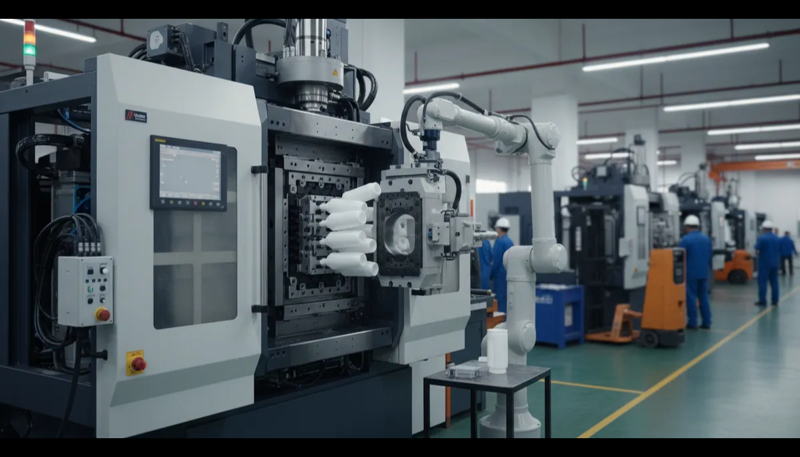
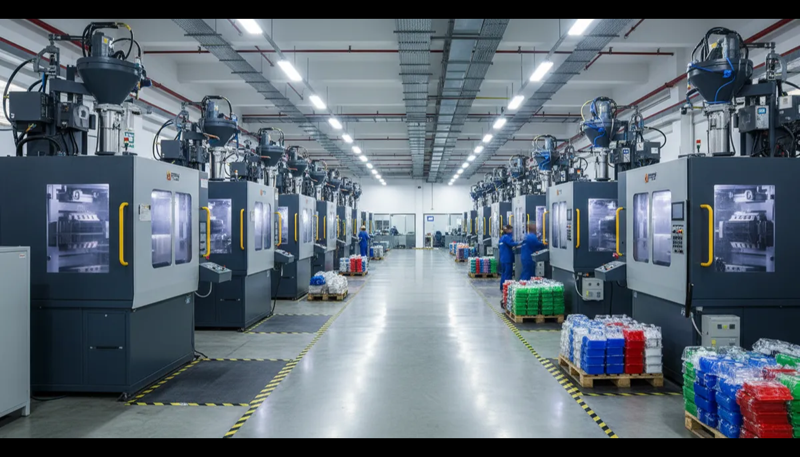
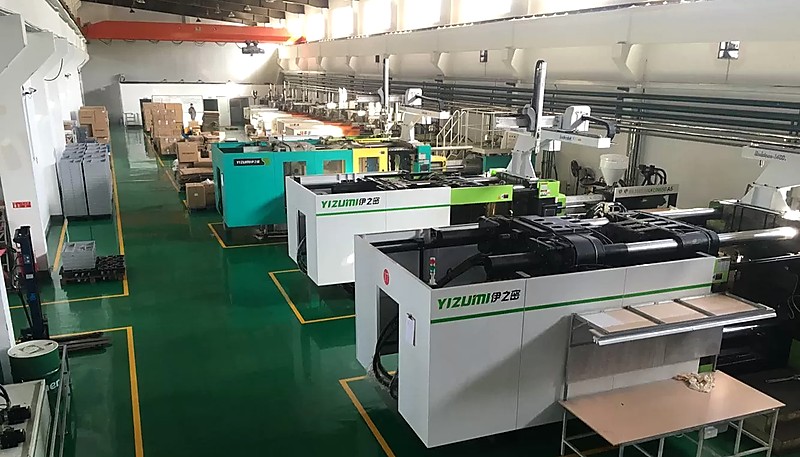
Реальная производственная мощность завода подтверждается его списком машин с указанием тоннажа, марки и года выпуска. Любой поставщик, который не может предоставить этот список в течение 24 часов, либо неорганизован, либо что-то скрывает — предприятие, работающее на 45+ машинах от 90T до 1850T, охватывает 95% коммерческих пластиковых деталей.
"“Сертификация ISO 9001 — минимальный стандарт качества, которым должен обладать любой производственный поставщик.”"True
ISO 9001 устанавливает базовые требования к системе менеджмента качества, включая документированные процессы, процедуры корректирующих действий и анализ со стороны руководства. У поставщиков без нее отсутствует даже фундаментальная инфраструктура качества.
"“Торговые компании и прямые фабрики обеспечивают одинаковое качество, поскольку используют одинаковые машины.”"False
Торговые компании добавляют слой коммуникации и маржи между покупателем и заводом. Они не могут контролировать графики производства, предоставлять оперативную обратную связь по проектированию для производства (DFM) или гарантировать использование конкретных машин и операторов для вашего проекта.
Диапазон тоннажа говорит больше, чем общее количество машин. Завод со 100 маленькими машинами, но без оборудования выше 200 тонн, не сможет отлить корпус вашего ноутбука. И наоборот, завод только с крупными машинами будет испытывать трудности с точными микро-деталями. Вам нужен охват: достаточный диапазон для вашего текущего проекта и всего, что будет дальше.
Не останавливайтесь на списке машин. Задайте эти уточняющие вопросы:
Clamping force distribution — Сколько машин в каждом диапазоне усилия смыкания? Если вашей детали требуется 500T, а у поставщика в этом диапазоне только одна машина, существует риск нехватки мощностей.
Auxiliary equipment — Имеются ли у них сушилки, конвейеры, роботизированные манипуляторы и контроллеры температуры горячеканальных систем?
Material handling — Могут ли они правильно сушить и хранить гигроскопичные материалы (нейлон, PC, TPU)?
Production scheduling — Сколько смен? Каков текущий коэффициент загрузки?
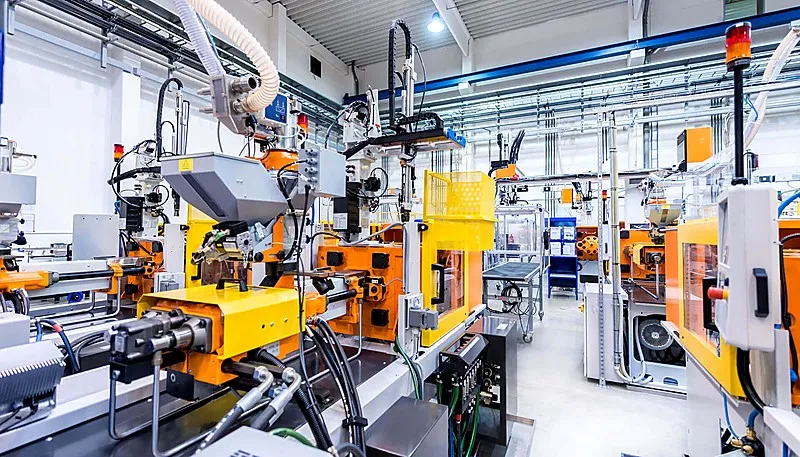
Завод, работающий в три смены с загрузкой 85%, здоровее, чем работающий в одну смену с загрузкой 40%. Высокая загрузка означает стабильную работу, опытных операторов и стабильное качество. Низкая загрузка может означать, что они отчаянно нуждаются в заказах — что иногда приводит к агрессивным ценам, но ненадежной поставке.
Почему собственное производство пресс-форм важно для вашего проекта?
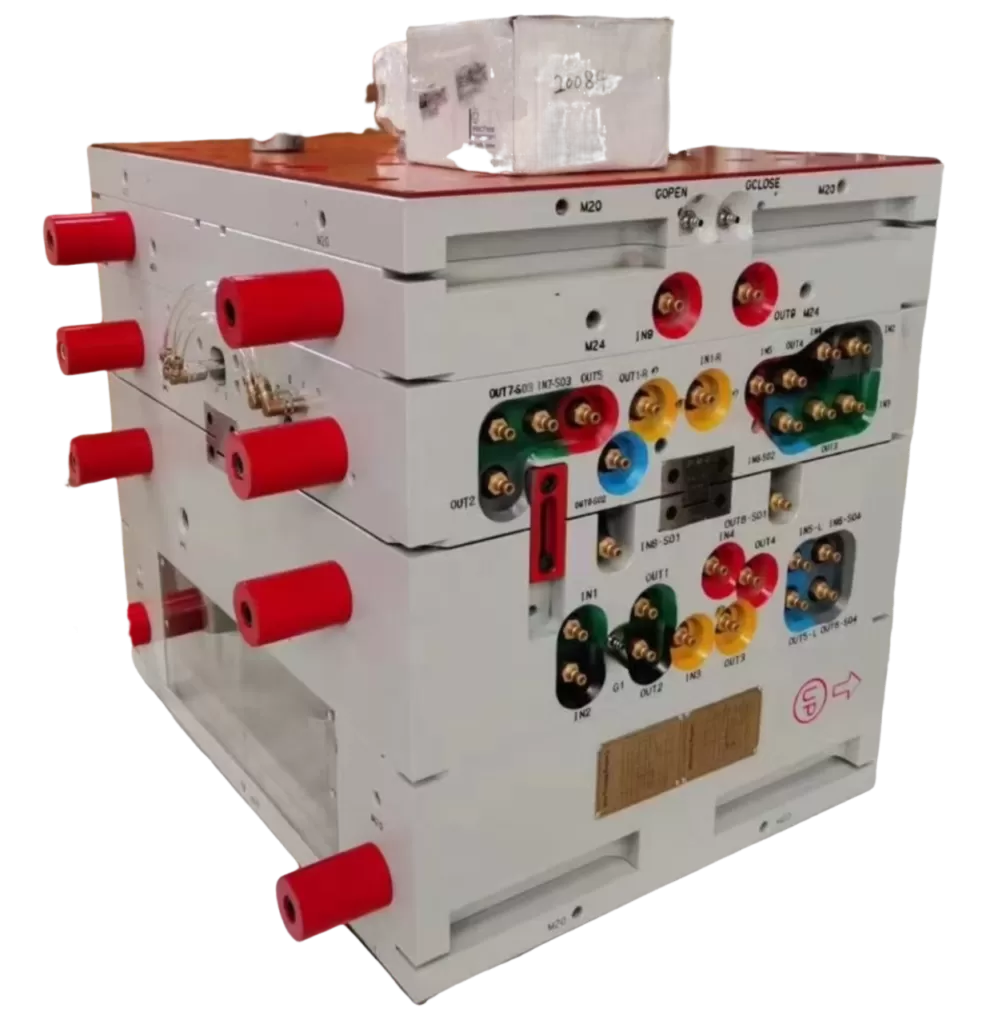
Собственное injection mold сокращая срок изготовления оснастки на 20–40% благодаря размещению инженеров и производства на одной площадке.
Я видел, как клиенты теряли шесть недель на одной доработке пресс-формы, потому что их производитель литья и изготовитель пресс-форм находились в разных провинциях — производитель литья в Дунгуане, мастерская по инструментам за двести километров. Каждая проблема с размерами означала упаковку формы, отгрузку, ожидание ремонта, обратную доставку и повторный запуск образцов. При собственном производстве пресс-форм этот цикл сокращается с недель до дней. На нашем предприятии в Шанхае наши инженеры по пресс-формам буквально находятся на том же этаже, что и производственные машины, поэтому мы стабильно поставляем 100+ комплектов пресс-форм в месяц.
Разница проявляется наиболее отчетливо в эти критические моменты:
T1 through T3 sampling — Собственные команды быстрее выполняют итерации, поскольку обратная связь не пересекает границы компаний
Design changes mid-project — заказы на инженерные изменения выполняются за дни, а не недели
Mold maintenance — профилактическое обслуживание проводится по графику, а не тогда, когда у внешнего подрядчика появляется возможность
Troubleshooting defects — Специалист, изготовивший пресс-форму, может немедленно приступить к диагностике первопричины
Спросите своего потенциального поставщика напрямую: «Вы изготавливаете пресс-формы самостоятельно?» Если ответ не является четким «да», уточните: «Кто изготавливает ваши пресс-формы и насколько далеко они находятся от вашего производственного цеха?» Поставщик, который уклоняется от этого вопроса, почти наверняка передает работу на аутсорсинг — и расстояние между цехом пресс-форм и литьевым цехом прямо пропорционально риску увеличения сроков поставки.
Какие системы качества должны быть у вашего поставщика?
Квалифицированный поставщик литья под давлением определяется минимальным 6-ступенчатым процессом контроля качества. IQC, промежуточный отбор образцов, контроль процесса, контроль упаковки, FQC и OQC — всё меньше означает, что дефекты обнаруживаются на вашем приемном пункте, а не у них.
Контроль качества — это не только выявление бракованных деталей, но и их предотвращение. Лучшие поставщики инвестируют в профилактику на каждом этапе:
| Стадия QC | Что выявляет | Обычный инструмент |
|---|---|---|
| IQC (Входящий) | Неверный материал, влажность, загрязнение | Анализатор влажности, проверка сертификации материала |
| Выборочный контроль в процессе | Дрейф размеров, визуальные дефекты, недоливы | КИМ, штангенциркули, визуальный контроль |
| Контроль процесса | Отклонение параметров, изменение времени цикла | Мониторинг машины, журналы процесса |
| Контроль упаковки | Царапины, загрязнения, неправильная маркировка | Визуальная проверка, сравнение с спецификацией упаковки |
| FQC (Финальный) | Общее соответствие габаритным размерам, косметический сорт | КИМ, калибры годен/не годен |
| OQC (Отправляемый) | Повреждения при отгрузке, полнота документации | Окончательный подсчет, проверка упаковочного листа |
Один практический тест: попросите вашего поставщика предоставить отчет о проверке образцов из последнего проекта. Если это одностраничный контрольный список с отметками, это красный флаг. Серьезный отчет QC включает размерные данные с допусками, значения Cpk, номер партии материала и фотографии любых граничных условий.
На нашем заводе в Шанхае работают 47 литьевых машин мощностью от 90 до 1850 тонн, поддерживаемые собственным производством пресс-форм, которое выпускает более 100 комплектов пресс-форм в месяц. Эта интегрированная система означает, что вы получаете инструментальное производство и изготовление продукции под одной крышей — без посредников и без коммуникационных разрывов между изготовителем пресс-форм и литьевщиком.
В нашей собственной мастерской наши 8 старших инженеров — каждый с более чем 10-летним опытом литья под давлением — проверяют каждый отчет о первом образце перед утверждением производства. Этот уровень инженерной проверки — это то, о чем я всегда говорю покупателям: кто подписывает качество и каков уровень их опыта? Команда контроля качества, подчиняющаяся 23-летнему младшему менеджеру, принципиально отличается от команды, курируемой инженерами, которые за два десятилетия отладили тысячи пресс-форм.
Какие сертификаты являются обязательными?
ISO 9001 — абсолютный минимум для любого серийного поставщика. ISO 134852 является обязательным для медицинских изделий, а IATF 16949 — для автомобильной промышленности. Поставщик без ISO 9001 — не производственный партнёр, а неоправданный риск.
Вот как следует рассматривать сертификацию в зависимости от вашей отрасли:
Consumer products — для большинства применений достаточно ISO 9001. Если вы продаете продукцию в ЕС, также запросите подтверждение соответствия RoHS и REACH.
Medical devices — ISO 13485 является обязательным требованием. Не принимайте ответы «мы работаем над этим» или «сертифицирована наша материнская компания». Предприятие, которое формует ваши детали, должно иметь собственный сертификат.
Automotive — Стандартом является IATF 16949 (автомобильная версия ISO 9001). Большинство OEM-производителей требуют документацию PPAP и полную отчетность по данным о материалах через IMDS3 платформу от сертифицированных поставщиков.
Food contact — Ищите соответствующую FDA систему обращения с материалами и, желательно, возможность производства в чистом помещении.
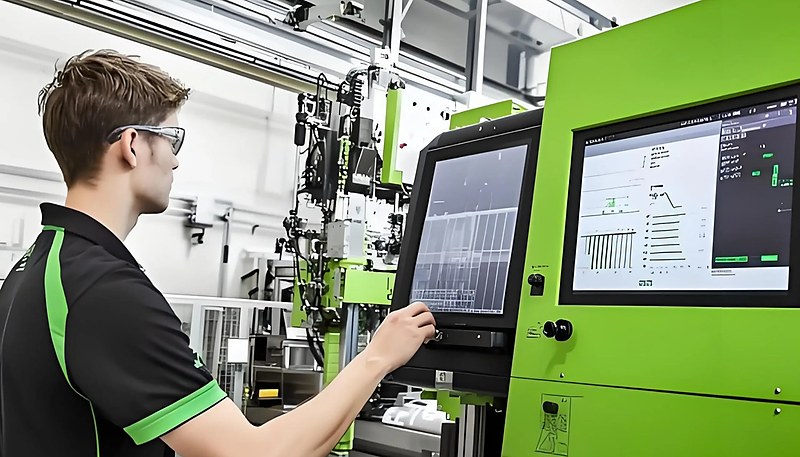
Попросите показать реальные сертификаты, а не просто логотипы на сайте. Проверьте область действия — некоторые поставщики имеют сертификат ISO 9001 для своей торговой деятельности, а не для производственного предприятия. Зарегистрированный адрес в сертификате должен совпадать с заводом, который вы посещаете или проверяете.
Также проверьте срок действия сертификата и дату последнего аудита. Сертификат, выданный пять лет назад без надзорных аудитов, по сути просрочен. Легитимные органы по сертификации проводят ежегодные надзорные аудиты, и поставщик должен быть в состоянии предоставить соответствующие записи.
Насколько важна коммуникация на английском языке?
Английское общение — это разница между 2 и 5 циклами доработки. Получение обратной связи, обсуждение допусков и замысел дизайна плохо переносят слои перевода — если ваш контакт может обсуждать только цену, но не способен объяснить, почему толщина стенки влияет на время цикла, у вас возникает дорогостоящий коммуникационный разрыв.
Реальная стоимость плохой коммуникации измеряется не ошибками перевода — а допущениями. Когда инженер в Китае не может чётко объяснить, что «такая толщина ребра вызовет утяжины на декоративной поверхности», он может просто принять решение и продолжить работу. Именно так вы получаете 10 000 деталей, соответствующих чертежу, но не проходящих вашу декоративную проверку.
Вот как выглядит эффективное общение на английском на практике:
DFM feedback — Ваш поставщик заранее указывает на проблемы технологичности и даёт конкретные рекомендации, а не просто заявляет: «мы можем это изготовить»
Technical discussions — инженеры могут обсуждать расположение литника, положение линии спая и конструкцию каналов охлаждения на английском языке
Problem resolution — Если возникает проблема (а она возникнет), вы получаете понятный анализ первопричины на английском языке, а не расплывчатые извинения
Project updates — Регулярные отчеты о ходе работ с фотографиями, а не только письма «все идет по плану»
Проверьте это заранее: задайте технический вопрос — например, «Какой максимальный коэффициент соотношения длины потока вы бы рекомендовали для стенки из ПК толщиной 2 мм?» Качество ответа скажет вам больше, чем любой буклет о возможностях.
Я усвоил это на собственном горьком опыте в начале карьеры. Европейский клиент прислал нам чертёж с неоднозначным допуском на критический диаметр отверстия. Наш англоговорящий инженер заметил это во время анализа технологичности конструкции, отправил обратно размеченный скриншот с тремя вариантами и рекомендацией, и клиент позже сказал нам, что это одно письмо предотвратило переделку стоимостью 40 000 евро. Именно такой технический обмен на английском отличает поставщика от партнёра. Сегодня у нас в штате более 30 свободно говорящих на английском сотрудников — не только продавцов, но и инженеров с менеджерами проектов, которые могут детально обсуждать конструкцию литниковой системы, компенсацию усадки и результаты анализа течения расплава.
Как реалистично оценить сроки и ценообразование?
Изготовление пресс-форм в Китае обычно занимает 25–45 дней. Предложения на 30–50% ниже среднерыночных почти всегда компрометируют марку стали, циклы испытаний или качество поверхности — если три поставщика указывают $20,000±$3,000, а один — $8,000, то эти $8,000 — это другой продукт, а не выгодная сделка.
Понимание факторов, влияющих на стоимость оснастки, помогает оценивать предложения:
| Фактор стоимости | Низкокачественный подход | Профессиональный подход |
|---|---|---|
| Сталь пресс-формы | P20 (стандартный) | Соответствует целевому циклу: P20/H13/718H |
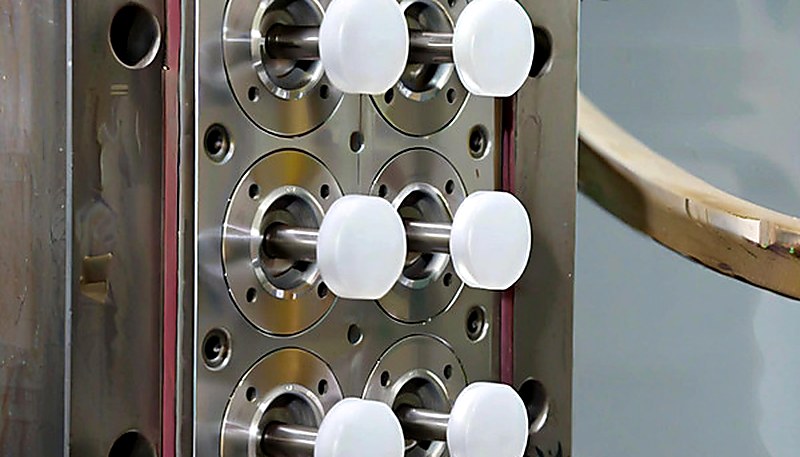
| Анализ течения в пресс-форме | Пропущено или базовое | Полный анализ течения расплава 3 до резки стали |
| Отделка поверхности | SPI B-2 или ниже | Соответствует требованиям детали (A-1 через D-3) |
| Циклы тестирования | 1–2 раунда отбора образцов | 3–5 раундов с отчётами о размерах |
| Гарантия ресурса пресс-формы | Не указано | Письменная гарантия (обычно 100 тыс.–1 млн+ циклов) |
Для расчёта серийной цены запросите подробную разбивку затрат: стоимость материала на деталь, машинный тариф в час, трудозатраты, накладные расходы и упаковку. На нашем заводе мы предоставляем постатейные предложения по каждому серийному заказу, поскольку прозрачность создаёт долгосрочное партнёрство, а не разовые сделки. Поставщик, отказывающийся от разбивки, где-то скрывает маржу — обычно за счёт подмены материала. Если в предложении указан ABS, а в производство запускают переработанный дроблёный материал, характеристики детали будут отличаться от заданных, и вы узнаете об этом лишь после появления отказов в эксплуатации.
Сроки выполнения работают аналогично. Поставщик, обещающий 15 дней на оснастку при отраслевом стандарте в 30 дней, либо экономит на качестве, либо лжёт. Требуйте конкретики: сколько образцов Т1? Сколько раундов доработок включено? Каков процесс эскалации, если размеры не соответствуют спецификации?
Какие красные флаги должны заставить вас отказаться от сделки?
Самый большой красный флаг — это поставщик, который даёт расценки на оснастку без просмотра ваших 3D-файлов. Откажитесь немедленно, если они отказываются от аудита завода или не могут предоставить прослеживаемость материалов — эти три проблемы составляют примерно 80% проваленных проектов по закупкам в Китае.
Увидев сотни отношений между покупателями и поставщиками, вот те красные флаги, которые я считаю неприемлемыми и разрушающими сделки:
Quoting without reviewing your files — Любому добросовестному поставщику для точного расчёта цены необходимы как минимум файлы STL или STEP. Цена, предложенная без технического анализа, либо носит общий характер и не имеет смысла, либо намеренно занижена для привлечения клиента.
Refusing factory audits — Будь то личное посещение или видеообзор, если поставщик не показывает свое предприятие, вероятно, показывать ему нечего.
No material certificates — Если поставщик не может предоставить сертификаты материала для конкретной партии от SABIC, DuPont, Covestro или равноценных производителей, невозможно проверить фактический состав деталей.
Unwilling to provide references — У каждого устоявшегося поставщика есть готовые поручиться клиенты. “Конфиденциальность” иногда обоснована, но полный отказ — нет.
Payment terms that shift all risk to you — 100% предоплата до начала любых работ означает, что поставщик ничем не рискует. Стандартные условия — депозит 30–50% с выплатой остатка после одобрения T1 или перед отгрузкой.
Проверьте еще один момент: как долго поставщик работает при одном и том же владельце? На сайте недавно проданного предприятия может оставаться перечень оборудования прежнего владельца, хотя фактические возможности уже ниже. Запросите лицензию на ведение деятельности и проверьте дату регистрации компании.
Простое правило: если поставщик проходит проверку оборудования, аудит качества, проверку сертификатов и тест на коммуникацию, то вы сравниваете цены среди квалифицированных кандидатов. Побеждает самая низкая квалифицированная цена — а не самая низкая цена в целом.
Ещё один практический совет: поинтересуйтесь глубиной производственного персонала. Наши 120+ производственных рабочих работают в три смены на 45 машинах, что позволяет нам соблюдать графики поставок даже при одновременном пике нескольких проектов. Завод с 10 машинами и 15 рабочими будет отдавать приоритет тому, кто громче кричит, когда мощности ограничены — и обычно это не новый клиент.
Что обычно спрашивают покупатели о китайских поставщиках литья под давлением?
Вот наиболее частые вопросы, которые мы слышим от покупателей, оценивающих китайских поставщиков литья под давлением.
Часто задаваемые вопросы
Сколько стоит оснастка для литья под давлением в Китае?
Стоимость оснастки для литья под давлением в Китае обычно составляет от 3 000 до 50 000+ долларов США, в зависимости от сложности детали, количества гнёзд и марки стали. Одногнёздная прототипная форма из алюминия начинается примерно с 3 000 долларов; многогнёздная производственная форма из закалённой стали обходится в 15 000–50 000+ долларов. Окончательная цена зависит от количества гнёзд, требований к чистоте поверхности (зеркальная отделка SPI A-1 значительно дороже, чем SPI B-2), механизмов бокового действия и ожидаемого срока службы формы. Всегда запрашивайте детализированное предложение по оснастке, в котором отдельно указаны стоимость стали, часы механической обработки, электроэрозионные работы и поверхностная обработка.
Каково типичное время выполнения заказа для литья под давлением в Китае?
Изготовление стандартной оснастки занимает 25–45 дней; производственный цикл добавляет 15–30 дней в зависимости от объема заказа. Срочное изготовление оснастки (15–20 дней) доступно у некоторых поставщиков, но обычно сокращает циклы тестирования и значительно увеличивает риск дефектов. Для сложных форм с боковыми сердечниками, подъемниками или механизмами откручивания ожидайте 35–60 дней на оснастку. Отбор проб Т1 обычно занимает 3–5 дней после завершения формы, и большинству проектов требуется 2–3 раунда проб перед окончательным утверждением производства. Всегда закладывайте дополнительный двухнедельный буфер в свой график для проектов по изготовлению оснастки впервые.
Стоит ли посетить завод перед размещением заказа?
Да, для первого заказа настоятельно рекомендуется посетить предприятие хотя бы по видеосвязи. Это позволяет проверить количество машин, чистоту, организацию производства и соответствие предприятия маркетинговым материалам поставщика. Во время визита проверьте на шильдиках машин марку и год выпуска, осмотрите оборудование инструментального цеха, изучите образцы отчетов о контроле и напрямую поговорите с инженерами по качеству. Если личный визит невозможен, организуйте видеозвонок в реальном времени, во время которого поставщик покажет производственный цех на камеру, а не заранее записанный рекламный ролик.
Как узнать, является ли поставщик торговой компанией?
Торговые компании обычно не отвечают на подробные технические вопросы, не показывают производство и подозрительно быстро дают цену. Попросите видеозвонок непосредственно из цеха: отказ часто указывает на посредника. Другие признаки: адрес в офисном здании, а не промзоне; продажа несвязанных категорий товаров; отсутствие перечня машин с конкретными усилиями смыкания и марками. У прямых заводов однородный парк оборудования, собственные инженеры и специализация на одном-двух процессах.
Какие условия оплаты стандартны для литья под давлением в Китае?
Стандартные условия оплаты: 30–50% предоплата с окончательным расчетом после утверждения образцов Т1 или перед отгрузкой. Избегайте поставщиков, требующих 100% предоплаты — это лишает их стимула поставлять качественные детали вовремя. Для крупных заказов свыше $20 000 все более распространены поэтапные платежи (например, 30% предоплата, 40% при утверждении Т1, 30% перед отгрузкой), что защищает обе стороны. Банковский перевод (T/T) — наиболее широко принятый международный способ оплаты. Некоторые устоявшиеся поставщики принимают аккредитив (L/C) для заказов свыше $50 000, что обеспечивает дополнительную защиту покупателя.
Может ли китайский поставщик выполнять литье медицинских изделий, соответствующее требованиям FDA?
Да, если поставщик имеет сертификат ISO 13485, работает в чистых помещениях и может обеспечить полную прослеживаемость материала с сертификатами на конкретные партии. Не каждый китайский производитель литья соответствует этим требованиям, поэтому проверяйте сертификаты перед запуском производства. Попросите показать область действия сертификата ISO 13485 — она должна охватывать конкретные производственные процессы, используемые для ваших деталей. Поставщик также должен иметь валидированные процедуры очистки и упаковки, документацию по партиям и возможность отследить каждую производственную партию до сертификатов на сырье от поставщиков, таких как SABIC, DuPont или Covestro.
Каков минимальный объем заказа для литья под давлением?
Минимальные объемы заказа в Китае обычно составляют от 500 до 10 000 штук, в зависимости от размера детали и материала. Некоторые поставщики, специализирующиеся на литье под давлением малых серий, принимают заказы от 100 штук. МОQ определяется минимальным объемом закупки материала, временем настройки машины и экономикой производственного цикла. Для прототипирования или переходного производства рассмотрите поставщиков с выделенными линиями для малых серий — они используют машины меньшего размера с более быстрой переналадкой. Многогнездные формы естественным образом снижают стоимость детали при больших объемах, но пропорционально увеличивают инвестиции в оснастку.
Как защитить свою интеллектуальную собственность при производстве в Китае?
Подайте заявку на патент или полезную модель, специфичные для Китая, перед передачей чертежей, используйте NDA с версиями на китайском языке и работайте с поставщиками, имеющими подтвержденный опыт экспорта. Поставщик, экспортирующий с 2005 года и имеющий сертификаты ISO, представляет статистически меньший риск для ИС, чем новый, несертифицированный поставщик. Практические шаги включают: никогда не передавать полные CAD-файлы на этапе коммерческого предложения — предоставлять файлы STEP или IGES без внутренних особенностей; регистрировать свои товарные знаки в Китае (система «первый подавший»); и включать в производственный контракт пункты о защите ИС, предусматривающие компенсацию за несанкционированное использование.
Готовы оценить китайского поставщика литья под давлением, который соответствует всем требованиям? Свяжитесь с ZetarMold — мы рассмотрим ваши 3D-файлы, предоставим подробный анализ DFM в течение 48 часов и проведем для вас виртуальный тур по нашему сертифицированному по ISO шанхайскому предприятию с 45 машинами.
ISO 9001: относится к системам менеджмента качества iSO 9001 — международному стандарту обеспечения качества в производственных отраслях. ↩
ISO 13485: iSO 13485 устанавливает требования к системе менеджмента качества, в рамках которой организация демонстрирует способность поставлять медицинские изделия. ↩
IMDS: означает iMDS (International Material Data System) — глобальный стандарт отчетности по данным о материалах в автомобильных цепочках поставок. ↩