Ihr Einkaufsteam hat gerade drei Spritzgießlieferanten in China in die engere Wahl gezogen. Einer hat {variable}8.000 für Werkzeuge angeboten, ein anderer {variable}22.000, und der dritte hat noch nicht einmal danach gefragt, Ihre CAD-Dateien zu sehen. Wie können Sie feststellen, welcher tatsächlich liefern wird – und welcher Sie sechs Monate Verzögerung kosten wird?
Nach zwei Jahrzehnten Formenbau in Shanghai habe ich gesehen, wie Käufer immer wieder dieselben Fehler machen: Sie jagen dem niedrigsten Angebot hinterher, überspringen Fabrikaudits und verwechseln die glänzende Website eines Handelsunternehmens mit tatsächlicher Produktionskapazität. Hier ist der Rahmen, den ich verwenden würde, wenn ich in Ihrer Position wäre.
- Bewerten Sie Lieferanten anhand von Ausrüstung, Qualitätssystemen, Zertifizierungen, Kommunikation und Formenbaukapazität
- Werkseigener Formenbau verkürzt die Werkzeugherstellungszeit um 20–40%
- ISO 9001 ist die Basis; ISO 13485 oder IATF 16949 für Medizin- und Automobilbranche
- Angebote, die mehr als 30–50% unter dem Marktdurchschnitt liegen, bedeuten meist versteckte Kompromisse
- Englischsprachige Projektmanager reduzieren die Überarbeitungszyklen um etwa ein Drittel
Was sollten Sie bei der Auswahl eines chinesischen Spritzgießlieferanten bewerten?
Ein zuverlässiger chinesischer Spritzgießlieferant besteht sechs entscheidende Prüfungen: Maschinenkapazität, Qualitätskontrolle, Zertifizierungen, Kommunikation, eigener Werkzeugbau und Preistransparenz. Fehlt auch nur eine davon, zahlen Sie später dafür.
"“Ein Lieferant, der ein Spritzgießwerkzeug anbietet, ohne Ihre 3D-Dateien zu prüfen, ist ein Warnsignal.”"True
Präzise Werkzeugangebote erfordern mindestens STL- oder STEP-Dateien, um die Bauteilkomplexität, Hinterschneidungen und Kavitätenlayout zu bewerten. Ein Preis ohne technische Überprüfung ist entweder generisch oder absichtlich niedrig, um den Auftrag zu gewinnen.
"„Das niedrigste Werkzeugangebot eines chinesischen Lieferanten ist immer das beste Geschäft.“"False
Angebote, die 30–50 % unter dem Marktdurchschnitt liegen, bedeuten typischerweise Kompromisse bei der Stahlgüte des Formenstahls, weniger Testzyklen oder den Verzicht auf eine Fließanalyse. Das günstigste Angebot führt oft zu den teuersten langfristigen Ergebnissen.
Die meisten Einkäufer konzentrieren sich fast ausschließlich auf den Stückpreis. Das ist verständlich – Ihr Vorgesetzter möchte Kosteneinsparungen sehen. Doch der Preis sollte zuletzt verglichen werden. Warum? Ein günstiges Angebot eines Lieferanten ohne angemessene Qualitätskontrolle oder passende Ausrüstung führt zu monatelanger Nacharbeit, Lieferverzögerungen und Qualitätsstreitigkeiten, die jede Einsparung aufzehren. Einen strukturierten Rahmen finden Sie in unserem Beschaffungsleitfaden für Spritzguss.
Hier ist die Bewertungsreihenfolge, die ich empfehle:
Passende Ausrüstung – Verfügt der Lieferant über Maschinen im richtigen Schließkraftbereich für Ihr Bauteil?
Qualitätsprozess – Kann der Lieferant einen dokumentierten Ablauf von IQC bis OQC vorlegen?
Zertifizierungen – mindestens ISO 90011 sowie gegebenenfalls branchenspezifische Zertifizierungen
Kommunikation – Können Sie direkt mit Ingenieuren sprechen oder nur mit dem Vertrieb?
Werkzeugbau – Baut der Lieferant die Werkzeuge selbst oder vergibt er sie extern?
Preisgestaltung – Ist das Angebot aufgeschlüsselt oder nennt es nur eine Pauschalsumme?
Wenn ein Lieferant bei den Punkten 1–5 überprüft wurde, dann ist ein Preisvergleich sinnvoll. Wenn nicht, ist das billigste Angebot normalerweise die teuerste Entscheidung, die Sie treffen werden.
Wie überprüfen Sie die tatsächlichen Produktionsfähigkeiten einer Fabrik?
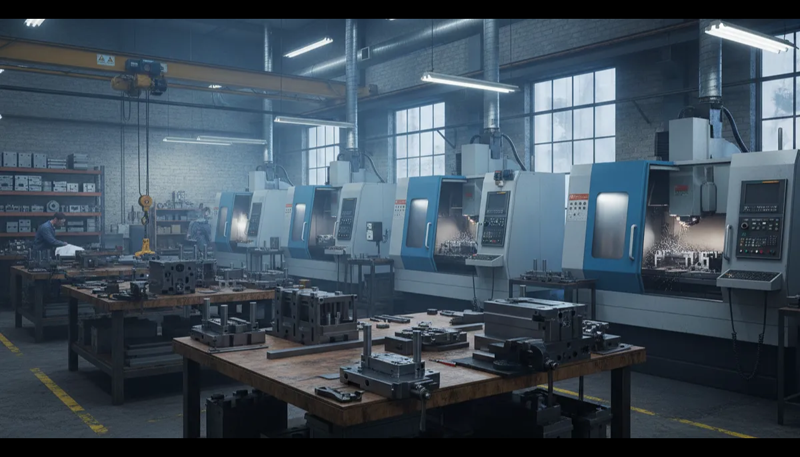
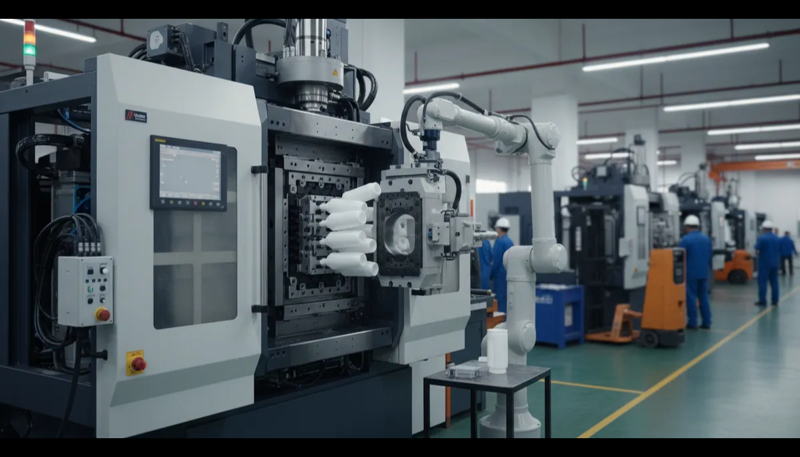
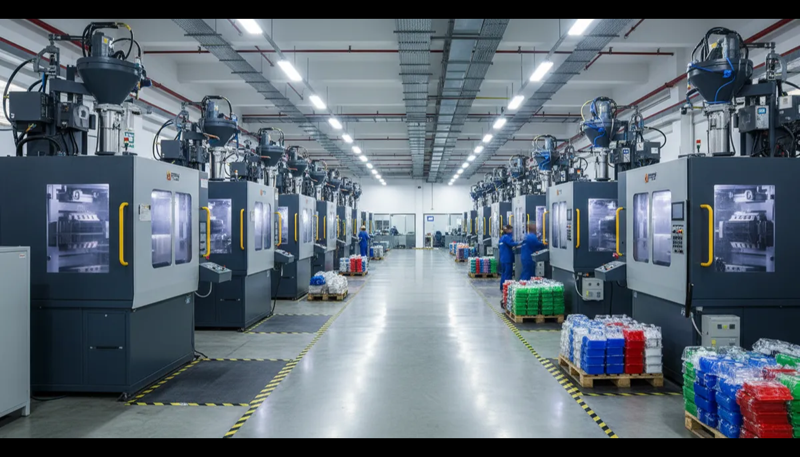
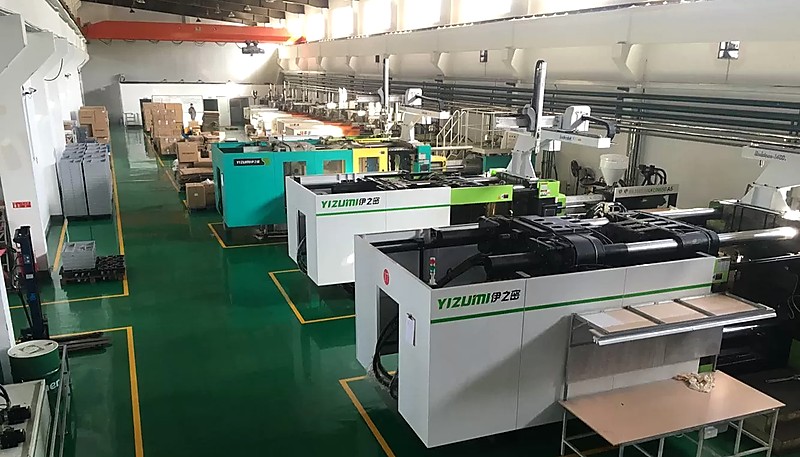
Die tatsächliche Produktionskapazität einer Fabrik wird durch ihre Maschinenliste mit Tonnage, Marke und Baujahr verifiziert. Jeder Lieferant, der diese Liste nicht innerhalb von 24 Stunden vorlegen kann, ist entweder unorganisiert oder versteckt etwas – eine Einrichtung mit 45+ Maschinen von 90T bis 1850T deckt 95% der kommerziellen Kunststoffteile ab.
"“Die Zertifizierung nach ISO 9001 ist der Mindestqualitätsstandard, über den jeder Serienlieferant verfügen sollte.”"True
ISO 9001 legt grundlegende Anforderungen an das Qualitätsmanagement fest, einschließlich dokumentierter Prozesse, Verfahren zur Korrekturmaßnahme und Managementbewertung. Lieferanten ohne diese Norm verfügen nicht einmal über die grundlegende Qualitätsinfrastruktur.
„„Handelsunternehmen und direkte Hersteller erzeugen identische Qualität, weil sie dieselben Maschinen verwenden.““False
Handelsunternehmen fügen eine Kommunikations- und Margenschicht zwischen Käufer und Fabrik hinzu. Sie können Produktionspläne nicht kontrollieren, keine Echtzeit-DFM-Rückmeldungen geben oder die spezifischen Maschinen und Bediener für Ihr Projekt garantieren.
Der Tonnagebereich sagt mehr aus als die Gesamtzahl der Maschinen. Eine Fabrik mit 100 kleinen Maschinen, aber nichts über 200T, kann Ihr Laptopgehäuse nicht spritzen. Umgekehrt wird eine Fabrik mit nur großen Maschinen mit Präzisions-Mikroteilen kämpfen. Was Sie wollen, ist Breite: ein ausreichender Bereich, um Ihr aktuelles Projekt und alles, was danach kommt, zu bewältigen.
Hören Sie nicht bei der Maschinenliste auf. Stellen Sie diese Nachfragen:
Verteilung der Schließkräfte – Wie viele Maschinen gibt es in jeder Tonnageklasse? Wenn Ihr Bauteil 500T benötigt und der Lieferant in diesem Bereich nur eine Maschine hat, besteht ein Kapazitätsrisiko.
Peripheriegeräte – Sind Trockner, Förderanlagen, Roboterarme und Heißkanal-Temperaturregler vorhanden?
Materialhandhabung – Kann der Lieferant hygroskopische Materialien (Nylon, PC, TPU) ordnungsgemäß trocknen und lagern?
Produktionsplanung – Wie viele Schichten werden gefahren? Wie hoch ist die aktuelle Auslastung?
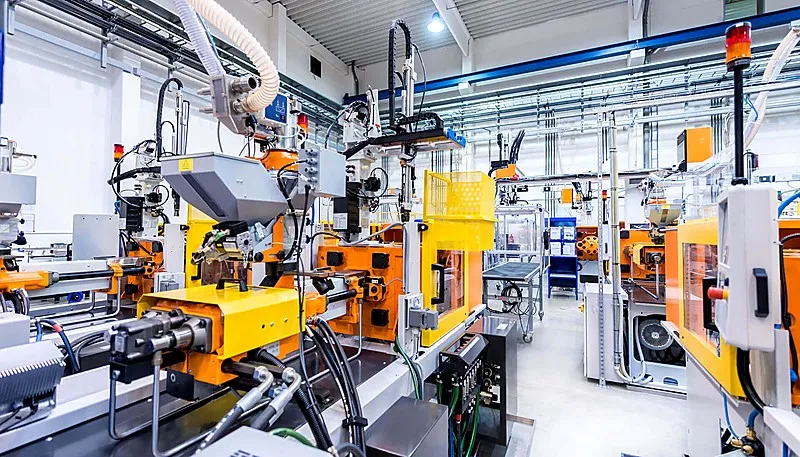
Eine Fabrik, die mit 85 % Auslastung im Dreischichtbetrieb läuft, ist gesünder als eine, die mit 40 % in einer Schicht arbeitet. Hohe Auslastung bedeutet gleichmäßige Arbeit, erfahrene Bediener und stabile Qualität. Geringe Auslastung kann bedeuten, dass sie verzweifelt nach Aufträgen suchen – was manchmal zu aggressiven Preisen, aber unzuverlässiger Lieferung führt.
Warum ist eine eigene Formenherstellung für Ihr Projekt wichtig?
Der interne Bau von Spritzgießwerkzeugen verkürzt die Werkzeugvorlaufzeit um 20–40%, weil Engineering und Produktion unter einem Dach arbeiten.
Ich habe erlebt, wie Kunden sechs Wochen mit einer einzigen Formenrevision verloren haben, weil ihr Spritzgießer und Formenbauer in verschiedenen Provinzen waren – der Spritzgießer in Dongguan, die Werkzeugwerkstatt zweihundert Kilometer entfernt. Jedes Maßproblem bedeutete, die Form zu verpacken, zu verschicken, auf Reparaturen zu warten, sie zurückzuschicken und Proben neu zu laufen. Mit werkseigener Werkzeugherstellung schrumpft dieser Zyklus von Wochen auf Tage. In unserer Einrichtung in Shanghai befinden sich unsere Formenbauingenieure buchstäblich auf derselben Etage wie die Produktionsmaschinen, weshalb wir regelmäßig über 100 Formensätze pro Monat liefern.
Der Unterschied zeigt sich am deutlichsten in diesen kritischen Momenten:
Bemusterung von T1 bis T3 – Interne Teams iterieren schneller, weil Rückmeldungen keine Unternehmensgrenzen überwinden müssen
Konstruktionsänderungen während des Projekts – Technische Änderungsaufträge dauern Tage statt Wochen
Werkzeugwartung – Vorbeugende Wartung erfolgt nach Plan und nicht erst, wenn ein externer Dienstleister Kapazitäten frei hat
Fehleranalyse – Die Person, die das Werkzeug gebaut hat, steht sofort zur Ermittlung der Grundursache bereit
Fragen Sie Ihren potenziellen Lieferanten direkt: „Bauen Sie Ihre Werkzeuge selbst?“ Wenn die Antwort nicht eindeutig ja lautet, fragen Sie nach: „Wer baut Ihre Werkzeuge und wie weit sind sie von Ihrer Produktionshalle entfernt?“ Ein Lieferant, der dieser Frage ausweicht, lagert fast sicher aus – und die Entfernung zwischen Werkzeugbau und Spritzgießhalle ist direkt proportional zu Ihrem Lieferzeitrisiko.
Welche Qualitätssysteme sollte Ihr Lieferant haben?
Ein qualifizierter Spritzgießlieferant ist durch einen mindestens 6-stufigen Qualitätskontrollprozess definiert. IQC, Zwischenstichproben, Prozessinspektion, Verpackungsinspektion, FQC und OQC – alles weniger bedeutet, dass Fehler an Ihrer Wareneingangsrampe statt bei ihnen entdeckt werden.
Qualitätskontrolle geht nicht nur darum, fehlerhafte Teile zu erkennen – sondern darum, sie zu verhindern. Die besten Lieferanten investieren in Vorbeugung in jeder Phase:
| QC-Phase | Was es erkennt | Typisches Werkzeug |
|---|---|---|
| IQC (Wareneingang) | Falsches Material, Feuchtigkeitsgehalt, Verunreinigung | Feuchtigkeitsanalysator, Überprüfung der Materialzertifizierung |
| Zwischenstichproben | Maßabweichungen, optische Fehler, unvollständige Formteile | CMM, Messschieber, Sichtprüfung |
| Prozessinspektion | Parameterabweichung, Zykluszeitänderungen | Maschinenüberwachung, Prozessprotokolle |
| Verpackungsinspektion | Kratzer, Verunreinigungen, falsche Etikettierung | Sichtprüfung, Vergleich mit Verpackungsspezifikation |
| FQC (Endkontrolle) | Gesamte Maßhaltigkeit, kosmetische Güteklasse | CMM, Gut-/Ausschuss-Lehren |
| OQC (Ausgehend) | Transportschaden, Vollständigkeit der Dokumentation | Endgültige Zählung, Packlistenprüfung |
Ein praktischer Test: Fragen Sie Ihren Lieferanten nach einem Prüfbericht einer kürzlichen Probe aus einem aktuellen Projekt. Wenn es sich um eine einseitige Checkliste mit Häkchen handelt, ist das ein Warnsignal. Ein seriöser QC-Bericht enthält Maßdaten mit Toleranzen, Cpk-Werte, Materialchargennummern und Fotos von Grenzfällen.
In unserer Fabrik in Shanghai betreiben wir 47 Spritzgießmaschinen von 90T bis 1850T, unterstützt durch eine eigene Werkzeugbau-Einrichtung, die mehr als 100 Werkzeugsätze pro Monat liefert. Diese integrierte Einrichtung bedeutet, dass Sie Werkzeugbau und Produktion unter einem Dach erhalten – ohne Mittelsmänner, ohne Kommunikationslücken zwischen Werkzeugbauer und Spritzgießer.
In unserer eigenen Werkstatt prüfen unsere 8 Senior-Ingenieure – jeder mit über 10 Jahren Erfahrung im Spritzguss – jeden Erstmusterprüfbericht vor der Produktionsfreigabe. Diese Ingenieursprüfungsebene ist etwas, das ich Käufern immer empfehle zu erfragen: Wer genehmigt die Qualität und welchen Erfahrungsstand haben sie? Ein QS-Team, das einem 23-jährigen Junior-Manager unterstellt ist, unterscheidet sich grundlegend von einem, das von Ingenieuren überwacht wird, die über zwei Jahrzehnte tausende Werkzeuge geprüft haben.
Welche Zertifizierungen sind nicht verhandelbar?
ISO 9001 ist das absolute Minimum für jeden Produktionslieferanten. ISO 134852 ist für Medizinprodukte verbindlich, IATF 16949 für die Automobilindustrie. Ein Lieferant ohne ISO 9001 ist kein Fertigungspartner, sondern ein Glücksspiel.
So denken Sie über Zertifizierungen in Ihrer Branche:
Konsumgüter – ISO 9001 reicht für die meisten Anwendungen aus. Wenn Sie in die EU verkaufen, fragen Sie zusätzlich nach der Einhaltung von RoHS und REACH.
Medizinprodukte – ISO 13485 ist unverzichtbar. Akzeptieren Sie weder „wir arbeiten daran“ noch „unsere Muttergesellschaft ist zertifiziert“. Das Werk, das Ihre Teile spritzt, benötigt ein eigenes Zertifikat.
Automobilindustrie – IATF 16949 (die Automobilvariante von ISO 9001) ist Standard. Die meisten OEMs verlangen von zertifizierten Lieferanten PPAP-Dokumentation und eine vollständige Materialdatenmeldung über die Plattform IMDS3.
Lebensmittelkontakt – Achten Sie auf FDA-konforme Materialhandhabung und idealerweise auf Reinraumfähigkeit.
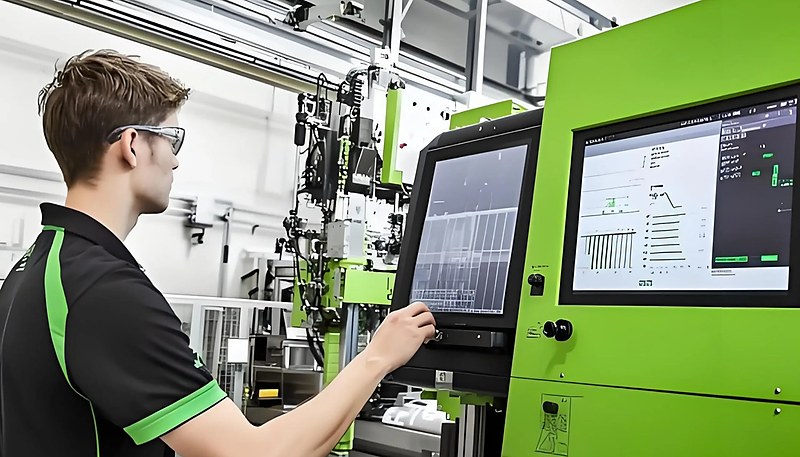
Verlangen Sie, die tatsächlichen Zertifikate zu sehen, nicht nur Logos auf einer Website. Überprüfen Sie den Geltungsbereich – einige Lieferanten halten ISO 9001 für ihr Handelsgeschäft, nicht für ihre Fertigungsstätte. Die registrierte Adresse des Zertifikats sollte mit der besuchten oder auditierten Fabrik übereinstimmen.
Überprüfen Sie auch die Gültigkeit des Zertifikats und das Datum der letzten Prüfung. Ein Zertifikat, das vor fünf Jahren ausgestellt wurde und keine Überwachungsaudits hatte, ist im Wesentlichen abgelaufen. Seriöse Zertifizierungsstellen führen jährliche Überwachungsaudits durch, und der Lieferant sollte in der Lage sein, Aufzeichnungen vorzulegen.
Wie wichtig ist englische Kommunikation?
Englische Kommunikation macht den Unterschied zwischen 2 und 5 Überarbeitungszyklen. Beschaffungsfeedback, Toleranzdiskussionen und Designabsicht überstehen Übersetzungsebenen nicht gut – wenn Ihr Ansprechpartner nur über den Preis sprechen kann, aber nicht erklären kann, warum eine Wandstärke die Zykluszeit beeinflusst, haben Sie eine kostspielige Kommunikationslücke.
Die wahren Kosten schlechter Kommunikation werden nicht an Übersetzungsfehlern gemessen, sondern an Annahmen. Wenn ein Ingenieur in China nicht klar erklären kann, dass „diese Rippenstärke zu Einfallstellen auf der sichtbaren Oberfläche führt“, könnte er einfach eine Entscheidung treffen und fortfahren. So endet man mit 10.000 Teilen, die der Zeichnung entsprechen, aber die optische Prüfung nicht bestehen.
So sieht effektive englische Kommunikation in der Praxis aus:
DFM-Feedback – Ihr Lieferant weist proaktiv und mit konkreten Empfehlungen auf Probleme der Fertigungsgerechtigkeit hin, statt nur zu sagen: „Das können wir herstellen“
Technische Gespräche – Ingenieure können Angussposition, Bindenahtlage und Kühlkanalauslegung auf Englisch besprechen
Problemlösung – Wenn etwas schiefläuft (und das wird passieren), erhalten Sie eine klare Ursachenanalyse auf Englisch statt einer vagen Entschuldigung
Projektstatus – Regelmäßige Fortschrittsberichte mit Fotos statt bloßer E-Mails mit dem Satz „Alles läuft nach Plan“
Testen Sie dies früh: Senden Sie eine technische Frage — etwa „Welches maximale Fließwegverhältnis würden Sie für eine 2 mm PC-Wand empfehlen?“ Die Qualität der Antwort sagt Ihnen mehr als jede Fähigkeitsbroschüre.
Das habe ich zu Beginn meiner Karriere auf die harte Tour gelernt. Ein europäischer Kunde schickte uns eine Zeichnung mit einer unklaren Toleranz für einen kritischen Bohrungsdurchmesser. Unser englischsprachiger Ingenieur entdeckte dies während der DFM-Prüfung, schickte eine markierte Screenshot mit drei Optionen und einer Empfehlung zurück, und der Kunde sagte uns später, dass diese einzelne E-Mail eine Nacharbeit im Wert von 40.000 € verhinderte. Diese Art der technischen Kommunikation auf Englisch ist es, die einen Lieferanten von einem Partner unterscheidet. Heute haben wir über 30 fließend Englisch sprechende Mitarbeiter – nicht nur Vertriebsmitarbeiter, sondern auch Ingenieure und Projektmanager, die Torauslegung, Schwindungsausgleich und Fließsimulationsergebnisse im Detail besprechen können.
Wie bewerten Sie realistisch Lieferzeit und Preisgestaltung?
Formwerkzeug in China dauert typisch 25–45 Tage. Angebote 30–50% unter dem Marktmittelwert sind fast immer in Stahlqualität, Testzyklen oder Oberflächengüte eingeschränkt — wenn drei Lieferanten €20,000±€3,000 anbieten und einer €8,000, dann ist das €8,000 ein anderer Produkt, kein Schnäppchen.
Zu verstehen, was die Werkzeugkosten antreibt, hilft Ihnen bei der Bewertung von Angeboten:
| Kostentreiber | Einfacher Ansatz | Professioneller Ansatz |
|---|---|---|
| Werkzeugstahl | P20 (Standard) | Angepasst an den Zyklus-Zielwert: P20/H13/718H |
| Moldflow-Analyse | Übersprungen oder grundlegend | Vollständige Fließsimulationsanalyse vor dem Stahlschnitt |
| Oberflächengüte | SPI B-2 oder niedriger | Anforderungsgerecht (A-1 bis D-3) |
| Testzyklen | 1–2 Samplingrunden | 3–5 Runden mit Dimensionsberichten |
| Garantie der Werkzeuglebensdauer | Keine Angabe | Schriftliche Garantie (typisch 100K–1M+ Schüsse) |
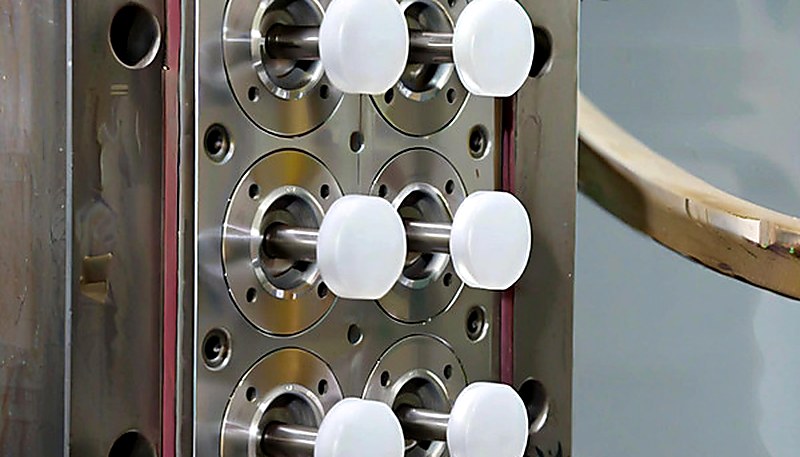
Fordern Sie für die Serienpreisbildung eine detaillierte Kostenaufschlüsselung an: Materialkosten pro Teil, Maschinenstundensatz, Arbeit, Gemeinkosten und Verpackung. In unserem Werk erstellen wir für jeden Produktionsauftrag aufgeschlüsselte Angebote, weil Transparenz langfristige Partnerschaften schafft – nicht nur Einzelgeschäfte. Ein Lieferant, der keine Aufschlüsselung liefert, verbirgt irgendwo seine Marge – meist durch Materialsubstitution. Wenn ABS angeboten, aber recyceltes Mahlgut verarbeitet wird, verhält sich Ihr Teil anders als spezifiziert, und Sie bemerken es erst bei den ersten Feldausfällen.
Lieferzeit funktioniert ähnlich. Ein Lieferant, der 15 Tage Werkzeugbau bei einem Industriestandard von 30 Tage verspricht, schneidet entweder Abstriche oder lügt. Fordern Sie Details: wie viele T1-Samples? Wie viele Revisionrunden sind enthalten? Was ist der Eskalationsprozess, wenn Dimensionen nicht spezifikationsgerecht sind?
Welche Warnsignale sollten Sie zum Abstand nehmen veranlassen?
Das größte Warnsignal ist ein Lieferant, der Werkzeugkosten anbietet, ohne Ihre 3D-Dateien zu prüfen. Gehen Sie sofort weg, wenn sie eine Fabrikprüfung ablehnen oder keine Materialrückverfolgbarkeit bieten können — diese drei Probleme machen etwa 80% der gescheiterten Beschaffungsprojekte in China aus.
Nachdem ich Hunderte von Käufer-Lieferanten-Beziehungen gesehen habe, hier die Warnsignale, die ich für nicht verhandelbare Dealbreaker halte:
Angebot ohne Prüfung Ihrer Dateien – Jeder seriöse Lieferant benötigt mindestens STL- oder STEP-Dateien, um präzise kalkulieren zu können. Ein Preis ohne technische Prüfung ist entweder pauschal und damit bedeutungslos oder absichtlich niedrig angesetzt und damit ein Lockangebot.
Ablehnung von Werksaudits – Ob persönlicher Besuch oder Rundgang per Videoanruf: Will ein Lieferant Ihnen sein Werk nicht zeigen, besitzt er wahrscheinlich keines, das sich vorzeigen lässt.
Keine Materialzertifikate – Kann der Lieferant keine chargenspezifischen Materialzertifikate von SABIC, DuPont, Covestro oder gleichwertigen Anbietern vorlegen, können Sie nicht überprüfen, was tatsächlich in Ihren Teilen steckt.
Keine Bereitschaft, Referenzen zu nennen – Jeder etablierte Lieferant hat Kunden, die für ihn bürgen. „Vertraulichkeit“ ist manchmal ein berechtigter Grund, eine vollständige Verweigerung jedoch nicht.
Zahlungsbedingungen, die das gesamte Risiko auf Sie verlagern – Eine Vorauszahlung von 100% vor Arbeitsbeginn bedeutet, dass der Lieferant selbst keinerlei Risiko trägt. Üblich sind 30–50% Anzahlung und der Restbetrag nach Freigabe von T1 oder bei Versand.
Prüfen Sie außerdem, wie lange der Lieferant bereits unter derselben Eigentümerschaft tätig ist. Ein kürzlich verkauftes Werk führt möglicherweise noch die Maschinenliste des früheren Eigentümers auf seiner Website, verfügt heute aber über geringere Kapazitäten. Fordern Sie die Gewerbelizenz an und prüfen Sie das Gründungsdatum.
Schnelle Regel: Wenn ein Lieferant Ihre Geräteprüfung, Qualitätsaudit, Zertifizierungsüberprüfung und Kommunikationstest besteht, dann vergleichen Sie die Preise unter den qualifizierten Kandidaten. Der niedrigste qualifizierte Preis gewinnt — nicht der niedrigste Preis insgesamt.
Ein weiterer praktischer Hinweis: fragen Sie nach der Produktionspersonalausstattung. Unsere 120+ Produktionsmitarbeiter betreiben drei Schichten über 45 Maschinen, was bedeutet, dass wir Lieferpläne halten können, auch wenn mehrere Projekte gleichzeitig peaken. Eine Fabrik mit 10 Maschinen und 15 Mitarbeitern priorisiert bei Kapazitätsengpässen den lautesten Auftrag — und das ist meist nicht der neue Kunde.
Was fragen Käufer häufig über chinesische Spritzgusslieferanten?
Hier sind die Fragen, die wir am häufigsten von Käufern hören, die chinesische Spritzgusslieferanten evaluieren.
Häufig gestellte Fragen
Wie viel kostet Spritzgussformwerkzeug in China?
Spritzgusswerkzeuge in China kosten typischerweise 3.000 bis über 50.000 €, abhängig von der Bauteilkomplexität, der Kavitätenanzahl und dem Stahlgrad. Ein Einfachkavitäten-Aluminium-Prototypenwerkzeug beginnt bei etwa 3.000 €; ein Mehrfachkavitäten-Serienwerkzeug aus gehärtetem Stahl liegt bei 15.000–50.000+ €. Der Endpreis hängt von der Anzahl der Kavitäten, den Oberflächenanforderungen (SPI A-1 Spiegelfinish kostet deutlich mehr als SPI B-2), den Seitenaktionen und der erwarteten Werkzeuglebensdauer ab. Fordern Sie immer ein detailliertes Werkzeugangebot an, das Stahlkosten, Bearbeitungsstunden, EDM-Arbeiten und Oberflächenbehandlung separat auflistet.
Was ist die typische Lieferzeit für Spritzguss in China?
Standardwerkzeugbau dauert 25–45 Tage; Produktionsläufe benötigen zusätzlich 15–30 Tage, abhängig von der Auftragsmenge. Schnellwerkzeugbau (15–20 Tage) ist bei einigen Lieferanten verfügbar, reduziert aber typisch Testzyklen und erhöht das Defektrisiko deutlich. Für komplexe Werkzeuge mit Seitenkernen, Liftern oder Entschraubungsmechanismen dauert der Werkzeugbau 35–60 Tage. T1-Probenfertigung dauert meist 3–5 Tage nach Werkzeugfertigung, und viele Projekte benötigen 2–3 Probenrunden vor finaler Produktionsfreigabe. Planen Sie für Erstwerkzeugbauprojekte immer einen zusätzlichen zweiwöchigen Zeitbuffer.
Sollte ich die Fabrik besuchen, bevor ich einen Auftrag erteile?
Ja, bei Erstaufträgen ist ein Werksbesuch — selbst als Videorundgang — dringend zu empfehlen. So können Sie Maschinenanzahl, Sauberkeit und Organisation prüfen und feststellen, ob das Werk den Marketingunterlagen des Lieferanten entspricht. Kontrollieren Sie bei einem Besuch die Typenschilder der Maschinen auf Marke und Baujahr, sehen Sie sich die Ausstattung des Werkzeugbaus an, prüfen Sie Musterprüfberichte und sprechen Sie direkt mit den Qualitätsingenieuren. Falls ein persönlicher Besuch nicht möglich ist, vereinbaren Sie einen Live-Videoanruf, bei dem der Lieferant die Kamera durch die Produktion führt — kein vorab aufgezeichnetes Marketingvideo.
Wie weiß ich, ob ein Lieferant eine Handelsgesellschaft ist?
Handelsunternehmen können detaillierte technische Fragen meist nicht beantworten, zeigen Ihnen nicht die Produktion und erstellen auffällig schnell Angebote. Fordern Sie einen Videoanruf direkt aus der Fertigung an — wird er abgelehnt, handelt es sich wahrscheinlich um einen Zwischenhändler. Weitere Hinweise sind eine Geschäftsadresse in einem Bürogebäude statt in einem Industriegebiet, ein Sortiment aus völlig unterschiedlichen Produktkategorien und das Fehlen einer Maschinenliste mit konkreten Schließkräften und Marken. Direkte Hersteller verfügen über einen konsistenten Maschinenpark und eigene Ingenieure und sind üblicherweise auf ein oder zwei Fertigungsverfahren spezialisiert.
Welche Zahlungsbedingungen sind Standard für China-Spritzguss?
Standardzahlungsbedingungen sind 30–50 % Anzahlung mit Restzahlung nach T1-Probenfreigabe oder vor dem Versand. Vermeiden Sie Lieferanten, die 100 % Vorauszahlung verlangen – dies beseitigt ihre Motivation, qualitativ hochwertige Teile termingerecht zu liefern. Für größere Aufträge über 20.000 € sind Meilensteinzahlungen (z.B. 30 % Anzahlung, 40 % bei T1-Freigabe, 30 % vor Versand) zunehmend üblich und schützen beide Parteien. Überweisung (T/T) ist international die am weitesten akzeptierte Zahlungsmethode. Einige etablierte Lieferanten akzeptieren L/C (Letter of Credit) für Aufträge über 50.000 €, was zusätzlichen Käuferschutz bietet.
Kann ein China-Lieferant FDA-konforme Medizinprodukt-Spritzgussteile fertigen?
Ja, wenn der Lieferant ISO 13485-Zertifizierung hat, Reinraum-Anlagen betreibt und vollständige Materialnachverfolgbarkeit mit Los-spezifischen Zertifikaten liefern kann. Nicht jeder chinesische Spritzgusserfüller erfüllt diese Anforderungen, daher verifizieren Sie Zertifizierungen vor Produktionsfestlegung. Fragen Sie nach dem ISO 13485-Zertifikatsscope – es muss die spezifischen Fertigungsprozesse für Ihre Teile abdecken. Der Lieferant sollte auch validierte Reinigungs- und Verpackungsprozesse, Batch-Dokumentation und die Möglichkeit haben, jedes Produktionslos zurück zu Rohmaterialzertifikaten von Lieferanten wie SABIC, DuPont oder Covestro zu verfolgen.
Was ist die Mindestabnahmemenge für Spritzguss?
Die Mindestbestellmengen in China liegen typischerweise zwischen 500 und 10.000 Stück, abhängig von Bauteilgröße und Material. Einige auf Kleinserien-Spritzguss spezialisierte Lieferanten akzeptieren Losgrößen von nur 100 Stück. Die MOQ wird durch die Mindestmaterialabnahmemenge, die Maschinenrüstzeit und die Wirtschaftlichkeit der Produktionscharge bestimmt. Für Prototypen- oder Brückenproduktion sollten Lieferanten mit dedizierten Kleinserien-Zellen in Betracht gezogen werden – sie betreiben kleinere Maschinen mit kürzeren Rüstzeiten. Mehrfachwerkzeuge senken bei höheren Stückzahlen natürlich die Stückkosten, erhöhen aber den Werkzeuginvest proportional.
Wie schütze ich mein Intellectual Property bei Fertigung in China?
Registrieren Sie ein China-spezifisches Patent oder Gebrauchsmuster vor der Weitergabe von Designs, verwenden Sie NDAs mit chinesischen Versionen und arbeiten Sie mit Lieferanten, die etablierte Export-Trackrecords haben. Ein Lieferant, der seit 2005 exportiert und ISO-Zertifizierungen hat, ist statistisch ein geringeres IP-Risiko als ein neuer, nicht zertifizierter Anbieter. Praktische Maßnahmen sind: niemals vollständige CAD-Dateien während der Angebotsphase teilen – STEP- oder IGES-Dateien ohne interne Details liefern; Ihre Marken in China registrieren (First-to-file-System); und IP-Schutzklauseln in Ihren Fertigungsvertrag einfügen, die Schadensersatz für unbefugte Nutzung festlegen.
Bereit, einen China-Spritzgusslieferanten zu evaluieren, der alle Kriterien erfüllt? Kontaktieren Sie ZetarMold – wir prüfen Ihre 3D-Dateien, liefern eine detaillierte DFM-Analyse innerhalb 48 Stunden und führen Sie durch unsere 45-Maschinen-, ISO-zertifizierte Shanghai-Fabrik.
ISO 9001: bezeichnet die Qualitätsmanagementsysteme nach ISO 9001 – den internationalen Standard für Qualitätssicherung in der Fertigungsindustrie. ↩
ISO 13485: legt Anforderungen an ein Qualitätsmanagementsystem fest, mit dem eine Organisation ihre Fähigkeit zur Bereitstellung von Medizinprodukten nachweist. ↩
IMDS: bezeichnet das International Material Data System – den weltweiten Standard für die Meldung von Materialdaten in automobilen Lieferketten. ↩