A sua equipa de compras acabou de selecionar três fornecedores de moldagem por injeção na China. Um orçamentou 8.000€ para a ferramentaria, outro 22.000€, e o terceiro ainda nem sequer pediu para ver os seus ficheiros CAD. Como é que consegue distinguir qual deles irá realmente cumprir — e qual lhe custará seis meses de atrasos?
Após duas décadas a gerir moldes em Xangai, vi compradores cometerem os mesmos erros: procurar a cotação mais baixa, saltar auditorias à fábrica e confundir o site sofisticado de uma empresa comercial com capacidade de produção real. Eis o quadro que usaria se estivesse no seu lugar.
- Avaliar fornecedores com base em equipamento, sistemas de qualidade, certificações, comunicação e capacidade de fabrico de moldes
- A produção interna de moldes reduz o tempo de entrega de ferramentas em 20–40%
- A ISO 9001 é a base; ISO 13485 ou IATF 16949 para setores médico e automóvel
- Cotações mais de 30–50% abaixo da média de mercado geralmente significam compromissos ocultos
- Gestores de projeto anglófonos reduzem os ciclos de revisão em cerca de um terço
O Que Deve Avaliar ao Escolher um Fornecedor Chinês de Moldagem por Injeção?
Um fornecedor fiável de moldagem por injeção na China é aquele que passa seis verificações críticas: capacidade das máquinas, controlo de qualidade, certificações, comunicação, fabrico interno de moldes e transparência dos preços. Se falhar uma delas, pagará por isso mais tarde.
"“Um fornecedor que apresenta um orçamento para moldes de injeção sem analisar os seus ficheiros 3D é um sinal de alerta.”"True
Cotações precisas de ferramentas requerem pelo menos ficheiros STL ou STEP para avaliar a complexidade da peça, características de subcorte e layout da cavidade. Um preço sem revisão técnica é genérico ou deliberadamente baixo para ganhar a encomenda.
"“O orçamento de molde mais baixo de qualquer fornecedor chinês é sempre o melhor negócio.”"False
Cotações 30–50% abaixo da média de mercado geralmente envolvem compromissos no grau do aço do molde, menos ciclos de teste ou omissão da análise de fluxo do molde. A cotação mais barata frequentemente produz o resultado a longo prazo mais caro.
A maioria dos compradores concentra-se quase exclusivamente no preço unitário. É compreensível: a direção quer ver poupanças. Mas o preço é a última coisa que deve comparar. Porquê? Porque uma cotação baixa de um fornecedor sem controlo de qualidade adequado ou sem o equipamento certo significa meses de retrabalho, atrasos na expedição e disputas de qualidade que anulam cada cêntimo poupado. Para uma abordagem estruturada, consulte o nosso guia de sourcing de moldagem por injeção.
Aqui está a ordem de avaliação que recomendo:
Adequação do equipamento — Dispõem de máquinas na faixa de tonelagem adequada para a sua peça?
Processo de qualidade — Conseguem mostrar um fluxo de trabalho documentado desde o IQC até ao OQC?
Certificações — No mínimo, ISO 90011, além das certificações específicas do setor quando aplicáveis
Comunicação — Pode falar diretamente com os engenheiros ou apenas com a equipa comercial?
Fabrico de moldes — Constroem os moldes internamente ou subcontratam?
Preços — A cotação é discriminada ou apresenta apenas um valor global?
Se um fornecedor passar nos pontos 1–5, então a comparação de preços é significativa. Se não passar, a cotação mais barata é geralmente a decisão mais cara que tomará.
Como Verifica as Capacidades Reais de Produção de uma Fábrica?
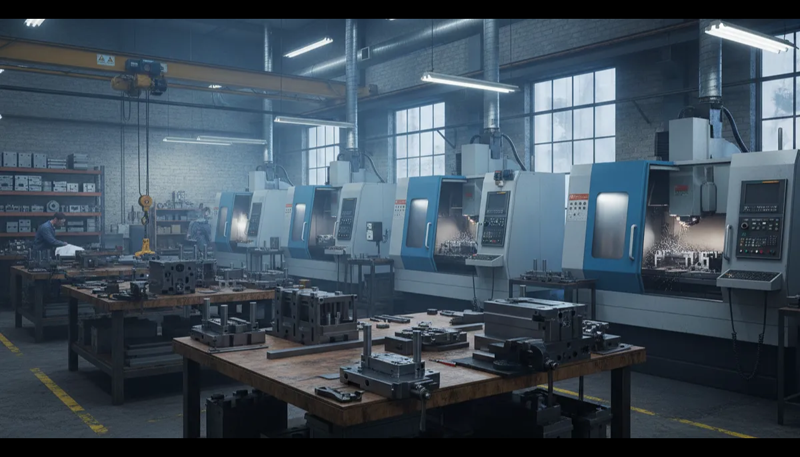
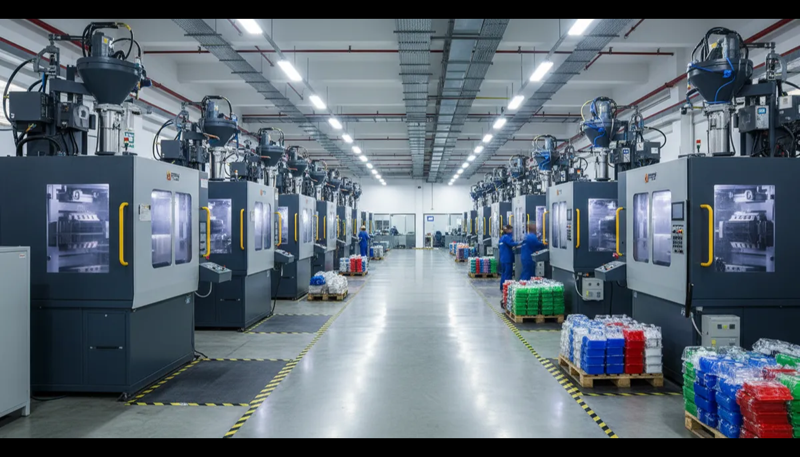
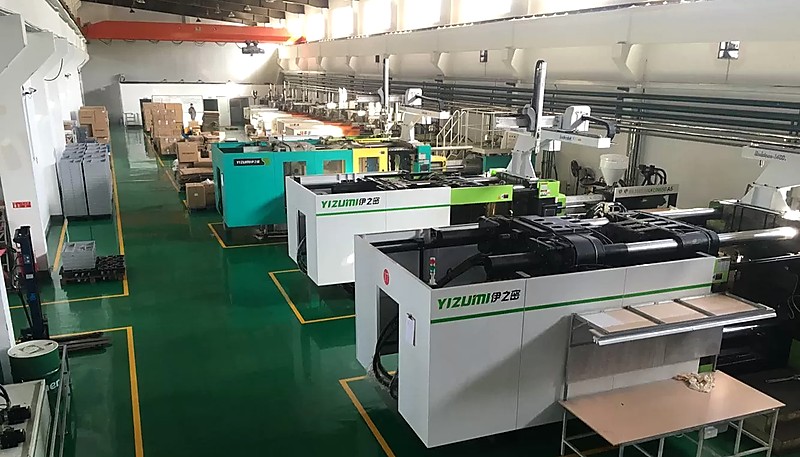
A capacidade de produção real de uma fábrica é verificada pela sua lista de máquinas com tonelagem, marca e ano. Qualquer fornecedor que não consiga produzir esta lista em 24 horas está desorganizado ou esconde algo — uma instalação com mais de 45 máquinas de 90T a 1850T cobre 95% de peças plásticas comerciais.
"“A certificação ISO 9001 é a norma de qualidade mínima que qualquer fornecedor de produção deve possuir.”"True
A ISO 9001 estabelece requisitos básicos de gestão da qualidade, incluindo processos documentados, procedimentos de ação corretiva e revisão pela gestão. Fornecedores sem ela carecem até da infraestrutura de qualidade fundamental.
"“As empresas comerciais e as fábricas diretas produzem uma qualidade idêntica porque utilizam as mesmas máquinas.”"False
As empresas de trading adicionam uma camada de comunicação e margem entre o comprador e a fábrica. Elas não podem controlar os cronogramas de produção, fornecer feedback DFM em tempo real ou garantir as máquinas e operadores específicos usados no seu projeto.
A gama de tonelagem diz-lhe mais do que o número total de máquinas. Uma fábrica com 100 máquinas pequenas, mas nada acima de 200T, não pode moldar a carcaça do seu portátil. Por outro lado, uma fábrica com apenas máquinas grandes terá dificuldades com microcomponentes de precisão. O que você quer é amplitude: gama suficiente para lidar com o seu projeto atual e com o que vier a seguir.
Não pare na lista de máquinas. Faça estas perguntas de acompanhamento:
Distribuição da força de fecho — Quantas máquinas existem em cada faixa de tonelagem? Se a sua peça exigir 500T e o fornecedor tiver apenas uma máquina nessa faixa, há um risco de capacidade.
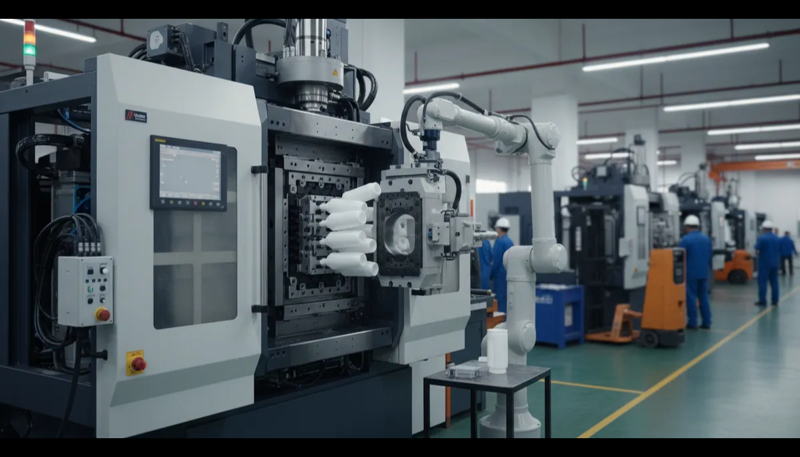
Equipamento auxiliar — Dispõem de secadores, transportadores, braços robóticos e controladores de temperatura para canais quentes?
Manuseamento de materiais — Conseguem secar e armazenar corretamente materiais higroscópicos (nylon, PC, TPU)?
Planeamento da produção — Quantos turnos trabalham? Qual é a taxa de utilização atual?
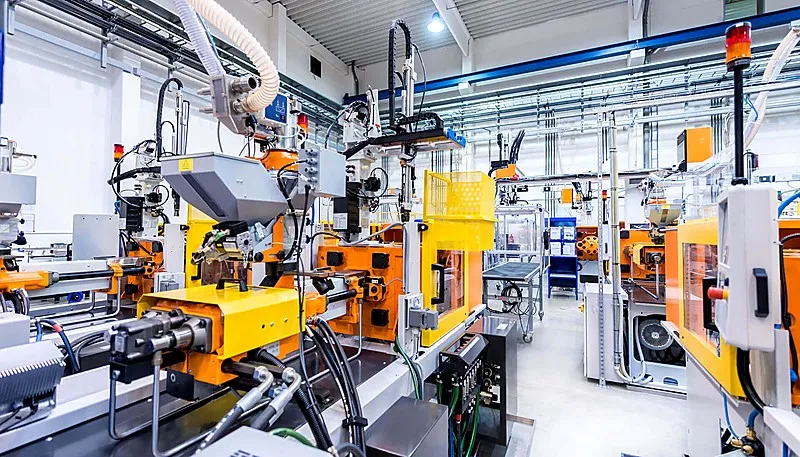
Uma fábrica que opera em três turnos com uma utilização de 85% é mais saudável do que uma que opera num único turno com 40% de utilização. Uma utilização elevada significa trabalho consistente, operadores experientes e qualidade estável. Uma utilização baixa pode significar que estão desesperados por encomendas — o que por vezes leva a preços agressivos, mas a entregas pouco fiáveis.
Por que é que a Moldagem Interna é Importante para o Seu Projeto?
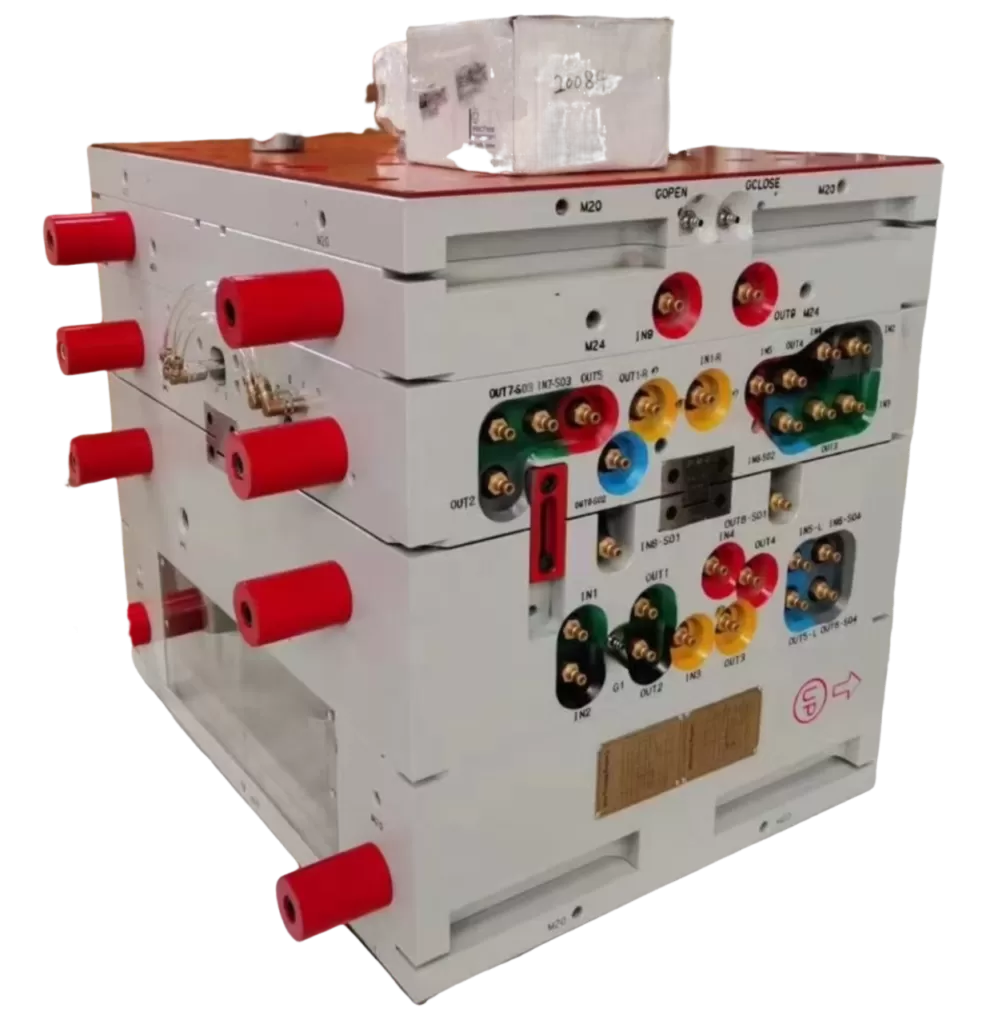
O fabrico interno de moldes de injeção reduz em 20–40% o prazo das ferramentas, porque a engenharia e a produção estão sob o mesmo teto.
Já vi clientes perderem seis semanas numa única revisão de molde porque o seu moldador e o fabricante de moldes estavam em províncias diferentes — o moldador em Dongguan, a oficina de ferramentas a duzentos quilómetros de distância. Cada problema de dimensão implicava embalar o molde, enviá-lo, aguardar reparações, reenviá-lo e refazer amostras. Com ferramentaria interna, esse ciclo reduz-se de semanas para dias. Na nossa instalação de Xangai, os nossos engenheiros de moldes estão literalmente no mesmo piso que as máquinas de produção, razão pela qual entregamos consistentemente mais de 100 conjuntos de moldes por mês.
A diferença torna-se mais evidente nestes momentos críticos:
Amostragem de T1 a T3 — As equipas internas iteram mais depressa porque o feedback não atravessa fronteiras entre empresas
Alterações de projeto a meio do processo — As ordens de alteração de engenharia demoram dias, em vez de semanas
Manutenção do molde — A manutenção preventiva ocorre na data prevista, não quando o fornecedor externo tem capacidade
Diagnóstico de defeitos — A pessoa que construiu o molde está disponível para diagnosticar imediatamente a causa raiz
Pergunte diretamente ao seu potencial fornecedor: “Corta o aço internamente?” Se a resposta não é um claro “sim”, siga com “Quem fabrica seus moldes e qual a distância até sua área de produção?” Um fornecedor que evita esta questão quase certamente está a subcontratar — e a distância entre oficina de moldes e área de moldagem é diretamente proporcional ao risco do seu prazo de entrega.
Que Sistemas de Qualidade Deve o seu Fornecedor Ter?
Um fornecedor qualificado de moldação por injeção é definido por um processo mínimo de controlo de qualidade de 6 etapas. IQC, amostragem em processo, inspeção do processo, inspeção da embalagem, FQC e OQC — menos do que isso significa que os defeitos são detetados no seu cais de receção em vez do deles.
O controlo de qualidade não se trata apenas de detetar peças defeituosas — trata-se de as prevenir. Os melhores fornecedores investem na prevenção em todas as etapas:
| Fase de QC | O que Deteta | Ferramenta Típica |
|---|---|---|
| IQC (Recebimento) | Material errado, teor de humidade, contaminação | Analisador de humidade, revisão da certificação do material |
| Amostragem em Processo | Desvio dimensional, defeitos visuais, peças incompletas | CMM, paquímetros, inspeção visual |
| Inspeção do Processo | Desvio de parâmetros, alterações no tempo de ciclo | Monitorização de máquinas, registos de processo |
| Inspeção de Embalagem | Riscos, contaminação, rotulagem incorreta | Verificação visual, comparação com especificação de embalagem |
| FQC (final) | Conformidade dimensional geral, grau cosmético | Máquina de medição por coordenadas (CMM), calibres passa/não passa |
| OQC (Saída) | Danos no transporte, completude da documentação | Contagem final, verificação da lista de embalagem |
Um teste prático: solicite ao seu fornecedor um relatório de inspeção de amostra de um projeto recente. Se é uma lista de verificação de uma página com marcas de verificação, isso é um sinal de alerta. Um relatório de QC sério inclui dados dimensionais com tolerâncias, valores Cpk, números de lotes de materiais e fotografias de quaisquer condições borderline.
Na nossa fábrica em Shanghai, operamos 47 máquinas de moldagem por injecção de 90T a 1850T, suportadas por uma instalação interna de fabrico de moldes que produz mais de 100 conjuntos de moldes por mês. Esta configuração integrada significa que obtém ferramentaria e produção num único local — sem intermediários, sem lacunas de comunicação entre fabricante de moldes e moldador.
Na nossa própria oficina, os nossos 8 engenheiros seniores — cada um com mais de 10 anos de experiência em moldação por injeção — revêem todos os relatórios de inspeção de primeiro artigo antes da aprovação da produção. Essa camada de revisão de engenharia é algo que digo sempre aos compradores para perguntarem: quem aprova a qualidade e qual é o seu nível de experiência? Uma equipa de controlo de qualidade que reporta a um gestor júnior de 23 anos é fundamentalmente diferente de uma supervisionada por engenheiros que depuraram milhares de moldes ao longo de duas décadas.
Quais Certificações São Não Negociáveis?
A ISO 9001 é o mínimo absoluto para qualquer fornecedor de produção. A ISO 134852 é obrigatória para dispositivos médicos, e a IATF 16949 para o setor automóvel. Um fornecedor sem ISO 9001 não é um parceiro industrial, mas uma aposta.
Eis como pensar sobre certificações baseadas na sua indústria:
Produtos de consumo — A ISO 9001 é suficiente para a maioria das aplicações. Se vender na UE, pergunte também pela conformidade com RoHS e REACH.
Dispositivos médicos — A ISO 13485 não é negociável. Não aceite «estamos a tratar disso» nem «a empresa-mãe é certificada». As instalações que moldam as suas peças precisam do seu próprio certificado.
Setor automóvel — A IATF 16949 (a versão automóvel da ISO 9001) é a norma. A maioria dos OEM exige documentação PPAP e comunicação integral dos dados dos materiais através da plataforma IMDS3 por fornecedores certificados.
Contacto com alimentos — Procure um manuseamento de materiais em conformidade com a FDA e, idealmente, capacidade de sala limpa.
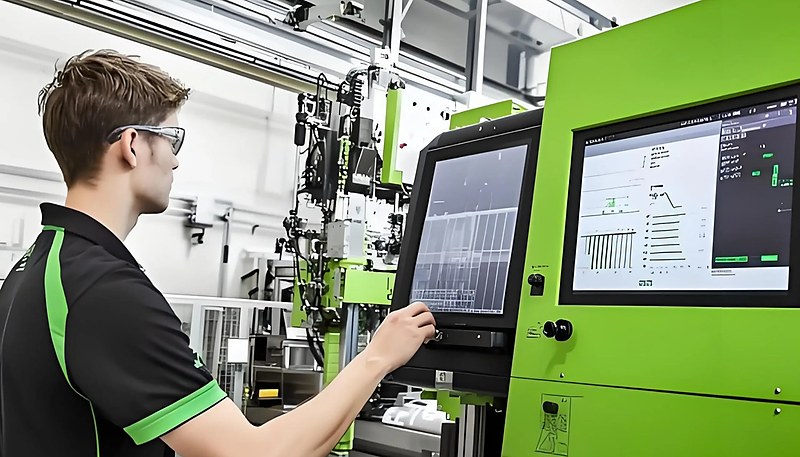
Peça para ver os certificados reais, não apenas logótipos num site. Verifique o âmbito — alguns fornecedores detêm a ISO 9001 para o seu negócio comercial, não para a sua unidade fabril. O endereço registado no certificado deve corresponder à fábrica que está a visitar ou a auditar.
Verifique também a validade do certificado e a data da última auditoria. Um certificado emitido cinco anos atrás sem auditorias de vigilância está essencialmente expirado. Organismos de certificação legítimos conduzem auditorias de vigilância anual, e o fornecedor deve poder fornecer registos.
Quão Importante É a Comunicação em Inglês?
A comunicação em inglês é a diferença entre 2 ciclos de revisão e 5. O fornecimento de feedback, as discussões sobre tolerâncias e a intenção de design não sobrevivem bem às camadas de tradução — se o seu contacto só consegue discutir o preço, mas não consegue explicar por que é que a espessura de uma parede afeta o tempo do ciclo, tem um custoso fosso de comunicação.
O verdadeiro custo de uma comunicação deficiente não se mede em erros de tradução — mede-se em suposições. Quando um engenheiro na China não consegue explicar claramente que “esta espessura da nervura causará marcas de afundamento na superfície cosmética”, pode simplesmente tomar uma decisão e avançar. É assim que se acaba com 10.000 peças que cumprem o desenho, mas falham na sua inspeção cosmética.
Eis como é uma comunicação eficaz em inglês na prática:
Feedback de DFM — O fornecedor identifica proativamente problemas de fabricabilidade e apresenta recomendações específicas, em vez de se limitar a dizer «conseguimos fabricar»
Discussões técnicas — Os engenheiros conseguem discutir em inglês a localização do ponto de injeção, a posição das linhas de soldadura e o projeto dos canais de arrefecimento
Resolução de problemas — Quando algo corre mal, e acontecerá, recebe uma análise da causa raiz em inglês claro, não um pedido de desculpas vago
Atualizações do projeto — Relatórios de progresso regulares com fotografias, não apenas mensagens a dizer «está tudo dentro do previsto»
Teste isto cedo: envie uma questão técnica — algo como “Qual é a relação máxima de comprimento de fluxo que recomendaria para uma parede de PC de 2mm?” A qualidade da resposta diz-lhe mais do que qualquer brochura de capacidades.
Aprendi isto da pior maneira no início da minha carreira. Um cliente europeu enviou-nos um desenho com uma tolerância ambígua num diâmetro de furo crítico. O nosso engenheiro anglófono detetou-o durante a revisão de DFM, enviou de volta uma captura de ecrã anotada com três opções e uma recomendação, e o cliente disse-nos mais tarde que esse único e-mail evitou um retrabalho de 40.000 euros. Esse tipo de comunicação técnica em inglês é o que separa um fornecedor de um parceiro. Hoje temos mais de 30 falantes fluentes de inglês na equipa — não apenas vendedores, mas engenheiros e gestores de projeto que podem discutir o design do canal de injeção, a compensação de retração e os resultados do fluxo do molde em detalhe.
Como Avaliar Realisticamente o Prazo de Entrega e o Preço?
A ferramentaria de moldes na China é tipicamente de 25 a 45 dias. Orçamentos 30-50% abaixo da média de mercado estão quase sempre comprometidos no grau de aço, ciclos de teste ou acabamento superficial — se três fornecedores orçamentarem 20.000€ ± 3.000€ e um orçamentar 8.000€, esses 8.000€ são um produto diferente, não um negócio.
Compreender o que impulsiona o custo da ferramentaria ajuda-o a avaliar orçamentos:
| Fator de custo | Abordagem de Baixo Custo | Abordagem Profissional |
|---|---|---|
| Aço do molde | P20 (padrão) | Adequado ao objetivo de ciclo: P20/H13/718H |
| Análise do fluxo do molde | Ignorado ou básico | Análise completa de fluxo do molde 3 antes do corte do aço |
| Acabamento superficial | SPI B-2 ou inferior | Correspondente aos requisitos da peça (A-1 a D-3) |
| Ciclos de teste | 1–2 rondas de amostragem | 3–5 iterações com relatórios dimensionais |
| Garantia de vida útil do molde | Nenhuma declarada | Garantia por escrito (tipicamente 100 mil–1 milhão+ de tiragens) |
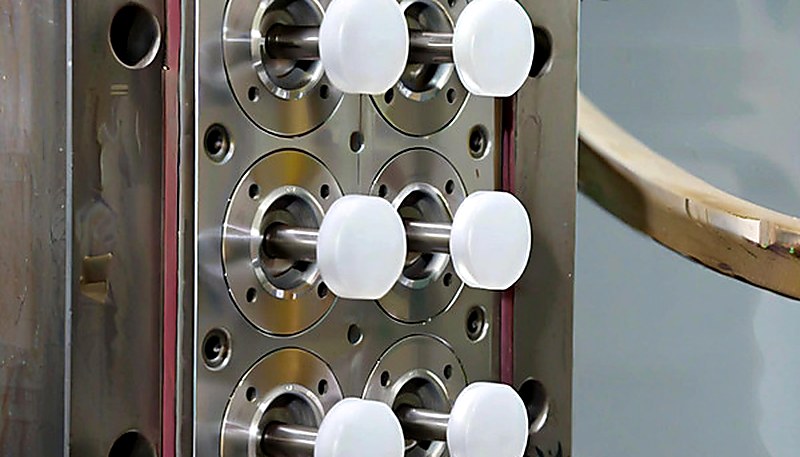
Para definir o preço de produção, solicite uma discriminação detalhada dos custos: custo do material por peça, tarifa horária da máquina, mão de obra, custos indiretos e embalagem. Na nossa fábrica, fornecemos orçamentos discriminados para todas as encomendas de produção, porque a transparência cria parcerias de longo prazo — não apenas transações pontuais. Um fornecedor que se recuse a discriminar os custos está a ocultar margem em algum ponto — geralmente na substituição de materiais. Se orçar ABS mas utilizar material triturado reciclado, a peça terá um desempenho diferente do especificado e só o descobrirá quando começarem a surgir falhas em serviço.
O prazo de entrega funciona da mesma forma. Um fornecedor que promete ferramentaria em 15 dias quando o padrão da indústria é 30 dias está ou a cortar cantos ou a mentir. Insiste em detalhes: quantas amostras T1? Quantas rondas de revisão estão incluídas? Qual é o processo de escalada se as dimensões estiverem fora da especificação?
Que Sinais de Alerta Devem Fazer-te Desistir?
O maior sinal de alerta é um fornecedor que orçamenta ferramentaria sem rever os teus ficheiros 3D. Desiste imediatamente se recusarem uma auditoria à fábrica ou não conseguirem fornecer rastreabilidade do material — estes três problemas são responsáveis por cerca de 80% dos projetos de sourcing na China que falham.
Depois de ver centenas de relações comprador-fornecedor, aqui estão os sinais de alerta que considero impeditivos inegociáveis:
Cotação sem analisar os seus ficheiros — Qualquer fornecedor legítimo precisa, no mínimo, de ficheiros STL ou STEP para apresentar uma cotação rigorosa. Um preço dado sem análise técnica é genérico, e portanto inútil, ou deliberadamente baixo para servir de isco.
Recusa de auditorias à fábrica — Seja numa visita presencial ou numa visita guiada por videochamada, se o fornecedor não lhe mostrar as instalações, provavelmente não tem nada que valha a pena mostrar.
Ausência de certificados de material — Se não puder fornecer certificados específicos do lote emitidos pela SABIC, DuPont, Covestro ou fornecedores equivalentes, não poderá verificar o que realmente existe nas suas peças.
Recusa em fornecer referências — Todos os fornecedores estabelecidos têm clientes dispostos a recomendá-los. A «confidencialidade» é por vezes legítima, mas uma recusa total não é.
Condições de pagamento que transferem todos os riscos para você - pagamento adiantado de 100% antes do início de qualquer trabalho significa que eles não têm nenhuma participação no jogo. Os termos padrão são depósito de 30–50% com saldo na aprovação ou envio T1.
Há ainda outro aspeto a verificar: há quanto tempo opera o fornecedor sob a mesma propriedade? Uma fábrica que tenha mudado recentemente de mãos pode apresentar no seu website a lista de equipamentos do antigo proprietário, mas ter hoje menos capacidade. Peça a licença de atividade e verifique a data de constituição.
Regra rápida: se um fornecedor passar a tua verificação de equipamento, auditoria de qualidade, verificação de certificação e teste de comunicação, então comparas os preços entre os candidatos qualificados. O preço qualificado mais baixo vence — não o preço mais baixo no geral.
Mais uma dica prática: pergunte sobre a profundidade da equipa de produção. Os nossos mais de 120 trabalhadores de produção operam em três turnos em 45 máquinas, o que significa que podemos manter os prazos de entrega mesmo quando vários projetos atingem o pico simultaneamente. Uma fábrica com 10 máquinas e 15 trabalhadores irá priorizar quem gritar mais alto quando a capacidade ficar apertada — e isso geralmente não é o novo cliente.
O Que Perguntam Normalmente os Compradores Sobre os Fornecedores de Moldagem por Injeção na China?
Aqui estão as perguntas que ouvimos com mais frequência dos compradores que avaliam fornecedores de moldagem por injeção na China.
Perguntas mais frequentes
Quanto Custa a Ferramentaria para Moldes de Injeção na China?
A ferramentaria para moldes de injeção na China custa tipicamente 3.000 a 50.000+ USD, dependendo da complexidade da peça, número de cavidades e grau de aço. Um molde protótipo de alumínio de cavidade única começa em cerca de 3.000 USD; um molde de produção multi-cavidade em aço temperado ronda os 15.000–50.000+ USD. O preço final depende do número de cavidades, requisitos de acabamento superficial (acabamento espelho SPI A-1 custa significativamente mais que SPI B-2), mecanismos de ação lateral e vida útil esperada do molde. Solicite sempre um orçamento de ferramentaria discriminado que detalhe separadamente o custo do aço, horas de maquinação, trabalho de EDM e tratamento superficial.
Qual é o Prazo de Entrega Típico para Moldagem por Injeção na China?
A ferramentagem de moldes padrão demora 25–45 dias; as produções acrescentam 15–30 dias dependendo do volume da encomenda. Ferramentagem urgente (15–20 dias) está disponível em alguns fornecedores, mas normalmente reduz os ciclos de teste e aumenta significativamente o risco de defeitos. Para moldes complexos com núcleos laterais, elevadores ou mecanismos de desparafusamento, espere 35–60 dias para ferramentagem. A amostragem T1 demora normalmente 3–5 dias após conclusão do molde, e a maioria dos projetos requer 2–3 rondas de amostragem antes da aprovação final de produção. Inclua sempre uma margem extra de duas semanas no seu calendário para projetos de ferramentagem pela primeira vez.
Devo Visitar a Fábrica Antes de Fazer uma Encomenda?
Sim, recomenda-se vivamente uma visita à fábrica — mesmo que seja uma visita por vídeo — nas primeiras encomendas. Permite verificar o número de máquinas, a limpeza, a organização e se as instalações correspondem aos materiais promocionais do fornecedor. Durante a visita, verifique nas chapas de identificação das máquinas a marca e o ano de fabrico, observe o equipamento da ferramentaria, analise relatórios de inspeção de amostras e fale diretamente com os engenheiros de qualidade. Se não puder visitar presencialmente, agende uma videochamada em direto na qual o fornecedor percorra o chão de fábrica com a câmara — não um vídeo promocional pré-gravado.
Como Sei se um Fornecedor é uma Empresa Comercial?
As empresas comerciais normalmente não conseguem responder a perguntas técnicas pormenorizadas, não mostram o espaço de produção e apresentam orçamentos com uma rapidez invulgar. Peça uma videochamada diretamente do espaço de produção — se recusarem, é provável que sejam intermediários. Outros indicadores incluem: a morada da empresa situa-se num edifício de escritórios comerciais, e não numa zona industrial; vendem produtos de categorias muito diferentes; e não conseguem fornecer uma lista de máquinas com tonelagens e marcas específicas. As fábricas diretas possuem equipamento coerente, engenheiros internos e normalmente especializam-se num ou dois processos de fabrico.
Quais São os Termos de Pagamento Padrão para a Moldagem por Injeção na China?
As condições de pagamento padrão são 30–50% de depósito com saldo devido após aprovação da amostra T1 ou antes da expedição. Evite fornecedores que exijam 100% de pagamento antecipado — isso remove o seu incentivo para entregar peças de qualidade a tempo. Para encomendas maiores acima de 20 000 USD, pagamentos baseados em marcos (ex.: 30% de depósito, 40% na aprovação T1, 30% antes da expedição) são cada vez mais comuns e protegem ambas as partes. Transferência bancária (T/T) é o método de pagamento mais amplamente aceite internacionalmente. Alguns fornecedores estabelecidos aceitam L/C (Carta de Crédito) para encomendas acima de 50 000 USD, o que fornece proteção adicional ao comprador.
Um Fornecedor da China Consegue Lidar com Moldagem Médica em Conformidade com a FDA?
Sim, se o fornecedor possuir certificação ISO 13485, operar instalações de sala limpa e puder fornecer rastreabilidade completa dos materiais com certificados específicos por lote. Nem todos os moldadores chineses cumprem estes requisitos, por isso verifique as certificações antes de se comprometer com a produção. Peça para ver o âmbito do certificado ISO 13485 — deve abranger os processos de fabrico específicos utilizados para as suas peças. O fornecedor também deve ter procedimentos de limpeza e embalagem validados, documentação de registos de lote e capacidade de rastrear cada lote de produção até aos certificados de matéria-prima de fornecedores como SABIC, DuPont ou Covestro.
Qual é a Quantidade Mínima de Encomenda para Moldagem por Injeção?
As quantidades mínimas de encomenda na China variam tipicamente entre 500 e 10 000 peças, dependendo do tamanho da peça e do material. Alguns fornecedores especializados em moldagem por injeção de baixo volume aceitam produções tão baixas como 100 peças. O MOQ é determinado pela quantidade mínima de compra de material, tempo de preparação da máquina e a economia da produção. Para protótipos ou produção de transição, considere fornecedores com células dedicadas a baixo volume — eles operam máquinas mais pequenas com tempos de mudança mais rápidos. Moldes multicavidade naturalmente reduzem o custo por peça em volumes maiores, mas aumentam o investimento em ferramentas proporcionalmente.
Como Protejo a Minha Propriedade Intelectual ao Fabricar na China?
Registe uma patente ou modelo de utilidade específico para a China antes de partilhar desenhos, utilize acordos de confidencialidade com versões em chinês e trabalhe com fornecedores que tenham um histórico comprovado de exportação. Estatisticamente, um fornecedor que exporta desde 2005 com certificações ISO apresenta menor risco de violação de propriedade intelectual do que um fornecedor novo e não certificado. Medidas práticas incluem: nunca partilhar ficheiros CAD completos durante a fase de orçamentação — fornecer ficheiros STEP ou IGES sem características internas; registar as suas marcas na China (sistema de primeiro a registar); e incluir cláusulas de proteção de propriedade intelectual no seu contrato de fabrico que especifiquem indemnizações por uso não autorizado.
Pronto para avaliar um fornecedor de moldagem por injeção na China que atenda a todos os requisitos? Contacte a ZetarMold — analisaremos os seus ficheiros 3D, forneceremos uma análise detalhada de DFM em 48 horas e guiaremos você pelas nossas instalações de Xangai, certificadas pela ISO e com 45 máquinas.
ISO 9001: refere-se aos Sistemas de Gestão de Qualidade ISO 9001 — o padrão internacional para garantia de qualidade em indústrias de manufatura. ↩
ISO 13485: refere-se à ISO 13485 e especifica requisitos para um sistema de gestão de qualidade onde uma organização demonstra capacidade de fornecer dispositivos médicos. ↩
IMDS: refere-se ao iMDS (International Material Data System) — o padrão global para relatórios de dados de materiais em cadeias de fornecimento automotivas. ↩