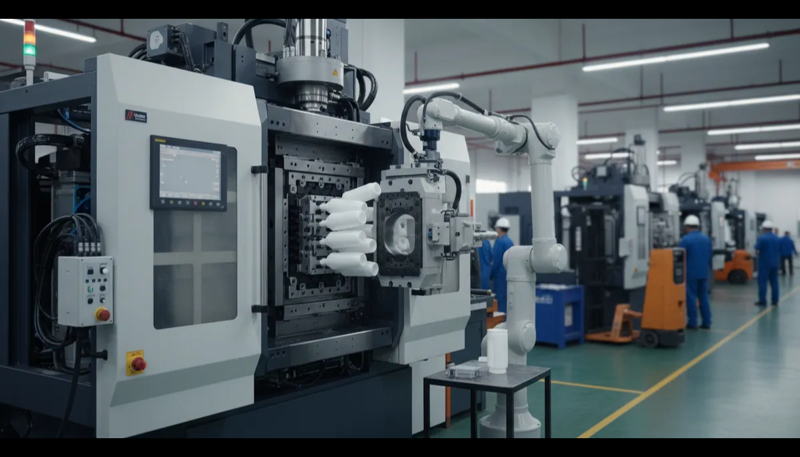
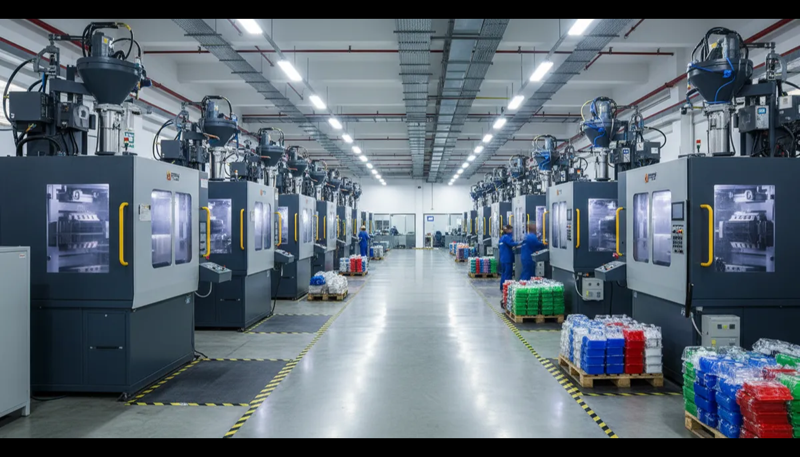
Отходы литья под давлением — не только экологическая проблема: это деньги, уходящие за дверь. За более чем 20 лет в отрасли я видел слишком много производств, теряющих прибыль, потому что они считают брак неизбежным. Это не так. Правильная стратегия использования вторичного материала и замкнутые системы позволяют сократить отходы на 80–90 % без ущерба стандартам качества.
- Доля вторичного гранулята 10-25% сохраняет качество деталей в большинстве применений и снижает затраты на материал на 15-20%
- Замкнутые системы переработки при правильном внедрении достигают использования материала свыше 95%
- Протоколы контроля качества обязательны — некачественный вторичный материал портит целые производственные серии
- Центральные и разводящие литники и облой обычно составляют 30-40% общего расхода материала при стандартном литье под давлением
Каковы основные источники отходов при литье под давлением?
Основные источники отходов литья под давлением — центральные и разводящие литники, облой, бракованные детали и материал очистки; вместе они составляют 25–45 % смолы. При сравнении поставщиков подготовку RFQ и квалификацию охватывает наше руководство по поиску поставщика литья под давлением.
Основные источники отходов вашей пресс-формы при литье под давлением — центральные и разводящие литники, облой, бракованные детали и материал очистки; вместе они составляют 25–45 % общего расхода смолы. Понимание происхождения отходов — первый шаг к их устранению. Главный виновник — литниковая система, особенно в одногнёздных формах. Я проверял производства, где масса литников превышала массу детали в отношении 3:1. Это недопустимо. Горячеканальные системы1 устраняют большую часть этих отходов, но подходят не для каждого применения. Холодные каналы можно оптимизировать: уменьшить диаметр до минимума, сохраняющего нормальное течение, сбалансировать разводку и рассмотреть последовательные клапанные литники для многогнёздных форм. Облой — это чистые отходы.
Если облой появляется постоянно, процесс настроен неправильно. Либо усилие смыкания недостаточно, либо давление впрыска слишком высоко, либо пресс-форме требуется обслуживание. Я видел, как операторы считали облой нормой, но это прямые потери. Бракованные детали наносят двойной ущерб: расходуется материал и теряется производственное время. Большинство случаев брака обусловлено нестабильностью процесса, недостаточными системами качества или поспешным запуском. Главное — быстро выявлять первопричины и устранять их окончательно. Расход продувочного материала сильно зависит от смены цвета и материала. Грамотное планирование сокращает его: группируйте сходные цвета, используйте промежуточные продувочные компаунды и оптимизируйте процедуры переналадки.
Как на практике используется пластиковый регранулят?
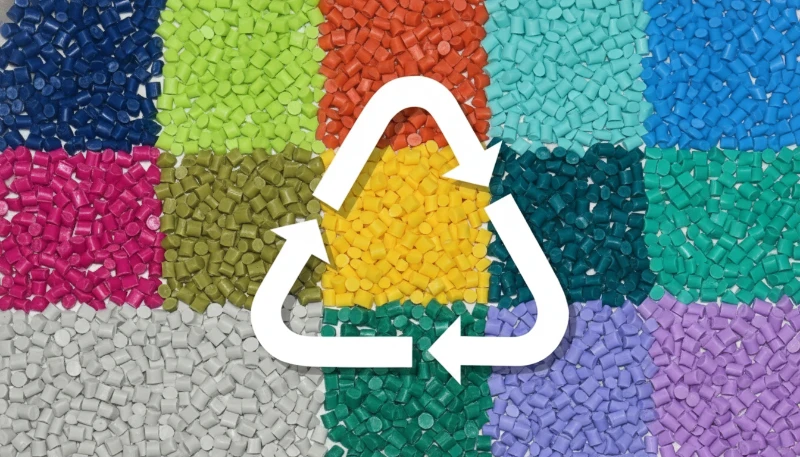
На практике регранулят получают механическим измельчением отходов в однородные гранулы, которые смешивают с первичным полимером в контролируемых пропорциях. Вот что действительно важно в реальном производстве. Во-первых, критически важна настройка дробилки. Зазор ножей гранулятора должен составлять 0.002-0.005 inches: при слишком малом зазоре выделяется тепло, разрушающее пластик, а при слишком большом размер частиц становится нестабильным. Размер сита определяет размер частиц регранулята. Для большинства применений я рекомендую сита 3/8-inch, хотя для некоторых требовательных деталей нужны 1/4-inch. Контроль температуры при измельчении имеет огромное значение. Термопласты могут разрушаться от тепла измельчения, особенно PVC или POM. Хорошие грануляторы оснащены водяным охлаждением или принудительной циркуляцией воздуха.
Мы убедились, что возвратный дробленый материал дает отличные результаты при работе с 400+ материалами на нашем производстве — но только при строгом соблюдении операторами правил разделения сырья. Наши 47 термопластавтоматов перерабатывают все материалы — от массового PP до высокотемпературного PEEK, а перекрестное загрязнение разных семейств полимеров быстрее всего приводит к браку всей продукции, выпущенной за смену.
Если вторичный материал выходит из дробилки тёплым, вы его перегреваете. Загрязнение быстрее всего уничтожает качество. Частицы металла от изношенных ножей, бумажные этикетки, другие пластики и красители создают проблемы. Установите магнитные сепараторы для металла и разделение по плотности для разных пластиков. Распределение частиц по размеру влияет на течение и смешивание. Крупные частицы ухудшают подачу и поверхность, а мелкие (пыль) могут разлагаться от перегрева. Удаляйте обе фракции виброситами. Важно и хранение: из-за большей площади поверхности вторичный материал быстрее первичных гранул поглощает влагу. Храните его в герметичной таре с осушителем, особенно гигроскопичные материалы2, такие как нейлон или PET.
| Тип материала | Размер ячейки сита | Примечания |
|---|---|---|
| PP / PE / PS | 3 mm | Стандартный размер частиц |
| ABS / SAN | 4 mm | Умеренное измельчение для равномерного течения |
| Сорта со стеклянным наполнителем | 6–8 mm | Более крупная сетка снижает повреждение волокон |
| Нейлон / PC | 3 mm | Необходимо сушить сразу после измельчения |
Вот в чем большинство ошибается при использовании дробленого возвратного материала: размер частиц важнее доли. Если дробилка выдает хлопья вместо однородных гранул, подача материала из бункера становится неравномерной. Это приводит к колебаниям от цикла к циклу, и детали перестают проходить размерный контроль. Стандартная практика для большинства термопластов — устанавливать в дробилке сито 3–5 mm. Для стеклонаполненных материалов нужно более крупное сито (6–8 mm), поскольку стекловолокно образует мелкую фракцию, которая дополнительно ухудшает свойства. Мы тщательно проверили это на практике: однородные частицы возвратного материала с разбросом в пределах ±1 mm обеспечивают на 20–30% более стабильный расплав по сравнению с хлопьями случайного размера. Также критически важно: перед повторным использованием возвратный материал необходимо высушить.
Как и первичный материал, дробленое сырье поглощает влагу, а иногда быстрее из-за увеличенной площади поверхности. Гигроскопичные материалы, такие как нейлон или поликарбонат, перед возвратом в машину следует сушить 3–4 часа в осушителе при температуре, установленной для материала.
Когда следует использовать вторичный гранулят, а когда первичный материал?
Для некритичных деталей используйте 10-25% вторичного дробленого материала; для несущих изделий, изделий, контактирующих с пищевыми продуктами, и сертифицированных применений используйте только первичный материал. Решение зависит от требований к детали и экономики. Для массовых изделий, таких как корпуса, контейнеры или игрушки, доля вторичного дробленого материала 20-30% вполне приемлема. Я без проблем вел производство некритичных компонентов с долей такого материала 50%. Главное — понимать ухудшение свойств: прочность при растяжении обычно снижается на 5-15%, ударная прочность — на 10-25%, а молекулярная масса уменьшается с каждым циклом переработки. Никогда не используйте вторичный дробленый материал для медицинских устройств, пищевой упаковки или аэрокосмических компонентов. Для этих применений требуются сертификация первичного материала и его прослеживаемость.
Даже небольшая доля дробленки аннулирует сертификацию и создает риски ответственности. Конструкционные детали нужно оценивать отдельно. Несущие компоненты, защелки и живые шарниры чувствительны к ухудшению свойств. Я наблюдал отказы защелок из-за избытка дробленки: снижение молекулярной массы делает пластик более хрупким. Большинство решений определяется экономикой. Дробленка обычно стоит 60-80% цены первичного материала, но затраты на переработку немного возрастают из-за сушки и контроля качества. Рассчитывайте реальную экономию с учетом труда, энергии и потерь качества. Важно и совпадение цвета. Натуральные или черные детали легко скрывают дробленку, но стабильный цвет прозрачных или светлых деталей получить сложно. Потребуются системы дозирования красителя и точный контроль соотношения.
| Класс применения | Максимальная доля дробленого возвратного материала, % | Ключевое обоснование |
|---|---|---|
| Конструкционные/несущие детали | 0–10% | Прочность при растяжении и ударе снижается с каждым тепловым циклом |
| Декоративные/видимые детали | 15–25% | Изменение цвета и серебристые разводы заметны при содержании свыше 25% |
| Скрытый/внутренний | 25–50% | Невидимая и ненесущая деталь; допускается вторичный материал |
| Упаковка/одноразовые изделия | До 100% | Постпромышленный дроблёный материал перерабатывается при высокой доле в смеси |
Реальный ответ сложнее, чем деление на “критичное и некритичное”. Важны допустимая для вашего применения степень ухудшения свойств и спецификация заказчика.
После 3–4 термических циклов относительное удлинение при разрыве снижается на 10–20 %, а ударная прочность — на 5–15 %. Это не предположение: это показывают данные MFI (показатель текучести расплава3). Для медицинских деталей и изделий, контактирующих с пищей, большинство норм (FDA, EU 10/2011) требует документированного применения только первичного сырья либо строго контролируемого вторичного материала с полной прослеживаемостью. Здесь нельзя идти на компромиссы.
Я всегда говорю нашим заказчикам: при каждом прохождении пластика через цилиндр его молекулярная масса снижается. После 3–4 циклов термической обработки относительное удлинение при разрыве уменьшается на 10–20%, а ударная прочность — на 5–15%. Это не предположение, а результат данных MFI (Melt Flow Index).
Что такое замкнутая система переработки отходов при литье под давлением?
Замкнутая система собирает все производственные отходы и перерабатывает их в пригодный для повторного использования материал, сокращая затраты на сырьё на 15-25%. Это не просто экологическая инициатива, а доказанная экономическая стратегия. Система начинается с разделения отходов у термопластавтомата. Литниковые втулки, литники и бракованные детали поступают непосредственно в отдельные контейнеры без смешивания с другими материалами и загрязнения. Для крупносерийного производства лучше всего подходят автоматические устройства извлечения литников и конвейерные системы.
Гранулирование на месте — основа системы. Устанавливайте грануляторы рядом с производственными линиями, чтобы сократить перемещения и загрязнение. Выбирайте производительность грануляторов на уровне 150-200% ожидаемого объёма отходов для покрытия пиков производства.
Обязательно предусмотрите магнитную сепарацию и пылеулавливание. Смешивание материалов требует точного контроля. В большинстве замкнутых систем применяют гравиметрические смесители, дозирующие первичный и дробленый возвратный материал по массе, а не по объему. Типичная начальная доля возвратного материала составляет 10-15% и может увеличиваться до 25-30% с учетом требований к детали и результатов испытаний материала. Контроль качества обязателен. Регулярно проверяйте индекс текучести расплава, прочность при растяжении и ударную вязкость возвратного материала. Установите критерии приемки и отклоняйте партии, не соответствующие спецификациям. Некачественный возвратный материал загрязняет пригодное сырье и срывает производственные партии. Цикл замыкается прослеживаемостью материала. Используйте кодирование партий для учета расхода материала, доли возврата и характеристик деталей. Эти данные помогают оптимизировать рецептуры смеси и выявлять возможности улучшения процесса.
| Компонент | Функция | Ключевой фактор |
|---|---|---|
| Автоматический сепаратор | Отделяет литники от деталей после выталкивания | Роботизированные съемщики сокращают ошибки ручной сортировки |
| Встроенный гранулятор | Измельчает литники и бракованные детали непосредственно у термопластавтомата | Размер ячейки сита 3-5mm для однородных частиц |
| Гравиметрический смеситель | Смешивает первичный и вторичный материал по массе | Точность ±0.5% предотвращает отклонение соотношения компонентов |
| Осушитель с влагопоглотителем | Удаляет влагу из вторичного дроблёного материала перед повторным использованием | Дробленка впитывает влагу быстрее гранул |
| Станция измерения MFI | Контролирует показатель текучести расплава для каждой партии | Отклоняйте партии с отклонением от базового уровня >15% |
Некоторые системы используют автоматическую идентификацию материалов методом ближней инфракрасной спектроскопии, чтобы исключить смешивание. Хорошо спроектированный замкнутый цикл обычно включает: 1. Автоматическое отделение центральных и разводящих литников — роботизированные или гравитационные устройства отделяют их от деталей сразу после выталкивания. 2. Поточное гранулирование — расположенная рядом с прессом дробилка в реальном времени измельчает литники и брак. 3. Раздельное хранение и смешивание — вторичный материал хранится по типам и цветам и смешивается с первичным в заданной пропорции гравиметрическими дозаторами. 4. Контрольные точки качества — проверка MFI, визуальный контроль и проверка загрязнений до возврата материала в производство. Ключевой показатель — коэффициент использования: какая доля полученного вторичного материала возвращается в производство, а не понижается в классе или отправляется на полигон. Лучшие предприятия достигают 85–95 %. А средние?
Возможно, 40–60%, поскольку у них нет систем для учёта и контроля. Для предприятий, работающих с несколькими материалами или цветами, к которым относится большинство контрактных производителей, главная проблема заключается не в оборудовании, а в логистике раздельного хранения потоков дроблёнки. Один случай загрязнения, например смешивание дроблёнки ABS с партией PC, может привести к браку всей производственной партии.
Производственная практика: в ZetarMold мы не считаем вторичный материал смешанными отходами с пола. На нашем заводе в Шанхае операторы разделяют семейства смол и цвета, утверждённые пропорции смеси привязаны к спецификации проекта, а проверки вторичного сырья входят в тот же шестиступенчатый процесс качества, что и контроль литых деталей. Такая дисциплина необходима при работе с более чем 400 материалами на 47 машинах усилием от 90T до 1850T.
Как контролировать качество при использовании дроблёного вторичного материала?
Контроль качества вторичного сырья — это систематическая проверка свойств партий, предотвращение загрязнения и мониторинг производства в реальном времени. Нельзя просто засыпать дробленый материал в бункер и надеяться на результат. Сначала проверяют свойства материала. Установите базовые характеристики первичного материала: прочность при растяжении, ударопрочность, показатель текучести расплава и тепловые свойства. Проверяйте каждую партию вторичного сырья по тем же характеристикам и сравнивайте с критериями приемки. Для некритичных деталей я обычно допускаю ухудшение свойств на 10-15%, но для несущих компонентов нужны более жесткие пределы. Контроль загрязнений абсолютно критичен. Другие виды пластика, металлические частицы, бумажные этикетки или посторонние материалы испортят всю партию. Внедрите визуальный контроль, разделение по плотности и магнитную сепарацию.
Обучите операторов выявлять загрязнение: одна деталь из PVC, смешанная с регранулятом ABS, может вызвать коррозию и повреждение оборудования. Проверка пропорций смеси обеспечивает стабильные свойства материала. Используйте гравиметрические, а не объемные дозаторы: плотность пластика меняется с долей регранулята. Документируйте фактические пропорции каждой партии и сопоставляйте их с данными о качестве деталей. Корректируйте пропорции по результатам испытаний и требованиям заказчика. Настройка параметров процесса учитывает различия текучести регранулята. Его вязкость и тепловые свойства обычно отличаются от первичного материала. Может потребоваться изменить давление впрыска, температуру формы или время цикла. Документируйте изменения и создавайте технологические карты для каждой пропорции смеси. Статистическое управление процессами отслеживает тенденции качества во времени. Контролируйте ключевые размеры деталей, механические свойства и внешний вид.
Используйте контрольные карты для выявления дрейфа процесса и сопоставляйте изменения с характером использования вторичного дроблёного материала.
Можно ли добиться безотходного литья под давлением?
Почти нулевые отходы достижимы благодаря горячеканальным системам, оптимизации конструкции и вторичному измельченному материалу, но истинный ноль редко оправдывает затраты. Горячие каналы полностью устраняют отходы литников, но не универсальны. Первоначальные затраты в 2-3x выше холодных каналов, а материалы ограничены. Нельзя легко менять цвета или материалы, обслуживание сложнее. Для крупносерийного производства из одного материала они оправданы. Оптимизация детали снижает расход уменьшением толщины стенок, удалением ненужных элементов и оптимизацией литников.
Я видел сокращение материала на 20-30% благодаря умной конструкции. Используйте FEA для концентраций напряжений и толщины. 100% вторичного материала теоретически возможно, но каждый цикл ухудшает свойства. Обычно достижимо 80-90% до предела качества. Контроль в реальном времени и обратная связь снижают брак; датчики давления, температуры и размеров ловят проблемы заранее. Industry 4.0 окупается снижением отходов. Последние 5-10% сокращения часто стоят дороже экономии материала.
| Приоритет | Стратегия | Влияние на отходы материала |
|---|---|---|
| 1. Устранить | Системы с горячеканальными литниками полностью устраняют литники | Сокращение отходов на 15–30% |
| 2. Минимизировать | Оптимизируйте параметры процесса для снижения брака | Сокращение отходов на 5–10% |
| 3. Регранулят | Сбор и повторное использование литников, литниковых систем и бракованных деталей | Восстановление материала 10-20% |
| 4. Даунсайклинг | Продавайте незагрязненный регранулят компаундерам | Доход от потока отходов |
| 5. Энергетическое восстановление | Сжигание с утилизацией энергии (крайняя мера) | 2–5% оставшихся отходов |
Сначала сосредоточьтесь на крупнейших потоках отходов: литниковых системах, сокращении брака и оптимизации вторичного сырья — они дают наибольшую отдачу. Полное отсутствие отходов при литье под давлением крайне сложно: всегда остаются очистительный состав, пусковой брак, отходы смены цвета и очистка машины при обслуживании. Но приблизиться к нулю возможно. Практическая иерархия: 1. Устранить — горячеканальные системы полностью исключают литники и могут сократить отходы на 15–30 %. 2. Минимизировать — оптимизировать параметры процесса литья под давлением, чтобы снизить долю брака.
Каждый процент сокращения брака — чистая прибыль. 3. Повторно использовать — собирать и возвращать в производство центральные и разводящие литники и несоответствующие детали. 4. Перерабатывать в продукцию более низкого класса — продавать незагрязнённый материал компаундерам или изготовителям менее требовательных изделий. 5. Утилизировать с получением энергии — крайняя мера для действительно неперерабатываемого материала. Экономика очевидна: в масштабе управляемая программа вторичного сырья экономит 8–15 % затрат. Для предприятия, перерабатывающего 1 000 тонн в год при средней цене смолы $2/kg, это $16 000–$30 000 ежегодной экономии плюс снижение платы за утилизацию. Часто упускают и аспект ISO 14001.
Если ваше предприятие сертифицировано по ISO 14001 (как наше), ваши показатели сокращения отходов напрямую поддерживают соответствие вашей системе экологического менеджмента и могут быть отличительным фактором при аудитах и оценках клиентов.
"Прочность вторичного материала при растяжении обычно на 5-15% ниже, чем у первичного пластика"True
Механическое измельчение и переработка разрывают полимерные цепи, снижая молекулярную массу и механические свойства. Эта деградация хорошо документирована и варьируется в зависимости от типа материала и условий обработки.
«После того как вторичный материал успешно пройдет одно испытание, можно сохранить те же настройки машины, что и для первичной смолы».False
Регранулят часто меняет вязкость, чувствительность к влаге и косметические свойства, поэтому соотношение смеси, сушку и параметры процесса следует проверять и документировать для каждой партии.
Понимание этих различий между истинным и ложным помогает литьевым предприятиям избежать распространенных ошибок с регранулятом и внедрить более эффективные стратегии сокращения отходов в своей работе. По нашему опыту работы с более чем 400 материалами на 47 машинах в Шанхае, разница между успешной программой регрануляции и той, которая вызывает проблемы с качеством, сводится к дисциплине процесса: последовательному тестированию, правильной сегрегации материала и строгому соблюдению максимальных долей регранулята для каждого класса применения. Мы видим наиболее распространенный режим сбоя на предприятиях, которые начинают с благих намерений, но постепенно позволяют своим проверкам качества ослабевать, потому что давление производства становится приоритетнее дисциплины тестирования материалов.
"Горячеканальные системы могут устранить 90% отходов литья под давлением"True
Горячие литники устраняют отходы литниковой системы, которые обычно составляют 25-40% от общего расхода материала. В сочетании с оптимизированным дизайном детали и использованием переработанного материала достижимо сокращение отходов на 90%.
"При использовании регранулята можно смешивать любые виды пластика"False
Смешивание несовместимых пластиков приводит к загрязнению, которое ухудшает свойства и может повредить оборудование. Различные типы пластиков имеют несовместимые химические структуры, температуры обработки и коэффициенты теплового расширения.
Часто задаваемые вопросы
Какой процент переработанного материала я могу безопасно использовать, не влияя на качество детали?
Для неответственных применений можно безопасно использовать 20–30% дроблёнки без заметного изменения свойств. Для конструкционных деталей держите её долю ниже 10%. Главное — контролировать MFI (Melt Flow Index): если показатель смеси дроблёнки и первичного сырья отклоняется от базового значения первичного материала более чем на 15%, немедленно уменьшите долю дроблёнки. Перед серийным производством подтверждайте каждый процент её содержания механическими испытаниями. На практике доля дроблёнки 15% надёжно работает с большинством массовых термопластов, а для конструкционных марок, таких как PC или nylon, следует соблюдать уровень не выше 10% при строгом контроле MFI.
Как предотвратить загрязнение в моем переработанном материале?
Специальные контейнеры для хранения с чёткой маркировкой по типу материала, цвету и дате — первая линия защиты. Используйте герметичные контейнеры, а не открытые бункеры, поскольку дроблёнка поглощает влагу быстрее гранул. Внедрите систему первого поступления — первого использования (FIFO), чтобы дроблёнка не залеживалась, не собирала пыль и не разрушалась. Применяйте цветовую маркировку зон подачи в дробилку и никогда не перерабатывайте разные материалы на одной дробилке без тщательной очистки между сменами. Одна гранула PC в партии ABS может вызвать расслоение и испортить всю партию.
Можно ли использовать регранулированный материал для пищевой упаковки?
Как правило, нет — без специального разрешения регулирующих органов. FDA 21 CFR и Регламент ЕС 10/2011 требуют, чтобы материалы, контактирующие с пищевыми продуктами, соответствовали строгим пределам миграции, а регранулят вносит дополнительные переменные, такие как множественные тепловые истории и потенциальное загрязнение, что усложняет испытания на соответствие. В некоторых юрисдикциях допускается использование послепроизводственного регранулята в контакте с пищевыми продуктами при наличии полной документации по прослеживаемости и отслеживанию партий, но вы должны проверять соответствие для каждого конкретного случая использования с вашей регуляторной командой. В случае сомнений всегда используйте сертифицированный первичный материал для любых применений, связанных с пищевыми продуктами или медициной.
Какова типичная экономия затрат после внедрения системы использования вторичного дроблёного материала?
При грамотной программе использования дроблёнки большинство предприятий экономят 8–15% на сырье. При переработке 500 тонн материала в год и средней стоимости полимера $2.50/kg доля дроблёнки 10% позволяет экономить только на материале около $12,500 в год. С учётом снижения расходов на утилизацию отходов ($2,000–$5,000/year для средних предприятий) общая экономия может достигать $15,000–$20,000 в год. Срок окупаемости базовой системы из гранулятора и гравиметрического смесителя обычно составляет 6–12 месяцев, что делает её одной из самых быстроокупаемых инвестиций на производстве.
Как часто следует проверять свойства переработанного материала?
Тестируйте каждую партию переработанного материала перед возвращением в производство — без исключений. Как минимум, проводите тесты MFI и визуальные проверки на загрязнение для каждой партии. Для критических применений добавляйте ежемесячные испытания на растяжение и ударную вязкость. Ведите постоянный журнал значений MFI, потому что тренды говорят вам гораздо больше, чем отдельные показания. Если MFI начинает стабильно расти от партии к партии, ваш переработанный материал деградирует быстрее, чем ожидалось, и вам нужно сократить допустимое количество термоисторий.
Нужно ли специальное оборудование для переработки регранулята?
Необходимы три основных вида оборудования: гранулятор, рассчитанный на производительность машины, гравиметрический смеситель для точного смешивания первичного и вторичного материала и осушитель с осушением воздуха для дробленого материала. Гранулятор требует наибольших вложений: качественная установка для машины среднего размера стоит $5,000–$15,000. Гравиметрические смесители стоят $3,000–$8,000. Многие предприятия начинают с объемного смешивания, которое дешевле, но менее точно, и переходят на гравиметрическое, убедившись в повышении стабильности деталей. Не отказывайтесь от осушителя: влажный вторичный материал вызывает серебрение и хрупкость.
Можно ли достичь нулевых отходов в операциях литья под давлением?
Истинные нулевые отходы практически невозможны при литье под давлением из-за потерь при продувке, пускового брака и потерь материала при смене цвета, которые не могут быть эффективно восстановлены. Однако вы можете достичь 95–98% утилизации материала, комбинируя системы с горячим каналом, встроенную грануляцию и дисциплинированную программу управления регранулятом. Оставшиеся 2–5% обычно идут на даунсайклинг или энергетическую утилизацию. Предприятия, сертифицированные по ISO 14001, ежегодно отслеживают и отчитываются об этих показателях отходов, и большинство используют их в качестве KPI непрерывного улучшения из года в год для достижения постепенных улучшений.
Какие материалы лучше всего подходят для применения в качестве регранулята?
Термопласты с хорошей термической стабильностью лучше всего подходят для регрануляции: полипропилен (ПП), полиэтилен (ПЭ), АБС и полистирол (ПС) являются отличными кандидатами, поскольку они выдерживают многократные тепловые воздействия с минимальным ухудшением свойств. Инженерные пластики, такие как нейлон и поликарбонат, можно регранулировать, но они требуют строгого контроля влажности и мониторинга ИПТ после каждого цикла. Избегайте повторной регрануляции наполненных материалов, таких как стеклонаполненные или огнестойкие марки, более одного раза, потому что наполнители деградируют непропорционально и теряют свою эффективность. ПВХ и термореактивные пластики не могут быть эффективно регранулированы, поскольку они разлагаются, а не переплавляются.
Готовы внедрить сокращение отходов в литьевом производстве? Опытная инженерная команда ZetarMold поможет спроектировать эффективные системы использования дробленого материала и оптимизировать расход сырья на наших 45 термопластавтоматах. На предприятии с сертифицированной системой ISO успешно внедрена замкнутая переработка для 400+ материалов. Свяжитесь с нами, чтобы обсудить снижение материальных затрат с сохранением качества деталей с помощью проверенных методов сокращения отходов.
Горячеканальные системы: система подачи формы, сохраняющая пластик расплавленным внутри формы и полностью устраняющая отходы литников. По сравнению с холодными каналами горячие каналы сокращают отходы материала на 15–30 %. ↩
Гигроскопичные материалы: пластмассы, легко поглощающие влагу из воздуха, включая нейлон, PET, PC и PBT; перед переработкой их необходимо контролируемо сушить, чтобы предотвратить гидролиз и ухудшение свойств. ↩
Показатель текучести расплава: стандартизованная ASTM D1238 мера лёгкости течения расплава термопластичного полимера, применяемая в контроле качества для выявления деградации полимера во вторичных материалах. ↩