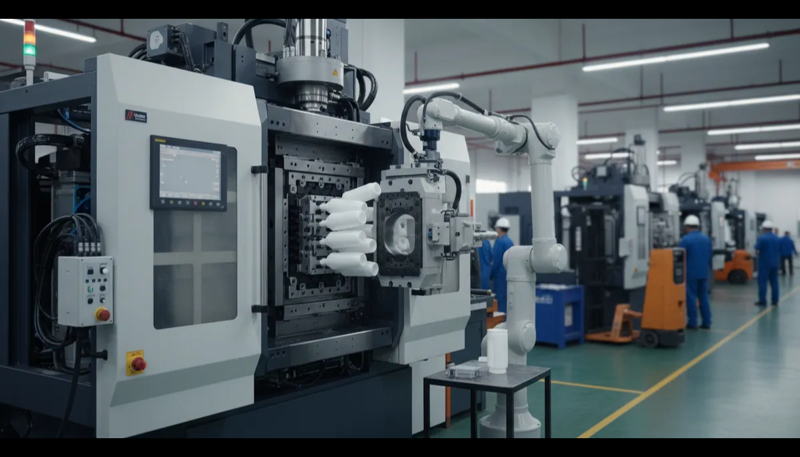
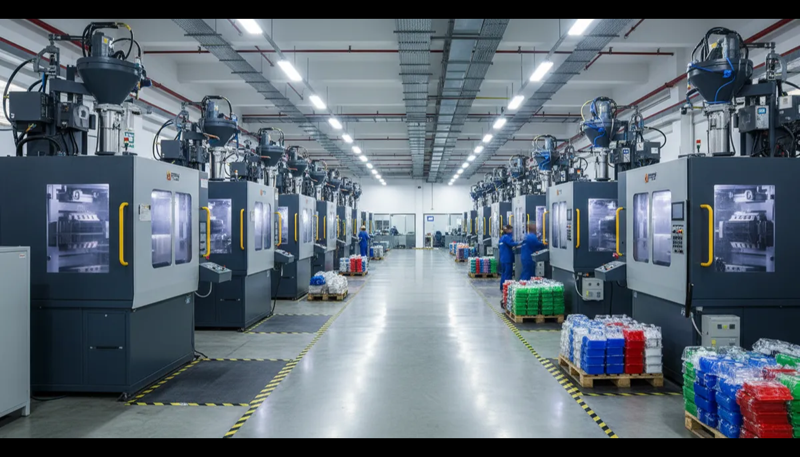
I rifiuti nello stampaggio a iniezione non sono soltanto un problema ambientale: sono denaro che esce dalla porta. In oltre 20 anni in questo settore ho visto troppe attività perdere profitti perché consideravano inevitabili gli scarti. Non lo sono. Con strategie adeguate per il rimacinato e sistemi a circuito chiuso, è possibile ridurre i rifiuti di materiale dell’80–90% mantenendo gli standard qualitativi.
- Percentuali di rimacinato del 10-25% mantengono la qualità nella maggior parte delle applicazioni, riducendo i costi del materiale del 15-20%
- Sistemi di riciclo a circuito chiuso correttamente implementati possono superare il 95% di utilizzo del materiale
- I protocolli di controllo qualità sono essenziali—un rimacinato scadente rovina interi cicli produttivi
- Materozze, canali e bave rappresentano normalmente il 30-40% dell'uso totale di materiale nelle operazioni standard di stampaggio a iniezione
Quali sono le principali fonti di spreco nello stampaggio a iniezione?
Le principali fonti di rifiuti nello stampaggio a iniezione sono materozze, canali, bave, pezzi scartati e materiale di spurgo, che insieme rappresentano il 25–45% della resina. Se state confrontando fornitori, consultate la nostra guida alla selezione dei fornitori di stampaggio a iniezione per la preparazione e la qualificazione della RFQ.
Le principali fonti di rifiuti generati dallo stampo a iniezione durante lo stampaggio sono materozze, canali, bave, pezzi scartati e materiale di spurgo: complessivamente rappresentano il 25–45% del consumo totale di resina. È importante analizzarle perché capire da dove provengono i rifiuti è il primo passo per eliminarli. I sistemi di materozza e canali sono i maggiori responsabili, soprattutto negli stampi a cavità singola. Ho verificato impianti in cui il peso dei canali superava quello del pezzo di 3:1: è assurdo. I sistemi a canale caldo1 eliminano la maggior parte di questi rifiuti, ma non sono sempre pratici per ogni applicazione. I canali freddi possono essere ottimizzati: ridurre il diametro al minimo compatibile con il corretto flusso, usare configurazioni bilanciate e valutare attacchi a valvola sequenziali negli stampi multicavità. Le bave sono puro spreco, senza eccezioni.
Se le bave sono costanti, il processo non è corretto. Il tonnellaggio di chiusura è insufficiente, la pressione di iniezione è troppo alta oppure lo stampo richiede manutenzione. Ho visto operatori accettare le bave come normali: significa rinunciare a un margine economico. I pezzi scartati causano un doppio danno: spreco di materiale e perdita di tempo produttivo. La maggior parte degli scarti deriva da instabilità del processo, sistemi qualità inadeguati o avviamenti affrettati. La chiave è individuare rapidamente le cause radice e risolverle in modo permanente. La quantità di materiale di spurgo varia enormemente in base ai cambi di colore e materiale. Una programmazione intelligente la riduce al minimo: raggruppare colori simili, utilizzare composti di spurgo intermedi e ottimizzare le procedure di cambio produzione.
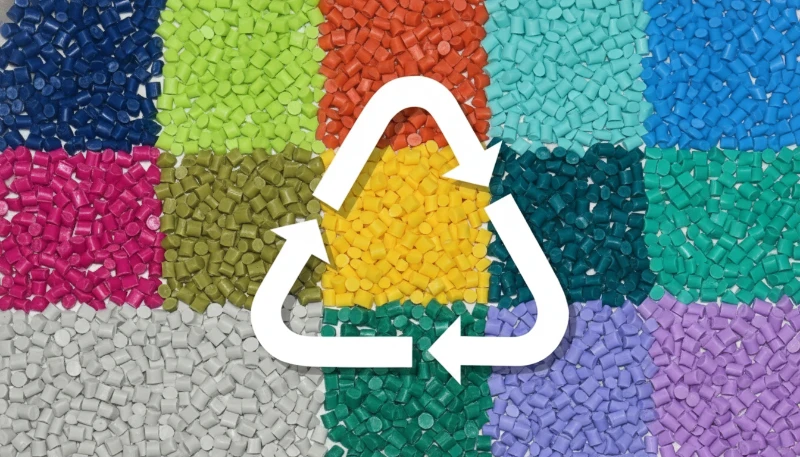
Come funziona in pratica il rimacinato plastico?
Il rimacinato deriva dalla macinazione degli scarti in granuli miscelati con resina vergine. Il gioco lame deve essere 0.002-0.005 inches: stretto genera calore, largo granulometria irregolare. Si raccomandano griglie 3/8-inch, o 1/4-inch per pezzi esigenti. Il controllo termico è cruciale: PVC e POM possono degradarsi. I buoni granulatori usano acqua o aria forzata.
Abbiamo visto il rimacinato offrire ottimi risultati con 400+ materiali nel nostro reparto, ma solo quando gli operatori applicano una rigorosa separazione. Le nostre 47 presse a iniezione lavorano dal PP standard al PEEK per alte temperature; la contaminazione incrociata tra famiglie di resine è il modo più rapido per scartare l'intera produzione di un turno.
Se il rimacinato esce caldo dal granulatore, lo state surriscaldando. La contaminazione compromette la qualità del rimacinato più rapidamente di qualsiasi altro fattore. Frammenti metallici provenienti da lame usurate, etichette di carta, tipi diversi di plastica e coloranti creano tutti problemi. Installate separatori magnetici per i metalli e sistemi di separazione per densità per i diversi tipi di plastica. La distribuzione granulometrica influisce su fluidità e miscelazione. Le particelle troppo grandi causano problemi di alimentazione e difetti superficiali; quelle troppo piccole (polvere) possono degradarsi per surriscaldamento. Utilizzate vagli vibranti per rimuovere entrambi gli estremi. Anche lo stoccaggio è importante. Il rimacinato assorbe umidità più rapidamente dei granuli vergini per via della maggiore superficie. Conservatelo in contenitori sigillati con essiccante, soprattutto nel caso di materiali igroscopici2 come nylon o PET.
| Tipo di materiale | Dimensioni dello schermo | Note |
|---|---|---|
| PP / PE / PS | 3 mm | Granulometria standard |
| ABS / SAN | 4 mm | Macinazione moderata per un flusso uniforme |
| Gradi riempiti con vetro | 6–8 mm | Una maglia più grande riduce i danni alle fibre |
| Nylon / PC | 3 mm | Essiccare immediatamente dopo la macinazione |
Ecco l’errore più comune sul rimacinato: la granulometria conta più della percentuale. Se il granulatore produce scaglie anziché granuli uniformi, l’alimentazione della tramoggia sarà irregolare. Ne derivano variazioni tra un ciclo e l’altro e pezzi che non superano i controlli dimensionali. Per la maggior parte dei termoplastici, la prassi standard è utilizzare nel granulatore una griglia da 3–5 mm. Per i materiali caricati con fibra di vetro serve una griglia più grande (6–8 mm), perché le fibre generano particelle fini che degradano ulteriormente le proprietà. Le nostre prove approfondite mostrano che particelle di rimacinato uniformi entro ±1 mm migliorano la costanza del fuso del 20–30% rispetto a scaglie di dimensioni casuali. Altro punto essenziale: il rimacinato deve essere essiccato prima del riutilizzo.
Come il materiale vergine, anche il rimacinato assorbe umidità e in alcuni casi lo fa più rapidamente, a causa della maggiore area superficiale. Per materiali igroscopici come nylon o policarbonato, occorrono 3–4 ore in un essiccatore deumidificante alle temperature specifiche del materiale prima di reintrodurli nella pressa.
Quando conviene usare rimacinato anziché materiale vergine?
Usare rimacinato al 10-25% per pezzi non critici e materiale vergine per strutturali, contatto alimentare e applicazioni certificate. Per involucri, contenitori o giocattoli funziona il 20-30%, e su componenti non critici anche il 50%. Occorre considerare il degrado: resistenza a trazione -5-15%, resistenza all’urto -10-25% e peso molecolare ridotto a ogni ciclo. Mai usarlo per dispositivi medici, imballaggi alimentari o aerospazio, che richiedono certificazione e tracciabilità del vergine.
Anche poco rimacinato invalida certificazioni e crea responsabilità. I pezzi strutturali vanno valutati singolarmente; carichi, snap-fit e cerniere vive soffrono il degrado. Un eccesso riduce il peso molecolare e infragilisce. Costa normalmente il 60-80% del vergine, ma essiccazione e controlli aumentano i costi: calcolare manodopera, energia e perdite qualità. Naturale e nero lo nascondono; colori trasparenti o chiari richiedono dosaggio e rapporto rigorosi.
| Classe di applicazione | Percentuale massima di rimacinato | Motivazione principale |
|---|---|---|
| Strutturale/portante | Macchina per stampaggio a iniezione professionale in stabilimento di produzione | Le proprietà a trazione e impatto degradano a ogni ciclo termico |
| Parti estetiche/visibili | 15–25K | Variazione cromatica e striature visibili oltre il 25% |
| Nascosto/Interno | 25–50% | Non visibile e non strutturale; rimacinato accettabile |
| Imballaggio/Monouso | Fino al 100% | Il rimacinato post-industriale viene impiegato in percentuali elevate |
La risposta reale è più articolata di “critico o non critico”. Contano la tolleranza dell’applicazione al degrado delle proprietà e la specifica del cliente.
Dopo 3–4 cicli termici, l’allungamento a rottura diminuisce del 10–20% e la resistenza agli urti del 5–15%. Non è un’ipotesi: è ciò che indicano i dati dell’indice di fluidità del fuso3 (MFI). Per i componenti medicali o destinati al contatto alimentare, la maggior parte dei quadri normativi (FDA, UE 10/2011) richiede esclusivamente materiale vergine documentato oppure rimacinato rigorosamente controllato e pienamente tracciabile. Non prendete scorciatoie.
Una cosa che dico sempre ai clienti: ogni volta che la plastica attraversa il cilindro perde peso molecolare. Dopo 3–4 storie termiche, si osserva una riduzione del 10–20% dell’allungamento a rottura e del 5–15% della resistenza all’urto. Non è una supposizione: lo mostrano i dati MFI (Melt Flow Index).
Che cos’è un sistema di riciclo a ciclo chiuso nello stampaggio a iniezione?
Un sistema a ciclo chiuso raccoglie tutti gli scarti di produzione e li ritrasforma in materiale utilizzabile, riducendo i costi della materia prima del 15-25%. Non si tratta soltanto di un’iniziativa ecologica di facciata, ma di una strategia economica comprovata. Il sistema parte dalla separazione degli scarti presso la pressa. Materozze, canali di alimentazione e pezzi scartati finiscono direttamente in contenitori dedicati, senza mescolarsi con altri materiali né subire contaminazioni. I sistemi automatizzati di prelievo delle materozze e i nastri trasportatori sono la soluzione migliore per le produzioni ad alto volume.
La granulazione in sito è il cuore del sistema. Installate i granulatori vicino alle linee di produzione per ridurre al minimo movimentazione e contaminazione. Dimensionateli al 150-200% del volume di scarto previsto, così da gestire i picchi produttivi.
Includere separazione magnetica e raccolta delle polveri: non sono facoltative. La miscelazione richiede un controllo preciso. La maggior parte dei sistemi a ciclo chiuso usa miscelatori gravimetrici che dosano materiale vergine e rimacinato in peso, non in volume. I rapporti tipici partono dal 10-15% di rimacinato e possono salire al 25-30% secondo requisiti del pezzo e prove sul materiale. Il monitoraggio della qualità è essenziale. Verificare regolarmente indice di fluidità, resistenza a trazione e resistenza all’urto del rimacinato. Stabilire criteri di accettazione e rifiutare i lotti non conformi. Un rimacinato scadente contamina il materiale buono e rovina le produzioni. La tracciabilità chiude il ciclo. Usare codici lotto per registrare consumo, rapporti di rimacinato e prestazioni dei pezzi. Questi dati aiutano a ottimizzare le miscele e individuare miglioramenti di processo.
| Componente | Funzione | Considerazione chiave |
|---|---|---|
| Separatore automatizzato | Separa i canali dai pezzi dopo l'espulsione | I robot di prelievo riducono gli errori di smistamento manuale |
| Granulatore in linea | Macina materozze e pezzi scartati a bordo pressa | Dimensione della maglia 3-5mm per particelle uniformi |
| Miscelatore gravimetrico | Miscela materiale vergine e rimacinato in base al peso | La precisione di ±0.5% evita derive del rapporto |
| Essiccatore deumidificatore | Rimuove l'umidità dal rimacinato prima del riutilizzo | Il rimacinato assorbe umidità più rapidamente dei granuli |
| Stazione di prova MFI | Monitora l'indice di fluidità del fuso per ogni lotto | Rifiutare i lotti con deviazione >15% rispetto al valore di riferimento |
Alcuni sistemi includono l’identificazione automatica dei materiali mediante spettroscopia nel vicino infrarosso per prevenire errori. Un sistema a circuito chiuso ben progettato comprende normalmente: 1. Separazione automatica di materozze e canali — dispositivi robotizzati o a gravità che separano i canali dai pezzi subito dopo l’espulsione. 2. Granulazione in linea — granulatore posto accanto alla pressa, che macina in tempo reale canali e scarti. 3. Stoccaggio e miscelazione dedicati — rimacinato conservato per tipo di materiale e colore, miscelato con materiale vergine in proporzioni controllate mediante dosatori gravimetrici. 4. Controlli di qualità — prove MFI, ispezione visiva e controllo della contaminazione prima che il rimacinato rientri in produzione. La metrica fondamentale è il tasso di utilizzo del rimacinato: quale percentuale di quello generato torna effettivamente in produzione anziché essere destinata a impieghi di qualità inferiore o alla discarica. Le attività migliori raggiungono l’85–95%. Gli stabilimenti medi?
Forse il 40–60%, perché non dispongono dei sistemi necessari per tracciarlo e controllarlo. Per gli stabilimenti multimateriale o multicolore, come la maggior parte dei terzisti, la sfida principale non è l’attrezzatura, ma la logistica necessaria a mantenere separati i flussi di rimacinato. Un singolo episodio di contaminazione, come la miscelazione di rimacinato ABS in una produzione di PC, può rendere inutilizzabile un intero lotto produttivo.
Esperienza di fabbrica: in ZetarMold non trattiamo il rimacinato come scarto misto raccolto dal pavimento. Nel nostro stabilimento di Shanghai, gli operatori tengono separate famiglie di resine e colori, le percentuali di miscela approvate sono legate alle specifiche di progetto e i controlli sul rimacinato fanno parte dello stesso processo di qualità in 6 fasi usato per i pezzi stampati. Questa disciplina di processo è essenziale quando si gestiscono oltre 400 materiali su 47 presse a iniezione da 90T a 1850T.
Come si controlla la qualità quando si usa rimacinato?
Il controllo qualità del rimacinato è il processo sistematico di verifica delle proprietà del lotto, prevenzione della contaminazione e monitoraggio in tempo reale della produzione. Non si può semplicemente gettare il rimacinato nella tramoggia e sperare nel meglio. La verifica delle proprietà del materiale viene prima di tutto. Stabilite le proprietà di riferimento del materiale vergine: resistenza alla trazione, resistenza all’urto, indice di fluidità e proprietà termiche. Verificate le stesse proprietà per ogni lotto di rimacinato e confrontatele con i criteri di accettazione. In genere ammetto un degrado delle proprietà del 10-15% per pezzi non critici, ma i componenti strutturali richiedono limiti più stretti. Il controllo della contaminazione è assolutamente critico. Tipi diversi di plastica, particelle metalliche, etichette di carta o materiali estranei rovinano interi lotti. Implementate ispezione visiva, separazione per densità e separazione magnetica.
Formare gli operatori: un pezzo PVC nel rimacinato ABS può causare corrosione e danni. Verificare i rapporti di miscela, usare dosatori gravimetrici e documentare ogni lotto correlando qualità e rapporto. Adeguare pressione, temperatura e ciclo alle differenze del rimacinato. Creare schede specifiche e usare SPC per monitorare dimensioni, proprietà e aspetto.
Usare carte di controllo per individuare quando si verifica una deriva del processo e correlare le variazioni con i modelli di utilizzo del rimacinato.
È possibile azzerare gli scarti nello stampaggio a iniezione?
Con canali caldi, progettazione ottimizzata e rimacinato si può ottenere uno scarto quasi nullo, ma lo zero reale raramente giustifica il costo. I canali caldi eliminano materozza e canali, ma costano inizialmente 2-3x e non sono universali. Limitano cambi di colore o materiale e aumentano la manutenzione. Sono adatti a grandi volumi monomateriale. L’ottimizzazione riduce materiale tramite pareti più sottili, eliminazione di elementi inutili e corretta posizione dei punti d’iniezione.
Ho osservato riduzioni del materiale del 20-30% con modifiche intelligenti. Usate la FEA per individuare concentrazioni di tensione e ottimizzare gli spessori. Il 100% di rimacinato è teorico ma difficile: ogni ciclo degrada il materiale. Molti processi raggiungono l’80-90% prima dei limiti qualitativi. Controlli avanzati con sensori di pressione, temperatura e misura dimensionale riducono gli scarti. L’Industria 4.0 ripaga con meno sprechi e più qualità, ma l’ultimo 5-10% di riduzione spesso costa più del materiale risparmiato.
| Priorità | Strategia | Impatto sugli scarti di materiale |
|---|---|---|
| 1. Eliminare | I sistemi a canale caldo eliminano completamente i canali | Riduzione degli scarti del 15-30% |
| 2. Ridurre al minimo | Ottimizzare i parametri di processo per ridurre gli scarti | riduzione degli scarti del 5-10% |
| 3. Rimacinato | Recuperare e riutilizzare materozze, canali di alimentazione e scarti | Recupero del materiale del 10-20% |
| 4. Riciclo a cascata | Vendere il rimacinato non contaminato ai compoundatori | Ricavi dal flusso di rifiuti |
| 5. Recupero energetico | Incenerimento con recupero energetico (ultima risorsa) | 2-5% di rifiuti residui |
Concentratevi prima sui maggiori flussi di rifiuti: sistemi di canali, riduzione dei pezzi scartati e ottimizzazione del rimacinato offrono il miglior ritorno sull’investimento. Siamo realistici: nello stampaggio a iniezione è estremamente difficile azzerare completamente i rifiuti. Rimarranno sempre alcune perdite di materiale — composto di spurgo, scarti di avviamento, residui dei cambi colore e spurghi di manutenzione delle macchine. È però possibile avvicinarsi molto. Gerarchia pratica per ridurre i rifiuti: 1. Eliminare — usare sistemi a canale caldo per eliminare completamente i canali. Questa singola modifica può ridurre i rifiuti di materiale del 15–30%. 2. Ridurre al minimo — ottimizzare i parametri del processo di stampaggio a iniezione per diminuire il tasso di scarto.
Ogni riduzione dell’1% degli scarti è profitto netto. 3. Rimacinare — recuperare e riutilizzare internamente materozze, canali e pezzi non conformi. 4. Riciclare per impieghi inferiori — vendere il rimacinato non contaminato a compounder o produttori con applicazioni meno esigenti. 5. Recuperare energia — ultima risorsa: incenerimento con recupero energetico per il materiale realmente non riciclabile. La convenienza economica è chiara: su larga scala, un programma di rimacinazione ben gestito può far risparmiare l’8–15% sui costi delle materie prime. Per uno stabilimento che lavora 1.000 tonnellate di materiale l’anno a un costo medio della resina di 2 dollari/kg, equivale a un risparmio annuo di 16.000–30.000 dollari, oltre ai minori costi di smaltimento. Un aspetto spesso trascurato è la ISO 14001.
Se il vostro stabilimento è certificato ISO 14001, come il nostro, le metriche di riduzione dei rifiuti sostengono direttamente la conformità del sistema di gestione ambientale e possono differenziarvi durante audit e valutazioni dei clienti.
"Il materiale rimacinato presenta generalmente una resistenza alla trazione inferiore del 5-15% rispetto alla plastica vergine"True
La macinazione meccanica e la rilavorazione spezzano le catene polimeriche, riducendo peso molecolare e proprietà meccaniche. Questa degradazione è ben documentata e varia secondo materiale e condizioni di processo.
"Dopo che il rimacinato supera una prova sul materiale, è possibile mantenere le stesse impostazioni macchina della resina vergine."False
Il rimacinato modifica spesso viscosità, sensibilità all'umidità e comportamento estetico; rapporto di miscela, essiccazione e parametri di processo devono quindi essere verificati e documentati lotto per lotto.
Comprendere queste distinzioni tra vero e falso aiuta gli stampatori a evitare errori comuni con il rimacinato e ad applicare strategie più efficaci di riduzione degli scarti. Nella nostra esperienza con oltre 400 materiali su 47 macchine a Shanghai, la differenza tra un programma efficace e uno che causa problemi di qualità dipende dalla disciplina di processo: prove costanti, corretta segregazione dei materiali e rigoroso rispetto dei rapporti massimi di rimacinato per ciascuna classe applicativa. Il guasto più comune si verifica nelle aziende che iniziano bene ma riducono gradualmente i controlli perché la pressione produttiva prevale sulla disciplina delle prove.
"I sistemi a canale caldo possono eliminare il 90% degli scarti dello stampaggio a iniezione"True
I sistemi a canale caldo eliminano lo scarto di materozza e canali, che in genere rappresenta il 25-40% del consumo totale di materiale. Abbinando una progettazione ottimizzata del pezzo e l'impiego del rimacinato, è possibile ridurre gli scarti del 90%.
"È possibile mescolare qualsiasi tipo di plastica nelle applicazioni con rimacinato"False
Miscelare plastiche incompatibili crea una contaminazione che degrada le proprietà e può danneggiare le attrezzature. I diversi tipi di plastica hanno strutture chimiche, temperature di lavorazione e coefficienti di dilatazione termica incompatibili.
Domande frequenti
Quale percentuale di rimacinato posso utilizzare in sicurezza senza compromettere la qualità del pezzo?
Per le applicazioni non critiche è possibile utilizzare in sicurezza il 20–30% di rimacinato senza variazioni percettibili delle proprietà. Per i pezzi strutturali, mantenerlo sotto il 10%. Il parametro chiave è il monitoraggio dell’MFI (indice di fluidità del fuso): se la miscela di rimacinato e materiale vergine si discosta di oltre il 15% dal valore di riferimento del materiale vergine, ridurre immediatamente la percentuale di rimacinato. Prima dei cicli produttivi, qualificare sempre ciascuna percentuale mediante prove meccaniche. In pratica, abbiamo constatato che una quota del 15% funziona in modo affidabile con la maggior parte dei termoplastici di largo consumo, mentre i gradi tecnici come PC o nylon devono restare al 10% o meno, con un rigoroso controllo dell’MFI.
Come posso evitare la contaminazione del materiale rimacinato?
Contenitori dedicati, sigillati e chiaramente etichettati per materiale, colore e data sono la prima difesa: il rimacinato assorbe umidità più rapidamente dei granuli. Applicare FIFO, codificare per colore le aree dei granulatori e pulire accuratamente tra materiali diversi. Un solo granulo di PC in un lotto ABS può causare delaminazione e rovinare l’intero lotto.
Posso usare materiale rimacinato per applicazioni di imballaggio alimentare?
In generale no, non senza una specifica approvazione normativa. FDA 21 CFR e EU Regulation 10/2011 richiedono che i materiali a contatto con alimenti rispettino rigorosi limiti di migrazione; il rimacinato introduce ulteriori variabili, come ripetuti cicli termici e una potenziale contaminazione, che complicano le prove di conformità. Alcune giurisdizioni consentono rimacinato post-industriale nelle applicazioni a contatto alimentare in presenza di documentazione completa sulla tracciabilità e sul monitoraggio dei lotti, ma il team normativo deve verificare la conformità per ogni specifico impiego. In caso di dubbio, utilizzare sempre materiale vergine certificato per qualsiasi applicazione alimentare o medicale.
Qual è il tipico risparmio sui costi derivante dall’implementazione di un sistema di rimacinato?
La maggior parte degli stabilimenti risparmia l’8–15% sui costi delle materie prime con un programma ben gestito di utilizzo del rimacinato. Se si lavorano 500 tonnellate di materiale all’anno con un costo medio della resina di $2.50/kg, un tasso di utilizzo del rimacinato del 10% consente di risparmiare circa $12,500 all’anno sui soli costi del materiale. Aggiungendo le minori spese di smaltimento dei rifiuti ($2,000–$5,000/anno per stabilimenti di medie dimensioni), il risparmio totale può raggiungere $15,000–$20,000 all’anno. Il periodo di ammortamento di un granulatore di base e di un sistema di miscelazione gravimetrica è in genere di 6–12 mesi, il che ne fa uno degli investimenti con il ROI più rapido nel reparto produttivo.
Con quale frequenza devo verificare le proprietà del materiale rimacinato?
Testate ogni lotto di rimacinato prima di reintrodurlo in produzione, senza eccezioni. Come minimo, eseguite prove MFI e controlli visivi della contaminazione su ogni lotto. Per le applicazioni critiche, aggiungete mensilmente prove di trazione e d’urto. Mantenete un registro continuo dei valori MFI, poiché le tendenze forniscono molte più informazioni delle singole letture. Se l’MFI inizia ad aumentare costantemente da un lotto all’altro, il rimacinato si sta degradando più rapidamente del previsto ed è necessario ridurre il numero di cicli termici consentiti.
Ho bisogno di attrezzature speciali per lavorare il materiale riciclato?
Servono tre apparecchiature fondamentali: un granulatore dimensionato per la capacità della pressa, un miscelatore gravimetrico per dosare con precisione materiale vergine e rimacinato e un essiccatore deumidificante per il rimacinato. Il granulatore è l’investimento maggiore: per un’unità di qualità adatta a una pressa di fascia media si prevedono $5,000–$15,000. I miscelatori gravimetrici costano $3,000–$8,000. Molte aziende iniziano con la miscelazione volumetrica, più economica ma meno precisa, e passano a quella gravimetrica dopo aver constatato una maggiore costanza dei componenti. Non rinunciare all’essiccatore: il rimacinato umido causa striature argentee e fragilità.
Posso ottenere spreco zero nelle operazioni di stampaggio a iniezione?
Lo spreco zero è quasi impossibile nello stampaggio a iniezione a causa del composto di spurgo, degli scarti di avviamento e della perdita di materiale per cambio colore che non possono essere recuperati efficacemente. Tuttavia, è possibile ottenere un utilizzo del materiale del 95–98% combinando sistemi a canali caldi, granulazione in linea e un programma disciplinato di gestione del riciclato. Il restante 2–5% viene tipicamente destinato al downcycling o al recupero energetico. Le strutture certificate ISO 14001 monitorano e riportano annualmente queste metriche di spreco, e la maggior parte le utilizza come KPI di miglioramento continuo anno dopo anno per ottenere guadagni incrementali.
Quali materiali funzionano meglio per le applicazioni di riciclo?
I termoplastici con buona stabilità termica si prestano meglio al riciclo: il polipropilene (PP), il polietilene (PE), l’ABS e il polistirene (PS) sono tutti candidati eccellenti perché tollerano molteplici cicli termici con una degradazione minima delle proprietà. Le plastiche tecniche come il nylon e il policarbonato possono essere riciclate ma richiedono un controllo rigoroso dell’umidità e un monitoraggio dell’MFI dopo ogni ciclo. Evita di riciclare più di una volta materiali caricati come quelli rinforzati con vetro o con ritardanti di fiamma, perché i carichi si degradano in modo sproporzionato e perdono efficacia. Il PVC e i termoindurenti non possono essere riciclati efficacemente poiché si degradano invece di rifondersi.
Siete pronti a implementare strategie di riduzione degli scarti nelle vostre attività di stampaggio a iniezione? L’esperto team di ingegneri di ZetarMold può aiutarvi a progettare sistemi efficienti di rimacinazione e a ottimizzare l’utilizzo dei materiali sulle nostre 45 presse a iniezione. Il nostro stabilimento certificato ISO ha implementato con successo il riciclo a ciclo chiuso per oltre 400 materiali. Contattateci oggi per discutere come ridurre i costi dei materiali mantenendo la qualità dei pezzi mediante tecniche collaudate di riduzione degli scarti.
Sistemi a canale caldo: indica un sistema di alimentazione dello stampo che mantiene la plastica fusa al suo interno, eliminando completamente i rifiuti dei canali. Rispetto ai sistemi a canale freddo, i canali caldi possono ridurre i rifiuti di materiale del 15–30%. ↩
materiali igroscopici: indica le plastiche che assorbono facilmente l'umidità dall'aria, tra cui nylon, PET, PC e PBT, e che richiedono un'essiccazione controllata prima della lavorazione per evitare idrolisi e degrado delle proprietà. ↩
indice di fluidità del fuso: misura la facilità di flusso del fuso di un polimero termoplastico, standardizzata secondo ASTM D1238. È utilizzato come parametro di controllo qualità per rilevare il degrado del polimero nei materiali rimacinati. ↩