 콘텐츠로 건너뛰기
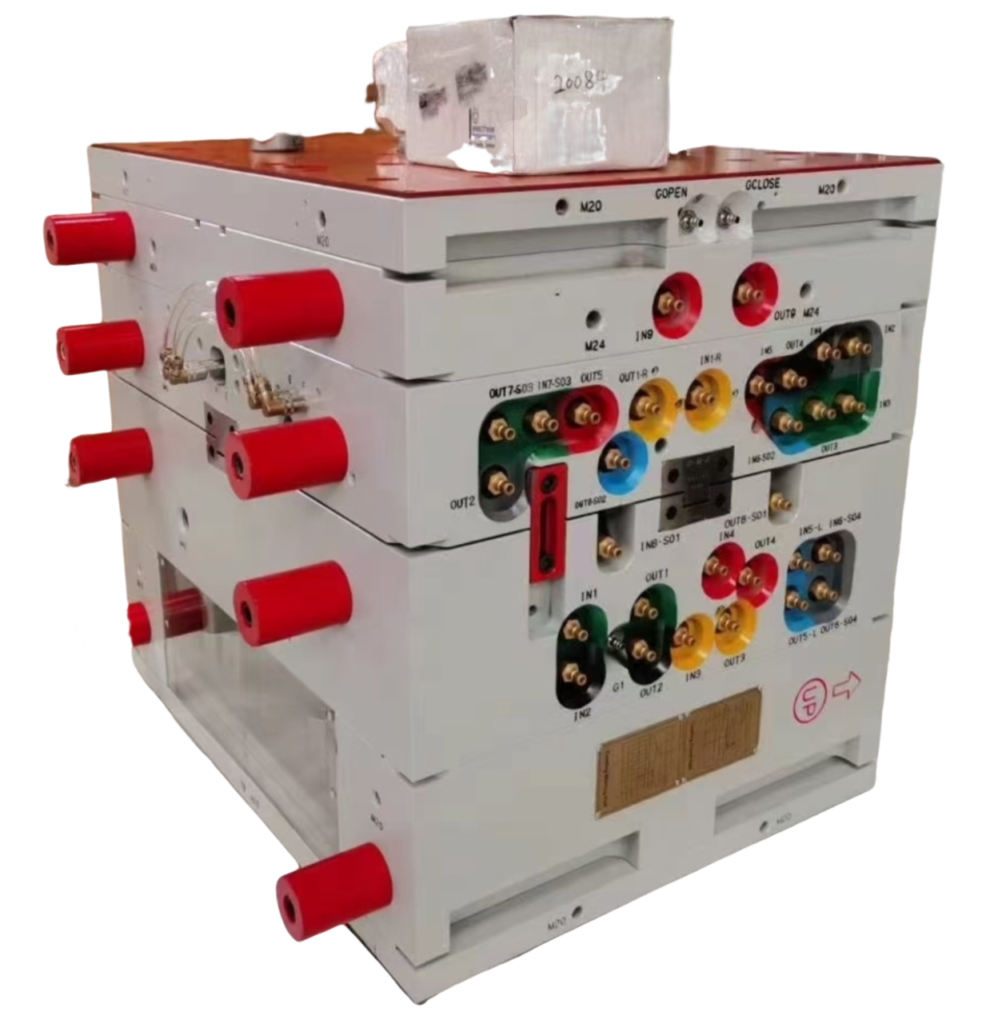
20% 유리 섬유
- PPS injection molding requires melt temperatures of 300–330°C and mold temperatures of 120–160°C to achieve proper crystallization.
- PPS is a semi-crystalline thermoplastic that retains mechanical strength up to 220°C continuous service temperature.
- PPS parts are dimensionally stable with low shrinkage (0.5–1.0%) and excellent resistance to most chemicals including acids and solvents.
- Glass-filled PPS grades (GF20–GF40) are the most common, providing higher stiffness and reduced warpage.
- Applications include automotive under-hood components, electrical connectors, pump housings, and medical device components.
- our team has processed PPS across 45 injection molding machines processing over 200 PPS tooling projects across automotive, electrical, and industrial applications.
What Is PPS Injection Molding?
PPS injection molding is the process of melting polyphenylene sulfide resin at 300–330°C and injecting it into a heated mold at 120–160°C to produce high-performance parts with exceptional heat resistance and chemical inertness. For process context and tooling principles, see our injection molding complete guide 그리고 사출 금형 완벽 가이드.
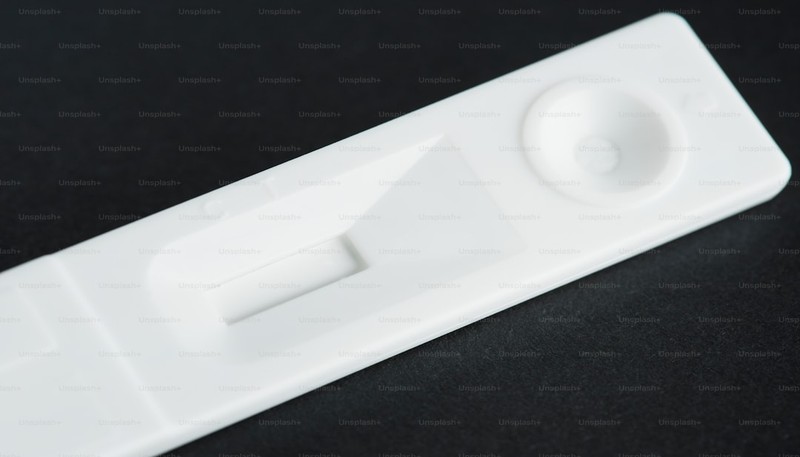
Polyphenylene sulfide belongs to a category of semi-crystalline engineering polymers that compete directly with metals in demanding environments. Unlike commodity plastics such as PP or ABS, PPS does not begin to soften below 220°C and shows virtually no degradation when exposed to fuels, hydraulic fluids, or strong acids. These properties explain why aerospace engineers, automotive designers, and medical device manufacturers turn to PPS when other plastics cannot meet the service requirements.
The core challenge is the processing window. PPS must be melted at high temperature, then injected into a mold held at 120–160°C—well above its glass transition—so the semi-crystalline structure develops. Low mold temperature gives amorphous PPS with inferior impact resistance and unpredictable shrinkage. Incorrect drying causes splay marks, degradation, or black specks.
In our Shanghai facility, we process PPS across multiple machine platforms ranging from 90T to 1850T. The material demands tight process discipline, but when set up correctly it delivers consistent part quality run after run—which is exactly what automotive Tier 1 suppliers and medical OEMs require.
PPS delivers a combination of thermal, mechanical, and chemical properties that is difficult to match with any single alternative material. Understanding these properties is the first step toward designing a successful PPS component.
| 속성 | PPS (Unfilled) | PPS GF40 | Nylon 66 GF30 | PEEK |
|---|---|---|---|---|
| Continuous Service Temp | 200–220°C | 220–240°C | 140–160°C | 250°C |
| 인장 강도(MPa) | 65–75 | 140–180 | 120–150 | 100 |
| Flexural Modulus (GPa) | 3.8–4.5 | 12–16 | 8–12 | 4.0 |
| Shrinkage (%) | 0.5–1.0 | 0.2–0.5 | 0.5–1.5 | 0.3–0.8 |
| 내화학성 | 우수 | 우수 | 공정 | 우수 |
| Relative Cost | Medium | 중간-높음 | 낮음 | 매우 높음 |
The table above shows PPS GF40 (40% glass-filled grade) occupying a distinct performance zone: better thermal and mechanical properties than glass-filled nylon, at a fraction of the cost of PEEK. This cost-performance ratio is why GF20 to GF40 grades represent the majority of industrial PPS consumption.
PPS also carries an inherent UL 94 V-0 flame rating without additives, which matters for electrical and electronic applications where fire safety standards must be met. Its low moisture absorption—less than 0.02%—means PPS parts remain dimensionally stable in humid environments, in contrast to nylon grades that can absorb 2–3% moisture and swell significantly.
Available PPS Grades and Their Applications
PPS resin suppliers offer a range of grades optimized for different end uses. Selecting the correct grade before 금형 설계1 begins will prevent costly redesigns later.
| Grade | Filler | Key Advantage | 일반적인 애플리케이션 |
|---|---|---|---|
| Unfilled PPS | None | Best chemical resistance, smooth surface | Chemical pump impellers, seals |
| PPS GF20 | 20% glass fiber | 사출 속도, 패킹 및 스크류 파라미터 | Electrical housings, brackets |
| PPS GF40 | 40% glass fiber | High stiffness, low warpage | Automotive under-hood, connectors |
| PPS GF/MF | Glass + mineral | Reduced warpage, good surface | Complex precision parts |
| PPS + Carbon Fiber | Carbon fiber | Highest stiffness, ESD control | Aerospace structural, semiconductor |
| PPS Lubricated | PTFE/graphite | Low friction, wear resistance | Bearings, bushings, gears |
When customers bring us a new PPS project, our engineers ask two questions before discussing any tooling specifics: what is the service environment (temperatures, chemicals, loading), and what is the required surface finish. Unfilled PPS gives a smoother, more chemically resistant surface but warps more than filled grades during cooling. GF40 practically eliminates warpage but produces a fiber-reinforced surface texture that is not suitable for decorative applications.
“Selecting the correct PPS grade before tooling design prevents costly rework.”True
PPS grades differ significantly in shrinkage behavior, abrasion resistance, and surface finish. Switching from unfilled to GF40 after a tool is built requires cavity modifications to account for anisotropic shrinkage differences. Grade selection decisions made early—before any mold steel is cut—eliminate rework and reduce project cost by 20–40%.
“All PPS grades can be processed with identical machine settings.”False
GF40 grade requires 5–10°C higher barrel temperatures than unfilled PPS to maintain adequate melt flow through the glass fiber-loaded melt. Lubricated grades require lower screw speeds to prevent filler separation. Each grade has a distinct processing window that must be established from the grade datasheet before production begins.
What Process Parameters Does PPS Injection Molding Require?
PPS injection molding demands precise control of eight process variables: melt temperature, mold temperature, injection speed, packing pressure, back pressure, screw speed, drying conditions, and residence time. A deviation in any one of these can shift the part from conforming to scrap.
Drying: The Non-Negotiable First Step
Although PPS absorbs very little moisture (below 0.02%), manufacturer guidelines universally require drying at 120–150°C for 3–4 hours in a desiccant dryer before processing. The reason is not moisture-induced hydrolysis—which is the concern with nylon—but rather the removal of volatiles and any absorbed moisture that causes splay marks, voids, or surface blistering at the high processing temperatures PPS requires.
Dew point of the drying air should be at or below −40°C. Hopper dryers are generally not sufficient; a dedicated desiccant dryer with a closed-loop return is strongly recommended for production volumes. We have seen parts arrive from other suppliers with persistent splay defects that disappeared immediately when we switched from a hopper dryer to a properly maintained desiccant unit.
Temperature Settings
| Zone | Unfilled PPS | PPS GF40 | 참고 |
|---|---|---|---|
| Rear barrel | 290–300°C | 295–305°C | Preheat zone |
| Middle barrel | 300–315°C | 305–320°C | Melting zone |
| Front barrel | 305–320°C | 310–325°C | Metering zone |
| 노즐 | 310–330°C | 315–330°C | Keep above 300°C to prevent freeze-off |
| 금형 온도 | 120–140°C | 130–160°C | Critical for crystallization |
| Hot runner (if used) | 310–330°C | 315–330°C | Match nozzle temperature |
The mold temperature specification is not a recommendation—it is a process requirement. At mold temperatures below 100°C, PPS solidifies in an amorphous state with substantially lower stiffness, impact resistance, and chemical resistance than the fully crystalline form. Parts may pass initial dimensional checks but fail in service as residual stress causes warpage or premature cracking. Mold temperature controllers capable of maintaining 130–160°C uniformly across the tool are standard equipment for PPS production.
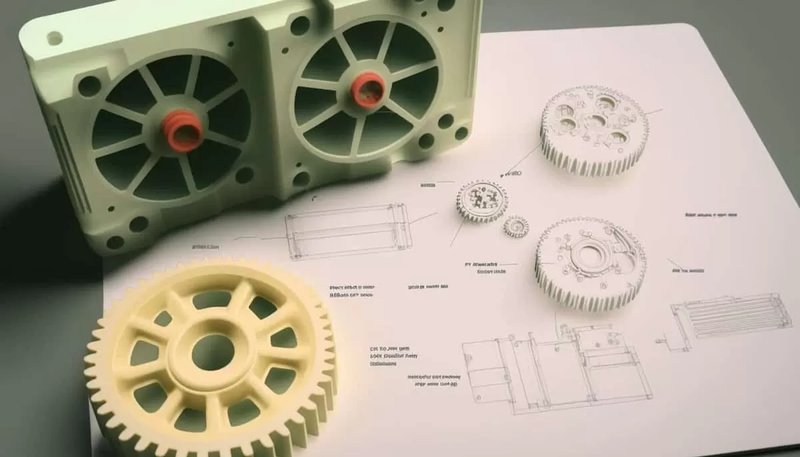
Injection Speed, Packing, and Screw Parameters
얇은 벽의 PPS 부품에서의 뒤틀림은 특히 유리 섬유가 함유된 등급에서 또 다른 반복적인 과제입니다. 흐름 방향과 교차 흐름 방향 사이의 비대칭 수축은 사출 후 부품이 휘어지게 하는 내부 응력을 생성합니다. 해결책은 단순히 보압을 높이는 것이 아니라, 몰드 온도가 균일하고 완전한 결정화에 충분하도록 보장하는 것입니다. 프레스를 떠난 후 뒤틀리는 부품은 종종 필요한 130–160°C의 오일 또는 수온 조절기 회로 대신 80–100°C의 수냉으로 운전되는 몰드에서 PPS를 가공한 결과입니다.
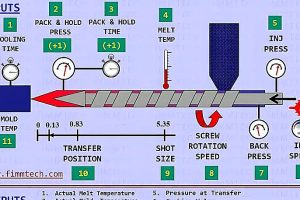
Packing pressure is typically set at 50–70% of injection pressure, held for 5–15 seconds depending on wall thickness. Back pressure of 3–8 MPa is sufficient to achieve a uniform melt; excessive back pressure generates shear heat and extends residence time, increasing degradation risk. Screw speed should be reduced compared to commodity resins—40–70 RPM is typical—to control shear heating and maintain melt temperature consistency.
“PPS requires a heated mold (120–160°C) to develop full crystallinity.”True
PPS is a semi-crystalline polymer. Below its crystallization temperature, PPS solidifies in an amorphous state with inferior mechanical and chemical resistance. Mold temperatures of 120–160°C allow proper crystal structure to form during cooling, delivering the published property values. This is not optional—it is fundamental to PPS performance.
“PPS can be processed on standard injection molding machines without modification.”False
Processing PPS requires machines with barrel temperatures reaching 330°C, which exceeds the safe operating range of machines designed for commodity resins. The barrel, screw, and nozzle must be rated for corrosive materials because PPS releases small amounts of sulfur compounds during processing. Additionally, a mold temperature controller capable of 130–160°C is required—standard cooling water circuits running at 20–40°C are insufficient for proper crystallization.
What Mold Design Requirements Does PPS Impose?
PPS imposes specific requirements on mold steel selection, gate design, runner configuration, and cooling system design. Ignoring these requirements during tooling design is the most common cause of production problems with PPS parts.
Steel Selection and Surface Treatment
PPS melt is mildly corrosive due to sulfur chemistry in the polymer chain. Standard P20 tool steel is generally acceptable for prototype tooling and low-volume production, but for high-volume runs we recommend hardened stainless steels such as 420SS or corrosion-resistant grades like NAK80. Cavity surfaces should be polished to at least SPI B2 (600 grit) or better, as rough surfaces create areas where PPS can stagnate and degrade, producing black specks that contaminate subsequent shots.
Gate inserts and nozzle tips should be made from hardened tool steel or carbide if glass-filled grades are being run. The glass fiber content in GF40 grade is highly abrasive—we have seen gate inserts on unprotected tools wear to twice their original diameter within 100,000 shots when processing GF40 PPS.
“Glass-filled PPS requires hardened steel or carbide gate inserts to prevent accelerated wear.”True
GF40 PPS contains 40% glass fiber by weight. At injection speeds of 80–120 mm/s through a 1.5–2.0 mm gate, the abrasive action of glass fibers on unprotected P20 or H13 gate inserts causes measurable wear within 50,000–100,000 shots. Hardened stainless steel (60+ HRC) or tungsten carbide inserts extend gate life to 500,000+ shots. This is not a theoretical concern—we have replaced gate inserts on customer tools after unexpected dimension shifts traced to gate enlargement.
“Standard P20 mold steel is sufficient for all PPS production volumes.”False
P20 (pre-hardened to ~30 HRC) is suitable for prototype and low-volume PPS tooling but corrodes in the presence of PPS sulfur compounds during long production runs. For volumes exceeding 100,000 shots, corrosion-resistant grades such as 420SS (50 HRC) or NAK80 are recommended. The corrosion risk is compounded by the acidic environment created if PPS degrades and releases hydrogen sulfide during machine downtime.
Gate and Runner Design
PPS flows readily at processing temperature, so runner and gate dimensions do not need to be as large as for high-viscosity resins. However, gates must be located to avoid weld lines in structurally critical regions because PPS weld line strength is relatively low—typically 40–70% of the base material strength depending on filler content and processing conditions.
Submarine (tunnel) gates and pin gates are commonly used for PPS parts, providing automatic degating. Edge gates and fan gates work well for flat parts. hot runner systems are effective and reduce material waste, but the hot runner manifold and drops must be designed for PPS-grade temperatures (310–330°C), and resin residence time in the hot runner should be minimized to prevent degradation. We always run 금형 흐름 분석2 before finalizing gate placement on any PPS tool with more than one cavity or complex geometry.

Draft Angles, Shrinkage, and Tolerances
PPS exhibits relatively low and predictable shrinkage compared to unfilled or lightly filled thermoplastics. Unfilled PPS shrinks at 0.5–1.0% in the flow direction and 0.7–1.2% transversely; GF40 grade shrinks at only 0.2–0.5% in the flow direction (fiber orientation restrains shrinkage) but up to 0.8–1.2% transversely. This anisotropic shrinkage in filled grades must be accounted for in mold design—incorrect shrinkage compensation leads to warped or out-of-tolerance parts.
Draft angles of 0.5–1.5° are typical for PPS parts; glossy cavity surfaces require more draft than textured surfaces. With proper mold design and process control, PPS parts routinely achieve dimensional tolerances of ±0.05 mm for features under 50 mm, making it suitable for precision connector housings, valve bodies, and sensor housings.
“Weld line strength in PPS is significantly lower than the parent material.”True
Weld lines form where two melt fronts meet after flowing around a core pin or through multiple gates. In PPS, especially glass-filled grades, the glass fibers align parallel to the weld line rather than bridging it, reducing tensile strength at that location to 40–70% of the unfilled weld strength. Gate placement must be engineered to move weld lines away from load-bearing areas, which is one of the primary objectives of mold flow simulation for PPS tools.
“The same shrinkage value can be applied equally in all directions for glass-filled PPS.”False
Glass-filled PPS exhibits significant anisotropic shrinkage: in the flow direction, fibers align and restrict shrinkage to 0.2–0.5%; perpendicular to flow, shrinkage is 0.8–1.2%. Using a single average shrinkage value in mold design leads to warped parts—especially in flat or asymmetric geometries. Mold designers must use directional shrinkage values and validate with mold flow simulation.
What Defects Occur in PPS Injection Molding and How Do You Fix Them?
PPS molding defects fall into three main categories: processing-related defects caused by incorrect parameters, material-related defects caused by poor drying or degradation, and design-related defects caused by inadequate mold design. Understanding the root cause is essential to applying the right corrective action.
| 결함 | Most Likely Cause | Corrective Action |
|---|---|---|
| Black specks / streaks | Resin degradation in dead zones or hot runner | Purge thoroughly; reduce barrel temp; check for stagnant zones in hot runner |
| Splay marks | Moisture or volatiles in resin | Dry at 120–150°C for 4h; reduce barrel temperature; increase back pressure |
| Short shots | Insufficient melt temperature or injection speed | Increase melt temp by 5–10°C; increase injection speed; check gate for freeze-off |
| 뒤틀림 | Low mold temp or anisotropic shrinkage | Raise mold temp to ≥130°C; verify gate placement; use directional shrinkage values |
| Weld line cracking | Weld line in stress zone | Relocate gate; increase mold temp; increase injection speed through weld |
| 플래시 | Excessive injection pressure or degraded resin | Reduce injection pressure; check clamp tonnage; reduce melt temp |
| Poor surface gloss | Mold temperature too low | Raise mold temp to ≥140°C; increase injection speed |
| 금형 수명 종료: | Insufficient packing or thick wall | Increase packing pressure/time; redesign wall thickness; add ribs |
Black specks deserve special attention because they are difficult to trace and can appear intermittently. In our experience, the most common source is degraded PPS that has stagnated in a dead zone of the runner system, nozzle, or hot runner manifold. Thorough purging with a compatible purge compound at the start of each production run, combined with minimizing machine downtime while PPS is in the barrel, eliminates most black speck issues.
Warpage in thin-walled PPS parts is another recurring challenge, particularly for glass-filled grades. The asymmetric shrinkage between flow and cross-flow directions creates internal stress that causes the part to bow after ejection. The solution is not simply increasing holding pressure but rather ensuring the mold temperature is uniform and adequate for full crystallization. Parts that warp after leaving the press are often the result of processing PPS in a mold running at 80–100°C water cooling instead of the required 130–160°C oil or water temperature-controller circuit.

What Industries and Applications Use PPS Injection Molding?
팩토리 인사이트: ZetarMold의 PPS 생산
Automotive and Transportation
The automotive industry consumes the largest share of PPS resin worldwide. Under-hood applications include throttle body components, fuel system housings, coolant pump impellers, sensor housings, and emission control components. PPS can withstand continuous exposure to engine temperatures, coolant, fuel, and hydraulic fluids without dimensional change or chemical degradation—requirements that eliminate nylon and acetal from consideration.
Electric vehicle platforms are driving increased PPS adoption for battery management system housings, motor components, and power electronics enclosures where both high temperature resistance and UL 94 V-0 flame performance are required. We have seen significant growth in EV-related PPS projects in recent years.
Electrical and Electronic Components
PPS is the material of choice for high-temperature electrical connectors, relay housings, coil bobbins, and switch components that must survive infrared reflow soldering at 260°C. Its inherent flame resistance eliminates the need for halogenated flame retardants, which is increasingly required by customers following RoHS and REACH regulations.
“PPS inherently meets UL 94 V-0 flammability without halogenated additives.”True
PPS polymer backbone contains sulfur linkages that provide intrinsic flame resistance at V-0 level without adding brominated or chlorinated flame retardants. This is a decisive advantage for RoHS and REACH compliance in electronics applications where halogen-free materials are required. Competing resins such as nylon and ABS require additive flame retardants to reach V-0.
“PPS can be reflow-soldered at standard SMT temperatures without degradation.”False
Standard SMT reflow profiles peak at 260–270°C. PPS retains structural integrity through this temperature range because its continuous service temperature exceeds 220°C and its melting point is approximately 285°C. However, PPS connectors must be designed to prevent thermal warpage during reflow—gate location, wall thickness uniformity, and glass fiber orientation all influence dimensional stability at solder reflow temperatures.
Industrial and Chemical Processing Equipment
Pump housings, valve bodies, pipe fittings, and fluid handling components in chemical processing plants rely on unfilled PPS for its near-universal chemical resistance. PPS is resistant to hydrochloric acid, sulfuric acid, sodium hydroxide, and most organic solvents up to 200°C. Carbon-fiber-filled PPS grades serve semiconductor manufacturing equipment, where dimensional stability and electrostatic discharge (ESD) control are both required.
의료 기기
Medical-grade PPS compounds are used in surgical instruments, sterilization trays, dental equipment, and fluid handling components for laboratory instruments. The material withstands repeated steam autoclave sterilization at 135°C and is compatible with most disinfectants and cleaning agents used in clinical environments. Our ISO 13485-certified quality process supports medical device customers requiring full material traceability, certificates of conformance, and batch documentation for regulatory submissions.
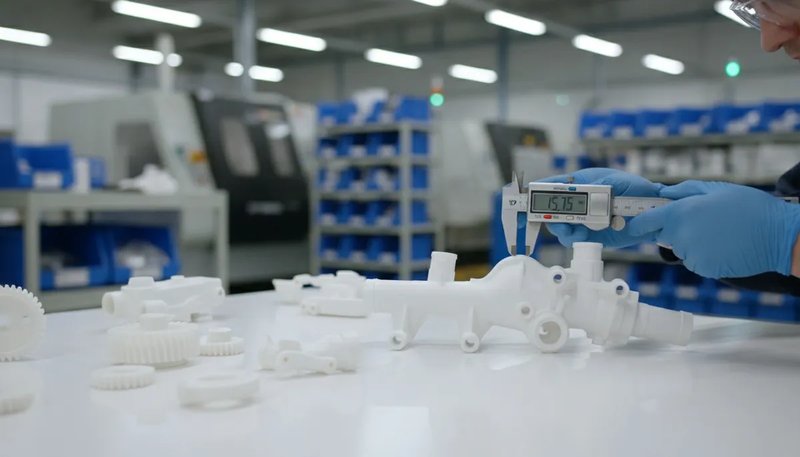
PPS vs. Alternative High-Performance Plastics: Which Should You Choose?
Selecting PPS over alternative high-performance plastics requires comparing not just material properties but also processing cost, tooling requirements, and total cost per part across the production volume.
| Criterion | PPS | PEEK | Nylon 46 | PEI (Ultem) |
|---|---|---|---|---|
| Max service temp (°C) | 220–240 | 250 | 170–180 | 170 |
| Chemical resistance | 우수 | 우수 | Good | Good |
| Moisture absorption (%) | <0.02 | <0.5 | 3–9 | 0.25 |
| Flame rating (UL94) | V-0 (inherent) | V-0 | V-2/V-0 | V-0 |
| Relative material cost | 1× | 5–8× | 0.8× | 2–3× |
| Processing difficulty | Moderate-High | 매우 높음 | 보통 | Moderate-High |
| Tooling requirement | High-temp mold | High-temp mold | 표준 | High-temp mold |
The cost comparison is particularly important when evaluating PPS against PEEK. Both materials offer excellent chemical resistance and operate above 200°C, but PPS resin typically costs 5–8× less per kilogram than PEEK. For applications not requiring service above 230°C or biocompatibility certification, PPS is the economically rational choice.
Against nylon 46 (PA46), PPS offers higher upper service temperature and far better chemical resistance, at a moderate cost premium. The key differentiator is moisture: nylon absorbs 3–9% in humid environments causing dimensional change, while PPS absorbs less than 0.02%. For precision parts in humid environments, PPS dimensional stability is decisive.
Why Should You Choose the Right PPS Injection Molding Supplier?
Not every molding shop can handle PPS. The material demands 300 °C+ melt temperatures, oil-heated molds above 120 °C, and strict drying discipline — miss any one of these and scrap rates climb fast. When evaluating a PPS supplier, focus on three concrete criteria:
- Drying infrastructure: Dehumidifying dryers capable of sustained 150 °C operation with moisture monitoring. PPS must be below 0.02 % moisture before processing; a supplier who relies on “feel” rather than data is a liability.
- High-temperature tooling experience: Oil-temperature controllers, heated runner systems, and mold steels rated for continuous 140–160 °C service. Ask for examples of glass-filled PPS tooling they have built and the dimensional consistency data from those runs.
- Quality systems for abrasive grades: GF40 PPS accelerates gate and cavity wear. A capable supplier measures cavity dimensions on a maintenance schedule and tracks part weight trends run-over-run to catch tool wear before it affects tolerances.
If a supplier cannot show you yield data, drying logs, or maintenance records for PPS-specific tooling, the risk of costly delays and out-of-spec parts is real — regardless of their general injection molding capabilities.
FAQ: What Are the Most Common Questions About PPS Injection Molding?
PPS 사출 성형이란 무엇인가요?
PPS 사출 성형은 열 저항성, 화학 저항성 및 치수 안정성이 필요한 부품으로 폴리페닐렌 설파이드를 성형합니다.
PPS 사출 성형은 어떻게 작동하나요?
The process begins with drying PPS pellets at 120–150°C for 3–4 hours to remove volatiles. Dried pellets are fed into the injection molding machine barrel, where they are melted at 300–330°C by the rotating screw. The melt is then injected at medium-to-high speed into a mold held at 120–160°C using an oil or water temperature controller. The part is packed under pressure for 5–15 seconds, then cooled in the elevated-temperature mold until crystallinity and dimensional stability are achieved. After ejection, parts typically require no secondary operations beyond degating.
What are the advantages of PPS injection molding?
PPS 사출 성형은 비슷한 비용으로 경쟁하는 소수 플라스틱만이 따라올 수 있는 열적, 화학적, 기계적 장점을 압도적으로 결합합니다. 주요 이점으로는 200~240°C의 연속 사용 온도, 산, 염기, 유기 용제에 대한 거의 보편적인 내화학성, 할로겐 첨가제 없이 본질적인 UL 94 V-0 난연성, 0.02% 미만의 극히 낮은 흡습률, 예측 가능한 낮은 수축률, 그리고 시간 경과에 따른 탁월한 치수 안정성이 포함됩니다. 유리 충전 등급은 구조 부품에 적합한 높은 강성과 크리프 저항성을 추가합니다. PPS는 PEEK보다 상당히 저렴하면서도 대부분의 동일한 적용 분야를 포괄하므로, 240°C 이상의 온도나 완전한 생체 적합성 인증이 필요하지 않은 경우 선호되는 엔지니어링 선택입니다.
PPS 사출 성형 비용은 얼마입니까?
PPS injection molding cost depends on part complexity, production volume, wall thickness, and grade selection. PPS GF40 resin costs roughly $8–15 per kilogram, significantly more than commodity plastics but 5–8× less than PEEK. Tooling for a typical PPS connector housing ranges from $8,000–25,000 depending on complexity and cavity count. At production volumes of 50,000+ parts per year, typical part prices range from $0.50 to $5.00 for small-to-medium components. The heated mold requirement—temperature controllers for 120–160°C—adds to tooling cost and slightly extends cycle time compared to standard thermoplastics, but the material’s long service life and elimination of post-molding treatments often offset these costs.
PPS 사출 성형에는 어떤 재료가 사용되나요?
주요 재료는 폴리페닐렌 설파이드(PPS) 베이스 수지로, 솔베이(Ryton®), 도레이(Torelina®), 셀라니즈, DIC 등 제조업체에서 다양한 등급으로 공급됩니다. 가장 널리 사용되는 상용 등급은 균형 잡힌 특성을 위한 GF20(20% 유리 섬유), 자동차 후드 아래 및 고강성 응용 분야를 위한 GF40(40% 유리 섬유), 이방성 뒤틀림 감소를 위한 유리-광물 충전 등급, 반도체 장비에서 최대 강성 및 ESD 제어를 위한 탄소 섬유 충전 등급, 베어링 및 웨어 패드와 같은 마찰학적 응용 분야를 위한 PTFE 또는 흑연을 포함한 윤활 등급이 있습니다. 등급 선택은 성능뿐만 아니라 공구 요구 사항과 가공 조건에도 영향을 미칩니다.
PPS 사출 성형에 사용되는 온도는 얼마입니까?
PPS requires a melt temperature of 300–330°C and a mold temperature of 120–160°C. Unfilled grades process at the lower end of the melt range (300–315°C), while GF40 grades typically need 310–325°C for adequate flow. Mold temperature below 120°C produces amorphous parts with inferior mechanical properties—the heated mold is essential for crystallization, not optional. Barrel rear zones start at 290–305°C and ramp up toward the nozzle at 310–330°C.
PPS 사출 성형에서 흔히 발생하는 결함은 무엇인가요?
Common PPS molding defects include black specks from resin degradation in dead zones, splay marks from insufficient drying, warpage from low mold temperature or anisotropic shrinkage in glass-filled grades, short shots from inadequate melt temperature or injection speed, and flash from excessive injection pressure. Each defect has a specific root cause: black specks require purging and dead-zone elimination, splay requires 4-hour drying at 120–150°C, and warpage requires raising mold temperature to at least 130°C for full crystallization.
언제 PEEK나 LCP 대신 PPS를 선택해야 할까요?
Choose PPS when your application needs high temperature resistance (up to 240°C) and chemical resistance at a fraction of PEEK’s cost—PPS resin is 5–8× less expensive. PEEK is justified only above 240°C continuous service or when biocompatibility certification is required. Against LCP, PPS offers better chemical resistance and lower cost for parts that do not require LCP’s ultra-thin-wall flow capability. For most automotive, electrical, and industrial applications under 240°C, PPS delivers the best cost-performance balance.
Bottom Line: When Should You Use PPS Injection Molding?
Use PPS when temperature resistance, chemical resistance, and dimensional stability matter more than resin cost. Quick rule: if your part operates above 150 °C, sees aggressive chemicals, or must hold tight tolerances over years of service, PPS is almost always the right call.
- Above 150 °C service temperature — PPS outlasts PA, PBT, and POM by a wide margin.
- Chemical exposure — few thermoplastics match PPS resistance to acids, bases, and fuels.
- Cost ceiling below PEEK territory — PPS delivers 80 % of PEEK performance at 20 % of the price.
For anything else — commodity housings, low-stress brackets, room-temperature plumbing — PPS is over-engineered and overpriced. Choose PA66, PBT, or POM instead.
Sources
- Solvay Specialty Polymers. Ryton® PPS Design Guide (2024). solvay.com
- Toray Industries. Torelina® PPS Technical Data Sheet (2024). toray.com
- Celanese Corporation. Fortron® PPS Product Portfolio (2024). celanese.com
-
mold design: Mold design encompasses cavity geometry, runner layout, gate type, and cooling channel placement for producing dimensionally accurate plastic parts. ↩
-
mold flow analysis: Computational simulation of polymer flow, packing, and cooling within a mold cavity to predict fill patterns, weld lines, and shrinkage before tooling fabrication. ↩
-
precision injection molding: High-tolerance injection molding process achieving dimensional accuracy within ±0.05mm, requiring precise temperature control, consistent packing pressure, and validated mold design. ↩



 EN
EN  ES
ES  FR
FR  DE
DE  PT
PT  AR
AR  RU
RU  JA
JA  KO
KO  IT
IT  NL
NL  TR
TR  PL
PL 