 콘텐츠로 건너뛰기

What Is the SPI Surface Finish Standard?
그리고 SPI1 표면 마감 표준은 금형 캐비티 표면 품질을 정의하는 네 등급 시스템(A부터 D까지)입니다.
RFQ 준비 및 공급업체 자격 검토를 위해 우리의 공급업체 소싱 가이드를 참조하세요.
For a broader look at 사출 금형 설계, our pillar guide covers tooling structure, thermal control, and manufacturability tradeoffs.
SPI 표면 마감 표준은 전 산업 분야에서 사용되는 분류 시스템입니다. 사출 성형 성형 플라스틱 부품의 코스메틱 및 촉감 마감 요구사항을 정의하는 프로젝트. 구매자에게는 견적을 위한 공통 언어를 제공합니다, 금형 폴리싱2, 검사 샘플, 최종 부품 승인.
- SPI 표면 피니시는 외관 요구 사항과 도구 비용 결정이자 단순한 도면 노트가 아닙니다.
- 피니시를 함께 선택하세요: 레진, 드래프트 각도, 스틸 등급, 이젝션 레이아웃, 페인트 또는 텍스처 필요, 검사 방법.
- DFM 단계에서 목표 마감을 확정하여 연마, 샘플링 및 최종 승인이 후반 단계의 비용이나 리드 타임 문제가 되지 않도록 하세요.
이 표준은 산업 디자이너, 엔지니어, 금형 제작자, 프로젝트 관리자 및 품질 팀 간의 공통 언어를 제공합니다. 모두가 동일한 SPI 등급을 참조할 때, 표면이 어떻게 보여야 하는지, 얼마나 많은 연마 작업이 필요한지, 어떤 비용과 리드 타임을 예상해야 하는지에 대한 모호함이 제거됩니다. SPI 시스템은 또한 OEM과 해외 금형 업체 간의 의사소통 격차를 해소하는 데 도움이 되며, 그렇지 않으면 다른 용어나 VDI 3400과 같은 지역 표준이 혼란을 야기할 수 있습니다.
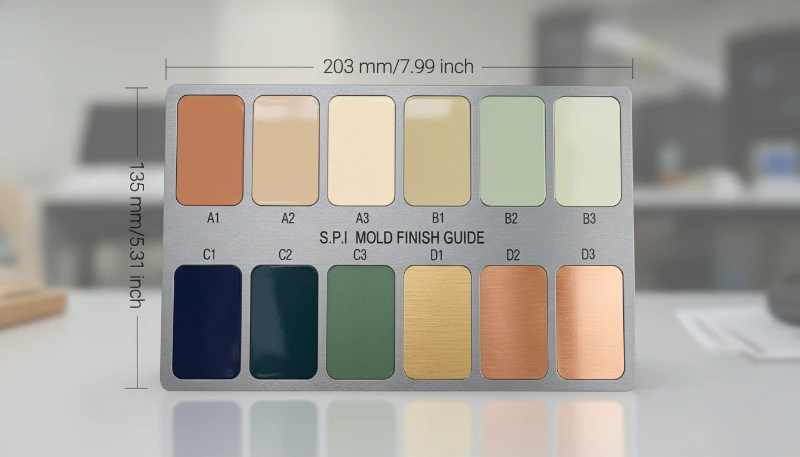
표준은 네 가지 주요 등급으로 분류되며, 각 등급은 몰드 견적이 확정되기 전에 명확한 코스메틱 목표, 검사 방법, 수지 선택 및 금형 예산과 연결되어야 합니다:
Grade A (Gloss/Diamond Polish): 스크래치와 싱크 마크가 뚜렷하게 보이는 광학, 투명 또는 고급 코스메틱 부품용 미러 마감.
Grade B (Semi-Gloss/Paper): Smooth finish without high reflection.
Grade C (Matte/Stone): Non-reflective, standard industrial finish.
Grade D (Textured/Blast): Rough finish created via dry blasting or Electrical Discharge Machining (EDM).
What Are the Technical Parameters of SPI Finishes?
SPI 마감의 기술적 매개변수는 표면 거칠기(Ra), 연마 방법, 등급별 최소 드래프트 각도입니다.
To ensure manufacturability, engineers must adhere to specific roughness averages (Ra) and draft angle requirements. The following table details the twelve primary SPI designations.
| SPI Grade | Finish Description | Method of Application | Typical Ra (µm) | Typical Ra (µin) | Min. Draft Angle | Primary Use Case |
|---|---|---|---|---|---|---|
| A-1 | Super High Gloss | Grade #3 Diamond Buff | 0.012 – 0.025 | 0 – 1 | 1° | Lenses, mirrors, visors |
| A-2 | High Gloss | Grade #6 Diamond Buff | 0.025 – 0.05 | 1 – 2 | 1° | Cosmetic cases, electronics |
| A-3 | 텍스처드 / 무광 | Grade #15 Diamond Buff | 0.05 – 0.10 | 2 – 4 | 2° | Household goods, opaque parts |
| B-1 | Smooth / Semi-Gloss | 600 Grit Paper | 0.05 – 0.10 | 2 – 3 | 1° | Medium polish parts |
| B-2 | Smooth / Medium | 400 Grit Paper | 0.10 – 0.15 | 4 – 5 | 1° | General molding, paintable parts |
| B-3 | Smooth / Low Gloss | 320 Grit Paper | 0.28 – 0.32 | 9 – 10 | 2° | Economy molding |
| C-1 | Matte / Fine | 600 Grit Stone | 0.35 – 0.40 | 10 – 12 | 1.5° | Die cast look, internal parts |
| C-2 | Matte / Medium | 400 Grit Stone | 0.80 – 0.95 | 25 – 28 | 1.5° | Structural parts, easy release |
| C-3 | Matte / Rough | 320 Grit Stone | 0.95 – 1.10 | 38 – 42 | 2° | Heavy utility parts |
| D-1 | Textured / Satin | Dry Blast (Glass Bead) | Varies | Varies | 2.5°+ | Satin finish handles |
| D-2 | Textured / Dull | 완성. 질감이 빛 반사를 분산시켜 싱크 마크가 육안으로 거의 보이지 않게 만듭니다. | Varies | Varies | 3°+ | Industrial housing, grip |
| D-3 | Textured / Rough | Dry Blast (#24 Oxide) | Varies | Varies | 3°+ | Heavy texture, defect hiding |
참고: Ra(평균 거칠기)3 값은 근사치이며 강종 및 측정 장비에 따라 다릅니다.
How Is the Polishing Process Executed Step-by-Step?
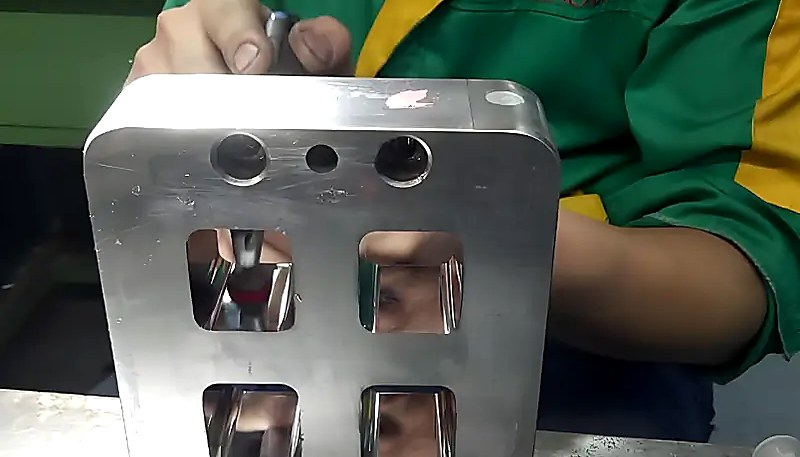
Achieving a specific SPI finish is a subtractive manufacturing process applied to the mold cavity steel.
Rough Machining: The mold core and cavity are CNC machined to the approximate shape. The surface is rough, often showing tool marks.
Stoning (Leveling): Toolmakers use abrasive stones to remove CNC tool marks and level the surface. This is the baseline for C-Grades.
Paper Polishing: If a smoother finish is required, the surface is sanded with progressively finer grit sandpaper (from 320 to 600 grit). This achieves B-Grades.
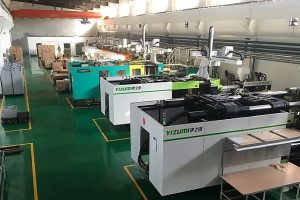
공장 인사이트: 상하이 금형 공장에서 우리 팀은 SPI 마감을 수지 선택, 드래프트 각도, 이젝터 배치, 검사 조명과 함께 확인합니다. 우리 엔지니어는 견적을 내기 전에 400개 이상의 플라스틱 재료 옵션과 47대의 사출 성형기와 마감 목표를 비교합니다. 또한 표면이 도장, 레이저 마킹, 사용자 접촉, 화학 물질 청소, 강한 조명 아래 승인될지 여부를 묻습니다. 왜냐하면 이러한 세부 사항이 거울 연마가 가치를 더하는지 아니면 단지 비용만 추가하는지를 결정하기 때문입니다.
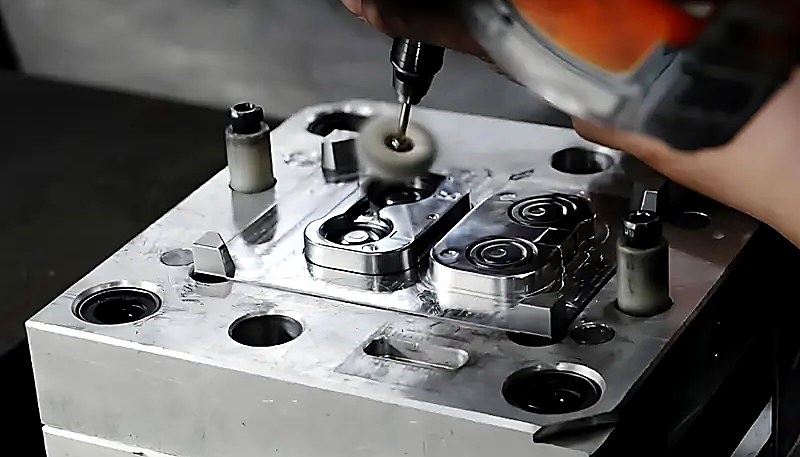
Diamond Buffing (Optional): For A-Grades, a diamond paste is applied to a rotary buffing tool. The steel is polished until it reaches optical reflectivity.
What Are the Pros and Cons of Each Grade Category?
SPI 등급의 장단점은 표면 연마 수준, 금형 비용, 결함 가시성 간의 균형으로 정의됩니다.
| SPI Category | 장점 | 단점 |
|---|---|---|
| Grade A (Gloss) | Highest aesthetic appeal; optical clarity for transparent parts; perceived high value. | 가장 높은 금형 비용; '진공 밀봉' 접착 경향; 표면 결함(스크래치, 지문, 싱크 마크)을 부각시킵니다. |
| Grade B (Semi-Gloss) | Good balance of cost and aesthetics; suitable for painting or plating; removes machining marks. | Can still show some molding defects; requires manual polishing labor. |
| Grade C (Matte) | Low tooling cost (fastest to machine); excellent for part release; hides minor tool marks. | “미완성” 또는 산업적으로 보일 수 있음; 고급 소비자 대면 표면에는 적합하지 않음. |
| Grade D (Textured) | Excellent for hiding sink marks and flow lines; improves grip; durable surface appearance. | 청소가 가장 어려움(지문 잡힘); 질감 표면에는 상당한 드래프트 각도 필요; 금형이 손상되면 수리 어려움. |
“질감 마감(SPI D-시리즈)은 일반적으로 부품 접착을 방지하기 위해 연마 마감보다 단위 질감 깊이당 더 큰 테이퍼가 필요합니다.”True
텍스처는 미세 수준에서 언더컷을 생성합니다; 일반 규칙은 드래그 마크를 방지하기 위해 텍스처 깊이 0.001 인치마다 1.5도의 테이퍼입니다.
“더 높은 SPI 마감 등급(예: A-1)은 항상 부품 이젝션을 개선합니다.”False
Mirror finishes can actually create a vacuum seal effect between the part and the mold steel, causing parts to stick. This often requires air poppets or vacuum breakers to eject the part without deformation.
표면 마감 선택을 최적화하는 데 도움이 되는 실용적인 팁은 무엇인가요?
소재 호환성: 모든 수지가 모든 SPI 등급을 재현할 수 있는 것은 아닙니다. PC, PMMA, ABS는 일반적으로 고광택 A등급 마감을 잘 유지하지만, PP, POM, 나일론은 유동 방향에 따라 다른 질감을 보일 수 있습니다. 유리 섬유 강화 등급은 가장 어려운데, 섬유 투과 현상이 C-1 이상에서 나타납니다. 30% 유리 섬유 강화 나일론에 Class A 표면을 지정하려면, S136 또는 H13 강철, 추가 연마, 현실적인 샘플 승인에 대한 예산을 책정하세요.
싱크 마크 전략: 싱크 마크는 광택 있는 A등급 표면에서 가장 잘 보이며, 0.05mm의 함몰도 검사 조명 아래에서 두드러질 수 있습니다. 무광 C등급 또는 질감 D등급 표면에서는 같은 싱크가 훨씬 덜 눈에 띕니다. A등급은 구매자가 보는 표면에만 사용하고, 리브, 보스, 벽 두께 변화가 있는 숨겨진 면에는 C 또는 D등급을 사용하세요. 이 분할 등급 접근법은 인지된 품질을 유지하면서 연마 비용을 30%에서 50%까지 줄일 수 있습니다.
비용 관리: 폴리싱 작업은 금형 제조에서 주요 변동 비용입니다. C-1에서 A-1로 이동하면 다이아몬드 버핑이 느리고 숙련된 작업이므로 금형 비용에 15%에서 30%를 추가할 수 있습니다. 깊은 리브, 언더컷, 복잡한 파팅 라인은 그 배수를 증가시킵니다. 파트를 등급별로 매핑하세요: 주요 외관 면은 A 등급, 보조 표면은 B 등급, 숨겨진 면은 C 또는 D 등급입니다. 이렇게 하면 금형이 경쟁력을 유지하고 생산 중 유지보수 위험을 줄입니다.
What Are Common Application Scenarios?
일반적인 SPI 적용 시나리오는 제품 유형에 맞춰집니다: 광학 렌즈는 A-1, 소비자 하우징은 B-1, 공구 그립은 D-2를 사용합니다.
SPI A-1 (Diamond #1): 자동차 헤드라이트 렌즈, 광학 프리즘, 의료용 피펫, 그리고 완벽한 투명도가 주요 판매 포인트인 고급 화장품 포장에 사용됩니다. 어떤 표면 결함, 미세 스크래치, 유동선도 직접 조명 아래에서 즉시 보이므로, 최고 등급의 강철 연마와 세심한 공정 관리만이 이 마감을 일관되게 달성할 수 있습니다. A-1은 또한 표면 거칠기가 오염물을 잡거나 유체 역학에 영향을 줄 수 있는 의료 기기 창문 및 유체 경로 부품에 지정됩니다.
SPI A-2 (Diamond #2): 스마트폰 화면, 고급 외관 컴팩트, 자동차 내부 트림, 그리고 시각적 매력이 제품 품질 인식에 직접 영향을 미치는 고급 소비자 제품 외장. A-2는 A-1보다 도구 마크에 약간 더 많은 허용 오차를 가진 거울 같은 반사성을 제공하여 경쟁적인 판매 환경에서 여전히 폴리싱된 전문적인 외관을 요구하는 보이는 표면에 실용적인 선택입니다. 소비자 전자 제품 제조업체는 A-1 도구 비용을 발생시키지 않고 고급으로 보여야 하는 디스플레이 베젤과 컨트롤 패널에 자주 A-2를 선택합니다.
질감 및 산업용 마감 사용 시기
SPI B-1 (Paper #1): 키보드 키, 도장 예정인 하우징, 소비자 전자 제품 케이스, 가전 제품 커버에 사용됩니다. B등급 마감은 다이아몬드 연마 비용 없이 도장, 인쇄, 질감 코팅 적용과 같은 성형 후 작업에 충분한 매끄러움을 제공합니다. 우리 경험상, B-1은 부품이 성형 후 이차 표면 처리를 받을 때 가장 비용 효율적인 등급입니다. 이 등급은 또한 조립 적합성을 위한 깨끗하고 일관된 표면이 여전히 필요한 내부 구조 브래킷 및 숨겨진 부품에 널리 사용됩니다.
SPI C-3 및 D 등급: 전동 공구 손잡이, 스티어링 컬럼 커버, 내구성 강화된 노트북 케이스, 야외 장비 외함, 그리고 광택보다는 그립감, 내구성, 가공 흔적의 시각적 은폐가 중요한 모든 응용 분야에 사용됩니다. 질감이 있는 D등급 마감은 특히 싱크 마크, 용접선, 유동 흔적을 숨기는 데 효과적이며, 이는 광택 표면에서는 눈에 띄게 보일 수 있습니다. 그래서 구조적 및 산업용 부품의 기본 선택으로 사용됩니다.
SPI 마감을 단계별로 올바르게 선택하는 방법은 무엇인가요?
올바른 SPI 마감을 선택하는 것은 5단계 과정입니다: 기능 정의, 폴리머 확인, 테이퍼 검토, 예산 설정, 그런 다음 성형업체와 상담하세요.
Define Functionality: 파트가 투명해야 할까요? (A 선택). 그립이나 촉감 표면이 필요할까요? (D 선택). 최소 드래프트로 금형에서 쉽게 출시해야 할까요? (C 선택). 모든 SPI 선택은 기능적 요구 사항을 기록하는 것으로 시작하세요 — 외관 선호도는 아닙니다. 많은 경우, 외관 목표는 기능적 필요와 충돌하며, 그 갈등을 더 일찍 드러내면 금형 파트너와 더 빠르게 해결할 수 있습니다.
Check the Polymer: 재료가 무충전인가요, 유리 섬유 강화인가요? 유리 섬유 강화라면, 표면의 섬유 배향이 보이는 줄무늬를 만들어 어떤 연마로도 제거할 수 없으므로 기대치를 B-3 또는 C-1로 제한하세요. 수지 등급, 충전재 비율, 색상, 광택 목표, 샘플 스와치를 SPI 사양 문서에 기록하여 구매자와 성형업체 간에 모호함이 없도록 하세요.
테이퍼 요구사항 검토: CAD 모델을 확인하세요. 수직 벽에 0도 또는 0.5도의 테이퍼가 있다면, 거친 표면이 이젝션 중 마찰을 증가시켜 부품이 달라붙거나 뒤틀릴 수 있으므로 질감(D등급)을 사용할 수 없습니다. 질감 마감에는 최소 1~3도의 드래프트를 추가하거나, 더 낮은 드래프트 각도를 허용하는 연마 마감으로 전환해야 합니다.
Determine Budget: 비용이 주요 고려사항이라면 SPI C-1을 지정하세요. 이는 최소한의 후처리가 필요한 표준 기계 가공 마감이며 표준 P20 공구강에서 달성 가능합니다. C-1에서 A-2로 업그레이드하면 추가 연마 시간으로 인해 금형 비용이 20%에서 40%까지 증가할 수 있습니다. 항상 기본 마감 수준이 아닌 정확한 SPI 등급이 지정된 금형 견적을 받으세요.
Consult the Molder: 최종 결정 전, 선택한 마감이 H13 대 P20와 같은 특정 금형강을 필요로 하는지 사출 성형업체에 문의하십시오. 이는 리드 타임과 비용에 영향을 미칠 수 있습니다. 경험 있는 성형업체는 또한 해당 마감이 선택된 수지와 잘 상호작용할지, 이젝터 핀 자국이 목표 마감 수준에서 보일지, 그리고 페인팅이나 텍스처링 오버레이와 같은 2차 작업이 기본 SPI 등급과 호환되는지에 대해서도 조언할 수 있습니다.
“SPI 마감 선택은 최종 금형강 폴리싱 전에 확정되어야 합니다.”True
마감 변경이 늦어지면 재폴리싱, 재텍스처링, 추가 드래프트 검토 및 추가 샘플링 시간이 필요할 수 있으며, 특히 무광에서 고광택 표면으로 이동할 때 더욱 그렇습니다.
“모든 SPI 표면 마감은 동일한 금형 이형 테이퍼 및 이젝션 설정이 필요합니다.”False
광택, 무광 및 텍스처 마감은 이젝션 시 다르게 작용하므로 테이퍼, 폴리싱 방향, 수지 수축률 및 이젝션 힘을 함께 검토해야 합니다.
구매자가 묻는 SPI 피니시 FAQ는 무엇인가요?
SPI와 VDI 3400 표준의 차이점은 무엇인가요?
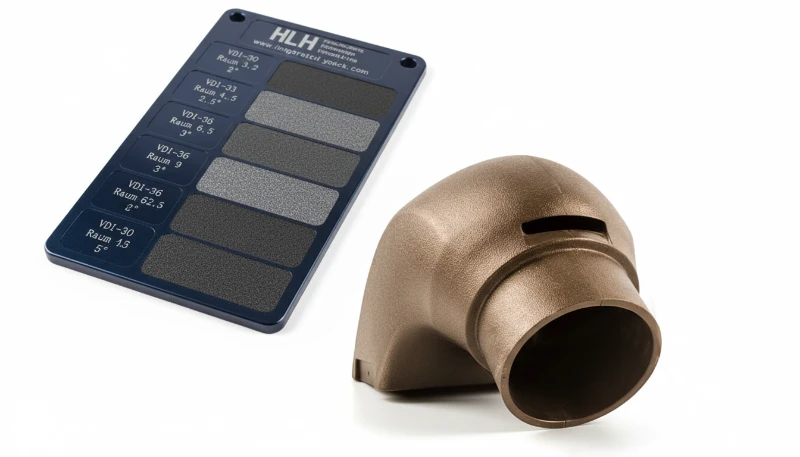
SPI는 일반적으로 북미 사출 성형 프로젝트에서 사용되는 반면, VDI 3400은 유럽 금형 커뮤니케이션에서 널리 사용됩니다. 둘 다 표면 질감을 설명하지만, 측정 방법과 질감 계열이 다르기 때문에 완벽하게 매핑되지는 않습니다. 도면에 한 표준이 기재되어 있고 공급업체가 다른 표준을 사용하는 경우, 변환표, 질감 플라크 또는 승인된 샘플을 요청하십시오. 이렇게 하면 생산 승인 과정에서 동일한 표면이 설계자, 금형 제작자, 최종 검사자 및 구매자에 의해 다르게 해석되는 상황을 피할 수 있습니다.
금형 제작 후 표면 마감을 변경할 수 있나요?
가능한 경우도 있지만, 변경 방향이 상당히 중요합니다. 폴리싱된 표면에서 더 거친 텍스처로 이동하는 것은 폴리싱 후 공구를 샌드블라스, 에칭 또는 텍스처링할 수 있기 때문에 종종 가능합니다. 거친 표면이나 EDM 표면에서 고광택 마감으로 돌아가는 것은 강철을 제거하고 재폴리싱해야 하므로 치명적인 치수를 변경할 수 있어 훨씬 더 어렵습니다. 깊은 리브, 셧오프 및 텍스처링된 수직 벽은 추가 드래프트 검토와 샘플링이 필요할 수 있습니다. 이것이 바로 비용이 많이 드는 재작업과 지연을 피하기 위해 최종 마감 의도는 첫 샘플링 후가 아니라 DFM 중에 확정되어야 하는 이유입니다.
표면 마감은 사이클 타임에 영향을 미치나요?
예. 고광택 마감은 드래그 마크나 외관상 스트레스를 피하기 위해 더 신중한 냉각, 느린 이젝션, 더 나은 배기가 필요할 수 있습니다. 텍스처 마감은 드래프트가 너무 낮을 경우 부품 고착을 증가시켜 이젝션을 느리게 하거나 긁힘을 유발할 수 있습니다. 표면 마감은 또한 외관 결함이 광택 부품에서 더 쉽게 보이기 때문에 검사 기준에 영향을 미칩니다. 생산 계획을 위해 엔지니어는 샘플링 전에 마감, 수지, 드래프트 각도, 이젝션 레이아웃, 허용 결함 기준, 예상 취급 자국 및 사이클 타임 목표를 함께 검토해야 합니다.
도장된 플라스틱 부품에 가장 적합한 SPI 마감은 무엇인가요?
SPI B-1 또는 B-2는 도장된 플라스틱 부품에 대한 실용적인 출발점이 되는 경우가 많습니다. 표면이 코팅 접착에 충분히 매끄럽지만 미러 등급 A 마감만큼 비싸지 않기 때문입니다. 정확한 선택은 페인트 시스템, 수지 유형, 프라이머 호환성, 예상 광택 수준 및 부품 도장 전 연마 여부에 따라 달라집니다. 매우 거친 표면은 페인트 아래로 질감이 비칠 수 있으며, 지나치게 광택 있는 표면은 프라이머 접착력을 저하시킬 수 있습니다. 특히 다중 코팅 또는 금속성 마감의 경우, 대량 생산을 확정하기 전에 항상 샘플 부품으로 코팅 공정을 확인하십시오.
금형 강재가 최종 SPI 마감에 영향을 미치나요?
물론입니다. 모든 강종에서 모든 마감을 달성할 수는 없습니다. 미러 마감은 일반적으로 H13 또는 S136과 같은 고품질 공구강과 세심한 폴리싱이 필요하며, 반면 더 부드러운 재료나 알루미늄 금형은 달성 가능한 표면 품질을 제한할 수 있습니다. 강재 경도, 청정도, 열처리 균일성, 용접 수리 및 EDM 리캐스트 층은 모두 최종 외관에 영향을 미칠 수 있습니다. 중요한 외관 부품의 경우, 금형 견적서는 강재 유형, 마감 목표, 검사 방법 및 금형이 생산에 투입되기 전 승인에 필요한 질감 또는 광택 샘플을 명시해야 합니다.
SPI 마감 등급이 사출 성형 비용에 어떤 영향을 미치나요?
SPI 마감 등급은 금형 비용에 직접적이고 상당한 영향을 미칩니다. C등급 스톤 마감에서 A등급 다이아몬드 폴리싱으로 이동하면 각 단계마다 점진적으로 더 많은 수동 폴리싱 작업이 필요하기 때문에 금형 제조 시간이 15~30% 증가할 수 있습니다. A등급 마감은 더 높은 등급의 공구강, 추가 샘플링 라운드 및 생산 중 더 엄격한 외관 검사 기준을 필요로 할 수도 있습니다. 예산에 민감한 프로젝트의 경우, 엔지니어들은 종종 외관과 총 금형 투자를 균형 있게 맞추기 위해 보이는 표면에는 A등급 마감만 지정하고 보이지 않는 표면이나 내부 표면에는 C 또는 D등급을 사용합니다.
SPI 표면 마감 표준의 핵심 결론은 무엇인가요?
SPI 표면 마감 표준의 핵심은 이 섹션에서 설명하는 기능, 제약 조건 및 트레이드오프로 정의됩니다. 올바른 SPI Surface Finish 는 단순한 미적 선택이 아닙니다; 이는 금형강, 깨끗한 이젝션에 필요한 테이퍼, 그리고 금형의 최종 비용을 결정합니다. 반면에 SPI A-Grades offer premium, optical-quality looks, they come with higher maintenance and manufacturing costs. SPI C and D Grades 프로젝트? Injection Mold Complete Guide for a comprehensive overview.
Need a Quote for Your Injection Molding Project?
ZetarMold의 엔지니어링 팀으로부터 경쟁력 있는 가격, DFM 피드백 및 생산 타임라인을 받아보세요. 조달 관련 맥락은 저희 사출 성형 공급업체 조달 가이드를 참조하십시오.
Request a Free Quote →




 EN
EN  ES
ES  FR
FR  DE
DE  PT
PT  AR
AR  RU
RU  JA
JA  KO
KO  IT
IT  NL
NL  TR
TR  PL
PL 