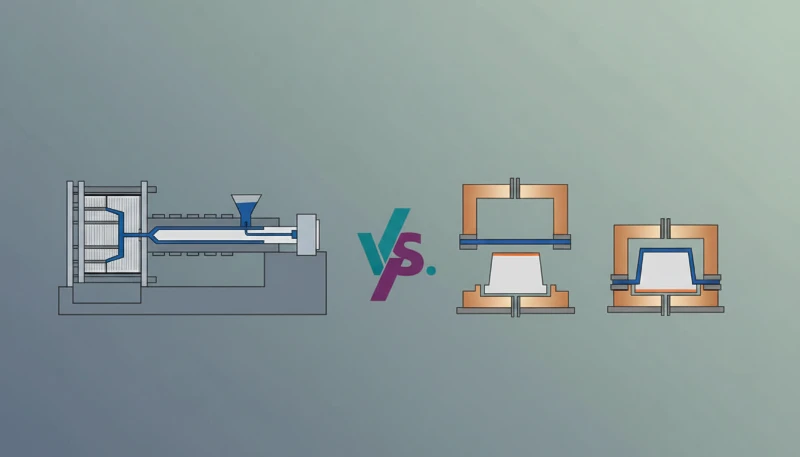
- El moldeo por inyección fuerza plástico fundido dentro de un molde cerrado a alta presión, lo que resulta idóneo para piezas termoplásticas complejas y precisas fabricadas en grandes volúmenes.
- El moldeo por compresión coloca una carga de plástico medida entre las mitades calientes del molde y la comprime para darle forma; es apto para termoestables, caucho y piezas compuestas grandes, planas o curvas.
- El moldeo por inyección admite geometrías 3D complejas con elementos como nervios y roscas; el moldeo por compresión se limita a formas más sencillas, pero destaca con materiales que no pueden moldearse por inyección.
- El utillaje para moldeo por compresión cuesta un 30–60% menos que los moldes de inyección equivalentes; sin embargo, los ciclos por pieza son 5–10× más largos.
- El tipo de material es el principal factor de decisión: termoplásticos → moldeo por inyección; termoestables, caucho y compuestos → moldeo por compresión.
El moldeo por inyección y el moldeo por compresión son procesos de conformado de plásticos a alta presión, pero están diseñados para materiales y aplicaciones fundamentalmente diferentes. Elegir entre ambos no depende principalmente de una preferencia, sino de los materiales que requiere la pieza y de la geometría y el volumen de producción que se necesitan. En esta guía ofrecemos el marco comparativo completo que utilizamos en ZetarMold para asesorar a los clientes sobre la selección del proceso.
¿Qué es el moldeo por inyección y cuáles son sus principales ventajas?
Comprender las diferencias fundamentales entre el moldeo por inyección y el moldeo por compresión es esencial para seleccionar el proceso de fabricación adecuado para su proyecto. Aunque el moldeo por inyección ha dominado el sector por su velocidad y capacidad de precisión con termoplásticos, el moldeo por compresión sigue siendo la opción preferida para determinadas aplicaciones, especialmente las que utilizan materiales termoestables y piezas complejas de paredes gruesas. Cada proceso ofrece ventajas específicas en costes de utillaje, compatibilidad de materiales, volumen de producción y posibilidades geométricas de las piezas. Los ingenieros y fabricantes deben evaluar detenidamente sus requisitos concretos — incluidos el tipo de material, el volumen de producción, la complejidad de la pieza y las restricciones de costes — al decidir entre estas dos tecnologías de fabricación fundamentales.
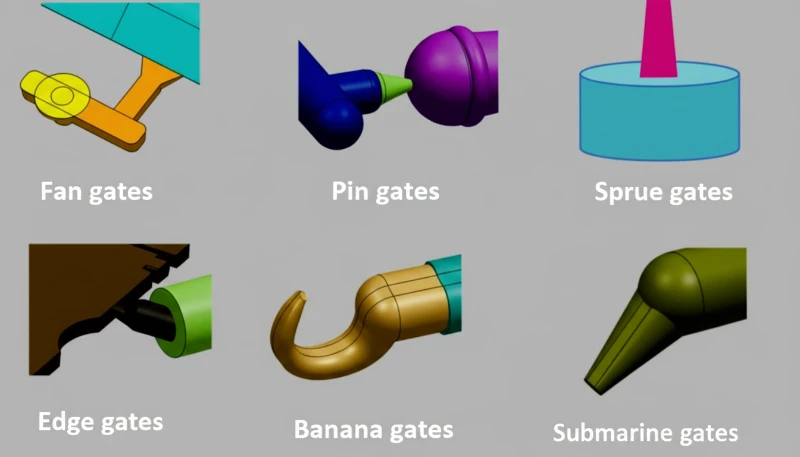
El moldeo por inyección impulsa pellets de termoplástico1 fundido a presiones de 10.000–30.000 psi a través de una entrada y hacia la cavidad de un molde de acero completamente cerrado. El plástico llena todos los detalles de la cavidad, se enfría a temperatura controlada, se solidifica y se expulsa como pieza terminada. Los ciclos duran desde 10 segundos para piezas pequeñas hasta varios minutos para componentes grandes de paredes gruesas.
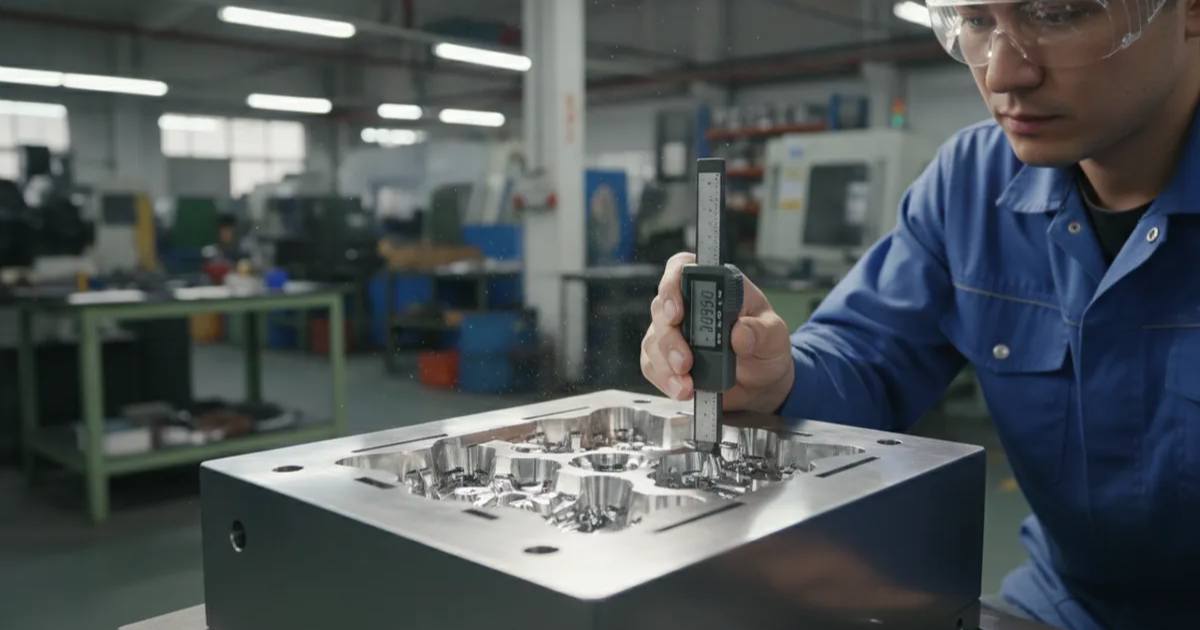
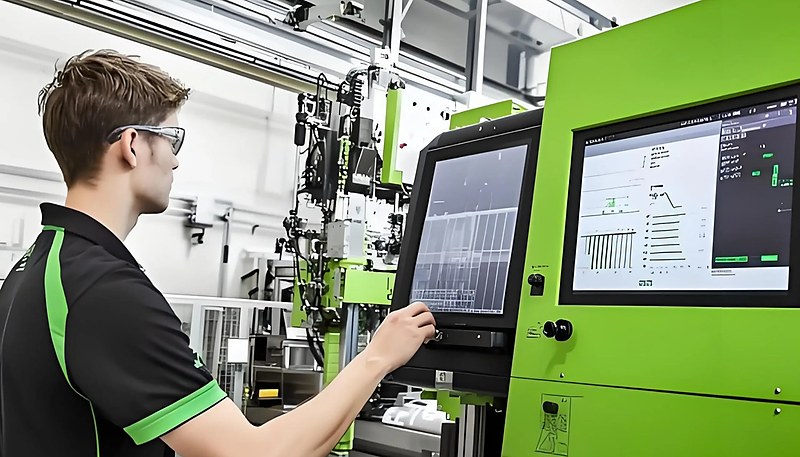
Las principales ventajas del moldeo por inyección son la precisión, la repetibilidad y la velocidad. Con utillaje de precisión se pueden alcanzar tolerancias de ±0.05 mm. Los moldes multicavidad producen 8–128 piezas idénticas por ciclo. Los parámetros del proceso —velocidad de inyección, presión de mantenimiento, temperatura del molde y tiempo de enfriamiento— se controlan y registran con precisión, lo que permite el control estadístico del proceso y la trazabilidad exigidos por los sistemas de calidad médicos y automotrices. En nuestra fábrica operamos moldes de inyección 24 horas al día y producimos cada año millones de piezas uniformes con el mismo molde.
La limitación es el material: el moldeo por inyección está diseñado para termoplásticos, materiales que se funden al calentarse y se solidifican al enfriarse. Los termoestables (materiales que se curan químicamente de forma irreversible), el caucho natural y los compuestos reforzados con fibras no pueden procesarse mediante un cilindro y un molde de inyección estándar sin modificaciones importantes del proceso.
¿Qué es el moldeo por compresión y cuándo es la mejor opción?
El moldeo por compresión coloca una carga de material previamente medida —una preforma de plástico, un compuesto de caucho, SMC (compuesto de moldeo en lámina) o BMC (compuesto de moldeo a granel)— directamente en una cavidad abierta y calentada. La mitad superior del molde desciende bajo presión hidráulica, normalmente 1,000–3,000 psi, comprimiendo la carga y obligándola a fluir y llenar la cavidad. El material cura bajo calor y presión, el molde se abre y la pieza se expulsa.
El moldeo por compresión es el proceso preferido para materiales termoestables2 —fenólicos, melamina, urea-formaldehído, epoxis y poliésteres insaturados— que se reticulan químicamente durante el curado y no pueden volver a fundirse ni reprocesarse. También es el proceso habitual para cauchos naturales y sintéticos y para compuestos reforzados con fibra de vidrio (SMC/BMC), cuando deben conservarse la longitud y la orientación de las fibras durante el conformado.
Orientamos a los clientes hacia el moldeo por compresión cuando su aplicación requiere las propiedades de los materiales termoestables: resistencia química excepcional, alta temperatura de servicio continuo, fluencia nula y acabado superficial duro. Los equipos de conmutación eléctrica, los soportes bajo el capó de automóviles y los mangos de utensilios de cocina que deben soportar temperaturas de lavavajillas son aplicaciones clásicas del moldeo por compresión que los termoplásticos de moldeo por inyección no pueden satisfacer adecuadamente.
¿Cómo se compara la geometría de las piezas entre los dos procesos?
La capacidad geométrica es una diferencia fundamental entre el moldeo por inyección y el moldeo por compresión. Comprender los límites geométricos de cada proceso evita costosos errores de utillaje.
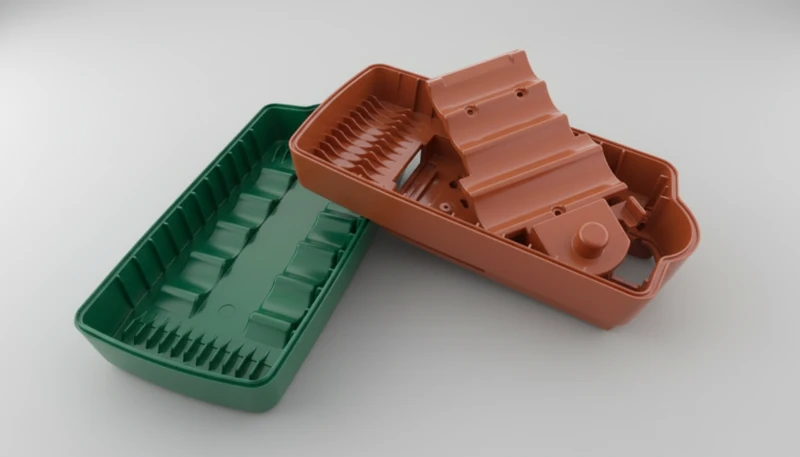
El moldeo por inyección produce geometrías tridimensionales muy complejas: contrasalidas con correderas y elevadores, roscas internas con núcleos desenroscables, cierres a presión integrados, bisagras vivas y detalles de hasta 0.02 mm. El plástico fluye desde la entrada por toda la cavidad. Las únicas restricciones son los ángulos de desmoldeo y las pautas de espesor para llenado y refrigeración.
El moldeo por compresión es geométricamente más sencillo. La carga se comprime desde arriba, por lo que el material fluye hacia fuera desde el centro mediante un flujo de cizallamiento a baja velocidad. Esto limita la profundidad de los detalles, la complejidad de los socavados y la variación del espesor de pared. Las esquinas agudas, las nervaduras profundas y los resaltes complejos resultan difíciles sin una colocación cuidadosa de la carga y un diseño adecuado del utillaje. Las piezas con una gran área proyectada pero profundidad moderada —paneles de carrocería de automóviles, tapas de cajas de conexiones y platos— presentan geometrías ideales para el moldeo por compresión.
“El tipo de material es el factor más importante para elegir entre el moldeo por inyección y el moldeo por compresión.”True
El moldeo por compresión existe principalmente porque ciertos materiales críticos —termoestables, caucho y compuestos de fibra larga— no pueden procesarse mediante moldeo por inyección sin perder sus propiedades fundamentales. Si su pieza puede fabricarse con un termoplástico, el moldeo por inyección casi siempre resulta superior en geometría, tiempo de ciclo y coste por pieza a gran volumen. Si la pieza requiere curado químico, elasticidad de caucho o longitudes de fibra de vidrio superiores a 25 mm, el moldeo por compresión no es solo la opción preferida: a menudo es la única viable.
“El moldeo por compresión siempre es más barato que el moldeo por inyección para piezas grandes.”False
Aunque el utillaje de moldeo por compresión cuesta un 30–60% menos que los moldes de inyección para piezas grandes, los tiempos de ciclo del moldeo por compresión, de 1–5 minutos, son 5–10× más largos que los ciclos de 15–60 segundos del moldeo por inyección. Con volúmenes de producción superiores a 10,000–20,000 unidades anuales, la mayor productividad del moldeo por inyección elimina por completo la ventaja del coste del utillaje. La comparación económica correcta debe incluir tanto la amortización del utillaje como los costes por hora de máquina durante todo el volumen de producción: el aparente ahorro de utillaje del moldeo por compresión desaparece con frecuencia en volúmenes de producción medios y altos.
¿Cómo se comparan los costes de utillaje y los tiempos de ciclo?
El coste del utillaje y el tiempo de ciclo son las dos variables económicas más importantes al comparar ambos procesos. Ofrecen conclusiones diferentes según el volumen de producción y la complejidad de la pieza.
Los moldes de compresión son mecánicamente más simples que los de inyección: carecen de canales, compuertas y, a menudo, de sus complejos mecanismos de expulsión. Un molde de compresión para una pieza de complejidad media puede costar $15,000–$40,000; uno de inyección equivalente, $25,000–$70,000. Esta ventaja del 30–60% es importante, especialmente en piezas grandes cuyos moldes de inyección superan $200,000.
Sin embargo, los tiempos de ciclo del moldeo por compresión son 5–10× más largos que los del moldeo por inyección para piezas comparables. El curado de un termoestable exige mantener la temperatura y la presión durante 1–5 minutos; los termoplásticos moldeados por inyección se enfrían en 15–60 segundos. Esta desventaja en el tiempo de ciclo implica que, con una inversión equivalente en moldes, el moldeo por compresión produce muchas menos piezas por turno, lo que a menudo vuelve irrelevante el aparente ahorro de utillaje para volúmenes superiores a 10,000–20,000 piezas anuales.
En nuestros modelos de costes de proyectos, el moldeo por compresión suele ofrecer un coste total menor para volúmenes inferiores a 5,000 piezas anuales cuando se trata de piezas grandes y complejas, mientras que el moldeo por inyección domina por encima de 20,000 piezas anuales en aplicaciones termoplásticas equivalentes. En el intervalo de 5,000–20,000 unidades, los requisitos del material suelen decidir antes que los factores económicos.
¿Cuáles son las principales diferencias de materiales entre ambos procesos?
La selección del material es el factor diferenciador más fundamental entre el moldeo por inyección y el moldeo por compresión. Cada proceso está optimizado para una categoría distinta de materiales plásticos.
El moldeo por inyección procesa termoplásticos, materiales que se funden al calentarse y vuelven a solidificarse al enfriarse. Esto incluye resinas básicas (PP, PE, ABS, PS), resinas técnicas (PA, POM, PC, PBT) y resinas de alto rendimiento (PEEK, PEI, PPS, LCP). La posibilidad de reprocesar los termoplásticos permite reincorporar al proceso los bebederos y canales del moldeo por inyección con un mínimo de residuos.
El moldeo por compresión procesa termoestables y elastómeros, materiales que experimentan una reticulación química irreversible durante el curado. Los fenólicos (Bakelite), la melamina-formaldehído (utilizada en vajillas), los preimpregnados epoxi (compuestos aeroespaciales), los compuestos de fibra de vidrio SMC (paneles de carrocería de automóviles) y el caucho natural o sintético se moldean por compresión. Una vez curados, estos materiales no pueden volver a fundirse ni reprocesarse, por lo que los desechos y las rebabas constituyen un flujo permanente de residuos.
Una nota de aplicación crítica: el refuerzo de fibra de vidrio en el moldeo por compresión (SMC/BMC) conserva longitudes de fibra de 12–50 mm y ofrece un rendimiento estructural comparable al metal con baja densidad. El moldeo por inyección suele reducir la fibra de vidrio a longitudes de 0.1–0.5 mm durante el procesamiento, lo que limita el rendimiento mecánico alcanzable. Para piezas estructurales que requieren alta resistencia al impacto y una elevada relación rigidez-peso, los compuestos moldeados por compresión presentan una clara ventaja en el rendimiento del material.
Preguntas frecuentes sobre el moldeo por inyección frente al moldeo por compresión
“El moldeo por compresión suele requerir menores costes de utillaje que el moldeo por inyección.”True
Los moldes de compresión suelen ser más sencillos y menos costosos de diseñar y fabricar que los moldes de inyección de precisión, lo que los hace más económicos para series de producción de volumen bajo o medio.
“El moldeo por inyección no puede lograr tolerancias estrechas en materiales de moldeo por compresión como los termoestables.”False
El moldeo por inyección destaca por su precisión con termoplásticos, mientras que el moldeo por compresión es más adecuado para termoestables. Sin embargo, el moldeo por inyección ofrece una exactitud dimensional superior y tolerancias más estrechas, tanto al procesar termoplásticos como determinados materiales termoestables.
Al evaluar qué proceso se adapta a sus requisitos de producción, considere que los ciclos más largos del moldeo por compresión de termoestables —normalmente de 1–5 minutos frente a los 15–60 segundos del moldeo por inyección— suelen justificarse por el rendimiento superior del material en aplicaciones exigentes. Los aisladores eléctricos de alta tensión, las pastillas de freno para automóviles y los soportes estructurales aeroespaciales se benefician de la red reticulada irreversible de los termoestables, que resiste la deformación incluso a temperaturas sostenidas superiores a 200°C. Sin embargo, para la mayoría de los productos plásticos comerciales, la economía favorece claramente los ciclos más rápidos y el menor coste por pieza del moldeo por inyección en volúmenes superiores a 10,000 unidades.
La decisión sobre el material determina fundamentalmente todas las demás decisiones de fabricación. Para aplicaciones de alta temperatura, componentes aeroespaciales y piezas que requieren una resistencia química superior, el moldeo por compresión de termoestables ofrece capacidades que el moldeo por inyección de termoplásticos no puede igualar. Por el contrario, para geometrías complejas que exigen tolerancias estrictas y grandes volúmenes de producción, las ventajas del tiempo de ciclo del moldeo por inyección —normalmente 15–60 segundos frente a 1–5 minutos del moldeo por compresión— aportan importantes beneficios económicos que lo convierten en la opción clara para la mayoría de las aplicaciones comerciales.
¿Puede el moldeo por compresión lograr las mismas tolerancias que el moldeo por inyección? El moldeo por compresión suele alcanzar tolerancias de ±0,1–0,3 mm en termoestables con un proceso bien controlado, frente a ±0,05 mm en el moldeo por inyección de precisión. La ausencia de un sistema de entradas y canales en el moldeo por compresión reduce la presión en los extremos del molde y puede causar variaciones de llenado. Para conjuntos de precisión se prefiere el moldeo por inyección; en aplicaciones estructurales y sin requisitos de precisión, las tolerancias del moldeo por compresión suelen ser aceptables.
¿Es el moldeo por compresión más respetuoso con el medio ambiente que el moldeo por inyección? Los termoestables moldeados por compresión no pueden reciclarse ni volver a fundirse: todas las rebabas, bebederos y piezas al final de su vida útil se convierten en residuos permanentes. Los termoplásticos moldeados por inyección son reciclables en principio, aunque las tasas reales dependen de la aplicación. Desde la perspectiva del ciclo de vida, la comparación ambiental depende en gran medida del material elegido, la vida útil del producto y su tratamiento final. Ninguno de los dos procesos posee una ventaja universal clara en sostenibilidad.
¿Qué es el moldeo por transferencia y qué relación tiene con ambos procesos? El moldeo por transferencia combina el moldeo por compresión y por inyección: el material termoestable se coloca en una cámara, como en el moldeo por compresión, y después se fuerza a través de canales hacia cavidades cerradas, como en el moldeo por inyección. Ofrece un mejor control dimensional que la compresión de termoestables y permite aislar las cavidades. Es habitual para juntas tóricas de caucho, encapsulado electrónico y conectores termoestables de precisión.
¿Puede el moldeo por inyección procesar materiales termoestables? Sí. Existen el moldeo por inyección-reacción (RIM) y el moldeo por inyección de termoestables, que utilizan cilindros modificados y moldes calentados para curar el material durante el llenado. Sin embargo, son procesos especializados, menos frecuentes y más caros que el moldeo por inyección convencional de termoplásticos. Para la mayoría de las aplicaciones que realmente requieren propiedades termoestables, el moldeo por compresión o transferencia resulta más adecuado.
¿Cómo sé qué proceso es adecuado para mi aplicación? Empiece por los requisitos del material: si la aplicación admite un termoplástico, el moldeo por inyección casi siempre ofrece mejores resultados en tiempo de ciclo, complejidad de la pieza y coste unitario a gran escala. Si necesita curado químico, elasticidad de caucho o refuerzo con fibras de vidrio largas, el moldeo por compresión es la opción correcta. Cuando la elección del material no está clara, ayudamos a nuestros clientes a modelizar el coste total de propiedad de ambos procesos para sus volúmenes objetivo antes de invertir en el utillaje.
Consideraciones Clave para la Selección de Materiales
Al evaluar el uso del moldeo por inyección o por compresión, la compatibilidad del material es uno de los factores más importantes. La capacidad del moldeo por inyección para procesar resinas termoplásticas a temperaturas moderadas lo hace idóneo para producir grandes volúmenes de bienes de consumo, componentes de automoción y dispositivos médicos. Estos materiales pueden reciclarse y reprocesarse, lo que reduce los residuos y los costes de producción con el tiempo. El moldeo por compresión, en cambio, ofrece mejores resultados con termoestables. Los materiales termoestables3 se curan hasta alcanzar su forma definitiva y no pueden volver a fundirse, por lo que proporcionan una resistencia química excepcional, estabilidad dimensional a altas temperaturas y excelentes propiedades mecánicas para aplicaciones exigentes, como componentes eléctricos, piezas aeroespaciales y equipos industriales.
La elección entre estos procesos depende, en última instancia, de los requisitos concretos de la aplicación, el volumen de producción deseado, las limitaciones presupuestarias y las especificaciones del material. Al comprender las principales ventajas y limitaciones de cada método, los fabricantes pueden tomar decisiones fundamentadas que optimicen tanto el rendimiento como la rentabilidad de sus operaciones. Consulte nuestra guía completa del moldeo por inyección para obtener una visión general exhaustiva.
-
Termoplástico: polímero que se ablanda al calentarse y vuelve a solidificarse al enfriarse sin sufrir cambios químicos, por lo que es apto para el moldeo por inyección y reciclable al final de su vida útil, a diferencia de los termoestables, cuyo curado es irreversible y que no pueden volver a fundirse. ↩
-
Termoestable: material polimérico que se reticula y endurece de forma permanente al calentarse o exponerse a un catalizador. No puede volver a fundirse tras el curado, por lo que es adecuado para el moldeo por compresión y transferencia, pero no para el moldeo por inyección convencional. ↩
-
Materiales termoestables: polímeros que experimentan una reticulación permanente durante el curado, no pueden volver a fundirse y ofrecen una estabilidad térmica y una resistencia química excepcionales. ↩
Obtenga precios competitivos, comentarios de DFM y un calendario de producción del equipo de ingeniería de ZetarMold.