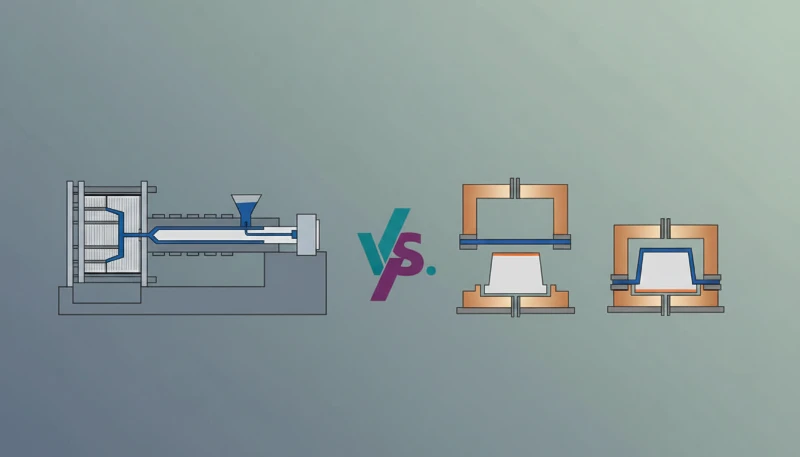
- Formowanie wtryskowe wtłacza stopione tworzywo do zamkniętej formy pod wysokim ciśnieniem — idealnie nadaje się do złożonych, precyzyjnych i wielkoseryjnych detali termoplastycznych.
- Formowanie tłoczne polega na umieszczeniu odmierzonej porcji tworzywa między ogrzanymi połówkami formy i sprasowaniu jej do kształtu — nadaje się do termoutwardzalnych tworzyw, gumy oraz dużych płaskich lub zakrzywionych części kompozytowych.
- Formowanie wtryskowe umożliwia wykonywanie złożonych geometrii 3D z takimi elementami jak żebra i gwinty; formowanie tłoczne jest ograniczone do prostszych kształtów, ale sprawdza się w przypadku materiałów, których nie można formować wtryskowo.
- Oprzyrządowanie do prasowania kosztuje o 30–60% mniej niż porównywalne formy wtryskowe, lecz cykl każdej części jest 5–10× dłuższy.
- Rodzaj materiału jest podstawowym kryterium wyboru: tworzywa termoplastyczne → formowanie wtryskowe; tworzywa termoutwardzalne, guma i kompozyty → formowanie tłoczne.
Formowanie wtryskowe i prasowanie tłoczne są wysokociśnieniowymi procesami kształtowania tworzyw, lecz przeznaczono je do zasadniczo różnych materiałów i zastosowań. Wybór między nimi nie zależy głównie od preferencji — decydują materiały wymagane dla detalu oraz potrzebna geometria i wolumen produkcji. W tym przewodniku przedstawiamy pełne ramy porównawcze stosowane w ZetarMold podczas doradzania klientom w wyborze procesu.
Czym jest formowanie wtryskowe i jakie są jego najważniejsze zalety?
Zrozumienie zasadniczych różnic między formowaniem wtryskowym a prasowaniem jest niezbędne do wyboru właściwego procesu produkcyjnego. Formowanie wtryskowe dominuje w branży dzięki szybkości i precyzji przetwarzania tworzyw termoplastycznych, natomiast prasowanie pozostaje preferowaną metodą w niektórych zastosowaniach, zwłaszcza w przypadku tworzyw termoutwardzalnych oraz złożonych części grubościennych. Każdy z tych procesów ma odmienne zalety pod względem kosztów oprzyrządowania, kompatybilności materiałowej, wielkości produkcji i możliwej geometrii części. Wybierając między tymi dwiema kluczowymi technologiami, inżynierowie i producenci muszą starannie ocenić wymagania projektu, w tym rodzaj materiału, wolumen produkcji, złożoność części i ograniczenia kosztowe.
Podczas formowania wtryskowego granulat termoplastycznego1 tworzywa jest wtłaczany pod ciśnieniem 10 000–30 000 psi przez przewężkę do całkowicie zamkniętego stalowego gniazda formy. Tworzywo wypełnia wszystkie cechy gniazda, stygnie w kontrolowanej temperaturze, krzepnie i zostaje wypchnięte jako gotowy detal. Czas cyklu wynosi od 10 sekund dla małych detali do kilku minut dla dużych elementów grubościennych.
Główne zalety formowania wtryskowego to precyzja, powtarzalność i szybkość. Przy zastosowaniu precyzyjnego oprzyrządowania można uzyskać tolerancje ±0.05 mm. Formy wielogniazdowe wytwarzają 8–128 identycznych detali w jednym cyklu. Parametry procesu — prędkość wtrysku, ciśnienie docisku, temperatura formy i czas chłodzenia — są precyzyjnie kontrolowane i rejestrowane, co umożliwia statystyczne sterowanie procesem oraz identyfikowalność wymaganą przez systemy jakości w branży medycznej i motoryzacyjnej. W naszej fabryce formy wtryskowe pracują przez 24 godziny na dobę, produkując z tej samej formy miliony powtarzalnych detali rocznie.
Ograniczeniem jest materiał: wtryskiwanie zaprojektowano dla termoplastów — materiałów, które topią się po podgrzaniu i zestalają po schłodzeniu. Tworzywa termoutwardzalne (utwardzające się chemicznie w sposób nieodwracalny), kauczuk naturalny i kompozyty wzmacniane włóknami nie mogą być przetwarzane w standardowym cylindrze i formie wtryskowej bez istotnych modyfikacji procesu.
Czym jest formowanie tłoczne i kiedy stanowi lepszy wybór?
Formowanie tłoczne polega na umieszczeniu odmierzonej porcji materiału — preformy z tworzywa sztucznego, mieszanki gumowej, SMC (tłoczywa arkuszowego) lub BMC (tłoczywa objętościowego) — bezpośrednio w otwartym, ogrzanym gnieździe formy. Górna połowa formy opuszcza się pod ciśnieniem hydraulicznym (zwykle 1,000–3,000 psi), ściskając porcję materiału i wymuszając jej rozpłynięcie oraz wypełnienie gniazda. Materiał utwardza się pod wpływem ciepła i ciśnienia, po czym forma otwiera się, a część zostaje wypchnięta.
Prasowanie jest preferowanym procesem dla materiałów termoutwardzalnych2 — fenoli, melaminy, żywic mocznikowo-formaldehydowych, epoksydów i nienasyconych poliestrów — które podczas utwardzania trwale sieciują chemicznie i nie mogą zostać ponownie stopione ani przetworzone. Jest to również standardowy proces dla kauczuku naturalnego i syntetycznego oraz kompozytów wzmacnianych włóknem szklanym (SMC/BMC), w których podczas formowania trzeba zachować długość i orientację włókien.
Kierujemy klientów do formowania tłocznego, gdy zastosowanie wymaga właściwości materiałów termoutwardzalnych: wyjątkowej odporności chemicznej, wysokiej temperatury pracy ciągłej, zerowego pełzania i twardej powierzchni. Aparatura rozdzielcza, wsporniki samochodowe pod maską i uchwyty naczyń kuchennych odporne na temperaturę zmywarki to klasyczne zastosowania formowania tłocznego, których nie mogą odpowiednio obsłużyć termoplasty formowane wtryskowo.
Jak geometria części różni się między tymi dwoma procesami?
Możliwości geometryczne stanowią jedną z głównych różnic między formowaniem wtryskowym a prasowaniem. Znajomość ograniczeń geometrycznych obu procesów pozwala uniknąć kosztownych błędów w oprzyrządowaniu.
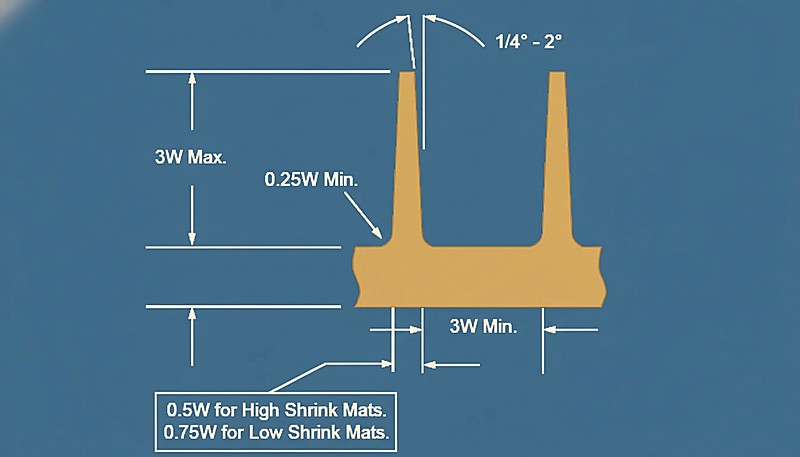
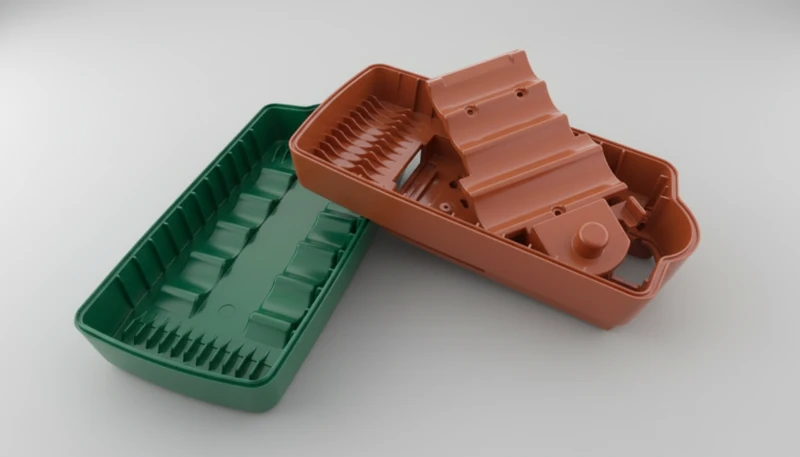
Formowanie wtryskowe umożliwia uzyskanie bardzo złożonej geometrii trójwymiarowej: podcięć z suwakami i wypychaczami skośnymi, gwintów wewnętrznych wykonywanych za pomocą wykręcanych rdzeni, zintegrowanych połączeń zatrzaskowych, zawiasów integralnych oraz drobnych elementów powierzchni o wymiarach nawet 0.02 mm. Forma jest napełniana przez przewężkę, dzięki czemu tworzywo przepływa przez każdy element gniazda. Jedynymi ograniczeniami są kąty pochylenia umożliwiające wypychanie oraz wytyczne dotyczące grubości ścianek, zapewniające prawidłowe napełnianie i chłodzenie.
Formowanie tłoczne narzuca prostszą geometrię. Porcja materiału jest ściskana od góry, dlatego materiał rozpływa się od środka na zewnątrz w warunkach wolnego przepływu ścinającego. Ogranicza to głębokość cech, złożoność podcięć i zróżnicowanie grubości ścianek. Ostre naroża, głębokie żebra i złożone słupki są trudne do wykonania bez starannie dobranego położenia wsadu i odpowiedniej konstrukcji narzędzia. Idealną geometrię do formowania tłocznego stanowią detale o dużej powierzchni rzutu, lecz umiarkowanej głębokości — na przykład panele nadwozia samochodowego, pokrywy puszek przyłączeniowych i talerze.
„Rodzaj materiału jest najważniejszym czynnikiem przy wyborze między formowaniem wtryskowym a prasowaniem.”True
Formowanie prasowaniem istnieje przede wszystkim dlatego, że niektórych kluczowych materiałów — duroplastów, gumy i kompozytów z długimi włóknami — nie można przetwarzać metodą wtrysku bez utraty ich podstawowych właściwości. Jeżeli część można wykonać z tworzywa termoplastycznego, formowanie wtryskowe niemal zawsze wygrywa pod względem geometrii, czasu cyklu i kosztu jednostkowego przy dużym wolumenie. Jeżeli część wymaga utwardzania chemicznego, elastyczności gumy lub włókien szklanych dłuższych niż 25 mm, formowanie prasowaniem nie jest tylko preferowane — często stanowi jedyną realną opcję.
„Formowanie tłoczne jest zawsze tańsze niż wtryskiwanie dużych części”.False
Choć oprzyrządowanie do formowania tłocznego kosztuje o 30–60% mniej niż formy wtryskowe do dużych detali, cykle formowania tłocznego trwające 1–5 minut są 5–10× dłuższe niż 15–60-sekundowe cykle formowania wtryskowego. Przy wolumenie produkcji przekraczającym 10,000–20,000 sztuk rocznie większa wydajność formowania wtryskowego całkowicie eliminuje przewagę wynikającą z niższego kosztu oprzyrządowania. Prawidłowe porównanie ekonomiczne musi uwzględniać zarówno amortyzację oprzyrządowania, jak i koszty maszynogodzin dla całego wolumenu produkcji — pozorne oszczędności na oprzyrządowaniu do formowania tłocznego często znikają przy średnich i wysokich wolumenach.
Jak porównać koszty oprzyrządowania i czasy cyklu?
Koszt oprzyrządowania i czas cyklu to dwie najważniejsze zmienne ekonomiczne przy porównywaniu obu procesów. Ich znaczenie różni się w zależności od wielkości produkcji i złożoności detalu.
Formy prasownicze są mechanicznie prostsze niż formy wtryskowe — nie mają układów wlewowych ani przewężek, a w wielu przypadkach również złożonych mechanizmów wypychania stosowanych w formach wtryskowych. Forma prasownicza do detalu o średniej złożoności może kosztować $15,000–$40,000, natomiast równoważna forma wtryskowa kosztuje $25,000–$70,000. Ta przewaga kosztowa oprzyrządowania na poziomie 30–60% jest znacząca, szczególnie w przypadku dużych detali, dla których koszt form wtryskowych może przekraczać $200,000.
Jednak czas cyklu formowania tłocznego jest 5–10 razy dłuższy niż w przypadku formowania wtryskowego porównywalnych części. Utwardzanie tworzywa termoutwardzalnego wymaga utrzymywania temperatury i ciśnienia przez 1–5 minut, podczas gdy termoplasty formowane wtryskowo stygną w ciągu 15–60 sekund. Ta różnica oznacza, że przy porównywalnej inwestycji w formę technologia tłoczna wytwarza znacznie mniej części na zmianę, przez co pozorne oszczędności na oprzyrządowaniu często tracą znaczenie przy rocznej produkcji przekraczającej 10 000–20 000 sztuk.
W naszych modelach kosztowych formowanie tłoczne zwykle zapewnia niższy koszt całkowity przy produkcji dużych, złożonych części poniżej 5,000 sztuk rocznie, natomiast dla równoważnych zastosowań termoplastycznych powyżej 20,000 sztuk dominuje formowanie wtryskowe. W zakresie 5,000–20,000 sztuk o wyborze zwykle przesądzają wymagania materiałowe, zanim zdecyduje ekonomika.
Jakie są najważniejsze różnice materiałowe między tymi dwoma procesami?
Dobór materiału jest najbardziej podstawową różnicą między formowaniem wtryskowym a prasowaniem tłocznym. Każdy z tych procesów jest zoptymalizowany pod kątem odrębnej kategorii tworzyw sztucznych.
Formowanie wtryskowe służy do przetwarzania tworzyw termoplastycznych — materiałów, które topią się po podgrzaniu i ponownie zestalają po schłodzeniu. Obejmuje to tworzywa masowe (PP, PE, ABS, PS), tworzywa konstrukcyjne (PA, POM, PC, PBT) oraz tworzywa wysokowydajne (PEEK, PEI, PPS, LCP). Możliwość ponownego przetwarzania termoplastów pozwala zawracać wlewki i kanały wlewowe do procesu, ograniczając ilość odpadów do minimum.
Formowanie tłoczne służy do przetwarzania tworzyw termoutwardzalnych i elastomerów — materiałów, które podczas utwardzania ulegają nieodwracalnemu sieciowaniu chemicznemu. Fenoplasty (bakelit), melamina-formaldehyd (stosowana w naczyniach stołowych), prepregi epoksydowe (kompozyty lotnicze), kompozyty SMC z włóknem szklanym (panele nadwozi samochodowych) oraz kauczuk naturalny i syntetyczny są formowane tłocznie. Po utwardzeniu materiałów tych nie można ponownie stopić ani przetworzyć, przez co odpady i wypływki stanowią trwały strumień odpadów.
Ważna uwaga dotycząca zastosowania: wzmocnienie włóknem szklanym w procesie prasowania tłocznego (SMC/BMC) pozwala zachować włókna o długości 12–50 mm, zapewniając właściwości konstrukcyjne porównywalne z metalem przy małej gęstości. Formowanie wtryskowe zazwyczaj skraca włókna szklane podczas przetwarzania do 0,1–0,5 mm, ograniczając możliwe do uzyskania właściwości mechaniczne. W przypadku części konstrukcyjnych wymagających dużej odporności na uderzenia i wysokiego stosunku sztywności do masy kompozyty formowane tłocznie mają wyraźną przewagę materiałową.
Najczęściej zadawane pytania dotyczące formowania wtryskowego i prasowania
“Formowanie tłoczne zazwyczaj wymaga niższych kosztów oprzyrządowania niż formowanie wtryskowe.”True
Formy do prasowania są zwykle prostsze i tańsze w projektowaniu oraz wykonaniu niż precyzyjne formy wtryskowe, dzięki czemu są bardziej ekonomiczne w małych i średnich seriach produkcyjnych.
„Formowanie wtryskowe nie pozwala uzyskać wąskich tolerancji w przypadku materiałów stosowanych w formowaniu tłocznym, takich jak tworzywa termoutwardzalne”.False
Formowanie wtryskowe zapewnia wysoką precyzję przy przetwarzaniu tworzyw termoplastycznych, natomiast formowanie tłoczne lepiej nadaje się do tworzyw termoutwardzalnych. Formowanie wtryskowe oferuje jednak większą dokładność wymiarową i węższe tolerancje zarówno przy przetwarzaniu termoplastów, jak i niektórych materiałów termoutwardzalnych.
Oceniając, który proces odpowiada wymaganiom produkcyjnym, należy uwzględnić, że dłuższe czasy cyklu formowania tłocznego tworzyw termoutwardzalnych — zwykle 1–5 minut wobec 15–60 sekund w przypadku formowania wtryskowego — są często uzasadnione lepszymi właściwościami materiału w wymagających zastosowaniach. Izolatory wysokonapięciowe, samochodowe klocki hamulcowe i lotnicze wsporniki konstrukcyjne korzystają z nieodwracalnej, usieciowanej struktury tworzywa termoutwardzalnego, która jest odporna na odkształcenia nawet przy długotrwałym działaniu temperatur powyżej 200°C. Jednak w przypadku większości komercyjnych produktów z tworzyw rachunek ekonomiczny zdecydowanie przemawia za szybszymi cyklami formowania wtryskowego i niższym kosztem jednostkowym przy wolumenach przekraczających 10,000 sztuk.
Wybór materiału zasadniczo kształtuje wszystkie pozostałe decyzje produkcyjne. W zastosowaniach wysokotemperaturowych, elementach lotniczych i częściach wymagających ponadprzeciętnej odporności chemicznej formowanie tłoczne duroplastów zapewnia możliwości nieosiągalne dla wtryskiwania termoplastów. Z kolei w przypadku złożonej geometrii, małych tolerancji i dużych wolumenów przewaga czasu cyklu wtryskiwania — zwykle 15–60 sekund wobec 1–5 minut dla formowania tłocznego — przynosi znaczne korzyści ekonomiczne, dzięki którym jest ono oczywistym wyborem w większości zastosowań komercyjnych.
Czy prasowanie pozwala uzyskać takie same tolerancje jak formowanie wtryskowe? Przy dobrze kontrolowanym prasowaniu tworzyw termoutwardzalnych typowe tolerancje wynoszą ±0,1–0,3 mm, w porównaniu z ±0,05 mm przy precyzyjnym formowaniu wtryskowym. Brak układu przewężek i kanałów w prasowaniu oznacza niższe ciśnienie na obrzeżach formy, co może powodować różnice w wypełnieniu. W przypadku precyzyjnych zespołów preferowane jest formowanie wtryskowe; w zastosowaniach konstrukcyjnych i niewymagających dużej precyzji tolerancje prasowania są zazwyczaj wystarczające.
Czy prasowanie jest bardziej przyjazne dla środowiska niż formowanie wtryskowe? Prasowanych tworzyw termoutwardzalnych nie można poddać recyklingowi ani ponownie stopić — wszystkie wypływki, wlewki i wyroby po zakończeniu eksploatacji stają się trwałymi odpadami. Tworzywa termoplastyczne formowane wtryskowo zasadniczo nadają się do recyklingu, choć rzeczywisty poziom odzysku zależy od zastosowania. W całym cyklu życia porównanie środowiskowe w dużym stopniu zależy od wyboru materiału, trwałości produktu i sposobu postępowania po zakończeniu eksploatacji. Żaden z procesów nie ma jednoznacznej, uniwersalnej przewagi pod względem zrównoważonego rozwoju.
Czym jest formowanie przetłoczne i jak wiąże się z oboma procesami? Formowanie przetłoczne jest połączeniem prasowania i formowania wtryskowego: materiał termoutwardzalny umieszcza się w komorze (jak przy prasowaniu), a następnie przetłacza kanałami do zamkniętych gniazd (jak przy formowaniu wtryskowym). Zapewnia lepszą kontrolę wymiarów tworzyw termoutwardzalnych niż prasowanie, a zarazem umożliwia odizolowanie gniazd. Często stosuje się je do gumowych pierścieni O-ring, hermetyzacji podzespołów elektronicznych i precyzyjnych złączy z tworzyw termoutwardzalnych.
Czy metodą formowania wtryskowego można przetwarzać materiały termoutwardzalne? Tak — istnieje reakcyjne formowanie wtryskowe (RIM) oraz procesy wtryskiwania tworzyw termoutwardzalnych, wykorzystujące zmodyfikowane cylindry i ogrzewane formy, w których materiał utwardza się podczas napełniania. Są to jednak procesy specjalistyczne, rzadsze i droższe niż standardowe wtryskiwanie tworzyw termoplastycznych. W większości zastosowań rzeczywiście wymagających właściwości tworzyw termoutwardzalnych lepiej sprawdza się prasowanie lub formowanie przetłoczne.
Skąd wiadomo, który proces jest odpowiedni dla danego zastosowania? Zacznij od wymagań materiałowych: jeśli w danym zastosowaniu można użyć tworzywa termoplastycznego, formowanie wtryskowe niemal zawsze wygrywa pod względem czasu cyklu, złożoności detalu i kosztu jednostkowego w produkcji seryjnej. Jeśli potrzebne jest utwardzanie chemiczne (tworzywo termoutwardzalne), elastyczność gumy lub wzmocnienie długim włóknem szklanym, właściwym wyborem jest prasowanie. Gdy decyzja materiałowa nie jest oczywista, przed rozpoczęciem budowy oprzyrządowania pomagamy klientom modelować całkowity koszt posiadania obu procesów przy docelowych wielkościach produkcji.
Kluczowe aspekty do rozważenia przy wyborze materiału
Przy wyborze między formowaniem wtryskowym a prasowaniem jednym z najważniejszych czynników jest zgodność materiałowa. Zdolność formowania wtryskowego do przetwarzania żywic termoplastycznych w umiarkowanych temperaturach sprawia, że idealnie nadaje się ono do wielkoseryjnej produkcji dóbr konsumpcyjnych, części samochodowych i wyrobów medycznych. Materiały te można poddawać recyklingowi i ponownie przetwarzać, co z czasem zmniejsza ilość odpadów i koszty produkcji. Prasowanie zapewnia natomiast lepsze wyniki w przypadku tworzyw termoutwardzalnych. Materiały termoutwardzalne3 utwardzają się do ostatecznej postaci i nie mogą zostać ponownie stopione, dzięki czemu zapewniają wyjątkową odporność chemiczną, stabilność wymiarową w wysokiej temperaturze oraz doskonałe właściwości mechaniczne w wymagających zastosowaniach, takich jak podzespoły elektryczne, części lotnicze i urządzenia przemysłowe.
Ostateczny wybór między tymi procesami zależy od konkretnych wymagań zastosowania, oczekiwanej wielkości produkcji, ograniczeń budżetowych i specyfikacji materiału. Znając najważniejsze zalety i ograniczenia każdej metody, producenci mogą podejmować świadome decyzje optymalizujące zarówno wydajność, jak i rentowność produkcji. Pełne omówienie zawiera nasz Kompletny przewodnik po formowaniu wtryskowym.
-
Tworzywo termoplastyczne: polimer, który mięknie po podgrzaniu i ponownie twardnieje po schłodzeniu bez zmiany chemicznej, dzięki czemu nadaje się do formowania wtryskowego i recyklingu po zakończeniu eksploatacji — w przeciwieństwie do duroplastów, które utwardzają się nieodwracalnie i nie mogą być ponownie stopione. ↩
-
Tworzywo termoutwardzalne: materiał polimerowy, który trwale sieciuje i twardnieje pod wpływem ciepła lub katalizatora — po utwardzeniu nie można go ponownie stopić, dlatego nadaje się do prasowania i formowania przetłocznego, lecz nie do standardowego formowania wtryskowego. ↩
-
Materiały termoutwardzalne: polimery, które podczas utwardzania ulegają trwałemu sieciowaniu, nie mogą zostać ponownie stopione i zapewniają wyjątkową stabilność termiczną oraz odporność chemiczną. ↩
Uzyskaj konkurencyjną wycenę, informacje zwrotne DFM i harmonogram produkcji od zespołu inżynierskiego ZetarMold.