

When you source injection molded parts from overseas suppliers, the paperwork matters as much as the parts themselves. Missing or incorrect export documentation can delay shipments by weeks, trigger customs holds, and cost you thousands in unexpected fees. After 20+ years of shipping molded components and tooling to buyers across North America, Europe, and Asia-Pacific, we have seen every documentation pitfall there is. This guide walks you through every document your injection molding supplier should provide — from commercial invoices and certificates of origin to quality records and customs declarations — so your next order clears customs smoothly and arrives on time.
- Always request a commercial invoice, packing list, and bill of lading before shipment
- Verify your supplier holds valid ISO certifications relevant to your industry
- Certificates of origin can reduce or eliminate import duties under trade agreements
- Quality documentation — inspection reports, material certificates — is your proof of conformity
- Missing export licenses for dual-use items can result in shipment seizure
What Export Documents Should You Request from an Injection Molding Supplier?
Your supplier should provide a commercial invoice, packing list, bill of lading, and certificate of origin at minimum.
Beyond the basics, experienced buyers also request a certificate of origin (CO) issued by the local Chamber of Commerce or customs authority. The CO states where the goods were manufactured — in our case, Shanghai, China — and can unlock preferential tariff rates under agreements like RCEP or bilateral trade deals. If your supplier cannot provide a proper CO, you may face higher duty rates or even import rejection at the destination port.
“A certificate of origin can reduce your import duties under trade agreements like RCEP.”Wahr
True. A valid CO issued by an authorized body proves the country of manufacture and qualifies the shipment for preferential tariff rates under applicable trade agreements.
“A bill of lading is optional for ocean freight shipments of injection molded parts.”Falsch
False. The B/L is a mandatory document for ocean freight that serves as a receipt, contract of carriage, and document of title. Without it, you cannot claim your goods at the destination port.
In practice, we recommend requesting a document checklist from your supplier before production starts. A reliable injection molding sourcing guide will help you identify which documents are mandatory for your country and product type. Do not wait until the goods are packed — by then, a missing certificate can add days or weeks to your lead time.
Why Does Proper Documentation Protect Your Investment?
Incomplete documentation is not just an administrative headache — it is a financial risk. Customs authorities in the United States, the European Union, and other major markets can hold shipments for inspection when paperwork is missing or inconsistent. Storage fees at ports can run –200 per container per day, and demurrage charges compound quickly. We have seen buyers lose entire production windows because a single certificate was missing from the paperwork envelope.
Proper documentation also protects you in disputes. If a shipment of spritzgegossen parts arrives damaged or does not match specifications, the commercial invoice and quality inspection reports serve as your legal reference points. Without them, resolving a claim with the freight forwarder or insurance company becomes significantly harder. The packing list proves what was shipped; the inspection report proves it met specs before it left the factory floor.
From a supply chain perspective, consistent documentation creates a trackable record. When you reorder the same part six months later, having a complete paper trail from the previous shipment means your customs broker can file entries faster and your quality team can compare incoming goods against the original specs. It turns a one-time transaction into a repeatable process — and that is how you build reliability into your Spritzgussform supply chain.
Welche Zertifizierungen sollte Ihr Spritzgusslieferant haben?
Certifications are the fastest way to verify that a supplier operates to internationally recognized standards. For injection molding, the baseline is ISO 90011 for quality management. If your parts go into medical devices, ISO 13485 is essential. Automotive parts typically require IATF 16949. Environmental and occupational health standards — ISO 14001 and ISO 45001 — demonstrate that the factory takes sustainability and worker safety seriously. Ask for copies of current certificates, and verify the scope covers the processes relevant to your order.
Beyond system certifications, material-specific certificates matter too. If your parts use UL-rated plastics, flame-retardant compounds, or food-contact materials (FDA or EU 10/2011 compliant), the supplier should provide material traceability certificates linking each production batch to the raw material lot. This chain of documentation is critical if your end product undergoes regulatory audits. In our Shanghai factory, we maintain traceability records for 400+ materials precisely because our customers — particularly in automotive and medical — require it for their own compliance filings.
Our Shanghai factory operates under ISO 9001, ISO 13485, ISO 14001, and ISO 45001 systems, with traceability records covering 400+ plastic materials — because our customers in automotive and medical sectors depend on that documentation chain for their own regulatory compliance.
How Do Shipping Documents Ensure Safe Delivery of Molded Parts?
The bill of lading (B/L) is the single most important shipping document for ocean freight. It serves three roles: a receipt for the goods, evidence of the contract of carriage, and a document of title. For air shipments, the airway bill (AWB) performs a similar function but is non-negotiable — meaning it cannot be used to transfer ownership during transit. Your supplier should send you a draft B/L for review before the original is issued, giving you a chance to verify consignee details, notify parties, and shipping terms (Incoterms).
Speaking of Incoterms, the agreed trade term — whether FOB, CIF, DDP, or EXW — determines who is responsible for which documents and costs. Under FOB (Free On Board), the supplier handles export clearance and documents up to the port of departure; you arrange freight and import clearance. Under DDP (Delivered Duty Paid), the supplier manages everything, including import customs at destination. Make sure the Incoterm is clearly stated on the commercial invoice and B/L, because mismatches between documents are one of the most common reasons customs flags a shipment.
For shipments of injection molds or tooling — which are high-value, often irreplaceable assets — we strongly recommend adding marine or transit insurance documentation. A certificate of insurance should detail the covered value, conditions, and claims process. The cost is typically 0.3 to 0.5 percent of the declared goods value, a small price to protect a mold worth twenty to one hundred thousand dollars that took 8 to 12 weeks to build.
For consolidated shipments containing multiple part numbers, each item should be listed separately on the packing list with its corresponding HS code. This level of detail prevents customs officers from opening packages to verify contents, which can add inspection delays of two to five business days.
What Quality and Inspection Records Should You Expect?
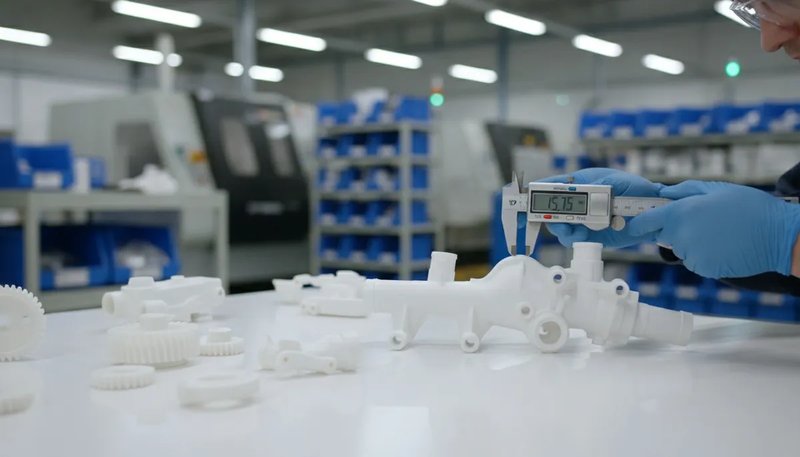
Quality documentation is your proof that the parts you receive match what you ordered. At minimum, request a final inspection report (FIR) or quality control certificate with every shipment. This should include dimensional measurements taken from a statistically valid sample, visual inspection results, and material verification. For precision components, the report should reference the specific drawing revision and tolerance requirements.
First Article Inspection (FAI) reports deserve special attention, especially for new parts or new suppliers. An FAI compares the first production samples against every dimension and specification on the drawing. It is the most thorough verification you can get, and it sets the baseline for all future production. AS9102 is the aerospace standard for FAI, but the concept applies universally — if your supplier cannot provide a detailed FAI, that is a red flag.
Material test reports (MTRs) and certificates of analysis (CoAs) should accompany any shipment where material properties are critical. These documents confirm that the raw material batch meets the specified mechanical, thermal, and chemical properties. Our team of 10+ QC specialists generates these reports for every production run because they know that downstream, our customers quality teams will check them against incoming parts.
With 10+ QC specialists and a 120+ production worker team, every shipment leaves our facility with a complete quality documentation package — final inspection reports, dimensional data, and material certificates.
Beyond quality and inspection records, experienced buyers also request a certificate of conformance (CoC) for each shipment. The CoC is a formal declaration by the manufacturer that the supplied parts meet all agreed specifications, material requirements, and applicable regulatory standards. It is a concise document but carries significant weight during customs audits and customer quality reviews.
How Does Customs Documentation Affect Your Lead Time?
HS codes, advance filings, and safety data sheets are the three factors that determine your clearance speed.
Import documentation requirements vary by country. The United States requires a customs bond and an Importer Security Filing2 (ISF, also known as 10+2) for ocean shipments, filed at least 24 hours before cargo is loaded at the origin port. The European Union uses the Import Control System (ICS) for advance cargo declarations. Your supplier needs to provide accurate information early enough for your broker to meet these deadlines. Late or inaccurate filings result in penalties — five thousand dollars per violation for ISF in the US — and potential shipment holds.
One often overlooked document is the Material Safety Data Sheet (MSDS), now commonly called the Safety Data Sheet (SDS). While not always required for finished plastic parts, some customs authorities request SDS documentation for goods containing specific chemicals or when the material composition is not obvious from the product description. Having SDS sheets ready prevents last-minute delays.
When Do You Need Special Export Licenses for Molded Parts?
Most molded parts are exempt from export licenses, but military or dual-use items are subject to export controls.
Landspezifische Exportkontrollen gelten ebenfalls. Das chinesische Handelsministerium führt eine Liste von eingeschränkten und verbotenen Exportgütern. International gilt das Wassenaar-Arrangement3 regelt Dual-Use-Güter und Waffenexporte zwischen 42 teilnehmenden Staaten. Während Standard-Kunststoffteile und -formen nicht eingeschränkt sind, können bestimmte Hochleistungspolymere oder Präzisionskomponenten mit potenziellen strategischen Anwendungen eine Exportgenehmigung erfordern. Ein verantwortungsbewusster Lieferant wird dies bereits im Angebotsstadium und nicht erst nachdem die Ware verpackt und versandbereit ist, anzeigen.
Wenn Ihr Projekt Technologietransfer beinhaltet – zum Beispiel das Senden detaillierter Formenkonstruktionen an eine chinesische Fabrik zur Produktion – beachten Sie, dass die Konstruktionsdateien selbst in Ihrem Heimatland der Exportkontrolle unterliegen können. Konsultieren Sie immer Ihr Rechtsteam bezüglich Export-Compliance, bevor Sie technische Daten grenzüberschreitend teilen. Seit 2013 navigiert unser Team diese Anforderungen für ausländische Käufer und wir unterhalten interne Prozesse, um Aufträge anhand geltender Exportkontrolllisten zu prüfen.
What Payment Documentation Protects Both Parties?
Eine Proforma-Rechnung und ein Akkreditiv sind die Hauptdokumente, die beide Handelsparteien schützen.
Bei größeren Aufträgen bietet ein von Ihrer Bank ausgestelltes Akkreditiv (L/C) Zahlungssicherheit für den Lieferanten und Lieferungssicherheit für Sie. Das L/C legt die Dokumente fest, die der Lieferant vorlegen muss, um die Zahlung zu erhalten – typischerweise die Handelsrechnung, das Konnossement, die Packliste und Inspektionszertifikate. Fehlt ein erforderliches Dokument oder weist es Abweichungen auf, wird die Bank die Zahlung nicht freigeben. Dies schafft einen starken Anreiz für vollständige und genaue Dokumentation auf beiden Seiten.
Selbst bei einfacheren per Überweisung (T/T) bezahlten Transaktionen sollte eine klare Papierspur erhalten bleiben. Zahlungsbelege, Bank-SWIFT-Mitteilungen und Lieferantenbestätigungen sollten zusammen mit den Versand- und Qualitätsdokumenten archiviert werden. Im Streitfall dient dieser vollständige Dokumentensatz – von der Proforma-Rechnung über den Endprüfbericht bis zur Lieferbestätigung – als Ihr Nachweis.
| Dokument | Zweck | Wann erforderlich | | — | — | — | | Handelsrechnung | Deklariert Waren, Wert, Zahlungsbedingungen | Jeder Versand | | Packliste | Details zu Menge, Gewicht, Abmessungen | Jeder Versand | | Konnossement | Frachtvertrag, Eigentumsdokument | Seefracht | | Ursprungszeugnis | Belegt Herstellungsland | Bevorzugte Zolltarifansprüche | | Inspektionsbericht | Dokumentiert Qualitätskonformität | Jeder Versand | | Materialzertifikat | Bestätigt Rohmaterialeigenschaften | Regulierte Branchen |
„Die ISO 9001-Zertifizierung deckt das Qualitätsmanagementsystem einer Spritzgussfabrik ab.“Wahr
Richtig. ISO 9001 setzt den grundlegenden Qualitätsmanagementsstandard. Für medizinische oder Automobilteile sind zusätzliche Zertifizierungen wie ISO 13485 oder IATF 16949 erforderlich.
„Ihr Zollmakler ist dafür verantwortlich, die Handelsrechnung bereitzustellen.“Falsch
Falsch. Der Lieferant erstellt die Handelsrechnung und stellt sie zur Verfügung. Ihr Zollspediteur verwendet sie – zusammen mit anderen Dokumenten – für die Anmeldung der Importdeklarationen, erstellt die Rechnung aber nicht.
Frequently Asked Questions About Export Documentation
Häufig gestellte Fragen
Was ist eine Handelsrechnung für Spritzgusslieferungen?
Eine Handelsrechnung ist ein obligatorisches Handelsdokument, das vom Lieferanten erstellt wird und die versandte Ware, ihren Einzel- und Gesamtwert, Zahlungsbedingungen sowie Details von Käufer und Verkäufer einschließlich Adressen und Steueridentifikationsnummern deklariert. Sie ist für jeden internationalen Versand erforderlich und dient als primäres Dokument für die Zollbewertung, Zollberechnung und Zahlungsabwicklung durch die Zollbehörde des Importlandes. Überprüfen Sie immer, dass die Produktbeschreibung, Menge und der deklarierte Wert auf der Handelsrechnung mit Ihrer Bestellung und den tatsächlichen Waren übereinstimmen, um Zollabweichungen zu vermeiden.
Wie überprüfe ich die ISO-Zertifizierungen meines Lieferanten?
Fordern Sie Kopien aktueller ISO-Zertifikate direkt vom Lieferanten an und überprüfen Sie diese dann online mit der ausstellenden Zertifizierungsstelle oder dem Registrar. Die meisten akkreditierten Zertifizierungsstellen unterhalten Verifizierungsdatenbanken, in denen Sie nach Unternehmensnamen oder Zertifikatsnummer suchen können, um die Gültigkeit zu bestätigen. Prüfen Sie, ob der Zertifizierungsumfang ausdrücklich Spritzgussprozesse oder die für Ihren Auftrag relevanten spezifischen Fertigungstätigkeiten abdeckt, und bestätigen Sie, dass das Zertifikat nicht abgelaufen ist und den richtigen Standort abdeckt, an dem Ihre Teile produziert werden. Dieser Verifizierungsschritt schützt Ihre Lieferkette vor betrügerischen Behauptungen.
Welche Incoterms sind am besten für den Import von Spritzgussteilen geeignet?
FOB (Free On Board) ist der am häufigsten verwendete Incoterm für den Import von Spritzgussteilen, da er dem Käufer die Kontrolle über Frachtkosten, Frachtführerauswahl und Routenplanung gibt, während der Lieferant für die Exportabfertigung und Lieferung zum Abgangshafen verantwortlich bleibt. DDP (Delivered Duty Paid) ist für Käufer bequem, die eine schlüsselfertige Lösung wünschen, verlagert aber alle Kosten, Logistikkordination und Risiken auf den Lieferanten, was typischerweise zu höheren Stückpreisen führt. Wählen Sie den Incoterm, der Ihren logistischen Fähigkeiten und Ihrer Risikobereitschaft am besten entspricht.
Benötige ich eine Exportlizenz, um Spritzgussformen aus China zu versenden?
Standard-Spritzgussformen und geformte Kunststoffteile erfordern für die meisten kommerziellen Anwendungen keine speziellen Exportlizenzen aus China. Teile, die für militärische oder Verteidigungsanwendungen bestimmt sind, Dual-Use-Komponenten mit potenziellen strategischen Anwendungen oder Artikel aus kontrollierten Hochleistungsmaterialien können jedoch Exportgenehmigungen vom chinesischen Handelsministerium benötigen. Ein verantwortungsbewusster Lieferant prüft Aufträge anhand der geltenden Exportkontrolllisten und meldet etwaige Compliance-Bedenken vor Produktionsbeginn, um beide Parteien vor erheblichen rechtlichen und finanziellen Risiken im internationalen Handel zu schützen.
Was passiert, wenn die Zolldokumentation unvollständig ist?
Unvollständige Zolldokumentation kann zu Frachtstopps im Bestimmungshafen, Lagergebühren von fünfzig bis zweihundert Dollar pro Container pro Tag, Geldstrafen für verspätete oder ungenaue Importmeldungen und in schweren Fällen zur Beschlagnahme oder Rückführung der Sendung auf Kosten des Versenders ins Ursprungsland führen. Die häufigsten Dokumentationsprobleme sind abweichende HS-Codes zwischen Rechnung und Packliste, fehlende Ursprungszeugnisse für Präferenzzollansprüche und unvollständige Handelsrechnungen, denen erforderliche Käufer- oder Verkäuferangaben fehlen.
Wie lange sollte ich Exportdokumente aufbewahren?
Die meisten Rechtsordnungen verlangen von Unternehmen, Import- und Exportaufzeichnungen für mindestens drei bis sieben Jahre aufzubewahren. In den USA müssen Importeure Aufzeichnungen fünf Jahre ab dem Einreisedatum aufbewahren. Die Europäische Union verlangt für Prüfungszwecke generell eine fünfjährige Aufbewahrung von Zollunterlagen. Bewährte Praxis ist es, alle Handelsrechnungen, Packlisten, Konnossemente, Zertifikate und Prüfberichte nach Versanddatum zu ordnen und sowohl digital als auch physisch so zu speichern, dass sie bei Zollprüfungen leicht abrufbar sind.
Kann mein Lieferant beim Importzollabfertigen helfen?
Ja, erfahrene Spritzgusslieferanten unterstützen routinemäßig beim Import-Clearance, indem sie alle erforderlichen Dokumente zeitnah bereitstellen und direkt mit Ihrem beauftragten Zollspediteur koordinieren. Unter DDP-Bedingungen (Geliefert verzollt) regelt der Lieferant den Import-Clearance und die Zollzahlung direkt im Bestimmungsland. Unter FOB- oder CIF-Bedingungen verwalten Sie den Import-Clearance, der Lieferant muss jedoch die genauen Exportdokumente pünktlich liefern. Eine klare Zeitplanung für den Dokumentenaustausch und einen Kommunikationskanal mit Ihrem Lieferanten früh im Auftragsprozess festzulegen, beugt Last-Minute-Zollverzögerungen vor.
Why Should You Choose ZetarMold as Your Documentation-Ready Supplier?
ZetarMold ist ein Lieferant, der mit vollständigen ISO-Zertifikaten, Qualitätsberichten und Zollpapieren versendet.
Bereit, mit einem Lieferanten zusammenzuarbeiten, der sicher versendet? Get a free quote und sehen Sie, wie unser dokumentenzentrierter Ansatz Ihre Lieferkette in Bewegung hält.
-
ISO 9001: ISO 9001 ist ein internationaler Qualitätsmanagementstandard, der von der Internationalen Organisation für Normung veröffentlicht wird und von Fertigungsstätten weltweit verwendet wird. ↩
-
Importer Security Filing: Die Importer Security Filing (ISF oder 10+2) ist eine US-Zollanforderung, bei der Importeure Frachtinformationen mindestens 24 Stunden vor der Beladung des Seefrachtgutes melden müssen. ↩
-
Wassenaar-Arrangement: Das Wassenaar-Abkommen ist ein multilaterales Exportkontrollregime zwischen 42 teilnehmenden Staaten, das Dual-Use-Güter und konventionelle Waffenexporte regelt. ↩




 EN
EN  ES
ES  FR
FR  DE
DE  PT
PT  AR
AR  RU
RU  JA
JA  KO
KO  IT
IT  NL
NL  TR
TR  PL
PL 