 Zum Inhalt springen

• Cooling systems account for 60-70% of injection molding cycle time, making proper design critical for production efficiency
• Channel diameter, spacing, and water temperature directly impact cooling effectiveness and part quality
• Conformal cooling channels can reduce cycle time by 15-30% compared to conventional straight channels
• Poor cooling design leads to warpage, sink marks, and dimensional instability in molded parts
• Cooling time calculation requires understanding material thermal properties and part wall thickness
What Is Injection Mold Cooling and Why Does It Matter?
After working with cooling systems on over 47 injection molding machines in our Shanghai facility, I can tell you that cooling design is where most mold projects succeed or fail. The cooling system’s job is straightforward: remove heat from the molten plastic as quickly and uniformly as possible so the part solidifies properly and can be ejected without defects.
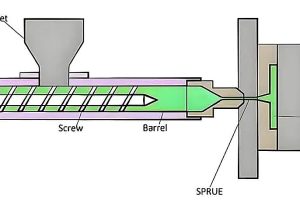
Here’s the reality that many overlook – cooling accounts for 60-70% of your total Spritzgießen1 cycle time. If your part needs 20 seconds to cool, but your injection and ejection only take 8 seconds combined, you’re looking at a 28-second cycle. Improve that cooling to 15 seconds, and you’ve just increased your production rate by nearly 20%.
The cooling system consists of channels machined into the mold that circulate coolant (usually water) to extract heat. These channels must be positioned to provide uniform cooling across the entire part geometry. Uneven cooling creates internal stresses that manifest as warpage, dimensional instability, and poor surface finish.
I’ve seen molds with poorly designed cooling systems produce parts with 0.5mm warpage on what should be flat surfaces. The same parts, after cooling redesign, held tolerances within 0.05mm. That’s the difference between scrapped parts and profitable production.
What Are the Key Parameters for Cooling Channel Design?
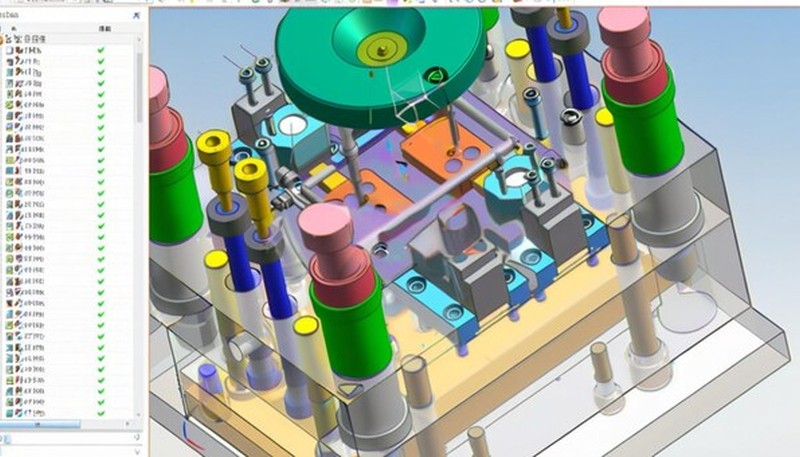
Channel diameter is your starting point. Most cooling channels range from 8mm to 16mm diameter, with 10-12mm being the sweet spot for most applications. Larger channels don’t always mean better cooling – you need sufficient water velocity to maintain turbulent flow for effective heat transfer. I typically target Reynolds numbers above 5000 for optimal heat transfer coefficient.
Channel spacing follows the 2-3 times diameter rule. For 10mm channels, space them 20-30mm apart center-to-center. Closer spacing improves cooling uniformity but increases machining costs. Wider spacing creates hot spots between channels where cooling is less effective.
Distance from the cavity surface matters enormously. Keep channels 1.5-2.5 times the channel diameter from the cavity surface. Too close and you risk breakthrough during machining or create weak spots in the mold steel. Too far and cooling efficiency drops significantly.
Water temperature control requires more thought than most realize. Inlet temperatures typically range from 10°C to 40°C depending on the material. The temperature difference between inlet and outlet should stay under 5°C to maintain consistent cooling. Higher temperature differences indicate insufficient flow rate or poor channel design.
Flow rate calculation involves balancing pressure drop with heat removal requirements. I use 2-4 liters per minute per channel as a starting point, then adjust based on calculated heat load. Higher flow rates improve heat transfer but increase pumping costs and pressure requirements.
What Are the Different Types of Cooling Channel Layouts?
Straight-through cooling channels are the most common and cost-effective option. Water enters one side of the mold and exits the other, following a straight path. These work well for simple geometries but struggle with complex shapes or areas far from the mold edges.
Series cooling connects multiple channels in sequence, creating a serpentine path through the mold. This approach works when you need to cool specific areas in a controlled sequence. The downside is that water temperature rises as it progresses through the circuit, creating temperature gradients.
Parallel cooling feeds multiple channels simultaneously from a common manifold. Each channel receives water at the same inlet temperature, providing more uniform cooling than series circuits. This is my preferred approach for most Spritzgießformen2 when manifold space permits.
Spiral cooling creates a helical path around cylindrical cores or pins. This design provides excellent temperature uniformity for round features but requires careful machining to maintain consistent channel diameter throughout the spiral path.
Baffle cooling uses internal baffles to direct coolant flow in confined spaces like narrow cores. The coolant enters through a tube, hits a baffle plate, and returns around the outside of the tube. This maximizes cooling in tight spaces where conventional channels won’t fit.
Bubbler cooling inserts a tube into a drilled hole, allowing coolant to flow down the center and return around the outside. It’s effective for cooling deep cores but requires careful sealing to prevent leaks. I use bubblers when core diameters are too small for conventional channels.
How Does Conformal Cooling Improve Mold Performance?
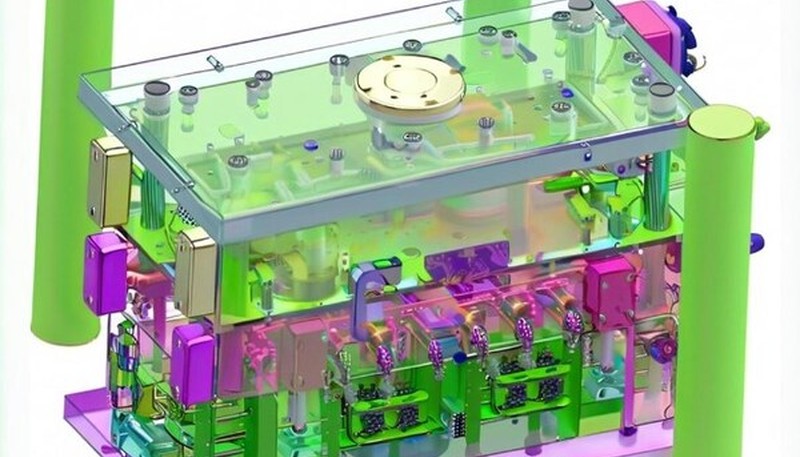
Conformal cooling channels follow the contours of the part geometry, maintaining consistent distance from the cavity surface regardless of part complexity. Traditional straight channels can’t achieve this uniformity on curved or complex geometries, leading to hot spots and uneven cooling.
The manufacturing process relies on additive manufacturing (3D printing) to create the mold inserts with internal conformal channels. We print these inserts in tool steel powders, then finish machine the cavity surfaces to final dimensions. This allows channel geometries impossible to achieve with conventional machining.
Cycle time improvements of 15-30% are typical with well-designed conformal cooling. I’ve seen even better results on thick-walled parts or complex geometries where conventional cooling struggles. The key is maintaining that consistent channel-to-surface distance that straight channels can’t achieve.
Temperature uniformity improves dramatically with conformal cooling. Where conventional channels might show 10-15°C temperature variations across the part surface, conformal systems often achieve uniformity within 3-5°C. This translates directly to reduced warpage and better dimensional stability.
Part quality benefits extend beyond just dimensional accuracy. More uniform cooling reduces internal stresses, improving impact resistance and fatigue life. Surface finish improves as thermal gradients that cause flow marks and other defects are minimized.
Cost considerations include higher upfront tooling costs but faster payback through reduced cycle times. For high-volume production, the cycle time savings typically justify the additional tooling investment within 6-12 months of production.
What Common Cooling Problems Cause Part Defects?
Warpage tops the list of cooling-related defects. Uneven cooling creates differential shrinkage across the part, causing it to bow, twist, or distort. Thick sections cool slower than thin sections, creating internal stresses that pull the part out of shape. I’ve seen 2mm thick areas still cooling while 0.5mm sections have already solidified, creating permanent deformation.
Sink marks appear when thick sections shrink more than surrounding material as they cool. The surface pulls inward, creating visible depressions. This happens when cooling channels are too far from thick areas or when cooling time is insufficient for complete solidification.
Dimensional instability manifests as parts that measure correctly when hot but shrink beyond tolerance as they reach room temperature. This indicates incomplete cooling in the mold – parts are ejected before thermal equilibrium is reached. Extended cooling time usually solves this, but proper channel design prevents it.
Weld line weakness occurs when cooling channels create temperature imbalances around areas where flow fronts meet. If one side cools faster than the other, the weld line forms at different temperatures, reducing bond strength. Balanced cooling around weld lines is critical for structural integrity.
Surface defects like flow marks and gate blush often trace back to uneven mold temperatures. Hot spots create areas where plastic flows differently, leaving visible marks on the surface. Consistent mold temperature through proper cooling design eliminates most surface-related defects.
Ejection problems arise when parts aren’t uniformly cooled. Soft spots cause parts to deform during ejection, while overcooled areas become too rigid and crack. Uniform cooling ensures parts have consistent stiffness for reliable ejection.
How Do You Calculate Cooling Time for Injection Molding?
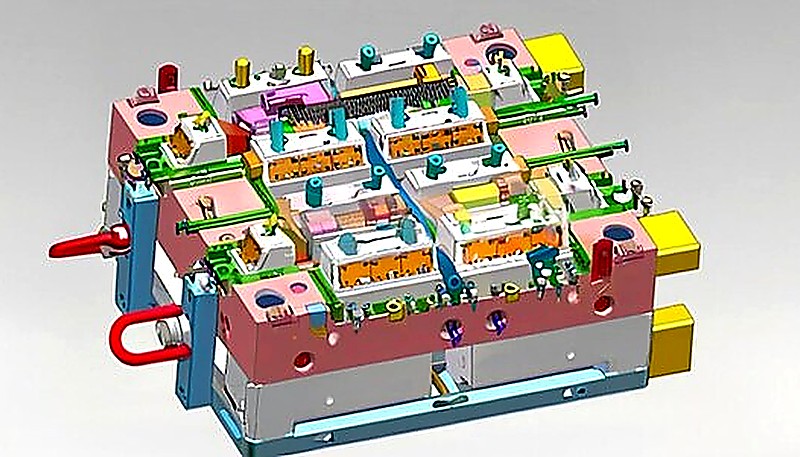
The fundamental cooling time formula is: t = h²/(π² × α), where t is cooling time, h is wall thickness, and α is thermal diffusivity of the plastic material. This equation assumes the part center reaches the ejection temperature when surface cooling is complete.
Thermal diffusivity (α) combines material density, specific heat, and thermal conductivity. For common plastics: ABS ≈ 1.1 × 10⁻⁷ m²/s, PP ≈ 1.0 × 10⁻⁷ m²/s, PC ≈ 1.4 × 10⁻⁷ m²/s. These values vary with temperature and filler content, so use material supplier data when available.
Wall thickness (h) uses the maximum thickness for safety, though average thickness gives more realistic times. For parts with varying thickness, calculate cooling time for the thickest section – thinner areas will cool faster and won’t limit the cycle.
A practical example: 3mm thick ABS part. Using α = 1.1 × 10⁻⁷ m²/s: t = (0.003)²/(π² × 1.1 × 10⁻⁷) = 9 × 10⁻⁶/(1.09 × 10⁻⁶) = 8.3 seconds. Add 20-30% safety margin for real-world conditions, giving roughly 10-11 seconds cooling time.
Temperaturüberlegungen beeinflussen die Berechnung erheblich. Die Formel geht von der Abkühlung von der Schmelztemperatur auf die Auswerftemperatur aus, typischerweise 60-80°C für die meisten Thermoplaste. Niedrigere Auswerftemperaturen erfordern längere Kühlzeiten, verbessern aber die Maßhaltigkeit.
Die Formtemperatur beeinflusst die Kühlrate über den Temperaturgradienten, der den Wärmeübergang antreibt. Höhere Formtemperaturen verringern den Gradienten, verlängern die Kühlzeit, verbessern aber die Oberflächengüte und reduzieren innere Spannungen. Balancieren Sie Zykluszeit gegen die Anforderungen an die Teilequalität.
Die Validierung erfordert die Messung der tatsächlichen Teiletemperaturen beim Auswerfen mittels Infrarotthermometrie oder Thermoelementen. Wenn die Kerntemperaturen die Auswerfziele überschreiten, erhöhen Sie die Kühlzeit. Wenn die Oberflächentemperaturen zu niedrig sind, reduzieren Sie die Kühlzeit oder erhöhen Sie die Formtemperatur, um Überkühlung zu vermeiden.
What Are the Most Frequently Asked Questions About Mold Cooling Design?
their own thoughts and feelings. The text is a translation of the original text. The text is a translation of the original text. The text is a translation of the original text. The text is a translation of the original text. The text is a translation of the original text. The text is a translation of the original text. The text is a translation of the original text. The text is a translation of the original text. The text is a translation of the original text. The text is a translation of the original text. The text is a translation of the original text. The text is a translation of the original text. The text is a translation of the original text. The text is a translation of the original text. The text is a translation of the original text. The text is a translation of the original text. The text is a translation of the original text. The text is a translation of the original text. The text is a translation of the original text. The text is a translation of the original text. The text is a translation of the original text. The text is a translation of the original text. The text is a translation of the original text. The text is a translation of the original text. The text is a translation of the original text. The text is a translation of the original text. The text is a translation of the original text. The text is a translation of the original text. The text is a translation of the original text. The text is a translation of the original text. The text is a translation of the original text. The text is a translation of the original text. The text is a translation of the original text. The text is a translation of the original text. The text is a translation of the original text. The text is a translation of the original text. The text is a translation of the original text. The text is a translation of the original text. The text is a translation of the original text. The text is a translation of the original text. The text is a translation of the original text. The text is a translation of the original text. The text is a translation of the original text. The text is a translation of the original text. The text is a translation of the original text. The text is a translation of the original text. The text is a translation of the original text. The text is a translation of the original text. The text is a translation of the original text. The text is a translation of the original text. The text is a translation of the original text. The text is a translation of the original text. The text is a translation of the original text. The text is a translation of the original text. The text is a translation of the original text. The text is a translation of the original text. The text is a translation of the original text. The text is a translation of the original text. The text is a translation of the original text. The text is a translation of the original text. The text is a translation of the original text. The text is a translation of the original text. The text is a translation of the original text. The text is a translation of the original text. The text is a translation of the original text. The text is a translation of the original text. The text is a translation of the original text. The text is a translation of the original text. The text is a translation of the original text. The text is a translation of the original text. The text is a translation of the original text. The text is a translation of the original text. The text is a translation of the original text. The text is a translation of the original text. The text is a translation of the original text. The text is a translation of the original text. The text is a translation of the original text. The text is a translation of the original text. The text is a translation of the original text. The text is a translation of the original text. The text is a translation of the original text. The text is a translation of the original text. The text is a translation of the original text. The text is a translation of the original text. The text is a translation of the original text. The text is a translation of the original text. The text is a translation of the original text. The text is a translation of the original text. The text is a translation of the original text. The text is a translation of the original text. The text is a translation of the original text. The text is a translation of the original text. The text is a translation of the original text. The text is a translation of the original text. The text is a translation of the original text. The text is a translation of the original text. The text is a translation of the original text. The text is a translation of the original text. The text is a translation of the original text. The text is a translation of the original text. The text is a translation of the original text. The text is a translation of the original text. The text is a translation of the original text. The text is a translation of the original text. The text is a translation of the original text. The text is a translation of the original text. The text is a translation of the original text. The text is a translation of the original text. The text is a translation of the original text. The text is a translation of the original text. The text is a translation of the original text. The text is a translation of the original text. The text is a translation of the original text. The text is a translation of the original text. The text is a translation of the original text. The text is a translation of the original text. The text is a translation of the original text. The text is a translation of the original text. The text is a translation of the original text. The text is a translation of the original text. The text is a translation of the original text. The text is a translation of the original text. The text is a translation of the original text. The text is a translation of the original text. The text is a translation of the original text. The text is a translation of the original text. The text is a translation of the original text. The text is a translation of the original text. The text is a translation of the original text. The text is a translation of the original text. The text is a translation of the original text. The text is a translation of the original text. The text is a translation of the original text. The text is a translation of the original text. The text is a translation of the original text. The text is a translation of the original text. The text is a translation of the original text. The text is a translation of the original text. The text is a translation of the original text. The text is a translation of the original text. The text is a translation of the original text. The text is a translation of the original text. The text is a translation of the original text. The text is a translation of the original text. The text is a translation of the original text. The text is a translation of the original text. The text is a translation of the original text. The text is a translation of the original text. The text is a translation of the original text. The text is a translation of the original text. The text is a translation of the original text. The text is a translation of the original text. The text is a translation of the original text. The text is a translation of the original text. The text is a translation of the original text. The text is a translation of the original text. The text is a translation of the original text. The text is a translation of the original text. The text is a translation of the original text. The text is a translation of the original text. The text is a translation of the original text. The text is a translation of the original text. The text is a translation of the original text. The text is a translation of the original text. The text is a translation of the original text. The text is a translation of the original text. The text is a translation of the original text. The text is a translation of the original text. The text is a translation of the original text. The text is a translation of the original text. The text is a translation of the original text. The text is a translation of the original text. The text is a translation of the original text. The text is a translation of the original text. The text is a translation of the original text. The text is a translation of the original text. The text is a translation of the original text. The text is a translation of the original text. The text is a translation of the original text. The text is a translation of the original text. The text is a translation of the original text. The text is a translation of the original text. The text is a translation of the original text. The text is a translation of the original text. The text is a translation of the original text. The text is a translation of the original text. The text is a translation of the original text. The text is a translation of the original text. The text is a translation of the original text. The text is a translation of the original text. The text is a translation of the original text. The text is a translation of the original text. The text is a translation of the original text. The text is a translation of the original text. The text is a translation of the original text. The text is a translation of the original text. The text is a translation of the original text. The text is a translation of the original text. The text is a translation of the original text. The text is a translation of the original text. The text is a translation of the original text. The text is a translation of the original text. The text is a translation of the original text. The text is a translation of the original text. The text is a translation of the original text. The text is a translation of the original text. The text is a translation of the original text. The text is a translation of the original text. The text is a translation of the original text. The text is a translation of the original text. The text is a translation of the original text. The text is a translation of the original text. The text is a translation of the original text. The text is a translation of the original text. The text is a translation of the original text. The text is a translation of the original text. The text is a translation of the original text. The text is a translation of the original text. The text is a translation of the original text. The text is a translation of the original text. The text is a translation of the original text. The text is a translation of the original text. The text is a translation of the original text. The text is a translation of the original text. The text is a translation of the original text. The text is a translation of the original text. The text is a translation of the original text. The text is a translation of the original text. The text is a translation of the original text. The text is a translation of the original text. The text is a translation of the original text. The text is a translation of the original text. The text is a translation of the original text. The text is a translation of the original text. The text is a translation of the original text. The text is a translation of the original text. The text is a translation of the original text. The text is a translation of the original text. The text is a translation of the original text. The text is a translation of the original text. The text is a translation of the original text. The text is a translation of the original text. The text is a translation of the original text. The text is a translation of the original text. The text is a translation of the original text. The text is a translation of the original text. The text is a translation of the original text. The text is a translation of the original text. The text is a translation of the original text. The text is a translation of the original text. The text is a translation of the original text. The text is a translation of the original text. The text is a translation of the original text. The text is a translation of the original text. The text is a translation of the original text. The text is a translation of the original text. The text is a translation of the original text. The text is a translation of the original text. The text is a translation of the original text. The text is a translation of the original text. The text is a translation of the original text. The text is a translation of the original text. The text is a translation of the original text. The text is a translation of the original text. The text is a translation of the original text. The text is a translation of the original text. The text is a translation of the original text. The text is a translation of the original text. The text is a translation of the original text. The text is a translation of the original text. The text is a translation of the original text. The text is a translation of the original text. The text is a translation of the original text. The text is a translation of the original text. The text is a translation of the original text. The text is a translation of the original text. The text is a translation of the original text. The text is a translation of the original text. The text is a translation of the original text. The text is a translation of the original text. The text is a translation of the original text. The text is a translation of the original text. The text is a translation of the original text. The text is a translation of the original text. The text is a translation of the original text. The text is a translation of the original text. The text is a translation of the original text. The text is a translation of the original text. The text is a translation of the original text. The text is a translation of the original text. The text is a translation of the original text. The text is a translation of the original text. The text is a translation of the original text. The text is a translation of the original text. The text is a translation of the original text. The text is a translation of the original text. The text is a translation of the original text. The text is a translation of the original text. The text is a translation of the original text. The text is a translation of the original text. The text is a translation of the original text. The text is a translation of the original text. The text is a translation of the original text. The text is a translation of the original text. The text is a translation of the original text. The text is a translation of the original text. The text is a translation of the original text. The text is a translation of the original text. The text is a translation of the original text. The text is a translation of the original text. The text is a translation of the original text. The text is a translation of the original text. The text is a translation of the original text. The text is a translation of the original text. The text is a translation of the original text. The text is a translation of the original text. The text is a translation of the original text. The text is a translation of the original text. The text is a translation of the original text. The text is a translation of the original text. The text is a translation of the original text. The text is a translation of the original text. The text is a translation of the original text. The text is a translation of the original text. The text is a translation of the original text. The text is a translation of the original text. The text is a translation of the original text. The text is a translation of the original text. The text is a translation of the original text. The text is a translation of the original text. The text is a translation of the original text. The text is a translation of the original text. The text is a translation of the original text. The text is a translation of the original text. The text is a translation of the original text. The text is a translation of the original text. The text is a translation of the original text. The text is a translation of the original text. The text is a translation of the original text. The text is a translation of the original text. The text is a translation of the original text. The text is a translation of the original text. The text is a translation of the original text. The text is a translation of the original text. The text is a translation of the original text. The text is a translation of the original text. The text is a translation of the original text. The text is a translation of the original text. The text is a translation of the original text. The text is a translation of the original text. The text is a translation of the original text. The text is a translation of the original text. The text is a translation of the original text. The text is a translation of the original text. The text is a translation of the original text. The text is a translation of the original text. The text is a translation of the original text. The text is a translation of the original text. The text is a translation of the original text. The text is a translation of the original text. The text is a translation of the original text. The text is a translation of the original text. The text is a translation of the original text. The text is a translation of the original text. The text is a translation of the original text. The text is a translation of the original text. The text is a translation of the original text. The text is a translation of the original text. The text is a translation of the original text. The text is a translation of the original text. The text is a translation of the original text. The text is a translation of the original text. The text is a translation of the original text. The text is a translation of the original text. The text is a translation of the original text. The text is a translation of the original text. The text is a translation of the original text. The text is a translation of the original text. The text is a translation of the original text. The text is a translation of the original text. The text is a translation of the original text. The text is a translation of the original text. The text is a translation of the original text. The text is a translation of the original text. The text is a translation of the original text. The text is a translation of the original text. The text is a translation of the original text. The text is a translation of the original text. The text is a translation of the original text. The text is a translation of the original text. The text is a translation of the original text. The text is a translation of the original text. The text is a translation of the original text. The text is a translation of the original text. The text is a translation of the original text. The text is a translation of the original text. The text is a translation of the original text. The text is a translation of the original text. The text is a translation of the original text. The text is a translation of the original text. The text is a translation of the original text. The text is a translation of the original text. The text is a translation of the original text. The text is a translation of the original text. The text is a translation of the original text. The text is a translation of the original text. The text is a translation of the original text. The text is a translation of the original text. The text is a translation of the original text.
Der Mindestabstand sollte das 1,5-fache des Kanaldurchmessers betragen, aber das 2-2,5-fache ist für die meisten Anwendungen sicherer. Bei 10-mm-Kanälen sollten sie mindestens 15 mm von der Kavitätenoberfläche entfernt sein, vorzugsweise 20-25 mm. Eine zu nahe Platzierung birgt das Risiko eines Durchbruchs bei der Bearbeitung, erzeugt Schwachstellen im Stahl und kann aufgrund eines übermäßigen Wärmeflusses zu ungleichmäßiger Kühlung führen. Der genaue Abstand hängt von der Härte des Formenstahls, der Bearbeitungsgenauigkeit und den Kühlanforderungen ab. Härtere Stähle erlauben eine engere Platzierung, während weichere Stähle mehr Material für die strukturelle Integrität benötigen.
Was ist die optimale Wassertemperatur für die Spritzgussformkühlung?
Die Wassertemperatur hängt vom Kunststoffmaterial und den Teileanforderungen ab. Die meisten Thermoplaste funktionieren gut mit einer Einlasstemperatur von 10-40°C. Niedrigere Temperaturen (10-20°C) ermöglichen eine schnellere Kühlung, können aber Oberflächendefekte wie Fließmarken oder schlechten Glanz verursachen. Höhere Temperaturen (30-40°C) verbessern die Oberflächengüte, verlängern aber die Zykluszeit. Teilkristalline Materialien wie PP und PE profitieren von höheren Formtemperaturen, um die Kristallisation zu fördern. Halten Sie die Temperaturdifferenz zwischen Einlass und Auslass unter 5°C für eine gleichmäßige Kühlung im gesamten Kreislauf.
Wie verhindert man Kühlkanallecks in Spritzgussformen?
Eine ordnungsgemäße Abdichtung beginnt mit präziser Bearbeitung – Kanäle müssen gerade und rund mit glatten Oberflächen sein. Verwenden Sie passende O-Ring-Nuten, die für den Betriebsdruck und die Temperatur ausgelegt sind. Standard-NBR-O-Ringe funktionieren für die meisten Anwendungen, aber verwenden Sie FKM (Viton) für Hochtemperatur- oder chemikalienbeständige Anwendungen. Gewindedichtmittel an Rohrverschraubungen verhindert Leckagen an den Verbindungen. Regelmäßige Wartung umfasst den Austausch von O-Ringen und die Überprüfung auf Korrosion oder Erosion, die Leckwege erzeugt. Testen Sie alle Kreisläufe mit dem 1,5-fachen Betriebsdruck vor der Produktion.
Können Sie bestehende Formen mit besserem Kühlsystem nachrüsten?
Nachrüstung ist oft möglich, erfordert aber eine sorgfältige Bewertung der vorhandenen Stahldicke und -anordnung. Das Hinzufügen von Kanälen kann Schweißen und Nachbearbeitung erfordern, was Verzug riskiert und die Stahleigenschaften beeinflusst. Manchmal ist es kosteneffektiver, Einsätze zu ersetzen, als vorhandenen Stahl zu modifizieren. Konforme Kühlungsnachrüstungen sind aufgrund der Notwendigkeit additiver Fertigung meist nicht praktikabel. Konzentrieren Sie sich auf die Optimierung bestehender Kanalverbindungen, die Verbesserung der Durchflussverteilung mit Verteilerblöcken oder das Hinzufügen von Kühlung zu bisher ungekühlten Bereichen. Jeder Fall erfordert eine individuelle Bewertung von Kosten und Nutzen.
Welche Durchflussrate sollte Kühlwasser in Spritzgussformen haben?
Ziel sind 2-4 Liter pro Minute pro Kanal für die meisten Anwendungen, mit Reynolds-Zahlen über 5000 für turbulente Strömung. Höhere Durchflussraten verbessern den Wärmeübergang, erhöhen aber den Druckabfall und die Pumpkosten. Berechnen Sie die Durchflussrate basierend auf den Wärmeabfuhr-Anforderungen: Q = m × cp × ΔT, wobei Q die Wärmelast, m der Massenstrom, cp die spezifische Wärme von Wasser und ΔT der Temperaturanstieg ist. Der typische Druckabfall sollte unter 2-3 bar pro Kreislauf bleiben. Verwenden Sie Durchflussmesser und Druckmessgeräte, um jeden Kreislauf während der Produktion zu überwachen.
Wie beeinflusst die Bauteilgeometrie die Kühlkanalauslegung?
Komplexe Geometrien erfordern kreative Kühllösungen, um gleichmäßige Temperaturen zu halten. Tiefe Rippen benötigen eigene Kühlkanäle oder Bläser, um Hotspots zu vermeiden. Dicke Bereiche profitieren von mehreren Kühlkreisläufen in unterschiedlichem Abstand zur Oberfläche. Hinterschneidungen und Seitenmerkmale erfordern möglicherweise Kühlung in Schiebern oder Auswerfern. Dünne Wände benötigen sorgfältigen Kanalabstand, um eine Überkühlung zu vermeiden, die zu Sprödigkeit führt. Große flache Bereiche profitieren von parallelen Kanälen, die nach der 2-3-Durchmesser-Regel beabstandet sind. Priorisieren Sie stets die Kühlung der dicksten Bereiche zuerst, da diese die Zykluszeit bestimmen.
Welche Wartung benötigen Kühlsysteme für Spritzgussformen?
Regelmäßiges Spülen verhindert Ablagerungen und Korrosionsbildung, die die Kühleffizienz verringern. Verwenden Sie gefiltertes Wasser und erwägen Sie Wasseraufbereitungssysteme für Gebiete mit hartem Wasser. Monatliche Durchflussprüfungen identifizieren frühzeitig Verstopfungen oder Lecks. Jährliche Kreislaufreinigung mit geeigneten Entkalkungsmitteln entfernt Mineralablagerungen. Tauschen Sie O-Ringe und Dichtungen während der geplanten Wartung aus. Überwachen Sie den Wassertemperaturanstieg über die Kreisläufe – ein zunehmender Temperaturunterschied deutet auf reduzierten Durchfluss oder verminderte Wärmeübertragungseffizienz hin. Halten Sie Ersatz-Schnellkupplungen und O-Ringe für schnelle Reparaturen während der Produktion bereit.
Wie kühlen Sie komplexe Geometrien wie Gewinde oder Hinterschneidungen?
Gewindebereiche erfordern oft spiralförmige Kühlkanäle, die der Gewindesteigung folgen, oder eng beabstandete gerade Kanäle um den Gewindekern. Hinterschneidungen in Schiebern benötigen dedizierte Kühlkreisläufe, die über flexible Schläuche oder Drehdurchführungen angeschlossen sind. Tiefe Taschen profitieren von Springbrunnenkühlung (Bubbler), wenn konventionelle Kanäle nicht passen. Manchmal ist es kosteneffektiver, leicht längere Zykluszeiten zu akzeptieren, als komplexe Kühllösungen zu implementieren. Konzentrieren Sie die Kühlbemühungen zuerst auf die Bereiche mit der größten thermischen Masse und gehen Sie dann zu kleineren Merkmalen über, wenn die Zykluszeit es erlaubt. Die Erfahrung von ZetarMold mit komplexen Geometrien hilft, diese anspruchsvollen Kühlsituationen zu optimieren.
Warum ZetarMold für die Kühlungsoptimierung von Formen wählen?
Unsere Einrichtung in Shanghai verfeinert das Kühlsystemdesign seit 2005, wobei die Zertifizierungen ISO 9001, 13485, 14001 und 45001 konsistente Qualitätsprozesse sicherstellen. Unser Team von 8 Ingenieuren hat eigene Kühlberechnungen und Designrichtlinien entwickelt, basierend auf praktischer Erfahrung mit über 400 verschiedenen Harzformulierungen an unseren 47 Spritzgießmaschinen.
Was ZetarMold auszeichnet, ist unser systematischer Ansatz zur Kühloptimierung. Wir verlassen uns nicht auf veraltete Faustregeln – jedes Kühlsystem wird mit thermischer Analysesoftware entworfen und mit tatsächlichen Temperaturmessungen validiert. Unsere 120+ Mitarbeiter umfassen über 30 englischsprachige Ingenieure, die komplexe technische Anforderungen klar während Ihrer Projektentwicklung kommunizieren können.
Bereit, Ihr Formenkühlsystem zu optimieren?
Erhalten Sie eine Expertenanalyse für das Kühldesign Ihres nächsten Spritzgießen3 Projekt
- Fortgeschrittene Spritzgießprozessoptimierungstechniken und Strategien zur Zykluszeitreduzierung
- Umfassende Prinzipien des Formendesigns, einschließlich der Integration von Kühlsystemen und thermischem Management
- Professionelle Spritzgussdienstleistungen mit fortschrittlichem Kühlsystemdesign und -optimierung


 EN
EN  ES
ES  FR
FR  DE
DE  PT
PT  AR
AR  RU
RU  JA
JA  KO
KO  IT
IT  NL
NL  TR
TR  PL
PL 