Was ist die Kühlung von Spritzgießwerkzeugen und warum ist sie wichtig?
Nach meiner Arbeit an Kühlsystemen von über 47 Spritzgießmaschinen in unserem Werk in Shanghai kann ich sagen, dass die Kühlung darüber entscheidet, ob die meisten Werkzeugprojekte erfolgreich sind oder scheitern. Die Aufgabe des Kühlsystems ist klar: Der Kunststoffschmelze so schnell und gleichmäßig wie möglich Wärme zu entziehen, damit das Teil ordnungsgemäß erstarrt und fehlerfrei ausgeworfen werden kann.
Hier ist die Realität, die viele übersehen: Die Kühlung macht 60–70 % Ihrer gesamten Spritzguss1-Zykluszeit aus. Wenn Ihr Teil 20 Sekunden zum Abkühlen benötigt, das Einspritzen und Auswerfen jedoch zusammen nur 8 Sekunden dauert, haben Sie es mit einem 28-Sekunden-Zyklus zu tun. Verbessern Sie die Abkühlzeit auf 15 Sekunden, und Sie haben Ihre Produktionsrate gerade um fast 20 % gesteigert.
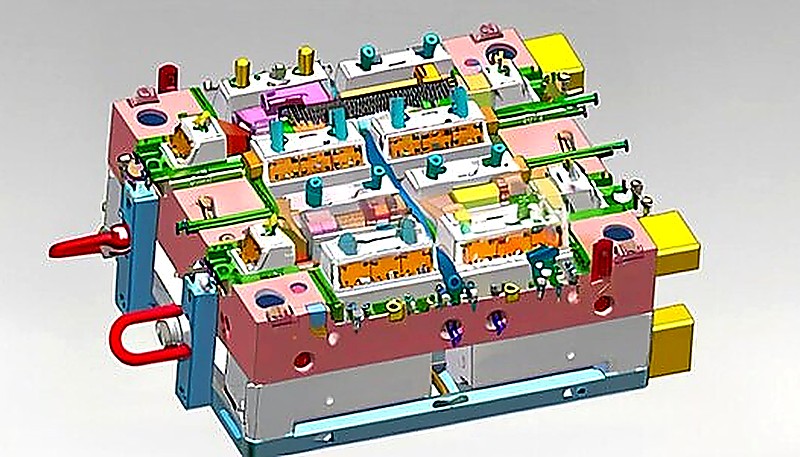
Das Kühlsystem besteht aus in das Werkzeug eingearbeiteten Kanälen, durch die ein Kühlmedium (meist Wasser) zirkuliert, um Wärme abzuführen. Diese Kanäle müssen so angeordnet sein, dass die gesamte Bauteilgeometrie gleichmäßig gekühlt wird. Ungleichmäßige Kühlung erzeugt innere Spannungen, die sich als Verzug, Maßinstabilität und mangelhafte Oberflächenqualität äußern.
Ich habe erlebt, dass Werkzeuge mit schlecht ausgelegten Kühlsystemen Bauteile mit einem Verzug von 0.5mm auf Flächen produzierten, die eben sein sollten. Nach einer Überarbeitung der Kühlung hielten dieselben Bauteile Toleranzen innerhalb von 0.05mm ein. Das ist der Unterschied zwischen Ausschussteilen und einer rentablen Produktion.
Welche Schlüsselparameter gelten für die Auslegung von Kühlkanälen?
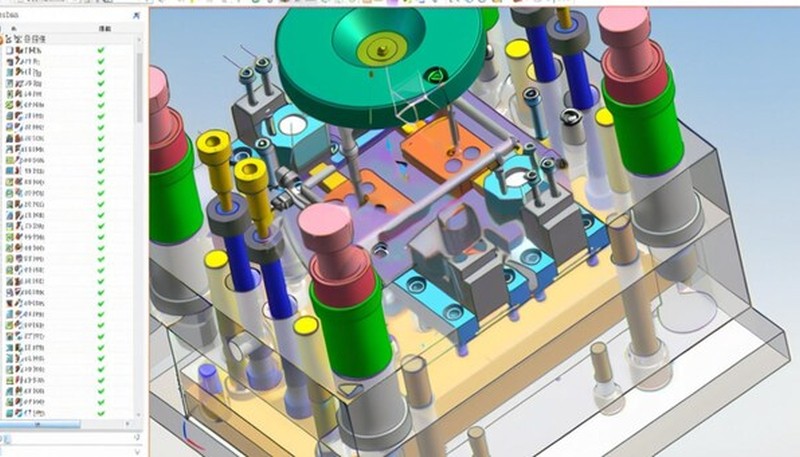
Der Kanaldurchmesser ist Ihr Ausgangspunkt. Die meisten Kühlkanäle haben einen Durchmesser von 8mm bis 16mm, wobei 10-12mm für die meisten Anwendungen den optimalen Bereich darstellen. Größere Kanäle bedeuten nicht automatisch eine bessere Kühlung – Sie benötigen eine ausreichende Wassergeschwindigkeit, um eine turbulente Strömung für einen wirksamen Wärmeübergang aufrechtzuerhalten. Für einen optimalen Wärmeübergangskoeffizienten strebe ich üblicherweise Reynolds-Zahlen über 5000 an.
Der Kanalabstand folgt der Regel vom 2-3-fachen Durchmesser. Bei 10mm-Kanälen sollte der Mittenabstand 20-30mm betragen. Ein engerer Abstand verbessert die Gleichmäßigkeit der Kühlung, erhöht jedoch die Bearbeitungskosten. Ein größerer Abstand erzeugt Wärmenester zwischen den Kanälen, in denen die Kühlung weniger wirksam ist.
Der Abstand zur Kavitätsoberfläche ist von entscheidender Bedeutung. Halten Sie zwischen den Kanälen und der Kavitätsoberfläche einen Abstand vom 1.5- bis 2.5-Fachen des Kanaldurchmessers ein. Bei zu geringem Abstand besteht die Gefahr eines Durchbruchs bei der Bearbeitung oder es entstehen Schwachstellen im Werkzeugstahl. Bei zu großem Abstand sinkt die Kühlleistung erheblich.
Die Regelung der Wassertemperatur erfordert mehr Aufmerksamkeit, als meist angenommen wird. Die Eintrittstemperaturen liegen je nach Material typischerweise zwischen 10°C und 40°C. Für eine gleichmäßige Kühlung sollte die Temperaturdifferenz zwischen Ein- und Austritt unter 5°C bleiben. Größere Temperaturdifferenzen weisen auf unzureichenden Durchfluss oder eine ungünstige Kanalauslegung hin.
Bei der Berechnung des Volumenstroms müssen Druckverlust und erforderliche Wärmeabfuhr gegeneinander abgewogen werden. Ich setze zunächst 2-4 Liter pro Minute und Kanal an und passe den Wert anschließend an die berechnete Wärmelast an. Höhere Volumenströme verbessern die Wärmeübertragung, erhöhen jedoch die Pumpkosten und Druckanforderungen.
Welche Arten von Kühlkanalanordnungen gibt es?
Gerade durchgehende Kühlkanäle sind die gängigste und kostengünstigste Option. Das Wasser tritt auf einer Seite der Form ein und auf der anderen wieder aus, wobei es einem geraden Verlauf folgt. Diese Kanäle eignen sich gut für einfache Geometrien, stoßen jedoch bei komplexen Formen oder weit von den Formrändern entfernten Bereichen an ihre Grenzen.
Bei der Reihenkühlung werden mehrere Kanäle nacheinander verbunden, sodass ein mäanderförmiger Strömungsweg durch das Werkzeug entsteht. Dieser Ansatz eignet sich, wenn bestimmte Bereiche in einer kontrollierten Reihenfolge gekühlt werden müssen. Nachteilig ist, dass die Wassertemperatur beim Durchströmen des Kreislaufs ansteigt und dadurch Temperaturgradienten entstehen.
Durch die Parallelkühlung werden mehrere Kanäle gleichzeitig von einem gemeinsamen Verteiler versorgt. Jeder Kanal erhält Wasser mit der gleichen Einlasstemperatur und sorgt so für eine gleichmäßigere Kühlung als Reihenschaltungen. Dies ist mein bevorzugter Ansatz für die meisten Spritzgussformen2, wenn der Verteilerraum dies zulässt.
Bei der Spiralkühlung verläuft der Kühlkanal schraubenförmig um zylindrische Kerne oder Stifte. Diese Ausführung sorgt bei runden Geometrien für eine ausgezeichnete Temperaturgleichmäßigkeit, erfordert jedoch eine sorgfältige Bearbeitung, damit der Kanaldurchmesser über den gesamten Spiralverlauf konstant bleibt.
Die Leitblechkühlung lenkt das Kühlmittel mithilfe interner Leitbleche in engen Räumen wie schmalen Kernen. Das Kühlmittel tritt durch ein Rohr ein, trifft auf ein Leitblech und strömt außen am Rohr zurück. Dadurch wird die Kühlung in engen Bereichen maximiert, in denen konventionelle Kanäle keinen Platz haben.
Bei der Sprudelrohrkühlung wird ein Rohr in eine Bohrung eingesetzt, sodass das Kühlmittel durch die Mitte nach unten strömt und außen zurückfließt. Sie kühlt tiefe Kerne wirksam, muss aber sorgfältig abgedichtet werden, um Leckagen zu vermeiden. Ich setze Sprudelrohre ein, wenn die Kerndurchmesser für herkömmliche Kanäle zu klein sind.
Wie verbessert konturnahe Kühlung die Werkzeugleistung?
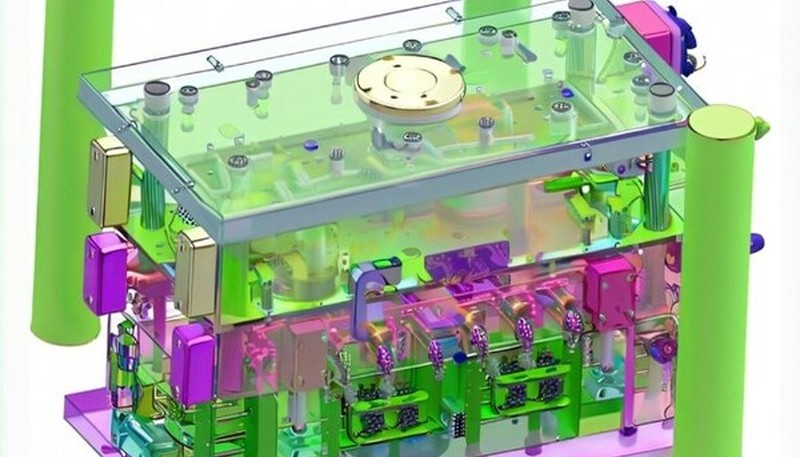
Konturnahe Kühlkanäle folgen den Konturen der Bauteilgeometrie und halten unabhängig von der Bauteilkomplexität einen konstanten Abstand zur Kavitätsoberfläche. Konventionelle gerade Kanäle erreichen diese Gleichmäßigkeit bei gekrümmten oder komplexen Geometrien nicht; dadurch entstehen Wärmenester und eine ungleichmäßige Kühlung.
Im Fertigungsprozess werden die Werkzeugeinsätze mit innenliegenden konturnahen Kanälen additiv gefertigt (3D-Druck). Wir drucken diese Einsätze aus Werkzeugstahlpulver und bearbeiten anschließend die Kavitätsoberflächen auf Endmaß. So lassen sich Kanalgeometrien realisieren, die mit konventioneller Bearbeitung unmöglich sind.
Mit gut ausgelegter konturnaher Kühlung sind Zykluszeitverbesserungen von 15-30% üblich. Bei dickwandigen Teilen oder komplexen Geometrien, bei denen herkömmliche Kühlung an Grenzen stößt, habe ich noch bessere Ergebnisse gesehen. Entscheidend ist der konstante Abstand zwischen Kanal und Oberfläche, den gerade Kanäle nicht erreichen können.
Mit konturnaher Kühlung verbessert sich die Temperaturgleichmäßigkeit erheblich. Während konventionelle Kanäle über die Bauteiloberfläche Temperaturschwankungen von 10-15°C aufweisen können, erreichen konturnahe Systeme häufig eine Gleichmäßigkeit innerhalb von 3-5°C. Dies führt unmittelbar zu weniger Verzug und höherer Maßstabilität.
Die Vorteile für die Bauteilqualität gehen über die Maßhaltigkeit hinaus. Eine gleichmäßigere Kühlung reduziert innere Spannungen und verbessert dadurch Schlagfestigkeit und Ermüdungslebensdauer. Auch die Oberflächengüte steigt, da Temperaturgradienten minimiert werden, die Fließmarken und andere Fehler verursachen.
Bei der Kostenbetrachtung stehen höheren anfänglichen Werkzeugkosten kürzere Zykluszeiten und damit eine schnellere Amortisation gegenüber. In der Großserienfertigung rechtfertigen die Zykluszeiteinsparungen die zusätzliche Werkzeuginvestition typischerweise innerhalb von 6-12 Produktionsmonaten.
Welche häufigen Kühlprobleme verursachen Bauteilfehler?
In unserem Werk in Shanghai mit 47 Spritzgießmaschinen haben wir kühlungsbedingte Fehler bei 400+ verschiedenen Harzformulierungen erfasst. Nach unserer Erfahrung ist eine mangelhafte Kühlungsauslegung für nahezu 40% aller Qualitätsprobleme an Bauteilen verantwortlich. Unsere 8 Ingenieure haben standardisierte Kühlungsberechnungen entwickelt, mit denen sich Verzug gegenüber herkömmlichen Faustregelansätzen um 65% verringern ließ.
Verzug steht an erster Stelle der kühlungsbedingten Fehler. Ungleichmäßige Kühlung erzeugt unterschiedliche Schwindung im Bauteil und führt dazu, dass es sich durchbiegt, verdreht oder verformt. Dicke Bereiche kühlen langsamer als dünne Bereiche und erzeugen innere Spannungen, die das Bauteil verziehen. Ich habe erlebt, dass 2mm dicke Bereiche noch abkühlten, während 0.5mm dünne Abschnitte bereits erstarrt waren, wodurch eine dauerhafte Verformung entstand.
Einfallstellen entstehen, wenn dicke Querschnitte beim Abkühlen stärker schwinden als das umgebende Material. Die Oberfläche wird nach innen gezogen, sodass sichtbare Vertiefungen entstehen. Dies tritt auf, wenn die Kühlkanäle zu weit von den dicken Bereichen entfernt liegen oder die Kühlzeit für eine vollständige Erstarrung nicht ausreicht.
Maßinstabilität zeigt sich daran, dass Bauteile im heißen Zustand korrekte Maße aufweisen, beim Erreichen der Raumtemperatur jedoch über die Toleranz hinaus schrumpfen. Dies deutet auf eine unvollständige Kühlung in der Form hin – die Teile werden ausgeworfen, bevor das thermische Gleichgewicht erreicht ist. Eine längere Kühlzeit behebt das Problem üblicherweise; durch eine geeignete Kanalauslegung lässt es sich jedoch vermeiden.
Schwache Bindenahtfestigkeit entsteht, wenn Kühlkanäle Temperaturungleichgewichte in Bereichen verursachen, in denen Fließfronten zusammentreffen. Kühlt eine Seite schneller ab als die andere, bildet sich die Bindenaht bei unterschiedlichen Temperaturen, wodurch die Verbindungsfestigkeit sinkt. Eine ausgewogene Kühlung um Bindenähte ist für die strukturelle Integrität entscheidend.
Oberflächenfehler wie Fließmarken und Anschnitthof lassen sich häufig auf ungleichmäßige Formtemperaturen zurückführen. Heißstellen erzeugen Bereiche mit abweichendem Kunststofffluss und hinterlassen sichtbare Spuren auf der Oberfläche. Eine gleichmäßige Formtemperatur durch eine geeignete Kühlauslegung beseitigt die meisten oberflächenbezogenen Fehler.
Auswerferprobleme entstehen, wenn Bauteile nicht gleichmäßig gekühlt sind. Weiche Stellen führen dazu, dass sich Bauteile beim Auswerfen verformen, während zu stark gekühlte Bereiche zu steif werden und reißen. Eine gleichmäßige Kühlung stellt sicher, dass die Bauteile für eine zuverlässige Auswerfung eine einheitliche Steifigkeit aufweisen.
Wie wird die Kühlzeit beim Spritzgießen berechnet?
Die grundlegende Formel für die Kühlzeit lautet: t = h²/(π² × α), wobei t die Kühlzeit, h die Wanddicke und α die Temperaturleitfähigkeit des Kunststoffs bezeichnet. Die Gleichung setzt voraus, dass die Bauteilmitte die Entformungstemperatur erreicht, wenn die Oberflächenkühlung abgeschlossen ist.
Die Temperaturleitfähigkeit (α) kombiniert Materialdichte, spezifische Wärmekapazität und Wärmeleitfähigkeit. Für gängige Kunststoffe gilt: ABS ≈ 1.1 × 10⁻⁷ m²/s, PP ≈ 1.0 × 10⁻⁷ m²/s, PC ≈ 1.4 × 10⁻⁷ m²/s. Diese Werte variieren mit Temperatur und Füllstoffgehalt; verwenden Sie daher nach Möglichkeit die Daten des Materiallieferanten.
Für die Wanddicke (h) wird aus Sicherheitsgründen die maximale Dicke verwendet, obwohl die durchschnittliche Dicke realistischere Zeiten ergibt. Berechnen Sie bei Teilen mit variierender Dicke die Abkühlzeit für den dicksten Bereich – dünnere Bereiche kühlen schneller ab und begrenzen die Zykluszeit nicht.
Ein Praxisbeispiel: 3mm dickes ABS-Teil. Mit α = 1.1 × 10⁻⁷ m²/s: t = (0.003)²/(π² × 1.1 × 10⁻⁷) = 9 × 10⁻⁶/(1.09 × 10⁻⁶) = 8.3 seconds. Eine Sicherheitsmarge von 20-30% für reale Bedingungen ergibt eine Kühlzeit von ungefähr 10-11 seconds.
Temperaturüberlegungen beeinflussen die Berechnung erheblich. Die Formel geht von der Abkühlung von der Schmelztemperatur auf die Auswerftemperatur aus, typischerweise 60-80°C für die meisten Thermoplaste. Niedrigere Auswerftemperaturen erfordern längere Kühlzeiten, verbessern aber die Maßhaltigkeit.
Die Formtemperatur beeinflusst die Kühlrate über den Temperaturgradienten, der den Wärmeübergang antreibt. Höhere Formtemperaturen verringern den Gradienten, verlängern die Kühlzeit, verbessern aber die Oberflächengüte und reduzieren innere Spannungen. Balancieren Sie Zykluszeit gegen die Anforderungen an die Teilequalität.
Die Validierung erfordert die Messung der tatsächlichen Teiletemperaturen beim Auswerfen mittels Infrarotthermometrie oder Thermoelementen. Wenn die Kerntemperaturen die Auswerfziele überschreiten, erhöhen Sie die Kühlzeit. Wenn die Oberflächentemperaturen zu niedrig sind, reduzieren Sie die Kühlzeit oder erhöhen Sie die Formtemperatur, um Überkühlung zu vermeiden.
Was sind die häufigsten Fragen zur Konstruktion der Werkzeugkühlung?
their own thoughts and feelings. The text is a translation of the original text. The text is a translation of the original text. The text is a translation of the original text. The text is a translation of the original text. The text is a translation of the original text. The text is a translation of the original text. The text is a translation of the original text. The text is a translation of the original text. The text is a translation of the original text. The text is a translation of the original text. The text is a translation of the original text. The text is a translation of the original text. The text is a translation of the original text. The text is a translation of the original text. The text is a translation of the original text. The text is a translation of the original text. The text is a translation of the original text. The text is a translation of the original text. The text is a translation of the original text. The text is a translation of the original text. The text is a translation of the original text. The text is a translation of the original text. The text is a translation of the original text. The text is a translation of the original text. The text is a translation of the original text. The text is a translation of the original text. The text is a translation of the original text. The text is a translation of the original text. The text is a translation of the original text. The text is a translation of the original text. The text is a translation of the original text. The text is a translation of the original text. The text is a translation of the original text. The text is a translation of the original text. The text is a translation of the original text. The text is a translation of the original text. The text is a translation of the original text. The text is a translation of the original text. The text is a translation of the original text. The text is a translation of the original text. The text is a translation of the original text. The text is a translation of the original text. The text is a translation of the original text. The text is a translation of the original text. The text is a translation of the original text. The text is a translation of the original text. The text is a translation of the original text. The text is a translation of the original text. The text is a translation of the original text. The text is a translation of the original text. The text is a translation of the original text. The text is a translation of the original text. The text is a translation of the original text. The text is a translation of the original text. The text is a translation of the original text. The text is a translation of the original text. The text is a translation of the original text. The text is a translation of the original text. The text is a translation of the original text. The text is a translation of the original text. The text is a translation of the original text. The text is a translation of the original text. The text is a translation of the original text. The text is a translation of the original text. The text is a translation of the original text. The text is a translation of the original text. The text is a translation of the original text. The text is a translation of the original text. The text is a translation of the original text. The text is a translation of the original text. The text is a translation of the original text. The text is a translation of the original text. The text is a translation of the original text. The text is a translation of the original text. The text is a translation of the original text. The text is a translation of the original text. The text is a translation of the original text. The text is a translation of the original text. The text is a translation of the original text. The text is a translation of the original text. The text is a translation of the original text. The text is a translation of the original text. The text is a translation of the original text. The text is a translation of the original text. The text is a translation of the original text. The text is a translation of the original text. The text is a translation of the original text. The text is a translation of the original text. The text is a translation of the original text. The text is a translation of the original text. The text is a translation of the original text. The text is a translation of the original text. The text is a translation of the original text. The text is a translation of the original text. The text is a translation of the original text. The text is a translation of the original text. The text is a translation of the original text. The text is a translation of the original text. The text is a translation of the original text. The text is a translation of the original text. The text is a translation of the original text. The text is a translation of the original text. The text is a translation of the original text. The text is a translation of the original text. The text is a translation of the original text. The text is a translation of the original text. The text is a translation of the original text. The text is a translation of the original text. The text is a translation of the original text. The text is a translation of the original text. The text is a translation of the original text. The text is a translation of the original text. The text is a translation of the original text. The text is a translation of the original text. The text is a translation of the original text. The text is a translation of the original text. The text is a translation of the original text. The text is a translation of the original text. The text is a translation of the original text. The text is a translation of the original text. The text is a translation of the original text. The text is a translation of the original text. The text is a translation of the original text. The text is a translation of the original text. The text is a translation of the original text. The text is a translation of the original text. The text is a translation of the original text. The text is a translation of the original text. The text is a translation of the original text. The text is a translation of the original text. The text is a translation of the original text. The text is a translation of the original text. The text is a translation of the original text. The text is a translation of the original text. The text is a translation of the original text. The text is a translation of the original text. The text is a translation of the original text. The text is a translation of the original text. The text is a translation of the original text. The text is a translation of the original text. The text is a translation of the original text. The text is a translation of the original text. The text is a translation of the original text. The text is a translation of the original text. The text is a translation of the original text. The text is a translation of the original text. The text is a translation of the original text. The text is a translation of the original text. The text is a translation of the original text. The text is a translation of the original text. The text is a translation of the original text. The text is a translation of the original text. The text is a translation of the original text. The text is a translation of the original text. The text is a translation of the original text. The text is a translation of the original text. The text is a translation of the original text. The text is a translation of the original text. The text is a translation of the original text. The text is a translation of the original text. The text is a translation of the original text. The text is a translation of the original text. The text is a translation of the original text. The text is a translation of the original text. The text is a translation of the original text. The text is a translation of the original text. The text is a translation of the original text. The text is a translation of the original text. The text is a translation of the original text. The text is a translation of the original text. The text is a translation of the original text. The text is a translation of the original text. The text is a translation of the original text. The text is a translation of the original text. The text is a translation of the original text. The text is a translation of the original text. The text is a translation of the original text. The text is a translation of the original text. The text is a translation of the original text. The text is a translation of the original text. The text is a translation of the original text. The text is a translation of the original text. The text is a translation of the original text. The text is a translation of the original text. The text is a translation of the original text. The text is a translation of the original text. The text is a translation of the original text. The text is a translation of the original text. The text is a translation of the original text. The text is a translation of the original text. The text is a translation of the original text. The text is a translation of the original text. The text is a translation of the original text. The text is a translation of the original text. The text is a translation of the original text. The text is a translation of the original text. The text is a translation of the original text. The text is a translation of the original text. The text is a translation of the original text. The text is a translation of the original text. The text is a translation of the original text. The text is a translation of the original text. The text is a translation of the original text. The text is a translation of the original text. The text is a translation of the original text. The text is a translation of the original text. The text is a translation of the original text. The text is a translation of the original text. The text is a translation of the original text. The text is a translation of the original text. The text is a translation of the original text. The text is a translation of the original text. The text is a translation of the original text. The text is a translation of the original text. The text is a translation of the original text. The text is a translation of the original text. The text is a translation of the original text. The text is a translation of the original text. The text is a translation of the original text. The text is a translation of the original text. The text is a translation of the original text. The text is a translation of the original text. The text is a translation of the original text. The text is a translation of the original text. The text is a translation of the original text. The text is a translation of the original text. The text is a translation of the original text. The text is a translation of the original text. The text is a translation of the original text. The text is a translation of the original text. The text is a translation of the original text. The text is a translation of the original text. The text is a translation of the original text. The text is a translation of the original text. The text is a translation of the original text. The text is a translation of the original text. The text is a translation of the original text. The text is a translation of the original text. The text is a translation of the original text. The text is a translation of the original text. The text is a translation of the original text. The text is a translation of the original text. The text is a translation of the original text. The text is a translation of the original text. The text is a translation of the original text. The text is a translation of the original text. The text is a translation of the original text. The text is a translation of the original text. The text is a translation of the original text. The text is a translation of the original text. The text is a translation of the original text. The text is a translation of the original text. The text is a translation of the original text. The text is a translation of the original text. The text is a translation of the original text. The text is a translation of the original text. The text is a translation of the original text. The text is a translation of the original text. The text is a translation of the original text. The text is a translation of the original text. The text is a translation of the original text. The text is a translation of the original text. The text is a translation of the original text. The text is a translation of the original text. The text is a translation of the original text. The text is a translation of the original text. The text is a translation of the original text. The text is a translation of the original text. The text is a translation of the original text. The text is a translation of the original text. The text is a translation of the original text. The text is a translation of the original text. The text is a translation of the original text. The text is a translation of the original text. The text is a translation of the original text. The text is a translation of the original text. The text is a translation of the original text. The text is a translation of the original text. The text is a translation of the original text. The text is a translation of the original text. The text is a translation of the original text. The text is a translation of the original text. The text is a translation of the original text. The text is a translation of the original text. The text is a translation of the original text. The text is a translation of the original text. The text is a translation of the original text. The text is a translation of the original text. The text is a translation of the original text. The text is a translation of the original text. The text is a translation of the original text. The text is a translation of the original text. The text is a translation of the original text. The text is a translation of the original text. The text is a translation of the original text. The text is a translation of the original text. The text is a translation of the original text. The text is a translation of the original text. The text is a translation of the original text. The text is a translation of the original text. The text is a translation of the original text. The text is a translation of the original text. The text is a translation of the original text. The text is a translation of the original text. The text is a translation of the original text. The text is a translation of the original text. The text is a translation of the original text. The text is a translation of the original text. The text is a translation of the original text. The text is a translation of the original text. The text is a translation of the original text. The text is a translation of the original text. The text is a translation of the original text. The text is a translation of the original text. The text is a translation of the original text. The text is a translation of the original text. The text is a translation of the original text. The text is a translation of the original text. The text is a translation of the original text. The text is a translation of the original text. The text is a translation of the original text. The text is a translation of the original text. The text is a translation of the original text. The text is a translation of the original text. The text is a translation of the original text. The text is a translation of the original text. The text is a translation of the original text. The text is a translation of the original text. The text is a translation of the original text. The text is a translation of the original text. The text is a translation of the original text. The text is a translation of the original text. The text is a translation of the original text. The text is a translation of the original text. The text is a translation of the original text. The text is a translation of the original text. The text is a translation of the original text. The text is a translation of the original text. The text is a translation of the original text. The text is a translation of the original text. The text is a translation of the original text. The text is a translation of the original text. The text is a translation of the original text. The text is a translation of the original text. The text is a translation of the original text. The text is a translation of the original text. The text is a translation of the original text. The text is a translation of the original text. The text is a translation of the original text. The text is a translation of the original text. The text is a translation of the original text. The text is a translation of the original text. The text is a translation of the original text. The text is a translation of the original text. The text is a translation of the original text. The text is a translation of the original text. The text is a translation of the original text. The text is a translation of the original text. The text is a translation of the original text. The text is a translation of the original text. The text is a translation of the original text. The text is a translation of the original text. The text is a translation of the original text. The text is a translation of the original text. The text is a translation of the original text. The text is a translation of the original text. The text is a translation of the original text. The text is a translation of the original text. The text is a translation of the original text. The text is a translation of the original text. The text is a translation of the original text. The text is a translation of the original text. The text is a translation of the original text. The text is a translation of the original text. The text is a translation of the original text. The text is a translation of the original text. The text is a translation of the original text. The text is a translation of the original text. The text is a translation of the original text. The text is a translation of the original text. The text is a translation of the original text. The text is a translation of the original text. The text is a translation of the original text. The text is a translation of the original text. The text is a translation of the original text. The text is a translation of the original text. The text is a translation of the original text. The text is a translation of the original text. The text is a translation of the original text. The text is a translation of the original text. The text is a translation of the original text. The text is a translation of the original text. The text is a translation of the original text. The text is a translation of the original text. The text is a translation of the original text. The text is a translation of the original text. The text is a translation of the original text. The text is a translation of the original text. The text is a translation of the original text. The text is a translation of the original text. The text is a translation of the original text. The text is a translation of the original text. The text is a translation of the original text. The text is a translation of the original text. The text is a translation of the original text. The text is a translation of the original text. The text is a translation of the original text. The text is a translation of the original text. The text is a translation of the original text.
Der Mindestabstand sollte das 1,5-fache des Kanaldurchmessers betragen, aber das 2-2,5-fache ist für die meisten Anwendungen sicherer. Bei 10-mm-Kanälen sollten sie mindestens 15 mm von der Kavitätenoberfläche entfernt sein, vorzugsweise 20-25 mm. Eine zu nahe Platzierung birgt das Risiko eines Durchbruchs bei der Bearbeitung, erzeugt Schwachstellen im Stahl und kann aufgrund eines übermäßigen Wärmeflusses zu ungleichmäßiger Kühlung führen. Der genaue Abstand hängt von der Härte des Formenstahls, der Bearbeitungsgenauigkeit und den Kühlanforderungen ab. Härtere Stähle erlauben eine engere Platzierung, während weichere Stähle mehr Material für die strukturelle Integrität benötigen.
Was ist die optimale Wassertemperatur für die Kühlung von Spritzgussformen?
Die Wassertemperatur hängt vom Kunststoffmaterial und den Teileanforderungen ab. Die meisten Thermoplaste funktionieren gut mit einer Einlasstemperatur von 10-40°C. Niedrigere Temperaturen (10-20°C) ermöglichen eine schnellere Kühlung, können aber Oberflächendefekte wie Fließmarken oder schlechten Glanz verursachen. Höhere Temperaturen (30-40°C) verbessern die Oberflächengüte, verlängern aber die Zykluszeit. Teilkristalline Materialien wie PP und PE profitieren von höheren Formtemperaturen, um die Kristallisation zu fördern. Halten Sie die Temperaturdifferenz zwischen Einlass und Auslass unter 5°C für eine gleichmäßige Kühlung im gesamten Kreislauf.
Wie verhindert man Kühlkanallecks in Spritzgussformen?
Eine ordnungsgemäße Abdichtung beginnt mit präziser Bearbeitung – Kanäle müssen gerade und rund mit glatten Oberflächen sein. Verwenden Sie passende O-Ring-Nuten, die für den Betriebsdruck und die Temperatur ausgelegt sind. Standard-NBR-O-Ringe funktionieren für die meisten Anwendungen, aber verwenden Sie FKM (Viton) für Hochtemperatur- oder chemikalienbeständige Anwendungen. Gewindedichtmittel an Rohrverschraubungen verhindert Leckagen an den Verbindungen. Regelmäßige Wartung umfasst den Austausch von O-Ringen und die Überprüfung auf Korrosion oder Erosion, die Leckwege erzeugt. Testen Sie alle Kreisläufe mit dem 1,5-fachen Betriebsdruck vor der Produktion.
Können Sie bestehende Formen mit besserem Kühlsystem nachrüsten?
Eine Nachrüstung ist häufig möglich, erfordert jedoch eine sorgfältige Bewertung der vorhandenen Stahlstärken und Werkzeugauslegung. Das Hinzufügen von Kühlkanälen kann Schweißarbeiten und erneute Zerspanung erfordern, was Verzug verursachen und die Stahleigenschaften beeinträchtigen kann. Mitunter ist der Austausch von Einsätzen kostengünstiger als die Bearbeitung des vorhandenen Stahls. Die Nachrüstung konturnaher Kühlung ist wegen der erforderlichen additiven Fertigung meist nicht praktikabel. Sinnvoller sind die Optimierung bestehender Kanalverbindungen, eine bessere Strömungsverteilung durch Verteiler oder die Kühlung bisher ungekühlter Bereiche. Jeder Fall erfordert eine individuelle Kosten-Nutzen-Bewertung.
Welche Durchflussrate sollte Kühlwasser in Spritzgussformen haben?
Ziel sind 2-4 Liter pro Minute pro Kanal für die meisten Anwendungen, mit Reynolds-Zahlen über 5000 für turbulente Strömung. Höhere Durchflussraten verbessern den Wärmeübergang, erhöhen aber den Druckabfall und die Pumpkosten. Berechnen Sie die Durchflussrate basierend auf den Wärmeabfuhr-Anforderungen: Q = m × cp × ΔT, wobei Q die Wärmelast, m der Massenstrom, cp die spezifische Wärme von Wasser und ΔT der Temperaturanstieg ist. Der typische Druckabfall sollte unter 2-3 bar pro Kreislauf bleiben. Verwenden Sie Durchflussmesser und Druckmessgeräte, um jeden Kreislauf während der Produktion zu überwachen.
Wie beeinflusst die Bauteilgeometrie die Kühlkanalauslegung?
Komplexe Geometrien erfordern kreative Kühllösungen, um gleichmäßige Temperaturen zu halten. Tiefe Rippen benötigen eigene Kühlkanäle oder Bläser, um Hotspots zu vermeiden. Dicke Bereiche profitieren von mehreren Kühlkreisläufen in unterschiedlichem Abstand zur Oberfläche. Hinterschneidungen und Seitenmerkmale erfordern möglicherweise Kühlung in Schiebern oder Auswerfern. Dünne Wände benötigen sorgfältigen Kanalabstand, um eine Überkühlung zu vermeiden, die zu Sprödigkeit führt. Große flache Bereiche profitieren von parallelen Kanälen, die nach der 2-3-Durchmesser-Regel beabstandet sind. Priorisieren Sie stets die Kühlung der dicksten Bereiche zuerst, da diese die Zykluszeit bestimmen.
Welche Wartung benötigen Kühlsysteme für Spritzgussformen?
Regelmäßiges Spülen verhindert Ablagerungen und Korrosionsbildung, die die Kühleffizienz verringern. Verwenden Sie gefiltertes Wasser und erwägen Sie Wasseraufbereitungssysteme für Gebiete mit hartem Wasser. Monatliche Durchflussprüfungen identifizieren frühzeitig Verstopfungen oder Lecks. Jährliche Kreislaufreinigung mit geeigneten Entkalkungsmitteln entfernt Mineralablagerungen. Tauschen Sie O-Ringe und Dichtungen während der geplanten Wartung aus. Überwachen Sie den Wassertemperaturanstieg über die Kreisläufe – ein zunehmender Temperaturunterschied deutet auf reduzierten Durchfluss oder verminderte Wärmeübertragungseffizienz hin. Halten Sie Ersatz-Schnellkupplungen und O-Ringe für schnelle Reparaturen während der Produktion bereit.
Wie kühlen Sie komplexe Geometrien wie Gewinde oder Hinterschneidungen?
Gewindebereiche erfordern häufig spiralförmige Kühlkanäle, die der Gewindesteigung folgen, oder eng beieinanderliegende gerade Kanäle um den Gewindekern. Hinterschneidungen in Schiebern benötigen eigene Kühlkreisläufe, die über flexible Schläuche oder Drehdurchführungen angeschlossen sind. Bei tiefen Taschen ist eine Fontänenkühlung (Bubbler) vorteilhaft, wenn herkömmliche Kanäle keinen Platz finden. Mitunter ist es kostengünstiger, etwas längere Zykluszeiten zu akzeptieren als komplexe Kühllösungen einzusetzen. Konzentrieren Sie die Kühlung zuerst auf die Bereiche mit der größten thermischen Masse und behandeln Sie anschließend kleinere Merkmale, sofern die Zykluszeit dies zulässt. Die Erfahrung von ZetarMold mit komplexen Geometrien trägt zur Optimierung dieser anspruchsvollen Kühlsituationen bei.
Warum ZetarMold für die Kühlungsoptimierung von Formen wählen?
Unsere Einrichtung in Shanghai verfeinert das Kühlsystemdesign seit 2005, wobei die Zertifizierungen ISO 9001, 13485, 14001 und 45001 konsistente Qualitätsprozesse sicherstellen. Unser Team von 8 Ingenieuren hat eigene Kühlberechnungen und Designrichtlinien entwickelt, basierend auf praktischer Erfahrung mit über 400 verschiedenen Harzformulierungen an unseren 47 Spritzgießmaschinen.
Was ZetarMold auszeichnet, ist unser systematischer Ansatz zur Kühlungsoptimierung. Wir verlassen uns nicht auf veraltete Faustregeln – jedes Kühlsystem wird mithilfe thermischer Analysesoftware ausgelegt und durch tatsächliche Temperaturmessungen validiert. Zu unseren 120+ Mitarbeitern gehören mehr als 30 englischsprachige Ingenieure, die komplexe technische Anforderungen während der gesamten Projektentwicklung klar vermitteln können.
Bereit, Ihr Formenkühlsystem zu optimieren?
Holen Sie sich eine fachmännische Analyse des Kühldesigns für Ihr nächstes Spritzguss3-Projekt
- Fortgeschrittene Spritzgießprozessoptimierungstechniken und Strategien zur Zykluszeitreduzierung
- Umfassende Prinzipien des Formendesigns, einschließlich der Integration von Kühlsystemen und thermischem Management
- Professionelle Spritzgussdienstleistungen mit fortschrittlichem Kühlsystemdesign und -optimierung