 Перейти к содержанию

You placed the order. The supplier confirmed the schedule. Now what? Most overseas buyers invest weeks negotiating tooling and material specs, then go silent during production — only to discover problems after the goods arrive at their warehouse. A structured литьё под давлением production follow-up checklist closes that gap. This article gives you a phase-by-phase checklist — from pre-production verification through in-process monitoring to post-run documentation — so you catch issues early, reduce defect rates, and build a reliable long-term supplier relationship.
- Follow up before, during, and after production — not just at the end
- Request first article inspection (FAI) reports before full run approval
- Document every deviation — photos, dimensions, lot numbers
- Schedule weekly status calls during active production
- Use a standardized checklist to avoid missing critical checkpoints
The stakes are especially high for overseas buyers. You are working across time zones, languages, and sometimes cultural expectations around quality reporting. Without a systematic approach to follow-up, small process deviations compound into major quality escapes that cost far more to fix after shipping than to prevent during production. This checklist covers every phase of production — from the moment your mold is pulled from storage through in-process sampling to the final packaging photos before your shipment leaves the factory dock.
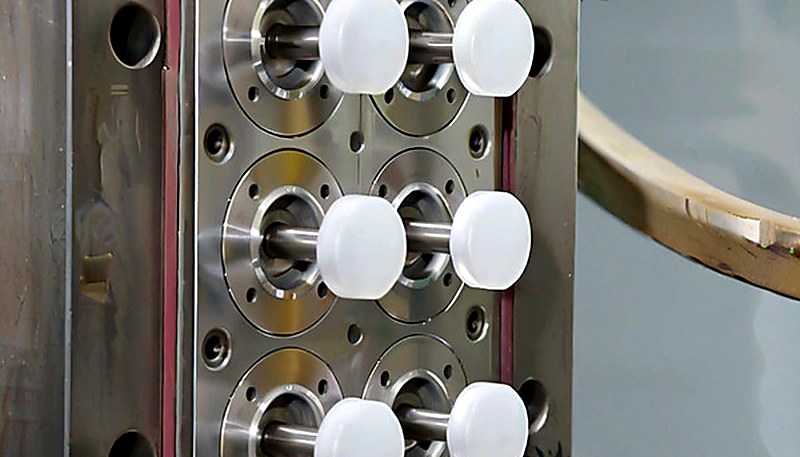
Why Do You Need a Production Follow-Up Checklist?
A production follow-up checklist is your single most effective tool for maintaining quality control when you cannot stand at the press yourself. In our experience working with overseas buyers, the projects that run into the most expensive problems are almost always the ones where the buyer placed the PO and waited for shipping confirmation.
Here is what typically goes wrong without a follow-up system. The supplier starts production, but a machine parameter drifts during a night shift. Nobody catches it because your quality requirements sit in a PDF nobody referenced after the kick-off meeting. Three weeks later, 5,000 parts arrive with dimensional deviation outside your tolerance. Now you are negotiating rework costs across time zones instead of selling product.
If you are comparing vendors or planning procurement, our injection molding supplier sourcing guide covers RFQ prep, qualification, and commercial risk checks.
The root cause is not poor manufacturing capability — it is a communication gap. A well-structured checklist bridges that gap by defining exactly what gets checked, when, by whom, and how deviations get reported. Research from the Society of Manufacturing Engineers consistently shows that structured process monitoring reduces defect rates by 30–50% compared to ad-hoc approaches. Think of it this way: your литьевая форма is a precision tool worth tens of thousands of dollars. The follow-up checklist is the insurance policy that ensures every part coming out of that tool meets your specification.
What Should You Check Before Production Starts?
Pre-production verification is where you prevent 80% of downstream problems. Before the operator presses the green button, confirm these items:
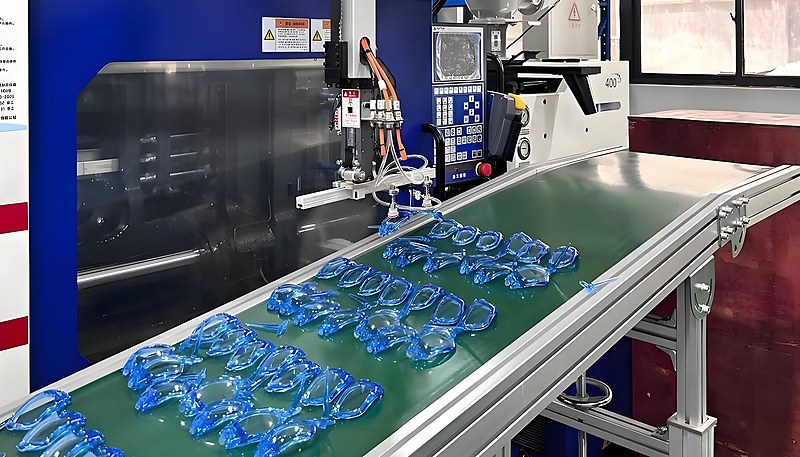
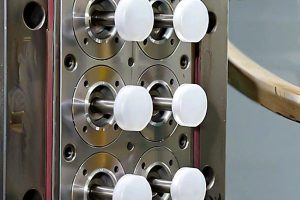
Material Confirmation: Verify the exact resin grade, lot number, and supplier match your approved specification. Request a certificate of analysis (CoA1) for the material batch. If you specified Sabic 500P polypropylene, do not accept a generic PP without documented equivalence. Mold Condition Report: Ask for photos or a video walkthrough of the mold being installed. Check for visible damage, rust, or worn components. If the mold has been in storage since your last run, request a maintenance log. A mold that sits idle for months can develop corrosion on the cavity surface, leading to cosmetic defects on your parts.
Machine Setup Sheet: The supplier should document the injection pressure, hold pressure, melt temperature, mold temperature, cooling time, and cycle time. Compare these against the parameters from your last successful run. Any unexplained deviation is a red flag. First Article Inspection (FAI2): This is non-negotiable. Before approving volume production, inspect the first 3–5 samples from the initial cycle. Measure critical dimensions against your drawing. Check visual quality — flash, sink marks, short shots, weld lines. Only approve the run after FAI passes.
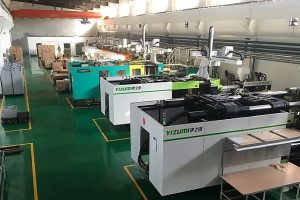
At ZetarMold, we document every machine setup parameter for each production run across our 47 injection molding machines (90T–1850T). This means when you reorder, we pull the exact same parameters — no guesswork, no drift.
How Do You Monitor Quality During Production?
In-process monitoring is where the checklist pays for itself. The goal is to catch trends before they become defects. Here are the checkpoints you should run during active production:
Scheduled Sampling: Pull 3–5 parts every 2 hours (or every 500 shots, whichever comes first). Measure critical dimensions and log the results on an SPC3 chart. If you see a trend — even if parts are still within tolerance — flag it early. A dimension drifting 0.02mm per hour will eventually go out of spec. Visual Inspection Protocol: Check for flash, short shots, contamination (black specks, foreign material), color consistency, and surface finish. Define your acceptance criteria before production starts, not during.
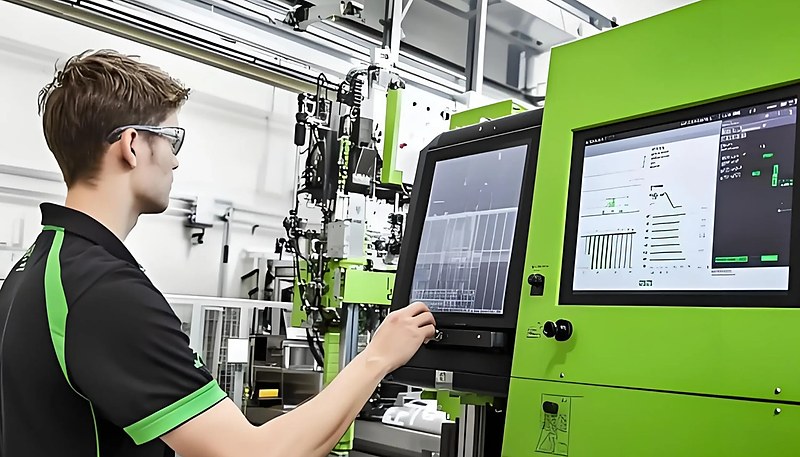
Use AQL (Acceptable Quality Level) sampling based on your risk tolerance. For most B2B applications, AQL 1.0 for critical defects and AQL 2.5 for minor defects is standard. Process Parameter Logging: Request that the supplier logs cycle time, injection pressure, and melt temperature at each sampling interval. Modern machines output this data automatically — there is no excuse for not sharing it. A sudden change in cycle time often indicates a developing problem: worn gate, contaminated check ring, or cooling issue. Color and Material Verification: If your part has a specific color match, compare samples against your approved color standard under the same lighting conditions (D65 standard illuminant).
Color shift during a run usually means the material is degrading or the colorant is not dispersing evenly.
“Requesting process parameter logs from your supplier helps catch quality drift before parts go out of tolerance.”Правда
Process data — cycle time, injection pressure, melt temperature — is your earliest warning system. Trends in these parameters predict dimensional drift before it exceeds tolerance.
«Первичный контроль (FAI) необязателен для повторных заказов на ту же пресс-форму.»Ложь
Даже при повторных заказах первичный контроль (FAI) обязателен. Смена партии материала, износ оборудования и изменения окружающей среды могут повлиять на качество деталей. Всегда проверяйте перед утверждением полного производства.
| Контрольная точка в процессе | Частота выборки | Acceptance Criteria | Действие по эскалации |
|---|---|---|---|
| Dimensional check | Каждые 2 часа / 500 выстрелов | Размеры в пределах допусков по чертежу | Остановить производство, скорректировать параметры |
| Визуальный контроль | Каждые 2 часа / 500 выстрелов | Отсутствие облоя, недолива, загрязнений | Изолировать подозрительные детали, осмотреть пресс-форму |
| Параметры процесса | Каждые 2 часа / 500 выстрелов | Стабильное время цикла, давление, температура | Исследовать корневую причину перед продолжением |
| Цветовое соответствие | Каждые 4 часа | Соответствие утверждённому стандарту при D65 | Проверить материал, шнек и температуру |
| Проверка веса | Каждые 2 часа | Вес детали в пределах ±0,5% от образца FAI | Указывает на недолив, облой или дисбаланс полостей |
What Documents Should You Request After Each Production Run?
Документация — это ваша доказательная база. Если проблема с качеством возникнет через месяцы — на сборочной линии вашего клиента или в полевых условиях — вам нужно точно отследить, что происходило во время производства. Вот что нужно запрашивать после каждого запуска:
Отчёт о контроле: Сводка всех размерных измерений, выполненных во время производства, в сравнении с допусками по вашему чертежу. Должна включать дату, время, имя оператора и инструмент, использованный для каждого измерения. Сертификаты на материалы: Сертификат анализа (CoA) для партии смолы, использованной в вашем производстве. Это подтверждает, что материал соответствует заданным свойствам, и является обязательным для регулируемых отраслей. Журнал параметров процесса: Полная запись настроек станка на протяжении всего цикла.
Если ваш поставщик использует современный станок с мониторингом процесса, запросите экспорт исходных данных. Отчёт о выходе годных и браке: Сколько деталей произведено, сколько прошло контроль, сколько забраковано — с классификацией причин брака. Уровень брака выше 3% на освоенной пресс-форме требует расследования. Записи об отгрузке и упаковке: Фотографии упакованных товаров, этикеток на коробках и конфигурации паллет. Это защищает вас от споров о повреждениях при доставке и помогает проверить количество при получении. Храните эти документы не менее 3 лет. Они являются доказательством вашей должной осмотрительности и справочным материалом для будущих производственных циклов.
В рамках наших сертифицированных систем ISO 9001, ISO 13485, ISO 14001 и ISO 45001 каждый производственный запуск в ZetarMold сопровождается полным пакетом документации — отчётами о контроле, сертификатами на материалы (CoA) и журналами процессов — готовыми для вашего архива.
How Do You Handle Defects Found During Follow-Up?
Обнаружение дефектов при последующем контроле — это не провал, а работа системы по задуманному. Вопрос в том, насколько быстро и системно вы реагируете. Вот рекомендуемая схема принятия решений:
Шаг 1 — Локализовать проблему: Немедленно изолируйте все детали, произведенные с момента последней успешной проверки. Не допускайте попадания подозрительных деталей в поток упаковки. Вот почему важна частота выборки — чем чаще проверки, тем меньше партия для изоляции.Шаг 2 — Классифицировать дефект: Критический (влияет на функцию или безопасность), значительный (влияет на внешний вид или сборку) или незначительный (только косметический)? Классификация определяет срочность реагирования. Критический дефект означает немедленную остановку производства. Незначительный дефект может означать продолжение с усиленным мониторингом.
Шаг 3 — Анализ первопричины: Поставщик должен предоставить анализ 5 почему или диаграмму Исикавы в течение 24 часов. Типичные корневые причины в литье под давлением включают: изношенный компонент формы, загрязнение материала, отклонение параметров машины или ошибка оператора. Не принимайте ответ «мы настроили машину», не поняв, почему параметр изначально отклонился. Шаг 4 — Проверка корректирующих действий: После того как поставщик внедрит исправление, проведите ещё один ППИ перед возобновлением производства. Подтвердите исправление данными, а не обещаниями. Если первопричиной был изношенный вкладыш полости, попросите показать установленный и измеренный заменённый вкладыш. Шаг 5 — Документировать всё: Зафиксируйте описание дефекта, первопричину, корректирующие действия и результаты проверки.
Это становится вашим корпоративным знанием для будущих запусков.
When Should You Escalate Issues to Your Supplier’s Management?
Эскалация требуется, если дефекты повторяются после корректирующих действий, если спецификации изменены без вашего согласия или если документация не предоставляется. Не каждая проблема требует эскалации, но определённые триггеры требуют вовлечения руководства.
Повторяющиеся дефекты в одной партии: Если один и тот же дефект появляется дважды после корректирующих действий, вы имеете дело с системной проблемой, а не со случайным событием. Запросите встречу с руководителем производства, а не с менеджером по продажам.
Deviation from Agreed Specifications: If the supplier unilaterally changes material grade, colorant, or process parameters without your written approval, this is a contractual issue that requires immediate escalation.
Missed Deadlines Without Prior Notice: A supplier who hides delays is a bigger risk than one who communicates them. If your shipping date slips without proactive communication, escalate to understand the real situation.
Quality Documentation Refusal: If the supplier cannot or will not provide inspection reports, material certificates, or process data, you have a transparency problem. This is a legitimate reason to escalate and potentially re-evaluate the relationship.
“Structured follow-up checklists typically reduce defect rates by 30–50% compared to ad-hoc quality control.”Правда
Research from manufacturing engineering organizations consistently shows that systematic process monitoring catches issues earlier, preventing cascading defects and reducing overall scrap rates.
“If a defect is classified as minor, you should continue production and address it after the run is complete.”Ложь
Even minor defects can indicate a developing problem. Continue with enhanced monitoring, and if the defect recurs or worsens, stop production for root cause analysis.
The Right Way to Escalate: Be specific and data-driven. Send an email with photos, measurement data, and a clear description of the gap between expected and actual results. Frame it as a partnership rather than an accusation. Suppliers who see you as a partner are more likely to mobilize their best resources to solve the problem.
What Are the Most Common Follow-Up Mistakes Overseas Buyers Make?
The top mistakes are skipping follow-up, using vague specs, skipping FAI, and trusting verbal promises. After two decades of working with overseas buyers, here is what to avoid:
Mistake 1 — No Follow-Up Until Shipment: The single most expensive mistake. By the time parts arrive, it is too late to fix anything. The cost of rework, return shipping, and lost production time can exceed the original order value.
Mistake 2 — Vague Quality Requirements: Saying “good quality” is not a specification.
Define exact tolerances, surface finish standards (SPI grades), acceptable color deviation (Delta E values), and specific inspection methods. Ambiguity always favors the supplier’s interpretation.
Mistake 3 — Skipping First Article Inspection: The first 5 parts tell you whether the setup is correct for the remaining 50,000. Skipping FAI to save a few hours of inspection time is a false economy — you are gambling the entire batch on an unverified process. Mistake 4 — Not Requesting Process Data: If your supplier has modern injection molding machines (most do), they generate detailed process data. Not asking for it means flying blind. Process data is your early warning system. Mistake 5 — Accepting Verbal Assurances: “Everything is fine” is the most expensive sentence in manufacturing. Always require photographic evidence, measurement data, and written reports. Trust is good; verification is better.
With 20+ years of injection molding experience and a dedicated focus on overseas business since 2013, we have seen every follow-up mistake in the book — and helped our customers build processes that prevent them.
How Can a Follow-Up Checklist Reduce Long-Term Costs?
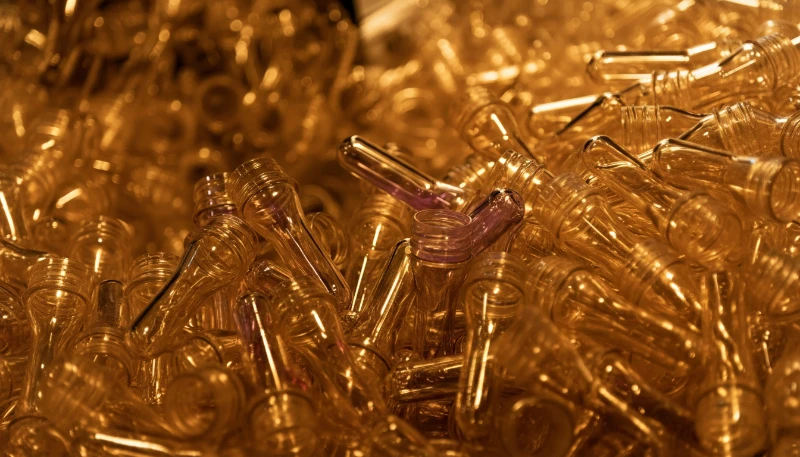
A follow-up checklist is not overhead — it is an investment with measurable returns. Here is the cost breakdown:
Defect Prevention vs. Defect Correction: Catching a dimensional drift during production costs you a phone call and a parameter adjustment. Catching it after shipment costs you return freight, rework labor, material waste, and potentially lost customer contracts. The ratio is typically 1:10 to 1:50 — prevention is dramatically cheaper. Reduced Scrap Rates: Suppliers who know they are being monitored consistently produce lower scrap. It is human nature. When performance is measured, performance improves. We have seen scrap rates drop from 5% to under 1.5% simply by implementing structured in-process checks.
Faster Time to Market: A follow-up checklist prevents the “discover problems at receipt” scenario that adds 2–4 weeks to your timeline. First-pass quality means your parts go straight from receipt to assembly, no incoming inspection bottleneck required. Lower Total Cost of Ownership: When you account for rework, returns, delays, and quality escapes, the total cost of poor follow-up can add 15–30% to your per-part price. A checklist that costs 30 minutes per production run eliminates that premium. Stronger Supplier Relationships: Paradoxically, diligent follow-up builds better supplier relationships, not worse ones. When you communicate clearly what you need and provide data-driven feedback, you become a preferred customer.
Preferred customers get priority scheduling, faster responses, and more engineering support when they need it.
Часто задаваемые вопросы
How Often Should I Request Production Updates from My Supplier?
For active production runs, request updates at least twice per week — ideally with a structured status report after each sampling checkpoint. During critical phases like initial setup or first article inspection, daily updates are appropriate. Schedule a weekly video call with the production team to review process data, dimensional trends, and any deviations. The key is consistency: establish the reporting cadence before production starts, not after problems appear. Buyers who set clear expectations for update frequency upfront consistently experience fewer surprises at shipment.
What Is a First Article Inspection and Why Does It Matter?
A first article inspection (FAI) is a comprehensive measurement and visual check of the very first parts produced from a production run against your engineering drawings. It confirms that the mold, material selection, and machine parameters are all set correctly before committing to full volume production. Skipping FAI is the most expensive follow-up mistake overseas buyers can make, because approving thousands of parts without first verifying process capability consistently results in costly rework, shipment delays, and damaged customer relationships that far exceed the cost of the inspection itself.
Should I Visit the Factory During Production?
For first production runs or high-value orders, a factory visit during the initial setup phase provides irreplaceable firsthand insight into the actual manufacturing environment, equipment condition, and team capabilities on the ground. You can verify mold condition in person, observe the FAI process directly, and build a face-to-face working relationship with the production team that pays dividends throughout the entire project lifecycle. For repeat orders with an established and trusted supplier, remote monitoring through structured reports and scheduled video calls is usually sufficient and significantly more cost-effective.
What AQL Level Should I Specify for Injection Molded Parts?
AQL 1.0 for critical defects affecting function or safety, and AQL 2.5 for minor cosmetic defects, is the standard specification for most business-to-business manufacturing applications worldwide. For medical devices or automotive components, tighter acceptance levels such as AQL 0.65 may be more appropriate depending on your specific regulatory obligations and end-use requirements. Always specify your AQL levels explicitly in the purchase order before production begins, rather than attempting to negotiate them retroactively after the production run is already complete and the parts are on their way.
How Do I Handle a Supplier Who Refuses to Share Process Data?
This is a significant red flag that warrants serious attention. Modern injection molding machines automatically log process parameters including cycle time, peak injection pressure, and melt temperature for every single shot. If a supplier cannot or will not share this data, you should ask why — possible reasons include outdated equipment lacking data capture, manual process control that introduces inconsistency, or deliberate opacity about their manufacturing practices. Consider data transparency a core criterion in your ongoing supplier evaluation and selection process.
Can a Follow-Up Checklist Help with Multi-Cavity Molds?
Absolutely, and a follow-up checklist is especially important for multi-cavity molds. Each cavity in a multi-cavity mold can produce slightly different parts due to variations in cooling channel effectiveness, flow length, or venting conditions. Your follow-up checklist should specify exactly which cavities to measure at each sampling interval and track dimensional data per cavity. Cavity imbalance is one of the most common hidden quality issues in multi-cavity production, and without systematic cavity-level tracking you risk missing defects that affect only certain cavities consistently.
Ready to Streamline Your Production Follow-Up Process?
Лучший следующий шаг — выбрать поставщика, который закладывает прозрачность в свой процесс. В ZetarMold более 120 производственных работников и 8 старших инженеров работают в рамках сертифицированных по ISO систем качества, обеспечивающих беспрепятственное сопровождение. Мы активно делимся отчетами FAI, данными процесса и записями инспекций, потому что прозрачность строит долгосрочные партнерства. Ищете поставщика, который упрощает сопровождение? Получите бесплатный расчет и ощутите разницу работы с партнером, который документирует всё.
-
CoA: CoA означает стандарт статистического контроля качества, определяющий максимально допустимый уровень дефектов в производственной партии, широко используемый в протоколах производственной инспекции. ↩
-
FAI: FAI означает детальное измерение и визуальный осмотр первых произведенных деталей в партии для проверки корректности настройки процесса в соответствии с инженерными чертежами. ↩
-
SPC: SPC означает метод контроля качества с использованием статистических методов для мониторинга и управления производственным процессом, позволяющий раннее обнаружение отклонений параметров. ↩




 EN
EN  ES
ES  FR
FR  DE
DE  PT
PT  AR
AR  RU
RU  JA
JA  KO
KO  IT
IT  NL
NL  TR
TR  PL
PL 