- приложенная внешняя нагрузка — исключительно от напряжения формования + химического воздействия
- ESC является основной причиной эксплуатационных отказов изделий из полиэтилена, поликарбоната, ABS и полистирола — на него приходится примерно 15–25% всех эксплуатационных отказов пластиковых деталей.
- Остаточные напряжения от формования часто являются скрытой «механической» составляющей ESC: детали, которые кажутся свободными от напряжений после формования, могут быстро выйти из строя при воздействии даже разбавленных химических агентов.
- Значение ESCR (стойкость к растрескиванию под воздействием окружающей среды) для полимера должно соответствовать конкретному химическому агенту в среде применения — общие рейтинги ESCR нельзя переносить между различными химическими веществами.
- Для устранения ESC нужен трёхкомпонентный подход: выбор материала с подходящей ESCR, снижение остаточных напряжений оптимизацией формования и изменения конструкции, минимизирующие концентрацию механических напряжений.
Что такое растрескивание под воздействием окружающей среды и почему оно приводит к разрушению пластиковых деталей?
Растрескивание под воздействием окружающей среды (ESC) — это хрупкое разрушение пластмассового компонента, вызванное совместным действием механического напряжения, растягивающего или остаточного, и химического агента, например ПАВ, растворителя, смазки или чистящего средства, которому пластик обычно противостоит без напряжения. ESC — не просто химическое воздействие, а синергетическое явление, при котором напряжение и химическое вещество вместе вызывают разрушение, невозможное при том же уровне каждого фактора по отдельности.
Механизм ESC развивается в три этапа:
- Начало образования крейзов: химический агент снижает поверхностную энергию полимера, позволяя микротрещинам-крейзам возникать при напряжениях ниже предела текучести в концентраторах — надрезах, линиях течения и спая, переходах вставок и зонах остаточных напряжений.
- Зарождение трещины: крейзы растут, и граница между ними и массивом полимера превращается в ядро настоящей трещины. Коэффициент интенсивности напряжений у вершины начинает превышать критическое значение полимера.
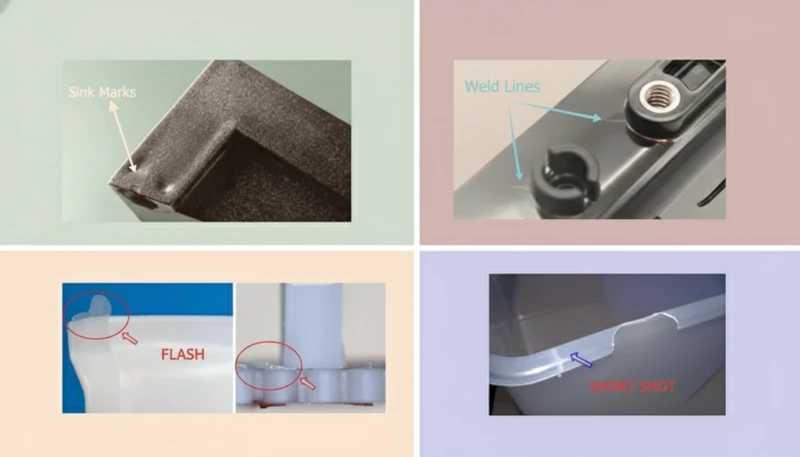
- Хрупкое разрушение: трещина распространяется катастрофически, образуя характерную хрупкую поверхность излома. В отличие от пластичного разрушения деформация почти отсутствует — деталь внезапно ломается без видимого предупреждения, что отличает его от других дефектов литья под давлением1.
| Полимер | Склонность к растрескиванию под воздействием окружающей среды (ESC) | Распространенные химические факторы | Типичный вид отказа |
|---|---|---|---|
| HDPE / LDPE | Высокая (тонкостенное) | ПАВ, мыло, масла | Медленный рост трещин, хрупкое разрушение |
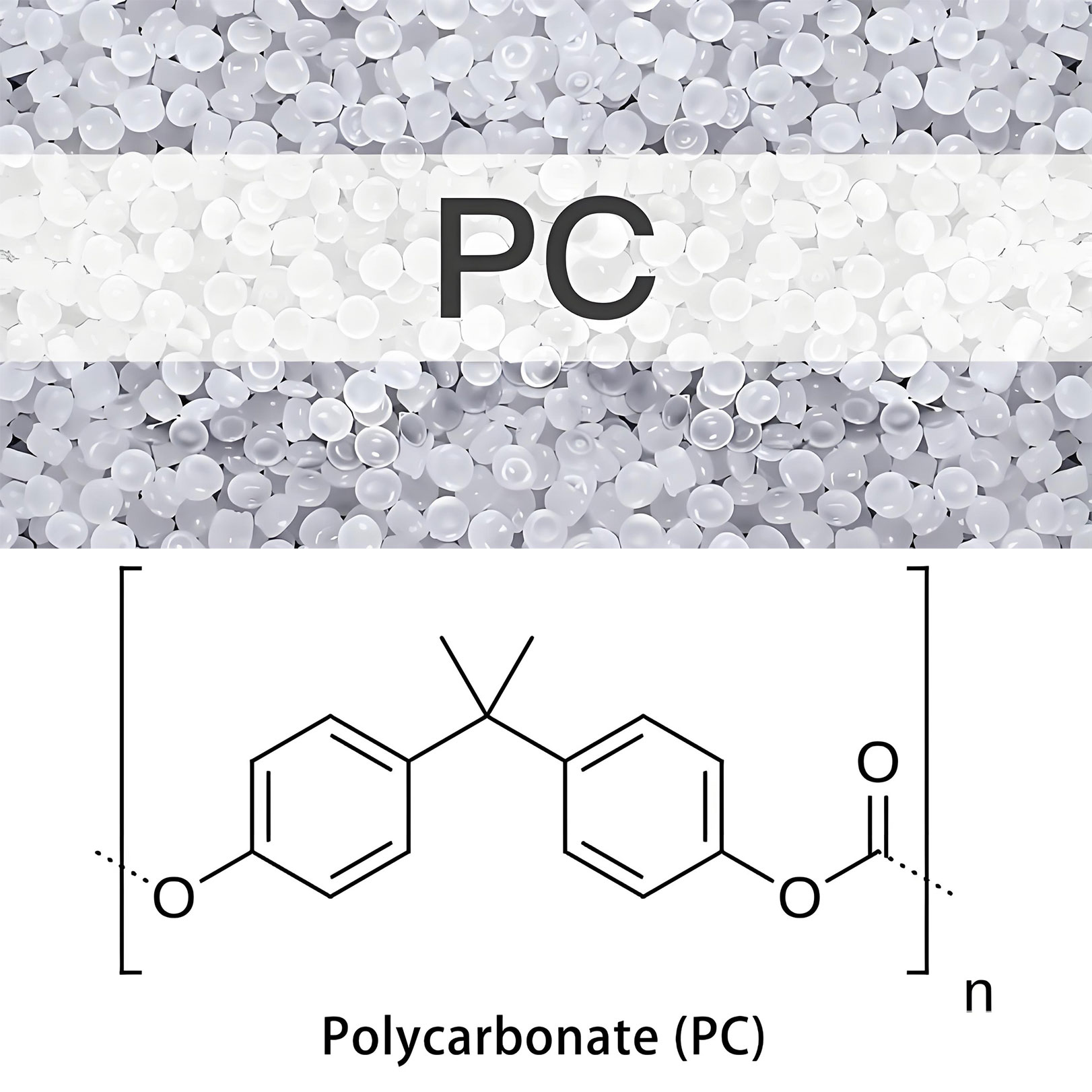
| PC (поликарбонат) | Высокий | Кетоны, сложные эфиры, спирты | Быстрое растрескивание поверхности вплоть до разрушения |
| ABS | Средний и высокий | Эфиры, кетоны, ароматические растворители | Серебрение в зонах остаточных напряжений |
| PS (полистирол) | Высокий | Спирты, сложные эфиры, углеводороды | Серебрение, побеление поверхности |
| PP (полипропилен) | Низкая–средняя | Поверхностно-активные вещества, минеральные масла | Медленный рост трещин возле вставок |
| Нейлон (PA66) | Низкое в сухом состоянии; выше во влажном | Хлорид цинка, хлорид кальция | Растрескивание, ускоренное гидролизом |
ESC возникает только при погружении пластиковых деталей в химические реагенты.False
ESC может быть вызвано воздействием следовых количеств химических веществ, включая кратковременный контакт, воздействие паров или остаточную плёнку чистящего средства, испарившегося несколькими часами ранее. Химическое вещество не обязано оставаться на детали; достаточно, чтобы оно снизило поверхностную энергию в критической зоне концентрации напряжений и инициировало образование микротрещин. Детали, очищенные несовместимым растворителем, а затем высушенные и собранные, могут разрушиться из-за ESC через несколько дней или недель, причём в месте разрушения не будет видимых следов химического вещества.
Какие факторы определяют устойчивость пластика к растрескиванию под напряжением в условиях окружающей среды (ESCR)?
ESCR — не единое свойство материала; это многокомпонентная характеристика, зависящая от молекулярной архитектуры полимера, конкретного химического агента, уровня приложенного напряжения и температуры. Понимание этих факторов позволяет инженерам выбирать материалы и условия обработки, минимизирующие риск ESC.
Молекулярная масса (MW) и ее распределение (MWD): длинные цепи полимеров с высокой MW лучше сопротивляются крейзам. HDPE с MW > 200,000 g/mol имеет намного более высокую ESCR, чем марки с MW < 100,000 g/mol в ПАВ. UHMWPE создан для стойких к ESC применений, включая имплантаты и футеровки; его MW 3–6 миллионов g/mol делает его одним из наиболее стойких полимеров, как описано в руководстве по литью UHMWPE под давлением2.
Кристалличность: более кристалличные полукристаллические полимеры обычно лучше сопротивляются ESC, поскольку кристаллические области менее проницаемы для химикатов и крейзов. Однако быстрое охлаждение при литье снижает кристалличность и ESCR относительно ожидаемой по MW.
Морфология и ориентация полимера: ориентация молекул при литье создает анизотропию ESC — поперек потока детали обычно уязвимее, чем вдоль него. Поэтому ESC-трещины часто ориентированы по направлению течения.
Свойства химического агента: эффективные ESC-агенты имеют параметры растворимости, близкие к полимеру, и поверхностное натяжение ниже его критической поверхностной энергии. Они быстро смачивают крейзы, не растворяя массив полимера. ПАВ особенно опасны для полиолефинов, так как снижают натяжение уже при концентрациях в миллионные доли.
Температура: скорость ESC растет из-за большей подвижности молекул и ускоренной диффузии химиката. Для компонентов, работающих выше 60°C, ESCR следует оценивать при фактической рабочей температуре, а не по комнатным испытаниям.
Как остаточные напряжения после формования способствуют растрескиванию под воздействием окружающей среды?
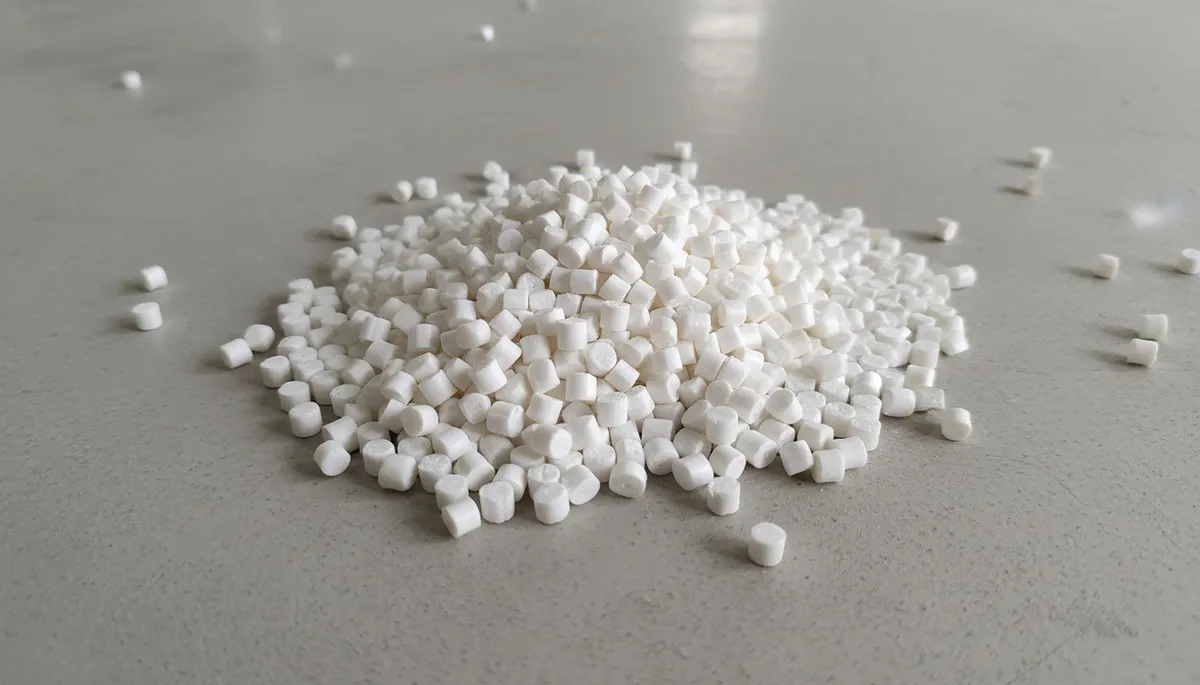
Остаточное напряжение сохраняется в детали после формования без внешней нагрузки. Оно возникает из-за различного охлаждения горячей внутренней части расплава и быстро закалённых поверхностных слоёв, разной усадки толстых и тонких участков и молекулярной ориентации, зафиксированной при быстром заполнении. Для ESC остаточное напряжение критически важно, потому что:
- Оно складывается с приложенным механическим напряжением, поэтому полное напряжение в критической точке = (приложенное напряжение) + (остаточное напряжение)
- Для запуска ESC может быть достаточно только формовочных напряжений и химического воздействия, без внешней нагрузки
- Увеличение толщины стенок и устранение острых внутренних углов значительно снижает подверженность ESC.
Оценка остаточных напряжений: стандартное испытание — изгиб полосы (ISO 22088), при котором деталь изгибают до заданной деформации и подвергают воздействию химиката. Деформацию появления крейзов или трещин сравнивают с ожидаемой остаточной деформацией. Детали после высокой скорости и давления выдержки и низкой температуры формы разрушаются при меньшей концентрации, что критично при оптимизации параметров литья под давлением3.
Оптимизация процесса для снижения остаточных напряжений:- Повышайте температуру пресс-формы, чтобы обеспечить большую молекулярную релаксацию до затвердевания
- Снизьте скорость впрыска, особенно на начальной стадии заполнения
- Снизьте давление выдержки; увеличьте время выдержки при меньшем давлении для компенсации усадки
- Обеспечьте равномерную толщину стенок, чтобы минимизировать градиенты напряжений, вызванные неравномерным охлаждением
- Отжигайте детали после формования при 60–80% Tg в течение 30–120 минут для снятия остаточных напряжений
Отжиг деталей, изготовленных литьём под давлением, может значительно снизить их склонность к растрескиванию под воздействием окружающей среды.True
Отжиг после формования при температурах ниже температуры тепловой деформации (HDT) полимера позволяет сегментам полимерных цепей расслабиться и снизить остаточные напряжения на 30–60%. Для применений, чувствительных к ESC — особенно ПК в контакте с моющими средствами или ПНД в контакте с ПАВ — отжиг является стандартной практикой. Снижение остаточных напряжений напрямую уменьшает общее напряжение при поверхностных концентрациях, повышая порог инициации ESC.
Какие химические вещества чаще всего вызывают ESC в пластмассовых деталях?
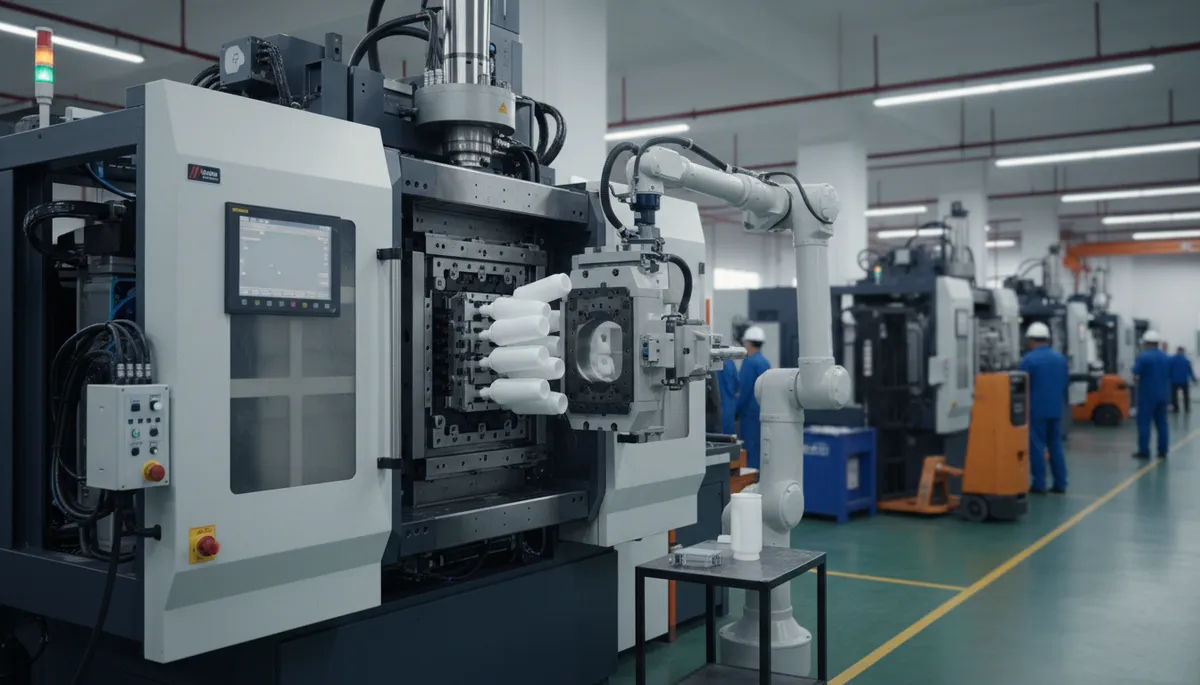
Химические агенты ESC охватывают широкий спектр классов веществ. В следующей таблице указаны наиболее распространенные факторы ESC по типам полимеров и условиям применения:
| Категория химического агента | Примеры | Наиболее подверженные полимеры | Контекст применения |
|---|---|---|---|
| Поверхностно-активные вещества | Средство для мытья посуды, моющие средства, смачиватели | HDPE, LDPE, PP | Упаковка, контейнеры, сантехника |
| Спирты | Изопропанол, этанол, метанол | PC, PS, PMMA | Очистка медицинских изделий, электроника |
| Кетоны | Ацетон, MEK, циклогексанон | PC, ABS, PS | Промышленная очистка, носители клея |
| Сложные эфиры | Этилацетат, пропиленгликоль | ABS, PS, PC | Покрытия, печать, клеевые составы |
| Ароматические углеводороды | Толуол, ксилол, бензол | PS, ABS, PC | Топливо, растворители, промышленное применение |
| Минеральные масла / смазочные материалы | Машинное масло, смазка | PP, PE, PS | Автомобильная промышленность, промышленное оборудование |
| Растворы неорганических солей | Хлорид цинка, хлорид кальция | Нейлон, POM | Дорожная соль, металлообрабатывающие жидкости |
Солнцезащитные средства и косметика — часто упускаемый триггер ESC. Корпуса из PC, включая оправы, очки и электронику, особенно чувствительны к УФ-фильтрам — бензофенонам и октокрилену. Этот известный механизм отказа PC-очков привел к изменению рецептур средств и марок PC, как описано в процессе литья PC под давлением4.
Как инженерам проектировать детали для минимизации риска ESC?
Растрескивание под воздействием окружающей среды происходит только при контакте с агрессивными химикатами в промышленных условиях.False
Растрескивание под воздействием окружающей среды (ESC) может возникнуть при контакте с обычной бытовой химией, разделительными составами, чистящими растворителями и даже кожным жиром. Остаточные напряжения после формования делают детали уязвимыми даже к воздействию слабых химических веществ при длительной нагрузке.
Увеличение толщины стенок и устранение острых внутренних углов значительно снижают восприимчивость к ESC.True
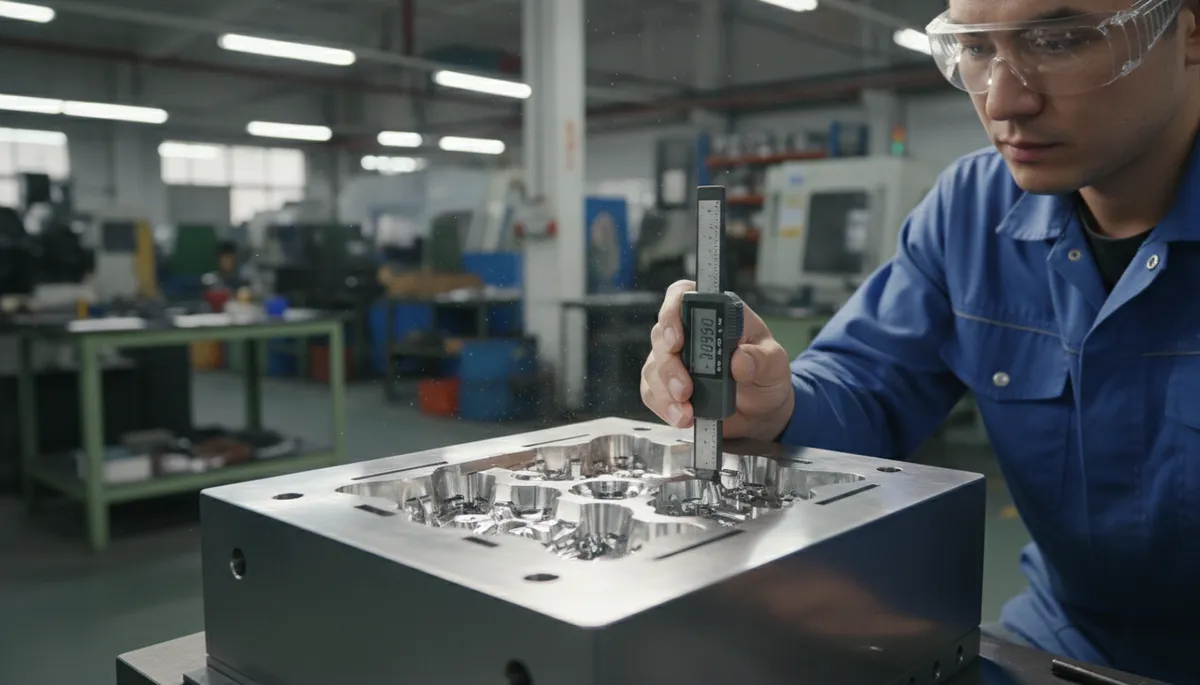
Рекомендации по проектированию деталей для предотвращения ESC — включая радиусы углов, толщину стенок и размещение литников — являются неотъемлемой частью принципов надежного проектирования литьевых форм для пластмасс в ответственных сферах применения.
Конструкция детали является наиболее долговечной стратегией предотвращения ESC, поскольку воздействует на механическую составляющую синергетического механизма напряжения. Следующие приемы проектирования снижают риск ESC:
Большие радиусы углов: острые внутренние углы (r ≤ 0.5 mm) дают Kt 3–5×. Радиус 1.5–3 mm снижает Kt до 1.2–1.5× и резко уменьшает локальное напряжение ESC. Для PC при контакте со спиртами или кетонами стандартный минимум внутреннего радиуса — 1.5× толщины стенки.
Равномерная толщина стенки: резкие переходы вызывают остаточные напряжения от неравномерного охлаждения и концентраторы при эксплуатации. Изменение толщины в пределах ≤ 25% номинала устраняет основной источник формовочных остаточных напряжений.
Положение литника относительно напряжений: линии спая потоков возле литника слабее и первыми инициируют ESC. Литники размещают так, чтобы линии спая находились в малонапряженных областях вдали от химического воздействия.
Минимизация сборочных напряжений: запрессовки, защелки и резьбовой крепеж нагружают пластик. Для чувствительной к ESC конструкции рассчитайте сумму сборочных, эксплуатационных и остаточных напряжений во всех критических точках и подтвердите, что она ниже допустимой при ожидаемом химическом воздействии.
Текстура поверхности: шероховатость с острыми выступами дает больше центров зарождения крейзов, чем полированная поверхность. Для критичных к ESC деталей чистота Ra ≤ 0.8 µm уменьшает число таких центров согласно проектированию пластиковой пресс-формы5.
Часто задаваемые вопросы о растрескивании пластмассовых деталей под воздействием окружающей среды
В: Как отличить ESC от чисто механического разрушения или химической атаки? О: Поверхность ESC-излома хрупкая, со следами крейзов от источника трещины и без пластической деформации. Механический излом вязких полимеров сопровождается заметной деформацией. Химическая атака обычно вызывает растворение, изменение цвета или набухание без четкой трещины. Для диагностики обычно достаточно анализа излома и истории химического воздействия.
В: Какой стандартный метод измерения ESCR? О: Основной стандарт — ASTM D1693, испытание изогнутой полосы полиэтилена в растворе ПАВ. ISO 22088 охватывает разные полимеры и нагрузки. Для инженерных смол применяют шаровое испытание ASTM D5419 и постоянную растягивающую нагрузку ISO 22088 Part 3. Результат — время до разрушения (F50, F100) при заданных условиях.
В: Защищают ли покрытия от ESC? О: Барьерные покрытия задерживают ESC, уменьшая контакт химиката с полимером. Твердые силиконовые и керамические покрытия эффективно изолируют поверхность, но должны быть совместимы с основой, не иметь пор и сохраняться в эксплуатации. Отслоение концентрирует химикат и может ускорить ESC.
В: Влияет ли УФ-стабилизация на стойкость к ESC? О: Косвенно. УФ-деградация снижает молекулярную массу и окисляет поверхность, создавая центры крейзов. Стабилизированные полимеры дольше сохраняют MW, поверхность и исходную ESCR, поэтому для наружных изделий это косвенная мера профилактики ESC.
В: Если деталь выдержала первичное испытание ESC, безопасна ли она длительно? О: Не обязательно. Инкубационный период ESC зависит от напряжений и концентрации и длится от часов до лет. Краткие тесты могут не выявить медленный рост трещин. Для сосудов давления, медицинских и несущих деталей нужны ускоренные испытания при повышенной температуре или концентрации.
В: ESC чаще встречается в литых под давлением деталях, чем в экструдированных или выдувных? О: Обычно да. Высокое давление, быстрое заполнение и резкое охлаждение создают больше остаточных напряжений, а сложная геометрия — больше центров ESC. Однако при сочетании напряжения и химиката ESC возможно в любой пластиковой детали.
Итоги: как предотвратить растрескивание пластиковых деталей под воздействием окружающей среды
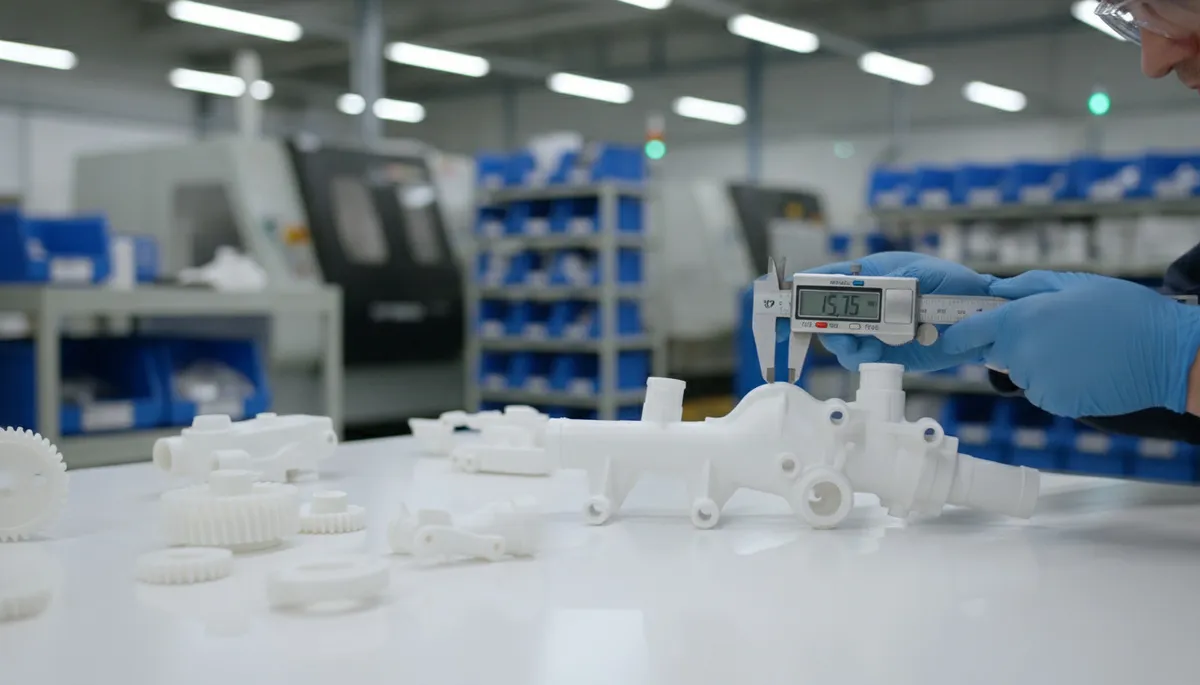
Растрескивание под воздействием окружающей среды — синергетический механизм разрушения, который остаётся одной из наиболее распространённых и предотвратимых причин отказов пластмассовых деталей в эксплуатации. Его коварная природа — хрупкое разрушение при нагрузках и концентрациях химических веществ, которые по отдельности были бы безвредны, — приводит к частой ошибочной диагностике и недооценке при разработке изделий.
Трехмерная система предотвращения:
1. Выбор материала: сопоставьте ESCR полимера с конкретным химикатом и концентрацией. Не полагайтесь на общий рейтинг — испытывайте реальные вещества. При недостаточной ESCR выбирайте марки с большей MW, стойкие сополимеры или другой полимер. Для крайних требований лучшую собственную стойкость дают UHMWPE, PEEK и фторполимеры.
2. Оптимизация конструкции: исключите острые внутренние углы (минимум r = 1.5× толщины стенки), выровняйте толщину, удалите литники и линии спая из нагруженных химически активных зон и снизьте сборочные напряжения у вставок и бобышек крепежа.
3. Оптимизация процесса: снижайте остаточные напряжения повышением температуры формы, уменьшением скорости впрыска, оптимизацией выдержки и отжигом. Проверяйте стабильность периодическими ESCR-испытаниями образцов начала, середины и конца каждой серии.
При системном контроле всех трёх факторов частоту отказов из-за ESC в серийных деталях можно снизить почти до нуля, превратив одну из основных причин отказов в эксплуатации в хорошо управляемый и надёжно предотвращаемый механизм.
Растрескивание под воздействием среды описывается как ведущий механизм дефектов литья под давлением, особенно для полиолефиновых и поликарбонатных деталей в химических средах. ↩
Исключительная стойкость UHMWPE к ESC связана с его сверхвысокой молекулярной массой; параметры переработки приведены в специализированных руководствах. ↩
Оценка остаточных напряжений и их связи с риском ESC — ключевая часть оптимизации параметров литья под давлением, особенно для высокоэффективных инженерных смол. ↩
Уязвимость поликарбоната к определенным ESC-агентам требует тщательного выбора марки и режима обработки для химически стойких применений. ↩
Правила предотвращения ESC — радиусы, толщина стенок и положение литников — составляют часть надежного проектирования пластиковой пресс-формы для ответственных изделий. ↩
Получите конкурентную цену, рекомендации DFM и график производства от инженерной команды ZetarMold.
Запросить бесплатное предложение → Полный обзор см. в нашем Полном руководстве по литью под давлением. Полный обзор см. в нашем Полном руководстве по пресс-формам. Полный обзор см. в нашем Полном руководстве по литью под давлением.