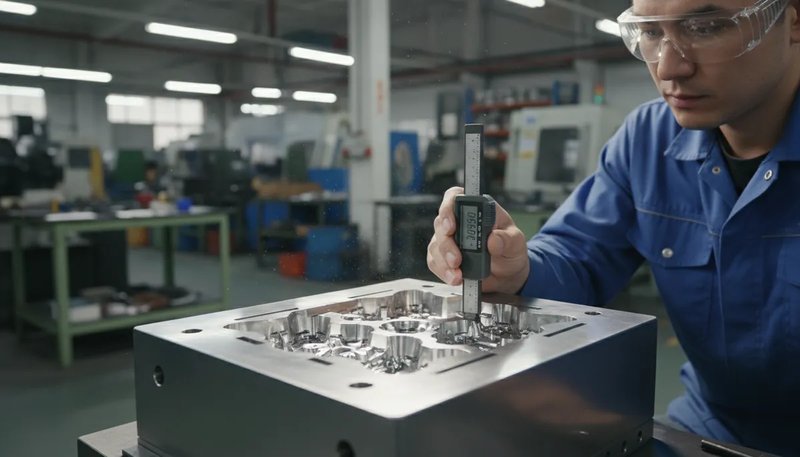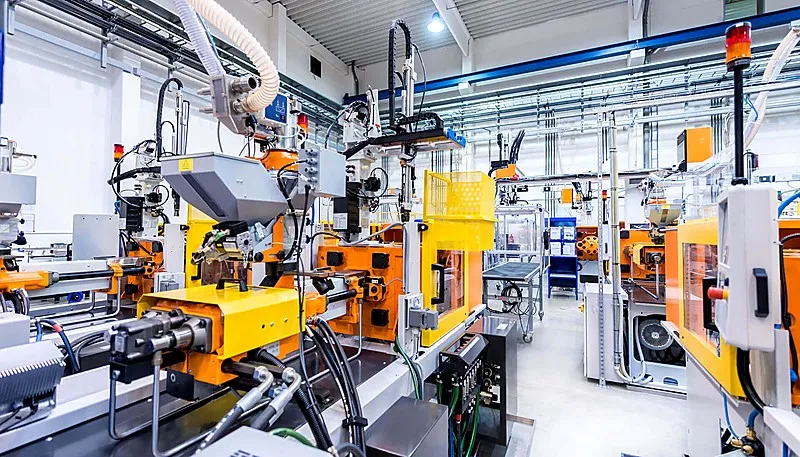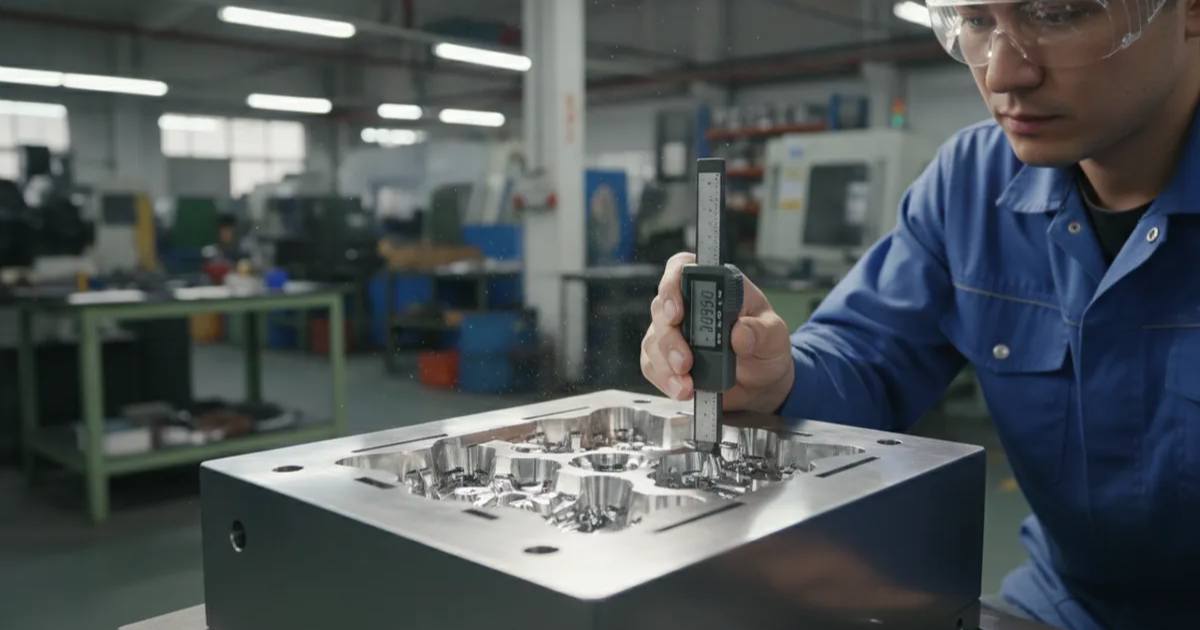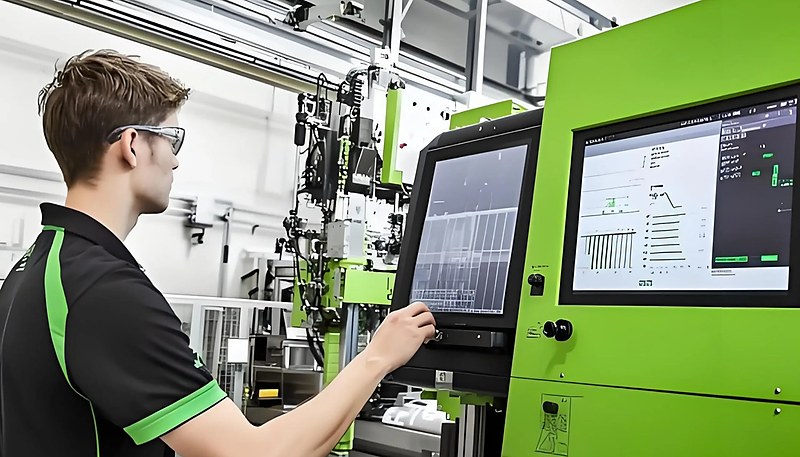
Você acabou de cotar um molde de 32 cavidades para uma tampa médica, e o cliente quer economizar material. Só o canal frio pesaria quase tanto quanto as peças. A moldagem por injeção com câmara quente resolve isso — mas apenas se você escolher o sistema certo para a aplicação. Neste artigo, explicarei os benefícios reais da moldagem com câmara quente, de onde vem efetivamente o retorno do investimento e quando ela é a escolha errada.
Em resumo: os sistemas de câmara quente eliminam o desperdício dos canais, reduzem o tempo de ciclo1 e proporcionam melhor controle do equilíbrio de preenchimento — mas acrescentam US$ 3.000–15.000 ao custo do molde e exigem gestão térmica precisa. Explicarei quando esse compromisso vale a pena.
- Canais quentes eliminam o desperdício de canais solidificados, economizando 15–50% de matéria-prima por ciclo.
- O tempo de ciclo cai 15–30% porque não há canal de alimentação para resfriar e extrair.
- O custo do molde aumenta em $3K–$15K; o retorno geralmente exige mais de 100K ciclos.
- O equilíbrio térmico e a complexidade da mudança de cor são os dois maiores problemas de manutenção.
- A câmara quente é uma escolha inadequada para séries curtas, trocas frequentes de cor ou resinas reforçadas com fibra de vidro e alto desgaste.
Como funciona um sistema de canal quente?
Um sistema de câmara quente2 é uma sequência controlada de processo que funciona por meio das etapas e configurações explicadas nesta seção. Esse sistema substitui o canal convencional não aquecido por um percurso aquecido e com temperatura controlada, que mantém o plástico fundido desde o bico3 da máquina até a entrada da cavidade. Em vez de solidificar uma árvore de canais a cada ciclo, o material fundido permanece pronto no manifold, e somente o material que entra na cavidade congela.
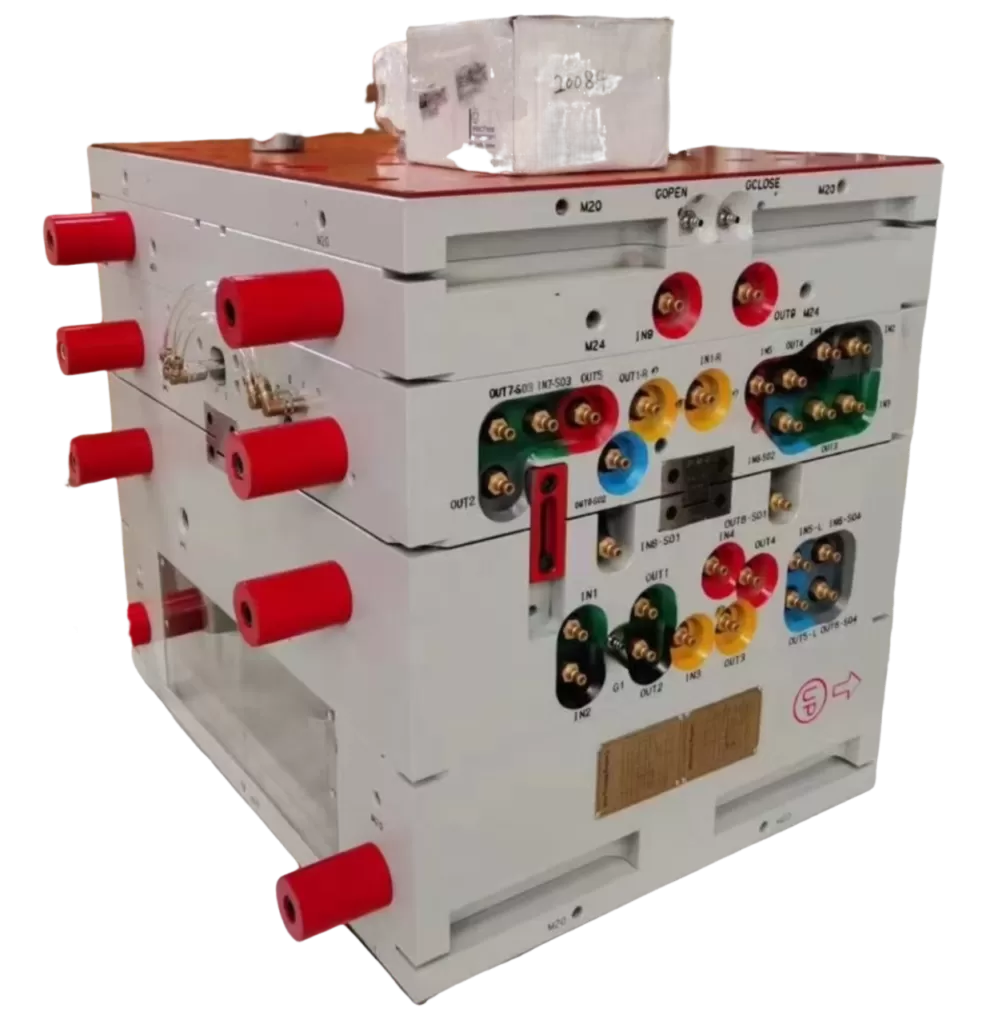
Os componentes centrais são o coletor — bloco de distribuição aquecido que divide o fluxo do material fundido —, os bicos quentes — que se estendem do coletor até cada ponto de injeção —, os elementos de aquecimento — cintas ou cartuchos com retorno de termopares — e o controlador de temperatura, normalmente com uma zona por bico e uma ou mais zonas para o coletor.
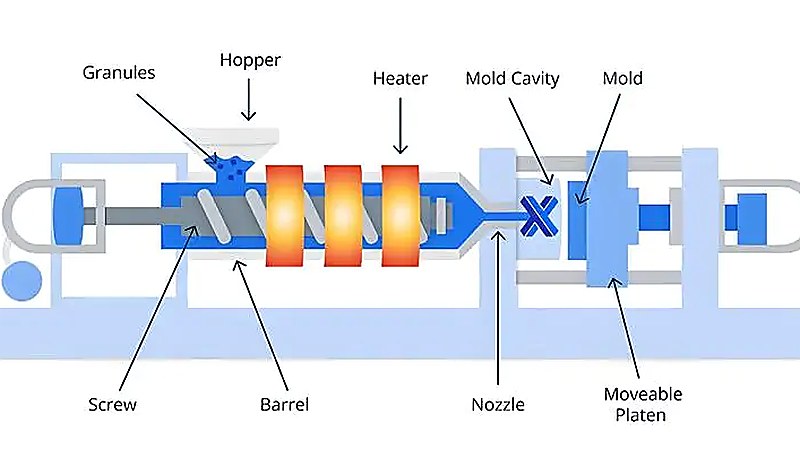
Há duas arquiteturas principais: aquecimento interno (em que uma sonda tipo torpedo com aquecedor cartucho fica dentro do canal de fluxo) e aquecimento externo (em que o próprio corpo do manifold é aquecido externamente). Os sistemas com aquecimento externo são mais comuns atualmente porque proporcionam temperatura mais uniforme do fundido e menor tensão de cisalhamento no material — fatores críticos para resinas de engenharia como POM, PBT e PC.
Na prática, a câmara quente fica no lado estacionário do molde, aparafusada à placa de fixação do lado A. O coletor é isolado do aço do molde por espaços de ar e suportes de titânio para minimizar a perda de calor. Quando o molde abre, apenas as peças são extraídas — sem canais, sem galhos e sem rebarbação após a moldagem.
"Os sistemas de canais quentes podem reduzir o desperdício de matéria-prima em 15–50% comparativamente aos moldes de canais frios."True
Como o canal permanece fundido entre as injeções, nenhum material se solidifica nele. Em um molde de tampas com 32 cavidades processando PP, um canal frio pode pesar 25 g por injeção, contra 40 g das peças — uma perda de material de 38% que simplesmente desaparece com uma câmara quente.
"Os sistemas de canais quentes reduzem sempre o tempo de ciclo em pelo menos 30%."False
A redução depende da relação entre a espessura do canal e a espessura da parede da peça. Em peças de parede espessa, a própria peça controla o tempo de ciclo e eliminar o canal tem impacto mínimo. 30% é o limite superior; 15–20% é mais habitual em aplicações de parede média.
Quais são as principais poupanças de material?
A economia de material é o principal motivo para os fabricantes adotarem a câmara quente, e o cálculo é simples. Em um molde de câmara fria, o próprio canal vira refugo. Em um molde simples de duas placas que produz um pequeno componente médico, o canal pode representar facilmente 30–50% do peso total da injeção. Com uma câmara quente, esse número cai para quase zero — você injeta apenas a resina que formará a peça.
Para resinas de uso geral como PP ou HDPE, o custo por quilograma é baixo o bastante para tornar prática a moagem e reutilização. Porém, para resinas de engenharia — PEEK a $150/kg, PPSU a $80/kg e PC de grau médico a $12/kg — o cálculo do desperdício dos canais muda drasticamente. Na ZetarMold, vimos projetos médicos em que a mudança para câmara quente reduziu o custo de material por peça em 35%, porque cada grama de PEEK foi para a peça, e não para o granulador.
O material rem triturado não é gratuito. Mesmo que você triture e reutilize o canal frio, há vários problemas: limites da proporção de material rem triturado (a maioria dos OEMs limita seu uso a 15–25%), degradação das propriedades (o peso molecular diminui a cada ciclo de fusão), risco de contaminação (contaminação cruzada entre trocas de cor ou material) e custos de mão de obra e energia para triturar, separar e misturar.
O ponto de equilíbrio é simples de calcular. Multiplique o peso do canal por injeção pelo número de injeções anuais e pelo custo da resina por quilograma. Compare esse custo anual de desperdício com o adicional do canal quente ($3K–$15K). Para um molde de 16 cavidades que execute 500K injeções/ano, com um canal de 20 gramas e resina a $8/kg, o desperdício anual é de cerca de $16,000 — retorno em bem menos de um ano.
Quanto reduz o canal quente o tempo de ciclo?
A redução do tempo de ciclo é o segundo grande benefício e decorre de um fato físico simples: a seção mais espessa da injeção geralmente é o canal. Em um molde de canal frio, não é possível abrir o molde até que tanto a peça quanto o canal tenham esfriado o suficiente para serem ejetados sem deformação. O canal costuma ser 2–4× mais espesso que a parede da peça, portanto é o gargalo.
Com um canal quente, o material fundido permanece líquido no manifold. Não há canal para resfriar. Basta esperar que a própria peça atinja a temperatura de ejeção, o que pode reduzir o tempo total de ciclo em 15–30%. Em um molde de tampas com muitas cavidades operando em ciclos de 8 segundos, uma redução de 2 segundos significa 25% mais produção — na mesma máquina e com a mesma mão de obra.

A economia real depende muito da geometria da peça. Embalagens de paredes finas (0,6–1,0 mm) são as mais beneficiadas porque a peça esfria rapidamente, mas o canal continua espesso. Peças grandes e espessas (paredes acima de 4 mm) têm menos benefício porque o gargalo do resfriamento é a própria peça, não o canal.
Como se Comparam os Sistemas de Hot Runner e Cold Runner?
Esta não é uma decisão simples em que “quente é melhor”. Ambos os sistemas têm aplicações legítimas, e a escolha errada custará dinheiro. A comparação prática está nos pontos em que a escolha do canal afeta as etapas da moldagem por injeção: preenchimento, recalque, resfriamento, ejeção, rebarbação e inspeção.
| Fator | Corredor quente | Canal frio |
|---|---|---|
| Desperdício de material | Próximo de zero | 15–50% do peso da injeção |
| Duração do ciclo | Mais curto (sem resfriamento do canal de alimentação) | Mais longo (o canal é a seção mais espessa) |
| Custo do molde | Acréscimo de $3 mil–$15 mil | Linha de base padrão |
| Manutenção | Substituição de aquecedor/bico, equilíbrio térmico | Baixa — manutenção padrão do molde |
| Mudança de cor | Lenta — é preciso purgar o distribuidor | Rápido — o canal é ejetado com a peça |
| Qualidade da peça | Melhor controle do ponto de injeção, sem linhas de solda na junção dos canais | O vestígio do ponto de injeção varia; são possíveis marcas do canal de alimentação |
| Mais adequado para | >100K tiragens, resina cara, alta cavitação | Séries curtas, mudanças frequentes de cor, prototipagem |
O canal frio continua sendo a escolha certa para volumes de produção curtos (menos de 50 mil ciclos no total), trocas frequentes de cor (como produtos de consumo com mais de 10 variantes de cor), resinas altamente abrasivas ou reforçadas com fibra de vidro, que desgastam rapidamente os bicos da câmara quente, ou projetos de molde de injeção para protótipos e produção intermediária, nos quais o custo adicional do molde não se amortiza.
A câmara quente é vantajosa quando se trabalha com muitas cavidades (16 ou mais), resinas caras de engenharia ou de grau médico, peças de parede fina em que o tempo de ciclo é decisivo ou quando é necessário posicionar a entrada com precisão por motivos estéticos ou estruturais. Se a principal justificativa comercial for reduzir o ciclo, calcule o efeito sobre o tempo total de produção da moldagem por injeção antes de aprovar a atualização do molde.
Quando é que um canal quente faz sentido financeiro?
Esta secção trata se o hot runner faz sentido financeiro e o seu impacto nos custos, qualidade, tempo ou risco de aprovisionamento. O caso financeiro para o hot runner resume-se a uma equação simples: as poupanças anuais provenientes da redução do desperdício de material e dos ciclos mais rápidos excedem o custo adicional do molde mais a manutenção? Na maioria dos casos, a resposta é sim assim que se exceder aproximadamente 100.000 tiragens.
Veja um exemplo real de nosso chão de fábrica. Construímos um molde de 16 cavidades para tampas de um cliente de cuidados pessoais. A versão com canal frio teria um canal de 22 gramas por injeção para 38 gramas de peças — taxa de desperdício de 37%. Processando PP a $1,80/kg em 2 milhões de injeções/ano, isso equivale a cerca de $71.000/ano em resina desperdiçada (antes do crédito de material moído). O adicional da câmara quente foi $8.500. Retorno: menos de dois meses.
Mas considere o outro lado. Uma produção de protótipo de 5.000 peças com três trocas de cor. O adicional da câmara quente é de $5.000. A economia de material em 5.000 ciclos é insignificante. As purgas de troca de cor desperdiçam outros $500 em material. Nesse caso, a câmara fria é claramente a escolha correta.
Não se esqueça dos custos de manutenção. Aquecedores de canal quente, termopares e pontas de bico são itens de desgaste. Reserve $500–$2,000 por ano para um sistema típico, dependendo da abrasividade da resina e da temperatura de operação. Isso não altera o cálculo do retorno para moldes de produção, mas é relevante para trabalhos de médio volume.
"Nos moldes multicavidade que processam resinas dispendiosas, o retorno do investimento num canal quente pode ocorrer em menos de 3 meses."True
Quando o custo da resina é elevado (PEEK, PPSU, LCP) e o número de cavidades é 16+, apenas o desperdício dos canais pode justificar o investimento em canais quentes no primeiro trimestre de produção. Combinado com a redução do tempo de ciclo, o argumento económico é muito forte.
"Os sistemas de canal quente eliminam a necessidade de qualquer processamento posterior à moldação ou inspeção da qualidade."False
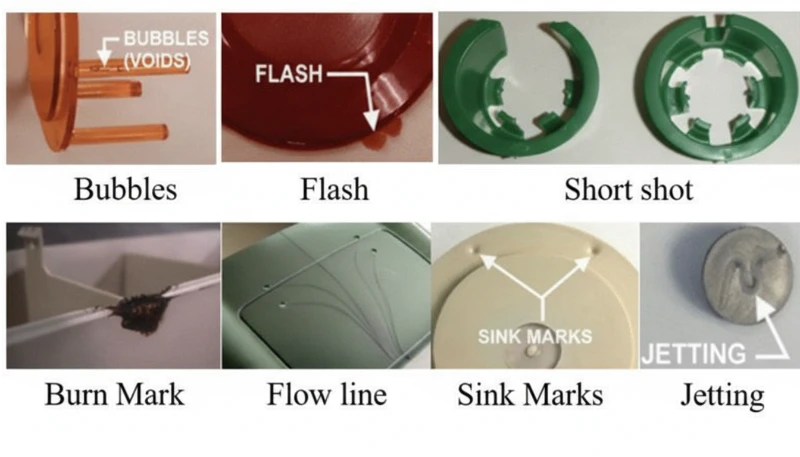
Embora as câmaras quentes eliminem o próprio canal, as peças ainda exigem inspeção de qualidade padrão quanto a rebarbas, marcas de afundamento, precisão dimensional e vestígio do ponto de injeção. Moldes de câmara quente podem até introduzir defeitos específicos, como formação de fios ou gotejamento no ponto, que exigem etapas adicionais de inspeção desnecessárias em ferramental de canal frio.
Quais são as desvantagens dos sistemas de câmara quente?
As desvantagens dos sistemas de canal quente são as principais categorias ou opções explicadas nesta seção. Eu não estaria fazendo meu trabalho se listasse apenas os benefícios. Os sistemas de canal quente introduzem complicações reais para as quais é preciso planejar.
Primeiro, a complexidade da gestão térmica. Um canal quente típico possui mais de 4–20 zonas de temperatura, cada uma exigindo controlo PID independente. Se uma zona funcionar 10°C demasiado quente, ocorre escorrimento ou formação de fios na entrada. Se estiver demasiado fria, ocorrem injeções incompletas ou solidificação. Não basta configurar e esquecer — é necessário ajustar para cada resina e, por vezes, para cada lote de produção.
Segundo, a troca de cor é difícil. Em um molde de canal frio, você ejeta o canal da cor anterior, purga o cilindro e inicia a nova cor. Com um canal quente, todo o volume do manifold — muitas vezes 50–200 cc de material fundido — deve ser purgado pelas entradas. Para bicos de múltiplas pontas com diâmetros de entrada pequenos, isso pode consumir 20–50 ciclos de material descartado. Se você troca de cor semanalmente, o canal quente custará mais em resina desperdiçada do que economizará ao eliminar os canais.
Terceiro, a manutenção é mais especializada. Quando um aquecedor falha ou a ponta de um bico se desgasta, é necessário um técnico que entenda de sistemas de câmara quente, não apenas um moldista generalista. Se os bicos de reposição de marcas como Mold-Masters, Synventive ou Yudo não estiverem em estoque, use um guia de seleção de fornecedores para verificar o acesso às peças sobressalentes antes de aprovar a ferramenta. Os custos de inatividade se acumulam rapidamente em uma linha de produção 24/7.
Quarto, alguns materiais são problemáticos. O PVC libera ácido clorídrico nas temperaturas do canal quente, corroendo o manifold. Resinas com fibra de vidro (PA6-GF30, PBT-GF20) agem como lixa dentro das pontas dos bicos, reduzindo a vida útil de anos para meses. Resinas altamente sensíveis à temperatura, como POM, podem degradar caso existam pontos mortos no percurso de fluxo do manifold.
Como escolher a configuração correta de câmara quente?
Nem todos os sistemas de câmara quente são iguais, e a configuração errada terá desempenho inferior ao de um canal frio. As principais decisões são o tipo de ponto de injeção, a disposição dos bicos e o método de aquecimento.
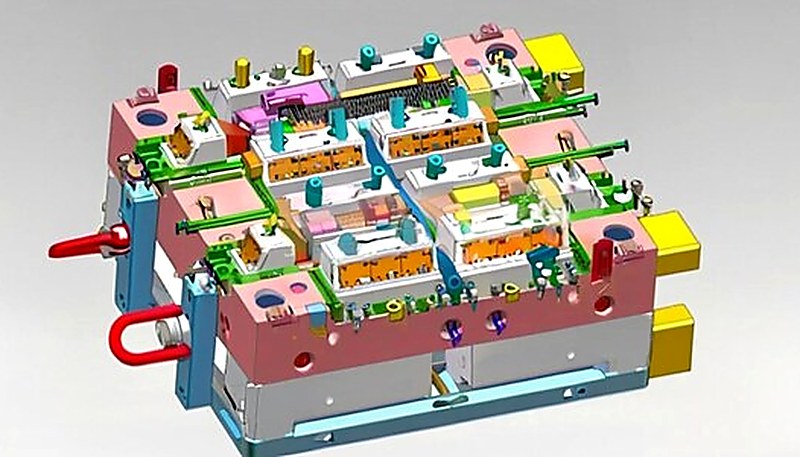
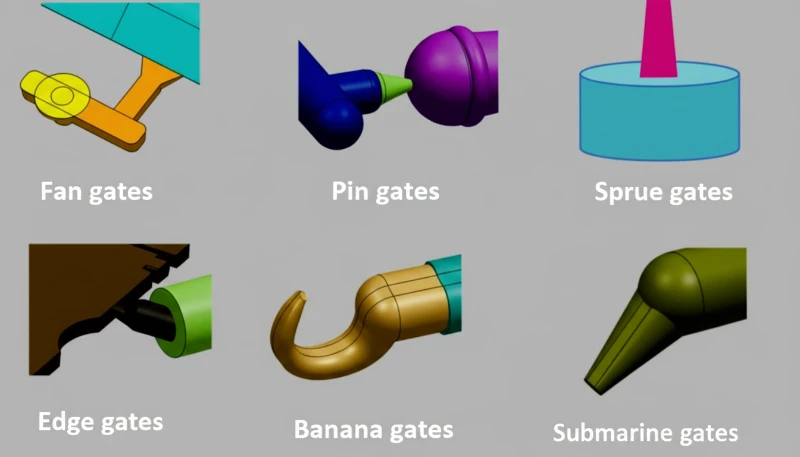
A seleção do tipo de comporta é mais importante do que a maioria das pessoas imagina. As comportas térmicas (também chamadas de comportas de borda quente) usam o diferencial de temperatura entre a ponta quente do bico e o aço frio do molde para criar uma vedação por solidificação. Elas deixam um pequeno vestígio, mas não requerem peças móveis — ideais para embalagens e produtos de consumo. As comportas valvuladas usam um pino pneumático ou hidráulico que abre e fecha fisicamente o orifício da comporta. Elas deixam uma marca-testemunha limpa e nivelada e permitem controlar de forma independente o acionamento de cada comporta — algo crítico para peças grandes, preenchimento sequencial ou superfícies estéticas. As comportas valvuladas custam $500–$1,500 a mais por bico, mas resolvem muitos problemas de equilíbrio de enchimento.
Para moldes com múltiplas cavidades e arranjos simétricos de peças, um coletor balanceado em H ou X garante o mesmo comprimento de fluxo para todas as cavidades. Nos moldes família — várias peças diferentes em uma única injeção —, uma câmara quente com pontos de injeção valvulados permite abrir e fechar seletivamente os pontos para produzir diferentes combinações sem trocar o molde.
Na nossa fábrica de Xangai, os nossos engenheiros combinam opções de hot runner de gate térmico ou gate de válvula com o volume da peça, a resina, os requisitos cosméticos do gate e o acesso à manutenção. A nossa equipa opera 47 máquinas de moldagem por injeção de 90T a 1850T, com capacidade interna de ferramentaria para mais de 100 conjuntos de moldes por mês, para podermos avaliar se o volume de tiragem esperado e a gama de força de fecho justificam o custo extra do hot runner antes do corte do aço.
Quais setores mais se beneficiam da moldagem com câmara quente?
Esta secção trata das indústrias que mais beneficiam da moldagem hot runner e do seu impacto nos custos, qualidade, tempo ou risco de aprovisionamento. A adoção de hot runner varia significativamente por indústria, impulsionada por diferentes prioridades.
O fabrico de dispositivos médicos é o maior utilizador da tecnologia de canais quentes. A razão é simples: conformidade regulamentar. Os requisitos da FDA e da ISO 13485 limitam fortemente a utilização de material triturado em componentes de grau médico. Quando não é possível triturar e reutilizar o canal, cada grama de desperdício do canal frio representa um custo direto. O canal quente elimina-o por completo, e o custo elevado das resinas (PC, PPSU e PEEK de grau médico) torna o cálculo da poupança amplamente positivo.
Embalagens — especialmente fechos, tampas e recipientes de paredes finas — dependem do canal quente para o tempo de ciclo. Ao operar moldes de 64 ou 96 cavidades com ciclos de 4–6 segundos, até uma melhoria de 1 segundo pela eliminação do resfriamento do canal representa milhares de peças adicionais por dia. As margens são estreitas e cada segundo conta.
O setor automotivo usa canais quentes de forma seletiva, principalmente em componentes internos visíveis nos quais o vestígio do ponto de injeção deve ser mínimo (sistemas com obturador de válvula) e em moldes multimateriais nos quais o canal quente gerencia diferentes fluxos de material fundido. No entanto, muitos subcomponentes automotivos ainda são produzidos em moldes de canais frios porque os volumes por variante de cor são moderados e o uso de material rem triturado é aceitável.
O setor de eletrônicos de consumo usa câmara quente em moldes com muitas cavidades — para carcaças de adaptadores de energia e isoladores de conectores — quando a combinação de economia de material, tempo de ciclo e qualidade do ponto de injeção justifica o investimento. Resinas de grau eletrônico, como LCP e PPS, são caras o suficiente para que o desperdício nos canais seja um fator de custo significativo.
Que Perguntas os Compradores Fazem Sobre a Moldagem por Injeção de Hot Runner?
Perguntas mais frequentes
Qual é o volume mínimo de produção que justifica um molde de câmara quente?
Os sistemas de canais quentes tornam-se economicamente justificáveis a partir de aproximadamente 50,000 a 100,000 ciclos totais, dependendo do custo do material e da relação de peso dos canais. Para resinas de engenharia dispendiosas, como PEEK a $150/kg ou PPSU a $80/kg, o ponto de equilíbrio pode ficar abaixo de 30,000 ciclos, pois cada grama de material poupado contribui diretamente para o resultado. Para resinas de uso corrente, como PP ou HDPE, o retorno depende mais da redução do tempo de ciclo e da poupança de mão de obra obtida ao eliminar o manuseamento e a separação dos canais e o processamento de regranulado no chão de fábrica.
Os sistemas de canais quentes podem processar todos os tipos de resinas plásticas?
Os sistemas de câmara quente podem processar a maioria dos termoplásticos, incluindo PP, PE, ABS, PC, PA, POM, PBT, PEEK, PPSU e PMMA. O controlador de temperatura deve manter cada zona aquecida dentro da faixa recomendada de temperatura do fundido para a resina específica, e um perfil térmico adequado é essencial para evitar a degradação. Materiais altamente carregados ou abrasivos, como náilon com 40% de fibra de vidro, podem acelerar o desgaste das pontas dos bicos e exigir canais de fluxo temperados ou revestidos com tungstênio para manter uma vida útil aceitável em longas séries de produção.
Quanto tempo dura um molde de canal quente em comparação com um molde de canal frio?
Um molde de câmara quente bem conservado normalmente dura de 500,000 a 2 milhões de ciclos antes de exigir uma grande reforma ou substituição do coletor, o que é comparável ou ligeiramente superior à vida útil de um molde de câmara fria com quantidade de cavidades e qualidade de construção semelhantes. Os principais fatores limitantes são a vida útil dos elementos de aquecimento, normalmente de 200,000 a 500,000 ciclos, o desvio da precisão dos termopares ao longo do tempo e o desgaste gradual da ponta do bico causado por resinas abrasivas. A manutenção preventiva regular, incluindo verificações da resistência dos aquecedores e calibração dos termopares, prolonga significativamente a vida útil total.
A moldagem com câmara quente melhora a qualidade da peça?
Sim, a moldagem com câmara quente pode melhorar a qualidade da peça de várias formas específicas e mensuráveis. Primeiro, a solidificação mais uniforme do ponto de injeção reduz a variação de peso entre ciclos durante toda a produção. Segundo, o preenchimento balanceado em moldes multicavidades elimina falhas de preenchimento e defeitos de recalque excessivo que causam rejeições dimensionais. Terceiro, a ausência de material remoído dos canais no fluxo elimina uma fonte de contaminação e degradação das propriedades. Câmaras quentes com válvula também produzem vestígios mais limpos no ponto de injeção, algo essencial para aplicações cosméticas ou ópticas. Na ZetarMold, observamos quedas de 20 a 40% nas taxas de rejeição após converter projetos adequados de ferramental com câmara fria para câmara quente.
Qual é a diferença entre sistemas de canal quente com entrada térmica e com válvula?
Um ataque térmico, também chamado ponta quente ou ataque lateral, utiliza a diferença de temperatura na ponta para solidificar o material e formar um pequeno tampão que se rompe na injeção seguinte. Um ataque valvulado usa um pino mecânico acionado por cilindro para abrir e fechar fisicamente o orifício, controlando com precisão a vedação e eliminando gotejamento ou fios entre injeções. Os ataques valvulados são preferidos em peças estéticas e enchimento sequencial.
É fácil alternar entre cores em um sistema de câmara quente?
As mudanças de cor com um sistema de canal quente são mais difíceis e demoradas do que com um canal frio, porque o material residual no coletor e nos bicos aquecidos tem de ser completamente purgado antes de a nova cor sair limpa. Os tempos de purga habituais variam entre 15 e 45 minutos, dependendo do volume interno do coletor e do contraste entre as cores da resina antiga e da nova. Para aplicações que exigem mudanças frequentes de cor, um molde de canal frio com um robô de remoção do jito é frequentemente mais prático.
Quanto acrescenta um sistema de canais quentes ao custo do molde?
Um sistema de câmara quente acrescenta aproximadamente três mil a quinze mil dólares ao custo total de construção do molde, dependendo do número de pontos, da complexidade do coletor e do tipo de bico. Um sistema térmico simples de quatro pontos pode acrescentar três a cinco mil dólares, enquanto um coletor de trinta e dois pontos de válvula com preenchimento sequencial pode ultrapassar quinze mil dólares. Considerando apenas a economia de material, o retorno normalmente ocorre em menos de um ano para volumes acima de cem mil ciclos.
Tempo de ciclo: duração total de um ciclo de moldagem por injeção — do fechamento do molde até o fechamento seguinte —, medida em segundos e abrangendo as fases de injeção, recalque, resfriamento e ejeção. ↩
Sistema de câmara quente: conjunto de canais aquecidos com temperatura controlada dentro de um molde de injeção que mantém a resina plástica fundida entre o bico da máquina e as entradas das cavidades, eliminando o desperdício de canais solidificados. ↩
Bico: seção frontal aquecida do cilindro de moldagem por injeção que conecta a máquina à bucha do canal principal do molde e conduz a resina fundida sob pressão até o canal ou o manifold da câmara quente. ↩