- Avalie a capacidade das máquinas e a faixa de tonelagem para atender aos requisitos de tamanho e complexidade da sua peça
- Procure certificações ISO (9001, 13485, 14001, 45001) como indicadores de controle sistemático da qualidade
- Avalie a especialização em diferentes famílias de resinas, especialmente para aplicações especializadas
- Priorize fabricantes com gerenciamento de projetos em inglês para garantir uma comunicação fluida
- Analise os sistemas de controle de qualidade, incluindo equipamentos de inspeção e controle estatístico do processo
- Considere localização, prazos de entrega e custo total de propriedade, não apenas o preço unitário
Selecionar o fabricante certo de moldagem por injeção pode determinar o sucesso ou o fracasso do cronograma de desenvolvimento do seu produto. Trabalhei com dezenas de empresas de moldagem em três continentes, e os critérios de decisão vão muito além de simplesmente obter a cotação mais baixa. A escolha errada custa meses de atrasos, problemas de qualidade e, muitas vezes, custos totais mais altos do que trabalhar com um fornecedor premium desde o primeiro dia.
A maioria dos engenheiros se concentra demais no preço por peça sem considerar o custo total de propriedade. Barreiras de comunicação, problemas de qualidade e limitações de capacidade em fornecedores mais baratos frequentemente resultam em reformulações caras, lançamentos atrasados e relações prejudicadas com clientes. Vou apresentar os fatores críticos que avalio ao escolher um parceiro de moldagem por injeção.
O que você deve procurar em um fabricante de moldagem por injeção?
Os principais fatores de avaliação são capacidade de produção, certificações de qualidade, especialização em materiais e gerenciamento de projetos em inglês. Esses quatro critérios indicam se um fabricante pode acompanhar a expansão do seu programa e se comunicar durante a resolução de problemas sem mal-entendidos caros.
A capacidade de comunicação muitas vezes determina o sucesso do projeto. Em nossa experiência com clientes internacionais, ter pelo menos 30 integrantes da equipe que falem inglês fluentemente — incluindo gerentes de projeto, engenheiros e profissionais de qualidade — faz a diferença entre uma execução tranquila e mal-entendidos caros. Já vimos barreiras linguísticas causarem erros dispendiosos, especialmente durante as fases críticas de projeto do molde e amostragem.
O tamanho da equipe e a profundidade técnica indicam capacidade e estabilidade. Procure fabricantes com equipes de engenharia robustas – idealmente 8 ou mais engenheiros capazes de fornecer feedback de projeto para fabricação (DFM) e solucionar problemas de produção. Uma força de trabalho total de 120+ profissionais indica a escala necessária para entregas consistentes e controle de qualidade.
Por que a faixa de tonelagem das máquinas é importante para o seu projeto?
A tonelagem da máquina é a única especificação que determina quais peças uma instalação pode produzir fisicamente. Uma máquina de 90T processa pequenas engrenagens de precisão; grandes painéis automotivos exigem 1000T+ de força de fechamento1. Se o limite de tonelagem do seu fabricante for muito baixo, você ficará impedido de produzir categorias inteiras de produtos.
Considere a área projetada da sua peça na direção da linha de separação [3]. Como orientação aproximada, você precisa de cerca de 2-5 toneladas por polegada quadrada de área projetada, dependendo da viscosidade do material e da espessura de parede. Peças com trajetos de fluxo longos, paredes finas ou materiais de alta viscosidade exigem maior tonelagem para o preenchimento adequado.
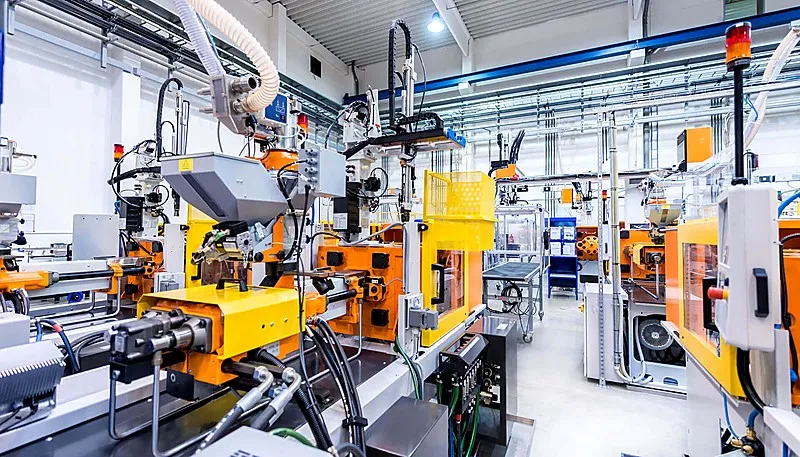
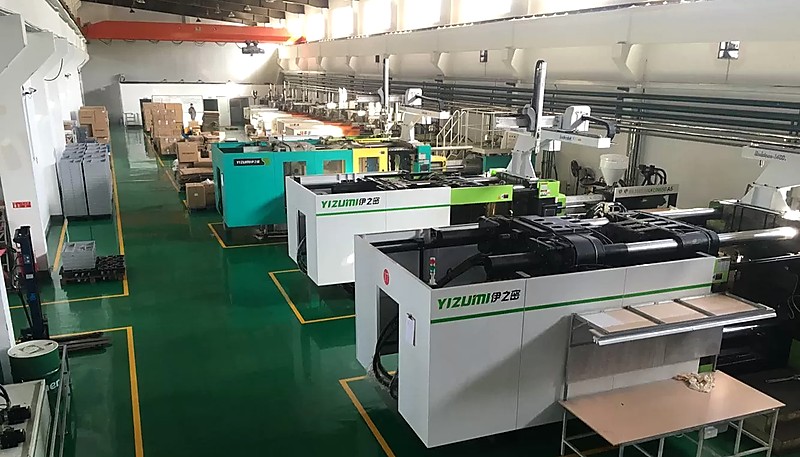
O ferramental multicavidade afeta significativamente os requisitos de tonelagem. Um molde de cavidade única para uma peça pequena pode operar em uma máquina de 100 toneladas, mas uma versão com 8 cavidades pode exigir 500T+. Em nossa fábrica de Xangai, operamos 45 máquinas entre 90T e 1850T justamente porque os programas dos clientes superam suas necessidades iniciais de tonelagem — a peça que começa como protótipo em uma prensa de 150T muitas vezes se torna um ferramental de produção multicavidade em uma máquina de 800T.
“A faixa de tonelagem de um fabricante determina diretamente o tamanho máximo da peça que ele pode produzir.”Verdadeiro
VERDADEIRO — A força de fechamento deve exceder a pressão de injeção multiplicada pela área projetada. Um fabricante limitado a máquinas de 500T não pode produzir grandes painéis automotivos que exigem 1000T+ de força de fechamento, independentemente das demais capacidades.
“Uma tonelagem maior da máquina sempre produz peças de melhor qualidade.”Falso
FALSO — A tonelagem excessiva pode danificar moldes, aumentar os custos de energia e reduzir a vida útil da máquina. A abordagem correta é adequar a tonelagem à área projetada da peça com uma margem de segurança apropriada, normalmente 10-20% acima dos requisitos calculados.
A idade das máquinas e a qualidade da manutenção afetam a consistência das peças e a confiabilidade da produção. Máquinas modernas com sistemas de controle precisos produzem tolerâncias mais estreitas e tempos de ciclo mais consistentes. Pergunte sobre os cronogramas de manutenção das máquinas e os prazos de atualização durante as visitas às instalações.
Como avaliar os sistemas de controle de qualidade?
As quatro principais camadas de avaliação de controle de qualidade são IQC, SPC em processo, FQC e OQC. Exija dados de Cpk e procedimentos documentados para cada camada antes de assumir qualquer compromisso com um fornecedor.
A capacidade dos equipamentos de inspeção determina quais padrões de qualidade o fabricante pode alcançar e verificar. Procure máquinas de medição por coordenadas (CMMs), comparadores ópticos e equipamentos de teste de materiais adequados às especificações da sua peça. Paquímetros básicos e calibradores passa/não passa não são suficientes para aplicações de precisão.
A especialização em materiais é a diferença entre uma peça que funciona no primeiro dia e outra que falha após seis meses. A temperatura de secagem, o perfil de fusão ou a velocidade de injeção incorretos para determinada resina causam defeitos que nenhum pós-processamento pode corrigir. Processamos mais de 400 classes de materiais ao longo de nossa trajetória, e apenas o tempo de depuração poupado por essa experiência pode ser medido em semanas por projeto. Nossa equipe de engenharia identifica regularmente, durante a fase de DFM, riscos relacionados aos materiais que empresas de moldagem menos experientes não perceberiam.
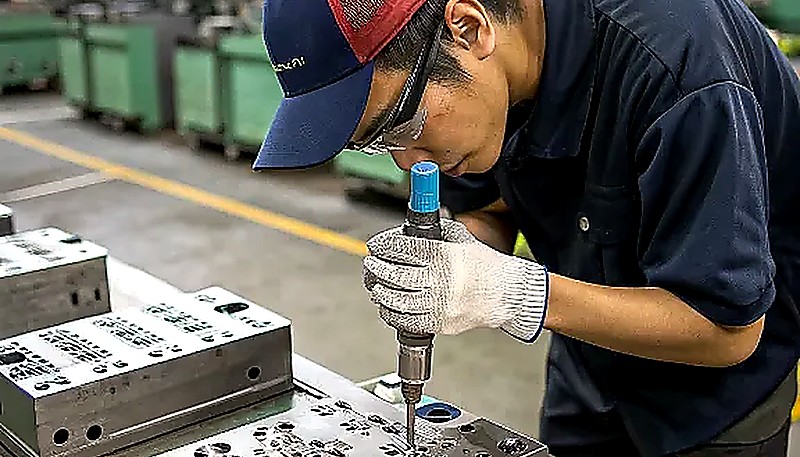
A gestão da qualidade do fornecedor se estende às fontes de matérias-primas e aos subcontratados. Os fabricantes devem manter listas de fornecedores aprovados e realizar auditorias regulares nos fornecedores. Operações secundárias, como pintura, revestimento ou montagem, frequentemente causam problemas de qualidade quando não são gerenciadas corretamente.
Qual é o papel da especialização em materiais?
A especialização em materiais é a diferença entre uma peça que funciona no primeiro dia e outra que falha após seis meses. A temperatura de secagem, o perfil de fusão ou a velocidade de injeção incorretos para determinada resina causam defeitos que nenhum pós-processamento pode corrigir. Processamos mais de 400 classes de materiais ao longo de nossa trajetória, e apenas o tempo de depuração poupado por essa experiência pode ser medido em semanas por projeto.
“A certificação ISO 90012 indica uma abordagem sistemática à gestão da qualidade, não apenas uma auditoria pontual.”Verdadeiro
VERDADEIRO — A ISO 9001:2015 exige auditorias internas contínuas, análises da direção, processos de ações corretivas e ciclos de melhoria contínua. Auditorias anuais de supervisão garantem que o sistema permaneça ativo e eficaz.
“A certificação ISO por si só garante a qualidade consistente das peças.”Falso
FALSO — A certificação ISO confirma a existência de um sistema de gestão da qualidade, mas a qualidade real das peças depende da habilidade do operador, da manutenção dos equipamentos, do manuseio dos materiais e dos controles do processo. Sempre solicite amostras de peças e relatórios de qualidade junto com a verificação da certificação.
Materiais reforçados com fibra de vidro, polímeros de alta temperatura e resinas de grau médico apresentam desafios de processamento específicos. Os fabricantes devem fornecer janelas de processamento, classes de aço recomendadas para o molde de injeção e faixas típicas de contração para os materiais escolhidos. Essa especialização afeta diretamente a qualidade da peça e a vida útil do ferramental.
A capacidade de obtenção de materiais afeta tanto o custo quanto a confiabilidade da cadeia de suprimentos. Fabricantes experientes mantêm relacionamentos com vários fornecedores de resina e canais de obtenção em todo o mundo. Eles também devem compreender os requisitos regulatórios para diferentes classes de materiais, especialmente em aplicações médicas ou de contato com alimentos.
A integração de corantes e aditivos exige especialização adicional além do processamento da resina base. A correspondência de cores, a incorporação de estabilizantes UV e a adição de retardantes de chama afetam os parâmetros de processamento e as propriedades finais da peça. Os fabricantes devem ter procedimentos estabelecidos para aprovação de cores e consistência entre lotes. Além dos corantes, pergunte se o fabricante mantém um laboratório interno de testes de materiais. A capacidade de realizar testes de índice de fluidez, verificar a resistência à tração e fazer análises térmicas nos lotes de resina recebidos oferece um ponto de controle de qualidade adicional que detecta defeitos do material antes que cheguem à produção. Os fabricantes que investem em equipamentos de caracterização de materiais demonstram um compromisso com o controle do processo que vai além de alegações superficiais de qualidade.
Qual é a importância do gerenciamento de projetos em inglês?
Em minha experiência, a qualidade da comunicação está diretamente relacionada às taxas de sucesso dos projetos. Discussões técnicas sobre a localização dos pontos de injeção, estratégias de resfriamento e sistemas de ejeção exigem linguagem precisa. Mal-entendidos durante as análises do projeto do molde frequentemente resultam em modificações caras do ferramental ou reconstruções completas.
Com mais de 20 anos de experiência em fabricação em nossa fábrica de Xangai, operamos 47 máquinas de moldagem por injeção que variam de 90T a 1850T. Nossa fábrica mantém as certificações ISO 9001, ISO 134853, ISO 14001 e ISO 45001, apoiadas pela capacidade interna de fabricação de moldes e pela especialização em 400+ materiais plásticos. Essa abordagem integrada significa que podemos fornecer feedback de DFM, ferramental e produção sob o mesmo teto — eliminando as falhas de comunicação e os riscos de qualidade que surgem quando a fabricação de moldes e a moldagem são divididas entre fornecedores distintos.
O gerenciamento de projetos vai além da comunicação diária e inclui cronogramas, gestão de mudanças e resolução de problemas. Gerentes de projeto que falam inglês podem participar diretamente das análises de projeto, fornecer atualizações em tempo real durante os testes de produção e se coordenar com suas equipes internas sem atrasos de tradução. Esse canal direto de comunicação reduz o risco de especificações interpretadas incorretamente, tolerâncias mal compreendidas ou respostas tardias a solicitações de alteração de engenharia que frequentemente comprometem os cronogramas de produção.
A qualidade da documentação técnica depende muito da capacidade linguística. As análises do projeto do molde, os relatórios de otimização do processo e a documentação da qualidade devem ser claros e tecnicamente precisos. Traduções ruins frequentemente ocultam detalhes técnicos críticos ou geram confusão sobre as especificações. Solicite relatórios de exemplo durante sua avaliação para verificar se a documentação atende aos padrões da sua equipe de engenharia antes de assumir um compromisso com uma parceria de produção.
O tempo de resposta é tão importante quanto a fluência no idioma. Fabricantes comprometidos com negócios internacionais normalmente respondem a consultas técnicas em até 24 horas, com avaliações de engenharia concluídas em 48 a 72 horas. Essa agilidade reflete os processos internos, não apenas o esforço individual. Se um fabricante leva sistematicamente de 3 a 5 dias para responder durante a fase de cotação, espere atrasos maiores quando surgirem problemas de produção. Ciclos rápidos de comunicação durante modificações no ferramental e iterações de amostragem podem reduzir em semanas o cronograma geral do seu projeto.
A compreensão cultural, junto com as habilidades linguísticas, ajuda a conduzir relações e expectativas comerciais. Fabricantes com ampla experiência internacional compreendem melhor as práticas comerciais ocidentais, as expectativas de prazo e os padrões de qualidade. Esse alinhamento cultural reduz o atrito durante as negociações, evita mal-entendidos sobre compromissos de entrega e cria uma relação de trabalho mais colaborativa durante todo o ciclo de vida do produto.
Quais certificações um fabricante confiável deve possuir?
A certificação mínima é a ISO 9001 [ISO 9001] para gestão da qualidade. Além dela, a ISO 13485 (dispositivos médicos), a ISO 14001 (gestão ambiental) e a ISO 45001 (segurança ocupacional) indicam capacidades mais amplas relevantes para setores regulamentados. Sempre verifique se as certificações estão vigentes e pergunte sobre o escopo da certificação — alguns fabricantes certificam apenas parte de suas operações, o que pode não abranger os requisitos específicos do seu produto.
A certificação ISO 13485 [ISO 13485] torna-se essencial para a fabricação de dispositivos médicos. Essa norma exige controles adicionais para alterações de projeto, gestão de riscos e rastreabilidade. Os fabricantes que atendem ao mercado médico devem demonstrar experiência com as regulamentações da FDA e as normas internacionais para dispositivos médicos. Além do certificado, avalie a capacidade de suas salas limpas, os protocolos de validação e as práticas de documentação. A fabricação de produtos médicos exige uma validação rigorosa do processo, incluindo protocolos de Qualificação de Instalação, Qualificação Operacional e Qualificação de Desempenho, que muitas empresas de moldagem de uso geral simplesmente não têm infraestrutura nem especialização para manter. A diferença entre um fabricante certificado e outro realmente capacitado para o setor médico costuma aparecer no processo de controle de mudanças e nos procedimentos de tratamento de reclamações.
Certificações ambientais e específicas do setor
A certificação de gestão ambiental ISO 14001 indica compromisso com práticas de fabricação sustentáveis. Isso se torna cada vez mais importante à medida que as empresas se concentram no impacto ambiental da cadeia de suprimentos. A certificação de saúde e segurança ocupacional ISO 45001 demonstra proteção aos trabalhadores e estabilidade operacional. Juntas, essas quatro normas ISO — 9001, 13485, 14001 e 45001 — formam um sistema de gestão abrangente que cobre qualidade, requisitos para dispositivos médicos, responsabilidade ambiental e segurança no local de trabalho. Quando um fabricante possui as quatro, isso indica maturidade operacional e compromisso institucional muito além da conformidade mínima.
Certificações específicas do setor podem ser exigidas para sua aplicação. Fornecedores automotivos frequentemente precisam da certificação IATF 16949, enquanto aplicações aeroespaciais podem exigir AS9100. Aplicações com contato com alimentos exigem conformidade com a FDA e possivelmente a BRC ou outras certificações de segurança de alimentos. Além dos próprios certificados, avalie até que ponto esses sistemas de qualidade estão incorporados às operações diárias. Peça para ver relatórios recentes de auditorias internas, registros de ações corretivas e atas de análises da direção. Um fabricante que trata a certificação como um exercício burocrático oferece muito menos valor do que aquele em que o pensamento do sistema de qualidade realmente permeia todas as decisões, desde a compra de materiais até a inspeção final e a expedição. O verdadeiro teste é saber se o sistema de qualidade detecta os problemas antes que eles cheguem à sua doca, não se o certificado simplesmente está pendurado na parede.
Perguntas frequentes
Como avaliar a capacidade técnica de um fabricante sem visitar suas instalações?
Solicite documentos detalhados de capacidade, incluindo especificações das máquinas com faixas de tonelagem, listas de equipamentos de qualidade, como CMMs e comparadores ópticos, e estudos de caso recentes de projetos em aplicações semelhantes. Solicite videochamadas com as equipes técnicas e visitas virtuais às instalações para avaliar diretamente as condições dos equipamentos e a maturidade operacional. Analise as credenciais da equipe de engenharia e solicite exemplos de relatórios de DFM de projetos comparáveis. Para parcerias críticas, agende uma auditoria presencial nas instalações para verificar a capacidade da força de trabalho, as práticas de manutenção e a cultura geral de qualidade que as avaliações remotas simplesmente não conseguem captar por completo.
Qual é o prazo típico desde a seleção do fabricante até as primeiras peças de produção?
O prazo depende da complexidade da peça e dos requisitos do ferramental. Moldes simples de cavidade única normalmente exigem 4 a 6 semanas para a construção do ferramental, mais 2 a 3 semanas para amostragem e aprovação. Ferramentais multicavidade complexos ou aplicações de precisão podem exigir 8 a 12 semanas ou mais. Considere tempo adicional para a qualificação do material, especialmente em setores regulamentados ou para requisitos personalizados de correspondência de cores. Sempre inclua uma margem de 10 a 15 por cento em seu cronograma para modificações inesperadas no ferramental, iterações de amostragem ou variações no prazo de entrega do material.
Como comparar os custos totais entre diferentes fabricantes e regiões?
Calcule os custos totais postos no destino, incluindo o investimento em ferramental, o preço por peça, a logística, os riscos de qualidade e as despesas gerais de gerenciamento do programa. Considere os custos de manutenção de estoque se prazos de entrega mais longos exigirem níveis maiores de estoque de segurança. Considere o custo dos problemas de qualidade, dos atrasos de comunicação e de possíveis reformulações que fornecedores mais baratos frequentemente provocam durante a produção. Preços mais baixos por peça muitas vezes ocultam custos totais de propriedade maiores, que só aparecem após o início da produção em volume. Um fabricante que custa 15 por cento a mais por peça, mas oferece qualidade consistente e comunicação ágil, muitas vezes se mostra mais barato durante todo o ciclo de vida do programa.
Quais informações devo fornecer para obter cotações de fabricação precisas?
Forneça modelos 3D detalhados com dimensões críticas e tolerâncias claramente marcadas, incluindo requisitos de acabamento superficial e ângulos de saída permitidos. Inclua projeções de volume anual, prazos de entrega aceitáveis e requisitos específicos de materiais com designações de classe. Especifique antecipadamente os requisitos regulatórios e os padrões de qualidade para que o fabricante possa avaliar a viabilidade com precisão. Compartilhe as expectativas de preço-alvo por peça e o cronograma total do programa. Quanto mais completo for o seu pacote de RFQ, mais precisas e comparáveis serão as respostas dos fabricantes, reduzindo o risco de surpresas caras durante o aumento da produção.
Como proteger minha propriedade intelectual ao trabalhar com fabricantes estrangeiros?
Formalize acordos abrangentes de confidencialidade antes de compartilhar qualquer informação técnica com possíveis fabricantes, garantindo que eles abranjam tanto a jurisdição do seu país quanto as leis locais do fabricante. Considere registrar patentes no país do fabricante antes da divulgação inicial de projetos proprietários. Recorra a assessoria jurídica confiável e familiarizada com estruturas internacionais de proteção da propriedade intelectual e mecanismos locais de aplicação. Algumas empresas dividem estrategicamente a fabricação entre vários fornecedores para proteger todos os detalhes do projeto, embora o sigilo excessivo possa limitar a capacidade do fabricante de otimizar seu projeto para fabricação e sugerir alternativas relevantes de redução de custos.
Quais são os sinais de alerta de um fabricante que devo evitar?
Evite fabricantes que se recusam a oferecer visitas às instalações, referências de clientes ou documentação detalhada de capacidade — a transparência é um requisito básico para qualquer fornecedor legítimo. Tenha cautela com preços significativamente baixos sem justificativa técnica clara, pois muitas vezes sinalizam custos ocultos posteriores em modificações no ferramental, rejeições de qualidade ou atrasos de expedição. Comunicação ruim em inglês, recusa em assinar acordos de confidencialidade ou pressão por compromissos financeiros imediatos são grandes sinais de alerta. Várias avaliações negativas online ou reclamações não resolvidas junto a organizações comerciais justificam uma investigação minuciosa antes de comprometer seu programa de produção com esse fornecedor.
Como lidar com problemas de qualidade ou disputas com fabricantes internacionais?
Estabeleça padrões de qualidade e procedimentos de inspeção claros em seu contrato inicial, incluindo limites específicos de taxa de defeitos, métodos de medição e prazos de correção com consequências financeiras. Inclua mecanismos de resolução de disputas e termos de responsabilidade que ambas as partes compreendam e aceitem por escrito. Mantenha documentação detalhada de todas as comunicações, alterações de especificações e registros de qualidade durante todo o ciclo de vida do projeto. Considere usar serviços de arbitragem internacional para disputas graves que não possam ser resolvidas pelos canais comerciais normais. Comunicação proativa e construção de um relacionamento sólido desde o primeiro dia evitam que a maioria dos problemas de qualidade se transforme em problemas jurídicos dispendiosos.
Por que escolher a ZetarMold para o seu projeto de moldagem por injeção?
A ZetarMold é a escolha certa porque atende a todos os 12 critérios de avaliação descritos neste guia. Sua fábrica em Xangai opera 47 máquinas de 90T–1850T, com especialização em 400+ materiais e certificações ISO 9001/13485/14001/45001.
A profundidade técnica de sua equipe de 8 engenheiros, apoiada por 120+ profissionais de fabricação, entre eles 30+ falantes de inglês, garante tanto a capacidade quanto a qualidade da comunicação. Essa infraestrutura viabiliza projetos complexos para fabricantes dos setores automotivo e de dispositivos médicos que exigem qualidade consistente e cronogramas de entrega confiáveis.
Precisa de uma cotação para o seu projeto de moldagem por injeção?
Obtenha preços competitivos, feedback de DFM em até 48 horas e cronogramas de produção com a equipe de engenharia da ZetarMold.
Solicite uma cotação gratuita →
-
força de fechamento: o cálculo da tonelagem se refere ao cálculo da força de fechamento para moldagem por injeção, que é determinada pela área projetada e pela pressão de injeção, conforme documentado em referências de engenharia de polímeros. ↩
-
ISO 9001: iso9001 refere-se a iSO 9001:2015 Sistemas de gestão da qualidade — Requisitos, publicada pela Organização Internacional de Normalização. ↩
-
ISO 13485: iso13485 refere-se a iSO 13485:2016 Dispositivos médicos — Sistemas de gestão da qualidade — Requisitos para fins regulatórios. ↩