- Parça boyutu ve karmaşıklık gereksinimlerinize uygun makine kapasitesini ve tonaj aralığını değerlendirin
- Sistematik kalite kontrolünün göstergeleri olarak ISO sertifikalarını (9001, 13485, 14001, 45001) arayın
- Özellikle özel uygulamalar için farklı reçine ailelerindeki malzeme uzmanlığını değerlendirin
- Sorunsuz iletişim için İngilizce konuşan proje yönetimine sahip üreticilere öncelik verin
- Muayene ekipmanı ve istatistiksel proses kontrolü dahil kalite kontrol sistemlerini inceleyin
- Birim fiyatın ötesinde konumu, teslim sürelerini ve toplam sahip olma maliyetini dikkate alın
Doğru enjeksiyon kalıplama üreticisini seçmek, ürün geliştirme takviminizi başarıya ulaştırabilir veya sekteye uğratabilir. Üç kıtada onlarca kalıpçıyla çalıştım ve karar kriterleri yalnızca en düşük teklifi almaktan çok daha öteye gidiyor. Yanlış seçim size aylarca gecikmeye, kalite sorunlarına ve çoğu zaman en başından itibaren üst düzey bir tedarikçiyle çalışmaktan daha yüksek toplam maliyetlere mal olur.
Çoğu mühendis, toplam sahip olma maliyetini dikkate almadan parça başına fiyata gereğinden fazla odaklanır. Daha ucuz tedarikçilerdeki iletişim engelleri, kalite sorunları ve kapasite kısıtları çoğu zaman pahalı yeniden tasarımlara, geciken lansmanlara ve zarar gören müşteri ilişkilerine yol açar. Bir enjeksiyon kalıplama ortağı seçerken değerlendirdiğim kritik faktörleri size açıklayayım.
Enjeksiyon Kalıplama Üreticisinde Nelere Bakmalısınız?
Temel değerlendirme faktörleri üretim kapasitesi, kalite sertifikaları, malzeme uzmanlığı ve İngilizce konuşan proje yönetimidir. Bu dört kriter, bir üreticinin programınızla birlikte ölçeklenip ölçeklenemeyeceğini ve sorunlar sırasında maliyetli yanlış anlaşılmalar olmadan iletişim kurup kuramayacağını öngörür.
İletişim kabiliyetleri çoğu zaman proje başarısını belirler. Uluslararası müşterilerle çalışma deneyimimize göre, proje yöneticileri, mühendisler ve kalite personeli dahil olmak üzere akıcı İngilizce konuşan en az 30 ekip üyesine sahip olmak, sorunsuz yürütme ile maliyetli yanlış anlaşılmalar arasındaki farkı yaratır. Dil engellerinin, özellikle kritik kalıp tasarımı ve numune alma aşamalarında pahalı hatalara yol açtığını gördük.
Ekip büyüklüğü ve teknik derinlik, kabiliyet ve istikrarı gösterir. Üretilebilirlik için tasarım (DFM) geri bildirimi sağlayabilen ve üretim sorunlarını giderebilen, tercihen 8 veya daha fazla mühendisten oluşan güçlü mühendislik ekiplerine sahip üreticileri arayın. Toplam 120+ kişilik iş gücü, tutarlı teslimat ve kalite kontrolü için gereken ölçeğe işaret eder.
Makine Tonaj Aralığı Projeniz İçin Neden Önemlidir?
Makine tonajı, bir tesisin fiziksel olarak hangi parçaları üretebileceğini belirleyen tek teknik özelliktir. 90T'lik bir makine küçük hassas dişlileri işler; büyük otomotiv panelleri 1000T+ kapama kuvveti1. Üreticinizin tonaj üst sınırı çok düşükse, tüm ürün kategorilerinin dışında kalırsınız.
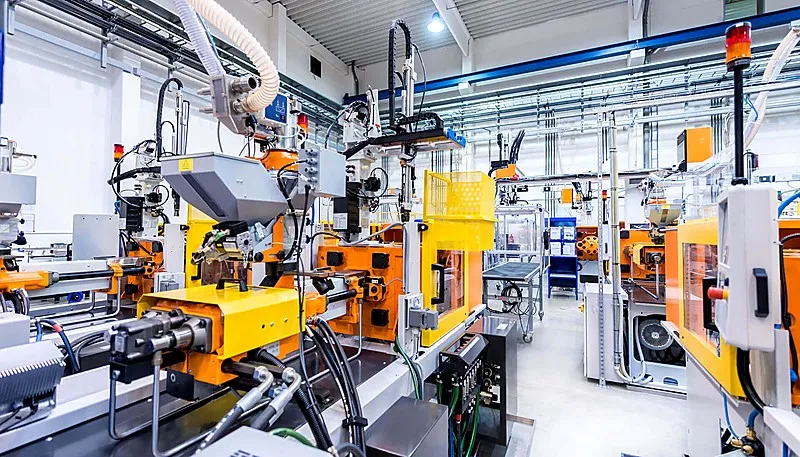
Parçanızın ayırma çizgisi yönündeki izdüşüm alanını dikkate alın [3]. Kabaca bir kılavuz olarak, malzeme viskozitesine ve duvar kalınlığına bağlı şekilde, izdüşüm alanının her inç karesi için yaklaşık 2-5 ton gerekir. Uzun akış mesafelerine, ince duvarlara veya yüksek viskoziteli malzemelere sahip parçaların doğru dolması için daha yüksek tonaj gerekir.
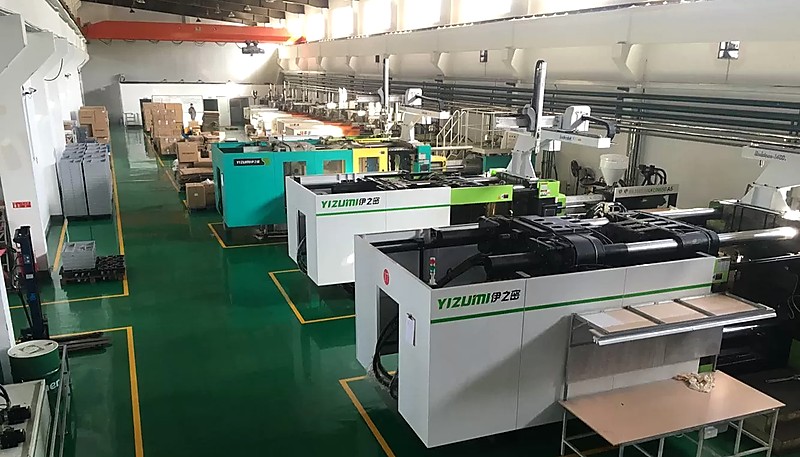
Çok gözlü kalıplar tonaj gereksinimlerini önemli ölçüde etkiler. Küçük bir parçaya yönelik tek gözlü bir kalıp 100-ton bir makinede çalışabilirken 8 gözlü bir sürüm 500T+ gerektirebilir. Şanghay tesisimizde 45 makineyi 90T ile 1850T arasında çalıştırıyoruz; çünkü müşteri programları başlangıçtaki tonaj gereksinimlerini aşar — 150T bir preste prototip olarak başlayan parça, çoğu zaman 800T bir makinede çok gözlü bir üretim kalıbına dönüşür.
“Bir üreticinin tonaj aralığı, üretebileceği azami parça boyutunu doğrudan belirler.”Doğru
DOĞRU — Kapama kuvveti, enjeksiyon basıncının izdüşüm alanıyla çarpımını aşmalıdır. 500T makinelerle sınırlı bir üretici, diğer kabiliyetleri ne olursa olsun 1000T+ kapama kuvveti gerektiren büyük otomotiv panellerini üretemez.
“Daha yüksek makine tonajı her zaman daha kaliteli parçalar üretir.”Yanlış
YANLIŞ — Aşırı tonaj kalıplara zarar verebilir, enerji maliyetlerini artırabilir ve makine ömrünü kısaltabilir. Doğru yaklaşım, tonajı parçanın izdüşüm alanıyla uygun bir güvenlik payı kullanarak eşleştirmektir; bu pay genellikle hesaplanan gereksinimlerin 10-20% üzerindedir.
Makine yaşı ve bakım kalitesi, parça tutarlılığını ve üretim güvenilirliğini etkiler. Hassas kontrol sistemlerine sahip modern makineler daha dar toleranslar ve daha tutarlı çevrim süreleri sağlar. Tesis ziyaretleri sırasında makine bakım programlarını ve yükseltme takvimlerini sorun.
Kalite Kontrol Sistemlerini Nasıl Değerlendirirsiniz?
Dört temel QC değerlendirme katmanı IQC, proses içi SPC, FQC ve OQC'dir. Herhangi bir tedarikçiye bağlanmadan önce her katman için Cpk verilerini ve belgelenmiş prosedürleri talep edin.
Muayene ekipmanının kabiliyetleri, üreticinin hangi kalite standartlarına ulaşabileceğini ve bunları doğrulayabileceğini belirler. Parça teknik özelliklerinize uygun koordinat ölçüm makineleri (CMMs), optik karşılaştırıcılar ve malzeme test ekipmanları arayın. Temel kumpaslar ve geçer/geçmez mastarları hassas uygulamalar için yeterli değildir.
Malzeme uzmanlığı, ilk günden çalışan bir parça ile altı ay sonra arızalanan bir parça arasındaki farktır. Belirli bir reçine için yanlış kurutma sıcaklığı, eriyik profili veya enjeksiyon hızı, hiçbir son işlemin düzeltemeyeceği kusurlara yol açar. Kariyerimiz boyunca 400'den fazla malzeme sınıfı işledik ve bu deneyimin yalnızca hata ayıklamada kazandırdığı süre, proje başına haftalarla ölçülebilir. Mühendislik ekibimiz, daha az deneyimli kalıpçıların tamamen gözden kaçıracağı malzemeyle ilgili riskleri DFM aşamasında düzenli olarak belirler.
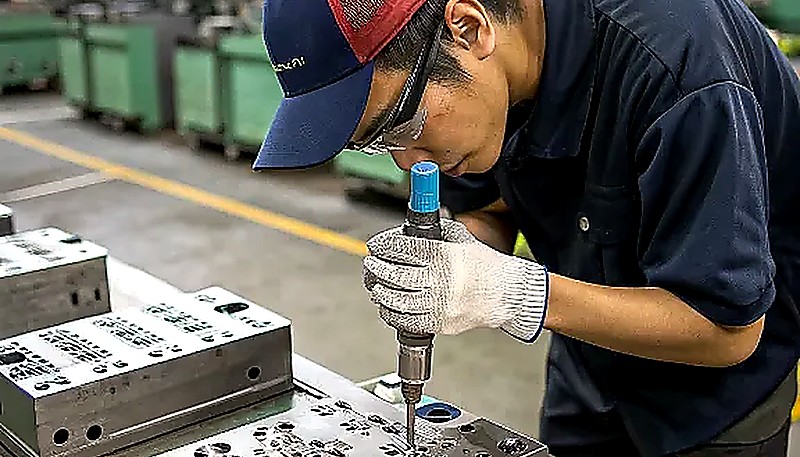
Tedarikçi kalite yönetimi, ham madde kaynaklarını ve alt yüklenicilerini de kapsar. Üreticiler onaylı satıcı listeleri tutmalı ve düzenli tedarikçi denetimleri gerçekleştirmelidir. Boyama, kaplama veya montaj gibi ikincil operasyonlar doğru yönetilmezse çoğu zaman kalite sorunlarına yol açar.
Malzeme Uzmanlığı Nasıl Bir Rol Oynar?
Malzeme uzmanlığı, ilk günden çalışan bir parça ile altı ay sonra arızalanan bir parça arasındaki farktır. Belirli bir reçine için yanlış kurutma sıcaklığı, eriyik profili veya enjeksiyon hızı, hiçbir son işlemin düzeltemeyeceği kusurlara yol açar. Kariyerimiz boyunca 400'den fazla malzeme sınıfı işledik ve bu deneyimin yalnızca hata ayıklamada kazandırdığı süre, proje başına haftalarla ölçülebilir.
“ISO 90012 sertifikası, yalnızca tek seferlik bir denetimi değil, kalite yönetimine sistematik bir yaklaşımı gösterir.”Doğru
DOĞRU — ISO 9001:2015, devam eden iç denetimler, yönetim incelemeleri, düzeltici faaliyet prosesleri ve sürekli iyileştirme döngüleri gerektirir. Yıllık gözetim denetimleri, sistemin aktif ve etkili kalmasını sağlar.
“ISO sertifikası tek başına tutarlı parça kalitesini garanti eder.”Yanlış
YANLIŞ — ISO sertifikası bir kalite yönetim sisteminin varlığını doğrular, ancak gerçek parça kalitesi operatör becerisine, ekipman bakımına, malzeme elleçlemeye ve proses kontrollerine bağlıdır. Sertifika doğrulamasının yanı sıra her zaman numune parçalar ve kalite raporları isteyin.
Cam elyaf dolgulu malzemeler, yüksek sıcaklık polimerleri ve medikal sınıf reçinelerin her biri kendine özgü işleme zorlukları sunar. Üreticiler, belirli malzeme seçimleriniz için proses pencerelerini, önerilen enjeksiyon kalıbı çelik sınıflarını ve tipik çekme aralıklarını sağlamalıdır. Bu uzmanlık, parça kalitesini ve kalıp ömrünü doğrudan etkiler.
Malzeme tedarik kabiliyetleri hem maliyeti hem de tedarik zinciri güvenilirliğini etkiler. Deneyimli üreticiler dünya genelinde birden fazla reçine tedarikçisi ve tedarik kanalıyla ilişkilerini sürdürür. Özellikle medikal veya gıdayla temas eden uygulamalarda farklı malzeme sınıflarına yönelik mevzuat gerekliliklerini de anlamalıdırlar.
Renklendirici ve katkı maddesi entegrasyonu, temel reçine işlemenin ötesinde ek uzmanlık gerektirir. Renk eşleştirme, UV stabilizatörü katma ve alev geciktirici ilavelerinin tümü işleme parametrelerini ve nihai parça özelliklerini etkiler. Üreticiler renk onayı ve partiden partiye tutarlılık için yerleşik prosedürlere sahip olmalıdır. Renklendiricilerin ötesinde, üreticinin kendi bünyesinde bir malzeme test laboratuvarı bulundurup bulundurmadığını sorun. Gelen reçine partilerinde eriyik akış indeksi testleri, çekme dayanımı doğrulaması ve termal analiz yapabilme kabiliyeti, malzeme kusurlarını üretime ulaşmadan yakalayan ek bir kalite kontrol noktası sağlar. Malzeme karakterizasyon ekipmanına yatırım yapan üreticiler, yüzeysel kalite iddialarının ötesine geçen bir proses kontrolü taahhüdü gösterir.
İngilizce Konuşan Proje Yönetimi Ne Kadar Önemlidir?
Deneyimlerime göre iletişim kalitesi, proje başarı oranlarıyla doğrudan ilişkilidir. Yolluk girişi konumları, soğutma stratejileri ve itme sistemleri hakkındaki teknik görüşmeler kesin bir dil gerektirir. Kalıp tasarımı incelemeleri sırasındaki yanlış anlaşılmalar çoğu zaman pahalı takım değişikliklerine veya takımın tamamen yeniden yapılmasına yol açar.
Şanghay fabrikamızdaki 20 yılı aşkın üretim deneyimimizle, 47 enjeksiyon kalıplama makinesini 90T ile 1850T arasında işletiyoruz. Tesisimiz ISO 9001, ISO 134853, ISO 14001 ve ISO 45001 sertifikalarını; kendi bünyesindeki kalıp üretim kabiliyeti ve 400+ plastik malzemedeki uzmanlıkla birlikte sürdürmektedir. Bu entegre yaklaşım, DFM geri bildirimi, kalıp ve üretimi tek çatı altında sunabileceğimiz anlamına gelir — böylece kalıp yapımını ve kalıplamayı ayrı tedarikçiler arasında bölmekten kaynaklanan iletişim boşluklarını ve kalite risklerini ortadan kaldırırız.
Proje yönetimi, planlama, değişiklik yönetimi ve sorun çözümünü kapsayacak şekilde günlük iletişimin ötesine geçer. İngilizce konuşan proje yöneticileri tasarım incelemelerine doğrudan katılabilir, üretim denemeleri sırasında gerçek zamanlı güncellemeler sağlayabilir ve çeviri gecikmeleri olmadan şirket içi ekiplerinizle koordinasyon kurabilir. Bu doğrudan iletişim kanalı, üretim takvimlerini sık sık rayından çıkaran yanlış yorumlanmış teknik özellikler, yanlış anlaşılmış toleranslar veya mühendislik değişikliği taleplerine geciken yanıtlar riskini azaltır.
Teknik dokümantasyon kalitesi büyük ölçüde dil kabiliyetlerine bağlıdır. Kalıp tasarımı incelemeleri, proses optimizasyon raporları ve kalite dokümantasyonu açık ve teknik açıdan doğru olmalıdır. Yetersiz çeviriler çoğu zaman kritik teknik ayrıntıları belirsizleştirir veya teknik özellikler hakkında karışıklık yaratır. Üretim ortaklığına bağlanmadan önce dokümantasyonun mühendislik ekibinizin standartlarını karşıladığını doğrulamak için değerlendirmeniz sırasında örnek raporlar isteyin.
Yanıt süresi, dil akıcılığı kadar önemlidir. Uluslararası ticarete bağlı üreticiler teknik sorulara genellikle 24 saat içinde yanıt verir ve mühendislik değerlendirmelerini 48 ila 72 saat içinde tamamlar. Bu yanıt hızı yalnızca bireysel çabayı değil, şirket içi prosesleri yansıtır. Bir üretici teklif aşamasında yanıt vermek için sürekli olarak 3 ila 5 gün harcıyorsa üretim sorunları ortaya çıktığında daha uzun gecikmeler bekleyin. Kalıp değişiklikleri ve numune alma yinelemeleri sırasındaki hızlı iletişim döngüleri, genel proje takviminizi haftalarca kısaltabilir.
Dil becerilerinin yanı sıra kültürel anlayış, iş ilişkilerinin ve beklentilerin yönetilmesine yardımcı olur. Geniş uluslararası deneyime sahip üreticiler Batılı iş uygulamalarını, takvim beklentilerini ve kalite standartlarını daha iyi anlar. Bu kültürel uyum müzakereler sırasındaki sürtüşmeyi azaltır, teslimat taahhütleriyle ilgili yanlış anlaşılmaları önler ve ürün yaşam döngüsü boyunca daha iş birlikçi bir çalışma ilişkisi yaratır.
Güvenilir Bir Üretici Hangi Sertifikalara Sahip Olmalıdır?
Kalite yönetimi için asgari sertifika ISO 9001 [ISO 9001]'dir. Bunun ötesinde ISO 13485 (tıbbi cihazlar), ISO 14001 (çevre yönetimi) ve ISO 45001 (iş güvenliği), düzenlemeye tabi sektörlerle ilgili daha geniş kabiliyetlere işaret eder. Sertifikaların güncel olduğunu her zaman doğrulayın ve sertifikasyon kapsamını sorun — bazı üreticiler operasyonlarının yalnızca bir bölümünü sertifikalandırır ve bu bölüm sizin özel ürün gereksinimlerinizi kapsamayabilir.
ISO 13485 [ISO 13485] sertifikası, tıbbi cihaz üretimi için zorunlu hale gelir. Bu standart tasarım değişiklikleri, risk yönetimi ve izlenebilirlik için ek kontroller gerektirir. Medikal pazarlara hizmet veren üreticiler, FDA düzenlemeleri ve uluslararası tıbbi cihaz standartları konusunda deneyim göstermelidir. Sertifikanın ötesinde temiz oda kabiliyetlerini, doğrulama protokollerini ve dokümantasyon uygulamalarını değerlendirin. Medikal üretim; birçok genel amaçlı kalıpçının sürdürecek altyapıya veya uzmanlığa sahip olmadığı Kurulum Kalifikasyonu, Operasyonel Kalifikasyon ve Performans Kalifikasyonu protokollerini içeren titiz proses doğrulaması gerektirir. Sertifikalı bir üretici ile gerçekten medikal üretim kabiliyetine sahip bir üretici arasındaki fark, çoğu zaman değişiklik kontrol proseslerinde ve şikayet ele alma prosedürlerinde ortaya çıkar.
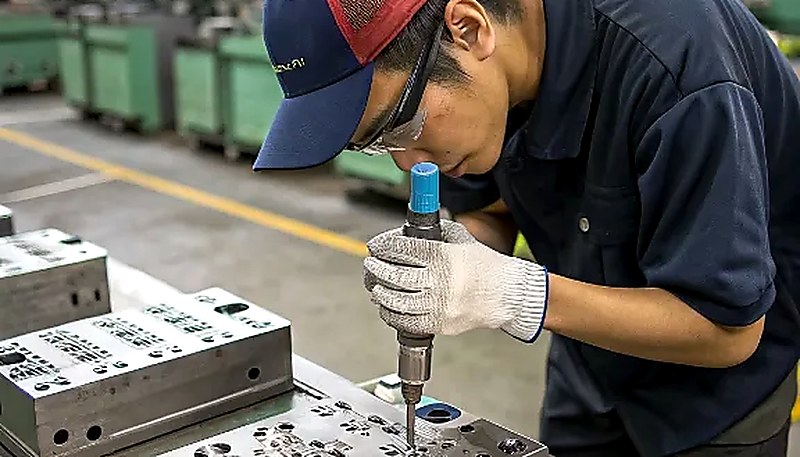
Çevre ve Sektöre Özgü Sertifikalar
ISO 14001 çevre yönetimi sertifikası, sürdürülebilir üretim uygulamalarına bağlılığı gösterir. Şirketler tedarik zincirinin çevresel etkisine odaklandıkça bu giderek daha önemli hale gelir. ISO 45001 iş sağlığı ve güvenliği sertifikası, çalışanların korunmasını ve operasyonel istikrarı gösterir. Bu dört ISO standardı — 9001, 13485, 14001 ve 45001 — birlikte kaliteyi, tıbbi cihaz gerekliliklerini, çevresel sorumluluğu ve iş yeri güvenliğini kapsayan kapsamlı bir yönetim sistemi oluşturur. Bir üreticinin dördüne de sahip olması, asgari uyumun çok ötesine geçen operasyonel olgunluğa ve kurumsal bağlılığa işaret eder.
Uygulamanız için sektöre özgü sertifikalar gerekebilir. Otomotiv tedarikçileri çoğu zaman IATF 16949 sertifikasına ihtiyaç duyarken havacılık uygulamaları AS9100 gerektirebilir. Gıdayla temas eden uygulamalar FDA uyumu ve muhtemelen BRC veya diğer gıda güvenliği sertifikalarını gerektirir. Sertifikaların kendilerinin ötesinde, bu kalite sistemlerinin günlük operasyonlara ne kadar derinlemesine yerleştiğini değerlendirin. Yakın tarihli iç denetim raporlarını, düzeltici faaliyet kayıtlarını ve yönetim incelemesi tutanaklarını görmeyi isteyin. Sertifikasyonu bir evrak işi olarak gören üretici, kalite sistemi düşüncesinin malzeme satın almadan son muayene ve sevkiyata kadar her karara gerçekten nüfuz ettiği bir üreticiden çok daha az değer sağlar. Gerçek test, sertifikanın yalnızca duvarda asılı olup olmadığı değil, kalite sisteminin sorunları sizin teslimat noktanıza ulaşmadan yakalayıp yakalamadığıdır.
Sıkça Sorulan Sorular
Tesisini ziyaret etmeden bir üreticinin teknik kabiliyetlerini nasıl değerlendirebilirim?
Tonaj aralıklarıyla birlikte makine özellikleri, CMMs ve optik karşılaştırıcılar gibi kalite ekipmanı listeleri ve benzer uygulamalara ait yakın tarihli proje örnek olayları dahil ayrıntılı kabiliyet belgeleri isteyin. Ekipmanın durumunu ve operasyonel olgunluğu doğrudan değerlendirmek için teknik ekiplerle görüntülü görüşmeler ve sanal tesis turları talep edin. Mühendislik ekibinin yetkinliklerini inceleyin ve benzer projelere ait örnek DFM raporları isteyin. Kritik ortaklıklar için, uzaktan değerlendirmelerin tam olarak ortaya koyamayacağı iş gücü kabiliyetini, bakım uygulamalarını ve genel kalite kültürünü doğrulamak üzere yerinde tesis denetimi planlayın.
Üretici seçiminden ilk üretim parçalarına kadar tipik zaman çizelgesi nedir?
Takvim, parça karmaşıklığına ve kalıp gereksinimlerine bağlıdır. Basit tek gözlü kalıplar, kalıp yapımı için genellikle 4 ila 6 haftaya, numune alma ve onay için de 2 ila 3 haftaya ihtiyaç duyar. Karmaşık çok gözlü kalıplar veya hassas uygulamalar 8 ila 12 hafta ya da daha uzun sürebilir. Özellikle düzenlemeye tabi sektörler veya özel renk eşleştirme gereksinimleri için malzeme kalifikasyonuna ek süre ayırın. Beklenmeyen kalıp değişiklikleri, numune alma yinelemeleri veya malzeme teslim süresi değişkenliği için programınıza her zaman yüzde 10 ila 15 tampon ekleyin.
Farklı üreticiler ve bölgeler arasındaki toplam maliyetleri nasıl karşılaştırabilirim?
Kalıp yatırımı, parça fiyatı, lojistik, kalite riskleri ve program yönetimi genel giderleri dahil toplam teslim maliyetlerini hesaplayın. Daha uzun teslim süreleri daha yüksek emniyet stoku düzeyleri gerektiriyorsa stok taşıma maliyetlerini dikkate alın. Daha ucuz tedarikçilerin üretim sırasında sıklıkla tetiklediği kalite sorunlarının, iletişim gecikmelerinin ve olası yeniden tasarımların maliyetini hesaba katın. Daha düşük parça fiyatları, çoğu zaman ancak seri üretim başladıktan sonra ortaya çıkan daha yüksek toplam sahip olma maliyetlerini gizler. Parça başına yüzde 15 daha pahalı olan ancak tutarlı kalite ve hızlı iletişim sunan bir üretici, programın tüm yaşam döngüsü boyunca çoğu zaman daha ucuz olduğunu kanıtlar.
Doğru üretim teklifleri almak için hangi bilgileri sağlamalıyım?
Yüzey kalitesi gereksinimleri ve izin verilen kalıp çıkış açıları dahil kritik boyutlar ve toleranslar açıkça işaretlenmiş ayrıntılı 3D modeller sağlayın. Yıllık hacim tahminlerini, kabul edilebilir teslim sürelerini ve sınıf tanımlarıyla birlikte özel malzeme gereksinimlerini ekleyin. Üreticinin uygulanabilirliği doğru değerlendirebilmesi için mevzuat gerekliliklerini ve kalite standartlarını en başta belirtin. Hedef parça fiyatı beklentilerini ve toplam program takvimini paylaşın. RFQ paketiniz ne kadar eksiksiz olursa üreticilerin yanıtları da o kadar doğru ve karşılaştırılabilir olur; bu da üretim artışı sırasında maliyetli sürpriz riskini azaltır.
Yurt dışındaki üreticilerle çalışırken fikri mülkiyetimi nasıl koruyabilirim?
Potansiyel üreticilerle herhangi bir teknik bilgi paylaşmadan önce hem kendi ülkenizdeki yargı yetkisini hem de üreticinin yerel yasalarını kapsadığından emin olduğunuz kapsamlı gizlilik anlaşmaları imzalayın. Tescilli tasarımları ilk kez açıklamadan önce üreticinin ülkesinde patent başvurusu yapmayı düşünün. Uluslararası IP koruma çerçeveleri ve yerel yaptırım mekanizmaları konusunda bilgili, güvenilir hukuk danışmanlarından yararlanın. Bazı şirketler tüm tasarım ayrıntılarını korumak için üretimi stratejik olarak birden fazla tedarikçi arasında böler, ancak aşırı gizlilik üreticinin tasarımınızı üretilebilirlik açısından optimize etme ve anlamlı maliyet tasarrufu alternatifleri önerme kabiliyetini sınırlayabilir.
Kaçınmam gereken bir üreticinin uyarı işaretleri nelerdir?
Tesis turları, müşteri referansları veya ayrıntılı kabiliyet belgeleri sağlamayı reddeden üreticilerden kaçının — şeffaflık her meşru tedarikçi için temel bir gerekliliktir. Açık bir teknik gerekçe olmadan önemli ölçüde düşük fiyatlara karşı dikkatli olun; çünkü bu durum çoğu zaman daha sonra kalıp değişikliklerinde, kalite retlerinde veya sevkiyat gecikmelerinde gizli maliyetlere işaret eder. Yetersiz İngilizce iletişim, NDA'ları imzalama isteksizliği veya acil mali taahhütler için baskı yapılması önemli uyarı işaretleridir. Birden fazla olumsuz çevrimiçi inceleme veya ticaret kuruluşlarıyla çözülememiş şikayetler, üretim programınızı o tedarikçiye vermeden önce kapsamlı bir araştırma gerektirir.
Uluslararası üreticilerle kalite sorunlarını veya anlaşmazlıkları nasıl ele almalıyım?
İlk sözleşmenizde, belirli kusur oranı eşikleri, ölçüm yöntemleri ve mali sonuçları olan düzeltme takvimleri dahil açık kalite standartları ve muayene prosedürleri oluşturun. Her iki tarafın da anlayıp yazılı olarak kabul ettiği anlaşmazlık çözüm mekanizmalarını ve sorumluluk şartlarını ekleyin. Proje yaşam döngüsü boyunca tüm iletişimin, teknik özellik değişikliklerinin ve kalite kayıtlarının ayrıntılı dokümantasyonunu tutun. Normal ticari kanallarla çözülemeyen ciddi anlaşmazlıklar için uluslararası tahkim hizmetlerini kullanmayı düşünün. İlk günden itibaren proaktif iletişim ve güçlü ilişki kurma, çoğu kalite sorununun maliyetli hukuki sorunlara dönüşmesini önler.
Enjeksiyon Kalıplama Projeniz İçin Neden ZetarMold'u Seçmelisiniz?
ZetarMold doğru seçimdir, çünkü bu kılavuzda belirtilen 12 değerlendirme kriterinin tümünü karşılar. Şanghay fabrikası 47 makineyi 90T–1850T aralığında çalıştırır; 400+ malzeme uzmanlığına ve ISO 9001/13485/14001/45001 sertifikalarına sahiptir.
Toplam 8 kişilik mühendis ekibinin teknik derinliği, 120+ üretim uzmanının ve bunlar arasındaki 30+ İngilizce konuşan çalışanın desteğiyle hem kabiliyeti hem de iletişim kalitesini güvence altına alır. Bu altyapı, tutarlı kalite ve güvenilir teslimat programları talep eden otomotiv ve tıbbi cihaz üreticilerinin karmaşık projelerini destekler.
Enjeksiyon Kalıplama Projeniz İçin Teklif mi Gerekiyor?
Rekabetçi fiyatlandırmayı, 48 saat içinde DFM geri bildirimini ve üretim takvimlerini ZetarMold'un mühendislik ekibinden alın.
Ücretsiz Teklif İsteyin →
-
kapama kuvveti: tonaj hesabı, polimer mühendisliği kaynaklarında belgelendiği üzere, enjeksiyon kalıplama için kapama kuvveti hesabının izdüşüm alanı ve enjeksiyon basıncı tarafından belirlendiğini ifade eder. ↩
-
ISO 9001: iso9001, Uluslararası Standardizasyon Örgütü tarafından yayımlanan iSO 9001:2015 Kalite yönetim sistemleri — Gereklilikler standardını ifade eder. ↩
-
ISO 13485: iso13485, mevzuat amaçlarına yönelik iSO 13485:2016 Tıbbi cihazlar — Kalite yönetim sistemleri — Gereklilikler standardını ifade eder. ↩