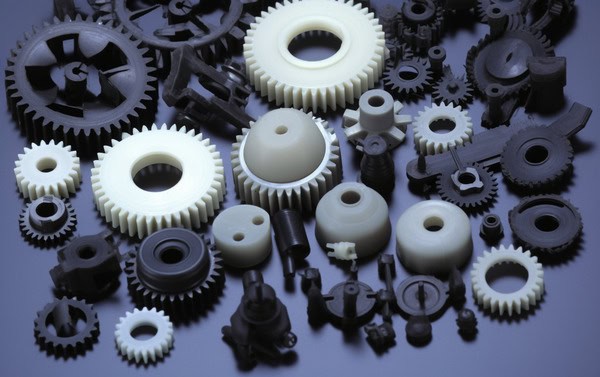
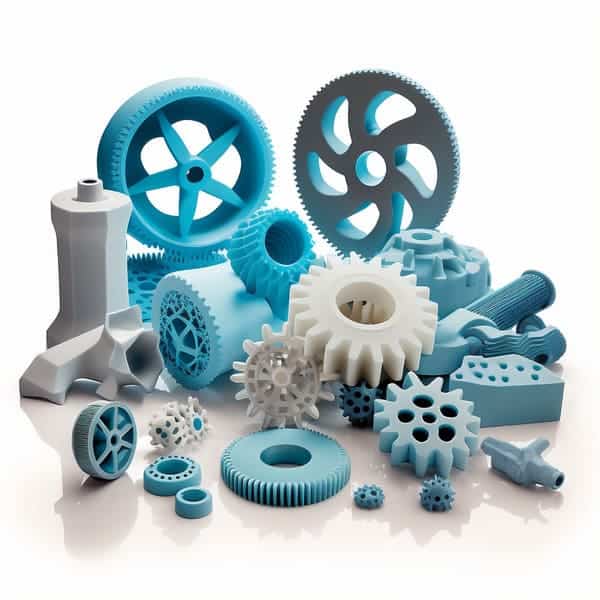
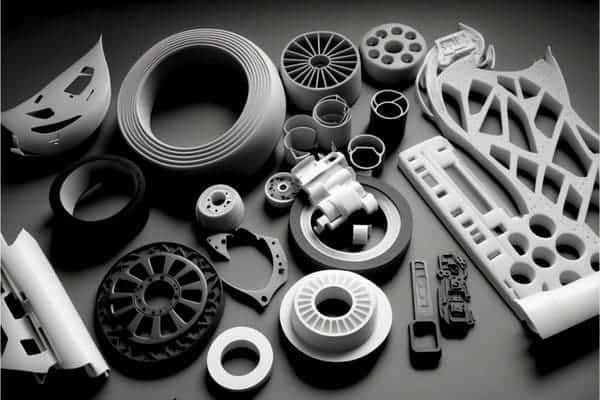
- Spuitgieten is het belangrijkste massaproductieproces voor kunststofonderdelen en kan jaarlijks miljoenen identieke onderdelen produceren met cyclustijden van slechts 3–120 seconden.
- Matrijzen met meerdere caviteiten vermenigvuldigen de productie: een doppenmatrijs met 16 caviteiten en een cyclustijd van 8 seconden produceert op één spuitgietmachine meer dan 7,000 onderdelen per uur.
- Na afschrijving van de gereedschapskosten dalen de kosten per onderdeel bij spuitgieten in massaproductie voor de meeste consumentenonderdelen tot $0.01–$2.00, tegenover $5–$200 voor machinaal vervaardigde equivalenten.
- De kwaliteit van spuitgegoten onderdelen in massaproductie wordt gehandhaafd met Statistical Process Control (SPC), vormholtedruk1sensoren en geautomatiseerde visuele inspectiesystemen.
- Massaproductie door spuitgieten vereist een initiële matrijsinvestering van $5,000–$150,000, die gerechtvaardigd is bij een jaarlijks productievolume van meer dan 10,000–50,000 onderdelen.
Is spuitgieten geschikt voor massaproductie?
Ja — spuitgieten is wereldwijd het dominante massaproductieproces voor kunststofonderdelen en vertegenwoordigt meer dan 30% van alle kunststofverwerking wereldwijd. De fundamentele economische kenmerken maken het bij uitstek geschikt voor massaproductie: een eenmalige investering in gereedschap maakt een onbeperkt aantal onderdelen mogelijk met een constante kwaliteit en lage kosten per eenheid. Met geoptimaliseerde matrijzen met meerdere holtes kan het proces elke 3 seconden een onderdeel produceren, wat met meerdere machines kan worden opgeschaald tot miljarden onderdelen per jaar. Vrijwel elke kunststof dop, behuizing, connector en component die u dagelijks tegenkomt, is vrijwel zeker gespuitgiet.
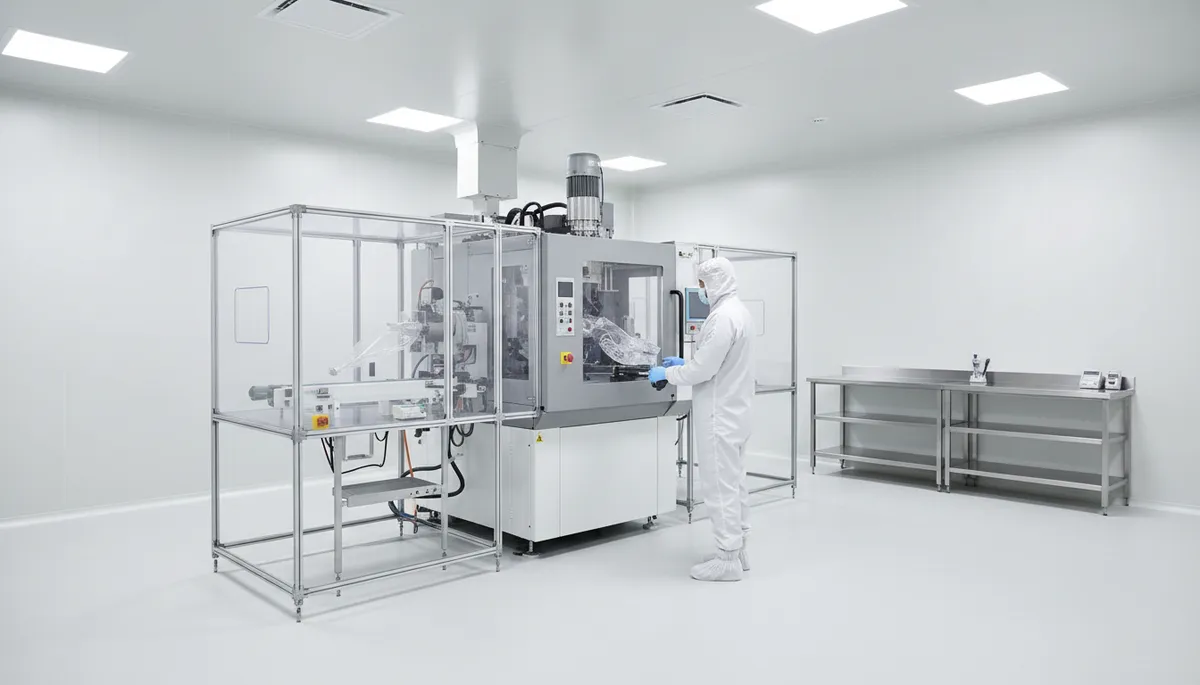
In onze fabriek exploiteren we 47 spuitgietmachines die dagelijks in twee ploegen draaien en jaarlijks meer dan 40 miljoen onderdelen produceren voor klanten in de automobielsector, consumentenelektronica, medische sector en industrie. Onze programma’s met het hoogste volume gebruiken matrijzen met 32 holten en cyclustijden van 6 seconden en produceren 19,000 onderdelen per uur op één pers. Deze doorvoer — door geen enkele andere kunststofverwerkingsmethode tegen vergelijkbare kosten geëvenaard — verklaart waarom massaproductie door spuitgieten de wereldwijde productie domineert.
Hoe vermenigvuldigen meervoudige matrijzen de output van massaproductie?
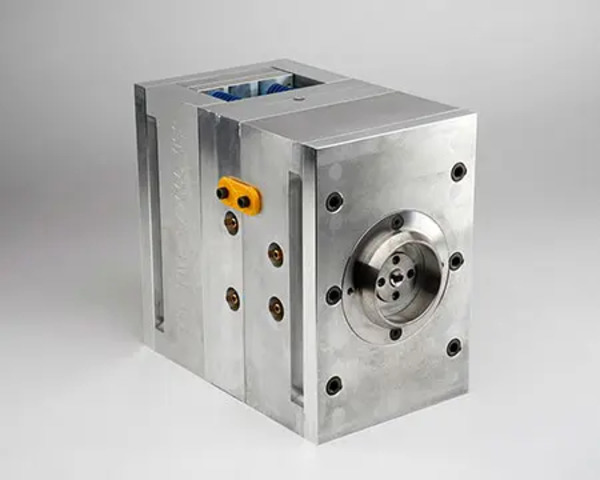
Matrijzen met meerdere holtes zijn de belangrijkste technologie om de spuitgietoutput op te schalen naar massaproductievolumes. Een matrijs met één holte produceert één onderdeel per cyclus; een matrijs met 4 holtes produceert er vier; een matrijs met 32 holtes produceert er 32. De cyclustijd verandert minimaal tussen matrijzen met één en meerdere holtes — de koeltijd wordt bepaald door de wanddikte, niet door het aantal holtes. Het resultaat is een vrijwel lineaire vermenigvuldiging van de output met het aantal holtes, tegen een fractie van de kosten van meerdere persen met elk één holte.
Standaardopbouw van het aantal caviteiten voor massaproductiematrijzen: 1 caviteit (prototype/laag volume), 2 caviteiten, 4 caviteiten (20,000–100,000/jaar), 8 caviteiten (100,000–500,000/jaar), 16 caviteiten (500,000–2M/jaar), 32 caviteiten (2M–10M/jaar) en 64 caviteiten of meer (speciale producten zoals sluitingen: 10M+/jaar). De keuze van het aantal caviteiten hangt af van het vereiste jaarvolume, de complexiteit van het onderdeel, de kwaliteit van het matrijsstaal en de beschikbare machinegrootte. Een groter aantal caviteiten vereist grotere machines met meer sluitkracht om de totale matrijsholtedruk op te vangen.
| Aantal caviteiten | Cyclustijd | Onderdelen/uur | Producten/jaar (2 ploegen) | Typisch Volumebereik |
|---|---|---|---|---|
| 1 holte | 30 s | 120 | 576,000 | < 100,000/jaar |
| 4 caviteiten | 30 s | 480 | 2,304,000 | 100K–500K/jaar |
| 8 matrijsholten | 20 s | 1,440 | 6,912,000 | 500K–2M/jaar |
| 16 caviteiten | 15 s | 3,840 | 18,432,000 | 2M–10M/jaar |
| 32 holtes | 10 s | 11,520 | 55,296,000 | 10M+/jaar |
Hotrunnersystemen4 elimineren runners in matrijzen met meerdere caviteiten en voorkomen zo de aanzienlijke materiaalverspilling die anders ontstaat door coldrunners in matrijzen met 16 of 32 caviteiten. Een coldrunnermatrijs met 32 caviteiten voor een onderdeel van 5 gram kan per injectie 15–20 gram runner produceren, wat betekent dat 33–50% van het geïnjecteerde materiaal afval is. Door de coldrunner te vervangen door een verwarmd verdeelstuk met naaldafsluitingen verdwijnt dit afval volledig en dalen de materiaalkosten bij veel caviteiten met 25–40%.
Welke volumes rechtvaardigen spuitgieten voor massaproductie?
Het minimale volume dat een investering in spuitgietgereedschap rechtvaardigt, hangt af van onderdeelcomplexiteit, matrijskosten en materiaal- en verwerkingskosten per stuk. Doorgaans is spuitgieten economischer dan CNC-bewerking of 3D-printen boven 5,000–10,000 standaardonderdelen per jaar en boven 50,000 onderdelen voor complexe meervoudige matrijzen. De break-evenanalyse vergelijkt de totale spuitgietkosten (matrijs + materiaal + machinetijd × productievolume) met de totaalkosten van alternatieve processen bij hetzelfde volume.
Spuitgieten in kleine series overbrugt de kloof voor volumes van 500–10.000 onderdelen door aluminium gereedschappen te gebruiken (matrijskosten: $1,500–$8,000) met kortere doorlooptijden (2–3 weken tegenover 6–8 weken voor staal). Aluminium matrijzen gaan 10.000–50.000 cycli mee, tegenover 500.000–2.000.000 voor gehard staal, maar kosten slechts een fractie van stalen productiegereedschap. Zo kunnen fabrikanten bij lagere volumes met massaproductie beginnen en tegelijk het ontwerp valideren voordat zij investeren in definitief productiegereedschap.
‘Spuitgietmatrijzen met 16 of meer holtes kunnen op één machine miljoenen identieke onderdelen per maand produceren.’True
Een matrijs met 16 caviteiten en een cyclustijd van 15 seconden produceert 3,840 onderdelen per uur. Twee diensten (16 uur/dag) en 25 productiedagen per maand leveren op één machine 1,536,000 onderdelen per maand op. Deze productiedichtheid is het fundamentele economische voordeel van massaproductie via spuitgieten — geen ander kunststofproductieproces benadert deze doorvoer bij vergelijkbare kosten per stuk. Sluitingen voor auto's en consumentenverpakkingen gebruiken routinematig matrijzen met 32–64 caviteiten voor een nog hogere doorvoer.
“Massaproductie via spuitgieten vereist geen kwaliteitsbewaking zodra het oorspronkelijke proces is ingesteld.”False
Massaproductie via spuitgieten vereist continue procesbewaking om de kwaliteit over miljoenen onderdelen te handhaven. SPC volgt onder meer injectiedruk, smelttemperatuur, cyclustijd en caviteitsdruk om afwijkingen te detecteren voordat defecten ontstaan. Geautomatiseerde vision-inspectie controleert elk onderdeel op maatvoering, oppervlaktedefecten en kleurconsistentie. Zonder bewaking veroorzaken matrijsslijtage, materiaalbatchvariatie en machinedrift uiteindelijk onderdelen buiten specificatie die klanten bereiken.
Hoe wordt de kwaliteit gehandhaafd bij massaproductie door spuitgieten?
Kwaliteitsborging bij massaproductie met spuitgieten berust op drie geïntegreerde systemen: procesbeheersing, inspectie in de productielijn en preventief onderhoud. Procesbeheersing begint met gevalideerde procesparameters die in een procesbeheersingsplan zijn vastgelegd — elk instelpunt van de machine, elke materiaalspecificatie en elke kwaliteitscontrole wordt schriftelijk vastgelegd en gehandhaafd. Druksensoren in de holte detecteren verschillen tussen shots die alleen aan de machineparameters niet zichtbaar zijn en activeren automatisch de afkeuring van onderdelen wanneer drukprofielen van de gevalideerde basislijn afwijken.
Geautomatiseerde inline-inspectie is standaard geworden voor spuitgietprogramma’s met grote volumes. Cameragestuurde visionsystemen inspecteren elk onderdeel binnen de matrijscyclus — op onvolledige vulling, braamvorming, kleurafwijkingen, aanspuitsporen en maatconformiteit. Defecte onderdelen worden automatisch afgevoerd voordat ze het verpakkingsstation bereiken. Voor kritieke toepassingen (onderdelen van medische hulpmiddelen en veiligheidsdelen voor auto’s) vervangt 100% maatcontrole met lasermeetsystemen de statistische steekproef.
Preventieve onderhoudsschema’s beschermen de matrijskwaliteit gedurende miljoenen cycli. Standaardintervallen voor matrijsonderhoud omvatten inspectie na elke 50,000 cycli, reiniging en smering na elke 100,000 cycli, revisie van het deelvlak na elke 250,000–500,000 cycli en maatcontrole van kritieke kenmerken na elke 500,000 cycli. Onze fabriek houdt voor elke matrijs in het machinepark volledige onderhoudsgegevens bij. Daardoor is voorspellende onderhoudsplanning mogelijk die productiestilstand en onopgemerkte kwaliteitsafwijkingen voorkomt.
Wat zijn de kosteneffecten van massaproductie door spuitgieten?
De economische structuur van massaproductie door spuitgieten is voorspelbaar: hoge vaste kosten (gereedschap) worden afgeschreven over een grote variabele productie (onderdelen). Voor een typische behuizing voor consumentenelektronica: matrijskosten $15,000 (2-voudig), afgeschreven over 200,000 onderdelen = $0.075 gereedschapskosten per onderdeel. Materiaal (50g ABS à $2.00/kg) = $0.10 per onderdeel. Machinetijd (cyclus van 25 seconden, 2-voudig, tegen $0.10/seconde) = $1.25 per paar = $0.625 per onderdeel. Totale kosten per onderdeel: circa $0.80. Bij 1,000 onderdelen kost dezelfde behuizing $8.50 per stuk door de concentratie van gereedschapskosten.
Machinebenutting — gemeten met OEE (Overall Equipment Effectiveness2) — is naast het gereedschap de belangrijkste hefboom om de kosten van massaproductie te verlagen. Een OEE van 60% betekent dat slechts 60% van de geplande tijd goede onderdelen oplevert; een verbetering naar 80% OEE verlaagt bij dezelfde matrijs, hetzelfde materiaal en dezelfde arbeid de kosten per onderdeel met 25%. Onze fabriek streeft bij productiematrijzen naar een OEE boven 78%, bereikt met snelle matrijswisselsystemen (omsteltijd minder dan 30 minuten), voorspellend onderhoud om ongeplande stilstand te beperken en geautomatiseerde materiaalbehandeling om vertraging door handmatige materiaaloverdracht te voorkomen.
“Bij massaproductie kunnen de spuitgietkosten per onderdeel voor eenvoudige onderdelen tot onder $0.10 dalen wanneer de matrijskosten bij grote volumes volledig zijn afgeschreven.”True
Voor grote volumes standaardonderdelen zoals flessendoppen, kabelclips of kleine connectorbehuizingen verlaagt de afschrijving van de matrijskosten over 1–10 miljoen onderdelen de matrijsbijdrage tot $0.001–$0.005 per onderdeel. De materiaalkosten voor een PP-dop van 3 gram bedragen bij $1.20/kg $0.0036. De machinetijd bij $0.08/seconde voor een cyclus van 6 seconden in een matrijs met 32 holten bedraagt $0.48/32 = $0.015 per onderdeel. Totaal: circa $0.020 per dop — bij een winstmarge op $0.05. Deze kostenstructuur is met geen enkel ander kunststofproductieproces haalbaar.
‘Massaproductie met spuitgieten is alleen geschikt voor eenvoudige kunststofonderdelen met lage precisie.’False
Spuitgietmassaproductie dient enkele van de meest precisie-eisende toepassingen in de productie. Medische apparaatonderdelen met toleranties van ±0,05 mm, automotive connectoren die nuldefectkwaliteit vereisen bij miljoenen onderdelen per jaar, en optische lensarrays met een oppervlakteruwheid onder Ra 0,025 µm worden allemaal gespoten in massaproductievolumes. Geavanceerde spuitgiettechnologieën, waaronder druksensoren in de matrijs, servoaangedreven spuiteenheden en gesloten procesregeling, bereiken onderdeel-tot-onderdeel consistentie gemeten in microns bij productiesnelheden die onmogelijk zijn voor concurrerende processen.
Hoe verbetert automatisering de massaproductie met spuitgieten?
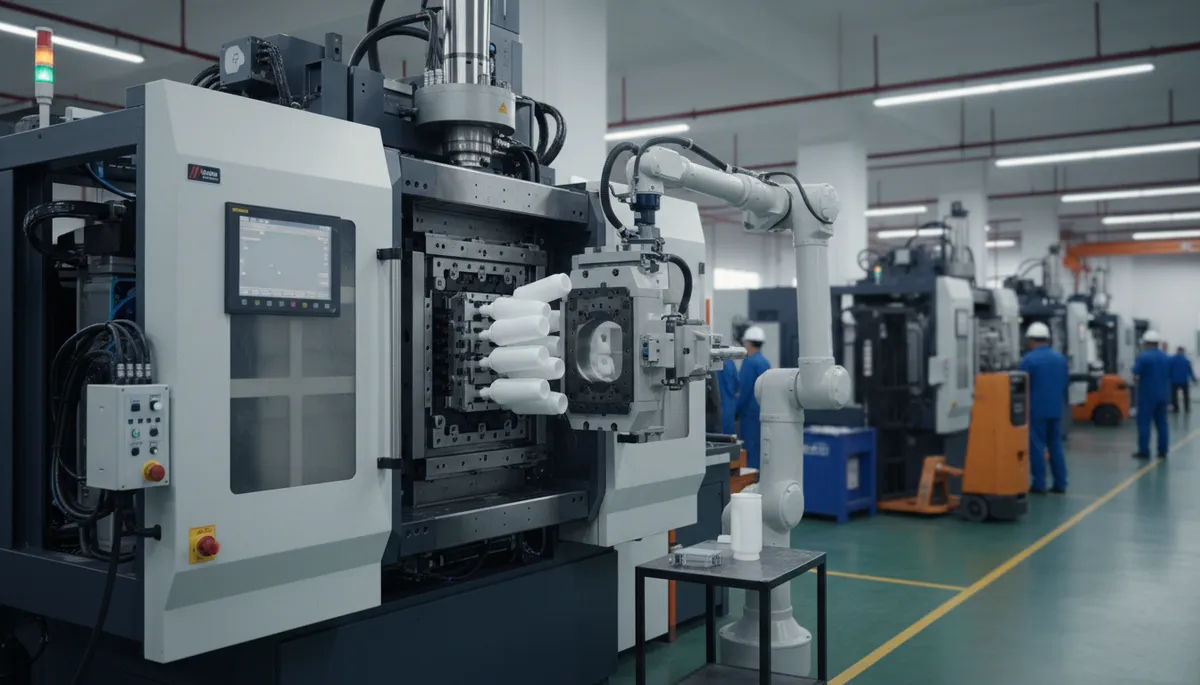
Automatisering is essentieel voor de concurrentiekracht van moderne spuitgietmassaproductie. Robotische onderdeelverwijdering en assemblage-integratie elimineren de manuele arbeidskosten van 1–3 operators per pers, waardoor de arbeidskosten per onderdeel bij grote volumes tot bijna nul worden gereduceerd. Sprue pickers verwijderen sprues en lopers vóór het sluiten van de matrijs bij elke cyclus. Zes-assige industriële robots voeren plaatsing van inleg in de matrijs, assemblage na het gieten, 100% inspectie en directe verpakking in trays uit — allemaal binnen de spuitgietcyclus.
Lights-out productie — het onbemand laten draaien van spuitgietmachines tijdens nachtdiensten — is haalbaar voor stabiele, goed gecontroleerde massaproductieprogramma’s. Geautomatiseerde materiaalaanvoer, gecentraliseerde kunststofdroging en -distributie, robotische onderdeelhantering en geautomatiseerde kwaliteitsuitsluitingssystemen stellen onze fabriek in staat om geselecteerde programma’s te draaien tijdens het venster van 22:00–06:00 uur, met slechts één onderhoudstechnicus die 12 machines op afstand bewaakt. Deze lights-out productie reduceert de kosten per onderdeel met 15–25% vergeleken met volledig bemande bedrijfsvoering.
Veelgestelde vragen
Wat is de minimale bestelhoeveelheid voor spuitgieten in massaproductie?
Er is geen universele minimale bestelhoeveelheid voor spuitgieten, maar de economie vereist voldoende volume om de gereedschapskosten effectief te amortiseren. Voor eenvoudige onderdelen met $3.000–$5.000 aluminium matrijsgereedschap maakt een productie van 5.000–10.000 onderdelen spuitgieten kosteneffectief in vergelijking met verspanen of 3D-printen. Voor complexe onderdelen die $50.000–$100.000 staal meervoudige holtegereedschap vereisen, zijn 100.000–500.000 onderdelen per jaar nodig om de investering te rechtvaardigen. Veel fabrieken bieden spuitgietprogramma’s voor kleine series aan met aluminium gereedschap voor 500–10.000 onderdelen voordat wordt geïnvesteerd in volledig productiegereedschap, waardoor het financiële risico wordt verkleind.
Hoe snel kan spuitgieten onderdelen produceren voor massaproductie?
Spuitgietcyclustijden variëren van 3 seconden voor dunwandige verpakkingsonderdelen tot 120 seconden voor dikwandige industriële componenten. Een typische behuizing voor consumentenproducten heeft een cyclus van 20–45 seconden. Meervoudige holtegereedschappen vermenigvuldigen de output: een 16-holte matrijs die elke 15 seconden cyclust, produceert 3.840 onderdelen per uur. Het parallel draaien van meerdere machines op hetzelfde onderdeel schaalt verder — 10 machines × 3.840 onderdelen per uur = 38.400 onderdelen per uur, of 1,38 miljoen onderdelen per ploeg. Dit doorvoervermogen is de reden waarom spuitgieten wereldwijd domineert in de massaproductie van kunststofonderdelen.
Welke materialen worden meestal gebruikt bij massaproductie via spuitgieten?
De vijf meest gebruikte spuitgietkunststoffen in massaproductie zijn polypropyleen (PP, ~21% van wereldwijd gebruik), polyethyleen (PE, ~20%), ABS (~9%), polystyreen (PS, ~8%), en polycarbonaat (PC, ~6%). PP domineert verpakkingen, auto-industrie en consumentengoederen vanwege de kostprijs (€0,80–€1,20/kg), chemische bestendigheid en recyclebaarheid. ABS leidt voor consumentenelektronica en huishoudelijke apparaten vanwege de oppervlaktekwaliteit en galvaniseerbaarheid. Voor technische toepassingen die hogere prestaties vereisen, worden nylon (PA6/PA66), POM (Delrin) en PEEK gespoten tegen aanzienlijk hogere kosten maar met overeenkomstig superieure eigenschappen.
Hoe verhoudt spuitgieten zich tot thermovormen voor massaproductie?
Spuitgieten en thermoformen zijn beide hoogvolume kunststofproductieprocessen maar nemen verschillende ontwerp- en kostruimtes in. Thermoformen blinkt uit voor grote, dunwandige, enkelzijdige onderdelen (verpakkingsschalen, autolining, koelkastvoeringen) tegen lagere gereedschapskosten (€1.000–€10.000 voor thermoformen versus €10.000–€100.000 voor spuitgieten). Spuitgieten domineert voor complexe driedimensionale geometrieën, precisiekenmerken, strakke toleranties en onderdelen waarbij beide zijden afgewerkt moeten zijn. Onderdeelcomplexiteit en precisie-eisen geven bijna altijd de voorkeur aan spuitgieten voor consumentenproducten, terwijl grootformaat verpakkingen thermoformen bevoordelen vanwege de lagere gereedschapskosten en hoge outputsnelheid.
Welke kwaliteitscertificeringen zijn belangrijk voor massaproductie via spuitgieten?
Kwaliteitscertificeringen voor spuitgietmassaproductie zijn afhankelijk van de doelindustrie. ISO 9001:2015 is de universele kwaliteitsmanagementbasis die door de meeste OEM-klanten wordt vereist. Automotive klanten vereisen IATF 16949:2016 certificering, die PPAP-documentatie, SPC-implementatie en MSA-studies verplicht stelt. Spuitgieten voor medische hulpmiddelen vereist ISO 13485:2016 en naleving van FDA 21 CFR Part 820 kwaliteitssysteemregelgeving. Voor voedselcontacttoepassingen gelden FDA/EU 10/2011 materiaalconformiteit en ISO 15593 proces hygiënenormen. Onze fabriek heeft ISO 9001:2015 en IATF 16949:2016 certificeringen, waardoor we automotive en industriële massaproductieprogramma’s kunnen bedienen met gedocumenteerde kwaliteitssystemen.
caviteitsdruk: Caviteitsdruk is de druk van de gesmolten kunststof in de matrijsholte tijdens de injectie- en nadrukfase. Deze wordt met druksensoren in de caviteit gemeten in MPa en bepaalt rechtstreeks de dichtheid, afmetingen en kwaliteit van het onderdeel. ↩
overall equipment effectiveness: Overall Equipment Effectiveness (OEE) is een prestatie-indicator voor productie, uitgedrukt als het product van beschikbaarheid, prestatiesnelheid en kwaliteitsgraad. Het percentage geeft aan hoe efficiënt een productiemachine wordt benut. ↩
matrijs met meerdere caviteiten: Een matrijs met meerdere caviteiten is een spuitgietmatrijsontwerp met twee of meer identieke caviteiten die in elke machinecyclus gelijktijdig meerdere onderdelen produceren. Daardoor dalen de kosten per onderdeel doordat de output wordt vermenigvuldigd zonder extra cyclustijd. ↩
hotrunnersysteem: Een hotrunnersysteem is een geheel van verwarmde componenten in een spuitgietmatrijs dat de kunststof in de runnerkanalen tussen injecties gesmolten houdt. Zo wordt afval van gestolde runners geëlimineerd en nemen cyclustijd en materiaalkosten af. ↩
Ontvang concurrerende prijzen, DFM-feedback en een productieplanning van het engineeringteam van ZetarMold.
Vraag een gratis offerte aan → Bekijk onze Complete gids voor spuitgieten voor een uitgebreid overzicht.