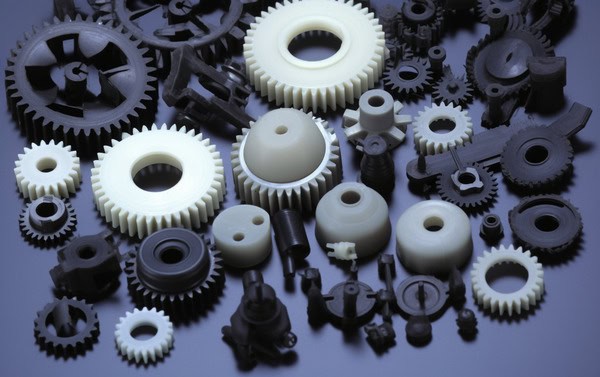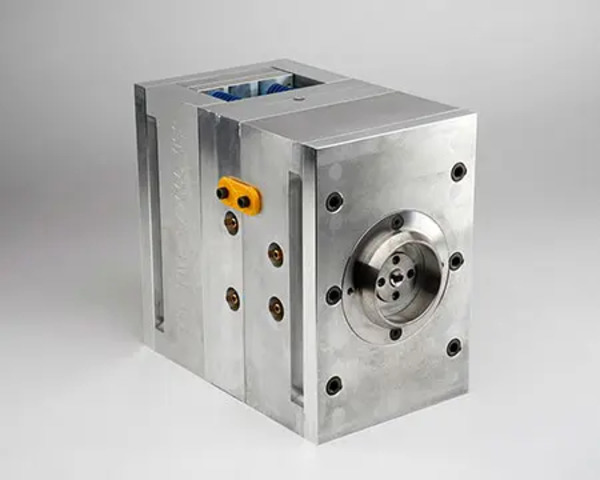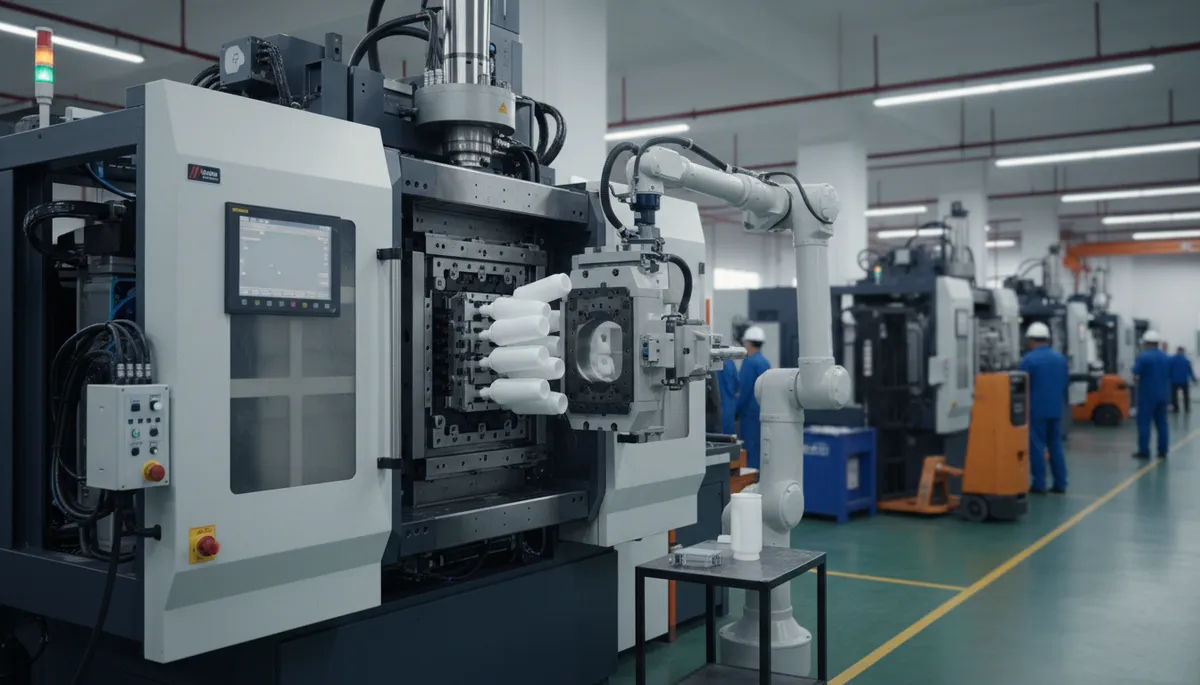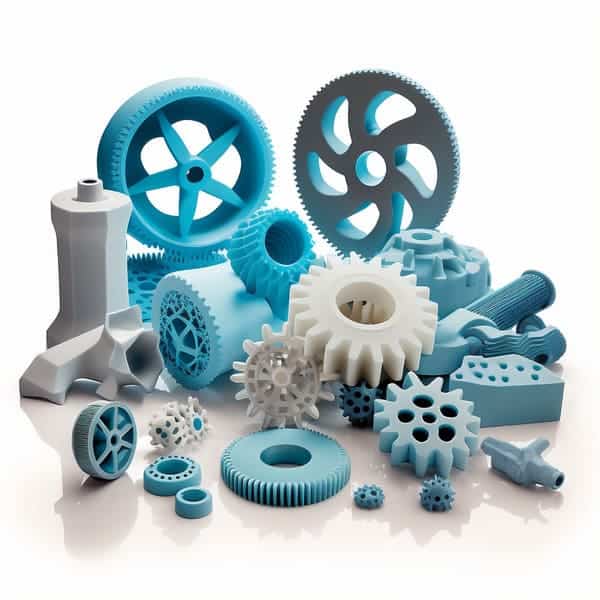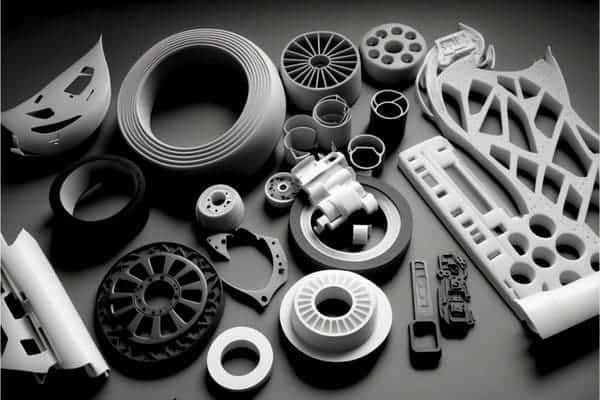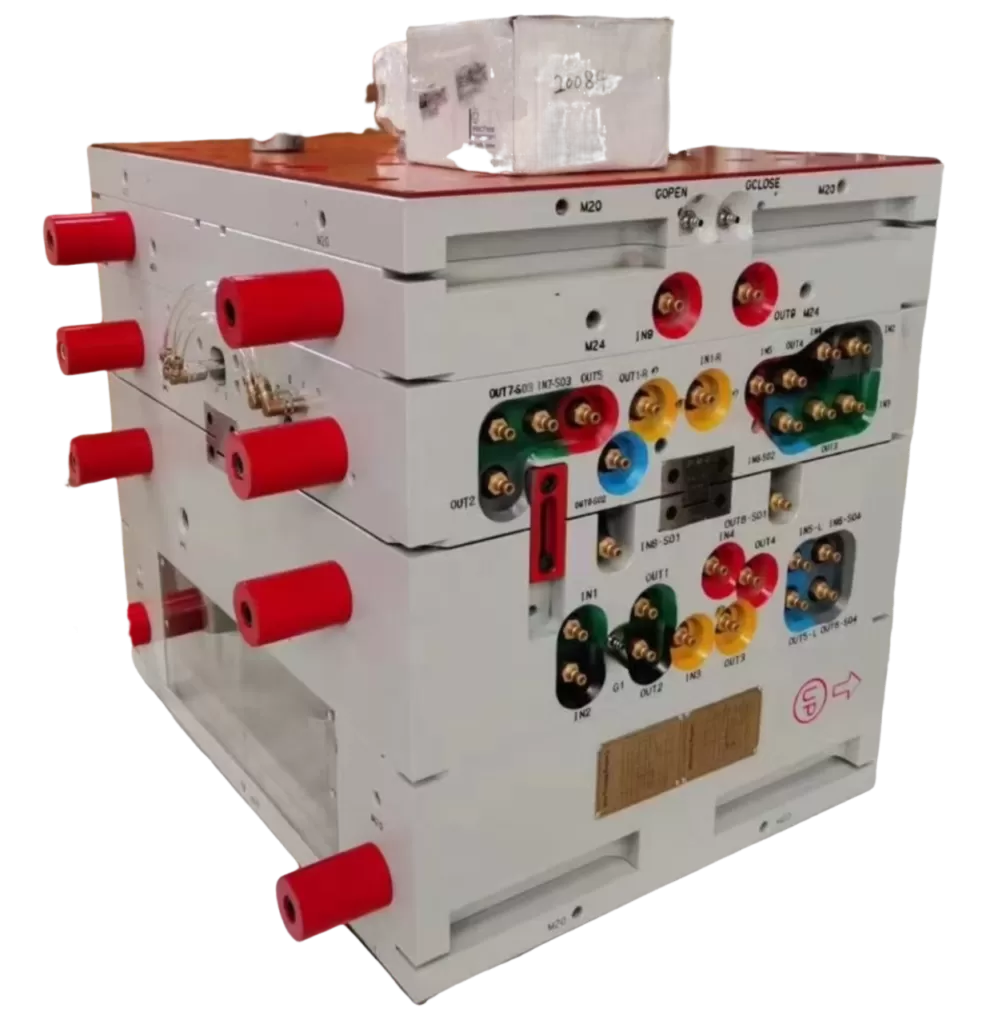
- 射出成形はプラスチック部品の主要な大量生産工程であり、最短3~120秒のサイクルタイムで、年間数百万個の同一部品を生産できます。
- 多数個取り金型は生産量を飛躍的に高めます。サイクルタイム8秒の16個取りキャップ金型なら、1台の射出成形機で毎時7,000個を超える部品を生産できます。
- 量産射出成形では、金型費を償却した後の部品単価は、ほとんどの消費者向け部品で$0.01–$2.00まで下がります。これに対し、同等の機械加工品は$5–$200です。
- 量産時の射出成形部品の品質は、統計的工程管理(SPC)、キャビティ内圧力1センサー、および自動画像検査システムによって維持されます。
- 射出成形による量産には$5,000–$150,000の初期金型投資が必要であり、年間生産量が10,000–50,000個を超える場合に、この投資が正当化されます。
射出成形は大量生産に適していますか?
はい。射出成形は、世界のプラスチック部品量産で最も広く用いられている工程であり、世界のプラスチック加工全体の30%以上を占めています。その基本的なコスト構造により、量産に極めて適しています。一度金型へ投資すれば、均一な品質と低い単価で部品を実質的に無制限に生産できます。最適化された多数個取り金型では、最短3秒に1個の速度で部品を生産でき、複数の成形機を使用すれば年間数十億個まで拡張できます。日常で目にするプラスチック製のキャップ、ハウジング、コネクター、各種部品のほぼすべてが射出成形品です。
当社工場では47台の射出成形機を毎日2交代制で稼働させ、自動車、家電、医療、産業分野のお客様向けに年間4,000万個を超える部品を生産しています。最大量産プログラムでは、32個取り金型をサイクルタイム6秒で稼働させ、1台の成形機で毎時19,000個を生産します。同等コストの他のプラスチック加工法では実現できないこの処理能力こそ、射出成形による大量生産が世界の製造業で主流となっている理由です。
多数個取り金型は量産能力をどのように高めるのか?
多数個取り金型は、射出成形の生産量を量産規模まで拡大するための主要技術です。1個取り金型では1サイクルに1個、4個取り金型では4個、32個取り金型では32個の部品を生産します。1個取り金型と多数個取り金型でサイクルタイムの差はわずかです。冷却時間はキャビティ数ではなく肉厚によって決まるためです。その結果、複数台の成形機で1個取り金型を稼働させる場合よりはるかに低いコストで、キャビティ数にほぼ比例して生産量を増やせます。
量産金型における標準的なキャビティ数の段階:1個取り(試作/少量生産)、2個取り、4個取り(20,000–100,000/year)、8個取り(100,000–500,000/year)、16個取り(500,000–2M/year)、32個取り(2M–10M/year)、64個取り以上(クロージャーなどの特殊品:10M+/year)。キャビティ数は、年間生産数量、部品の複雑さ、金型鋼グレード、使用可能な成形機サイズに基づいて決定します。キャビティ数が多いほど、キャビティ圧力の総和を封じ込めるために、より大きな型締力を持つ大型成形機が必要です。
| キャビティ数 | サイクルタイム | 部品数/時間 | 年間生産数(2交替制) | 典型的な容量範囲 |
|---|---|---|---|---|
| 1キャビティ | 30 s(秒) | 120 | 576,000 | < 100,000個/yr |
| 4キャビティ | 30 s(秒) | 480 | 2,304,000 | 年間10万~50万個 |
| 8キャビティ | 20 s | 1,440 | 6,912,000 | 年間50万~200万個 |
| 16キャビティ | 15 s | 3,840 | 18,432,000 | 年間200万~1000万個 |
| 32個取り | 10 s | 11,520 | 55,296,000 | 年間1,000万個以上 |
ホットランナーシステム4は、多数個取り金型のランナーをなくし、16個取りまたは32個取り金型でコールドランナーを使う場合に生じる大量の材料廃棄を防ぎます。5グラムの部品を作る32個取りコールドランナー金型では、1ショット当たり15~20グラムのランナーが生じることがあり、射出材料の33~50%が廃棄物になります。コールドランナーをホットマニホールドとバルブゲートに置き換えれば、この廃棄を完全になくし、キャビティ数が多い場合の材料費を25~40%削減できます。
射出成形による量産が採算に合う生産量はどのくらいですか?
射出成形金型への投資が妥当となる最小生産量は、部品の複雑さ、金型費、単位当たりの材料費および加工費によって異なります。一般に、標準部品では年間5,000–10,000個を超えると、また複雑な多個取り金型では年間50,000個を超えると、射出成形はCNC加工や3Dプリントより経済的に有利になります。損益分岐分析では、射出成形の総コスト(金型費+材料費+成形機時間×生産量)と、同じ生産量における代替工程の総コストを比較します。
小ロット射出成形は、アルミ金型(金型費:$1,500~$8,000)を使い、500~10,000個の生産領域を短いリードタイム(鋼製金型の6~8週間に対して2~3週間)でカバーします。アルミ金型の寿命は10,000~50,000サイクルで、焼入れ鋼製金型の500,000~2,000,000サイクルより短いものの、金型費は大幅に低くなります。この方法なら、本格的な量産金型へ投資する前に設計を検証しつつ、より少ない数量から量産を開始できます。
「16キャビティ以上の多数個取り射出成形金型なら、1台の成形機で毎月数百万個の同一部品を生産できます。」True
16個取り金型を15秒サイクルで運転すると、1時間当たり3,840個を生産できます。2交代制(1日16時間)、月25日稼働の場合、1台の成形機で月間1,536,000個を生産できます。この高い生産密度こそ、射出成形による大量生産の根本的な経済優位性です。同等の単価でこれほどの処理能力に迫るプラスチック製造プロセスはほかにありません。自動車用クロージャーや消費者向け包装では、さらに高い生産能力を実現するため、32~64個取り金型が日常的に使用されています。
「射出成形の量産では、初期工程を設定した後は品質監視が不要である。」False
射出成形による量産では、数百万個にわたって品質を維持するため、継続的な工程監視が必要です。統計的工程管理(SPC)では、射出圧力、樹脂温度、サイクルタイム、キャビティ内圧力などの主要工程パラメータを追跡し、不良品が生産される前に工程の変動を検出します。自動画像検査システムは、全製品について寸法適合性、表面欠陥、色の均一性を検査します。継続的な監視を行わなければ、金型の徐々な摩耗、材料ロットのばらつき、成形機のドリフトにより、いずれ規格外品が顧客へ流出します。
射出成形の量産で品質を維持するには?
射出成形の量産における品質維持は、工程管理、インライン検査、予防保全という3つの統合システムに依存します。工程管理は、工程管理計画に記載された検証済みの加工条件から始まります。成形機のすべての設定値、すべての材料仕様、すべての品質検査が文書化され、遵守されます。キャビティ内圧センサーは、成形機の条件だけでは検出できないショット間のばらつきを検知し、圧力プロファイルが検証済み基準から逸脱した場合に部品を自動排出します。
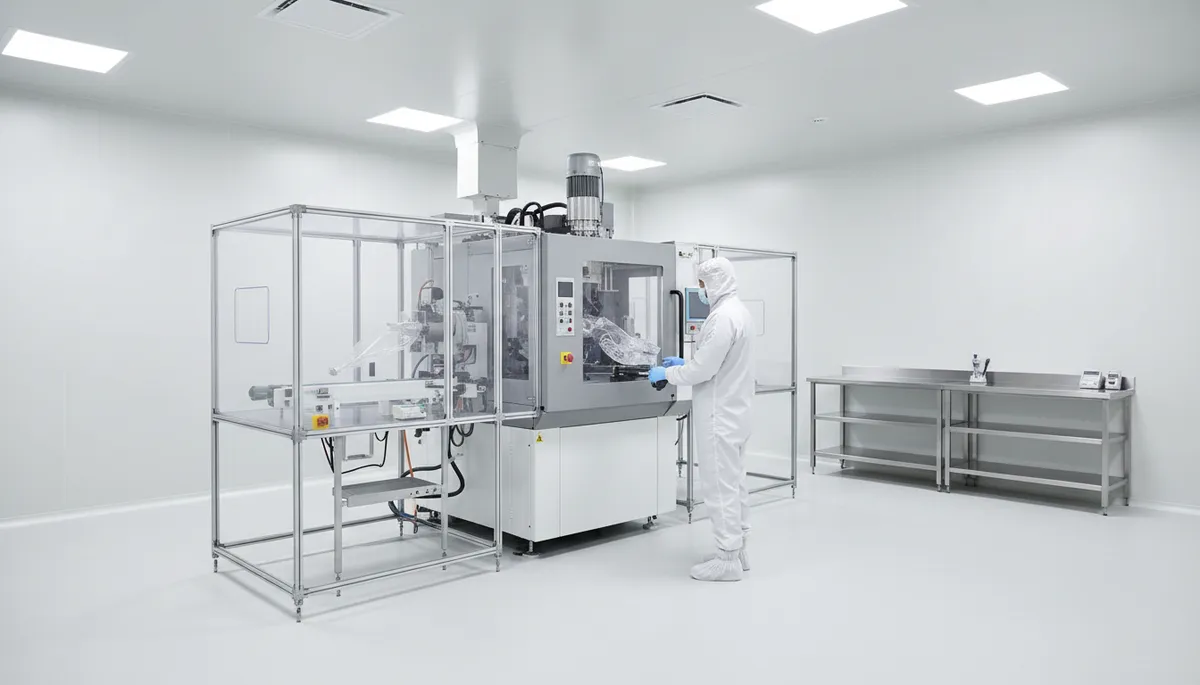
インライン自動検査は、大量生産の射出成形プログラムで標準となっています。カメラ式画像検査システムが金型サイクル内ですべての製品を検査し、ショートショット、バリ、色差、ゲート跡、寸法適合性を確認します。不良品は梱包工程へ到達する前に自動的に排出されます。重要用途(医療機器部品、自動車安全部品)では、統計的抜取検査に代えて、レーザー測定システムによる100%の寸法検証を行います。
予防保全スケジュールは、数百万サイクルにわたって金型品質を維持します。標準的な金型保全間隔は、50,000ショットごとの点検、100,000ショットごとの清掃と潤滑、250,000~500,000ショットごとのパーティング面の再仕上げ、500,000ショットごとの重要形状の寸法検証です。当社工場では、保有するすべての金型について完全な保全記録を保持し、生産停止や不良流出を防ぐ予知保全スケジュールに活用しています。
射出成形による量産のコスト構造とは?
射出成形量産の経済性は、固定費(金型)を大量の変動生産量(部品)で償却する予測可能なコスト構造です。一般的な家電筐体では、金型費$15,000(2個取り)を200,000個で償却すると1個当たり$0.075、材料費(ABS 50g、$2.00/kg)は$0.10、成形機費(25秒サイクル、2個取り、成形機レート$0.10/秒)は2個で$1.25、1個当たり$0.625です。合計単価は約$0.80です。同じ筐体でも1,000個では金型費の集中により1個$8.50になります。
設備稼働率はOEE(総合設備効率2)で測定され、金型以外で量産コストを削減する最大の要因です。OEEが60%なら、計画時間のうち良品を生産しているのは60%にすぎません。同じ金型、材料、労働力のままOEEを80%に改善すれば、部品単価は25%低下します。当社工場では、生産金型のOEE 78%超を目標に、迅速な金型交換システム(交換時間30分未満)、計画外停止を減らす予知保全、手作業による材料移送の遅延をなくす自動材料搬送を採用しています。
「大量生産では、生産量が多く金型費を完全に償却できれば、単純な部品の射出成形単価を$0.10未満まで下げられます。」True
ボトルキャップ、ケーブルクリップ、小型コネクターハウジングなどの大量生産される汎用品では、金型費を100万~1,000万個で償却することで、製品1個当たりの金型費負担は$0.001~$0.005まで低下します。$1.20/kgのPPを使用する3グラムのキャップでは、材料費は$0.0036です。32個取り金型を用い、サイクル6秒、機械時間単価$0.08/秒の場合、機械費は$0.48/32 = 1個当たり$0.015です。合計はキャップ1個当たり約$0.020で、販売価格$0.05なら利益を確保できます。このコスト構造は、ほかのどのプラスチック製造工程でも実現できません。
「射出成形による量産は、単純で精度の低いプラスチック部品にしか適していない。」False
射出成形大量生産は、製造業において最も精度要求が高い用途に対応しています。±0.05 mmの公差を持つ医療機器部品、年間数百万個でゼロ欠品品質を要求する自動車用コネクター、Ra 0.025 µm以下の表面粗さを持つ光学レンズアレイなど、すべて大量生産数量で射出成形されています。金型内圧力センサー、サーボ駆動射出ユニット、閉ループプロセス制御などの先進射出成形技術により、競合プロセスでは不可能な生産速度で、ミクロン単位で測定される部品間の一貫性を達成しています。
自動化は射出成形の量産をどのように強化するか?
自動化は、現代の射出成形大量生産の競争力にとって不可欠です。ロボットによる部品取り出しと組み立て統合により、1台のプレス機あたり1–3人の作業者の人手費用を排除し、大量生産時には部品あたりの労働費用をほぼゼロに削減します。シューピッカーは、各サイクルで金型閉鎖前にシューとランナーを取り除きます。6軸産業用ロボットは、金型内インサート配置、成形後組み立て、100%検査、および直接トレイへの梱包 — すべてを射出サイクル時間内で実行します。
ライトアウト製造 — 夜間シフトで無人で射出成形機を稼働させること — は、安定した、よく制御された大量生産プログラムで実現可能です。自動化された材料供給、集中化された樹脂乾燥と配給、ロボットによる部品取り扱い、および自動化された品質不良排除システムにより、当社の工場では夜間10時から朝6時までの間に、単一の保守技術者が12台の機械を遠隔監視しながら、選択されたプログラムを稼働させることができます。このライトアウト生産により、完全に人手で稼働させる場合と比較して、部品単価を15–25%削減できます。
よくある質問
射出成形の量産における最小注文数量はいくつですか?
射出成形に普遍的な最小注文数量はありませんが、経済性を考慮すると、金型費用を効果的に償却するのに十分な数量が必要です。$3,000–$5,000のアルミ金型を用いた単純な部品の場合、5,000–10,000個の生産で、射出成形は加工や3Dプリントと費用競争力を持つようになります。$50,000–$100,000の鋼製多キャビティ金型が必要な複雑な部品の場合、年間100,000–500,000個の生産が必要で、投資を正当化します。多くの工場では、500–10,000個の部品に対してアルミ金型を用いた少量射出成形プログラムを提供し、完全生産金型への投資前に財務リスクを軽減しています。
射出成形は大量生産においてどのくらいの速さで部品を生産できますか?
射出成形のサイクル時間は、薄肉包装部品の3秒から厚肉工業部品の120秒まで幅があります。典型的な消費製品のケースは20–45秒でサイクルします。多キャビティ金型は出力を倍増します:16キャビティ金型が15秒ごとにサイクルすると、1時間で3,840個の部品を生産します。同じ部品を複数の機械で並列稼働させるとさらにスケールアップします — 10台の機械 × 1時間あたり3,840個 = 1時間あたり38,400個、または1シフトあたり138万個の部品となります。この生産能力により、射出成形は世界的にプラスチック部品の大量生産を支配しています。
射出成形の大量生産で最も一般的に使用される材料は何ですか?
大量生産で最も一般的に使用される5つの射出成形樹脂は、ポリプロピレン(PP、世界使用量の約21%)、ポリエチレン(PE、約20%)、ABS(約9%)、ポリスチレン(PS、約8%)、およびポリカーボネート(PC、約6%)です。PPは、その費用($0.80–$1.20/kg)、耐化学性、およびリサイクル性により、包装、自動車、および消費財を支配しています。ABSは、表面品質と電気めっき適合性により、消費電子機器および家電製品で優位です。より高い性能を要求するエンジニアリング用途では、ナイロン(PA6/PA66)、POM(デリン)、およびPEEKが、大幅に高い費用で射出成形されますが、それに応じて優れた特性を持っています。
大量生産において、射出成形は熱成形と比較してどのような違いがありますか?
射出成形と熱成形は、ともに大量生産のプラスチック製造プロセスですが、設計とコストの領域が異なります。熱成形は、大型の薄肉片面部品(包装トレー、自動車内装、冷蔵庫内装)において、より低い工具コスト(熱成形では$1,000〜$10,000、射出成形では$10,000〜$100,000)で優れています。射出成形は、複雑な三次元形状、精密な特徴、厳しい公差、両面仕上げが必要な部品において支配的です。部品の複雑さと精度要件は、消費財においてはほとんど常に射出成形を支持しますが、大型包装では、より低い工具コストと高速出力のために熱成形を支持します。
射出成形の大量生産において重要な品質認証は何ですか?
射出成形大量生産の品質認証は、対象産業によって異なります。ISO 9001:2015は、ほとんどのOEM顧客が要求する普遍的な品質管理の基準です。自動車産業の顧客はIATF 16949:2016認証を要求し、これはPPAP文書化、SPC導入、およびMSA研究を義務付けています。医療機器の射出成形にはISO 13485:2016とFDA 21 CFR Part 820品質システム規制への準拠が必要です。食品接触用途では、FDA/EU 10/2011材料適合性とISO 15593プロセス衛生基準が適用されます。当社の工場はISO 9001:2015およびIATF 16949:2016認証を保持しており、文書化された品質システムで自動車および工業大量生産プログラムに対応できます。
キャビティ圧力:射出・保圧工程で金型キャビティ内の溶融プラスチックにかかる圧力です。キャビティ内圧センサーでMPa単位で測定し、部品の密度、寸法、品質を直接左右します。↩
総合設備効率:総合設備効率(OEE)は、可用率、性能、品質率の積として定義される製造パフォーマンス指標です。パーセントで表し、生産機械がどれだけ効率的に活用されているかを定量化します。↩
多数個取り金型:二つ以上の同一キャビティを備え、機械の1サイクルごとに複数部品を同時に生産する射出成形金型設計です。サイクルタイムを増やさず生産数を倍増させ、部品単価を下げます。↩
ホットランナーシステム:射出成形金型内の加熱部品一式で、ショット間もランナー流路内のプラスチックを溶融状態に保ちます。固化したランナーの廃棄をなくし、サイクルタイムと材料費を削減します。↩
ZetarMoldのエンジニアリングチームから、競争力のある価格、DFMフィードバック、量産スケジュールを入手してください。
無料見積もりを依頼する → 詳細な概要については、射出成形完全ガイドをご覧ください。