Hoe ziet de Belgische spuitgietmarkt eruit?
De Belgische spuitgietmarkt is een compact maar technisch geavanceerd segment van de Europese maakindustrie. De Belgische kunststofindustrie1 genereert jaarlijks circa EUR 7 miljard omzet, waarbij spuitgieten een aanzienlijk deel vormt. Ondanks zijn kleine oppervlakte presteert België bovengemiddeld in precisieproductie dankzij de centrale EU-ligging en de sterk geïndustrialiseerde regio Vlaanderen.
De Europese spuitgietmarkt2 werd in 2024 gewaardeerd op ongeveer EUR 85 miljard, waarbij België ongeveer 2-3% van de totale productiecapaciteit vertegenwoordigde. De Belgische markt bestaat uit drie hoofdcategorieën: spuitgieters binnen OEM’s, zoals ASPEL, die eigen spuitgietactiviteiten combineren met een breder productieaanbod; contractproducenten zoals Rectilim en Didak Injection, die kunststofonderdelen voor externe klanten vervaardigen; en gespecialiseerde nichespelers zoals VARINA en Stratago, die zich op specifieke sectoren of rapid prototyping richten.
De automobielsector is de grootste afnemer van spuitgietonderdelen in België, gevolgd door verpakkingen (vooral voedselverpakkingen), bouwmaterialen en medische hulpmiddelen. De ligging van België tussen Nederland, Duitsland, Frankrijk en Luxemburg geeft spuitgieters vanzelf toegang tot een markt van ruim 180 miljoen consumenten binnen een straal van 500 km. Daardoor fungeren veel Belgische spuitgieters feitelijk als Europese distributiepunten voor internationale inkopers. Grote automotive OEMs met Belgische productielocaties — waaronder Volvo Cars Ghent — creëren een constante vraag naar lokale spuitgietleveranciers die just-in-sequence kunnen leveren.
- België telt meer dan 300 spuitgietbedrijven, die samen jaarlijks ongeveer 7 miljard euro omzet in de kunststofsector genereren.
- Toonaangevende Belgische spuitgieters zoals ASPEL, Rectilim en Didak Injection bedienen de automobiel-, verpakkings- en technische industrie met machines tot 1.000+ ton.
- Belgische gereedschapskosten liggen 2–4 keer hoger dan in China, maar bieden voordelen op het gebied van precisie, nabijheid tot EU-markten en bescherming van intellectueel eigendom.
- Voor complexe projecten of grote volumes waarbij kostenefficiëntie vereist is, kan de combinatie van een Belgisch spuitgietbedrijf met een Chinese partner zoals ZetarMold uw toeleveringsketen optimaliseren.
Welke trends bepalen de Belgische spuitgietindustrie?
Verschillende trends veranderen actief de manier waarop Belgische spuitgietbedrijven werken en concurreren. Inzicht hierin helpt u te beoordelen of de capaciteiten van een Belgische partner aansluiten bij de planning van uw project.
Invoering van automatisering en Industry 4.0. Belgische spuitgietbedrijven investeren fors in robotgestuurde onderdeeluitname, geautomatiseerde kwaliteitsinspectie en realtime procesbewaking. Bedrijven zoals Rectilim produceren inmiddels met vergaande automatisering meer dan 600,000 onderdelen per dag. Dit is deels een reactie op werkgelegenheid in België3, waar arbeidskosten — als u EUR 35-45 per uur voor operators betaalt, telt elke geautomatiseerde cyclus. Het voordeel voor kopers is een consistentere onderdeelkwaliteit en kortere levertijden bij herhaalorders.
Duurzame materialen en verplichtingen voor een circulaire economie. België valt onder duurzaamheidsregelgeving die een toenemend gebruik van gerecycled materiaal en biogebaseerde polymeren vereist. Spuitgieters voor de verpakkingssector passen zich aan de eis van 50%+ gerecycled materiaal in 2030 aan. MCC Verstraete uit Maldegem produceert dagelijks meer dan 60 miljoen in-mould labels en loopt voorop met duurzame IML-oplossingen. Als uw project consumentgerichte verpakkingen omvat, hebben Belgische spuitgieters een voorsprong in de verwerking van duurzame materialen.
Consolidatie en internationale uitbreiding. De ASPEL Group, oorspronkelijk opgericht in 1953 in Eupen, groeide via fusies (ASPEL, POLYFORM, VG Plastics) en is nu actief in Europa, Noord-Amerika en Azië met ruim 300 medewerkers en 100+ machines. Dit consolidatiepatroon weerspiegelt een bredere trend: Belgische spuitgieters schalen internationaal op of specialiseren zich in hoogwaardige nicheactiviteiten.
Nearshoringdruk vanuit Centraal-Europa. Hoewel België van oudsher een productiecentrum is, concurreren Poolse en Tsjechische spuitgietbedrijven steeds sterker op prijs voor standaardspuitgietwerk. Belgische bedrijven reageren door hoger in de waardeketen te gaan werken — met een focus op meercomponentenspuitgieten, insert molding en technisch complexe onderdelen die hun kostenstructuur rechtvaardigen. Dit is goed nieuws voor inkopers: Belgische spuitgietbedrijven zijn gemotiveerd om echte waarde te leveren in plaats van uitsluitend op locatie te concurreren.
Hoe kiest u een spuitgietleverancier in België?
De keuze van een Belgische spuitgieter vereist een ander beoordelingskader dan inkoop in Azië. De meerprijs staat vast—u beoordeelt of die meerprijs voor uw specifieke project evenredige waarde oplevert. Hieronder staat wat bij de vergelijking van Belgische leveranciers werkelijk telt, gebaseerd op wat Europese inkopers volgens onze ervaring goed en verkeerd doen.
1. Bereik van machinetonnage tegenover de eisen van uw onderdeel. Belgische spuitgieters concentreren zich vaak op specifieke tonnagebereiken. VARINA in Antoing heeft 14 persen van 20T tot 1,000T. ASPEL exploiteert meer dan 100 machines van 15T tot 500T. Als uw onderdeel een pers van 1,500T nodig heeft, nemen uw opties in België sterk af. Bevestig altijd het beschikbare tonnage voordat u zich aan een leverancier bindt — veel Belgische bedrijven gaan niet verder dan 500T.
2. Interne capaciteit voor gereedschapsbouw. Dit is het grote onderscheid. Bedrijven zoals Rectilim en Penne NV bouwen hun eigen matrijzen, wat snellere iteraties en betere controle over de gereedschapskwaliteit betekent. Als u spuitgietmatrijzen uit België kan een spuitgieter met interne matrijsbouw 2-4 weken doorlooptijd besparen ten opzichte van bedrijven die matrijsbouw aan externe gereedschapmakers uitbesteden.
3. Kwaliteitscertificeringen die relevant zijn voor uw sector. Voor de auto-industrie: controleer IATF 16949 (niet alleen ISO 9001). Voor medische toepassingen: ISO 13485. FERONYL in Moeskroen bezit zowel ISO 9001 als EN9100 (luchtvaart), wat ongebruikelijk is voor een Belgische spuitgieter en luchtvaartwerk mogelijk maakt. Neem certificeringen niet aan — vraag actuele certificaten en controleer of hun reikwijdte uw specifieke onderdeelcategorie dekt.
4. Afstemming van het volume. Sommige Belgische spuitgieters zijn geoptimaliseerd voor productie in grote volumes (Didak Injection draait 24/7 met een vijfploegensysteem van 130 werknemers), terwijl andere, zoals Stratago, zich specifiek richten op lage tot middelgrote volumes met snelle matrijsmethoden. Door uw volume op hun optimale bereik af te stemmen, voorkomt u dat u te klein of te groot bent voor hun bedrijf. Een spuitgieter die is geoptimaliseerd voor series van 100,000+ kan uw bestelling van 2,000 stuks een lagere prioriteit geven, terwijl een specialist in kleine volumes moeite kan hebben om op te schalen als de vraag sterk toeneemt.
"Een Belgische spuitgieter met interne matrijsbouw kan matrijzen doorgaans 2-4 weken sneller leveren dan een bedrijf dat de matrijsbouw uitbesteedt."True
Eigen gereedschapsbouw voorkomt coördinatievertraging tussen spuitgieter en externe gereedschapsmakers en maakt snellere matrijswijzigingen tijdens bemonstering mogelijk.
"Alle Belgische spuitgietbedrijven bieden hetzelfde tonnagebereik en dezelfde productiecapaciteit."False
De sluitkrachtbereiken lopen sterk uiteen — ASPEL bestrijkt 15T tot 500T en VARINA gaat tot 1,000T, maar weinig Belgische spuitgieters gaan boven 1,000T. Controleer altijd of de machinespecificaties aansluiten op de vereisten van uw onderdeel.
Kijk naast machinespecificaties en certificeringen ook naar de praktische aspecten van samenwerken met een Belgische leverancier. Vraag referenties op van bedrijven in uw sector. Vraag naar hun gemiddelde matrijswisseltijd, hun beleid voor maatrapporten bij elke batch en hoe zij omgaan met technische wijzigingen halverwege de productie. Deze operationele details zijn vaak belangrijker dan de voornaamste capaciteiten die op een bedrijfswebsite staan. Een spuitgieter die binnen enkele uren op technische vragen reageert en gedetailleerde procesdocumentatie levert, is meer waard dan een bedrijf met indrukwekkende machines maar trage communicatie. Controleer ook hun materiaalinkoop—Belgische spuitgieters kopen doorgaans bij Europese compoundeurs in, wat zowel de materiaalkosten als de doorlooptijden beïnvloedt.
"Door de centrale ligging van België in de EU hebben spuitgieters toegang tot ruim 180 miljoen consumenten binnen 500 km."True
Door de ligging tussen Nederland, Duitsland, Frankrijk en Luxemburg kunnen Belgische spuitgietbedrijven de meeste Europese markten binnen 1–3 werkdagen beleveren.
"ISO 9001-certificering is voldoende voor in België geproduceerde spuitgietonderdelen voor de automobielsector."False
Auto-onderdelen vereisen doorgaans IATF 16949, niet alleen ISO 9001. Controleer vóór de keuze van een leverancier altijd welke specifieke certificering uw sector vereist.
Wat zijn de 10 grootste spuitgietbedrijven in België?
Dit zijn 10 Belgische spuitgietbedrijven die het kennen waard zijn, geselecteerd op bedrijfsomvang, reputatie in de sector en geverifieerde capaciteiten. Elk profiel bevat de essentiële informatie die u nodig hebt om te beoordelen of het bedrijf bij uw project past.
1. ASPEL Group
Opgericht: 1953 | Locatie: Eupen/Beringen, België | Werknemers: 300+ ASPEL is de grootste spuitgietgroep van België en gebruikt meer dan 100 machines van 15T tot 500T. De groep werd in 1953 opgericht in Eupen en ontstond in 2000 uit de fusie van drie Belgische bedrijven (ASPEL, POLYFORM, VG Plastics). Inmiddels heeft zij productielocaties in Europa, Noord-Amerika en Azië. De specialisatie ligt bij technische en complexe kunststofonderdelen, waaronder 2K-componenten (tweecomponentenspuitgieten) en met inserts overspoten componenten. ASPEL is nu volledig eigendom van 3D Participaties, een Belgisch investeringsbedrijf in familiebezit, en beschikt daarmee over financiële ondersteuning voor langetermijninvesteringen in apparatuur. De wereldwijde aanwezigheid maakt de groep een sterke optie voor inkopers die redundantie in de toeleveringsketen over meerdere regio’s nodig hebben. De belangrijkste afzetmarkten zijn de automobiel-, elektronica- en industriële-apparatuursector.
Dankzij de multivestigingsaanpak van ASPEL kunt u hetzelfde onderdeel zo nodig uit verschillende regio’s betrekken — nuttig voor logistieke of tariefrisico’s. Beste keuze: inkopers van technische meercomponentenonderdelen met wereldwijde supplychainondersteuning. Website: aspel-group.com
2. Rectilim
Opgericht: 1963 | Locatie: Hasselt, Limburg | Werknemers: 200-299 Rectilim is een familiebedrijf injection molding bedrijf dat inmiddels door de derde generatie wordt geleid. Al meer dan 50 jaar zijn zij gespecialiseerd in matrijsontwerp, matrijzenbouw en het spuitgieten van kunststof onderdelen. Zij verwerken alle soorten thermoplasten en produceren dagelijks meer dan 600.000 onderdelen — een volume dat wijst op een aanzienlijke productieschaal en investeringen in geautomatiseerde productielijnen. Rectilim onderscheidt zich door zijn geïntegreerde aanpak: het bedrijf ontwerpt en bouwt matrijzen intern en voert de productie vervolgens op eigen machines uit, waardoor het het volledige proces van gereedschap tot onderdeel nauwlettend kan beheersen. Dit voorkomt de coördinatievertragingen die ontstaan wanneer matrijzenbouw en spuitgieten over verschillende bedrijven zijn verdeeld.
Dankzij hun locatie in Limburg zitten ze in het hart van de Belgische productiecorridor, met gemakkelijke toegang tot de Nederlandse en Duitse markt. Beste keuze: inkopers die één partner zoeken voor zowel matrijsbouw als productiespuitgieten, met name voor technische onderdelen in middelgrote tot grote series. Website: rectilim.be
Opgericht: 1953 (spuitgieten sinds de jaren 1960) | Locatie: Grobbendonk, België | Werknemers: 130 Didak Injection is specialist in grote volumes. Het bedrijf werkt 24 uur per dag, 7 dagen per week met vijf ploegen en 130 werknemers. Sinds de jaren 1960 actief in kunststofspuitgieten, behoort het tot de Europese topspelers voor herbruikbare verpakkingen en landbouwcontainers. Het assortiment omvat inklapbare kratten en stapelbare containers voor logistiek, landbouw en magazijnautomatisering. Didak ontwikkelde ook een eigen inklapbare krat — compact, stevig en duurzaam — wat de investering in productinnovatie naast contractproductie aantoont. De continue bedrijfsvoering levert een hoge machinebenutting en concurrerende stukprijzen voor standaardgeometrieën. Beste toepassing: grootschalige productie van verpakkingen, containers en logistieke landbouwproducten. Website: didak.eu
Opgericht: 1986 | Location: Grobbendonk, België | Medewerkers: 130 Didak Injection is gespecialiseerd in grote productievolumes. Het bedrijf werkt 24 uur per dag, 7 dagen per week, in een vijfploegensysteem. Didak is sinds de jaren zestig actief in kunststofspuitgieten en behoort in Europa tot de marktleiders voor herbruikbare verpakkingen en landbouwcontainers. Het assortiment omvat inklapbare kratten en stapelbare containers voor logistiek, landbouw en magazijnautomatisering. Didak heeft ook een eigen inklapbare krat ontwikkeld: compact, stevig en duurzaam. Als uw project grootschalige productie van standaard- of herbruikbare verpakkingen omvat, maakt de continuproductie van Didak het bedrijf tot een sterke kandidaat. Websiteadres: didak.eu
4. IMTEC
Opgericht: 2013 | Locatie: Waregem, België | Werknemers: 200-299 IMTEC is een van de nieuwere spelers in de Belgische spuitgietsector, maar is snel gegroeid. Het bedrijf biedt traditioneel spuitgieten, 2-componentenvormen, overmolding, in-mold labeling (IML) en dikwandige producten. Met ervaren medewerkers in zowel België als China biedt IMTEC een interessant hybride model: Europees kwaliteitstoezicht met toegang tot de economische voordelen van Chinese productie. Het begeleidt projecten van ontwerp tot levering en heeft eigen productlijnen ontwikkeld onder de labels Imtec Home en Imtec Pets, wat volledige productontwikkelingscapaciteit aantoont. Dit model op twee continenten maakt concurrerende prijzen voor grotere productieruns mogelijk, met behoud van Europees projectmanagement en kwaliteitstoezicht.
Beste keuze: kopers die Europees projectmanagement willen combineren met de productie-economie van China, met name voor consumentenproducten. Website: imtecplastics.com
5. FERONYL
Opgericht: 1950 | Locatie: Mouscron, België | Werknemers: 200-299 FERONYL is de nestor van het Belgische spuitgieten en werd opgericht in 1950. Het is een multiprocesfabrikant — spuitgieten, overmolding, persvormen, lassen en assemblage — gericht op lichte mechanische componenten in polymeren, composieten en mult materiaalsystemen (2K overmolding). Bijzonder is de EN9100-luchtvaartcertificering naast ISO 9001, waardoor FERONYL hooggespecificeerd werk voor luchtvaart en defensie aankan. Weinig Belgische spuitgieters hebben dit certificaat. Het bedrijf biedt een volledige projectaanpak met projectmanagers, R&D-ingenieurs, kwaliteitsingenieurs, procesingenieurs en operators. Voor inkopers die complexe mult materiaalonderdelen met volledige traceerbaarheid en luchtvaartkwaliteit nodig hebben, is FERONYL een van de weinige Belgische opties.
Beste toepassingsgebied: luchtvaart, defensie en technisch veeleisende multimateriaaltoepassingen die volledige traceerbaarheid en luchtvaartkwaliteit vereisen. Website: feronyl.com
6. MCC Verstraete
Opgericht: 1974 | Locatie: Maldegem, België | Werknemers: 500+ (wereldwijd) MCC Verstraete (nu onderdeel van Multi-Color Corporation) is wereldwijd marktleider in in-mold labeling (IML). Het produceert dagelijks meer dan 60 miljoen in-mold labels voor spuitgiet-, blaasvorm- en thermovormtoepassingen. Hoewel het zelf geen onderdelen vormt, is MCC Verstraete belangrijk omdat IML een belangrijke onderscheidende capaciteit in de Belgische verpakkingssector is. Met meer dan 55 jaar ervaring bedient het wereldwijd de voedings-, zuivel-, huishoudelijke-verzorgings- en verfindustrie. Belgische spuitgieters die IML-gedecoreerde verpakkingen aanbieden, betrekken hun labels waarschijnlijk van MCC Verstraete of werken nauw samen met het technische team aan labelontwerpintegratie.
Beste toepassingsgebied: inkopers die IML-oplossingen voor gedecoreerde verpakkingen nodig hebben—labellevering, ontwerpondersteuning en technische integratie met spuitgietpartners. Website: iml.mcclabel.com
7. VARINA
Opgericht: 1961 | Locatie: Antoing, België | Werknemers: 50-99 VARINA is een familiebedrijf met een fascinerende geschiedenis — het begon in de jaren 1930 met de productie van schoenen (als CASTELSHOES) en schakelde in de jaren 1960 over op kunststofspuitgieten toen het kunststofzolen begon te spuitgieten. Deze decennialange ervaring met materiaalverwerking geeft het bedrijf praktische expertise die nieuwere bedrijven niet kunnen evenaren. Tegenwoordig specialiseert het zich in technische kunststofonderdelen voor de industrie en de publieke sector. Het machinepark omvat 14 persen van 20T tot 1.000T, die in kleine tot middelgrote series (25 tot 100.000 stuks) onderdelen van 1 g tot meer dan 4 kg produceren. Het tonnagebereik behoort tot de breedste onder Belgische spuitgieters en omvat alles van micro-onderdelen tot grote constructiedelen.
Beste toepassing: flexibele productie van zwaardere of complexere technische onderdelen zonder minimumvolumes voor massaproductie. Websiteadres: varina.com
8. Penne NV
Opgericht: jaren 1960 | Locatie: Aalst, België | Werknemers: 100-200 Penne NV is een totaalleverancier voor zowel metalen als kunststofcomponenten, een relatief ongebruikelijke combinatie. Het bedrijf beschikt over een eigen moderne gereedschapmakerij voor volgstempels, transferstempels, kunststofspuitgietmatrijzen, dieptrekmatrijzen en stansen. De specialisatie in het verwerken van voorgelakt plaatmetaal naast spuitgieten geeft het een unieke positie voor afnemers die metalen en kunststofonderdelen binnen dezelfde toeleveringsketen nodig hebben. Deze dubbele capaciteit vereenvoudigt leveranciersbeheer, vermindert logistieke complexiteit en kan de totale inkoopkosten verlagen. Penne bedient de automotive-, consumptiegoederen- en bouwsector en biedt een praktische oplossing voor subassemblages die beide materiaaltypen combineren.
Beste keuze: inkopers die zowel metalen stansdelen als spuitgegoten onderdelen van één leverancier nodig hebben. Website: penne.be
9. IIP (International Industrial Plastics)
Opgericht: jaren 1960 | Locatie: België | Medewerkers: 50-100 IIP is een Belgisch familiebedrijf met meer dan 50 jaar ervaring in de productie van kunststofverpakkingen en precisiematrijzen. Het biedt zowel spuitgieten en blaasvormen als matrijzenbouw — een combinatie die het zelfvoorzienend maakt voor maatwerkverpakkingen. IIP produceert in België en levert wereldwijd, met focus op de verpakkingsindustrie. Als familiebedrijf biedt het doorgaans persoonlijkere service en meer flexibiliteit dan grotere industriële groepen. Dankzij de eigen matrijzenbouw kan het maatwerkontwerpen snel itereren zonder op externe gereedschapmakers te wachten, wat ontwikkelcycli aanzienlijk verkort. Beste keuze: maatwerkverpakkingen waarvoor gereedschap en productie bij één flexibele leverancier nodig zijn. Website: iip.be
10. Stratago
Opgericht: jaren 2010 | Locatie: België | Medewerkers: 20-50 Stratago is het nieuwste en kleinste bedrijf op deze lijst, maar vult een belangrijke niche. Het is gespecialiseerd in spuitgieten van kleine tot middelgrote series en gebruikt een innovatieve matrijsaanpak waarmee producten binnen enkele dagen na de eerste bestelling kunnen worden geleverd. De verklaarde missie is om de barrières tussen ontwerp en productie weg te nemen. Voor kopers die snelle iteraties of kleine series nodig hebben of zich in een vroege fase van de productontwikkeling bevinden, is het snelheidsgerichte model van Stratago aantrekkelijk. Het bedrijf bedient uiteenlopende sectoren en legt meer nadruk op flexibiliteit dan op volume. Hoewel het niet de schaal van ASPEL of Rectilim kan evenaren, maakt de snelheid Stratago waardevol voor de overgang van prototype naar productie en voor projecten waarbij de time-to-market belangrijker is dan de stuksprijs.
Beste keuze: productontwikkelaars die snelle iteraties en productie in lage tot middelgrote volumes nodig hebben zonder de traditionele doorlooptijden voor gereedschap. Website: stratago.be
Hoe verhouden de Belgische spuitgietkosten zich tot die in China?
Laten we rechtstreeks naar de cijfers kijken. Belgisch spuitgieten is niet goedkoop, en doen alsof dat wel zo is helpt niemand goede inkoopbeslissingen te nemen. De vraag is niet of België duurder is — dat is zo — maar of de meerprijs voor uw specifieke project voldoende waarde oplevert om deze te rechtvaardigen.
Matrijsgereedschapskosten: Een standaard enkelvoudige matrijs voor een middelcomplex onderdeel (ongeveer 100mm bij 80mm bij 30mm, PA66-GF30) kost bij een Belgische gereedschapmaker circa EUR 15,000-25,000. Dezelfde matrijs van een Chinese fabrikant zoals ZetarMold kost doorgaans USD 4,000-8,000. Dit verschil van 2-4x geldt voor de meeste complexiteitsniveaus.
Prijs per onderdeel: Belgische vormdelen kosten bij gelijke geometrie en materiaal doorgaans 2-3x zoveel als Chinese equivalenten. Een PA66-GF30-beugel die bij een Belgische spuitgieter EUR 0.35 kost, kan uit China EUR 0.12-0.18 kosten. Het verschil wordt kleiner bij sterk geautomatiseerde onderdelen en groter bij arbeidsintensieve nabewerkingen.
Doorlooptijden: Matrijsbouw in België: 8-16 weken. China: 4-8 weken. Productie van eerste artikelen in België: 2-4 weken na goedkeuring van de matrijs. China: 1-2 weken.
Verborgen kosten die kopers vaak missen: - Logistiek — Belgische productie betekent geen invoerrechten binnen de EU, geen douanevertraging en levering binnen 1-3 dagen. Chinese onderdelen hebben 3-6% invoerrechten (afhankelijk van de HS-code), 4-6 weken zeevracht of dure luchtvracht voor spoedorders. - Communicatieoverhead — Belgische leveranciers werken in uw tijdzone en spreken doorgaans vloeiend Engels, Nederlands en Frans. Chinese leveranciers vereisen extra projectmanagementcapaciteit om tijdzoneverschillen op te vangen (6-7 uur voor West-Europa). - Kwaliteitscontrole — Belgische spuitgietbedrijven hanteren doorgaans direct al striktere procesbeheersing.
Neem bij Chinese leveranciers de kosten van ingangsinspectie of externe QC-audits mee. - Bescherming van intellectueel eigendom — het Belgische rechtskader biedt een sterke bescherming van intellectuele eigendom. De handhaving van intellectuele-eigendomsrechten in China is verbeterd, maar blijft een aandachtspunt voor bedrijfseigen ontwerpen.
Wanneer is België de juiste inkoopkeuze voor spuitgieten?
Dit is de eerlijke uitsplitsing. België is in sommige scenario’s zinvol en in andere niet. Het juiste antwoord hangt af van onderdeelcomplexiteit, volume, planning en de locatie van uw eindklanten.
Kies een Belgische spuitgieter wanneer: - U hebt nabijheid tot de EU-markt nodig. Uw klanten bevinden zich in Europa, u moet binnen 48 uur leveren en importlogistiek uit China voegt onaanvaardbare doorlooptijd of kosten toe. - De complexiteit van het onderdeel rechtvaardigt de meerprijs. Meervoudige (2K-)onderdelen, insert-molded assemblages of onderdelen waarvoor strenge luchtvaart- of medische certificering vereist is en Belgische EN9100- of ISO 13485-certificaten van belang zijn. - Bescherming van intellectueel eigendom is cruciaal. U produceert eigen ontwerpen voor producten met een hoge IE-waarde en EU-rechtsbescherming biedt zekerheid. - Productie van kleine volumes met een hoge productmix. U hebt 500-5,000 onderdelen verdeeld over meerdere SKU’s nodig; de flexibiliteit en snelle matrijswissels van een Belgische spuitgieter maken dit haalbaar.
Kies voor een Chinese partner zoals ZetarMold wanneer: - De kosten per onderdeel zijn uw belangrijkste drijfveer. U produceert jaarlijks 50,000+ eenheden en het kostenverschil van 2-3x heeft directe gevolgen voor uw marges. - U hebt machines met een hoge sluitkracht nodig. Het bereik van ZetarMold van 90T-1850T dekt toepassingen die veel Belgische spuitgietbedrijven niet aankunnen — vooral onderdelen waarvoor machines van 500T+ nodig zijn. - Eigendom van het gereedschap is belangrijk. Chinese fabrikanten bieden doorgaans flexibelere voorwaarden voor matrijseigendom. U bent eigenaar van de matrijs en kunt de productie zo nodig verplaatsen. - U wilt een strategie met twee leveranciers. Slimme kopers wedden niet op één paard. Productie in zowel België als China vergroot de veerkracht van de toeleveringsketen.
De meest geavanceerde inkopers met wie wij werken, gebruiken beide: Belgische spuitgieters voor tijdkritische Europese orders met hoge specificaties en ZetarMold voor kostengeoptimaliseerde volumeproductie en grotere sluitkrachtvereisten. Deze hybride aanpak biedt het beste van twee werelden: nabijheid binnen de EU waar dat nodig is en Chinese kostenefficiëntie waar het volume dit toelaat. Als u een strategie met twee leveranciers overweegt, is het essentieel dat beide partners aan dezelfde kwaliteits- en documentatienormen kunnen voldoen.
Veelgestelde vragen over spuitgieten in België
Wat zijn de gemiddelde kosten van spuitgieten in België?
De kosten voor spuitgieten in België behoren tot de hoogste van Europa. Matrijsgereedschap kost doorgaans EUR 15,000-40,000+, afhankelijk van de complexiteit, en de prijs per onderdeel ligt 2-3x hoger dan bij Chinese equivalenten. Een middelmatig complex onderdeel van PA66-GF30 kan EUR 0.30-0.50 per stuk kosten. Voor deze meerprijs krijgt u nabijheid, bescherming van intellectueel eigendom en naleving van EU-regelgeving.
Welke Belgische spuitgietbedrijven bedienen de auto-industrie?
ASPEL, Rectilim, Penne NV en FERONYL bedienen allemaal klanten in de automobielindustrie. ASPEL gebruikt meer dan 100 machines en heeft productielocaties over de hele wereld. FERONYL beschikt over zowel ISO 9001- als EN9100-certificeringen. Penne NV biedt als enige zowel metaalstansen als spuitgieten en is daarmee een totaalleverancier voor autosubassemblages.
Hoelang duurt het om in België een spuitgietmatrijs te laten maken?
Reken bij een Belgische gereedschapmaker op 8–16 weken voor de matrijsbouw, plus 2–4 weken voor de bemonstering en goedkeuring van het eerste product. Dat is ongeveer tweemaal de doorlooptijd van Chinese matrijsbouwers. Als snelheid cruciaal is, bieden sommige Belgische bedrijven, zoals Stratago, snelgereedschappen voor kleinere volumes, met levering binnen enkele dagen na bestelling.
Kunnen Belgische spuitgietbedrijven concurreren met China?
Alleen op prijs beoordeeld niet — Belgische spuitgietkosten zijn 2-4x hoger dan vergelijkbare Chinese kosten. Concurrentievermogen draait echter niet alleen om prijs. Belgische spuitgieters bieden voordelen door hun nabijheid tot EU-markten, bescherming van intellectueel eigendom, brede certificering en eenvoudige communicatie. Voor onderdelen met hoge specificaties en kleine tot middelgrote volumes die in Europa worden verkocht, kunnen de totale eigendomskosten, inclusief logistiek, kwaliteitscontrole en invoerrechten, juist in het voordeel van Belgische productie uitvallen.
Met welke materialen werken Belgische spuitgietbedrijven doorgaans?
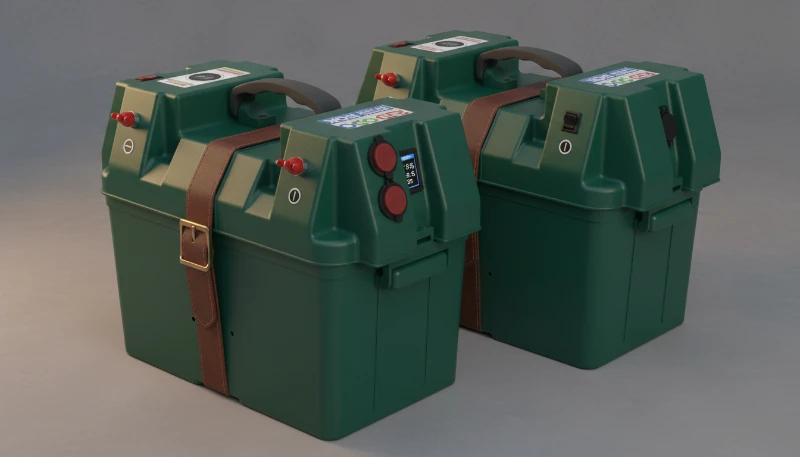
spuitgieten batterijpakketten
Bieden Belgische spuitgieters in-mold labeling (IML) aan?
Ja. IMTEC en diverse andere Belgische spuitgieters bieden IML aan. België is zelfs een wereldwijd centrum voor IML-technologie — MCC Verstraete in Maldegem produceert dagelijks meer dan 60 miljoen in-mouldlabels en is wereldwijd de grootste IML-leverancier. Voor projecten met gedecoreerde verpakkingen is het Belgische IML-ecosysteem een belangrijk voordeel.
Wat is de minimale bestelhoeveelheid (MOQ) bij Belgische spuitgieters?
MOQ’s lopen sterk uiteen. Specialisten in grote volumes, zoals Didak Injection, verwachten bestellingen van tienduizenden stuks. Flexibele producenten zoals VARINA accepteren productieruns van 25 stuks (kleine series) tot 100.000. Stratago is gespecialiseerd in kleine tot middelgrote volumes met snelle gereedschapsmethoden. Bespreek MOQ’s altijd vooraf — Belgische spuitgieters zijn wat volume betreft over het algemeen flexibeler dan hun Zuidoost-Aziatische tegenhangers.
Kan ik een Belgische spuitgieter gebruiken voor prototyping en de productie daarna naar China verplaatsen?
Ja, dit is een gangbare strategie. U kunt prototypes maken bij een Belgische spuitgieter voor snelle iteratie en lokale feedback, en het gereedschap daarna overdragen aan een Chinese fabrikant zoals ZetarMold voor serieproductie. Zorg dat uw overeenkomst over gereedschapseigendom dit vanaf het begin toestaat. ZetarMold kan ook productiematrijzen bouwen op basis van uw Belgische prototypespecificaties, zodat overdrachtscomplicaties worden vermeden.
Waarom is ZetarMold de juiste partner voor Belgische inkopers?
Als u tot hier hebt gelezen, begrijpt u het Belgische spuitgietlandschap — en denkt u waarschijnlijk na over hoe productie in China in uw inkoopstrategie past. Dit is wat ZetarMold Europese inkopers biedt die een betrouwbare, kosteneffectieve partner voor serieproductie zoeken.
Een schaal die Belgische spuitgieters niet kunnen evenaren. Onze fabriek in Shanghai heeft meer dan 45 spuitgietmachines van 90T tot 1.850T—waaronder een pers van 1.850T die onderdelen verwerkt die de meeste Belgische spuitgieters niet kunnen produceren. We vervaardigen meer dan 100 sets matrijzen per maand met eigen matrijzenbouwcapaciteit, waaronder CNC-bewerkingscentra, draadvonkmachines, precisiegraveermachines en slijpapparatuur. Voor Europese kopers die onderdelen met meer dan 500T sluitkracht nodig hebben, vult ZetarMold een echte leemte in de Belgische toeleveringsketen.
Communicatie zonder gedoe. Meer dan 30 medewerkers spreken vloeiend Engels en reageren binnen 24 uur of minder. Ons engineeringteam telt 8 senior engineers met meer dan 10 jaar ervaring in matrijsontwerp en beschikt over capaciteiten voor CAD, simulatie en industrieel ontwerp. U voert technische gesprekken, geen orderopname. Aan elke internationale klant wijzen we een vaste projectmanager toe, zodat u één aanspreekpunt hebt dat uw eisen begrijpt.
Kwaliteitsinfrastructuur die aan Europese normen voldoet. Gecertificeerd volgens ISO 9001, ISO 13485 (medisch), ISO 14001 en ISO 45001. Zes cleanroommachines voor productie voor medische toepassingen en levensmiddelen. Een volledig kwaliteitsproces in 6 stappen — van inkomende kwaliteitscontrole (IQC) tot uitgaande kwaliteitscontrole (OQC) — ondersteund door CMM-metingen, profielprojectie en precisie-inspectieapparatuur. Op verzoek kunnen we originele certificaten leveren.
20+ jaar exportervaring. Sinds onze oprichting in 2005 leveren we al meer dan twee decennia aan Europa, Noord-Amerika en andere wereldmarkten. We kennen de eisen voor CE-markering, EU-douaneprocedures en Europese kwaliteitsverwachtingen. Onze database met 400+ materialen omvat vrijwel elk technisch thermoplast dat uw project nodig heeft.
Of u nu een kostenconcurrerend alternatief voor productie in grote volumes zoekt of naast uw Belgische leverancier een tweede leverancier wilt inzetten, wij bespreken uw project graag. Vraag een gratis offerte aan en ontvang DFM-feedback binnen 24 uur. Raadpleeg voor een uitgebreid overzicht van inkoopstrategieën onze gids voor de inkoop van spuitgietleveranciers.
kunststofindustrie: De kunststofindustrie verwijst naar de wereldwijde sector die zich bezighoudt met de productie en vervaardiging van kunststofproducten, waaronder spuitgieten, extrusie en blaasvormen. ↩
Europese spuitgietmarkt: De Europese spuitgietmarkt verwijst naar de gezamenlijke spuitgietindustrie in Europese landen, met een waarde van circa EUR 85 miljard in 2024. ↩
werkgelegenheid in België: De arbeidskosten in België behoren tot de hoogste in de EU; volgens Trading Economics bereikte de arbeidskostenindex in Q3 2025 118.87 punten. ↩