Jak wygląda belgijski rynek formowania wtryskowego?
Belgijski rynek formowania wtryskowego jest niewielkim, lecz zaawansowanym technicznie segmentem europejskiej produkcji. Belgijski przemysł tworzyw sztucznych-1 generuje około EUR 7 miliardów rocznie, a formowanie wtryskowe stanowi znaczną część tej produkcji. Mimo małej powierzchni Belgia wyróżnia się produkcją precyzyjną dzięki centralnemu położeniu w UE i silnie uprzemysłowionej Flandrii.
Wskazany Europejski rynek formowania wtryskowego-2 miał w 2024 wartość około EUR 85 miliardów, z czego Belgia odpowiadała za około 2–3% mocy. Działają tam trzy grupy: firmy OEM z własnym formowaniem, jak ASPEL; producenci kontraktowi, jak Rectilim i Didak Injection; oraz specjaliści niszowi, jak VARINA i Stratago, obsługujący konkretne branże lub szybkie prototypowanie.
Sektor motoryzacyjny jest największym odbiorcą części formowanych wtryskowo w Belgii; kolejne miejsca zajmują opakowania, zwłaszcza do żywności, materiały budowlane i wyroby medyczne. Położenie Belgii między Holandią, Niemcami, Francją i Luksemburgiem zapewnia producentom naturalny dostęp do rynku ponad 180 milionów konsumentów w promieniu 500 km. Dzięki temu wielu belgijskich producentów pełni funkcję faktycznych europejskich punktów dystrybucyjnych dla międzynarodowych nabywców. Duzi producenci OEM z zakładami w Belgii — w tym Volvo Cars Ghent — generują stały popyt na lokalnych dostawców formowania wtryskowego zdolnych do dostaw just-in-sequence.
- W Belgii działa ponad 300 firm zajmujących się formowaniem wtryskowym, generujących około EUR 7 miliardów rocznych przychodów sektora tworzyw sztucznych.
- Czołowe belgijskie firmy zajmujące się formowaniem wtryskowym, takie jak ASPEL, Rectilim i Didak Injection, obsługują branżę motoryzacyjną, opakowaniową i techniczną, dysponując maszynami o sile zamykania do ponad 1,000 ton.
- Belgijskie oprzyrządowanie kosztuje 2–4 razy więcej niż chińskie, ale oferuje większą precyzję, bliskość rynków UE i ochronę własności intelektualnej.
- W przypadku złożonych lub wielkoseryjnych projektów wymagających efektywności kosztowej połączenie belgijskiej wtryskowni z chińskim partnerem, takim jak ZetarMold, może zoptymalizować łańcuch dostaw.
Jakie trendy kształtują branżę formowania wtryskowego w Belgii?
Kilka trendów aktywnie zmienia sposób działania i konkurowania belgijskich firm zajmujących się formowaniem wtryskowym. Ich zrozumienie pomaga ocenić, czy możliwości belgijskiego partnera odpowiadają harmonogramowi projektu.
Automatyzacja i Przemysł 4.0. Belgijskie firmy inwestują w robotyczny odbiór części, automatyczną kontrolę jakości i monitoring procesu w czasie rzeczywistym. Rectilim produkuje ponad 600,000 części dziennie. Jest to częściowo odpowiedź na zatrudnienie w Belgii-3 i koszty pracy EUR 35–45 za godzinę operatora. Nabywcy otrzymują bardziej powtarzalną jakość i krótsze terminy kolejnych zamówień.
Zrównoważone materiały i gospodarka o obiegu zamkniętym. Belgijskie przepisy wymagają rosnącego udziału recyklatów i polimerów biopochodnych. Producenci opakowań przygotowują się do ponad 50% recyklatu do 2030. MCC Verstraete w Maldegem produkuje ponad 60 milionów etykiet in-mold dziennie i rozwija zrównoważone IML. Belgijskie firmy mają przewagę w przetwarzaniu ekologicznych materiałów opakowaniowych.
Konsolidacja i ekspansja międzynarodowa. Grupa ASPEL, założona w 1953 w Eupen, rozrosła się przez połączenia ASPEL, POLYFORM i VG Plastics. Działa w Europie, Ameryce Północnej i Azji, zatrudnia ponad 300 osób i posiada 100+ maszyn. Belgijskie firmy albo rozwijają skalę międzynarodową, albo specjalizują się w niszowych pracach o wysokiej wartości.
Presja nearshoringu z Europy Środkowej. Polscy i czescy producenci coraz mocniej konkurują ceną w standardowym formowaniu wtryskowym. Belgijskie firmy przesuwają się więc w górę łańcucha wartości, skupiając na formowaniu wielokomponentowym, z wkładkami i złożonych częściach. Dla nabywców oznacza to większą motywację do dostarczania rzeczywistej wartości.
Jak wybrać dostawcę formowania wtryskowego w Belgii?
Wybór belgijskiej firmy zajmującej się formowaniem wtryskowym wymaga innych kryteriów oceny niż zaopatrzenie w Azji. Wyższa cena jest oczywista — należy ocenić, czy w konkretnym projekcie zapewnia ona proporcjonalną wartość. Poniżej przedstawiamy czynniki, które rzeczywiście mają znaczenie przy porównywaniu belgijskich dostawców, na podstawie trafnych i błędnych decyzji europejskich nabywców, z którymi się spotykamy.
1. Zakres siły zwarcia a wymagania części. VARINA w Antoing ma 14 pras 20T–1,000T, a ASPEL ponad 100 maszyn 15T–500T. Dla części wymagającej 1,500T wybór w Belgii znacznie się zawęża. Zawsze potwierdzaj dostępny tonaż; wiele zakładów kończy zakres na 500T.
2. Własna narzędziownia. To główny wyróżnik. Rectilim i Penne NV budują własne formy, co przyspiesza iteracje i poprawia kontrolę jakości. Przy zakupie form wtryskowych w Belgii producent z własną narzędziownią może skrócić termin o 2–4 tygodnie względem firmy zlecającej wykonanie narzędzia na zewnątrz.
3. Certyfikaty jakości właściwe dla branży. Motoryzacja: IATF 16949, nie tylko ISO 9001. Medycyna: ISO 13485. FERONYL w Mouscron posiada ISO 9001 i EN9100 dla lotnictwa. Nie zakładaj zgodności: poproś o aktualne certyfikaty i sprawdź, czy ich zakres obejmuje kategorię części.
4. Dopasowanie wolumenu. Niektóre belgijskie zakłady formowania są zoptymalizowane pod kątem produkcji wielkoseryjnej (Didak Injection pracuje 24/7 w systemie pięciozmianowym ze 130 pracownikami), podczas gdy inne, takie jak Stratago, koncentrują się na małych i średnich wolumenach z wykorzystaniem szybkiego oprzyrządowania. Dopasowanie wolumenu do specjalizacji zakładu zapobiega sytuacji, w której zamówienie jest dla niego zbyt małe lub zbyt duże. Zakład zoptymalizowany pod serie 100,000+ może nadać niższy priorytet zamówieniu 2,000 sztuk, a specjalista od małych wolumenów może mieć trudności ze zwiększeniem skali przy gwałtownym wzroście popytu.
"Belgijski zakład z własną narzędziownią może zwykle dostarczyć formy o 2-4 tygodnie szybciej niż zakład zlecający ich wykonanie na zewnątrz."True
Własna narzędziownia eliminuje opóźnienia w koordynacji między wtryskownią a zewnętrznymi wykonawcami form i umożliwia szybsze modyfikacje formy podczas prób.
"Wszystkie belgijskie firmy zajmujące się formowaniem wtryskowym oferują ten sam zakres siły zwarcia i takie same moce produkcyjne."False
Zakresy siły zwarcia znacznie się różnią — ASPEL dysponuje maszynami od 15T do 500T, a VARINA do 1,000T, lecz niewiele belgijskich zakładów formowania przekracza 1,000T. Zawsze należy sprawdzić, czy parametry maszyn odpowiadają wymaganiom detalu.
Oprócz parametrów maszyn i certyfikatów należy uwzględnić praktyczne aspekty współpracy z belgijskim dostawcą. Poproś o referencje od firm z Twojej branży. Zapytaj o średni czas przezbrojenia formy, zasady dostarczania raportów wymiarowych z każdą partią oraz sposób obsługi zmian konstrukcyjnych w trakcie produkcji. Te szczegóły operacyjne często mają większe znaczenie niż najważniejsze kompetencje wymienione na stronie internetowej firmy. Wtryskownia, która odpowiada na pytania techniczne w ciągu kilku godzin i dostarcza szczegółową dokumentację procesu, jest cenniejsza niż zakład z imponującym parkiem maszynowym, lecz powolną komunikacją. Potwierdź również źródła zaopatrzenia w materiały — belgijskie wtryskownie zwykle kupują je od europejskich producentów mieszanek, co wpływa zarówno na koszt materiału, jak i terminy realizacji.
„Centralne położenie Belgii w UE zapewnia firmom zajmującym się formowaniem dostęp do ponad 180 milionów konsumentów w promieniu 500 km.”True
Położeni między Holandią, Niemcami, Francją i Luksemburgiem belgijscy przetwórcy mogą dostarczać wyroby na większość rynków Europy w ciągu 1-3 dni roboczych.
"Certyfikat ISO 9001 jest wystarczający dla części samochodowych formowanych wtryskowo, produkowanych w Belgii."False
Części motoryzacyjne zazwyczaj wymagają certyfikatu IATF 16949, a nie tylko ISO 9001. Zawsze weryfikuj konkretną certyfikację wymaganą w Twojej branży przed wyborem dostawcy.
Które 10 belgijskich firm zajmujących się formowaniem wtryskowym należy do czołówki?
Oto 10 belgijskich firm zajmujących się wtryskiem tworzyw sztucznych, które warto znać, na podstawie wielkości firmy, reputacji w branży i zweryfikowanych możliwości. Każdy profil zawiera podstawowe informacje potrzebne do oceny dopasowania do Twojego projektu.
1. Grupa ASPEL
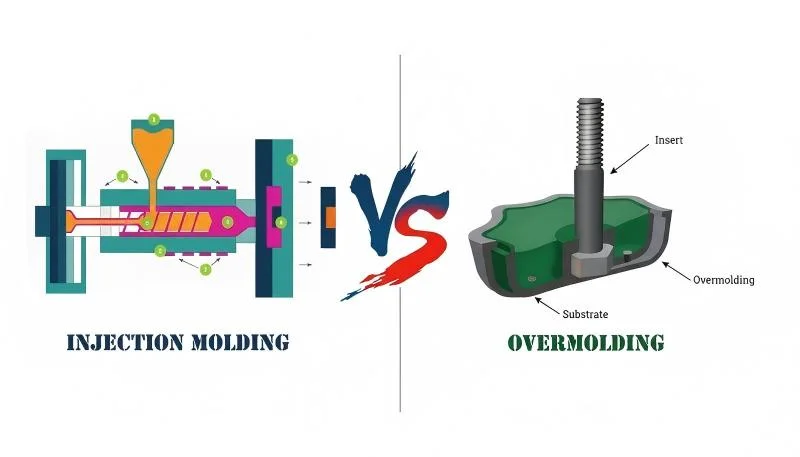
Założona: 1953 | Lokalizacja: Eupen/Beringen, Belgia | Pracownicy: 300+ ASPEL to największa belgijska grupa zajmująca się formowaniem wtryskowym, eksploatująca ponad 100 maszyn o sile zwarcia od 15T do 500T. Założona w 1953 roku w Eupen i utworzona w 2000 roku w wyniku połączenia trzech belgijskich spółek (ASPEL, POLYFORM, VG Plastics), grupa prowadzi obecnie zakłady produkcyjne w Europie, Ameryce Północnej i Azji. Specjalizuje się w technicznych i złożonych częściach z tworzyw sztucznych, w tym w komponentach 2K (dwukomponentowych) oraz obtryskiwanych z wkładkami. ASPEL należy obecnie w całości do 3D Participaties, belgijskiej rodzinnej spółki inwestycyjnej, co zapewnia grupie zaplecze finansowe do długoterminowych inwestycji w wyposażenie. Globalna obecność czyni ją atrakcyjną opcją dla nabywców potrzebujących wieloregionalnej redundancji łańcucha dostaw. Obsługuje głównie sektory motoryzacyjny, elektroniczny i wyposażenia przemysłowego.
Wielozakładowy model ASPEL pozwala w razie potrzeby pozyskiwać ten sam detal z różnych regionów — jest to przydatne w zarządzaniu ryzykiem logistycznym lub narażeniem na cła. Najlepsze dopasowanie: nabywcy potrzebujący technicznych detali wielokomponentowych ze wsparciem globalnego łańcucha dostaw. Strona internetowa: aspel-group.com
2. Rectilim
Założona: 1963 | Lokalizacja: Hasselt, Limburg | Pracownicy: 200–299. Rectilim to rodzinna firma zajmująca się formowaniem wtryskowym, zarządzana przez trzecie pokolenie. Od ponad 50 lat projektuje i buduje formy oraz produkuje części z termoplastów. Wytwarza ponad 600,000 części dziennie na zautomatyzowanych liniach. Własne projektowanie, budowa narzędzi i produkcja zapewniają ścisłą kontrolę od formy do części oraz eliminują opóźnienia koordynacyjne między różnymi wykonawcami.
Położenie w Limburgii zapewnia firmie dostęp do głównego belgijskiego korytarza przemysłowego oraz dogodne połączenia z rynkami holenderskim i niemieckim. Najlepszy wybór dla: nabywców poszukujących jednego partnera zarówno do budowy form, jak i produkcji wtryskowej, zwłaszcza średnio- i wielkoseryjnych detali technicznych. Strona internetowa: rectilim.be
Rok założenia: 1953 (formowanie od lat 60. XX wieku) | Lokalizacja: Grobbendonk, Belgia | Liczba pracowników: 130 Didak Injection specjalizuje się w produkcji wielkoseryjnej. Firma działa przez całą dobę, 7 dni w tygodniu, w systemie pięciozmianowym i zatrudnia 130 pracowników. Od lat 60. XX wieku prowadzi działalność w zakresie formowania wtryskowego tworzyw sztucznych i należy do czołowych europejskich producentów opakowań wielokrotnego użytku oraz pojemników dla rolnictwa. Jej oferta obejmuje składane skrzynki i pojemniki sztaplowane wykorzystywane w logistyce, rolnictwie oraz automatyzacji magazynów. Didak opracował również własną składaną skrzynkę — kompaktową, wytrzymałą i zgodną z zasadami zrównoważonego rozwoju — co świadczy o inwestowaniu w innowacje produktowe równolegle z produkcją kontraktową. Praca całodobowa zapewnia wysokie wykorzystanie maszyn i konkurencyjny koszt jednostkowy części o standardowej geometrii. Najlepsze zastosowanie: wielkoseryjna produkcja opakowań, pojemników i wyrobów dla logistyki rolniczej. Strona internetowa: didak.eu
Założona: 1986 | Lokalizacja: Grobbendonk, Belgia | Pracownicy: 130. Didak Injection specjalizuje się w dużych wolumenach i pracuje 24/7 w systemie pięciozmianowym. Od lat 1960. produkuje formowane wtryskowo opakowania wielokrotnego użytku i pojemniki rolnicze, w tym składane skrzynki i pojemniki sztaplowane dla logistyki, rolnictwa i automatyzacji magazynów. Własna składana skrzynka Didak jest kompaktowa, wytrzymała i zrównoważona. Ciągła praca sprzyja wielkoseryjnej produkcji opakowań. Witryna: didak.eu
4. IMTEC
Rok założenia: 2013 | Lokalizacja: Waregem, Belgia | Liczba pracowników: 200–299 IMTEC jest jednym z nowszych uczestników belgijskiego rynku formowania wtryskowego, ale rozwija się bardzo szybko. Firma oferuje tradycyjne formowanie wtryskowe, formowanie dwukomponentowe, obtrysk, etykietowanie w formie (IML) oraz wyroby grubościenne. Dzięki doświadczonym zespołom w Belgii i Chinach IMTEC zapewnia interesujący model hybrydowy — europejski nadzór nad jakością połączony z ekonomiką produkcji w Chinach. Firma prowadzi projekty od etapu projektowania po dostawę, a także opracowała własne linie produktów pod markami Imtec Home i Imtec Pets, co potwierdza jej kompleksowe kompetencje w zakresie rozwoju produktów. Model obejmujący dwa kontynenty pozwala oferować konkurencyjne ceny przy większych seriach produkcyjnych, a jednocześnie zachować europejskie zarządzanie projektami i nadzór nad jakością.
Najlepsze dopasowanie: Nabywcy chcący europejskiego zarządzania projektami przy kosztach produkcji chińskiej, szczególnie dla produktów konsumenckich. Strona internetowa: imtecplastics.com
5. FERONYL
Rok założenia: 1950 | Lokalizacja: Mouscron, Belgia | Liczba pracowników: 200-299 FERONYL to nestor belgijskiego formowania wtryskowego, działający od 1950 roku. Jest producentem wieloprocesowym — oferuje formowanie wtryskowe, powlekanie w formie, prasowanie, spawanie i montaż — specjalizującym się w lekkich komponentach mechanicznych z polimerów, kompozytów i układów wielomateriałowych (powlekanie 2K). FERONYL wyróżnia certyfikat lotniczy EN9100 obok ISO 9001, umożliwiający realizację wymagających prac dla lotnictwa i obronności. Niewiele belgijskich wtryskowni ma takie uprawnienia. Firma oferuje kompleksową realizację projektu przez wyspecjalizowane zespoły: kierowników projektów, inżynierów R&D, jakości i procesu oraz operatorów. Dla nabywców potrzebujących złożonych części wielomateriałowych z pełną identyfikowalnością i jakością lotniczą FERONYL jest jedną z nielicznych opcji w Belgii.
Najlepsze dopasowanie: Lotnictwo, obrona i wymagające technicznie zastosowania wielomateriałowe wymagające pełnej identyfikowalności i jakości lotniczej. Strona internetowa: feronyl.com
6. MCC Verstraete
Rok założenia: 1974 | Siedziba: Maldegem, Belgia | Zatrudnienie: ponad 500 osób (na świecie) MCC Verstraete (obecnie część Multi-Color Corporation) jest światowym liderem w dziedzinie etykietowania w formie (IML). Firma produkuje codziennie ponad 60 milionów etykiet przeznaczonych do formowania wtryskowego, rozdmuchowego i termoformowania. Choć sama nie formuje detali, MCC Verstraete jest istotnym uczestnikiem rynku, ponieważ technologia IML stanowi ważny wyróżnik kompetencyjny belgijskiego sektora opakowań. Dzięki ponad 55-letniemu doświadczeniu firma obsługuje na całym świecie branże spożywczą, mleczarską, chemii gospodarczej i farbiarską. Belgijski przetwórca oferujący opakowania dekorowane metodą IML najprawdopodobniej zaopatruje się w etykiety w MCC Verstraete albo ściśle współpracuje z jej zespołem technicznym przy integracji projektu etykiety.
Najlepsze dopasowanie: Kupcy potrzebujący rozwiązań IML do dekoracyjnych opakowań — dostawa etykiet, wsparcie projektowe i integracja techniczna z partnerami wtryskowymi. Strona internetowa: iml.mclabel.com
7. VARINA
Rok założenia: 1961 | Lokalizacja: Antoing, Belgia | Liczba pracowników: 50-99 VARINA to firma rodzinna o fascynującej historii — w latach 1930s rozpoczęła działalność od produkcji obuwia pod nazwą CASTELSHOES, a w latach 1960s przestawiła się na formowanie wtryskowe tworzyw sztucznych, gdy zaczęła wtryskiwać podeszwy z tworzywa. Wieloletnie doświadczenie w przetwórstwie materiałów zapewnia jej praktyczną wiedzę, której nowsze firmy nie są w stanie odtworzyć. Obecnie specjalizuje się w technicznych częściach z tworzyw sztucznych dla przemysłu i sektora publicznego. Park maszynowy obejmuje 14 wtryskarek o sile zwarcia od 20T do 1,000T, które produkują części o masie od 1g do ponad 4kg w małych i średnich seriach (od 25 do 100,000 sztuk). Zakres siły zwarcia należy do najszerszych wśród belgijskich firm formierskich i pozwala wytwarzać zarówno mikroczęści, jak i duże elementy konstrukcyjne.
Najlepsze dopasowanie: Elastyczna produkcja cięższych lub bardziej złożonych części technicznych bez wysokich minimalnych zamówień. Strona internetowa: varina.com
8. Penne NV
Rok założenia: lata 60. XX wieku | Lokalizacja: Aalst, Belgia | Liczba pracowników: 100-200 Penne NV jest kompleksowym dostawcą komponentów metalowych i z tworzyw sztucznych, co stanowi stosunkowo rzadkie połączenie. Firma prowadzi własną, nowoczesną narzędziownię, która wykonuje wykrojniki postępowe i transferowe, formy wtryskowe do tworzyw sztucznych, narzędzia do głębokiego tłoczenia oraz tłoczniki. Specjalizacja w przetwarzaniu wstępnie lakierowanych blach wraz z formowaniem wtryskowym zapewnia firmie wyjątkową pozycję wśród nabywców potrzebujących części metalowych i z tworzyw sztucznych w jednym łańcuchu dostaw. Te podwójne kompetencje upraszczają zarządzanie dostawcami, ograniczają złożoność logistyki i mogą obniżyć całkowite koszty zaopatrzenia. Penne obsługuje branżę motoryzacyjną, dóbr konsumpcyjnych i budowlaną, oferując praktyczne rozwiązanie dla podzespołów łączących oba rodzaje materiałów.
Najlepsze dopasowanie: Nabywcy, którzy potrzebują zarówno tłoczonych części metalowych, jak i wtryskiwanych części plastikowych od jednego dostawcy. Strona internetowa: penne.be
9. IIP (International Industrial Plastics)
Rok założenia: 1960s | Lokalizacja: Belgia | Liczba pracowników: 50-100 IIP to belgijska firma rodzinna z ponad 50-letnim doświadczeniem w produkcji opakowań z tworzyw sztucznych i form precyzyjnych. Oferuje zarówno formowanie wtryskowe, jak i rozdmuchowe oraz produkcję form — takie połączenie zapewnia jej samowystarczalność przy realizacji niestandardowych projektów opakowań. IIP produkuje w Belgii i dostarcza wyroby na cały świat, koncentrując się na branży opakowaniowej. Jako firma rodzinna zazwyczaj oferuje bardziej indywidualną obsługę i większą elastyczność niż duże grupy przemysłowe. Własne kompetencje w zakresie budowy form umożliwiają szybkie iterowanie niestandardowych projektów opakowań bez oczekiwania na zewnętrzne narzędziownie, co znacznie skraca cykle rozwoju. Najlepsze zastosowanie: niestandardowe projekty opakowań wymagające oprzyrządowania i produkcji od jednego elastycznego dostawcy. Strona internetowa: iip.be
10. Stratago
Rok założenia: lata 2010. | Lokalizacja: Belgia | Liczba pracowników: 20-50 Stratago jest najmłodszą i najmniejszą firmą na tej liście, lecz wypełnia ważną niszę. Specjalizuje się w mało- i średnioseryjnym formowaniu wtryskowym, wykorzystując innowacyjne podejście do oprzyrządowania, które pozwala dostarczać produkty w ciągu kilku dni od pierwszego zamówienia. Deklarowaną misją firmy jest usuwanie barier między projektowaniem a produkcją. Dla nabywców potrzebujących szybkich iteracji, małych partii lub znajdujących się na wczesnym etapie rozwoju produktu model Stratago, stawiający szybkość na pierwszym miejscu, jest atrakcyjny. Firma obsługuje wiele branż i przedkłada elastyczność nad skalę produkcji. Choć nie dorównuje skalą ASPEL ani Rectilim, jej szybkość stanowi istotną wartość przy przechodzeniu od prototypowania do produkcji oraz w projektach, w których czas wprowadzenia produktu na rynek jest ważniejszy niż koszt jednostkowy.
Najlepsze zastosowanie: rozwój produktów wymagający szybkich iteracji oraz produkcji mało- i średnioseryjnej bez terminów realizacji typowych dla tradycyjnego oprzyrządowania. Strona internetowa: stratago.be
Jak koszty formowania wtryskowego w Belgii wypadają w porównaniu z Chinami?
Spójrzmy na liczby bez ogródek. Formowanie wtryskowe w Belgii nie jest tanie, a udawanie, że jest inaczej, nie pomaga nikomu podejmować trafnych decyzji zakupowych. Pytanie nie brzmi, czy koszty w Belgii są wyższe — bo są — lecz czy dodatkowa cena zapewnia wystarczającą wartość, aby uzasadnić ją w konkretnym projekcie.
Koszt oprzyrządowania: standardowa forma jednogniazdowa do części średniej złożoności (około 100mm × 80mm × 30mm, PA66-GF30) może kosztować w Belgii EUR 15,000–25,000. Taka sama forma od chińskiego producenta, np. ZetarMold, zwykle kosztuje USD 4,000–8,000. Różnica 2–4x występuje na większości poziomów złożoności.
Cena części: belgijskie wypraski kosztują zwykle 2–3x więcej niż chińskie odpowiedniki o tej samej geometrii i z tego samego materiału. Wspornik PA66-GF30 kosztujący w Belgii EUR 0.35 może kosztować w Chinach EUR 0.12–0.18. Różnica maleje przy silnie zautomatyzowanych częściach, a rośnie przy pracochłonnych operacjach dodatkowych.
Terminy realizacji: Budowa formy w Belgii: 8–16 tygodni. W Chinach: 4–8 tygodni. Produkcja pierwszych próbek w Belgii: 2–4 tygodnie po zatwierdzeniu formy. W Chinach: 1–2 tygodnie.
Ukryte koszty, które kupujący często pomijają: – Logistyka — produkcja w Belgii oznacza brak ceł importowych w UE, brak opóźnień celnych i dostawę w 1–3 dni. Części z Chin podlegają cłu 3–6% (zależnie od kodu HS), wymagają 4–6 tygodni transportu morskiego albo drogiego frachtu lotniczego przy pilnych zamówieniach. – Koszty komunikacji — belgijscy dostawcy działają w Twojej strefie czasowej i zwykle biegle mówią po angielsku, niderlandzku i francusku. Współpraca z chińskimi dostawcami wymaga zasobów do zarządzania różnicą czasu (6–7 godzin względem Europy Zachodniej). – Kontrola jakości — belgijskie wtryskownie zazwyczaj od początku stosują ściślejszą kontrolę procesu.
Przy współpracy z chińskimi dostawcami uwzględnij koszt kontroli przychodzącej lub audytów jakości prowadzonych przez stronę trzecią. – Ochrona własności intelektualnej — belgijskie prawo zapewnia silną ochronę własności intelektualnej. Egzekwowanie praw własności intelektualnej w Chinach poprawiło się, ale nadal wymaga uwagi w przypadku zastrzeżonych projektów.
Kiedy Belgia jest właściwym wyborem lokalizacji dostawcy usług formowania wtryskowego?
Oto uczciwa ocena. Belgia ma sens w niektórych zastosowaniach, a w innych nie. Odpowiedź zależy od złożoności części, wolumenu, harmonogramu i lokalizacji odbiorców końcowych.
Wybierz belgijską wtryskownię, gdy: – Potrzebujesz bliskości rynku UE. Twoi klienci są w Europie, potrzebujesz dostawy w 48 godzin, a import z Chin powoduje niedopuszczalne opóźnienia lub koszty. – Złożoność części uzasadnia wyższą cenę. Dotyczy to części wielokomponentowych (2K), zespołów z zatapianymi elementami oraz części wymagających rygorystycznej certyfikacji lotniczej lub medycznej, gdzie liczą się belgijskie certyfikaty EN9100 lub ISO 13485. – Ochrona własności intelektualnej ma kluczowe znaczenie. Wytwarzasz zastrzeżone projekty o dużej wartości IP, a ochrona prawna UE daje Ci spokój. – Prowadzisz niskoseryjną produkcję wielu wariantów. Potrzebujesz 500–5000 części w wielu SKU, a elastyczność belgijskiej wtryskowni i szybkie przezbrojenia czynią to wykonalnym.
Wybierz chińskiego partnera, takiego jak ZetarMold, gdy: – Najważniejszy jest koszt jednostkowy. Produkujesz ponad 50 000 sztuk rocznie, a 2–3-krotna różnica kosztów bezpośrednio wpływa na marżę. – Potrzebujesz maszyn o dużej sile zwarcia. Zakres ZetarMold 90T–1850T obejmuje zastosowania niedostępne dla wielu belgijskich wtryskowni, szczególnie części wymagające maszyn 500T+. – Liczy się własność oprzyrządowania. Chińscy producenci zwykle oferują elastyczniejsze warunki własności form. Forma należy do Ciebie i w razie potrzeby możesz przenieść produkcję. – Chcesz strategii dwóch źródeł dostaw. Rozsądni kupujący nie uzależniają się od jednego dostawcy. Produkcja zarówno w Belgii, jak i w Chinach zwiększa odporność łańcucha dostaw.
Najbardziej doświadczeni nabywcy, z którymi współpracujemy, korzystają z obu rozwiązań: belgijskich firm formierskich do pilnych, wymagających zamówień europejskich oraz ZetarMold do zoptymalizowanej kosztowo produkcji wielkoseryjnej i realizacji wymagających maszyn o większej sile zwarcia. To podejście hybrydowe łączy zalety obu modeli — bliskość dostawcy z UE tam, gdzie jest potrzebna, oraz chińską efektywność kosztową tam, gdzie pozwala na to wolumen. Przy ocenie strategii podwójnego źródła dostaw kluczowe jest zapewnienie, że obaj partnerzy spełniają te same normy jakości i wymagania dotyczące dokumentacji.
Najczęściej zadawane pytania dotyczące formowania wtryskowego w Belgii
Jaki jest średni koszt formowania wtryskowego w Belgii?
Koszty formowania wtryskowego w Belgii należą do najwyższych w Europie. Oprzyrządowanie formowe kosztuje zazwyczaj EUR 15,000-40,000+, zależnie od złożoności, a cena jednostkowa detalu jest 2-3x wyższa niż w przypadku odpowiedników z Chin. Detal o średniej złożoności wykonany z PA66-GF30 może kosztować EUR 0.30-0.50 za sztukę. Wyższa cena zapewnia bliskość dostawcy, ochronę IP oraz zgodność z przepisami UE.
Które belgijskie firmy zajmujące się formowaniem wtryskowym obsługują branżę motoryzacyjną?
ASPEL, Rectilim, Penne NV i FERONYL obsługują klientów z branży motoryzacyjnej. ASPEL eksploatuje ponad 100 maszyn i ma zakłady produkcyjne na całym świecie. FERONYL posiada certyfikaty ISO 9001 oraz EN9100. Penne NV jako jedyna oferuje zarówno tłoczenie metalu, jak i formowanie wtryskowe, dzięki czemu jest kompleksowym dostawcą podzespołów samochodowych.
Ile trwa wykonanie formy wtryskowej w Belgii?
Wykonanie formy przez belgijską narzędziownię trwa zwykle 8-16 tygodni, a pobranie pierwszych próbek i ich zatwierdzenie kolejne 2-4 tygodnie. To około dwukrotnie dłużej niż u chińskich producentów form. Gdy czas ma kluczowe znaczenie, niektóre belgijskie firmy, takie jak Stratago, oferują szybkie oprzyrządowanie do mniejszych serii z dostawą w ciągu kilku dni od złożenia zamówienia.
Czy belgijskie firmy zajmujące się formowaniem wtryskowym są konkurencyjne wobec Chin?
Patrząc wyłącznie na cenę, nie — belgijskie formowanie kosztuje 2-4 razy więcej niż chińskie odpowiedniki. Jednak konkurencyjność nie zależy tylko od ceny. Belgijscy wytwórcy form oferują zalety w postaci bliskości rynków UE, ochrony własności intelektualnej, głębi certyfikacji oraz łatwości komunikacji. W przypadku części o wysokich specyfikacjach, niskiej i średniej wielkości produkcji sprzedawanych w Europie, całkowity koszt posiadania (uwzględniający logistykę, kontrolę jakości i cła) może faktycznie przemawiać za produkcją belgijską.
Z jakimi materiałami powszechnie pracują belgijscy wytwórcy form wtryskowych?
Belgijscy wytwórcy form pracują z pełnym zakresem tworzyw termoplastycznych inżynieryjnych: PA6, PA66, PC, ABS, POM, PBT, PP i gatunkami PE, a także materiałami wysokotemperaturowymi, takimi jak PEEK i PPS, do zastosowań lotniczych i medycznych. Firmy takie jak Rectilim przetwarzają wszystkie rodzaje tworzyw termoplastycznych, podczas gdy inne specjalizują się w konkretnych rodzinach materiałów istotnych dla ich docelowych branż.
Czy belgijscy wytwórcy form wtryskowych oferują etykietowanie wewnątrzformowe (IML)?
Tak. IMTEC i kilka innych belgijskich zakładów formowania oferuje technologię IML. Belgia jest w istocie światowym ośrodkiem technologii IML — firma MCC Verstraete z Maldegem produkuje ponad 60 milionów etykiet IML dziennie i jest największym dostawcą IML na świecie. Jeżeli projekt dotyczy opakowań z dekoracją, belgijski ekosystem IML stanowi znaczącą przewagę.
Jakie jest minimalne zamówienie (MOQ) dla belgijskich wtryskarzy?
MOQ różnią się znacznie. Specjaliści wysokich wolumenów jak Didak Injection oczekują zamówień w dziesiątkach tysięcy. Elastyczne producenty jak VARINA akceptują serie od 25 sztuk (małe serie) do 100 000. Stratago specjalizuje się w wolumenach od małych do średnich z szybkim podejściem do oprzyrządowania. Zawsze omawiaj MOQ na początku — belgijskie wtryskarze są generalnie bardziej elastyczne w wolumenach niż ich odpowiedniki w Azji Południowo-Wschodniej.
Czy mogę użyć belgijskiego wtryskarza do prototypowania, a następnie przenieść produkcję do Chin?
Tak, to częsta strategia. Możesz prototypować z belgijskim wtryskarzem dla szybkiej iteracji i lokalnego feedbacku, a następnie przenieść oprzyrządowanie do chińskiego producenta jak ZetarMold dla produkcji masowej. Upewnij się, że umowa własności oprzyrządowania pozwala na to od początku. ZetarMold może również budować formy produkcyjne z specyfikacji belgijskiego prototypu, unikając komplikacji transferu.
Dlaczego ZetarMold jest właściwym partnerem dla belgijskich nabywców?
Jeśli przeczytałeś aż tutaj, rozumiesz belgijskie środowisko wtrysku — i zapewne zastanawiasz się, jak chińska produkcja wpisuje się w strategię sourcingu. Oto, co ZetarMold wnosi dla europejskich kupców, którzy pragną niezawodnego, opłacalnego partnera dla produkcji masowej.
Skala, której belgijscy formierze nie są w stanie dorównać. Nasz zakład w Szanghaju obsługuje ponad 45 maszyn do wtryskiwania tworzyw sztucznych o sile zwarcia od 90T do 1850T — w tym prasę 1850T, która obsługuje części, których większość belgijskich formierzy nie jest w stanie wyprodukować. Produkujemy ponad 100 kompletów form miesięcznie, dzięki wewnętrznym możliwościom budowy form, które obejmują centra obróbcze CNC, drutowe EDM, precyzyjne grawery i urządzenia do szlifowania. Dla europejskich nabywców potrzebujących części wymagających siły zwarcia powyżej 500T, ZetarMold wypełnia prawdziwą lukę w belgijskim łańcuchu dostaw.
Komunikacja bez problemów. 30+ pracowników płynnie mówiących w języku angielskim, z czasem odpowiedzi 24 godzin lub krócej. Nasz zespoł inżynieryjny obejmuje 8 starszych inżynierów z 10+ lat doświadczenia w projektowaniu form, obejmując CAD, symulację i możliwości projektowania przemysłowego. Otrzymujesz dyskusje techniczne, nie tylko odbieranie zamówień. Przydzielamy dedykowanych kierowników projektu dla każdego międzynarodowego klienta, więc masz jeden punkt kontaktu, który rozumie wymagania.
Infrastruktura wysokiej klasy spełniająca europejskie normy. Certyfikaty ISO 9001, ISO 13485 (medyczny), ISO 14001 oraz ISO 45001. Sześć maszyn w cleanroom dla produkcji medycznej i spożywczej. Pełny 6-etapowy proces kontroli — od Kontroli Jakości Materiałów (IQC) do Kontroli Jakości Wyrobu Gotowego (OQC) — wsparty pomiarami CMM, projekcją profilu i precyzyjnym sprzętem kontrolnym. Możemy dostarczyć oryginalne certyfikaty na żądanie.
Ponad 20 lat doświadczenia w eksporcie. Od założenia firmy w 2005 roku od ponad dwóch dekad wysyłamy produkty do Europy, Ameryki Północnej i na cały świat. Znamy wymagania oznakowania CE, procedury celne UE i europejskie oczekiwania jakościowe. Nasza baza ponad 400 materiałów obejmuje praktycznie każdy termoplast konstrukcyjny potrzebny w Twoim projekcie.
Niezależnie od tego, czy potrzebujesz konkurencyjnej kosztowo alternatywy do produkcji wielkoseryjnej, czy partnera w strategii dual sourcing obok belgijskiego dostawcy, jesteśmy gotowi omówić Twój projekt. Poproś o bezpłatną wycenę i otrzymaj informacje zwrotne DFM w ciągu 24 godzin. Kompleksowy przegląd strategii zaopatrzenia znajdziesz w naszym przewodniku dotyczącym wyboru dostawcy usług formowania wtryskowego.
przemysł tworzyw sztucznych: Przemysł tworzyw sztucznych to globalny sektor zajmujący się produkcją wyrobów z plastiku, w tym formowaniem wtryskowym, wytłaczaniem i formowaniem rozdmuchowym. ↩
europejski rynek formowania wtryskowego: Europejski rynek formowania wtryskowego obejmuje branżę wtryskową wszystkich krajów Europy, której wartość w 2024 roku wynosiła około 85 mld EUR. ↩
zatrudnienie w Belgii: Koszty pracy w Belgii należą do najwyższych w UE, a według Trading Economics indeks kosztów pracy osiągnął 118,87 punktu w III kwartale 2025 roku. ↩