 Overslaan naar inhoud

Wat is PPAP bij spuitgieten voor de auto-industrie?
PPAP is een verplichte AIAG-kwaliteitsgateway die automobieleleveranciers verplicht 18 gedocumenteerde elementen in te dienen voordat productieonderdelen worden verzonden. Je klant heeft je zojuist een pakket van 40 pagina's met vereisten gestuurd, en je baas wil dat het binnen twee weken klaar is. Als je er nog nooit een hebt gedaan — of als je laatste indiening is afgewezen — leidt deze gids je door het hele proces specifiek voor spuitgietonderdelen.
“PPAP Niveau 3 vereist alle 18 gedocumenteerde elementen plus productiestukken uit een minimale serie van 300 opeenvolgende stukken.”Echt
Niveau 3 is het standaard indieningsniveau in de auto-industrie en vereist het volledige pakket: Processtroomdiagram, PFMEA, Controleplan, MSA, dimensionale resultaten, materiaaltestresultaten, SPC-studies en alle andere 18 elementen gedefinieerd door AIAG.
“Een Cpk van 1,0 is voldoende om de initiële procescapaciteitsstudie voor PPAP te doorstaan.”Vals
De meeste autofabrikanten vereisen een minimale Cpk van 1,33 voor initiële processtudies. Een Cpk van 1,0 komt overeen met ongeveer 2.700 defecte onderdelen per miljoen — ver boven de automobielkwaliteitsdrempels.
- PPAP is verplicht voor alle Tier 1- en Tier 2-automobieleleveranciers
- Niveau 3-indiening vereist 18 gedocumenteerde elementen plus monsteronderdelen
- Cpk ≥ 1,33 is het minimum voor initiële procescapaciteitsstudies
- Elke proceswijziging na goedkeuring kan een volledige herindiening veroorzaken
- Documentatiefouten leiden tot meer afwijzingen dan daadwerkelijke onderdeeldefecten
Wat is PPAP en waarom is het belangrijk bij automobiel spuitgieten?
PPAP is een verplicht AIAG-kwaliteitskader dat aantoont dat uw productieproces consistent aan klanteisen voldoet. Het is van toepassing op alle automobiel spuitgieten leveranciers — zowel Tier 1 als Tier 2 — voordat ze productieonderdelen kunnen verzenden.
OEM's zoals Ford, GM, Toyota en Volkswagen eisen het allemaal. Hun Tier 1-leveranciers eisen het van hun Tier 2-leveranciers. De vereiste stroomt door de toeleveringsketen. Dit is wat PPAP daadwerkelijk voorkomt: dat een leverancier een "gouden batch" in een labomgeving opzet, goedkeuring krijgt, en vervolgens de productie op een andere machine met andere parameters uitvoert en slechte onderdelen levert. Het PPAP-proces dwingt u om uw werkelijke productieproces te documenteren en te valideren — de daadwerkelijke machine, het daadwerkelijke gereedschap, het daadwerkelijke materiaal, de daadwerkelijke operators.
De kosten van een PPAP-falen zijn hoog. Een afgewezen inzending betekent vertraagde productiestart, wat in de auto-industrie vertaalt naar lijnstilstandsboetes die kunnen oplopen tot €10.000+ per uur. We hebben dit uit eerste hand gezien in onze fabriek in Shanghai — in onze 20,0 jaar ervaring met het spuitgieten van auto-onderdelen komen de meeste eerste PPAP-falingen door onvolledige documentatie, niet door slechte onderdelen.
“Elke wijziging in het spuitgietproces na PPAP-goedkeuring kan herindiening vereisen.”Echt
Wijzigingen in materiaalkwaliteit, machine, matrijs, procesparameters of productielocatie kunnen allemaal leiden tot een nieuwe indiening. De 4P-regel (People, Process, Product, Place) is het standaardkader om te beoordelen of een wijzigingsmelding of herindiening nodig is.
“PPAP is alleen van toepassing op metalen onderdelen in de automobielproductie.”Vals
PPAP is van toepassing op alle productieonderdelen, ongeacht het materiaal — inclusief spuitgietkunststoffen, rubber, composieten en geassembleerde componenten. Elk onderdeel dat wordt geleverd aan een autofabrikant of Tier 1-leverancier vereist PPAP-goedkeuring.
Wat zijn de 18 PPAP-elementen voor spuitgietonderdelen?
De 18 PPAP-elementen zijn een gestandaardiseerde checklist van AIAG die loopt van ontwerpdocumenten tot het Part Submission Warrant. Een niveau 3 spuitgietvorm[1] inzending moet elk element behandelen.
Niet elk element is van toepassing op elk onderdeel, maar je moet elk element behandelen — door het op te nemen of te documenteren waarom het niet van toepassing is. Voor spuitgietonderdelen in de auto-industrie zijn de meeste hiervan verplicht.
| # | Element | Relevantie voor spuitgieten |
|---|---|---|
| 1 | Ontwerpdocumenten | CAD-modellen en 2D-tekeningen van het gegoten onderdeel |
| 2 | Engineering Wijzigingsdocumenten | ECN's, afwijkingverzoeken |
| 3 | Goedkeuring door de klant (Engineering) | Schriftelijke goedkeuring van het ontwerp |
| 4 | Ontwerp-FMEA | Faalmodi in onderdeelontwerp (meestal van de klant) |
| 5 | Processtroomdiagram | Materiaalontvangst → spuitgieten → inspectie → verzending |
| 6 | Proces FMEA | Faalmodi in uw spuitgietproces |
| 7 | Beheerplan | Gedetailleerde inspectie- en procescontrolestrategie |
| 8 | Meetstelselanalyse (MSA) | Gage R&R voor alle meetapparatuur |
| 9 | Dimensionale resultaten | Volledige lay-outinspectie volgens tekening specificaties |
| 10 | Materiaal-/prestatietestresultaten | Materiaal certificaten, mechanische testgegevens |
| 11 | Eerste processtudie (SPC) | Cpk-studies op kritieke afmetingen |
| 12 | Gekwalificeerde Lab Documentatie | Labbereik en accreditatie |
| 13 | Uiterlijk Goedkeuringsrapport (AAR) | Voor visuele Class A oppervlakken |
| 14 | Sample Productie Onderdelen | Onderdelen van werkelijke productie run (300+ stukken) |
| 15 | Hoofdmonster | Bewaarde referentiemonster |
| 16 | Controlehulpmiddelen | Go/no-go meetinstrumenten, fixtures |
| 17 | Klant-specifieke vereisten | OEM-specifieke formulieren of aanvullende tests |
| 18 | Deelinzendingsbevel (PSW) | Samenvattingsblad ondertekend door leverancier |
Voor spuitgieten in het bijzonder bevindt het meeste werk zich in elementen 5 tot en met 11. Uw Processtroomdiagram moet elke stap vastleggen, van ontvangst grondstof tot eindverpakking. Uw Proces-FMEA moet spuitgiet-specifieke risico's aanpakken: kortschieten, uitstulpingen, krimpkuilen, vervorming, contaminatie. En uw Beheersplan moet precies laten zien hoe u het proces tijdens productie onder controle houdt.
Hoe werkt het PPAP-inzendingsproces stap voor stap?
Het PPAP-indieningsproces is een 6-stappenreeks die 4–8 weken beslaat, van offerte tot klantgoedkeuring. Het omvat vereistenidentificatie, procesplanning, T1-proefrun, een productierun van 300 stuks, meting en eindindiening.
PPAP begint niet wanneer je de formulieren krijgt. Het begint tijdens offertes. Hier is de typische tijdlijn voor een inspuit-gemalen automotive onderdeel:
Stap 1: Vereisten Begrijpen (Tijdens Offertetraject). Voordat je een offerte maakt, identificeer het PPAP niveau dat je klant vereist. Niveau 1 is minimaal — alleen de PSW. Niveau 3 is het volledige pakket. Niveau 5 betekent dat de klant je faciliteit audit. Meest automotive OEMs gebruiken standaard Niveau 3. Als je niet vraagt, neem Niveau 3 aan.
Stap 2: Procesplanning (Tijdens Tooling Bouw). Terwijl de matrijs wordt gebouwd, bereidt u uw Processtroomdiagram, PFMEA en Beheersplan voor. Deze drie documenten moeten consistent zijn – het stroomdiagram voedt de PFMEA, die het Beheersplan voedt. Elke mismatch tussen hen leidt gegarandeerd tot PPAP-afwijzing.
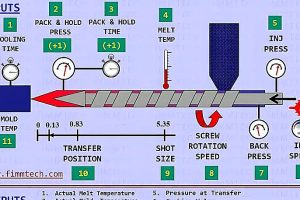
Stap 3: Uitproberen en bemonstering (T1-fase). Draai de mal voor de eerste keer. Verzamel de eerste shots. Dit is waar je de basisprocesparameters vastlegt: smeltemperatuur, mal temperatuur, inspuitsnelheid, houd druk, koeltijd. Documenteer alles.
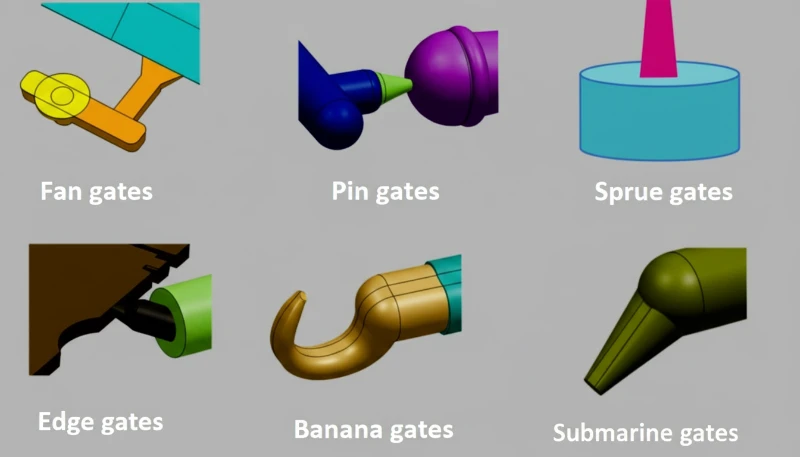
Stap 4: Productierun voor PPAP-monsters. Draai een productie-representatieve batch — typisch minimaal 300 opeenvolgende onderdelen op de productiemachine, met productie tooling, productiemateriaal en productie operators. Dit is geen ontwikkelingsrun. Het is een simulatie van je werkelijke productie.
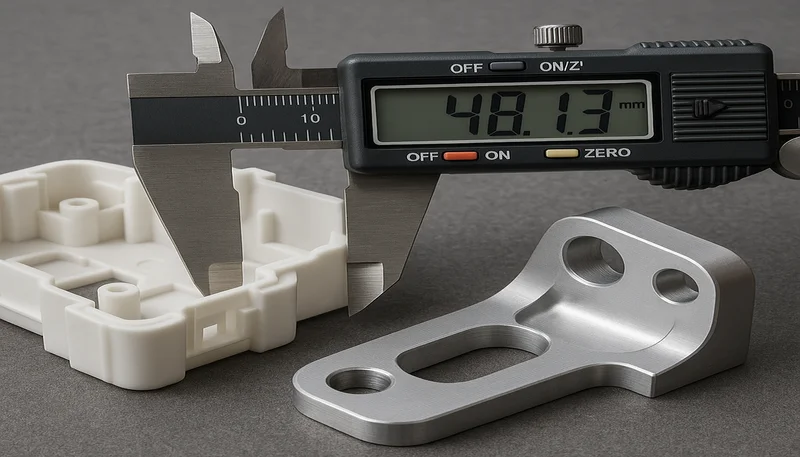
Stap 5: Meting en Testen. Voer een volledige dimensionale opmeting uit op monsters van het begin, midden en einde van de productierun. Voer SPC-studies uit op kritieke afmetingen. Voer eventueel vereiste materiaal- of prestatietesten uit. Voltooi Gage R&R-studies.
Stap 6: Samenstellen en indienen. Assembleer alle 18 elementen, vul de PSW in en dien in bij je klant. Typische review tijd is 2–4 weken voor Tier 1 OEMs.
Welke spuitgietparameters moeten worden beheerst voor PPAP?
Vijf parameters zijn verplicht in elke PPAP spuitgieten[2] Beheersplan. Dit zijn smelttemperatuur, matrijstemperatuur, inspuitsnelheid, naspanning en koeltijd.
Voor glasgevulde PA66-connectoren onder de motorkap ligt de smelttemperatuur doorgaans tussen 280,0°C en 300,0°C met een tolerantie van ±5,0°C. Smelttemperatuur is niet de ingestelde cilindertemperatuur — het is de werkelijke smelttemperatuur, gemeten met een pyrometer of thermische camera. Documenteer het streefdoel en de tolerantie. Als uw proces buiten dit venster dreigt, is dat een PPAP-afwijking.
Mal oppervlak temperatuur beïnvloedt kristallisatie, krimp en dimensionale stabiliteit. Voor nauw-tolerante automotive onderdelen is mal temperatuur controle binnen ±2.0°C normaal. Je moet je temperatuur controle methode tonen (thermolator instellingen, thermocouple locaties) en actuele gemeten data.
Inspuitsnelheid en -druk bepalen het vulpatroon en de laslijnkwaliteit. Documenteer het omschakelpunt snelheid-druk. Als uw onderdeel een laslijn op een structureel kenmerk heeft, is de inspuitsnelheid op dat punt een kritieke parameter.
Naspanning vult de holte en compenseert voor krimp. Voor dimensionale stabiliteit bij onderdelen met wanddiktevariatie is naspanning vaak de allerbelangrijkste parameter. Uw SPC-data voor afmetingen zoals gatdiameter of vlakheid zullen grotendeels de consistentie van de naspanning weerspiegelen.
Koeltijd is ook belangrijk – onvoldoende koeling veroorzaakt kromtrekken en uitwerpschade, terwijl overmatige koeling cyclustijd verspilt. Uw PPAP-run moet aantonen dat de gekozen koeltijd consistent onderdelen binnen specificatie oplevert.
Voor elke kritieke dimensie moet je aantonen Cpk ≥ 1.33 (sommige OEMs vereisen 1.67 voor veiligheidskritieke kenmerken). Cpk laat je klant weten dat je proces niet alleen capabel is, maar consistent capabel:
| Cpk-waarde | Foutpercentage (ppm) | Interpretatie |
|---|---|---|
| 1.00 | 2,700 | Amper capabel — niet acceptabel voor PPAP |
| 1.33 | 63 | Standaard minimum voor de meeste automotive PPAP |
| 1.67 | 0.6 | Vereist voor veiligheidskritieke kenmerken |
| 2.00 | 0.002 | Six sigma — zelden vereist maar indrukwekkend |
Als uw Cpk onder de 1,33 uitkomt, kunt u niet zomaar indienen en hopen. U moet de hoofdoorzaak identificeren – meestal procesvariatie door inconsistente smelttemperatuur, matrijstemperatuur of naspanning – en de studie opnieuw uitvoeren.
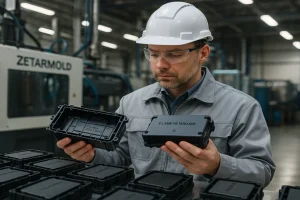
Bij ZetarMold draaien we 45 inspuitgiet machines variërend van 90T tot 1850T in onze Shanghai faciliteit. Onze 10+ QC specialisten houden een 6-stap kwaliteit proces (IQC → OQC) met volledige procesparameter logging op elke productie run — inclusief smeltemperatuur, mal temperatuur en houd druk records die direct in PPAP documentatie worden opgenomen.
Wat zijn veelvoorkomende PPAP-fouten bij spuitgieten?
De vijf meest voorkomende PPAP-fouten zijn onvolledige dimensionale gegevens, niet-overeenkomende documenten, onvoldoende monsters, traceerbaarheidslekken en Cpk onder 1.33[3]. Samen zijn ze goed voor meer dan 80% van alle afwijzingen.
We hebben honderden PPAP-indieningen bij onze Shanghai fabriek in de laatste 20.0 jaar behandeld, en dezelfde problemen blijven opduiken:
1. Onvolledige Dimensionele Gegevens. De tekening geeft 47 afmetingen aan. U rapporteerde er 39. De ontbrekende 8 waren 'moeilijk bereikbare' kenmerken. Dit is de belangrijkste reden voor PPAP-afwijzing. Elke afmeting op de tekening moet worden gerapporteerd — geen uitzonderingen.
2. Niet-overeenkomende procesdocumenten. Uw Processtroomschema zegt dat u inspecteert op Station A. Uw Control Plan zegt Station B. Uw PFMEA noemt geen van beide. Deze drie documenten moeten perfect consistent zijn. Een goede regel: laat één persoon alle drie schrijven.
3. Onvoldoende steekproefomvang. Je klant vroeg voor 300 opeenvolgende delen. Je produceerde 150 op donderdag en 150 op vrijdag — op verschillende shifts. Dat is geen enkele opeenvolgende run. De PPAP-run moet één continue productierun zijn.
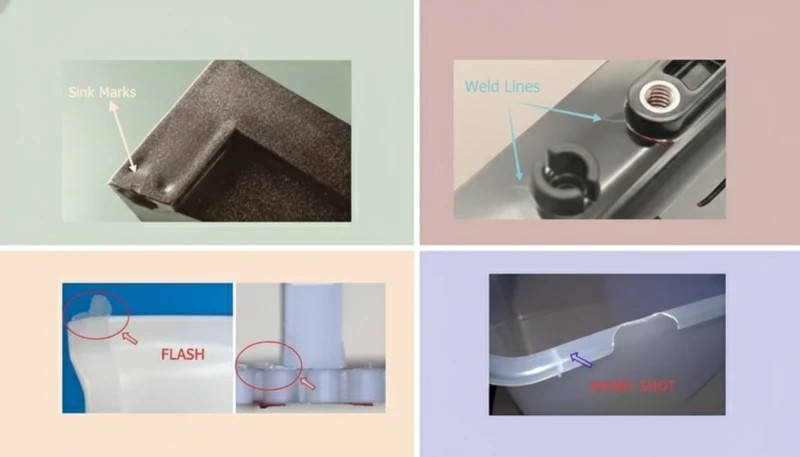
4. Lacunes in Materiaaltraceerbaarheid. PPAP vereist volledige materiaaltraceerbaarheid: materiaalcertificaat, lotnummer, datumcode en bevestiging dat het materiaal overeenkomt met de klant-goedgekeurde specificatie. Een 'vergelijkbare' graad gebruiken zonder formele goedkeuring is een PPAP-falen — en een mogelijke veldfalen.
5. Cpk Onder Drempelwaarde voor Kritieke Afmetingen. Dit betekent meestal dat uw proces niet stabiel genoeg is. De oplossing is niet om goede onderdelen te selecteren of de tolerantie te verbreden — het is om procesvariatie te verminderen. Bij spuitgieten komt dit bijna altijd neer op betere matrijs-temperatuurregeling, consistentere droging of nauwkeurigere houddrukregeling.
Hoe behoudt u PPAP-conformiteit tijdens de productie?
PPAP-conformiteit wordt behouden via de 4P-regel: People, Process, Product, Place. Elke wijziging aan je gedocumenteerde proces triggert een herindieningsreview, afgedwongen door voortdurende SPC-monitoring.
Wijzigingen die een herindiening kunnen veroorzaken:
- Mensen: Nieuwe operators op kritieke processen kunnen hervalidatie vereisen
- Proces: Injectiesnelheid, smeltemperatuur of matrijstemperatuur wijzigen buiten gedocumenteerde ranges
- Product: Materiaalgraadwijziging, kleurwijziging, matrijsmodificatie
- Plaats: Productie verplaatsen naar een andere machine of faciliteit
Elke klant heeft zijn eigen vereisten voor wijzigingsmeldingen, maar de algemene regel is: als u iets wijzigt dat was gedocumenteerd in uw PPAP-indiening, moet u uw klant op de hoogte stellen. Sommige wijzigingen vereisen een nieuwe PSW. Sommige vereisen een volledige herindiening.
PPAP is geen eenmalige gebeurtenis. Uw Control Plan moet voortdurende SPC-monitoring voor kritieke afmetingen omvatten. X-bar- en R-kaarten zijn standaard. Als een afmeting naar de controlelimiet neigt, grijpt u in voordat deze buiten de specificatie valt — niet erna.
Dit is waar veel leveranciers falen. Ze halen PPAP, archiveren de documenten, en zes maanden later gebruikt niemand nog SPC-grafieken. Dan komt de klantaudit, en krijgen ze een bevinding voor 'Controleplan niet gevolgd'. Het is geen kwaliteitsprobleem — het is een disciplineprobleem.
Welke kwaliteitssystemen ondersteunen PPAP voor autoleveranciers?
PPAP wordt ondersteund door drie kaders: IATF 16949, APQP en de vijf AIAG-kerninstrumenten. Samen vormen ze de ruggengraat van het kwaliteitsmanagement voor autoleveranciers.
IATF 16949 is de specifieke kwaliteitsmanagementstandaard voor de auto-industrie. Het bouwt voort op ISO 9001 en voegt vereisten toe voor PPAP, FMEA, MSA, SPC en APQP. Als uw bedrijf IATF 16949 gecertificeerd is, heeft u al de infrastructuur om PPAP te ondersteunen. Als u niet gecertificeerd bent, accepteren sommige OEM's uw PPAP nog steeds — maar ze zullen uw kwaliteitssysteem veel strenger controleren.
APQP (Advanced Product Quality Planning) is het overkoepelende proces dat PPAP omvat. APQP heeft vijf fasen: Plan, Ontwerp, Proces, Validatie en Lancering. PPAP gebeurt in fase 4 (Product- en Procesvalidatie). Als je APQP correct uitvoert, is PPAP de natuurlijke conclusie van een goed geplande lancering — geen verrassende scramble.
De vijf AIAG Core Tools — APQP, PPAP, FMEA, SPC en MSA — zijn verbonden. Je FMEA identificeert risicos. Je Controleplan (van APQP) beheert die risicos. Je SPC-data (gemeten met MSA-gekwalificeerde apparatuur) bewijst dat je proces onder controle is. PPAP bundelt alles in een indiening die competentie demonstreert.
Onze fabriek in Shanghai heeft ISO 9001:2015 en ISO 13485 certificaties, met 8 senior engineers met gemiddeld 10.0 jaar ervaring elk. Ons kwaliteitssysteem ondersteunt volledige PPAP-documentatie — inclusief procesflowdiagrammen, PFMEA, controleplannen, dimensionale rapporten en initiële procescapaciteitsstudies. Ons team van 30+ Engelstalige projectmanagers zorgt voor documentatie duidelijkheid tijdens het indieningsproces.
Wat zijn de PPAP-inzendingsniveaus voor spuitgieten?
PPAP-indieningsniveaus zijn georganiseerd in 5 niveaus, variërend van Niveau 1 (alleen PSW) tot Niveau 5 (audit ter plaatse). Niveau 3, dat alle 18 elementen plus monsteronderdelen vereist, is de standaard in de auto-industrie.
| Level | Wat is Vereist | Typisch gebruik |
|---|---|---|
| Niveau 1 | Alleen PSW | Laagrisico overgenomen onderdelen |
| Niveau 2 | PSW + monsters + beperkte gegevens | Niet-kritieke componenten |
| Niveau 3 | PSW + monsters + alle 18 elementen | Standaard voor nieuwe auto-onderdelen |
| Niveau 4 | PSW + door de klant gespecificeerde elementen | OEM discretie |
| Niveau 5 | PSW + monsters + volledige gegevens bij leverancierslocatie | Hoogrisico onderdelen, gecontroleerde productierun |
De meeste eerste autospuitgietprogramma's vereisen Niveau 3. Als uw klant niet specificeert, ga dan uit van Niveau 3 en bereid u dienovereenkomstig voor. Het is altijd gemakkelijker om elementen te verwijderen dan om ze op het laatste moment toe te voegen.
Niveau 5 is het meest rigoureus — de klant stuurt een auditor naar uw locatie om de productierun bij te wonen en het hele proces persoonlijk te verifiëren. Dit is typisch voorbehouden aan veiligheidskritieke onderdelen of leveranciers met een geschiedenis van kwaliteitsproblemen.
Snelle regel: Als u een Niveau 3 PPAP voor een spuitgietonderdeel voorbereidt, begin dan met drie documenten — Processtroomdiagram, PFMEA en Beheersplan — maak ze consistent, voer vervolgens 300 opeenvolgende onderdelen uit op de productiemachine met volledige gegevensverzameling. Mist u een van deze, dan riskeert u afkeuring.
PPAP in spuitgieten is niet papierwerk voor de papierwerk. Het is het bewijs dat uw proces stabiel is, uw onderdelen consistent zijn en uw kwaliteitssysteem werkt. Doe het direct goed — omdat in automotive, de kosten van het twee keer doen niet alleen tijd zijn, maar ook trust.
Een spuitgietpartner nodig die PPAP begrijpt? ZetarMold heeft 20,0 jaar ervaring met automotive spuitgietprogramma's met volledige documentatieondersteuning. Onze engineers hebben honderden PPAP-approvals doorlopen. Get in touch om uw volgende automotive project te bespreken.
Veelgestelde vragen
Wat Is het Verschil Tussen PPAP Niveau 1 en Niveau 3?
Level 1 vereist alleen de Part Submission Warrant (PSW) — een één-pagina samenvattingsformulier. Level 3 vereist de PSW plus alle 18 elementen inclusief dimensionale data, SPC-studies, FMEA, Control Plan en productie sampleonderdelen. Level 3 is de standaard voor nieuwe automotive onderdelen.
Hoe Lang Duurt het PPAP-proces voor Spuitgieten?
Een typische PPAP-cyclus voor een spuitgegoten automotive onderdeel duurt 4–8 weken vanaf tooling tryout tot customer approval. De productierun zelf is meestal 1–2 dagen. Het meeste van de timeline wordt opgeslokt door documentatiepreparatie (2–3 weken), measurement en testing (1 week) en customer review (2–4 weken).
Wat Is een Cpk-waarde en Waarom Vereist PPAP 1,33?
Cpk (Process Capability Index) meet hoe dicht uw procesgemiddelde ligt bij de specificatiegrenzen in relatie tot processpreiding. Een Cpk van 1,33 betekent dat het procesgemiddelde minimaal 4 standaarddeviaties verwijderd is van de nearest spec limit, wat correspondeert met ~63 defecte onderdelen per miljoen — de automotive industrie's minimum voor initiële capability approval.
Wanneer Moet U PPAP Opnieuw Indienen Na Goedkeuring?
Herindiening is vereist wanneer een gedocumenteerde parameter verandert: materiaalkwaliteit, spuitgietmachine, matrijsaanpassing, procesparameterbereik of productielocatie. Elke matrijsreparatie die afmetingen beïnvloedt, vereist doorgaans een herindiening op Niveau 3.
Kan een leverancier PPAP zelf goedkeuren?
Zelfgoedkeuring is alleen mogelijk op Niveau 1 en alleen wanneer de klant schriftelijk zelfgoedkeuringsbevoegdheid heeft verleend. Voor Niveau 3 en hoger moet de klant of hun aangewezen vertegenwoordiger de inzending beoordelen en formeel goedkeuren.
Wat Gebeurt Er als de PPAP-Inzending Mislukt?
Een mislukte PPAP betekent dat productie niet kan starten. De leverancier krijgt een formele rejectie met specifieke findings (bijvoorbeeld missing dimensionale data, Cpk onder 1,33). De leverancier moet elke finding aanpakken en re-submiten. Elke rejectiecyclus voegt typisch 2–4 weken toe aan de timeline.
Is PPAP Verplicht Buiten de Auto-industrie?
PPAP ontstond in de automotive sector (AIAG) maar wordt steeds meer gebruikt in aerospace, medische apparaten en zware apparatuur. Sommige medische apparaatbedrijven vereisen een vergelijkbaar proces genaamd First Article Inspection (FAI) volgens AS9102. Het AIAG PPAP-formaat blijft het meest wereldwijd erkende.
Wat is de Part Submission Warrant (PSW)?
De PSW is de cover page van elke PPAP submission — een één-pagina formulier dat part number, revision level, material, submission level en any deviations samenvat. Zowel de supplier quality manager en de customer representative signeren het.
-
AIAG, "PPAP: Production Part Approval Process", 4e editie, 2006. Co-gepubliceerd door Chrysler, Ford en GM. ↩
-
AIAG, "Statistical Process Control (SPC)", 2e editie. Referentie voor Cpk berekeningsmethoden en interpretatie van controlegrafieken. ↩
-
AIAG & VDA, "FMEA Handbook", 1e editie, 2019. Brengt Process FMEA in lijn met Control Plans voor spuitgietprocessen. ↩



 EN
EN  ES
ES  FR
FR  DE
DE  PT
PT  AR
AR  RU
RU  JA
JA  KO
KO  IT
IT  NL
NL  TR
TR  PL
PL 