 Overslaan naar inhoud
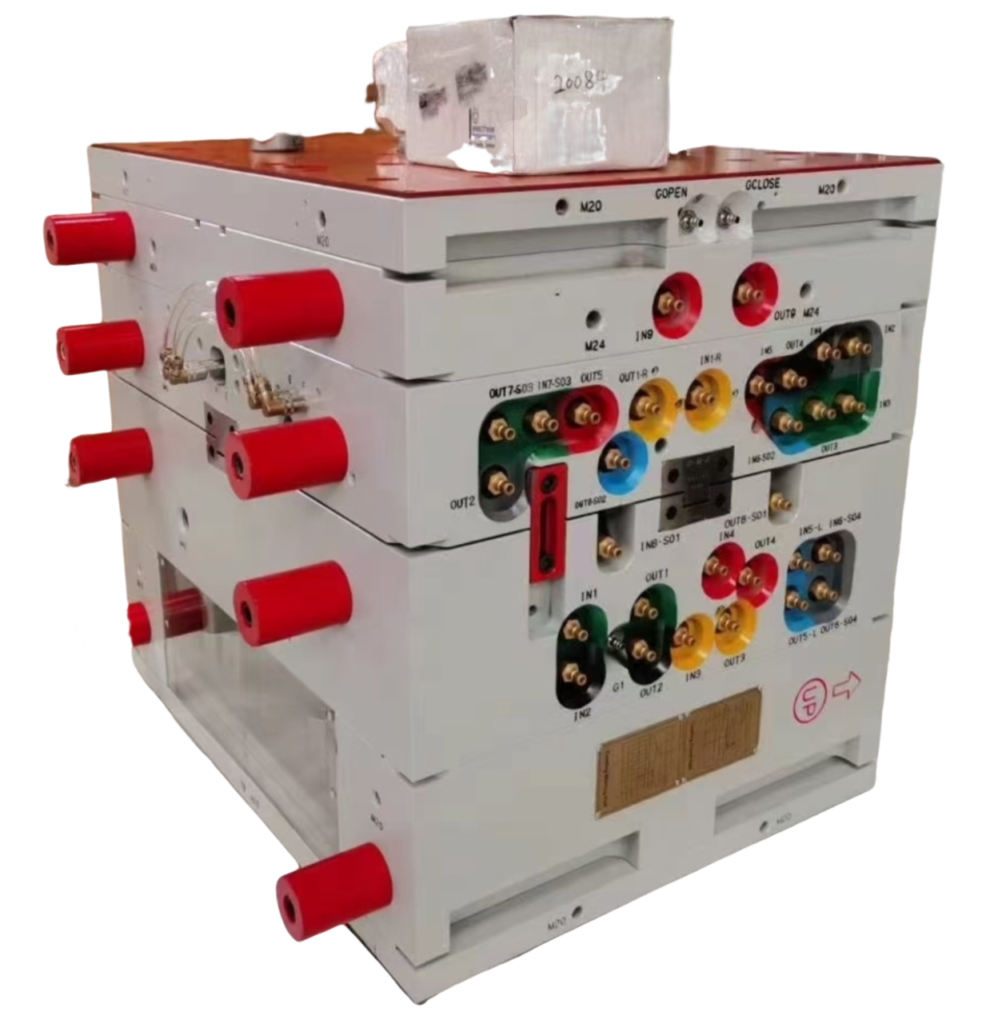
U heeft acht maanden aan een onderdeel gewerkt. U vindt een fabriek in China die 40% minder vraagt dan uw lokale gereedschapsmaker. Maar voordat u op 'verzenden' klikt voor dat CAD-bestand, stelt uw juridisch team één vraag die alles stilzet: “Wat gebeurt er als ze het kopiëren?”
Die vraag is de juiste. Het IP-landschap in China is sinds de vroege jaren 2000 aanzienlijk verbeterd, maar de kloof tussen 'wat de wet zegt' en 'wat er daadwerkelijk gebeurt wanneer uw matrijsontwerp op Alibaba verschijnt' is nog steeds groot genoeg om wakker van te liggen. Dit artikel doorloopt het NDA- en IP-beschermingsraamwerk dat echt werkt — niet de theoretische versie, maar degene die we in de praktijk hebben zien standhouden (en falen) gedurende meer dan 20 jaar spuitgietwerk in Shanghai.
- Een bilaterale NNN-overeenkomst in het Chinees en Engels is het minimum — maar op zichzelf niet voldoende.
- Registreer uw ontwerp-octrooien in China voordat u bestanden deelt met een leverancier.
- Clausules over matrijseigendom voorkomen het meest voorkomende IP-geschil: 'wie is eigenaar van het gereedschap'.
- Kies fabrieken met exportgerichte naleving (ISO-certificeringen, westerse klanten).
- Contractvoorwaarden zijn belangrijk, maar leveranciersscreenen is nog belangrijker.
Waarom is IP-bescherming belangrijk bij het uitbesteden van spuitgieten aan China?
IP-bescherming is essentieel bij het uitbesteden van spuitgieten aan China omdat lage kosten en hoge capaciteit het risico op ontwerpblootstelling vergroten. China is goed voor ongeveer 35% van de wereldwijde plasticproductie, en het indienen van een inbreukzaak in China kost $15.000–$50.000 en duurt 12–18 maanden, gedurende welke tijd een malafide fabriek tienduizenden namaakonderdelen kan produceren.
““China’s eerst-aanmeldsysteem: wie eerst een ontwerp-octrooi aanvraagt, heeft de rechten, zelfs als ze het ontwerp niet hebben gemaakt.””Echt
China hanteert een strikt eerst-aanmeldsysteem. Als een leverancier een ontwerp-octrooi op uw onderdeel aanvraagt voordat u dat doet, zijn zij wettelijk eigenaar. Meld altijd eerst aan voordat u bestanden deelt met een leverancier.
“Een standaard Amerikaanse NDA is voldoende om uw spuitgietmatrijsontwerpen in China te beschermen.”Vals
Amerikaanse NDA's vallen onder Amerikaans recht en zijn niet rechtstreeks afdwingbaar in Chinese rechtbanken. U heeft een tweetalige NNN-overeenkomst (Chinees en Engels) nodig die onder Chinees recht valt, met CIETAC1 1 arbitrage of lokale rechtbankbevoegdheid.
Hier is de ongemakkelijke wiskunde. Als een fabriek gedurende dat venster 50.000 nagemaakte onderdelen produceert tegen $2 per stuk, bent u al $100.000 aan misgelopen omzet kwijt voordat de rechtbank uitspraak doet. Preventie is niet alleen goedkoper — het is de enige rationele strategie.
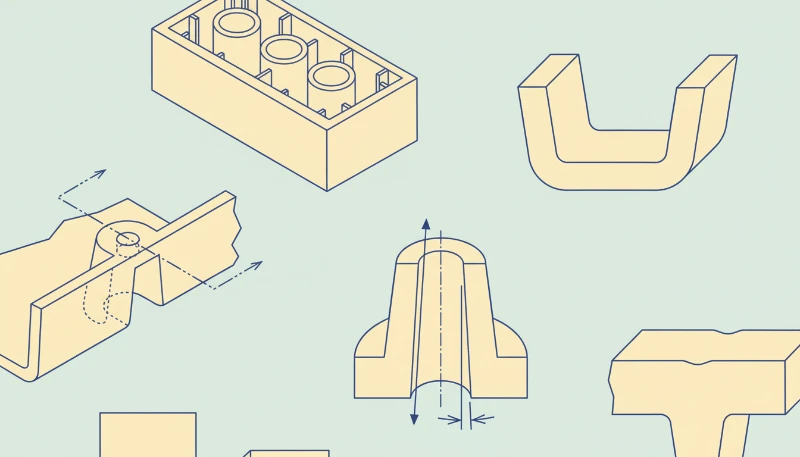
De drie meest voorkomende IP-risico's in spuitgieten uitbesteding zijn:
Ontwerp-lek: Uw CAD-bestanden worden gedeeld met een concurrent of gebruikt om ongeautoriseerde kopieën te produceren.
Matrijsduplicatie: De fabriek maakt een tweede, identieke matrijs en voert ongeautoriseerde productie uit tijdens nachtdiensten.
Gijzeling van gereedschappen: U heeft voor de matrijs betaald, maar de fabriek claimt eigendom en weigert deze te verzenden of het ontwerp vrij te geven.
Elk hiervan heeft een andere juridische oplossing, maar ze hebben allemaal één gemeenschappelijke oorzaak: onvoldoende voorafgaande bescherming. De rest van dit artikel behandelt precies wat u moet regelen voordat u uw eerste bestand verstuurt.
Wat moet een NDA voor spuitgieten eigenlijk dekken?
Een NDA voor spuitgieten is een productiespecifiek contract dat CAD-bestanden, matrijseigendom, toegestaan gebruik en toepasselijk recht regelt. Algemene software- of consultancy-NDA's falen in de productie omdat fysieke activa zoals matrijzen en gereedschappen betrokken zijn.
““China's gespecialiseerde IE-rechtbanken zijn de afgelopen jaren betrouwbaarder geworden voor buitenlandse eisers.””Echt
Sinds 2014 hebben gespecialiseerde IE-rechtbanken in Peking, Shanghai, Guangzhou en Shenzhen een staat van dienst opgebouwd van competente, technisch onderbouwde uitspraken. Wettelijke schadevergoedingen zijn in 2021 verhoogd, en punitieve schadevergoedingen zijn nu beschikbaar voor opzettelijke inbreuk.
““Als ik voor de matrijs heb betaald, ben ik er automatisch eigenaar van volgens de Chinese wet.””Vals
Volgens de Chinese wet gaat het eigendom van de matrijs standaard naar de entiteit die de matrijs heeft ontworpen — niet noodzakelijkerwijs degene die ervoor heeft betaald. Zonder een schriftelijke overeenkomst over matrijseigendom kan de fabriek het juridische eigendom behouden, ook al heeft u de gereedschapskosten betaald.
De vijf kritieke clausules:
| Clausule | What It Covers | Veelgemaakte fout |
|---|---|---|
| Definitie van vertrouwelijke informatie | CAD-bestanden, matrijsontwerpen, materiaalspecificaties, procesparameters, BOM | Te vaag — 'alle technische informatie' is niet afdwingbaar in Chinese rechtbanken |
| Doelbeperking | Leverancier mag bestanden alleen gebruiken voor het produceren van uw onderdelen | Als dit wordt weggelaten, kan de fabriek 'onafhankelijke ontwikkeling' claimen |
| Eigendom van de matrijs | U bent eigenaar van alle door u betaalde mallen, inzetstukken en gereedschappen | Dit niet specificeren is de #1 oorzaak van gereedschapsgeschillen |
| Teruggeven/vernietiging | Leverancier moet digitale bestanden verwijderen en fysieke matrijzen teruggeven bij beëindiging | Vergeten digitale bestandsverwijdering op te nemen |
| Toepasselijk recht & jurisdictie | Chinese wet, lokale rechtbank (of CIETAC arbitrage) | Amerikaans/EU-recht kiezen — niet afdwingbaar zonder wederkerig verdrag |
Twee details waar de meeste bedrijven over struikelen: Ten eerste moet de NDA tweetalig (Chinees en Engels), en bij tegenstrijdigheid is de Chinese versie leidend. Ten tweede moet de overeenkomst specifieke personen bij de fabriek noemen die gemachtigd zijn om uw bestanden in te zien — een algemene clausule als 'ons team' houdt geen stand.
Hoe beschermen Chinese IP-wetten uw matrijsontwerpen?
Chinese IP law is een systeem met drie niveaus: CNIPA2 ontwerpoctrooien, bescherming van bedrijfsgeheimen en contractafdwinging via IP-rechtbanken. U hebt alle drie de lagen nodig omdat elke laag een ander deel beschermt van het matrijzenontwerp, het delen van bestanden en het leverancierscontroleproces.
'Fabrieken met ISO 13485-certificering zijn al geaudit voor documentcontrole en traceerbaarheid.'Echt
ISO 13485 (medische hulpmiddelen) vereist gedocumenteerde procedures voor ontwerpbeheer, bestandstoegangsbeheer en volledige traceerbaarheid. Hoewel niet specifiek een IP-certificering, ondersteunen deze controles direct de bescherming van vertrouwelijke informatie.
'STEP-bestanden voor offertes sturen is veilig als je een NDA hebt.'Vals
Een STEP-bestand bevat alles wat nodig is om uw onderdeel te repliceren. Zelfs met een NDA is het risico het grootst voordat de relatie is vastgesteld. Deel PDF-tekeningen voor eerste offertes en reserveer 3D-bestanden voor nadat de NDA is ondertekend.
Ontwerp patenten
China hanteert een 'first-to-file'-systeem, wat betekent dat de eerste entiteit die een ontwerpoctrooiaanvraag indient, het recht bezit — ongeacht wie het ontwerp heeft gemaakt. Als uw fabriek een ontwerpoctrooi op uw onderdeel aanvraagt voordat u dat doet, zijn zij er wettelijk eigenaar van. Een ontwerpoctrooi in China aanvragen via CNIPA kost ongeveer €500–€1.500 en duurt 3–6 maanden om toegekend te worden. U moet before het delen van bestanden met leveranciers.
Bescherming van bedrijfsgeheimen
China's Wet tegen oneerlijke concurrentie3 beschermt bedrijfsgeheimen, inclusief productieprocessen en technische gegevens. Het bewijslast ligt echter bij u om aan te tonen: (1) de informatie was geheim, (2) het had commerciële waarde, en (3) u heeft redelijke stappen ondernomen om het te beschermen. Dat derde element is waar de meeste bedrijven tekortschieten — zonder een NDA, toegangslogs en bestandsversleuteling zullen rechtbanken oordelen dat u geen 'redelijke stappen' heeft ondernomen.
Handhaving van contracten
Chinese rechtbanken handhaven goed opgestelde contracten, inclusief NDAs en eigendomsverklaringen voor mallen. De sleutel is specificiteit. Een clausule die zegt 'leverancier mag geen vertrouwelijke informatie openbaar maken' is zwakker dan een die zegt 'leverancier mag CAD-bestanden met nummer [X] niet reproduceren, delen of gebruiken voor andere doeleinden dan het produceren van [Onderdeelnaam] onder Bestelnummer [Y].'
Een praktische opmerking: buitenlandse bedrijven gaan er vaak van uit dat Chinese rechtbanken bevooroordeeld zijn. In IP-zaken is dit steeds minder accuraat. De gespecialiseerde IP-rechtbanken van China (sinds 2014 opgericht in Beijing, Shanghai, Guangzhou en Shenzhen) staan bekend om competente, technisch onderbouwde uitspraken. De echte uitdaging is niet vooringenomenheid — het is snelheid en bewijs.
Wanneer moet u een NDA ondertekenen in het matrijsproductieproces?
Het juiste moment om een NDA te ondertekenen is voordat u technische bestanden deelt. Wacht niet tot na de eerste offerte, tijdens de DFM-beoordeling, of 'wanneer het serieus wordt', want tegen die tijd heeft de fabriek al voldoende details om uw onderdeel na te maken.
Hier is de realistische tijdlijn voor wanneer IP-beschermingstappen moeten plaatsvinden:
| Stage | Wat te Delen | IP-bescherming vereist |
|---|---|---|
| Eerste consult | Onderdeel materiaal, algemene dimensies, geschat volume | Basis NDA ondertekend |
| Offerte | 2D tekeningen, kritieke afmetingen, toleranties | NDA + bestandswatermerking |
| DFM review | Volledige 3D CAD, matrijsstroomanalyses aanvragen | NDA + ontwerp patent ingediend |
| Start gereedschapsproductie | Volledige CAD, matrijsontwerp goedkeuring | NDA + eigendomsverklaring voor mallen + patent |
| Productie | Procesparameters, inspectiecriteria | Alles bovenstaande + toegangslogboeken |
De grootste fout die we zien: bedrijven sturen complete STEP-bestanden voor offertes voordat er juridische bescherming is. Een STEP-bestand bevat alles wat een competente spuitgietvorm ontwerper moet uw onderdeel repliceren. Deel PDF-tekeningen voor eerste offertes — bewaar de 3D-bestanden voor nadat de NDA is ondertekend.
Wat zijn de meest voorkomende IP-risico's bij spuitgieten in China?
De meest voorkomende IP-risico's in China's spuitgieten zijn de belangrijkste categorieën of opties die in deze sectie worden uitgelegd. De drie meest voorkomende IP-risico's zijn ongeoorloofde matrijzenkopieën (nachtdienstkopieën), "verbeterings"-octrooiaanspraken (de fabriek deponeert octrooien op kleine aanpassingen) en ongeoorloofd onderaannemen (uw bestanden belanden bij een fabriek die u nooit heeft gecontroleerd) — allemaal te voorkomen met de juiste contractclausules.
Risico 1: De Ongeautoriseerde Tweede Matrijs. Een fabriek produceert overdag uw onderdelen op Matrijs A (degene waarvoor u heeft betaald). 's Nachts gebruiken ze een identieke Matrijs B op een andere machine en verkopen de onderdelen via een handelsbedrijf op Alibaba. U ontdekt dit wanneer een concurrent uw onderdeel gaat verkopen voor 60% van uw prijs. Preventie: neem een clausule op die u het recht geeft om op elk moment de productierecords en matrijsvoorraad van de fabriek te inspecteren.
Risico 2: De 'Verbeterings'-Claim. De fabriek maakt een kleine wijziging aan uw matrijsontwerp — een andere instroomlocatie, aangepaste koeling — en beweert vervolgens dat de verbeterde versie hun eigen intellectuele eigendom is. Volgens de Chinese octrooiwet kan een 'verbeterings'-octrooi worden aangevraagd door iedereen die een niet-vanzelfsprekende technische bijdrage levert. Preventie: uw NDA moet expliciet vermelden dat alle afgeleiden, wijzigingen en verbeteringen van uw ontwerp uw eigendom blijven.
Risico 3: Onderaanneming zonder toestemming. Uw contract is met Fabriek A, maar zij besteden het eigenlijke spuitgietproces uit aan Fabriek B — zonder u te informeren. Fabriek B heeft nu uw ontwerpbestanden en geen contractuele relatie met u. Preventie: verbied onderaanneming in uw overeenkomst, of vereis schriftelijke toestemming en breidt de NDA-dekking uit naar onderaannemers.
Hoe kunt u de IP-beschermingshistorie van een fabriek verifiëren?
De IP-reputatie van een fabriek wordt geverifieerd via audits, klantreferenties, veiligheidscontroles, bewijs van NDA-processen en gerechtelijke dossiers. De vraag 'beschermt u IP?' levert altijd een 'ja' op, dus kopers hebben concreet bewijs nodig voordat ze gevoelige bestanden delen.
1. Exportcertificeringen. Fabrieken die ISO 13485 of IATF 16949 (automotive) certificeringen hebben, hebben al audits van derden doorstaan voor documentbeheer en traceerbaarheid. Deze audits gaan niet specifiek over intellectuele eigendom, maar een fabriek die zijn documenten niet kan beheren, kan jouw intellectuele eigendom niet beschermen.
2. Klantreferenties uit IP-gevoelige industrieën. Als een fabriek medische hulpmiddelenbedrijven of automotive OEM's levert, is deze al gecontroleerd door compliance-teams die IP-bescherming serieus nemen. Vraag om referenties van klanten in deze sectoren — niet alleen van consumentengoederenbedrijven.
3. Fysieke beveiliging. Bezoek de fabriek (of vraag een videorondleiding aan). Controleer of het matrijsopslaggebied toegankelijk is voor alle werknemers of beperkt. Vraag hoe digitale bestanden worden opgeslagen — gedeelde netwerkstations die voor iedereen toegankelijk zijn zijn een rode vlag; een PLM- of PDM-systeem met op rollen gebaseerde toegang is een groene vlag.
4. Bestaande NDA's met andere klanten. Een fabriek die routinematig NDA's tekent met Westerse klanten, heeft een standaardproces, een juridisch contact en daadwerkelijke ervaring met de werking van vertrouwelijkheid. Een fabriek die er nog nooit een heeft getekend, vormt een hoger risico.
5. Gerechtelijk Archiefonderzoek. Zoek op China Judgements Online (wenshu.court.gov.cn) naar de bedrijfsnaam van de fabriek. Eerdere intellectuele-eigendomsgeschillen zijn openbaar toegankelijk. Dit duurt 15 minuten en kan je maanden hoofdpijn besparen.
Voor een gestructureerde aanpak van leveranciersevaluatie, onze injection molding supplier sourcing guide dekt 12 verificatiepunten, waaronder IP-bescherming, financiële stabiliteit en productiecapaciteiten.
Wat moet een matrijseigendomscontract bevatten?
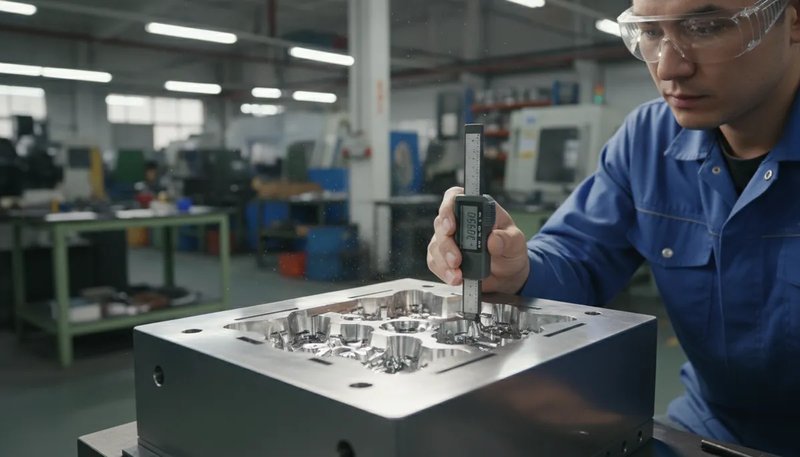
Een matrijseigendomscontract is het document dat aantoont wie de eigenaar is van de aangepaste spuitgietmatrijs, inzetstukken, reserveonderdelen en ontwerpbestanden. Zonder dit kan het eigendom automatisch toevallen aan de entiteit die de matrijs heeft ontworpen, zelfs als u voor het staal en de bewerking heeft betaald.
Een matrijseigendomscontract moet het volgende dekken:
Duidelijke titel: “Alle matrijzen, inzetstukken, kernen, holtes en bijbehorende gereedschappen die voor [Klant] zijn geproduceerd onder Inkooporder [X] zijn het exclusieve eigendom van [Klant].”
Overdracht van bezit: Wanneer en hoe de matrijs aan u wordt teruggegeven (of aan een andere leverancier wordt overgedragen).
Onderhoudsverantwoordelijkheid: Wie betaalt voor het onderhoud van de matrijs, en welke standaard geldt.
Opslagvoorwaarden: Hoe de matrijs wordt opgeslagen wanneer deze niet in productie is, en verzekeringseisen.
Recht op audit: Uw recht om de fysieke staat van de matrijs en de productielogboeken op elk moment te inspecteren.
Eén clausule die veel bedrijven over het hoofd zien: wat gebeurt er met de matrijs als de fabriek failliet gaat? Volgens de Chinese faillissementswet worden matrijzen die eigendom zijn van een klant (niet van de fabriek) niet beschouwd als fabrieksactiva en moeten worden teruggegeven. Maar het bewijzen van eigendom zonder een schriftelijke overeenkomst is uiterst moeilijk nadat de fabrieksdeuren zijn gesloten.
Praktische checklist: 8 stappen om uw IP te beschermen voordat u CAD-bestanden verstuurt
Hier is de volgorde die we elke nieuwe klant aanbevelen, gedestilleerd uit meer dan 20 jaar ervaring en de fouten die we anderen hebben zien maken:
Dien een Chinees ontwerpoctrooi in voordat u bestanden met iemand deelt. Kosten: €500–€1.500. Tijdlijn: bestand vandaag, bescherming gaat in vanaf de indieningsdatum.
Onderteken een tweetalige NNN-overeenkomst (Chinese regelgeving) die CAD-bestanden, matrijsontwerpen, procesparameters en BOM dekt. Noem specifieke geautoriseerd personeel.
Onderteken een matrijseigendomscontract dat expliciet vermeldt dat u eigenaar bent van alle door u betaalde gereedschappen, inclusief matrijzen, inzetstukken en reserveonderdelen.
Watermerk alle technische documenten met je bedrijfsnaam, datum en "Vertrouwelijk — alleen voor offerte".
Deel eerst PDF-tekeningen, geen native 3D-bestanden. Bewaar STEP/IGES-bestanden voor nadat de NDA is ondertekend.
Verifieer de referenties van de fabriek: ISO-certificeringen, klantreferenties, controle van gerechtelijke dossiers.
Voeg een auditclausule toe dat u het recht geeft productierecords en matrijsvoorraad te inspecteren.
Gebruik versleutelde bestandsoverdracht (geen e-mailbijlagen) voor gevoelige CAD-gegevens.
Geen van deze stappen is optioneel. Het overslaan van een van deze stappen creëert een gat dat een kwaadwillende kan uitbuiten — en dat heeft gebeurd.
FAQ
Is een Chinese NDA afdwingbaar in Chinese rechtbanken?
Ja. Chinese rechtbanken handhaven goed opgestelde NDA's, vooral wanneer de overeenkomst in het Chinees is, schadevergoeding specificeert en duidelijke definities van vertrouwelijke informatie bevat. Bilaterale NDA's zijn beter afdwingbaar dan unilaterale, omdat beide partijen verplichtingen hebben.
Moet ik een NNN-overeenkomst gebruiken in plaats van een standaard NDA?
NNN (Non-Disclosure, Non-Use, Non-Circumvention) overeenkomsten zijn sterker voor productie in China omdat ze expliciet verbieden dat de leverancier uw informatie gebruikt om met u te concurreren of om uw zakelijke relaties te omzeilen. Voor spuitgietprojecten wordt een NNN-overeenkomst verkozen boven een basis NDA.
Kan ik als buitenlands bedrijf een ontwerp- of modelregistratie aanvragen in China?
Ja. Buitenlandse entiteiten kunnen ontwerp octrooiaanvragen indienen via CNIPA, meestal via een lokale octrooigemachtigde. Eerste-indiener betekent dat u moet registreren vóór enige openbaarmaking, ook aan potentiële leveranciers.
Wat gebeurt er als een Chinese fabriek mijn matrijsontwerp kopieert?
U kunt een rechtszaak wegens inbreuk op een ontwerp-octrooi indienen bij een gespecialiseerde rechtbank voor intellectuele eigendom. Schadevergoedingen in China zijn na de wijzigingen van 2021 aanzienlijk verhoogd — wettelijke schadevergoedingen variëren nu van ¥10.000 tot ¥5.000.000 (€1.400–€700.000), met punitieve schadevergoedingen tot 5x voor opzettelijke inbreuk.
Moet ik voor elk spuitgietproject een aparte NDA hebben?
Eén hoofd-NDA dekt meerdere projecten met dezelfde leverancier, maar elk project moet zijn eigen inkooporder of werkomschrijving hebben die verwijst naar de hoofd-NDA. Dit houdt het juridische kader eenvoudig terwijl projectspecifieke documentatie behouden blijft.
Hoe voorkom ik ongeoorloofde malduplicatie?
Neem een clausule op die het recht geeft op onaangekondigde inspecties, eis dat de fabriek een matrijsvoorraadlogboek bijhoudt en markeer matrijzen met unieke serienummers die zijn vastgelegd in uw eigendomscontract. Fysieke verificatie tijdens fabrieksbezoeken is de meest effectieve afschrikmethode.
Welk toepasselijk recht moet mijn NDA gebruiken voor een Chinese leverancier?
Chinees recht, met geschillen die worden opgelost in Chinese rechtbanken of via CIETAC-arbitrage. Het kiezen van Amerikaans of EU-recht klinkt beschermend maar is in de praktijk onuitvoerbaar — Chinese rechtbanken zullen buitenlands recht niet toepassen op een binnenlands productiegeschil.
Hoe lang duurt de intellectuele-eigendomsbescherming voor spuitgietmatrijsontwerpen in China?
Ontwerp-octrooien in China duren 15 jaar vanaf de indieningsdatum (geüpdatet van 10 jaar in 2021). Bescherming van bedrijfsgeheimen onder de Anti-Onredelijke Mededingingswet kent geen vervaldatum, mits u geheimhoudingsmaatregelen handhaaft. Contractuele bescherming duurt voor de in de overeenkomst gespecificeerde termijn.
Wat is het verschil tussen een NDA en een NNN-akkoord voor productie?
Een NDA dekt alleen geheimhouding (informatie geheim houden), terwijl een NNN-akkoord ook niet-gebruik (leverancier mag uw informatie niet voor eigen voordeel gebruiken) en niet-omzeiling (leverancier mag u niet omzeilen om rechtstreeks met uw klanten te handelen) toevoegt. Voor productie in China bieden NNN-akkoorden aanzienlijk sterkere bescherming.
-
CIETAC: verwijst naar de China International Economic and Trade Arbitration Commission, een geschillenforum dat vaak wordt genoemd in grensoverschrijdende productiecontracten met Chinese leveranciers. ↩
-
CNIPA: CNIPA verwijst naar de China National Intellectual Property Administration, de autoriteit die Chinese ontwerp octrooiaanvragen beoordeelt en verleent. ↩
-
Anti-Onredelijke Mededingingswet: is een Chinese wet die diefstal van bedrijfsgeheimen definieert en rechtsmiddelen biedt wanneer vertrouwelijke technische informatie zonder toestemming wordt gebruikt. ↩


 EN
EN  ES
ES  FR
FR  DE
DE  PT
PT  AR
AR  RU
RU  JA
JA  KO
KO  IT
IT  NL
NL  TR
TR  PL
PL 