 콘텐츠로 건너뛰기

기계적 강도:
– Materials like PEEK (processing at 370–400°C), PPS, PEI, and LCP require specialized high-temperature molding equipment.
– Parts produced through high-temp 사출 금형ing can withstand continuous service temperatures of 150–260°C.
– Industries including aerospace, automotive, medical, and electronics rely on high temperature molding for mission-critical components.
What Is High Temperature Injection Molding?
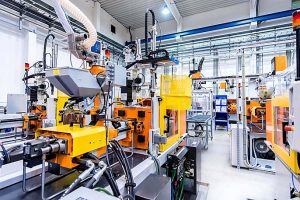
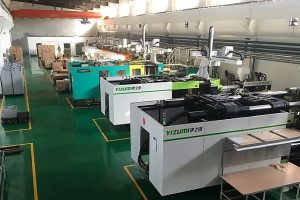
high-temp polymer molding is a specialized manufacturing process that uses elevated melt temperatures—typically above 300°C—to process high-performance engineering 열가소성 플라스틱1. In our factory, we run dedicated high-temperature machines for materials like PEEK, PPS, and PEI that simply can’t be processed on standard equipment.

Standard injection molding typically operates at melt temperatures of 180–280°C for commodity plastics like ABS, PP, and PE. High temperature molding pushes well beyond this range, requiring specialized barrel heaters, heat-resistant seals, hardened screws, and mold temperature controllers capable of maintaining mold surfaces at 150–200°C. The payoff is access to materials that outperform metals in many applications—at a fraction of the weight.
What Materials Require High Temperature Processing?
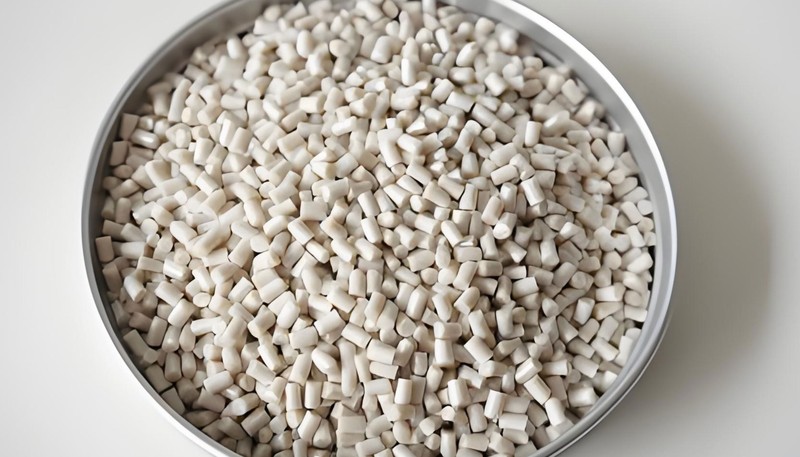
Several families of engineering and high-performance polymers require processing temperatures above 300°C. We regularly work with these materials, and each has distinct processing requirements and performance characteristics.
| 재료 | Melt Temperature (°C) | Mold Temperature (°C) | Max Service Temperature (°C) | 주요 속성 |
|---|---|---|---|---|
| PEEK | 370–400 | 160–200 | 260 | Exceptional chemical resistance, high strength |
| PPS | 300–340 | 130–150 | 220 | Flame retardant, dimensional stability |
| PEI (Ultem) | 340–400 | 140–175 | 170 | Transparent, high stiffness, FST compliance |
| LCP | 280–350 | 70–150 | 240 | Ultra-thin wall capability, low viscosity |
| PAI (Torlon) | 350–380 | 200–230 | 275 | Highest strength of any thermoplastic |
| PPSU | 360–390 | 150–190 | 190 | Steam sterilizable, impact resistant |
PEEK is the most requested high-temperature material in our shop. We’ve found that proper drying (150°C for 3–4 hours to below 0.02% moisture) and precise barrel temperature profiling are critical for producing defect-free PEEK parts.
“Any standard injection molding machine can process high-temperature materials like PEEK and PEI.”False
Standard machines typically max out at 300°C barrel temperature and 100°C mold temperature. PEEK requires 370–400°C melt temperature and 160–200°C mold temperature, demanding specialized barrels, heaters, and high-temperature mold controllers that standard machines don’t have.
“this specialized process requires specialized equipment including high-capacity barrel heaters and pressurized hot water or oil mold temperature controllers.”True
Processing materials above 300°C requires barrel heaters rated for 400°C+, heat-resistant seals, hardened bimetallic screws, and mold temperature units (often oil-based) capable of maintaining mold surfaces at 150–200°C for proper crystallization and surface quality.
What Are the Key Benefits of High Temperature Injection Molding?
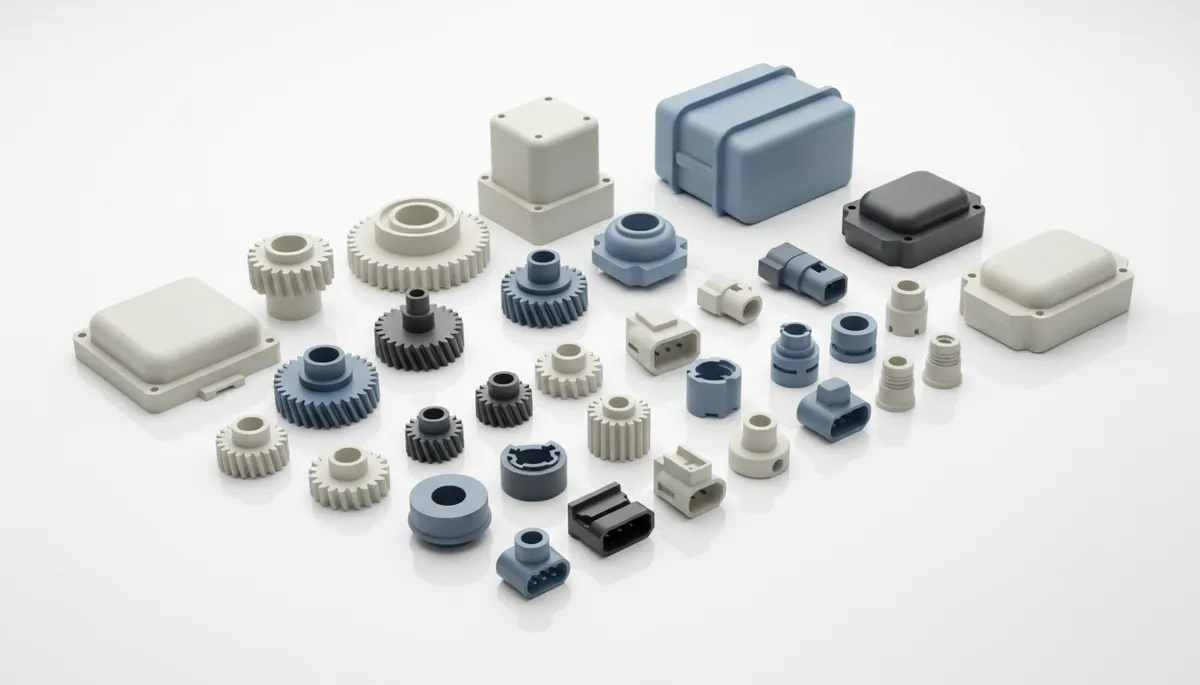
The primary benefit is access to materials that deliver metal-like performance at 40–70% less weight. In our experience working with aerospace and automotive clients, high-temp polymer molding enables designs that simply aren’t possible with standard plastics.

- Superior Heat Resistance: Parts withstand continuous operating temperatures of 150–275°C, compared to 80–120°C for standard plastics.
- 내화학성: PEEK and PPS resist aggressive chemicals including jet fuel, automotive fluids, and sterilization agents.
- Mechanical Strength: PEEK는 160–200°C, PPS는 130–150°C에서 금형을 유지합니다
- 무게 감소: Specific gravity of 1.3–1.7 vs. 2.7 for aluminum and 7.8 for steel, enabling 40–70% weight savings.
- Flame Retardancy: Many high-temperature polymers achieve UL 94 V-0 rating without additives.
- 차원 안정성: Low coefficient of thermal expansion means parts maintain tight tolerances across wide temperature ranges.
Which Industries Benefit Most from High Temperature Molding?
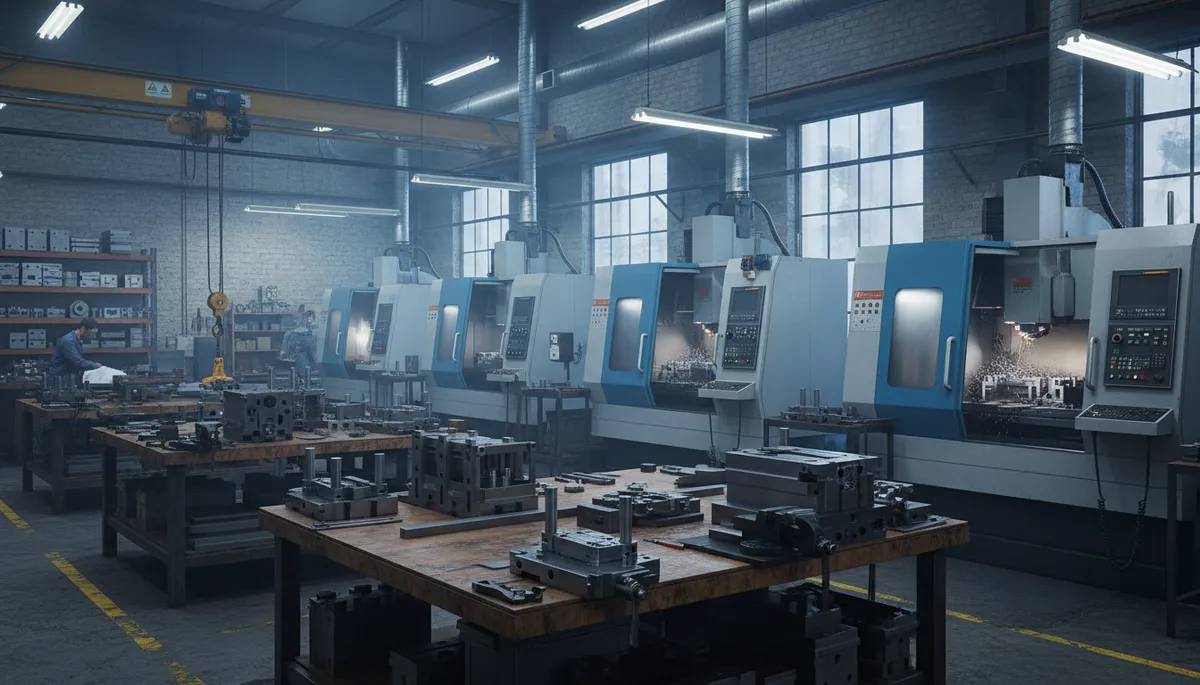
High temperature injection molding serves industries where components must perform under extreme thermal, chemical, or mechanical stress. We’ve delivered high-temperature molded parts to clients across all of these sectors.
| 산업 | 일반적인 애플리케이션 | 공통 자료 | Temperature Range |
|---|---|---|---|
| 항공우주 | Brackets, ducting, interior panels | PEEK, PEI, PPS | Up to 260°C |
| 자동차 | Under-hood components, turbo sensors | PPS, PA46, PEEK | Up to 220°C |
| 의료 | Surgical instruments, implant components | PEEK, PPSU | Steam sterilization (134°C) |
| 전자 제품 | Connectors, SMT sockets, insulators | LCP, PPS, PEI | Reflow soldering (260°C peak) |
| Oil & Gas | Seals, valve seats, backup rings | PEEK, PAI | Up to 275°C + chemicals |
In the electronics industry alone, the shift to lead-free soldering (peak reflow temperatures of 260°C) drove massive adoption of LCP and PPS for SMT connectors—parts that standard nylon or PBT can’t survive.
What Equipment Modifications Are Needed for High Temperature Processing?
Running high temperature materials requires significant modifications beyond just turning up the 배럴 온도2. We’ve invested heavily in specialized equipment, and the differences from standard molding are substantial.
- Barrel and Screw: Bimetallic barrels with Inconel or Hastelloy linings rated for 420°C+. Screws with lower compression ratios (2.0:1 to 2.5:1) to minimize shear heating.
- Heater Bands: Ceramic or mica heater bands capable of 450°C with precise zone control (±2°C).
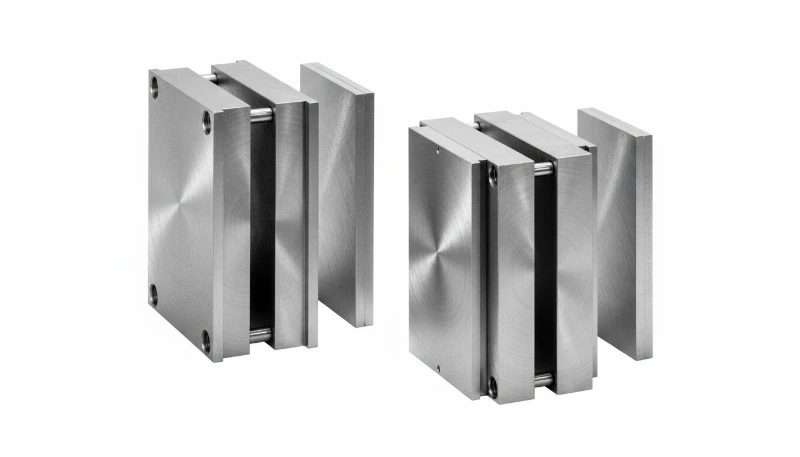
- 금형 온도 제어: Pressurized water systems (up to 180°C) or oil-based units (up to 350°C) to maintain high mold temperatures.
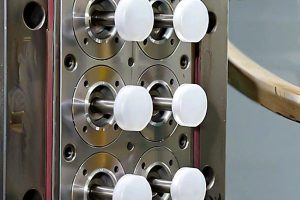
- Hot Runner Systems: Specialized hot runners with high-temperature heaters and wear-resistant nozzle tips.
- Drying Equipment: Desiccant dryers capable of 200°C+ for materials like PEEK that require aggressive moisture removal.
The capital investment for a high-temperature molding cell is typically 30–50% higher than a standard cell. But for the right applications, the performance benefits justify the cost.
“High temperature injection molding only increases the barrel temperature; no other machine modifications are needed.”False
Processing high-temperature polymers requires comprehensive equipment upgrades: bimetallic barrels, specialized screws, high-capacity heater bands, pressurized mold temperature controllers, high-temperature hot runners, and industrial desiccant dryers. Simply increasing barrel temperature on a standard machine will damage seals and produce defective parts.
“High mold temperature (150–200°C) is essential for proper crystallization of semi-crystalline high-temperature polymers like PEEK.”True
PEEK is a semi-crystalline polymer that requires mold temperatures of 160–200°C to achieve optimal crystallinity (30–35%). Insufficient mold temperature produces amorphous PEEK with significantly reduced chemical resistance, wear properties, and mechanical strength at elevated temperatures.
What Are Common Challenges and How Do You Overcome Them?
High temperature injection molding presents several unique challenges that we’ve learned to manage through years of experience with these demanding materials.

| 도전 과제 | Root Cause | 솔루션 |
|---|---|---|
| Material degradation | Excessive residence time at high temperature | Minimize cycle time, use correctly sized barrel (40–70% shot-to-barrel ratio) |
| Poor crystallinity (PEEK/PPS) | Mold temperature too low | Maintain mold at 160–200°C for PEEK, 130–150°C for PPS |
| 고온 사출 성형의 장점 | ZetarMold | Large temperature differential between melt and mold | Use hot runners, larger gates, sequential valve gating |
| 뒤틀림 | Uneven cooling, crystallization differences | Conformal cooling, uniform wall thickness |
| 플래시 | Low viscosity at high temperature | Precise clamp force calculation, tight mold tolerances |
| Surface defects | Moisture, cold slugs | Aggressive drying protocol, adequate purging |
One critical lesson we’ve learned: never let PEEK sit in the barrel at processing temperature for more than 5 minutes without cycling. The material will degrade, turning from amber to dark brown, with significant loss of mechanical properties.
How Does High Temperature Molding Compare to Metal Machining for the Same Applications?
For many applications, high temperature injection molded parts directly replace machined metal components. We frequently help clients make this transition, and the benefits are compelling when the application fits.
The economics shift further in favor of polymer molding at higher production volumes. At quantities below 500 parts, CNC machining aluminum often wins on total cost because tooling investment is minimal. Between 500 and 2,000 parts, the breakeven point depends on part complexity — simple geometries favor machining while complex shapes with internal features favor molding. Above 2,000 parts, injection molding almost always delivers lower per-unit cost, even accounting for the $15,000–$40,000 mold investment typical for high-temperature tooling.
Surface finish presents another key differentiator. Machined metal parts achieve Ra 0.8–1.6 μm without secondary operations, while molded PEEK parts typically produce Ra 0.4–1.2 μm directly from the mold — actually smoother than machined aluminum in many cases. We leverage this advantage for medical device components and optical sensor housings where surface quality directly affects product performance.
| 요인 | PEEK 사출 성형 | Aluminum CNC Machining |
|---|---|---|
| 무게 | 1.3 g/cm³ | 2.7 g/cm³ (52% heavier) |
| Per-Part Cost (10,000 units) | $2–$15 | $15–$100 |
| 주기 시간 | 30–90 seconds | 5–30 minutes |
| 내화학성 | Excellent (most solvents) | Poor (corrodes in acids) |
| 전기 절연 | 우수 | None (conductive) |
| Max Service Temp | 260°C | 150°C (strength drops) |
A recent project for an aerospace client replaced CNC-machined aluminum brackets with 30% carbon fiber-filled PEEK. The result: 48% weight reduction, 60% cost reduction at volume, and improved vibration damping—plus the parts don’t corrode in the salt-spray environment.
Another consideration that manufacturers often overlook is the recyclability and sustainability profile of high-performance polymers. Unlike thermoset materials that cannot be remelted, thermoplastic polymers like PEEK, PPS, and PEI can be reground and reprocessed multiple times with minimal property degradation. In our facility, we recover and reuse up to 25% of runner and sprue material from high-temp production runs, reducing raw material waste and lowering the effective cost per part. This closed-loop approach also aligns with the growing demand from automotive and aerospace OEMs for suppliers who demonstrate measurable sustainability practices in their manufacturing operations.
자주 묻는 질문

가장 일반적인 고온 사출 성형 재료는 무엇인가요?
PEEK (Polyether Ether Ketone)는 가장 널리 사용되는 고온 사출 성형 소재로, 370~400°C에서 처리됩니다. 이 소재는 100 MPa의 인장 강도를 갖는 기계적 강도, 화학적 저항성, 그리고 최대 260°C의 연속 사용 온도를 제공하는 탁월한 조합을 제공합니다.
고온 사출 성형은 표준 성형에 비해 얼마나 비용이 더 드나요?
고온 성형은 일반적으로 값비싼 원자재($50–$150/kg 대 $2–$5/kg), 긴 사이클 시간(높은 금형 온도 = 긴 냉각 시간), 그리고 특수 장비 요구 사항으로 인해 부품당 표준 성형보다 3~10배 더 많은 비용이 듭니다. 그러나 금속 대체 응용 분야에서는 대량 생산 시 CNC 가공보다 종종 더 저렴합니다.
표준 사출 금형을 고온 재료에 사용할 수 있습니까?
일반적으로 아닙니다. 고온 재료용 금형은 경화된 공구강(H13 또는 S7), 고온 O-링, 그리고 특수 냉각/가열 채널이 필요합니다. 표준 P20 강철 금형은 적절한 가공을 위해 필요한 높은 금형 온도(150–200°C)에서 연화되거나 변형될 수 있습니다.
PEEK는 어떤 건조 조건이 필요한가요?
PEEK는 수분 함량을 0.02% 이하로 달성하기 위해 150°C에서 3~4시간 동안 건조제 건조기로 건조해야 합니다. 부적절한 건조는 스플레이 마크, 기포 및 기계적 특성 저하를 유발합니다. 우리는 가공 전 건조 상태를 확인하기 위해 인라인 수분 분석기를 사용합니다.
고온 사출 성형은 의료 기기에 적합한가요?
예. PEEK와 PPSU는 스팀 살균(134°C)에 견디고, 생체 적합성(ISO 10993)을 가지며, 영상 호환성을 위한 방사선 투과성을 제공하기 때문에 의료 기기에 널리 사용됩니다. PEEK는 또한 척추 임플란트와 치과 프레임워크에 사용됩니다.
고온 성형 부품의 최소 주문 수량은 얼마입니까?
높은 공구 비용(PEEK 등급 금형의 경우 $15,000~$80,000)과 고가의 재료로 인해, 일반적으로 경제적인 최소 주문 수량은 500~1,000개 부품부터 시작됩니다. 소량 생산의 경우 PEEK 재료 블록의 CNC 가공이 더 비용 효율적일 수 있습니다.
요약

High temperature injection molding opens the door to materials that deliver metal-like performance at significantly reduced weight and cost at volume. The benefits—heat resistance up to 275°C, exceptional chemical stability, and mechanical strength rivaling aluminum—make it indispensable for aerospace, automotive, medical, and electronics applications. While it requires specialized equipment and expertise, the performance advantages and metal-replacement potential make high temperature injection molding one of the most valuable capabilities in modern plastics manufacturing. In our factory, it’s become one of our fastest-growing service areas as more industries discover that 고성능 폴리머3 can outperform metals in ways they never expected. See our Injection Molding Complete Guide for a comprehensive overview. See our Injection Molding Complete Guide for a comprehensive overview.
-
Thermoplastics are polymers that soften when heated above their glass transition temperature (amorphous) or melting point (semi-crystalline) and solidify upon cooling. They can be reprocessed multiple times, unlike thermosets. High-performance thermoplastics like PEEK and PEI operate at significantly higher temperatures than commodity grades. ↩
-
Barrel temperature in injection molding refers to the temperature profile along the plasticizing barrel, typically divided into 3–5 heating zones from the feed throat to the nozzle. Precise zone-by-zone control is critical for high-temperature materials to prevent degradation while ensuring complete melting. ↩
-
High-performance polymers (also called advanced engineering plastics) are a family of thermoplastics characterized by exceptional thermal stability, chemical resistance, and mechanical strength. The category includes PEEK, PEI, PPS, LCP, PAI, and PPSU, all requiring processing temperatures above 280°C. ↩
Need a Quote for Your Injection Molding Project?
Get competitive pricing, DFM feedback, and production timeline from ZetarMold’s engineering team.



 EN
EN  ES
ES  FR
FR  DE
DE  PT
PT  AR
AR  RU
RU  JA
JA  KO
KO  IT
IT  NL
NL  TR
TR  PL
PL 