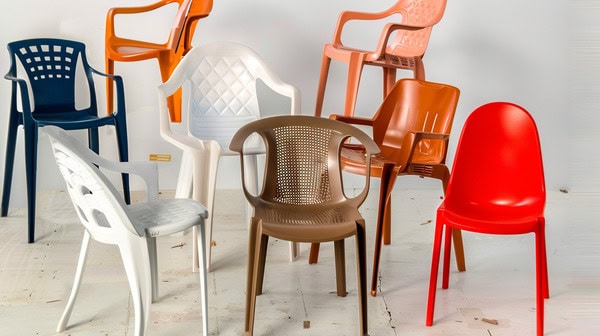
- 플라스틱 사출성형은 용융 플라스틱을 고압으로 정밀 금형 캐비티에 주입한 후 수초에서 수분 이내에 완성품을 취출합니다.
- 프로세스는 클램핑, 사출, 냉각 및 탈착의 네 가지 반복 단계로 구성됩니다 — 각 단계는 공장에서 일관된 품질을 위해 엄격히 제어됩니다.
- 금형 비용은 초기 투자 비용이 높지만, 10,000개 이상의 대량 생산에서는 부품당 비용이 급격히 떨어져 대량 생산에 가장 비용 효율적인 선택이 됩니다.
- 재료 선택, 벽 두께, 게이트 위치 및 냉각 채널 설계는 부품 품질과 사이클 시간을 결정하는 가장 큰 네 가지 변수입니다.
- ZetarMold는 의료급 부품부터 소비자 전자 제품 외장까지 20개 이상 국가의 클라이언트에게 사출 성형 부품을 제공했습니다.
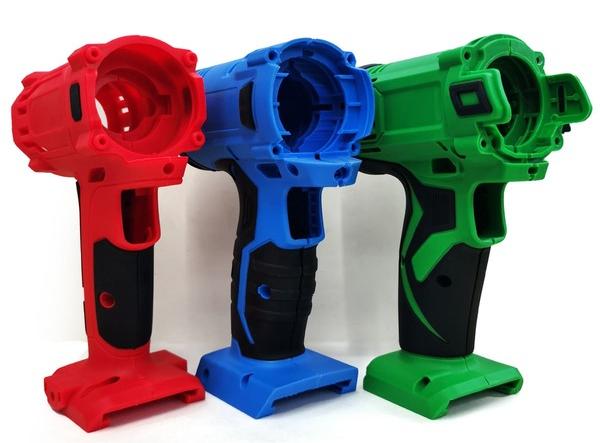
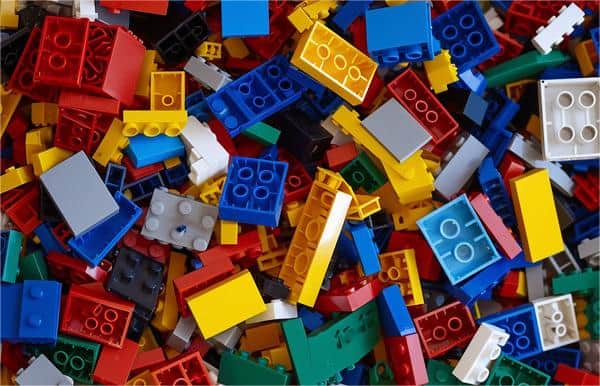
공장 현장을 거닐다 보면 전동 드릴의 하우징, 자동차의 대시보드 트림, 샴푸 병의 뚜껑 등 어디에서나 볼 수 있습니다. 이 모든 부품은 하나의 원점, 즉 사출 성형1을 공유합니다. ZetarMold 공장에서는 사출 성형기를 24시간 내내 가동하고 있으며, 이것이 고품질 플라스틱 부품을 대규모로 생산할 수 있는 가장 신뢰할 수 있는 유일한 방법이라는 것을 알게 되었습니다. 이 가이드는 기본 물리학부터 고급 설계 고려 사항까지 알아야 할 모든 것을 안내하므로 다음 제품에 대해 더 현명한 결정을 내릴 수 있습니다.
플라스틱 사출 성형이 정확히 무엇인가요?
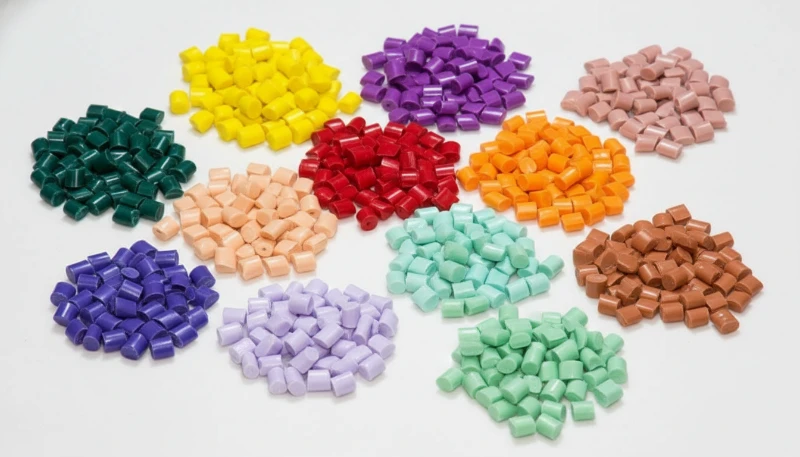
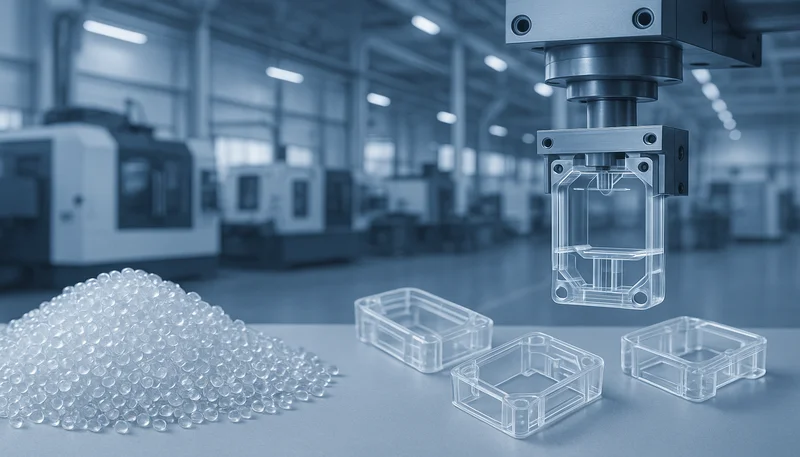
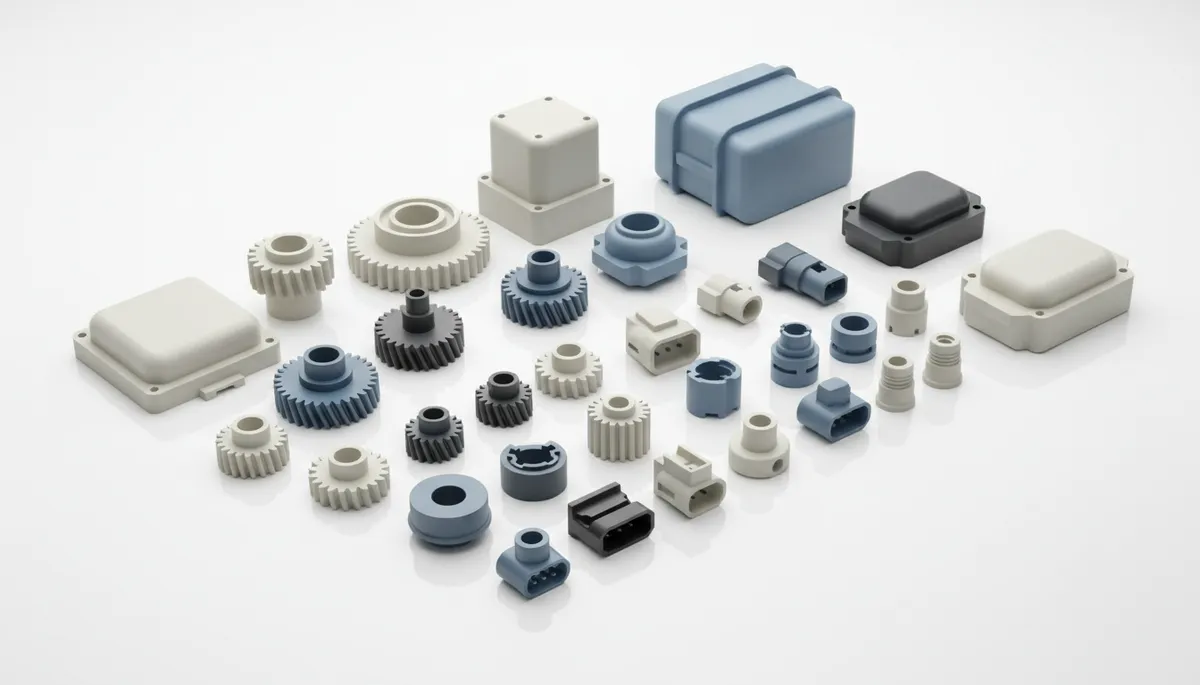
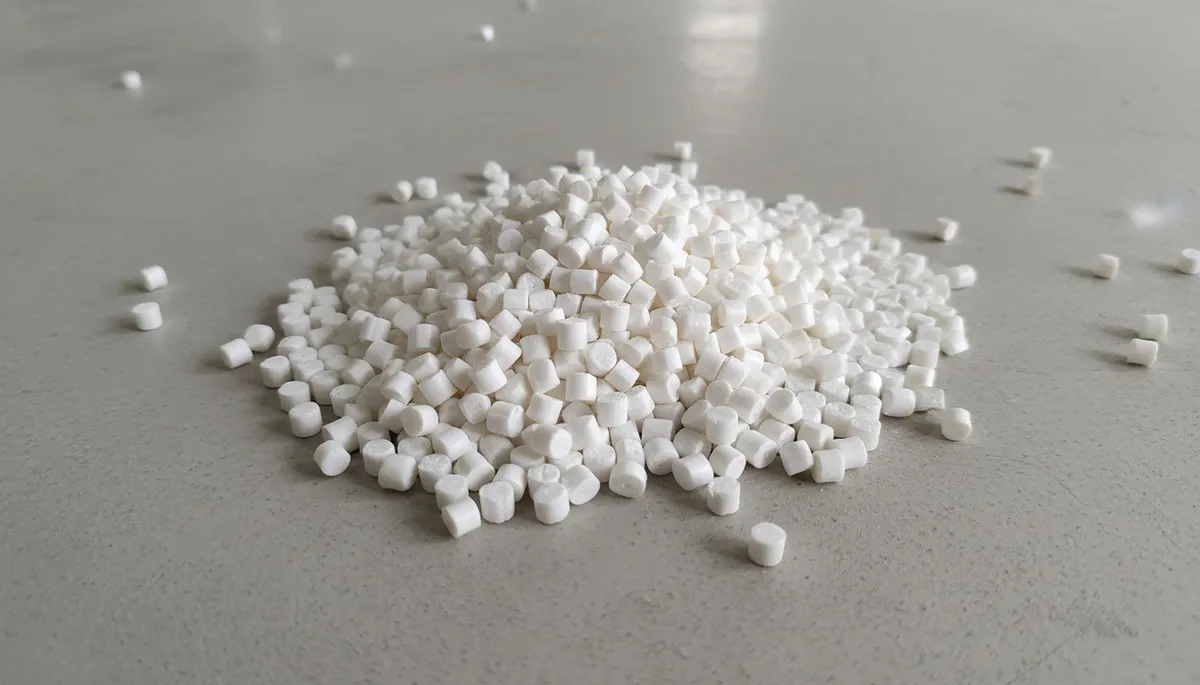
플라스틱 사출 성형은 원료 플라스틱 펠릿을 녹여서 높은 압력으로 스틸 또는 알루미늄 몰드 캐비티에 주입하는 제조 과정입니다. 플라스틱이 캐비티의 정확한 형태로 냉각되고 고화된 후, 몰드가 열리고 완제품이 탈착됩니다. 몰드가 다시 닫히고 주기가 반복됩니다 — 작고 얇은 벽 부품은 때로 8~10초마다 빠르게 반복됩니다.
공장에서는 간단히 설명합니다: 원료를 넣으면 완제품이 나옵니다. “마법”은 밀폐된 스틸 도구 내부에서 발생하며, 재료에 따라 압력이 2,000 bar 이상, 온도가 350°C까지 도달할 수 있습니다. 사출 성형이 매우 강력한 이유는 반복성입니다. 프로세스 매개변수를 설정하면 백만 단위의 런에서 모든 부품이 첫 번째 부품과 거의 동일합니다.
이 공정은 1872년 John Wesley Hyatt가 셀룰로이드 당구공을 성형하기 위해 사용하면서 처음으로 특허를 받았습니다. 현재 이 공정은 전 세계적으로 생산되는 모든 플라스틱 부품의 약 1/3을 차지하며, 매년 약 3억 톤을 생산합니다.
“사출 성형은 엄격한 공차로 동일한 부품을 수백만 개 생산할 수 있습니다.”True
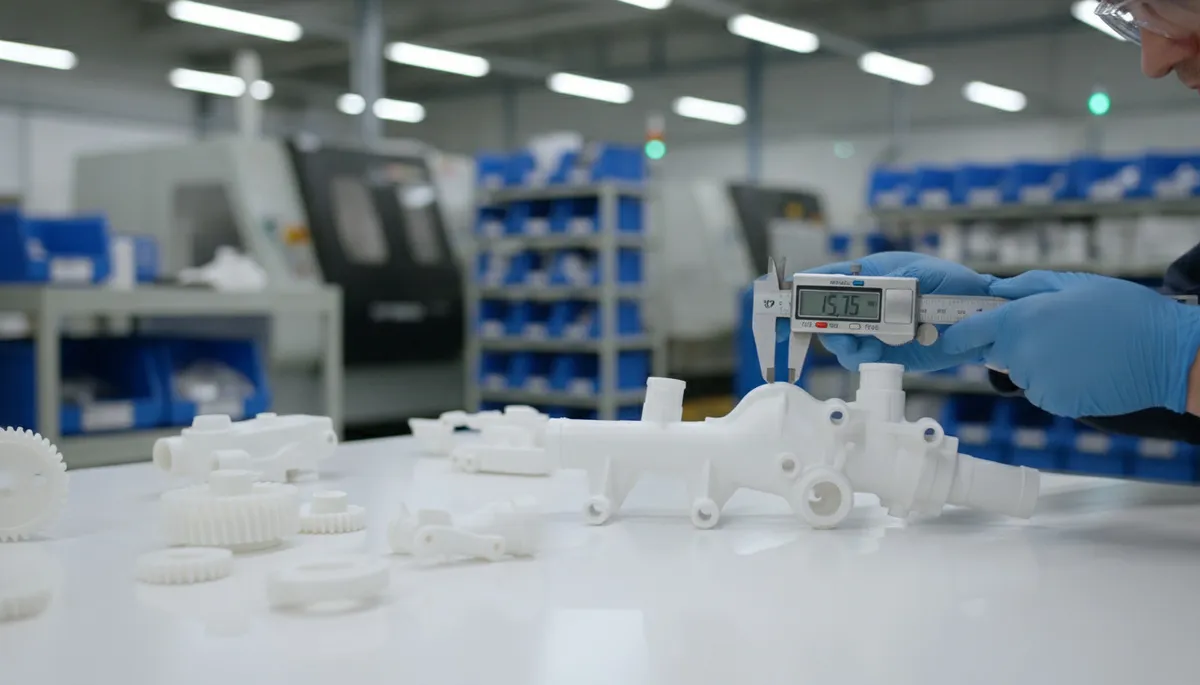
현대 사출 성형 기계는 수백만 개의 부품 생산 과정에서 ±0.05 mm까지의 엄격한 치수 허용 오차를 유지합니다. 우리 공장에서는 일반적으로 표준 엔지니어링 부품에 대해 ±0.1 mm 또는 더 좋은 정밀도를 달성하며, 이 때문에 의료 기기부터 자동차 부품까지 모든 제품에 이 공정이 신뢰받습니다.
사출 성형 사이클은 어떻게 작동하나요?
모든 사출 성형 주기는 동일한 네 단계 순서를 따릅니다. 각 단계를 이해하면 효율적으로 작동하고 결함 없이 나오는 부품을 설계할 수 있습니다.
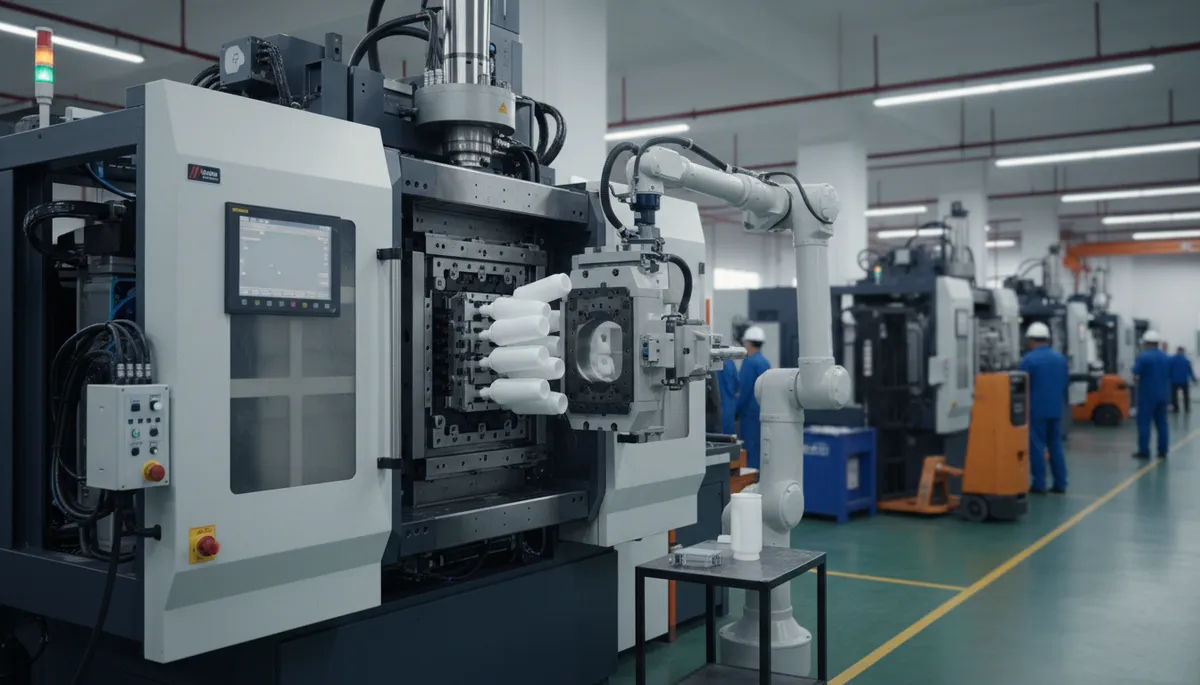
1단계 — 클램핑: 금형의 두 부분(코어와 캐비티)이 클램핑 장치에 의해 함께 압착됩니다. 조임력은 톤 단위로 측정되며 내부에서 밀어내는 사출 압력을 견딜 수 있을 만큼 높아야 합니다. 일반적인 소비자 제품 부품에는 50~200톤의 조임력이 필요할 수 있습니다. 대형 자동차 패널에는 2,000톤 이상이 필요할 수 있습니다.
2단계 — 사출: 열가소성2 스크류가 앞으로 이동하면서 용융된 플라스틱을 스프루, 러너, 게이트를 통해 금형 캐비티 안으로 밀어 넣습니다. 사출 속도, 압력 및 보압은 모두 정밀하게 프로그래밍됩니다. 우리는 캐비티가 채워진 후 적용되는 보압이 부품 중량과 치수 안정성에 가장 큰 영향을 미치는 단일 매개변수라는 사실을 발견했습니다.
3단계 — 냉각: 일반적으로 전체 사이클 시간의 50~70%를 차지하는 가장 긴 단계입니다. 금형강 내부의 수냉 채널이 플라스틱에서 열을 빼냅니다. 부품은 변형 없이 취출할 수 있는 온도까지 내려가야 합니다. 당사는 금형강을 절삭하기 전에 몰드 플로 시뮬레이션으로 냉각 채널 배치를 최적화합니다.
4단계 — 취출: 금형이 열리면 이젝터 핀이 코어에서 부품을 밀어냅니다. 이후 금형이 닫히고 사이클이 다시 시작됩니다. 대량 생산에서는 로봇 팔이 이젝터 핀에서 부품을 직접 집어 상자에 담고 팔레트에 적재하므로 사람이 부품에 손댈 필요가 없습니다.
사출성형기의 주요 구성요소는 무엇입니까?
사출 성형기는 주로 사출 장치와 클램핑 장치 두 가지 주요 어셈블리로 구성됩니다. 우리 공장에서는 클램핑력 50톤부터 850톤까지 다양한 기계를 가동하며, 각 기계는 동일한 기본 구조를 따릅니다.
사출 장치는 원료 펠릿을 투입하는 호퍼, 가열 배럴, 왕복 스크루로 구성됩니다. 스크루가 회전하며 플라스틱을 녹이고 혼합한 뒤 플런저처럼 전진하여 용융 수지를 금형에 주입합니다. 배럴 끝의 노즐은 금형의 스프루 부시에 연결됩니다.
형체 장치는 사출 중 금형의 두 반쪽을 맞물린 상태로 유지합니다. 토글 클램프 방식은 기계식 링크로 유압력을 증폭하고, 직압식 유압 방식은 대형 실린더를 직접 사용합니다. 전동 서보 구동 장비는 가장 정밀한 형체 제어가 가능해 반복 정밀도가 중요한 의료 및 광학 분야에서 점점 널리 사용됩니다.
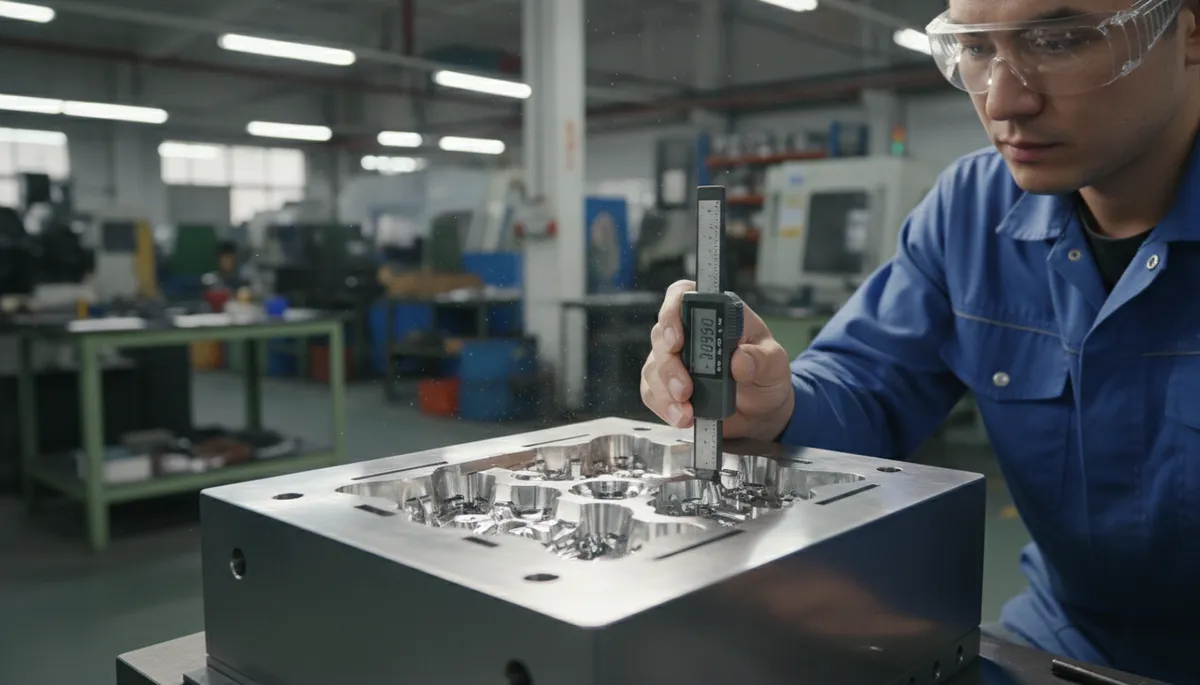
금형 자체는 연마된 캐비티, 냉각 채널, 러너 시스템, 이젝터 핀을 갖춘 정밀 강철 공구입니다. 대량 생산용 금형은 보통 경화 P20 또는 H13 공구강으로 제작되며, 정비가 필요해지기 전까지 100만~500만 회 사출할 수 있습니다.
사출 성형에 어떤 재료를 사용할 수 있나요?
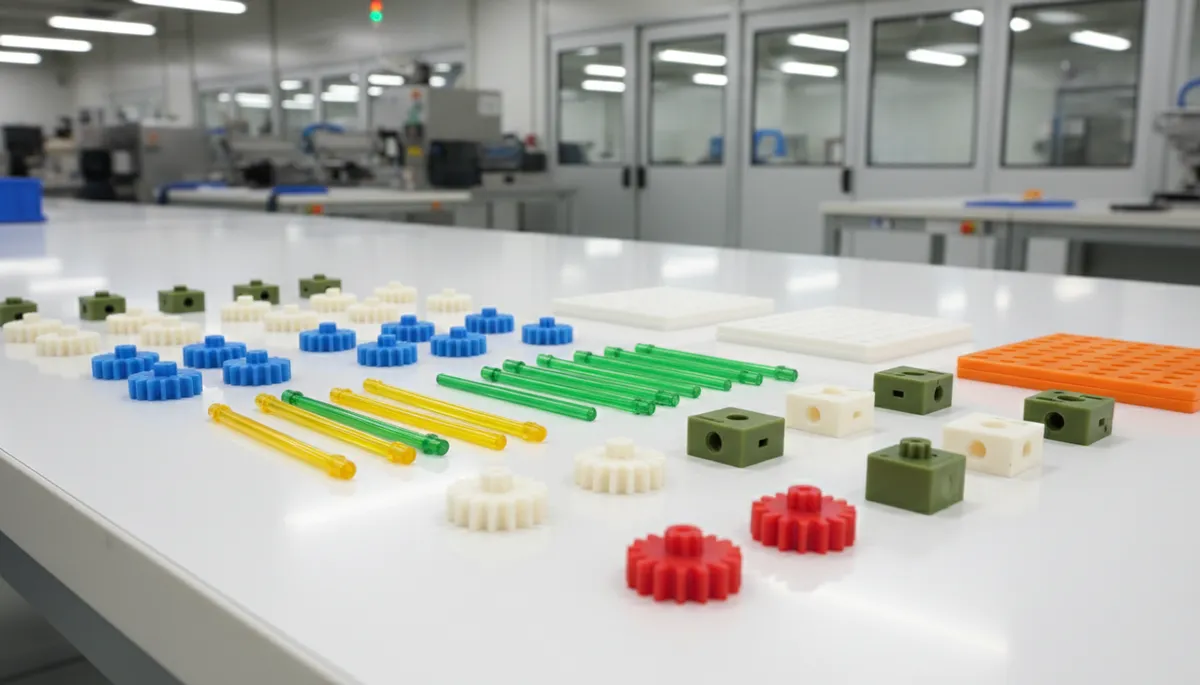
공장에서는 50가지 이상의 다양한 열가소성 재료를 처리하며, 재료 선택은 다른 변수보다 부품 성능에 더 큰 영향을 미칩니다. 가장 일반적인 계열에 대한 간략한 개요입니다:
범용 플라스틱 — 폴리프로필렌(PP), 폴리에틸렌(PE), ABS3는 업계의 주력 소재입니다. 저렴하고 가공이 쉬우며 사실상 모든 색상으로 공급됩니다. PP는 병뚜껑부터 자동차 범퍼까지 폭넓게 사용되고, ABS는 소비자 전자제품 하우징에 가장 많이 쓰이는 소재입니다.
엔지니어링 플라스틱 — 나일론(PA), 폴리카보네이트(PC), 아세탈(POM), PEEK는 범용 등급보다 기계적 강도, 내열성 또는 내화학성이 높습니다. 당사는 광학 렌즈와 조명 커버에는 PC, 기어와 구조용 브래킷에는 PA, 부싱과 스냅핏 클립 같은 슬라이딩 부품에는 POM을 사용합니다.
고성능 플라스틱 — PEEK, PEI(Ultem), LCP는 일반 플라스틱이 사용 환경을 견디지 못하는 항공우주, 의료, 반도체 분야에 쓰입니다. 이 소재들은 350°C가 넘는 배럴 온도가 필요하며 가수분해 열화를 막기 위해 펠릿을 미리 건조해야 하는 경우가 많습니다.
“동일한 기계 설정을 사용하여 모든 플라스틱 재료를 사출 성형할 수 있습니다.”False
다른 열가소성 재료는 매우 다른 처리 조건을 필요로 합니다. 폴리프로필렌은 약 220°C에서 녹고, PEEK는 380°C를 필요로 합니다. 나일론은 처리하기 전에 4–8시간 사전 건조해야 하며, 수분은 스플레이 결함을 유발합니다. 공장에서는 매 작업 변경 시 재료별 설정 표를 엄격히 따르며, 잘못된 매개변수로 불량품을 방지합니다.
금형 설계가 부품 품질에 어떤 영향을 미치나요?
경험적으로, 사출 성형 부품에서 발견되는 결함의 약 80%는 도구가 절단되기 전에 이루어진 몰드 설계 결정으로 돌아갈 수 있습니다. 처음부터 몰드 설계를 올바르게 하면 많은 시간과 비용을 절약합니다.
벽 두께: 균일한 벽 두께는 가장 중요한 설계 지침입니다. 두께가 갑자기 바뀌면 냉각 속도 차이로 싱크 마크, 휨, 내부 응력이 생깁니다. 대부분의 엔지니어링 플라스틱은 벽 두께를 1.5~4 mm로 유지하고, 두께 전환 구간은 최소 벽 두께의 세 배 길이로 설계할 것을 권장합니다.
구배각: 모든 수직면에는 보통 1°~3°의 구배각이 있어야 부품이 긁히거나 달라붙지 않고 코어에서 빠집니다. 텍스처 표면에는 더 큰 구배가 필요하며, 일반적으로 텍스처 깊이 0.025 mm마다 1°를 추가합니다. 구배를 빠뜨리는 것은 고객 제공 설계에서 가장 흔히 발견되는 실수 중 하나입니다.
게이트 위치: 게이트는 플라스틱이 금형 캐비티로 들어가는 지점입니다. 위치에 따라 충전 패턴, 웰드 라인 위치, 수축 방향이 결정됩니다. 당사는 최종 설계 전에 몰드 플로 시뮬레이션으로 여러 게이트 위치를 시험합니다. 게이트가 잘못 배치되면 미성형, 눈에 띄는 부위의 웰드 라인, 공정 조정으로도 해결할 수 없는 휨이 발생할 수 있습니다.
러너 시스템: 핫 러너 시스템은 게이트 직전까지 플라스틱을 용융 상태로 유지해 러너 스크랩을 없애고 사이클 시간을 줄입니다. 콜드 러너 시스템은 더 단순하고 저렴하지만 재분쇄해야 하는 러너 폐기물이 생깁니다. 대량 생산에서는 핫 러너의 에너지와 재료 절감 효과로 추가 금형 비용을 보통 몇 주 안에 회수합니다.
냉각 시스템: 적층 제조로 캐비티 윤곽을 따라 가공한 컨포멀 냉각 채널은 일반적인 직선 드릴 채널보다 냉각 시간을 30~50% 줄일 수 있습니다. 생산성 향상이 크기 때문에 당사는 생산량이 가장 많은 금형을 위해 컨포멀 냉각 역량에 투자했습니다.
가장 일반적인 사출 성형 결함은 무엇이며 어떻게 해결하나요?
모든 사출 성형업체는 결함을 겪습니다. 당사 공장에서는 통계적 공정 관리를 사용해 불량률을 실시간으로 추적하며, 라인 작업자는 주요 폐기물이 발생하기 전에 가장 일반적인 문제를 식별하고 조치하도록 교육받습니다.
싱크 마크는 부품 표면에 얕게 패인 자국으로 나타나며, 보통 두꺼운 리브나 보스의 반대쪽에 생깁니다. 내부보다 외피가 먼저 굳고 내부가 수축하면서 안쪽으로 당겨져 발생합니다. 일반적으로 보압을 높이거나 보압 시간을 늘리거나, 리브 두께를 연결된 벽 두께의 60% 이하로 재설계해 해결합니다.
웰드 라인은 두 유동 선단이 만나 완전히 융합되지 않을 때 생깁니다. 표면에는 희미한 선처럼 보이지만 강도를 크게 낮출 수 있습니다. 게이트 위치를 조정해 웰드 라인을 중요하지 않은 부위로 옮기거나, 용융 온도와 사출 속도를 높여 융합을 개선합니다.
휨은 불균일한 수축으로 생기는 치수 변형입니다. 벽 두께가 균일하지 않거나 냉각이 비대칭인 평판형 부품에서 가장 흔합니다. 냉각 시스템의 균형을 맞추고, 강성을 높이는 리브를 추가하거나, 수축 방향을 제어하도록 게이트를 전략적으로 배치해 해결할 수 있습니다.
플래시는 금형 분할면 사이로 밀려 나온 얇은 플라스틱 막입니다. 보통 형체력이 부족하거나 금형 면이 마모되었거나 사출 압력이 너무 높다는 뜻입니다. 분할면 마모를 점검하고 형체력을 조정하며 충전 말기의 사출 속도를 낮춰 해결합니다.
어떤 산업이 플라스틱 사출 성형을 사용하나요?
당사는 다양한 산업의 20개국 이상 고객에게 사출 성형품을 공급합니다. 공정의 높은 유연성과 방대한 재료 선택지를 결합하면 플라스틱 부품을 일관되게 대량 생산해야 하는 거의 모든 용도에 적용할 수 있습니다.
자동차: 내장 트림 패널, 도어 핸들, 대시보드 부품, 범퍼 페시아, 유체 저장 탱크, 엔진룸 전기 커넥터. 자동차 용도는 흔히 120°C 이상의 내열성과 정밀한 치수 관리가 필요합니다.
의료: 주사기 배럴, 채혈관 캡, 진단기기 하우징, 수술기구 손잡이. 의료 부품은 일반적으로 ISO 13485 인증 제조, Class 8 클린룸, 완전한 소재 추적성이 필요하며 당사 공장은 이 모든 역량을 갖추고 있습니다.
소비자 전자제품: 휴대전화 케이스, 노트북 베젤, 키보드 키캡, 라우터 하우징, 이어폰 셸. 뛰어난 표면 품질과 조립을 위한 엄격한 공차가 요구되며, 슬라이드 코어나 리프터로 처리하는 복잡한 언더컷이 필요한 경우도 많습니다.
포장: 병뚜껑, 마개, 박육 용기, 식품 접촉 제품. 이 분야에서는 속도가 핵심입니다. 단순한 마개 설계는 사이클 시간이 5초 미만인 경우가 흔하고, 96개 이상의 캐비티를 가진 다수 캐비티 금형은 대형 톤수 장비에서 가동됩니다.
“사출성형은 생산량이 증가할수록 비용 효율이 높아집니다.”True
높은 초기 툴링 비용(금형당 일반적으로 $5,000–$100,000+)은 전체 생산량에 걸쳐 상각됩니다. 생산량이 10,000+개이면 사출 성형의 부품당 비용은 거의 항상 다른 제조 방식보다 낮습니다. 적정 생산량에서 CNC 가공을 사출 성형으로 전환하는 것만으로 부품당 비용을 80% 절감한 고객 사례도 있습니다.
“사출 성형은 단순하고 평평한 부품에만 적합합니다.”False
현대 사출 성형은 언더컷(슬라이드와 리프터 사용), 내부 나사산(언스크루잉 코어 사용), 오버몰딩 인서트, 다중 소재 부품(이중 사출 또는 인서트 성형 사용)을 포함한 매우 복잡한 3차원 형상을 생산할 수 있습니다. 당사 공장에서는 하나의 금형에 15+개의 작동 방향이 있는 부품을 정기적으로 성형합니다.
플라스틱 사출 성형 비용은 얼마인가요?
고객이 가장 먼저 묻는 질문은 거의 항상 비용입니다. 솔직한 답은 부품 복잡성, 재료, 생산량, 금형 품질에 크게 좌우된다는 것입니다. 당사는 다음과 같이 구분합니다.
금형 비용: 소형 소비재 부품용 단순 단일 캐비티 금형은 $3,000~$8,000 정도이고, 의료기기용 복잡한 다수 캐비티 핫 러너 금형은 $150,000를 넘을 수 있습니다. 고객 금형 대부분은 $8,000~$40,000 범위입니다. 금형은 고객 소유의 자본 자산으로 당사 시설에 보관되며, 금형 수명 동안 추가 비용 없이 유지관리합니다.
개당 비용: 금형비를 회수한 뒤 개당 비용에는 재료, 장비 시간, 인건비(대부분 로봇 보조), 간접비가 포함됩니다. 일반적인 PP 소비재 부품은 10,000개 생산 시 개당 $0.80~$2.00, 100,000개 생산 시 같은 부품이 $0.20~$0.60일 수 있습니다.
총소유비용: 생산량이 많을 때 사출 성형을 3D 프린팅이나 우레탄 주형과 비교하면, 5,000~10,000개를 넘는 시점부터 거의 항상 총비용 면에서 사출 성형이 유리합니다. 당사는 수십 곳의 고객이 추측이 아닌 데이터로 판단할 수 있도록 상세한 비용 비교 모델을 구축해 왔습니다.
사출 성형과 다른 플라스틱 공정의 차이점은 무엇인가요?
여러 선택지를 평가하는 고객에게서 이 질문을 자주 받습니다. 사출 성형은 여러 플라스틱 제조 방식 중 하나이며, 각 방식마다 고유한 강점과 적합한 용도가 있습니다.
사출 성형과 블로 성형 비교: 블로 성형은 금형 안에서 뜨거운 플라스틱 튜브를 부풀려 병, 탱크, 용기 같은 중공 부품을 만듭니다. 사출 성형이 처리하는 복잡한 솔리드 형상은 만들 수 없습니다. 부품 내부가 비어 있고 액체나 기체를 담아야 한다면 보통 블로 성형이 적합합니다.
사출 성형과 열성형 비교: 열성형은 평평한 플라스틱 시트를 가열한 뒤 금형 위에 씌우거나 진공으로 밀착합니다. 포장 트레이나 자동차 내장 라이너처럼 크고 얇은 형상에 적합합니다. 금형비는 사출 금형보다 훨씬 저렴하지만 형상 선택이 제한되고 벽 두께 제어 정밀도도 낮습니다.
사출 성형과 3D 프린팅 비교: 적층 제조(3D 프린팅)는 시제품과 보통 100개 미만의 극소량 생산에 적합합니다. 금형비가 들지 않지만 의미 있는 양산 규모에서는 속도가 몇 자릿수나 느리고 개당 비용도 훨씬 높습니다. 당사는 사출 금형에 투자하기 전에 설계를 검증하기 위해 3D 프린팅 시제품을 정기적으로 사용합니다.
사출 성형과 압출 비교: 압출은 용융 플라스틱을 형상이 있는 다이에 밀어 넣어 파이프, 튜브, 창틀, 시트 같은 연속 프로파일을 만듭니다. 개별 3D 부품은 만들 수 없습니다. 제품의 단면이 길고 균일하다면 압출이 적합한 공정입니다.
핵심: 플라스틱 사출 성형은 고품질 플라스틱 부품을 대량 생산하는 데 여전히 가장 범용적이고 비용 효율적인 제조 방식입니다. 공정의 기본 원리를 이해하면 소재 선정, 금형 투자, 생산 계획에 관해 더 나은 결정을 내릴 수 있습니다.
플라스틱 사출 성형에 관한 가장 일반적인 질문은 무엇인가요?
사출 금형을 만드는 데 시간이 얼마나 걸리나요?
당사 공장의 표준 단일 캐비티 금형 리드타임은 일반적으로 설계 승인부터 초도품까지 4–6주입니다. 복잡한 다중 캐비티 또는 핫 러너 금형은 8–12주가 걸릴 수 있습니다. 핵심 경로 프로젝트에는 긴급 금형 제작 프로그램을 제공합니다.
사출 성형의 최소 주문 수량은 얼마입니까?
기술적인 최소 수량은 없습니다. 새 금형으로 부품 한 개만 생산할 수도 있습니다. 다만 비용 효율 측면에서 사출 성형은 약 1,000–5,000개부터 다른 방식보다 경제적입니다. 당사는 특수 용도의 경우 500개 규모의 소량 생산 주문도 수행했습니다.
사출 성형 부품은 재활용이 가능한가요?
그렇습니다. 사출 성형에 사용하는 거의 모든 열가소성 소재는 용융 후 재가공할 수 있습니다. 당사 공장에서는 대부분의 용도에서 부품 특성에 영향을 주지 않으면서 러너와 스프루 폐기물을 최대 20%의 혼합 비율로 재분쇄하여 재사용합니다. 사용 후 소비재 재활용 가능성은 재료 유형과 수거 인프라에 따라 달라집니다.
사출 성형 부품에는 어떤 표면 마감 처리가 가능한가요?
표면 마무리 옵션은 고광택(SPI A-1, 미러 마무리)부터 무광 및 텍스처 처리(SPI D-3, 강한 텍스처)까지 다양합니다. 일반적인 텍스처에는 가죽 질감, 미세 무광, 그리고 EDM 또는 산성 에칭으로 적용되는 맞춤 패턴이 있습니다. 마무리는 금형 강철에 내장되어 있습니다 — 후속 작업이 필요하지 않습니다.
사출 성형으로 달성 가능한 공차는 얼마나 정밀한가요?
일반 상업적 허용 오차는 ±0.2 mm입니다. ±0.05 mm의 정밀 허용 오차는 적절한 금형 설계, 재료 선택 및 공정 관리로 달성 가능합니다. 매우 까다로운 용도 — 광학 렌즈, 의료 임플란트 부품 — 에서는 통계적 공정 모니터링을 통해 완전히 제어된 환경을 운영하여 장기 생산 과정에서 엄격한 사양을 유지합니다.
사출 성형의 환경적 영향은 무엇인가요?
사출 성형은 다른 플라스틱 공정에 비해 비교적 효율적입니다. 특히 핫 러너 시스템에서는 재료 폐기물이 적고, 최신 서보 전동식 기계는 유압 프레스보다 에너지를 훨씬 적게 사용합니다. 당사는 최대형 기계에 스크루 감속 중 제동 에너지를 회수하는 에너지 회수 시스템을 도입했습니다. 플라스틱 자체의 환경 영향은 재료 선택과 수명 종료 전략에 따라 달라집니다.
사출 성형을 위해 내 디자인을 어떻게 준비해야 하나요?
최종 3D CAD 모델을 확정하기 전에 제조용 설계(DFM) 검토부터 시작할 것을 권장합니다. 주요 점검 항목은 모든 수직면의 구배각, 균일한 벽 두께, 적절한 게이트 위치, 조립 형상(스냅핏, 보스, 리브), 표면 마감 요구사항입니다. 당사 엔지니어링 팀은 모든 신규 프로젝트에 무료 DFM 분석을 제공하며, 보통 파일 접수 후 24시간 이내에 결과를 전달합니다. 자세한 내용은 공급업체 소싱 가이드와 사출 성형 완벽 가이드를 참조하십시오.
-
사출 성형: 용융 재료를 고압으로 금형 캐비티에 주입해 부품을 만드는 제조 공정입니다. ↩
-
열가소성 플라스틱: 높은 온도에서 유연해지거나 성형 가능해지고 냉각하면 굳는 플라스틱 중합체로, 사출 성형에 적합하며 가공 후 재활용할 수 있습니다. ↩
-
ABS: 아크릴로니트릴 부타디엔 스티렌으로, 인성, 내충격성, 가공성이 뛰어나 소비자 전자제품과 자동차 부품에 널리 쓰이는 대표적인 엔지니어링 열가소성 플라스틱입니다. ↩
ZetarMold 엔지니어링 팀에서 경쟁력 있는 가격, DFM 피드백, 생산 일정을 받아 보십시오.