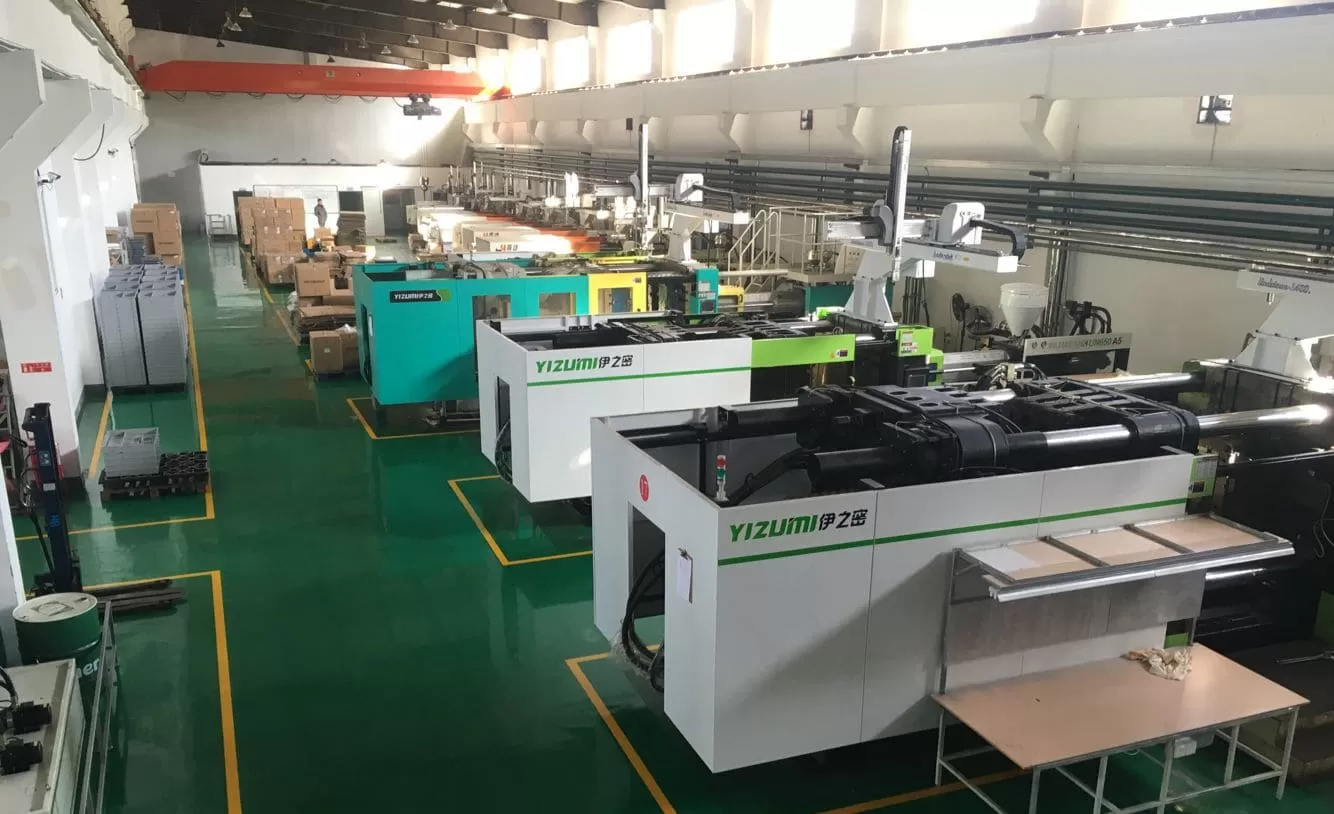
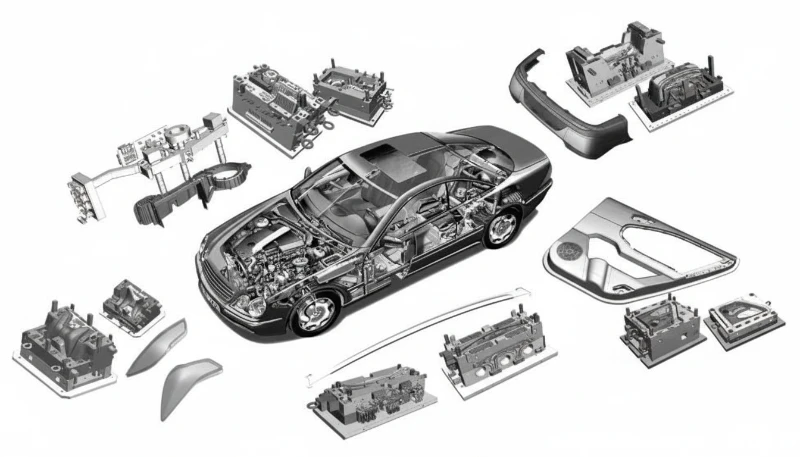
그렇습니다. 사출 성형기는 자동차용 플라스틱 부품을 생산합니다. 실제로 현대 자동차 한 대에는 2,000개가 넘는 플라스틱 부품1이 들어가며, 그 대부분이 사출 성형으로 만들어집니다. 운전자 앞의 대시보드부터 주차장에서 충격을 받은 범퍼까지 자동차 제조 곳곳에 사출 성형 부품이 쓰입니다. 이 가이드에서는 어떤 부품을 성형하는지, 어떤 소재가 가장 적합한지, 엔지니어가 자동차 양산용 사출 금형을 지정하기 전에 무엇을 알아야 하는지 설명합니다.
엔지니어와 조달 팀에게 실질적인 질문은 자동차 플라스틱 부품을 성형할 수 있는지 여부가 아니라, 어떤 부품, 재료, 허용 오차 및 도구 선택이 생산에 적합한지입니다. 내부 트림, 클립, 브racket, 하우징, 커넥터 및 엔진 아래 부품 각각은 다른 수지와 성형 전략이 필요하므로, 부품 기능은 첫 번째 DFM 검토부터 성형 계획을 주도해야 합니다.
- 사출 성형은 차량당 2,000개 이상의 플라스틱 부품을 생산합니다
- PP, ABS, PA6 및 PC는 자동차 플라스틱의 상위 4가지입니다
- 경량화는 100kg 감소할 때마다 100km당 약 0.3L의 연료를 절약합니다
- 전기차는 정밀 성형 플라스틱 부품에 대한 더 높은 수요를 견인합니다
- 재료 선택은 온도, 화학적 및 충격 요구 사항을 균형있게 맞추어야 합니다
어떤 플라스틱 자동차 부품이 사출 성형으로 만들어지나요?
인테리어 구성 요소
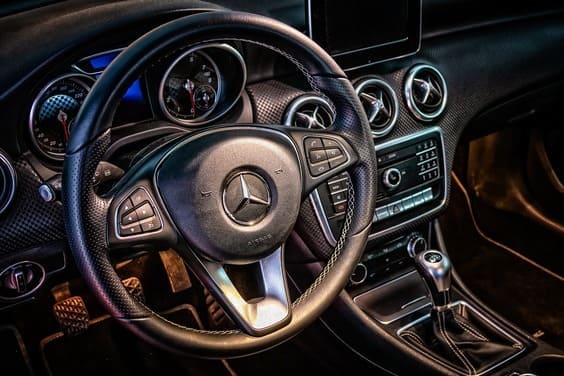
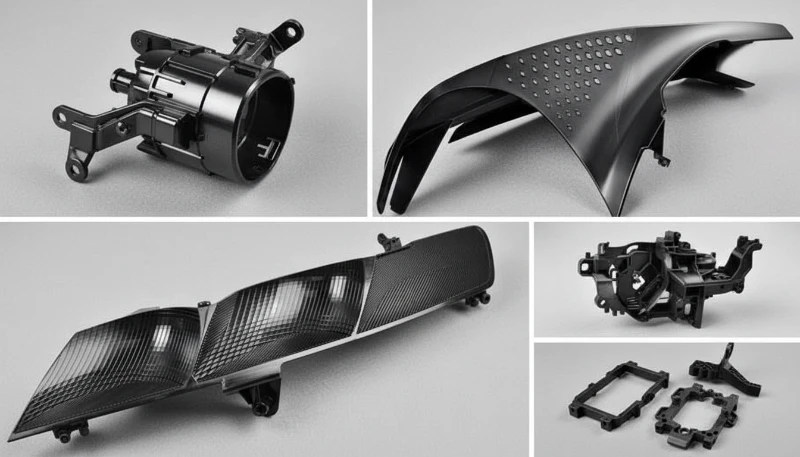
계기판, 도어 트림, 센터 콘솔, 시트 조절기, 컵 홀더 및 에어백 커버 — 이 모든 것이 사출 성형됩니다. 단일 대시보드 모듈은 15~30개의 개별 성형 부품을 결합할 수 있습니다. 폴리프로필렌(PP)과 ABS는 비용, 내충격성 및 표면 마감 품질의 균형을 맞추기 때문에 여기서 주로 사용됩니다.
외부 구성 요소
범퍼, 그릴, 펜더 라이너, 미러 하우징 및 라이트 렌즈는 사출 금형에서 수백만 개씩 생산됩니다. 외관 부품은 자외선 안정성, 저온 및 고온에서의 충격 강도, Class-A 표면 마감을 요구합니다. 열가소성 폴리올레핀(TPO)과 폴리카보네이트(PC) 블렌드가 일반적인 선택입니다.
엔진 아래 및 파워트레인
흡기 매니폴드, radiator end tank, fluid reservoir, connector housing 및 engine cover는 모두 열 저항성 나일론 (PA6, PA66) 및 PBT로 성형됩니다. 이러한 부품은 120–150 °C의 연속 온도와 fuel, oil 및 coolant에 노출됩니다. 유리섬유 강화 등급은 열 ceiling을 더 높게 올립니다.
전기 및 전자
현대 자동차에는 50~100개의 전자 제어 장치(ECU)가 탑재됩니다. 커넥터 하우징, 센서 본체, 릴레이 케이스 및 배선 하네스 클립은 작지만 중요하며 거의 전적으로 사출 성형됩니다. PBT와 PPS는 이러한 적용 분야에서 열 및 난연성 요구 사항을 처리합니다.
자동차 부품에 대한 사출 성형 공정은 어떻게 작동하나요?
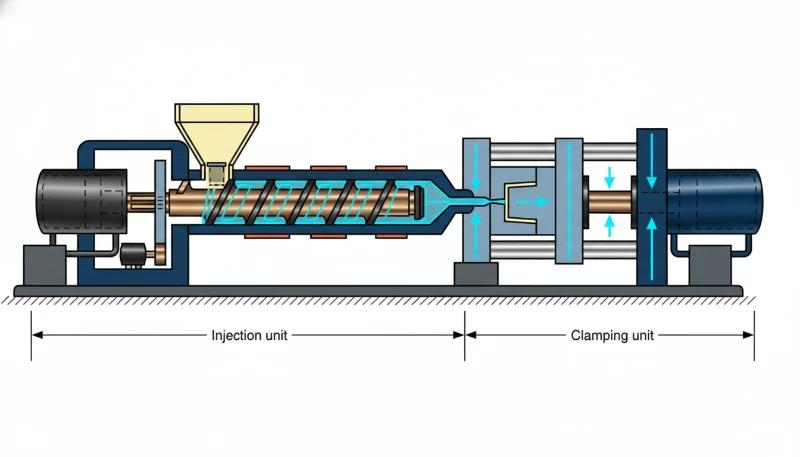
자동차 사출 성형 공정은 금형 체결, 용융 수지 사출, 부품 냉각, 취출의 네 단계로 이루어집니다. 자동차 부품에서는 같은 사출 성형 사이클로 통상 ±0.05 mm 수준의 엄격한 공차를 유지하고, 외관면 플래시를 방지하며, 단일 캐비티 기준 연간 500,000쇼트 이상에 달하는 생산량을 감당해야 합니다.
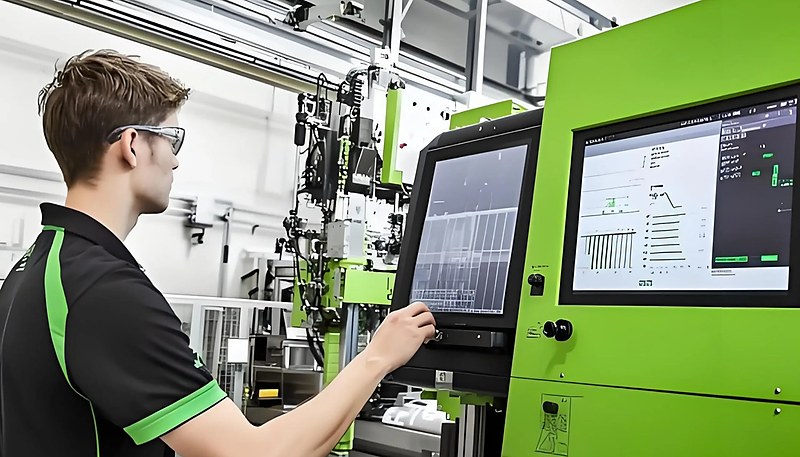
기계 내부에서 발생하는 과정은 다음과 같습니다: 플라스틱 pellets가 가열된 barrel에 들어가서 왕복 screw가 이를 녹이고 균질화합니다. screw는 그 후 800–1,500 bar의 압력으로 melt를 정밀 가공된 강철 mold에 주입합니다. mold는 온도 조절됩니다 (자동차 PP 및 ABS의 경우 일반적으로 40–80 °C) 일정한 결정성과 치수 안정성을 보장하기 위해입니다. 벽 두께에 따라 10–60초 동안 냉각 후, mold가 열리고 로봇 팔 또는 sprue picker가 부품을 제거합니다. 일반적인 200g 자동차 클립의 cycle 시간은 15–25초입니다.
대량 생산되는 클립과 패스너에는 8, 16 또는 32캐비티 금형이 일반적입니다. 범퍼나 계기판처럼 큰 부품에는 핫 러너 시스템을 갖춘 단일 캐비티 금형을 사용해 소재 폐기율을 2% 미만으로 유지합니다. ZetarMold의 경험상 자동차 부품이 고객의 초도품 검사를 통과할지 여부의 80%는 금형 설계와 게이트 위치가 결정합니다.
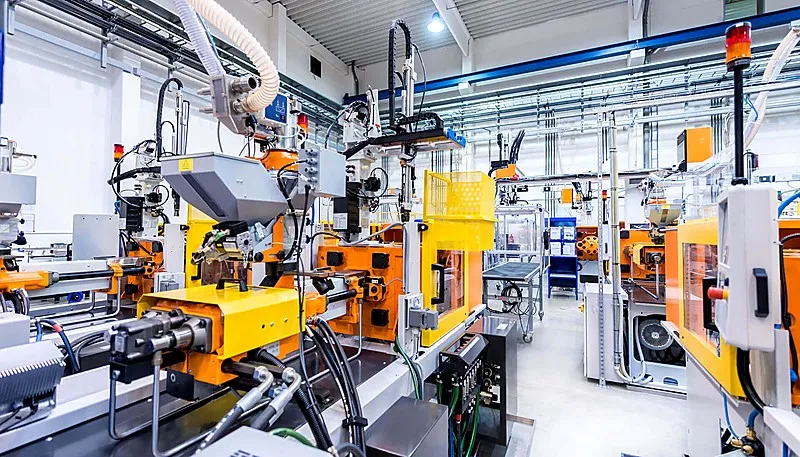
우리 상하이 공장에는 90톤에서 1850톤까지 47대의 사출 성형기가 가동됩니다 — 이 범위는 2그램의 커넥터 클립부터 10kg의 후드 아래 부품까지 모든 것을 단일 시설에서 처리할 수 있을 만큼 충분합니다.
자동차 부품에서 일반적인 플라스틱 재료는 무엇인가요?
일반적인 자동차용 플라스틱은 PP, ABS, 나일론, PBT, PC 및 PC/ABS이며, 각각 열, 충격, 비용 및 표면 요구 사항의 균형을 다르게 맞추기 때문입니다. 자동차 사출 성형에서 소재 선택은 작동 환경, 기계적 부하 및 비용 목표라는 세 가지 요소에 의해 결정됩니다. 아래는 가장 널리 사용되는 자동차용 플라스틱의 빠른 비교입니다.
자동차 플라스틱 재료 한눈에 보기
빠른 비교를 위해, PP는 범퍼, 배터리 케이스 및 내장 트림에 흔히 사용됩니다. ABS는 대시보드, 콘솔 및 장식 트림에 사용됩니다. 유리 충전 PA6/PA66은 흡기 매니폴드, 엔진 커버 및 기어에 사용됩니다. PC는 투명한 내충격 렌즈에 사용됩니다. 그리고 PBT/PPS는 전기 커넥터 및 센서 하우징에 흔히 사용됩니다.
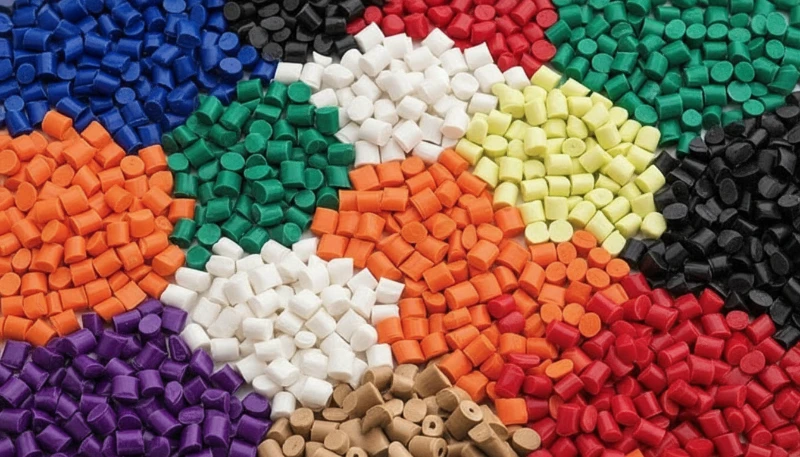
나일론(PA6 및 PA66)은 수많은 엔진룸 용도에 쓰이므로 특히 주목할 필요가 있습니다. 유리섬유 강화 나일론2 66은 150°C가 넘는 환경에서 연속 사용하면서도 180 MPa 이상의 인장 강도를 낼 수 있습니다. 이러한 내열성과 기계 성능의 조합 덕분에 1990년대부터 흡기 매니폴드 소재가 다이캐스트 알루미늄에서 사출 성형 나일론으로 전환되었습니다.
폴리카보네이트 블렌드(PC/ABS)는 충격 강도와 고품질 표면이 모두 필요한 부품 — 대시보드 트림 패널과 도금된 장식 스트립을 생각해 보세요 — 에 최적입니다. 순수 PC는 광학적 선명도와 돌 충격 저항성이 모두 필수인 헤드라이트 렌즈를 처리합니다.
현대 차량에서 경량화가 왜 그렇게 중요한가요?
경량화는 줄인 무게 1킬로그램마다 연비, 전기차 주행거리, 배출 목표 및 조립 효율이 개선되므로 중요합니다. 내연기관 차량은 무게를 100 kg 줄일 때마다 100 km당 약 0.3리터의 연료3를 절약하고, 전기차는 주행거리가 약 2.5 km 늘어납니다. 이 수치는 자동차 제조사가 수십 년간 금속을 플라스틱으로 대체한 이유와 전기차 시대에 그 속도가 빨라지는 이유를 설명합니다.
사출성형은 판금으로는 불가능하거나 비용이 지나치게 높은 복잡한 박육 부품을 생산할 수 있게 합니다. 하나의 성형 플라스틱 브래킷으로 프레스 및 용접된 강철 부품 5개를 대체해 중량과 조립 비용을 모두 줄일 수 있습니다. 핵심 제약은 구조적 특성입니다. 플라스틱은 강철의 탄성계수에 미치지 못하므로 엔지니어는 리브 패턴, 유리섬유 보강 및 구조용 폼으로 차이를 보완합니다.
사출 성형이 EV 부품에 적합한 이유는 무엇인가요?
사출 성형은 난연성, 밀폐성, 치수 안정성 플라스틱 부품을 대량으로 형성하기 때문에 전기차 부품에 적합합니다. 배터리 모듈 하우징, 열 관리 채널, 고전압 커넥터 실드 및 경량 내부 구조물은 모두 사출 성형이 필요합니다. 고전압 배터리 팩 관련 화재 안전 기준 때문에 재료 요구 사항은 난연성 등급(UL94 V-0) 및 무할로겐 화합물 쪽으로 이동합니다.
전기차는 또한 성형업체에게 더 엄격한 공차를 요구합니다. 배터리 인클로저는 먼지와 습기에 대해 밀폐되어야 합니다(IP67이 일반적). 이는 성형된 구성품의 결합 표면이 기존 자동차 내장 금형이 요구하지 않던 평탄도와 치수 안정성이 필요함을 의미합니다. ZetarMold의 생산 경험에서 우리는 전기차 구조 브래킷의 공차가 ±0.1 mm에서 ±0.03 mm로 강화되는 것을 목격했습니다.
20년 이상의 성형 경험과 400종 이상의 플라스틱 재료를 포함하는 재료 데이터베이스를 보유한 우리 엔지니어링 팀은 내연기관 후드 아래 부품에서 전기차 배터리 부품에 이르는 완전한 진화를 목격했으며, 어떤 수지 등급이 실제로 데이터시트 약속을 지키는지 알고 있습니다.
자동차 부품 사출 성형의 어려움은 무엇인가요?
자동차 부품 사출 성형은 어려움 없이 이루어지지 않습니다. 생산에서 가장 자주 접하는 세 가지 문제는 다음과 같습니다:
상충하는 요건 아래의 소재 선정. 한 부품이 -40°C의 겨울 추위와 150°C의 엔진룸 열을 모두 견디면서 브레이크액과 UV 노출에도 동시에 버텨야 할 수 있습니다. 네 가지 제약을 모두 맞추면 선택 가능한 소재가 빠르게 줄며, 가장 저렴한 수지는 전체 시험 항목을 통과하기 어렵습니다.
금형 복잡도와 비용. 자동차 금형은 비쌉니다. 단일 캐비티에 $50,000~$500,000 이상이 일반적이며 다캐비티 양산 금형은 그보다 훨씬 비쌉니다. 금형은 심각한 마모 없이 500,000~2백만 쇼트 동안 일관된 부품 품질을 내야 합니다. T1 샘플링 후 금형 수정은 비용이 많이 들고 일정을 무너뜨리므로 게이트 위치, 냉각 채널 배치 및 구배각을 처음부터 정확히 설계해야 합니다.
공정 범위 관리. 자동차 OEM은 중요 치수에 Cpk ≥ 1.67을 요구합니다. 따라서 사출 압력, 용융 온도, 보압 및 냉각 시간을 문서화하고 고정해 쇼트마다, 교대조마다 반복 가능하게 유지해야 합니다. 편차가 생기면 고객의 입고 검사에서 치수 부적합으로 드러납니다.
"일반 승용차 한 대에는 1,000개가 넘는 사출성형 플라스틱 부품이 들어갑니다."True
현대 자동차에는 약 2,000개의 플라스틱 부품이 들어가며 대부분 사출 성형으로 제조됩니다. 자동차 제조업체가 금속 부품을 더 가벼운 플라스틱 대체재로 전환하면서 이 수치는 계속 증가하고 있습니다.
"모든 플라스틱 자동차 부품에 동일한 사출 성형 조건을 사용할 수 있습니다."False
각 재료 등급(PP, PA66, PC)에는 특정 용융 온도, 금형 온도 및 사출 압력 프로파일이 필요합니다. PA66을 PP 온도에서 가공하면 미성형이 발생하고, PP를 PA66 온도에서 가공하면 수지가 열화됩니다.
자동차 부품에 적합한 사출 성형 파트너를 선택하는 방법은 무엇입니까?
적합한 자동차 부품 성형 파트너는 필요한 형체력의 설비, 품질 인증, 자체 금형 제작 역량 및 실제 자동차 산업 경험을 갖춘 공급업체입니다. 계약 전에 이 네 가지 영역을 평가하십시오.
1. 적절한 장비 형체력 범위를 보유했는가? 범퍼 빔에 1,500톤 장비가 필요한데 공장의 최대 장비가 650T라면 상담 자체가 시간 낭비입니다. 예상 부품 크기에 맞춰 장비 톤수 범위와 형체력을 확인하십시오.
2. 자동차 등급 품질 시스템을 운영하는가? ISO 9001은 최소 기준입니다. OEM 계층에 직접 공급한다면 IATF 16949가 더 좋습니다. 벽에 걸린 인증서만 보지 말고 입고 소재 검사 절차와 SPC 역량 데이터를 요청하십시오.
3. 금형을 사내에서 제작할 수 있는가? 금형 제작을 외주화하면 납기가 2~4주 늘고 금형 제작자와 성형업체 사이에 소통 공백이 생깁니다. 사내 금형 작업장이 있으면 금형 조정이 필요할 때 더 빠르게 반복 개선할 수 있습니다.
4. 실제 자동차 분야 경험이 있는가? 범용 성형과 자동차 성형은 다릅니다. 더 엄격한 공차, PPAP 문서, 추적성 요건 및 다년 프로그램 약정은 자동차 분야에서는 표준이지만 소비재 성형에서는 흔하지 않습니다.
당사의 자체 금형 제조 시설은 ISO 9001, ISO 13485, ISO 14001 및 ISO 45001 시스템에 따라 월 100+세트의 금형을 생산합니다. 이러한 수직 통합을 통해 금형 품질과 성형 공정을 하나의 폐쇄 루프에서 관리하므로 금형 제작 현장과 성형 현장이 서로 책임을 미루지 않습니다.
"차량 중량을 100 kg 줄일 때마다 100 km당 약 0.3 L의 연료를 절감할 수 있습니다."True
자동차공학 기관의 연구에 따르면 차량 중량을 100 kg 줄이면 100 km당 연료 소비량이 약 0.3 L 감소합니다. 이는 자동차 제조업체가 금속을 사출성형 플라스틱 부품으로 대체하는 주요 이유 중 하나입니다.
"사출 성형 자동차 부품에는 항상 2차 도장이 필요합니다."False
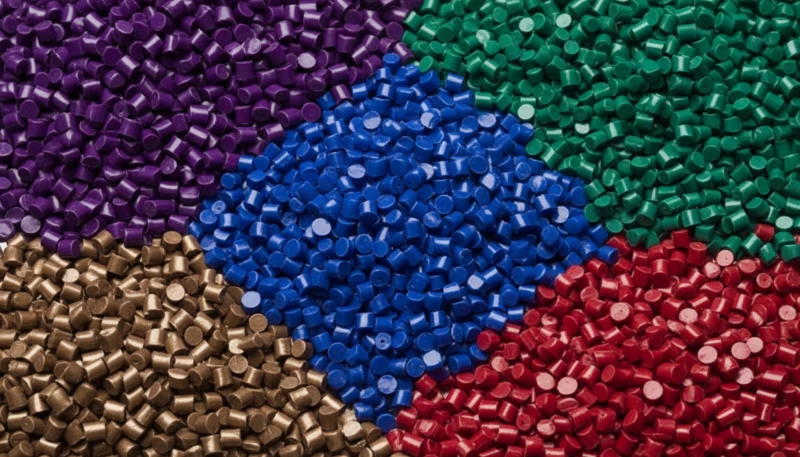
많은 자동차용 수지(PP, TPO, ABS)는 사전 착색 컴파운드를 사용할 수 있어 도장이 필요하지 않습니다. 성형 전에 원료 펠릿에 색상을 혼합하므로 부품 전체에 균일한 색상이 형성됩니다.
자동차 부품 사출성형에 관한 자주 묻는 질문
사출 성형으로 자동차 내장재와 외장재를 모두 생산할 수 있습니까?
예. 사출 성형은 자동차 내장 및 외장 부품 모두에 원활히 적용됩니다. 계기판, 도어 트림, 센터 콘솔 및 컵 홀더 같은 내장 부품에는 비용, 충격 저항 및 표면 품질의 균형이 좋은 PP와 ABS가 주로 사용됩니다. 범퍼, 그릴, 미러 하우징 및 램프 렌즈 같은 외장 부품에는 TPO와 폴리카보네이트 블렌드 등 UV 안정 등급이 필요합니다. 설비가 잘 갖춰진 하나의 성형 공장에서 두 부류를 모두 생산할 수 있지만, 외장 부품은 일반적으로 더 엄격한 표면 마감 사양과 내후성 시험이 필요합니다.
자동차 사출 성형에서 가장 일반적으로 사용되는 플라스틱은 무엇입니까?
폴리프로필렌(PP)은 자동차 사출 성형에서 가장 많이 사용되는 단일 플라스틱으로, 차량 내 전체 플라스틱 함량의 약 40 percent를 차지합니다. 낮은 비용, 뛰어난 내화학성 및 용이한 가공성 덕분에 범퍼, 배터리 케이스 및 내장 트림 부품의 기본 선택입니다. ABS는 고품질 표면 조도가 필요한 내장 외관 부품에서 두 번째로 많이 사용됩니다. 나일론(PA6 및 PA66)은 엔진룸과 파워트레인 용도에서 주로 사용되고, 폴리카보네이트는 헤드램프 렌즈와 투명 커버에 적용됩니다. 이 네 가지 재료군이 전 세계 성형 자동차 부품의 대부분을 차지합니다.
사출 성형 자동차 부품은 어느 정도의 정밀도를 달성할 수 있습니까?
사출성형 자동차 부품은 양산 중 중요 치수에서 일반적으로 ±0.05~0.10 mm의 공차를 달성합니다. 전자 커넥터 하우징 및 EV 배터리 부품과 같은 고정밀 용도에서는 적절히 설계된 강재 금형과 엄격히 관리된 공정 조건을 통해 ±0.03 mm의 공차도 달성할 수 있습니다. 표면 조도는 별도의 마감이나 연마 작업 없이 금형에서 바로 준경면 수준인 SPI A-2 등급에 도달할 수 있어 생산 공정의 시간과 비용을 모두 절감합니다.
소량 자동차 부품에 사출성형이 경제적입니까?
생산량이 약 5,000개 미만이면 부품당 가격에서 금형 비용의 비중이 커져, 소량 생산 시 사출 성형은 CNC 가공이나 3D 프린팅보다 경제성이 떨어집니다. 그러나 내화학성, 난연성 또는 장기 UV 안정성처럼 성형용 열가소성 수지만 안정적으로 제공할 수 있는 물성이 필요하다면 알루미늄 금형을 사용한 소프트 툴링으로 손익분기 물량을 약 1,000~2,000개까지 낮추면서도 양산 등급의 물성과 치수 일관성을 확보할 수 있습니다.
자동차 사출 성형으로 달성할 수 있는 공차는 얼마입니까?
금형을 정밀 가공하고 적격성 평가 중 공정 매개변수를 고정하면 자동차 사출 성형 양산에서 주요 치수의 ±0.05 mm와 1.67 이상의 공정능력지수(Cpk)를 일반적으로 달성할 수 있습니다. 패스너와 클립용 다수 캐비티 양산 금형은 전체 캐비티의 캐비티 간 치수 편차를 0.02 mm 미만으로 유지합니다. 이러한 엄격한 공차를 일관되게 유지하려면 온도 제어 금형, 적절히 건조된 수지, 그리고 생산 전 과정에서 사출 압력, 용융 온도, 보압 및 냉각 시간을 실시간으로 통계 모니터링해야 합니다.
사출성형은 전기차 제조를 어떻게 지원하는가?
전기차는 배터리 모듈 하우징, 열관리 채널, 고전압 커넥터 실드, 경량 구조 브래킷을 모두 성형으로 생산하므로 사출 성형 플라스틱 부품 수요를 늘립니다. 고전압 배터리 팩의 엄격한 화재 안전 기준을 충족하기 위해 재료 요건은 UL94 V-0 등급 난연 소재와 할로겐 프리 컴파운드로 이동합니다. 치수 공차도 크게 엄격해집니다. IP67 방진·방수 등급을 충족해야 하는 배터리 인클로저의 밀봉면은 ±0.03 mm까지 요구되며, 이는 기존 내장 트림 공차보다 훨씬 엄격합니다.
사출 성형 자동차 부품이 금속 구조 부품을 대체할 수 있습니까?
유리섬유 강화 나일론과 구조용 폼 부품은 중요도가 낮은 여러 브래킷, 커버, 하우징에서 금속을 대체할 수 있으며, 자동차 제조업체는 매년 승인된 플라스틱 대체 목록을 확대하고 있습니다. 그러나 서스펜션 컨트롤 암, 롤 케이지, 충돌 구역 보강재 같은 주요 하중 지지 구조에는 여전히 금속과 탄소섬유 복합재가 주로 사용됩니다. 엔지니어는 리브 패턴, 최적화된 벽 두께, 재료 보강으로 강성 차이를 줄이지만, 플라스틱과 강철의 근본적인 탄성계수 차이는 고하중 구조 용도에서 피할 수 없는 제약입니다.
자동차 사출 성형에는 어떤 품질 표준이 적용됩니까?
ISO 9001은 자동차 산업에 납품하는 모든 사출 성형업체에 필요한 기본 품질 경영 시스템입니다. IATF 16949에는 Production Part Approval Process (PPAP) 문서, Failure Mode and Effects Analysis (FMEA), Statistical Process Control (SPC) 등 자동차 산업별 요구사항이 추가됩니다. 전기·전자 부품에는 UL94 난연 등급이 적용됩니다. 인장 물성에 관한 ASTM D638과 충격 저항에 관한 ASTM D256 같은 소재 시험 표준은 입고 소재 승인과 지속적인 생산 검증에 사용되어 프로그램 수명 전반에 걸쳐 일관된 부품 품질을 보장합니다.
자동차 사출 성형 프로젝트를 시작할 준비가 되셨습니까? ZetarMold 엔지니어링 팀에서 경쟁력 있는 가격, DFM 피드백 및 생산 일정을 받아보십시오. 당사는 Shanghai 시설에서 자동차 등급 부품을 성형해 온 20+ years의 경험을 보유하고 있습니다. 종합 평가 체크리스트는 사출 성형 공급업체 소싱 가이드를 확인하거나 지금 무료 견적을 요청하십시오.
2,000개의 플라스틱 부품: 자동차의 플라스틱 함량은 중량 기준 플라스틱 소재의 총비율을 뜻하며, 2,000개가 넘는 개별 부품으로 이루어진 현대 자동차에서는 일반적으로 12~15%입니다. ↩
유리섬유 강화 나일론: 나일론 66 수지에 유리섬유를 첨가하여 180 MPa 이상의 인장 강도와 150°C 이상의 열 변형 온도를 얻는 복합재 강화 방식입니다. ↩
100 km당 연료 0.3리터: 차량 중량을 줄여 얻는 연료 소비 절감 추정치로, 내연기관 차량에서 100 kg을 줄일 때마다 평균적으로 100 km당 약 0.3 L를 절감합니다. ↩