 콘텐츠로 건너뛰기

Sending a tooling payment to an overseas 사출 성형 공급업체 is the moment your project transitions from evaluation to commitment. Get it right, and you have a reliable manufacturing partner for years. Get it wrong, and you may lose $15,000–$50,000 in tooling costs before a single part ships. This checklist walks you through every category a buyer should verify before wiring that deposit—from company legitimacy and technical depth to contract terms and payment protection. We have built it from two decades of 사출 성형 experience, including the mistakes we have seen overseas buyers make firsthand.
- Verify supplier legal status, business license, and physical factory address before any payment discussion
- Confirm the supplier has machines in your required tonnage range and experience with your material
- ISO 9001 certification is the minimum quality threshold—do not accept verbal claims
- Tooling ownership, IP rights, and exit terms must be in writing before the deposit
- Never pay 100% upfront; use milestone payments tied to T0 sampling approval
Why Does Pre-Payment Due Diligence Matter?
The tooling payment is the single largest financial commitment in any custom 사출 금형 project. A single-cavity production mold can run $8,000–$25,000, and multi-cavity or family molds easily exceed $50,000. If the supplier turns out to be incompetent, unresponsive, or worse—nonexistent after payment—you are not just losing money. You are losing 6–12 weeks of product launch timeline. At ZetarMold, our engineers have seen roughly 30% of companies that approach us for rescue projects had a previous tooling failure with another supplier. The common thread was not that the previous supplier was fraudulent—most were legitimate factories. The problem was that the buyer never verified whether the supplier was the right fit for their specific project requirements before paying.
Due diligence is not about distrust. It is about making sure both sides understand the project scope, technical requirements, and commercial terms well enough to avoid costly disputes later. A supplier that resists reasonable verification questions is a supplier that will resist reasonable quality complaints.
What Should You Verify on the Supplier’s Company Profile?
Company verification is step one, yet many buyers skip it because the supplier’s website looks professional. A polished Alibaba storefront or a modern website tells you nothing about whether the company actually owns its factory or is a trading company subcontracting to the lowest bidder. Start with the business license. In China, every legitimate manufacturer has a Unified Social Credit Code registered with the local Administration for Market Regulation. Ask for a copy and verify the company name, registered address, legal representative, and business scope. The business scope must include manufacturing or mold making—trading companies often have a scope limited to buying and selling.
Next, verify the physical address. Not the office address on the website—the actual factory address. Ask for a Google Maps pin or coordinates. If possible, arrange a video call where the supplier walks you through the production floor in real time. We have seen cases where a supposed factory tour used footage from a different facility entirely. Check how long the company has been in operation under the same ownership. Injection molding requires accumulated process knowledge—companies that have changed ownership multiple times or have been operating for less than five years may lack the depth needed for complex projects. Look for a supplier with at least 10 years of continuous operation.
How Do You Evaluate Technical and Production Capabilities?
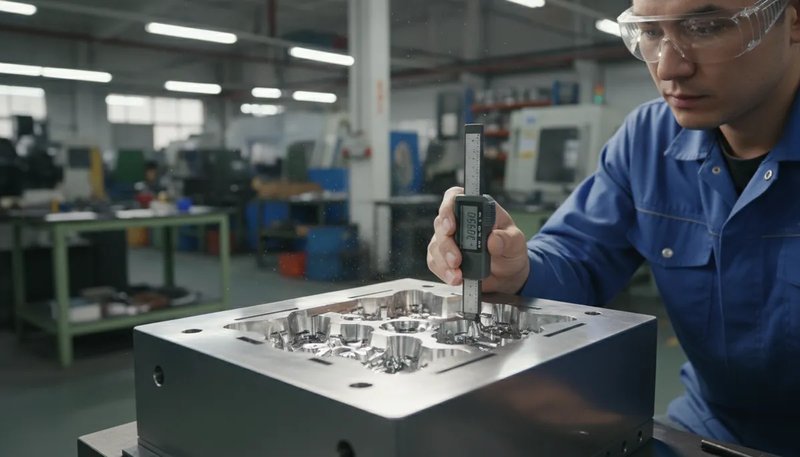
Ask whether mold design and manufacturing are in-house. When mold design and manufacturing are in-house, you get one accountable team rather than disconnected suppliers and vendors. Ask who runs CAD and CAE in-house, whether they use software like SOLIDWORKS and MOLDFLOW, and how often engineering changes are released during tooling. Ask how they select steel for your mold. P20 steel is standard for moderate volume molds, while H13 or S136 is common for very high volume or demanding parts.
Review toolmaker references before wiring money. Ask for 3D print previews, process plans, and previous project records for similar molds. A supplier that can show real mold flow analysis, cooling layout, and design change history is usually the one that has controlled engineering capabilities. Avoid suppliers who claim they can do everything in a day and still guarantee first-pass success.
What Quality Management Systems Must Be Verified?
Quality management is not a certificate on a wall; it is a daily operating practice. At minimum, a reputable supplier should hold ISO 90011 and maintain clear inspection procedures. If your project serves medical, automotive, or regulated markets, ask whether ISO 134852 또는 IATF 169493 requirements apply, and request sample records that prove the system is used during production rather than only during sales discussions.
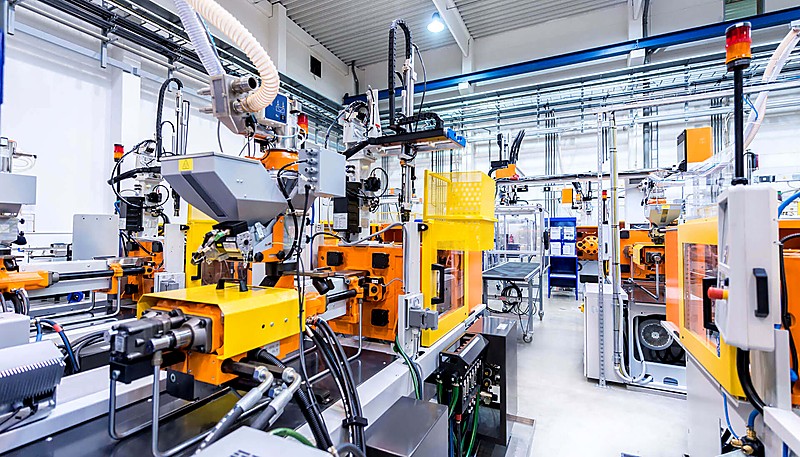
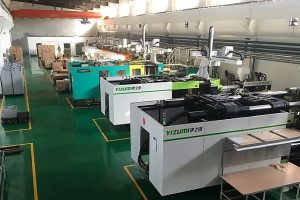
In our Shanghai factory, we run 47 injection molding machines from 90T to 1850T, with 8 senior engineers and 10+ QC specialists on the production floor. We support over 400+ plastic materials and use in-house mold manufacturing to keep tool design-to-production handoff controlled.
Before accepting any certificate as evidence, ask the supplier to connect the certificate to daily records: incoming inspection logs, in-process dimension checks, first article approval, nonconformance reports, corrective action records, and final inspection files. A serious supplier should be able to show how an order moves from material receipt to sample approval and mass production release.
The strongest evidence is not the certificate number itself; it is the repeatable trail of inspection records, responsible owners, timestamps, and signed acceptance criteria. For overseas buyers, this matters because tooling payments are often made before shipment inspection is possible. This is also where factory visits, video audits, and sample inspection reports should match each other instead of telling different stories.
If the supplier can explain who checks the mold trial, which dimensions are measured, how defects are escalated, and when corrective actions are closed, the quality system is working as an operating method rather than sales decoration.
Before payment, ask for one anonymized inspection package from a similar export project. It should show measured dimensions, tolerance limits, inspection tools, approval status, signed disposition, and the person responsible for release.
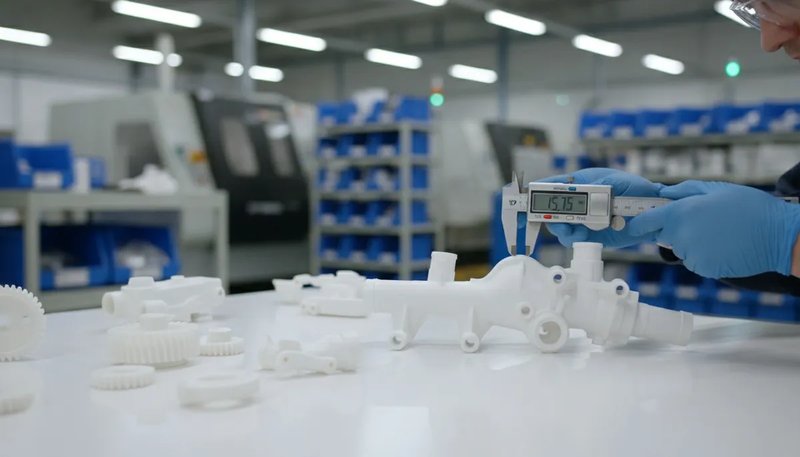
Keep these inspection records attached to the commercial milestone file, not only in the quality folder. That prevents a passed sample from being discussed separately from payment responsibility.
After the sample inspection step, confirm that the same discipline continues into tooling agreement control. Inspection evidence should feed directly into acceptance criteria, milestone payment conditions, corrective action timing, sample approval records, and payment hold points, so quality findings cannot be separated from commercial responsibility.
Beyond certificates, ask about incoming material inspection. Does the supplier test material properties on arrival, or do they trust the supplier’s datasheet? Material lot tracking is critical for defect root-cause analysis. If the supplier cannot tell you which resin lot was used in a production run, they cannot isolate quality problems. Ask what inspection frequency they use for critical dimensions, and how they define rejection criteria for first article and ongoing production.
How Do You Assess Communication and Project Management?
Communication quality predicts delivery quality. Before payment, confirm whether there is a dedicated English-speaking project manager and whether they use structured reporting. Ask who owns engineering approvals, who owns communication, and who handles commercial questions. A supplier that cannot introduce a clear single-point contact is likely to create delays when things become difficult.
Ask about reporting cadence. Request a sample weekly progress template and weekly engineering update. Are photos attached? Are risk items written down with owners and deadlines? What happens when a steel issue appears? If escalation only happens by WhatsApp ping at the last minute, the supplier has not built a stable project workflow for international buyers.
What Should the Tooling Agreement Include?
A tooling agreement is the written control document for ownership, scope, acceptance criteria, transfer rights, and failed-sample handling. Before paying for tooling, require the agreement to name the legal tool owner, identify the mold number, list included engineering changes, and describe how the mold can be moved if the supplier relationship ends.
Protective payment terms tie each payment to a visible technical milestone, not to vague calendar promises. A practical structure is deposit after PO confirmation, another payment after tooling design approval, another after first acceptable samples, and final balance after inspection records are reviewed. For high-value tools, ask the supplier to document what evidence is required before each payment is released.
What Payment Terms Protect Overseas Buyers?
Payment terms protect overseas buyers when each transfer is tied to a visible technical milestone and written acceptance evidence. A common starting structure is 30% deposit with PO, 30% at tooling design release, 30% at first sample, and 10% after acceptance. This keeps leverage available until the supplier proves real progress with documents, photos, trial records, and inspection results.
Use bank wire transfer for cross-border payments and verify the beneficiary matches the licensed legal entity. Consider using a letter of credit for larger projects, especially when tool complexity is high.
“Milestone-based payments give buyers leverage at every technical checkpoint, reducing total risk exposure.”True
When payments are tied to verifiable milestones like T0 sampling and first article inspection, the supplier must demonstrate progress before receiving funds. This structure naturally enforces accountability and surfaces problems early.
“A 30% deposit means the supplier is automatically contractually guaranteed to deliver the tool on schedule.”False
A deposit is a prepayment and does not automatically eliminate delivery and performance risk. Performance issues are resolved through contract and project governance, not deposit amount alone.
After reviewing payment terms, ask the supplier to show exactly what evidence will be delivered at each milestone. Useful evidence includes mold design screenshots, steel purchase records, machining photos, T0 trial reports, dimensional inspection results, and short videos of the mold running on the assigned machine. This turns payment approval from a trust-based decision into an evidence-based decision and reduces the chance of paying ahead of real progress. If the supplier cannot define the evidence package, slow the project down before sending funds.
“Payment to a personal account is a strong warning sign for tooling projects.”True
수익자 이름은 계약서 및 등록 서류의 법인과 일치해야 합니다. 개인 계좌는 법적 및 세무적 모호성을 초래할 수 있으며 문제 발생 시 집행을 지연시킬 수 있습니다.
"도구 제작 견적이 매우 낮은 것은 최종 프로젝트 경제성에 항상 좋은 신호입니다."False
비정상적으로 낮은 가격은 종종 불충분한 도구 분석, 느린 수정 주기, 또는 총 비용을 증가시키는 후기 품질 문제와 같은 숨겨진 절충을 의미합니다.
What Red Flags Should Stop Payment?
레드 플래그는 자금이 송금되기 전에 법적, 공장, 기술적 또는 지불 위험을 보여주는 공급업체의 행동입니다. 공급업체가 법적 정체성, 공장 통제, 기술적 능력, 마일스톤 책임을 서면으로 증명할 수 없을 때 지불을 중지하세요. 레드 플래그에는 개인 계좌로의 지불 요청, 공장 증거 공유 거부, 모호한 금형 답변, DFM 검토 전 지불 압박, 계약서, 송장, 은행 정보, 인증서 간 회사명 불일치 등이 포함됩니다.
보증금 지불 전 명확한 기록을 제공하지 못하는 공급업체는 속도를 높이기보다는 속도를 늦춰야 할 신호입니다. 조달 가이드를 확인하고 각 위험 신호를 프로젝트 진행을 위한 실질적인 검토 지점으로 활용하세요.
소재 역량과 가공 지식을 어떻게 확인하나요?
재료 전문성은 중간 규모 공급업체가 한계를 드러내는 부분입니다. 재료별 질문을 하세요: 나일론의 건조 매개변수, PC와 PEEK의 수분 관리, TPU의 온도 범위 등. 공급업체가 일반적인 답변을 한다면, 보증금 지불 전 샘플 커뮤니케이션 기록을 테스트하세요.
재료 검증 과정은 품질 관리 규율도 드러냅니다. 신뢰할 수 있는 공급업체는 재료 로트 기록을 유지하고 각 성형 로트를 원재료 데이터까지 추적할 수 있습니다. 입고되는 수분 함량이 측정되는지, 각 교대별로 공정 편차가 기록되는지 물어보세요.
도착한 재료 백과 용기의 라벨 명확성, 오염, 손상 여부를 검사하세요. 가공 전 부적절한 저장은 성형 시작 전에 불량률과 품질 위험을 높일 수 있습니다.
재료 증명서(COA)와 공급업체 추적성 서류를 요청하세요. COA와 로트 수준 추적성이 없으면 결함을 분리하고 신속한 시정 조치를 집행하기 어렵습니다.
레진 민감성 프로젝트의 경우, 공급업체에게 건조 시간, 건조 온도, 재생산 한도, 컬러 마스터배치 관리, 시제품 생산 중 로트를 어떻게 분리하는지 설명하도록 요청하세요. 신뢰할 수 있는 공급업체는 각 답변을 구두 약속이 아닌 작업 현장 문서와 연결할 수 있어야 합니다. 답변이 모호할 경우, 보증금 지불 전 간단한 서면 공정 시트를 요청하세요.
공급업체에게 수요가 최고조일 때 용량을 어떻게 처리하는지 물어보세요. 좋은 공급업체는 귀하의 프로젝트가 기회주의적인 일정 재조정으로 지연되지 않도록 명확한 우선순위 규칙과 에스컬레이션 경로를 가지고 있습니다.
실용적인 규칙 하나를 세우세요: 보증금 지불 전에 중요한 답변이 서면으로 누락된 경우, 진행을 멈추고 차이 해소 통화를 요청하세요.
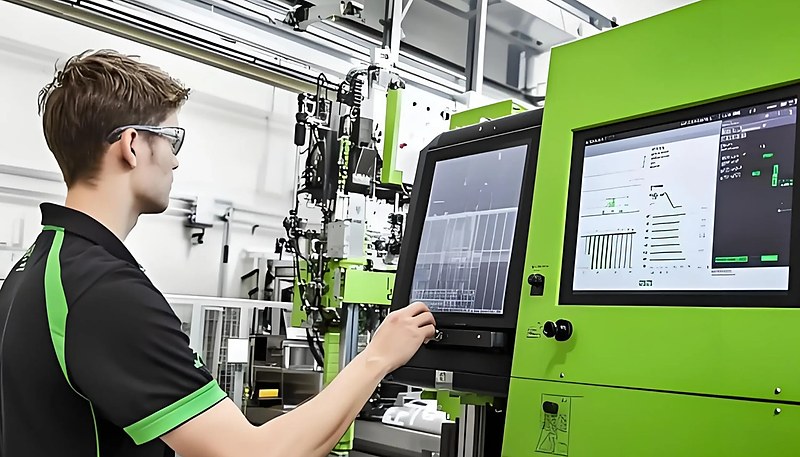
생산 능력을 확인하기 전에, 공급업체가 시험 샘플링, 파일럿 생산, 대량 생산 작업을 어떻게 분리하는지 간단한 설명을 요청하세요. 최고의 공급업체는 샘플링 중 긴급한 엔지니어링 변경이 발생할 때 기계 톤수 계획, 금형 유지 보수 기간, 품질 검사원 배치, 에스컬레이션 규칙을 보여줄 수 있습니다. 이 능력 증명은 일정 약속을 측정 가능하게 유지합니다.
상세한 도구 제작 견적을 요청하고 범위 세부사항(캐비티, 냉각, 예상 변경사항, 샘플 일정)을 검토하세요. 투명한 견적은 불일치를 줄이고 프로젝트 거버넌스를 단순화합니다.
능력 검증에는 장비 가용성과 엔지니어링 가용성 모두가 포함되어야 합니다. 공급업체가 충분한 기계는 보유하고 있을 수 있지만, 피크 기간 동안 프로젝트 엔지니어, 금형 유지 보수 능력, 품질 검사원이 부족할 수 있습니다. 지불 전에, 누가 DFM 피드백을 담당하는지, 누가 강철 절단을 승인하는지, 누가 샘플 검토 회의에 참석하는지, 시험 사출 후 누가 시정 조치를 승인하는지 물어보세요.
자주 묻는 질문
Frequently Asked Questions?
사출 성형 금형 프로젝트에서 지연의 가장 일반적인 원인은 무엇인가요?
가장 흔한 원인은 설계 변경, 의사소통 지연, 테스트 불일치입니다. 대부분의 지연은 명확한 담당자와 서명된 마일스톤으로 조기에 표면화되면 복구 가능합니다.
What certifications should an injection molding supplier have?
대부분의 글로벌 공급 시나리오에서 ISO 9001과 ISO 13485는 기본 기대치이며, ISO 14001과 ISO 45001은 성숙한 공급업체를 위한 추가 프로세스 지표입니다.
금형 비용을 지불한 후 사출 금형을 소유하게 되나요?
소유권은 계약서에 명시적으로 기재되어야 합니다. 구매자는 프로젝트 수락 및 지불 마일스톤이 충족된 후 소유권 이전과 해제 일정을 확인하는 문구를 요구해야 합니다.
무역 회사와 실제 사출 성형 공장의 차이는 무엇인가요?
무역 회사는 공장에 프로젝트를 판매하고 중개하지만, 일반적으로 완전한 금형 설계부터 생산까지의 연속성을 소유하지 않습니다. 실제 공장은 공정 흐름을 소유하며 능력과 자원 투명성이 더 높습니다.
초기 견적 후 지불 조건을 협상할 수 있나요?
네, 하지만 최종 보증금 확정 전에 미리 하세요. 마일스톤 비율과 수락 테스트를 먼저 협상한 후, 서면 부록으로 변경 사항을 구속하세요.
도구 제작 보증금 지불 전 조달 가이드가 도움이 되는 이유는 무엇인가요?
이것을 사용하세요 sourcing guide 자금 이전 전에 법적, 기술적, 상업적 위험을 확인하기 위해. 이 가이드는 체크리스트 팀이 올바른 순서로 올바른 질문을 할 수 있도록 돕습니다.
첫날 모든 부품이 필요하지는 않습니다. 먼저 구조화된 질문을 하고, 공급업체가 추적 가능한 능력을 입증한 후에만 보증금을 지불하세요.



 EN
EN  ES
ES  FR
FR  DE
DE  PT
PT  AR
AR  RU
RU  JA
JA  KO
KO  IT
IT  NL
NL  TR
TR  PL
PL 